
Reviewed · KYOTO PRIVATE GUIDED TOURS
Kyoto & Nara Private Tour from Osaka Kyoto Hotel Pick-up
One day, two ancient capitals. This is a private Kyoto and Nara highlights run with hotel pickup and a comfortable, air-conditioned vehicle, so you’re not spending the day bouncing between trains and timetables. I especially like that Todai-ji and Kinkaku-ji entrance fees are covered, and that your guide adds context while you move through major sites like Nara Park, Arashiyama, and Fushimi Inari.
The main thing to consider is that it’s a long day (about 8–10 hours), with a decent amount of time on the road. If you’re the type who wants nonstop storytelling during every drive, you’ll want to communicate that when you meet your guide, since tour styles can vary.
In This Review
- Key things to know before you go
- A one-day Kyoto and Nara plan that actually fits
- Osaka-to-Kyoto transport: the real comfort upgrade
- Stop 1: Todai-ji Temple and the Great Buddha moment
- Stop 2: Nara Park deer time with deer crackers
- Stop 3: Kinkaku-ji Golden Pavilion in about 1 hour
- Stop 4 and 5: Arashiyama Kimono Forest and the bamboo area
- Stop 6: Fushimi Inari Taisha’s torii trails
- Guide commentary: where the private tour earns its keep
- Timing and crowd reality: how to avoid the worst day-trip feeling
- What’s included (and what you’ll likely handle yourself)
- Price and value: $266.85 per person for a full-day private hit list
- Who this tour fits best (and who might want a different plan)
- Should you book the Kyoto & Nara Private Tour from Osaka?
- FAQ
- What is the duration of the Kyoto and Nara private tour?
- Do I get hotel pickup from Osaka or Kyoto?
- Is the tour private or shared with other groups?
- Which attractions are included in the itinerary?
- Are entrance fees included?
- Is there an English guide?
- What about food during the day?
- What if the weather is bad?
- Are service animals allowed, and how much walking is involved?
Key things to know before you go
- Private hotel pickup from Osaka or Kyoto, plus return transport back to Osaka
- Admission included for Todai-ji (800 yen) and Kinkaku-ji (500 yen)
- A tight, time-saving order: Nara first, then Kyoto highlights
- Arashiyama in two bites: the Kimono Forest install at Arashiyama Station plus the bamboo area
- English guide commentary focused on temple and shrine meaning, not just photos
A one-day Kyoto and Nara plan that actually fits
Kyoto and Nara are the kind of places that can swallow your whole schedule if you travel like a tourist with a map and a prayer. This tour is built for the opposite goal: hit the big, iconic stops in a single day while a driver handles the logistics.
The private format matters more than you’d think. You can move at your pace, ask questions, and spend less time waiting around for other groups. And because you’re starting with pickup (instead of trying to coordinate your own train connections), you get your best sightseeing hours without burning daylight on transit stress.
Have a local lead the way on more Kyoto tours
Osaka-to-Kyoto transport: the real comfort upgrade
This tour includes an air-conditioned vehicle, parking fees, and fuel surcharge, plus the travel time from Osaka to Kyoto and Nara and back to Osaka. Translation: you get the hard part handled.
You also get a smoother flow through traffic-heavy zones. That matters for places like Arashiyama and Fushimi Inari where walking is easy, but entering the area and moving between stops can take longer than you expect. A private car won’t magically erase crowds, but it does reduce the frustrating “we’re here but we’re stuck” moments.
A lot of guides bring small extras that help on a long day. In past tour experiences, I’ve seen mention of water, snacks, and even umbrellas being provided so weather doesn’t derail your plans. These little details don’t sound glamorous, but they make a full day feel easier.
Stop 1: Todai-ji Temple and the Great Buddha moment
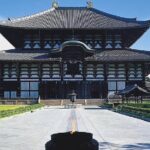
You start in Nara at Todai-ji Temple, with about 1 hour on site and the admission fee included. Todai-ji is famous for the Daibutsuden Hall, the massive wooden structure, and it houses the world’s largest bronze Buddha statue.
Even if you’ve seen photos, Todai-ji hits differently in person. The scale of the hall and the calm gravity of the statue create a “pause and look longer” effect. And with a private guide, you’re not just reading plaques. Your guide commentary helps connect what you’re seeing with the temple’s history and cultural meaning.
Practical tip: wear shoes you can stand in. One hour goes quickly when you’re taking in the hall, the surrounding temple area, and your guide’s explanations.
Stop 2: Nara Park deer time with deer crackers
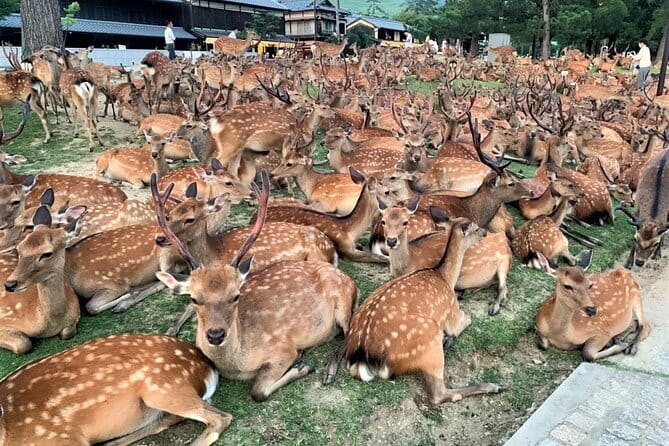
Next up is Nara Park for about 20 minutes. This is the stop most people remember, mostly because the deer are bold, cute, and used to people.
You can buy deer crackers to feed them, and it’s usually the fastest way to turn a tourist moment into a real interaction. The deer are described as sacred messengers connected to local beliefs, and that adds a layer beyond simple animal feeding. The key is keeping it light and respectful—watch your guide’s timing and instructions so it stays fun and safe.
This is also a smart use of time. Nara Park can expand into hours if you get distracted. Here, it’s short on purpose so you can still enjoy Kyoto later without ending the day rushed.
Stop 3: Kinkaku-ji Golden Pavilion in about 1 hour
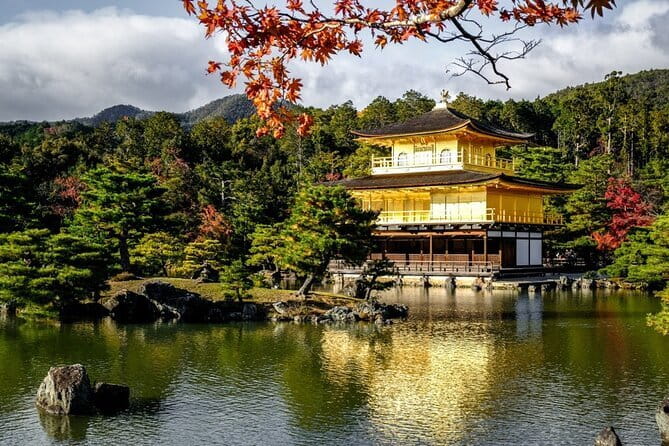
Back in Kyoto, you’ll visit Kinkaku-ji (the Golden Pavilion). Expect about 1 hour, with admission included (500 yen).
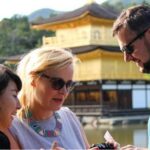
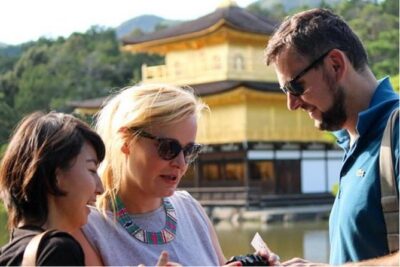
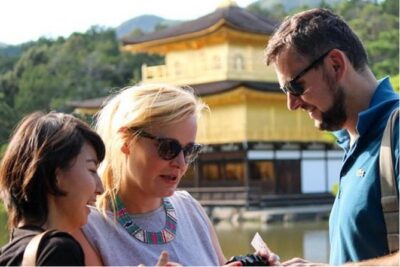
Kinkaku-ji is famous for the gleam of the pavilion rising from traditional gardens and the classic reflections in the pond area. It’s one of those spots where a guide helps you focus. Instead of just walking for the next photo angle, you’ll learn what the layout and design are meant to represent and why the temple is such a lasting symbol.
A note for pacing: one hour is enough for the main views, but it won’t be a slow, all-day garden wander. If you’re the kind of visitor who wants to stand and stare quietly, you may find yourself wishing for 30 more minutes. The trade-off is that you get multiple Kyoto highlights instead of one.
More day trips out to Nara and its bowing deer

Stop 4 and 5: Arashiyama Kimono Forest and the bamboo area
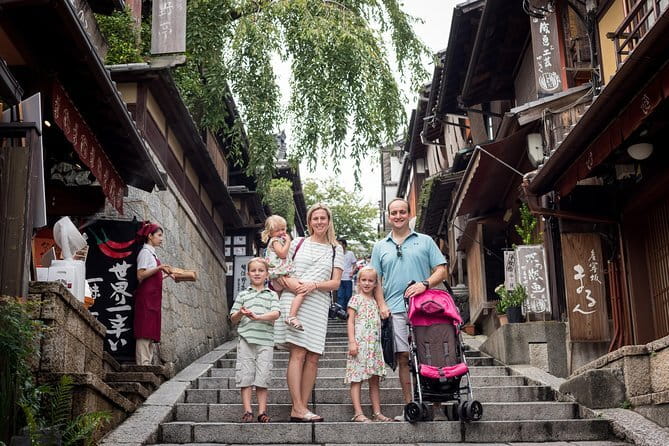
Arashiyama comes in two parts, and that’s a clever way to pack in variety.
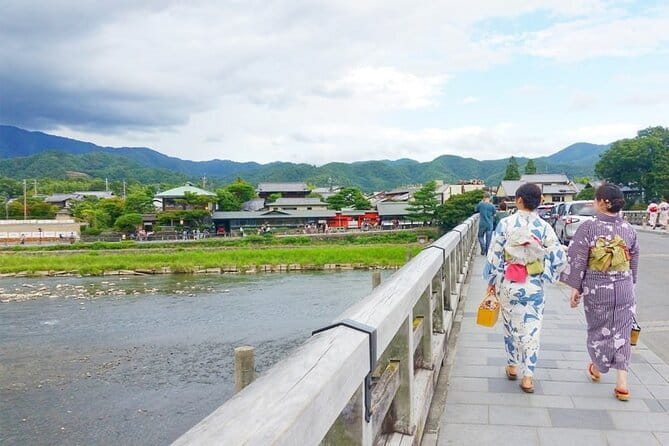
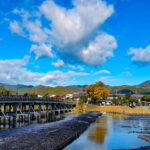
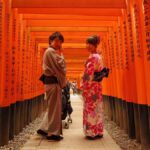
First is the Arashiyama Kimono Forest installation, about 20 minutes. It’s a colorful display of cylindrical pillars featuring kimono patterns, located near Arashiyama Station. This stop is quick, designed for photos and visual payoff, and it blends traditional textile inspiration with a more modern art installation feel.
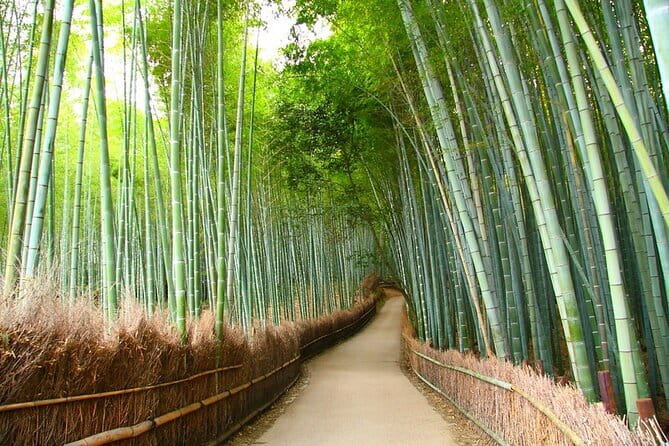
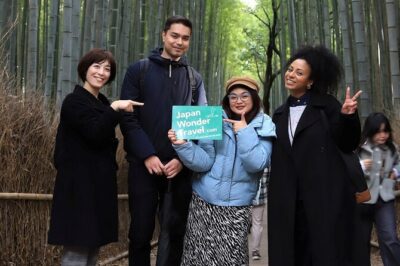
Then you move to Arashiyama itself for about 2 hours. This is the bamboo area many people dream about: tall bamboo stalks and narrow paths that create a tunnel-like walking experience. In a private tour setup, you can keep moving without worrying about missing a meeting point or trying to guess how long the walk back to transport will take.
Practical consideration: Arashiyama can be a weather test. If it rains, bamboo days can still be enjoyable, but paths can get slippery. Your guide can help you choose safer routes and timing—one reason private touring helps when conditions change.
Stop 6: Fushimi Inari Taisha’s torii trails
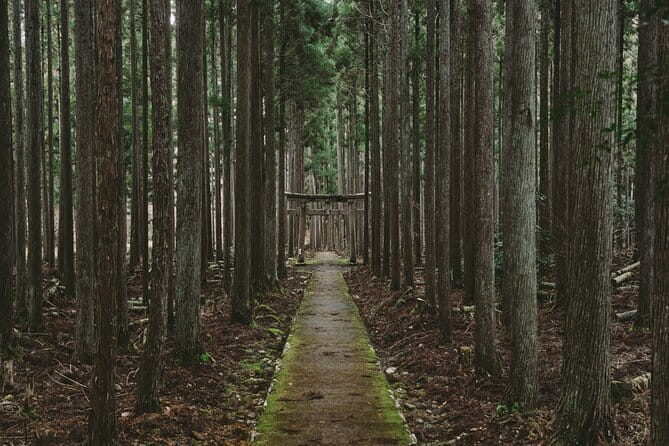
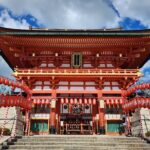
You finish Kyoto at Fushimi Inari Taisha for about 1 hour. This shrine is known for the thousands of vermilion torii gates that form trails through wooded areas, dedicated to Inari, the Shinto god associated with rice and prosperity.
What makes this stop special isn’t only the gates—it’s the way the path system invites you to keep walking. With a guide, you can choose a route that fits the time you have. One hour is enough for the most iconic sections and a meaningful walkthrough, but you won’t have time to explore every back corner.
If you want photos, plan on slowing down at key turns rather than sprinting between viewpoints. The gates stack up quickly along the trail, so you’ll get better results by pausing where the path naturally frames perspective.
Guide commentary: where the private tour earns its keep
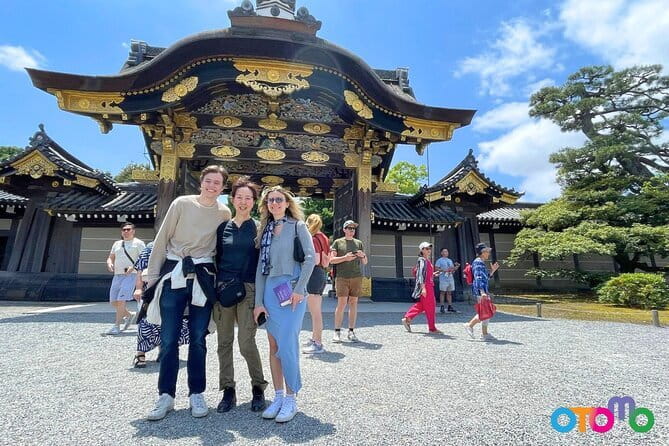
A private tour is only as good as the person behind the explanations. The best versions of this tour focus on meaning and local context, not just listing facts.
In earlier experiences, guides like Ben (also referred to as Yujiro), Christine, and Caroline have been praised for English skills, friendliness, and historical or cultural explanations tied to the sites. Some guides also provide practical help, like telling you what to notice before you step in and guiding your walking route so you get better photos without spending energy on indecision.
The best strategy for you: come with a few questions. Even simple ones like why certain elements are arranged a certain way, or how locals think about a shrine or temple, can turn a sightseeing hour into something you’ll remember.
There is one catch worth mentioning: not every guide approach will match every traveler’s expectations for constant conversation. If you want more stories during long drives, make that clear early. In a private setting, your guide can often adapt.
Timing and crowd reality: how to avoid the worst day-trip feeling
Kyoto is famous for crowd crush. The good news is that this itinerary is structured to keep you moving through the day and avoiding long waits.
By stacking Nara first and then moving through Kyoto highlights—Kinkaku-ji, Arashiyama, and Fushimi Inari—you reduce downtime where lines and congestion can eat your schedule. Private transport also helps you reposition without losing time to transfers.
Your guide can also adjust for peak-season pressure. Past experiences include guides planning the day with timing in mind, even during busy periods, and that’s exactly what makes a difference between a “we saw things” day and a “we enjoyed the flow” day.
Weather is another reality. The experience is described as weather dependent, and if conditions are poor, you’ll be offered a different date or a full refund. That matters in Kyoto and Nara because rain can change both walking comfort and photo opportunities.
What’s included (and what you’ll likely handle yourself)
Here’s what you can count on being covered:
- Air-conditioned vehicle and parking fees
- Fuel surcharge
- English tour guide
- Entrance fee to Todai-ji Temple (800 yen)
- Entrance fee to Kinkaku-ji (500 yen)
- Travel time from Osaka to Kyoto and Nara and back to Osaka
- Mobile ticket
Not included:
- Gratuities or tipping
Meals are not listed as included in the core package. Still, some guide-led days have included recommendations or stops for lunch. In one example, a ramen lunch stop came up with a practical warning to ask whether it’s cash-only. My advice: don’t assume card payments will work everywhere you stop for food. If lunch matters to you, ask your guide what payment options are common at the planned place.
Price and value: $266.85 per person for a full-day private hit list
At $266.85 per person, this isn’t a budget bus tour. It’s closer to paying for convenience, time, and guidance.
Here’s why it can still feel like good value:
- You get private transport across Osaka–Kyoto–Nara and back, including parking and fuel.
- Entrance fees are included for two of the most costly-feeling stops: Todai-ji and Kinkaku-ji.
- You’re buying time you would otherwise spend planning routes, swapping lines, and managing your own navigation.
Where the price can feel heavy is if your group is small and you were hoping to move slowly or linger forever at one site. One day is a sprint, even with a guide. The itinerary is designed so you see many major highlights rather than deep, long study at a single place.
If you’re traveling with kids, multi-generational friends, or anyone who doesn’t want to play transit chess for a full day, that private vehicle can quickly justify the cost.
Who this tour fits best (and who might want a different plan)
This tour suits you if:
- You want a structured, efficient day that covers Kyoto and Nara highlights
- You prefer a private van over trains and crowded transfers
- You like history and cultural context, not only photo stops
- You’re okay with moderate walking and a long day total (the description calls for moderate physical fitness)
You may want to think twice if:
- You want heavy, constant engagement during every drive and no quiet moments
- You tend to get overwhelmed by an 8–10 hour schedule
- You need fully flexible timing with no itinerary at all (this is private, but it still follows a set order)
Should you book the Kyoto & Nara Private Tour from Osaka?
I’d book it if you’re the type of traveler who wants to solve your day in Japan. This itinerary does a lot: Todai-ji’s Great Buddha, Nara deer feeding, Kinkaku-ji’s Golden Pavilion, Arashiyama bamboo, and Fushimi Inari’s torii trails—all in one coherent day with pickup and an English guide.
Don’t book it if you’re looking for a slow, deep, pick-one-neighborhood day. This tour is built for coverage and smooth logistics.
If you do book, do two things that make the day better: bring comfortable shoes, and tell your guide upfront what you care about most (photos, meaning, shrine customs, family-friendly pace). In a private setup, that usually turns a good day into a great one.
FAQ
What is the duration of the Kyoto and Nara private tour?
The tour runs about 8 to 10 hours.
Do I get hotel pickup from Osaka or Kyoto?
Yes. Pickup is offered from Osaka or Kyoto hotels (including pickup from your hotel address as part of the tour).
Is the tour private or shared with other groups?
It’s private. Only your group participates.
Which attractions are included in the itinerary?
The stops are Todai-ji Temple, Nara Park, Kinkaku-ji Temple, Arashiyama Kimono Forest, Arashiyama, and Fushimi Inari-taisha Shrine.
Are entrance fees included?
Entrance fees are included for Todai-ji Temple (800 yen) and Kinkaku-ji Temple (500 yen). Other listed stops (like Nara Park deer time and the Arashiyama Kimono Forest) are described as free.
Is there an English guide?
Yes. The tour includes an English tour guide.
What about food during the day?
Meals are not listed as included in the tour details. If you stop for lunch, payment rules may vary by restaurant, so it’s smart to ask your guide what to expect.
What if the weather is bad?
The experience requires good weather. If it’s canceled due to poor weather, you’ll be offered a different date or a full refund.
Are service animals allowed, and how much walking is involved?
Service animals are allowed. The tour notes a moderate physical fitness level, which implies you should be comfortable with a full-day visit and walking at each major site.
More Tour Reviews in Kyoto






More Nara Day Trips
More Private Tours of Kyoto
Just added: more Kyoto tours to browse








Kyoto Private Guided Tours, compared.
 ★ 5.0Private Kyoto Tour with a Local, Highlights & Hidden Gems, PersonalisedFrom $1021,543 reviews
 ★ 5.0Kyoto 6hr Private Tour with Government-Licensed GuideFrom $1551,369 reviews
 ★ 5.010 Must-see Spots in Kyoto One Day Private Tour (up to 7 people)From $1791,108 reviews
 ★ 5.0Kyoto 4hr Private Tour with Government-Licensed GuideFrom $109629 reviews
 ★ 4.8Private Tour with Local Licensed GuideFrom $106463 reviews
 ★ 5.0Private Kyoto Tour with Licensed Guide & Vehicle (Max 15 persons)From $634417 reviews
 ★ 5.0Kyoto Customized Private Tour: See Top Attractions in 1 DayFrom $132342 reviews
 ★ 4.6Kyoto/Osaka: Kyoto and Nara Customized Private Guided TourFrom $477258 reviews
Browse the lists this tour appears in