
Reviewed · KYOTO COOKING CLASSES
Kyoto Making Wagyu Sushi experience
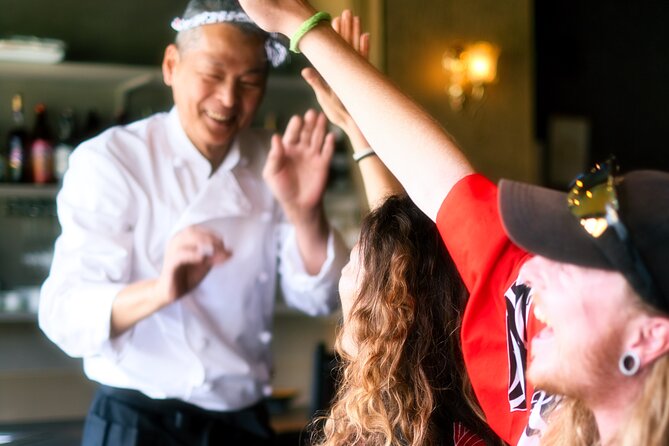
Sushi starts with your own hands. This Kyoto hands-on class turns a steakhouse setting into a sushi workshop, where wagyu sushi meets real technique you can actually use again. You’ll even dress the part with a special happi coat, which makes it feel more like a local craft lesson than a quick demo.
I especially like how you make multiple styles of sushi in one short session: nigiri, maki, and gunkan. It’s built for families too, with kids able to join (one group had children around age 10), and the atmosphere stays friendly. Chef Yoshi also brings fresh ingredients into the experience, which helps explain why the finished lunch tastes like more than just a class exercise.
One thing to plan for: the meeting point can be a little tricky to find. The address is in a building with multiple elevators, and even if Google Maps gets you to the right area, you may need to double-check which elevator to take to reach the 3F workshop.
In This Review
- Kyoto Wagyu Sushi Class: Quick Takeaways
- What This Kyoto Workshop Really Feels Like (Beyond the Basics)
- The Meeting Point: Getting to 3F Without Losing Time
- Step-by-Step: What You’ll Make from Start to Finish
- Washing Hands and Getting Set Up
- Making the Shari for Nigiri
- Topping Nigiri: Neat Assembly, Optional Wasabi
- Learning Maki Rolling and Getting the Cut Done
- Gunkan Maki: Seaweed Size Changes Everything
- The Best Part: Assembling Your Plate and Eating Together
- Wagyu in Sushi: Why This Combination Works
- Who This Class Fits Best (And Who Might Skip It)
- Price and Value: Is $70 Reasonable for Kyoto Wagyu Sushi?
- Weather, Timing, and Small Planning Details That Matter
- Should You Book Kyoto Making Wagyu Sushi?
- FAQ
- What is the duration of the Kyoto wagyu sushi-making experience?
- Where is the meeting point?
- What does the lunch include?
- What sushi do I make during the class?
- Is this experience suitable for children?
- Do I need to tell them about allergies?
- What happens if it gets canceled due to weather?
Kyoto Wagyu Sushi Class: Quick Takeaways
- Learn nigiri, maki, and gunkan in about 1 hour 15 minutes, not just one sushi type
- Hands-on technique for shari and topping assembly, with small tips that matter when you roll and shape
- Different nori sizes for gunkan so you see how small details change the final bite
- Happi coat included, so the experience feels more like a cultural workshop than a food photo op
- Small group (max 10), which keeps the pace calm and the instruction practical
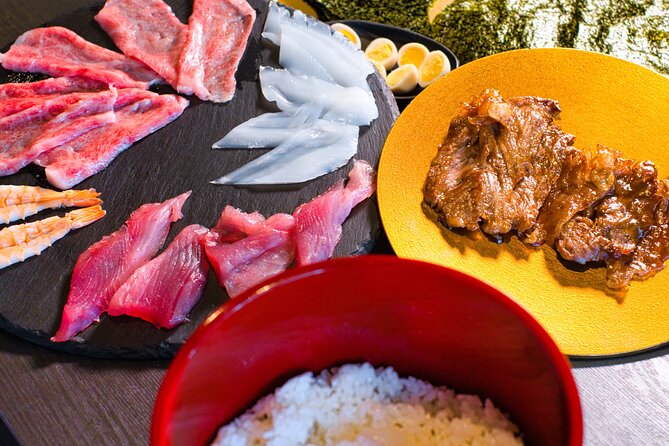
- Lunch is included: your sushi plus tempura, red miso soup (akada shi), pickles, and a soft drink
What This Kyoto Workshop Really Feels Like (Beyond the Basics)
This is not a sit-and-watch cooking show. It’s a guided, step-by-step sushi-making session in Kyoto where you’ll actively build the meal you’re going to eat at the end. The setting is a Kyoto steakhouse (Cocotte Alpha Premium Wagyu Teppanyaki Kyoto Pontocho), which already tells you the vibe: practical, focused on quality ingredients, and designed around getting you to the finish line fast.
What makes it interesting is the mix of classic form and a very specific ingredient theme: wagyu. Sushi rice and seaweed are traditional ingredients, but the wagyu angle gives you a new flavor direction and a fun way to connect Kyoto’s food culture with something less common. You’re also doing three formats, so you’re not walking away thinking you only learned one trick.
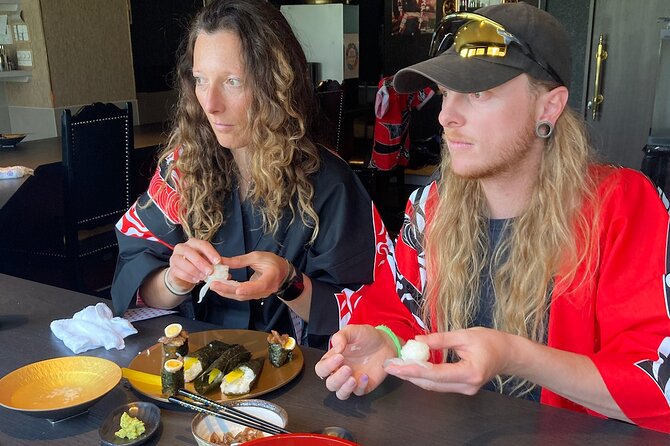
And yes, the happi coat helps. It’s a small detail, but it changes your brain from tourist mode to student mode. When you look and feel more like part of the workshop, you pay attention to the little handling tips that actually improve your results.
Still hungry? More tastes of Kyoto
The Meeting Point: Getting to 3F Without Losing Time
Your start point is clearly listed, but the location is the one practical hurdle worth preparing for. You’ll meet at:
Cocotte Alpha Premium Wagyu Teppanyaki Kyoto Pontocho, Golden Building 3F
175 Zaimokuchō, Nakagyo Ward, Kyoto (604-8017)
It starts at 12:00 pm, and since the class is only about 1 hour 15 minutes, being late can throw off your whole flow. If you rely on Google Maps, use it to get into the area, then double-check the building entrance and signage for the correct elevator route to the workshop on 3F. One helpful approach: arrive a few minutes early and ask staff where to go if anything looks unclear.
Good news: it’s near public transportation, so you’re not stuck with a long walk from a station. The main challenge is not distance, it’s simply choosing the right elevator inside the building.
Step-by-Step: What You’ll Make from Start to Finish
The experience follows a clear sequence, and that’s part of the value. You’re guided through the whole logic of sushi-making, from rice handling to assembling bites, then rolling and shaping seaweed-wrapped sushi.
Washing Hands and Getting Set Up
The class begins with a hand-washing step. That might sound basic, but in sushi craft it sets the tone. Clean hands help with rice control, and it also reminds you that sushi is about precision, not mess.
You’ll also get your workspace and a sense of what you’ll do next: shari first, then toppings, then rolling. If you’re traveling with kids, this early setup helps them understand the rhythm and rules right away.
Making the Shari for Nigiri
Next comes the shari (sushi rice) for nigiri. The workshop focuses on doing the rice work yourself, so you’re not just receiving pre-made portions. This is where many people learn the real difference between sushi rice that holds together and rice that falls apart.
Even though the lesson is short, the instruction is structured around what you need for the next steps:
- how to handle rice without crushing it
- how to portion and shape
- how the texture affects what comes after
The key takeaway for you: if your rice handling is solid, the rest of the sushi work becomes easier.
Roll up your sleeves for another Kyoto cooking class

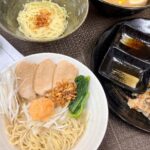
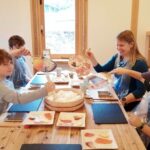
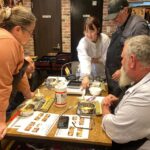
Topping Nigiri: Neat Assembly, Optional Wasabi
After shari, you’ll learn how to place the topping (ネタ) on your rice. You’re also given the option to add wasabi according to your preference. That small choice matters because some people want more heat, others want it mild.
You’ll finish your first complete pieces of nigiri by pairing the rice and topping into one bite. This is also where chefs’ coaching helps the most, because alignment and gentle pressure change the final shape.
If you have food allergies, this is the moment to double-check before you start handling ingredients. The experience specifically asks you to notify the provider in advance about allergies such as eggs and shrimp. Make sure you do this before you arrive, not on the day-of.
Learning Maki Rolling and Getting the Cut Done
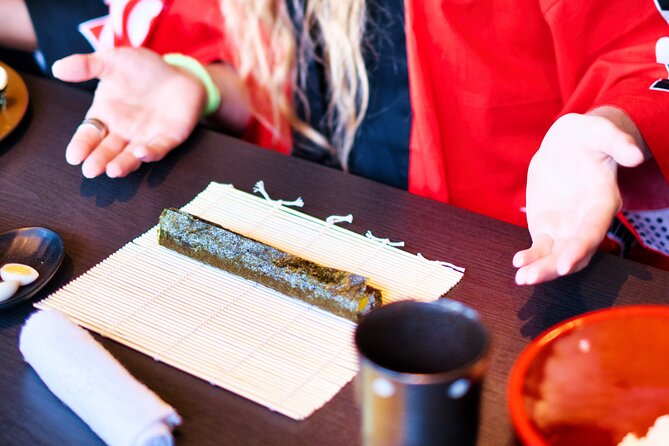
Then it’s maki (rolled sushi). Rolling is where sushi-making suddenly feels more like a craft than a sandwich assembly. You’ll practice forming the roll correctly, and you’ll learn how the roll turns into clean slices.
One practical detail: after you roll the sushi, the head chef cuts the roll for you. That matters because clean cutting is hard to learn in a 1-hour class, and it also protects your confidence. You get the experience of rolling while still ending with slices that look right.
For you, this is a good compromise. You leave understanding the roll process, even if the precision cutting is done by the chef.
Gunkan Maki: Seaweed Size Changes Everything
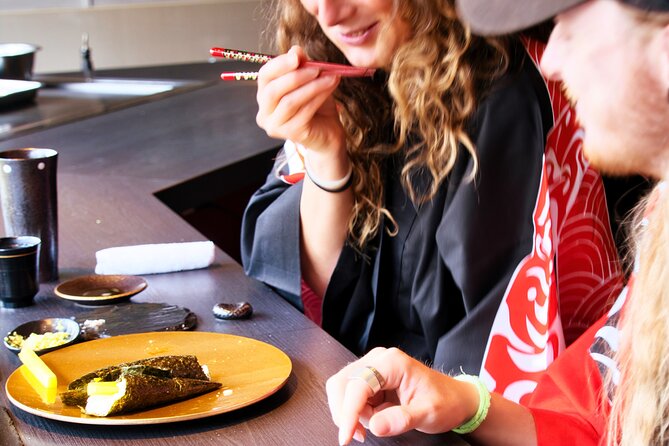
Finally, you’ll make gunkan (軍艦巻き). The workshop highlights something specific: each type uses different nori (seaweed) sizes. That’s a big insight because seaweed size controls how the topping holds, how high it sits, and how it bites.
If you’ve only seen gunkan in restaurants, this lesson helps you understand why it looks the way it does. You’re not just copying a shape. You’re learning how technique and materials combine.
Again, it’s quick. But seeing the different nori sizes in action is one of those practical details you can remember long after the meal.
The Best Part: Assembling Your Plate and Eating Together
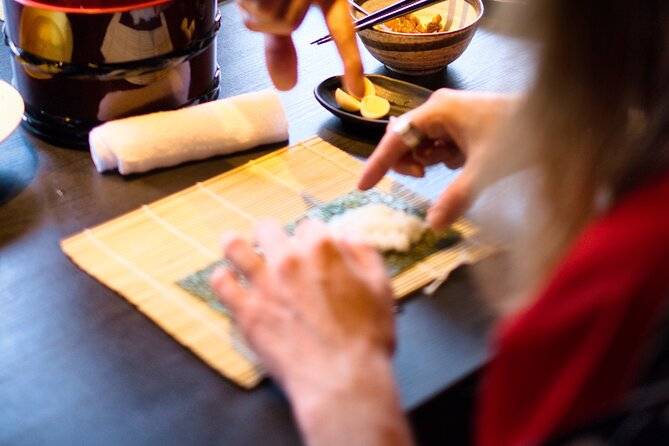
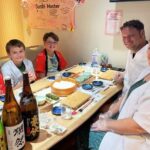
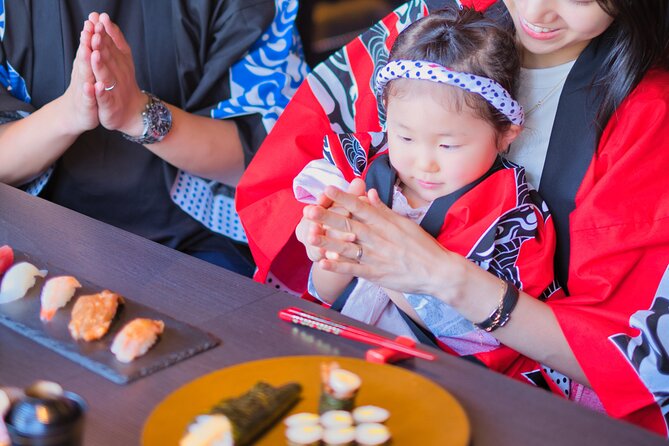
Once your sushi is done, you’ll line up what you made and say いただきます before eating. This is where the class becomes a real Kyoto lunch, not a classroom.
The included meal gives you a fuller picture of what this restaurant does beyond sushi. Your lunch includes:
- the sushi you made
- tempura
- red miso soup (赤だし)
- pickles (お漬物)
- a soft drink
I like meals like this because you’re testing your work immediately. If something falls apart, you notice right away and you can connect that outcome to what you learned. And since tempura and soup are included, you’re not leaving hungry if your sushi skills are still developing.
It also makes the whole experience feel like value, because you’re paying for both the lesson and a proper lunch. At around $70 per person, that inclusion matters more than people expect.
Wagyu in Sushi: Why This Combination Works
Wagyu is famous for richness, and sushi toppings are all about balance: rice sweetness, sea salt, acidity, and umami from fish or other ingredients. Wagyu’s flavor profile can hold up well in that environment if handled properly. In this class, wagyu is presented as part of the sushi craft rather than as a gimmick.
If you’re a food traveler who likes trying traditional technique with a modern ingredient twist, you’ll probably enjoy this. And if you’re coming from a background of steak, tempura, or teppanyaki meals in Japan, this class gives you a bridge into sushi making without requiring years of practice.
Who This Class Fits Best (And Who Might Skip It)
This works well for:
- couples looking for a fun, guided lunch date
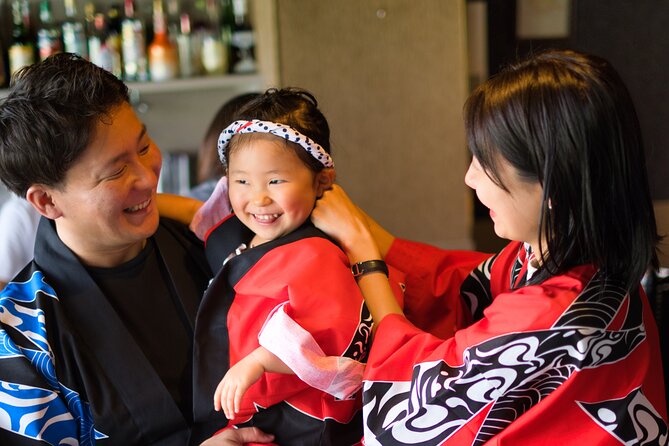
- families with children who can follow steps and enjoy hands-on cooking
- visitors who want to learn more than one sushi type in a short time
It might be less ideal if:
- you hate getting your hands dirty (you’ll be shaping rice and rolling sushi)
- you need a long, leisurely meal experience (this is compact: about 1 hour 15 minutes)
- you’re very sensitive to scheduling if you can’t arrive by the 12:00 start time
One more note: this is a small group with a maximum of 10. That generally keeps things comfortable and reduces the feeling of rushing through the steps.
Price and Value: Is $70 Reasonable for Kyoto Wagyu Sushi?
Let’s be honest: $70 per person is not a bargain price for “just a meal.” But this isn’t only a restaurant lunch. You’re paying for instruction, ingredients, and the included finished lunch (sushi plus tempura, soup, pickles, and a soft drink).
The value improves if you care about:
- learning technique you can repeat at home
- experiencing wagyu in a sushi format
- getting a structured lesson with a small group pace
Where it may feel pricey is if you’re mostly looking for sightseeing or you already know you won’t enjoy hands-on cooking. In that case, you might get a bigger payoff from a regular sushi meal elsewhere. For many people, though, the lesson-meal bundle is exactly what they want during a Kyoto lunch break.
Weather, Timing, and Small Planning Details That Matter
This experience requires good weather. If it’s canceled due to poor weather, you’ll be offered a different date or a full refund. Because of that, it’s smart to keep one flexible option in your Kyoto schedule around your chosen day.
Timing is also tight. With a 12:00 pm start and a little over an hour total, you’ll want to avoid booking a second activity right after unless you’re prepared for a small buffer.
Finally, there’s a mobile ticket involved. That’s convenient, but it also means you’ll want your phone battery and ticket access ready before you get there.
Should You Book Kyoto Making Wagyu Sushi?
If you want a Kyoto food experience that’s active, teachable, and ends with a real lunch you helped create, I think this is a strong yes. The small group size, the multiple sushi styles (nigiri, maki, gunkan), and the included tempura and miso soup make it feel like more than a short demo.
Book it especially if you:
- like hands-on classes with clear step-by-step guidance
- want a lunch date format that’s more memorable than another reservation
- are traveling as a family and want an experience kids can join
The main reason to pause is the location complexity. If you dislike hunting for rooms inside busy buildings, arrive early and plan to confirm the elevator route to reach Golden Building 3F.
FAQ
What is the duration of the Kyoto wagyu sushi-making experience?
It lasts about 1 hour 15 minutes.
Where is the meeting point?
You meet at Cocotte Alpha Premium Wagyu Teppanyaki Kyoto Pontocho, Golden Building 3F, 175 Zaimokuchō, Nakagyo Ward, Kyoto, 604-8017.
What does the lunch include?
Your lunch includes sushi, tempura, red miso soup (赤だし), pickles, and a soft drink.
What sushi do I make during the class?
You’ll make nigiri sushi (握り寿司), maki sushi (巻き寿司), and gunkan maki (軍艦巻き).
Is this experience suitable for children?
The class can be done by children, and family participation is supported. One booking included children around age 10.
Do I need to tell them about allergies?
Yes. If you have allergies, including egg or shrimp, you should notify the provider in advance.
What happens if it gets canceled due to weather?
The experience requires good weather. If it’s canceled due to poor weather, you’ll be offered a different date or a full refund.
More Tour Reviews in Kyoto
More Kyoto Cooking Classes
More Kyoto Food Tours
Just added: more Kyoto tours to browse


Kyoto Cooking Classes, compared.
 ★ 5.0Ramen Cooking Class at Ramen Factory in KyotoFrom $1311,937 reviews
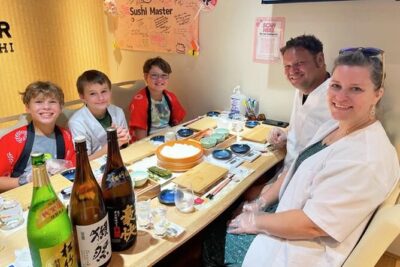 ★ 5.0Sushi Making in Kyoto! Same-day bookings welcome!From $53713 reviews
 ★ 4.9Ramen Cooking Class at a Ramen Factory with SouvenirFrom $127532 reviews
 ★ 5.0Ramen, Gyoza, and Onigiri Cooking ClassFrom $90445 reviews
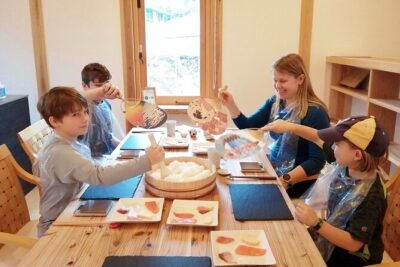 ★ 5.0The Original Small-Group Sushi Making Class in KyotoFrom $69436 reviews
 ★ 5.0Japanese Washoku Bento Small Group Cooking ClassFrom $58380 reviews
 ★ 5.0Kyoto Ramen and Gyoza Cooking Class with Professional ChefsFrom $86282 reviews
 ★ 4.9Afternoon Japanese Izakaya Cooking ClassFrom $67241 reviews
Browse the lists this tour appears in