
Reviewed · KYOTO COOKING CLASSES
Kyoto Home Cooking Class &Supermarket tour near Fushimiinari
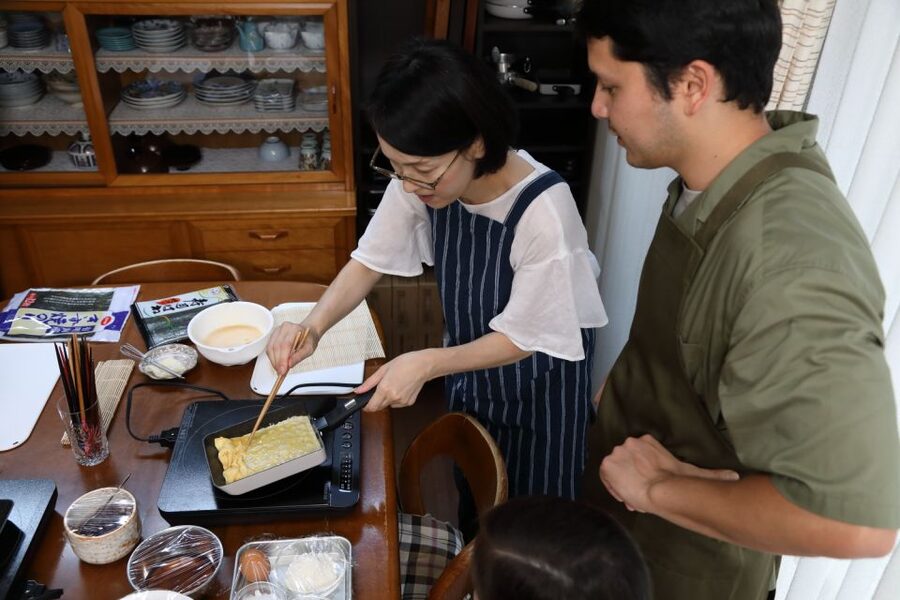
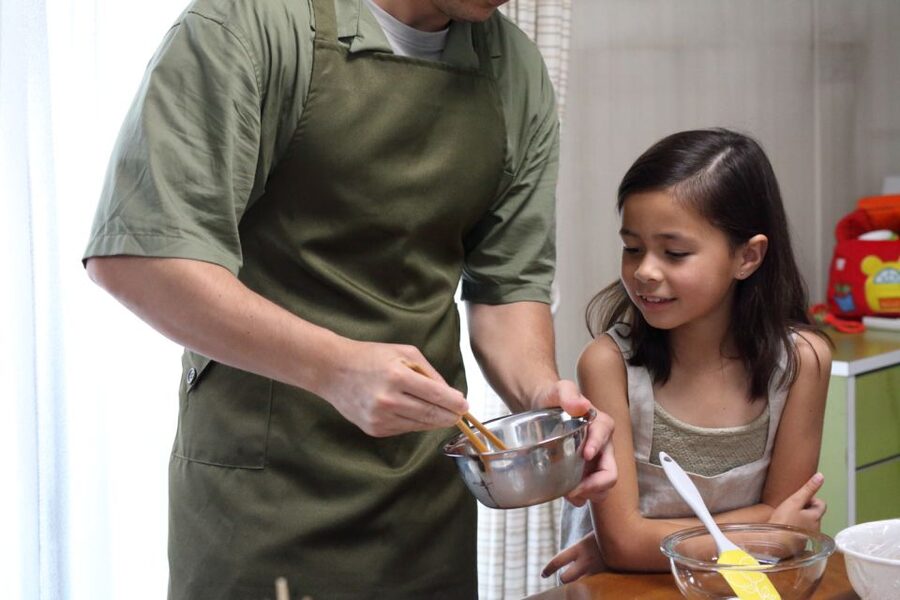
Cooking in Kyoto felt like visiting friends. This small-group home cooking class near Fushimi Inari puts you in a traditional Japanese room with garden views, and it feels personal from the first minute. I love how you’re treated like you belong there, not like you’re watching a show from the back row.
I also like that you learn the backbone of Japanese cooking right away: dashi, the soup stock behind so many dishes. The hands-on lesson walks you through cooking about five items, and then you cap it off with a fun supermarket tour to help you shop smarter next time.
One consideration: the menu can change by season, so you won’t always cook the exact same dishes every time.
In This Review
- Key points before you go
- A Kyoto home lesson, not a kitchen classroom
- Where it happens (and why that matters)
- Likely drawback: no hotel pickup
- Dashi first: the flavor foundation you’ll actually use
- Why this opening part is valuable
- The hands-on cooking block: about five dishes, guided then done by you
- What you might cook (and what to expect about variety)
- Lunch in a traditional Japanese room with garden views
- A simple strategy for getting more out of lunch
- The supermarket tour after lunch: how to shop like you cook
- What to watch for in the aisles
- Price and value: why $127 for 4 hours can make sense
- The real “value test”
- Practical details that affect your comfort
- What to bring
- What’s included (and what isn’t)
- Not suitable for some needs
- Who this class fits best in Kyoto
- Should you book Kyoto Home Cooking Class plus Supermarket Tour near Fushimi Inari?
- FAQ
- Is the class taught in English?
- How many people are in each group?
- What will we cook during the class?
- Can vegetarians or vegans join?
- What should I bring?
- Is the experience suitable for children or wheelchair users?
Key points before you go
- Traditional home setting with a garden-view lunch room that feels genuinely Japanese
- Dashi training so you understand the flavor engine behind lots of Japanese food
- Max 6 people, English-led instruction, and licensed guide interpreters so everyone can follow
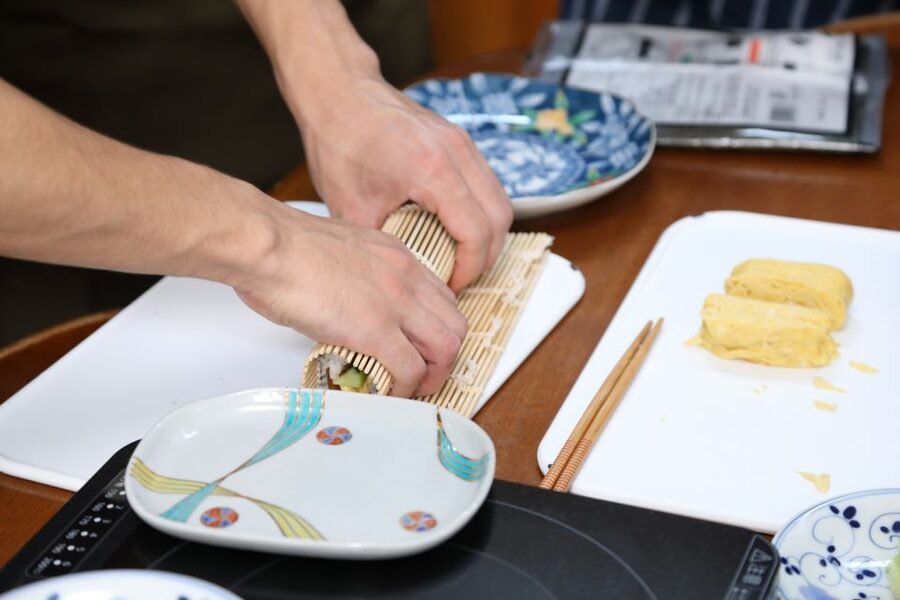
- Hands-on cooking: you prepare around five dishes (not just watch)
- Supermarket tour after lunch so you learn what to buy and what to look for
- Recipes provided, plus vegetarian dashi options when you let them know ahead of time
A Kyoto home lesson, not a kitchen classroom
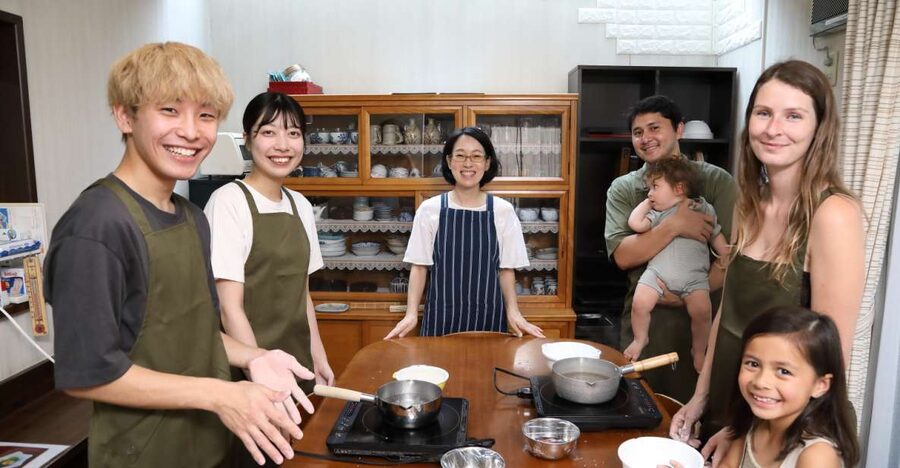
This experience takes place in a traditional Japanese house setup, where you’ll spend the class time cooking and then eat together in a Japanese-style room. The garden view is a big deal here. It turns a “cooking lesson” into something calmer, more human, and easier to enjoy.
The vibe is like being invited over for lunch by local Japanese friends. The instructors, led by Miho (you’ll hear her name often), are friendly and very focused on clear step-by-step guidance. In the reviews, people describe directions that are direct and detailed, which matters because Japanese cooking has small technique points that change the results.
Roll up your sleeves for another Kyoto cooking class

Where it happens (and why that matters)
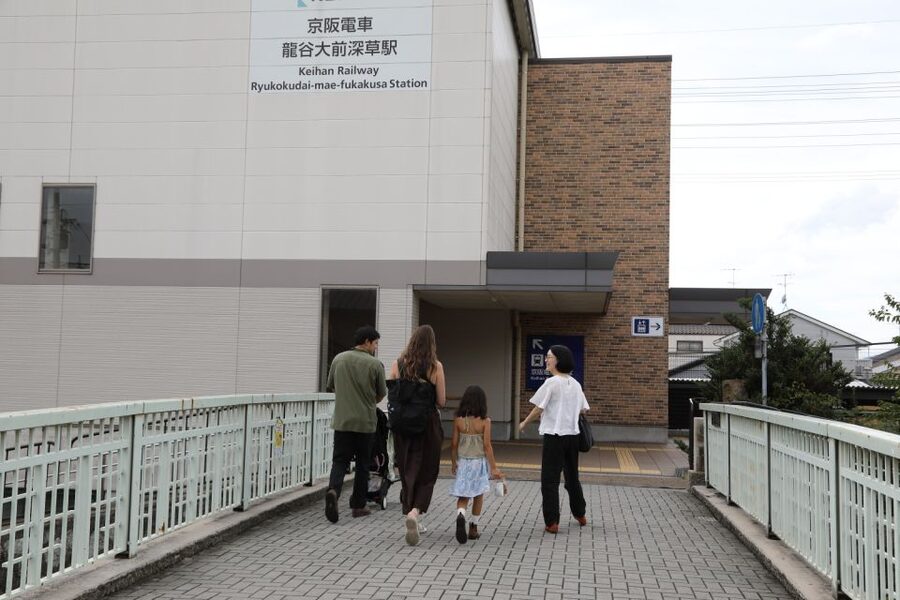
Being near the Fushimi Inari area is handy because Kyoto sightseeing is usually a lot of walking and bouncing between neighborhoods. After you finish, you’re already in the same general part of town for exploring. And the setting itself does the heavy lifting: you’re not doing this in a generic storefront kitchen.
Likely drawback: no hotel pickup
The class does not include hotel pickup or drop-off. If you’re staying far from the area, you’ll want to plan your own route so you arrive relaxed, not sprinting.
Dashi first: the flavor foundation you’ll actually use
You’ll start with dashi, Japanese soup stock. It’s found in nearly all Japanese cuisine, so once you understand it, a lot of other dishes start making sense. This isn’t just theory. The class frames dashi as the foundation, which makes the rest of the cooking lesson click faster.
You’ll also learn that dashi can be handled in a way that works for vegetarian and vegan guests. The class states they use dashi for vegetarian, which is a real plus if you don’t eat fish-based stock. Just make sure you tell them your dietary needs in advance so they can guide you properly.
Why this opening part is valuable
Most cooking classes teach recipes. This one also helps you understand the building blocks. That’s the difference between copying a dish and being able to cook Japanese food at home without guessing every step.
Other Kyoto tours and experiences to compare
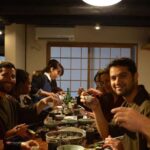


The hands-on cooking block: about five dishes, guided then done by you
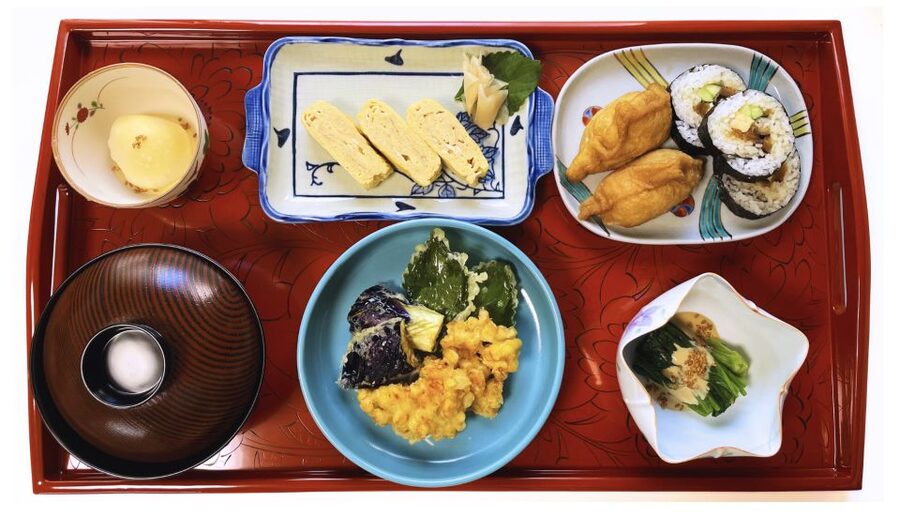
After the dashi start, the rhythm shifts into cooking. You’ll prepare about five dishes yourself, either solo or with your partner. Before you take over, instructors demonstrate how to make certain dishes in front of you, then you follow their method while the guidance stays close.
The class is designed for a small group size (maximum 6 people). That small number matters in practice: you get enough attention to correct technique without feeling rushed. Reviews mention that Miho is patient and makes it easy to learn the right way, and that matches what you want in a lesson where knife skills and timing can trip you up.
What you might cook (and what to expect about variety)
The menu may differ depending on the season, so the exact dishes can change. Still, the class is described as covering around five dishes, and reviews include examples such as Japanese omelet, sushi, tempura, mochi, miso soup, rolled egg, salad, and dessert. Think of it like: you’ll get a good sampler, with techniques that repeat across dishes.
Lunch in a traditional Japanese room with garden views
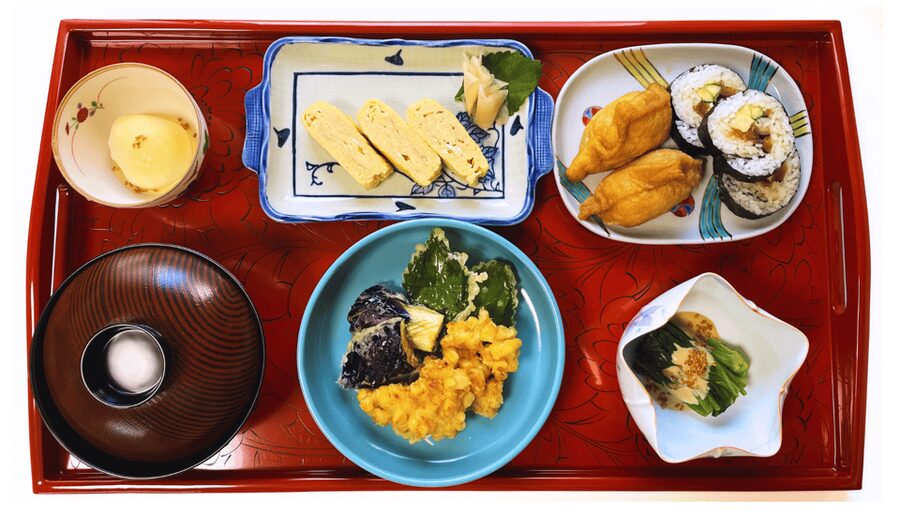
When your cooking is done, you’ll sit down and eat the dishes you made together in a traditional Japanese room. The description highlights the garden view, and that’s not a throwaway detail. In Japan, the setting affects your pace. You slow down. You notice textures and flavors more.
Because the lunch happens right after cooking, everything stays fresh in your mind. You’re not trying to remember what went into a sauce after the class has ended. You taste, you connect flavors to steps, then you move right into learning how to shop for those ingredients.
A simple strategy for getting more out of lunch
As you eat, try to map flavors to what you cooked: stock-based soups taste different from seasoned dipping sauces. If you know what you made, you’ll shop smarter later.
The supermarket tour after lunch: how to shop like you cook
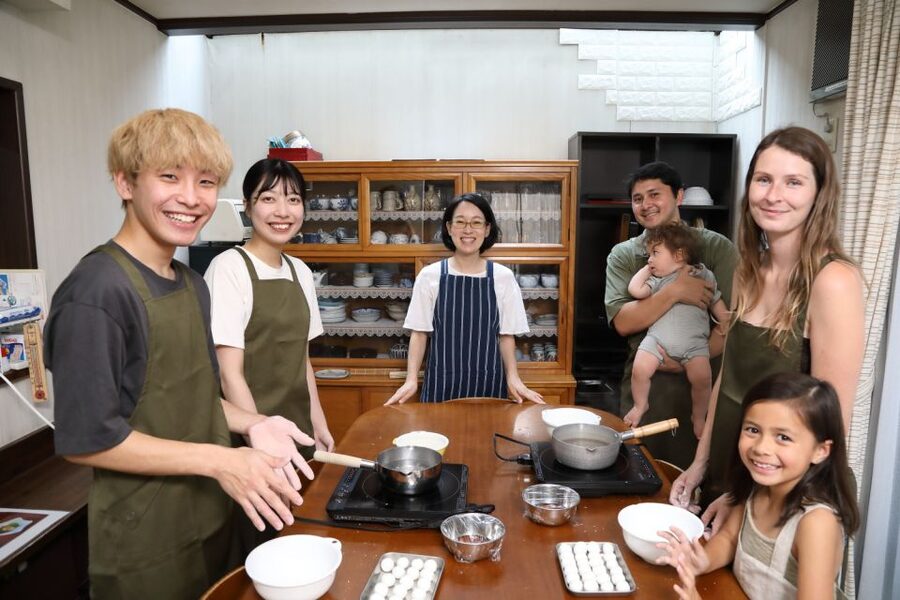
Then comes the part that turns this from a one-time class into a skill you can repeat: the local supermarket visit. You’ll explore the supermarket together and look for the ingredients used in the class, and if you want, you can buy them.
This is also where the instruction stays practical. In the reviews, people mention that Miho translated and explained products beyond just the items from class. That’s huge for value. The goal isn’t only to find the exact ingredient. It’s to learn what to look for on a shelf when you’re recreating Japanese meals later.
What to watch for in the aisles
You’ll likely notice lots of packaging and similar-looking items. The supermarket tour gives you a way to decode labels and compare options without feeling lost. I like that you’re not left alone with a shopping list and zero context.
Also, it’s a fun way to see everyday Japanese food culture. You’re not touring a theme market for tourists. You’re seeing what people actually pick up.
Price and value: why $127 for 4 hours can make sense
The price is $127 per person for a 4-hour experience, and it includes lunch plus all seasonings and ingredients for the dishes you cook. For Japan, where cooking classes can vary a lot, this structure is what makes the cost feel fair to many people.
Here’s why it adds up:
- You get instruction in English from licensed guide interpreters
- You cook hands-on, about five dishes, not just one
- Lunch is part of the experience, and it’s what you made
- You get a supermarket tour after eating, which helps you replicate the food later
- You receive the recipes, so the value doesn’t stop when the class ends
The real “value test”
If you just want to eat well, a restaurant might be simpler. But if you want repeatable results and you care about ingredients and method, this format gives you more than a meal. It gives you a path to make Japanese cooking at home without frustration.
Practical details that affect your comfort
The class states the experience lasts 4 hours. It also notes that group lessons have a maximum of 6 people, which keeps it intimate.
What to bring
Bring socks. You’ll also want to plan to be comfortable in a home setting where you’re not wearing shoes all the time.
What’s included (and what isn’t)
Included: lunch and all seasonings and ingredients.
Not included: gratuity, and hotel pickup/drop-off.
Not suitable for some needs
Wheelchair users are not suitable for this activity, based on the provided info. And children under 6 are not suitable. If kids are 12 and below, they need to participate with a guardian.
Who this class fits best in Kyoto
This is a strong match for:
- People who want to learn Japanese cooking basics, not just follow a recipe once
- Solo diners, since the class works even when you come alone
- Couples, since there’s an option to cook with your partner
- Anyone who enjoys small-group, English instruction and a calm home setting
- Vegetarian and vegan diners, as long as you let the team know ahead of time so they can work with vegetarian dashi
It may be less ideal if you need wheelchair accessibility, or if your group needs a kid-friendly option under age 6.
Should you book Kyoto Home Cooking Class plus Supermarket Tour near Fushimi Inari?
If your goal is to leave Kyoto with more than photos and a full stomach, I think this is worth booking. The combination of hands-on cooking + dashi foundation + supermarket ingredient learning is what makes it feel practical, not performative.
Book it if you want to cook Japanese food again at home, and you like the idea of learning what real ingredient shopping looks like in Kyoto. Skip it if you’re looking for a big bus tour vibe, or if your needs make a traditional home setting difficult.
If you’re trying to decide between “one meal” and “one real skill,” this class leans hard toward the skill side.
FAQ
Is the class taught in English?
Yes. The instruction is in English, and the instructors are licensed guide interpreters so you can understand what’s being taught.
How many people are in each group?
The group lessons are limited to a maximum of 6 participants.
What will we cook during the class?
You’ll prepare about 5 dishes. The menu may differ depending on the season.
Can vegetarians or vegans join?
Yes, the class states it can accommodate vegetarian and vegan guests by using dashi made for vegetarian. Let the organizer know in advance so they can prepare accordingly.
What should I bring?
Bring socks, as requested for the class.
Is the experience suitable for children or wheelchair users?
Children under 6 are not suitable. Children aged 12 and below must participate with a guardian. Wheelchair users are not suitable for this activity.
More Tours in Kyoto





More Tour Reviews in Kyoto


More Kyoto Cooking Classes

Just added: more Kyoto tours to browse








Kyoto Cooking Classes, compared.
 ★ 5.0Ramen Cooking Class at Ramen Factory in KyotoFrom $1311,937 reviews
 ★ 5.0Sushi Making in Kyoto! Same-day bookings welcome!From $53713 reviews
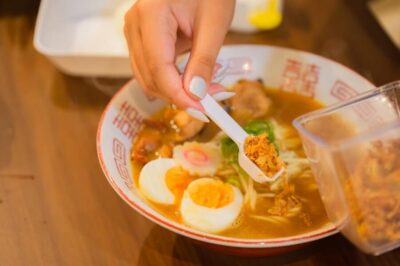 ★ 4.9Ramen Cooking Class at a Ramen Factory with SouvenirFrom $127532 reviews
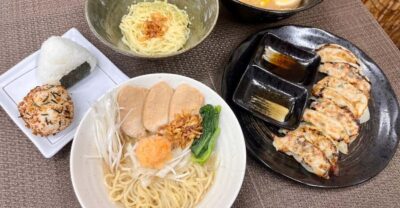 ★ 5.0Ramen, Gyoza, and Onigiri Cooking ClassFrom $90445 reviews
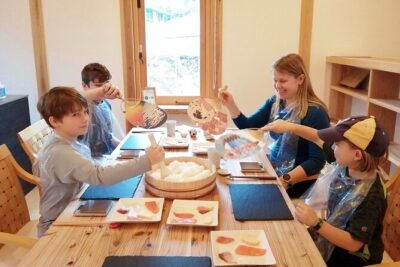 ★ 5.0The Original Small-Group Sushi Making Class in KyotoFrom $69436 reviews
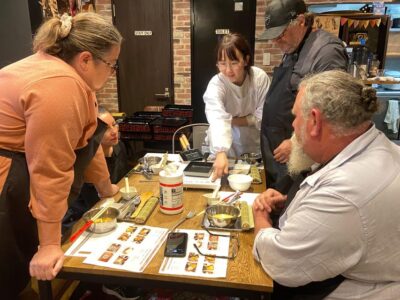 ★ 5.0Japanese Washoku Bento Small Group Cooking ClassFrom $58380 reviews
 ★ 5.0Kyoto Ramen and Gyoza Cooking Class with Professional ChefsFrom $86282 reviews
 ★ 4.9Afternoon Japanese Izakaya Cooking ClassFrom $67241 reviews
Browse the lists this tour appears in