
Reviewed · KYOTO TEMPLE & SHRINE TOURS
Kyoto Hidden Treasures: Special Temple & Garden Access Tour
Cherry blossoms and quiet Zen gardens, in one walk. This Kyoto Hidden Treasures tour strings together standout temples and gardens, with a big focus on how the scenery, statues, and rituals fit together. I like that you’re not just looking at famous sites—you’re learning how to read them, from Tenryu-ji’s world-famous garden to Haradani-en’s rare cherry tunnel, guided by Zen-focused context.
I especially love the private pacing. You’re moving with your own group, and you get help using public transit like a local, so you’re not stuck decoding bus routes while everyone else is already at the entrance. I also like that the tour is built for flexibility in time, with different lengths and start times, while still keeping a tight, efficient route.
One consideration: the itinerary varies by date and the tour isn’t customizable. That means you might get a route that feels different from what you planned for, and in peak season the time spent traveling between stops can add up.
In This Review
- Key things I’d circle before you book
- Kyoto Brighton Hotel mornings: what your start actually feels like
- The private tour format: fast, friendly, and not stuck in a bus line
- Tenryu-ji Temple in Arashiyama: the garden that teaches Zen calm
- To-ji Temple and the 55-meter pagoda: Shingon art in full scale
- Kiyomizu-dera’s cliff stage: nail-less wood and big views
- Haradani-en: the cherry tunnel you can actually enjoy
- Ninna-ji and Omuro-zakura: late-blooming color with imperial ties
- Taizō-in: a quiet Zen finish with an ink painting
- Walking, transit, and timing: how to avoid transfer fatigue
- Price and value: what $140 buys you in real time
- Who should book this Kyoto temple and garden circuit
- Book it or skip it: my practical recommendation
- FAQ
- How long is the Kyoto Hidden Treasures tour?
- Where do we meet, and what time does it start?
- Is this tour private or shared with strangers?
- Are admission tickets included?
- Does the itinerary change depending on the tour date?
- What should I wear for this tour?
- Does the tour run rain or shine, and is there free cancellation?
Key things I’d circle before you book
- Haradani-en’s privately owned cherry tunnel with 400+ trees in spring, often overlooked even by locals.
- Tenryu-ji (World Heritage) in Arashiyama, a Zen stop that’s especially pretty with cherry blossoms or autumn color.
- To-ji’s 55-meter wooden pagoda and its 3D mandala statuary tied to Shingon Esoteric Buddhism.
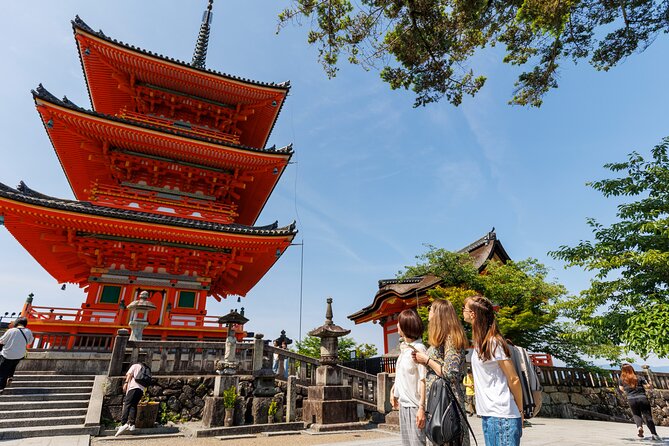
- Kiyomizu-dera’s nail-less stage over the cliff, with dramatic views in spring and fall.
- Local transit guidance in a private format, so the day feels organized instead of stressful.
Kyoto Brighton Hotel mornings: what your start actually feels like
This tour meets at the lobby of the Kyoto Brighton Hotel at 6:45 am. That early start matters in Kyoto. Temples and gardens can get crowded later, so going early gives you a better shot at calmer walking and more time to enjoy details.
Expect a moderate amount of walking. It’s not a marathon, but you’ll be on your feet enough that good shoes matter. You’ll also be traveling between temples without a private vehicle, using public transit and possibly taxis depending on the day and route.
The itinerary can shift by date, so treat it like a themed route built around Zen, temple art, and garden seasonality. If you want the exact stops for your date, ask. The operator notes that the content changes, and it’s better to confirm up front.
More temples and shrines to slow down in across Kyoto

The private tour format: fast, friendly, and not stuck in a bus line
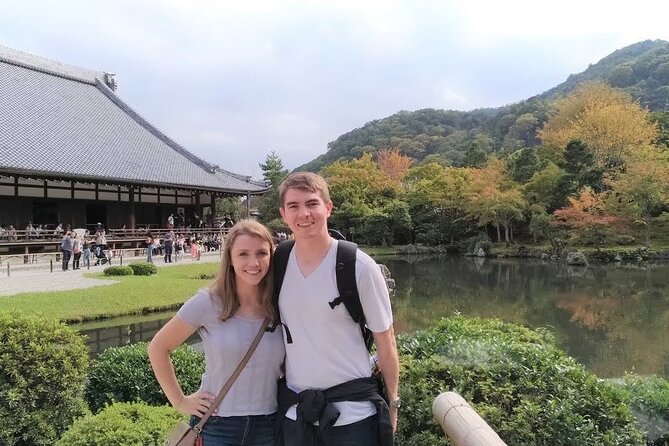
This is a private tour/activity—only your group participates. That changes the vibe. Instead of being herded, you can slow down when a garden detail catches your eye or speed up if you’re feeling energetic.
You also get guidance on public transit like a local. In Kyoto, that can be the difference between a smooth day and a frustrating one. I like tours that teach you what to do in the moment, not just where to go.
One practical perk: the tour uses a mobile ticket, which makes entry days less fussy. And since it runs rain or shine, your guide’s job becomes keeping the schedule workable rather than cancelling because of weather.
Tenryu-ji Temple in Arashiyama: the garden that teaches Zen calm
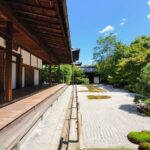
Tenryu-ji is one of the anchors of this tour. It was founded in 1339, and it’s a World Heritage Site known for its garden. This is a Zen temple where you’re meant to feel stillness—gardens here aren’t just pretty; they’re part of the spiritual experience.
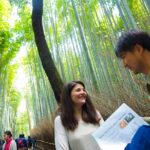
Why it’s worth your time: Tenryu-ji’s setting connects naturally with other Arashiyama sights, like the Bamboo Grove and Togetsukyo Bridge. Even if you don’t do every nearby stop, your guide can help you understand what you’re looking at and why the layout matters.
Seasonal timing is a big deal. Tenryu-ji becomes especially breathtaking during cherry blossom season and autumn foliage. If your dates are in those windows, this tour has a built-in advantage: you’re not arriving randomly at the “wrong” time of year.
Drawback to keep in mind: it’s a major temple, so while the early start helps, you’ll still share space. The win is that your guide helps you focus on what to notice, so the crowd doesn’t erase the experience.
To-ji Temple and the 55-meter pagoda: Shingon art in full scale
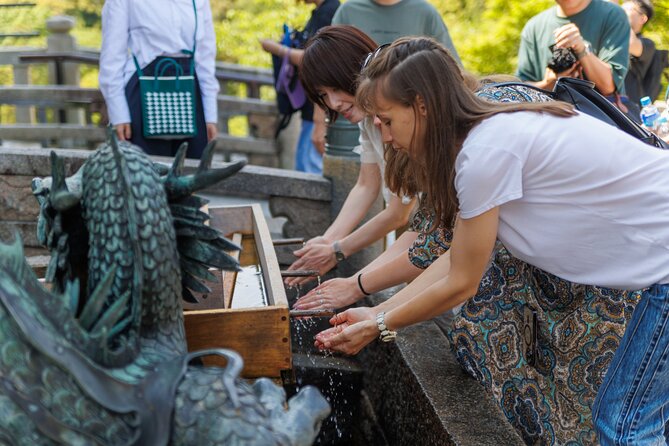
Next up is To-ji Temple, famous for two big wow factors. First is the 55-meter-tall five-story pagoda, the tallest wooden pagoda in Japan. Second is the temple’s religious art, including a three-dimensional mandala tied to Shingon Esoteric Buddhism.
This is where the tour earns its title of more than sightseeing. To-ji is described as having 21 Buddhist statues representing the mandala world, including major figures such as Dainichi Nyorai (Mahavairocana) and Fudo Myo-o (Acala), plus the Four Heavenly Kings. The Fudo Myo-o statue is noted as a national treasure.
You’ll also hear about key buildings tied to Kobo Daishi, including the Kodo (Lecture Hall) and Kondo (Main Hall). That context matters because without it, a lot of the detail can feel like decoration. With it, you start seeing the hierarchy and symbolism.
Cherry blossoms make this stop even more dramatic. The contrast of the pagoda and spring blooms is specifically highlighted, so if you’re traveling in spring, bring patience for photos and time for a slow look.
A possible drawback: To-ji is visual-heavy. If you’re someone who likes fewer sites and longer stays at each, this stop can feel “busy” compared with a quieter garden. The private pacing helps, so you can spend extra time where you want.
Kiyomizu-dera’s cliff stage: nail-less wood and big views
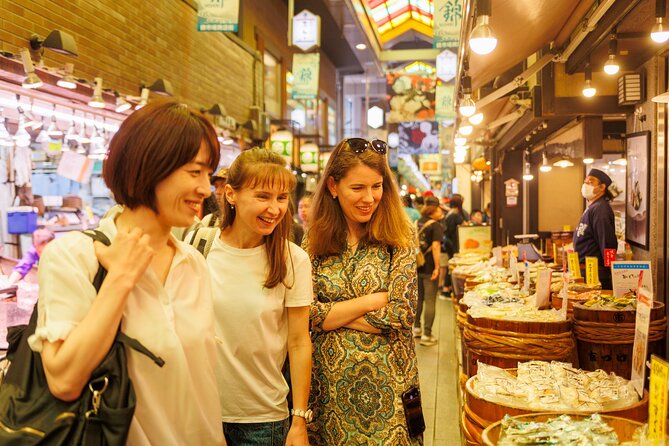
Kiyomizu-dera is the temple most people recognize, and for good reason. It has over 1,200 years of history and is known for its massive wooden stage that extends over a cliff. A standout detail here: it was built without using a single nail.
What makes it click on this tour is how the views and the structure work together. From the stage, you get a classic Kyoto vantage point, and the tour notes that the scenery becomes even more spectacular during cherry blossom season in spring and autumn foliage in fall.
This is also a great stop for people who want something practical from a guide: direction on where to look, what angles to prioritize, and how to spend your time so you’re not trapped in the most crowded walkway.
One note: because Kiyomizu-dera is popular, crowds are part of the experience. If you’re sensitive to that, your early start and guide’s help with timing are especially valuable.
Find another quiet garden to sit with in Kyoto

Haradani-en: the cherry tunnel you can actually enjoy
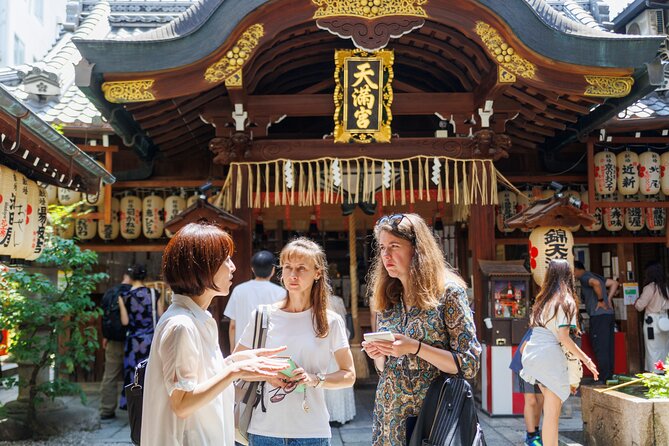
Then you hit the heart of the tour’s “hidden treasures” theme: Haradani-en. This garden is privately owned, and it’s described as relatively unknown even among locals. That’s a big deal in Kyoto, where many gardens end up swamped by tour groups.
The garden’s best-known seasonal feature is spring. The tour highlights that more than 400 cherry trees create a tunnel of blossoms. Even if you’ve seen cherry photos before, a dense arrangement like this usually looks different in person—less like an Instagram shot and more like you’re walking through a moving wall of pink.
Why I like it: it gives you a break from the big-name temples. You get a calmer pace and a more intimate feeling, while still being in a place that’s designed for beauty and reflection.
Possible consideration: since it’s privately owned and less visited, what you get out of the stop depends on your day’s timing. Show up with comfortable patience. The payoff tends to be worth it.
Ninna-ji and Omuro-zakura: late-blooming color with imperial ties
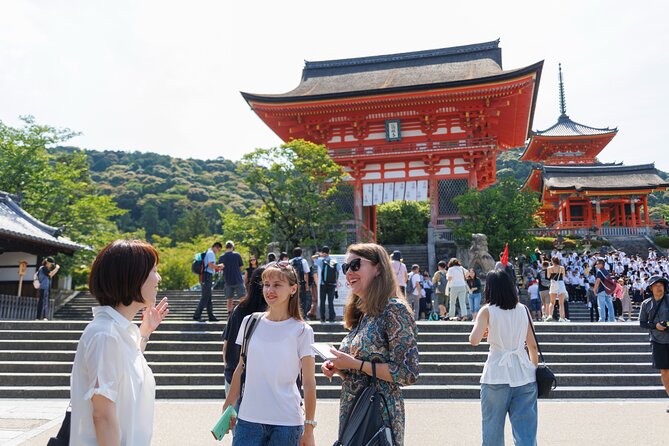
Ninna-ji brings prestige and a different cherry rhythm. The temple was founded in 888 by Emperor Uda, and it became a monzeki temple—where emperors and imperial family members served as head priests. That shows up in the temple’s refined architecture and gardens.
Spring highlights here include Omuro-zakura, a late-blooming cherry blossom. The tour notes that it creates a uniquely picturesque scene, giving you a distinctly Kyoto feel. If your visit is early for regular cherry season, a stop like this can still deliver color when other places have moved on.
Ninna-ji works well after Haradani-en because it returns you to a temple setting without the same level of mass-tour crowding. It also gives you variety: you’re shifting from garden tunnel vibes to something more structured and ceremonial.
Drawback: like other temples, it can still be affected by seasonal crowds. But the tour’s private pacing and transit help help you manage the day without constantly checking your phone map.
Taizō-in: a quiet Zen finish with an ink painting
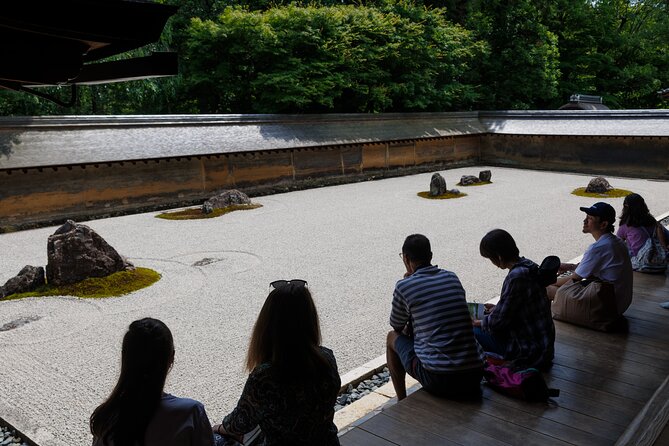
Your final stretch includes Taizō-in, described as a hidden gem. It’s a historic Zen temple with a national treasure ink painting and a beautiful garden.
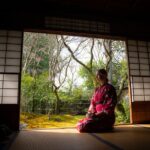
This is the kind of stop that works best if you want less noise and more meaning. The tour frames Taizō-in as a place to experience Zen quietly and to appreciate Japanese art without being rushed.
I like how this ending complements the morning’s bigger names. Tenryu-ji and To-ji bring major themes—Zen gardens and Shingon symbolism. Kiyomizu-dera brings scale and views. Haradani-en brings seasonal wonder. Taizō-in brings the reset back to quiet.
A practical consideration: it’s still a walking tour with schedule pressure. If you want maximum time here, focus on your pacing earlier in the day so you don’t spend your quiet hour rushing at the finish.
Walking, transit, and timing: how to avoid transfer fatigue
This is a walking tour, and a private vehicle is not included. That means you’ll use public transportation and possibly taxis between spots. The upside is you learn your way around Kyoto’s rhythm. The downside is travel time can feel like it eats into your “temple time.”
One thing that’s worth planning around: the tour runs rain or shine, and it depends on your date’s itinerary. In busy seasons, that can translate into more waiting and busier transit corridors.
My practical advice:
- Wear shoes that handle uneven temple paths.
- Build flexibility into your expectations. You’re not doing one long museum visit; you’re moving through Kyoto’s sacred network.
- If you’re easily tired by transit, choose a shorter duration when available.
Price and value: what $140 buys you in real time
At $140 for a 2 to 4 hour experience, this isn’t a bargain-basement option. But it can be good value because you’re paying for several things at once: a guide, curated sequencing, and admission coverage for multiple temple stops.
In the itinerary, admissions are listed as included for several major stops (Tenryu-ji, To-ji, Kiyomizu-dera, Haradani-en, Ninna-ji, Taizō-in), with the meet-up stop showing an admission ticket free note. That reduces the mental load of figuring out ticket lines on your own.
The guide also adds value that doesn’t show up on a receipt: plain explanations of Zen philosophy and Buddhism context, plus help understanding what you’re seeing. The tour’s reviews you provided emphasize guides who make things understandable and help with transit navigation, which is exactly the stuff that saves time and stress.
The fair way to judge price:
- If you’re traveling solo, $140 may feel steep unless you really care about guided interpretation.
- If you’re traveling as a small group, the cost can start to look more reasonable because you split both time and expertise.
Who should book this Kyoto temple and garden circuit
This tour fits best if you:
- Want a guided route through Zen and temple gardens rather than just photo stops.
- Enjoy learning the meaning behind statues, pagodas, and garden layouts.
- Prefer a private group so you can move at your own pace.
- Need help with public transit so the day stays smooth.
You might skip it if:
- You hate walking and prefer short, mostly indoor sightseeing.
- You’re the type who wants total control over every stop. The tour notes it’s not customizable, and the route varies by date.
- You’re visiting during peak crowd weeks and you’re not okay with some transfer time.
Book it or skip it: my practical recommendation
If your dates line up with cherry season or autumn foliage, I’d lean toward booking. The itinerary is designed around seasonal visual impact, and the places like Haradani-en make the “hidden” side feel real, not marketing fluff.
I’d also book if you value transit help and clear explanations. This tour’s strongest use of a guide is not just talking—it’s helping you understand what you’re looking at and how to get from place to place without wasting energy.
If you’re on the fence, choose one thing to decide first: do you want guidance and interpretation, or do you want total DIY freedom? If it’s guidance, this is a solid match for a short Kyoto temple day.
FAQ
How long is the Kyoto Hidden Treasures tour?
It runs about 2 to 4 hours, depending on the tour date and the specific route for that day.
Where do we meet, and what time does it start?
You meet at the lobby of the Kyoto Brighton Hotel at 6:45 am. The tour returns to the meeting point.
Is this tour private or shared with strangers?
It’s a private tour/activity. Only your group participates.
Are admission tickets included?
Admission tickets are listed as included for many of the temple and garden stops, and the meeting stop shows an admission ticket free note. The exact inclusions are tied to the day’s itinerary.
Does the itinerary change depending on the tour date?
Yes. The tour content varies by date, and it’s not customizable.
What should I wear for this tour?
Wear comfortable walking shoes. The tour involves moderate walking.
Does the tour run rain or shine, and is there free cancellation?
The tour runs rain or shine. Free cancellation is available up to 24 hours before the experience start time for a full refund.
More Tour Reviews in Kyoto






More Gardens and Quiet Corners
More Kyoto Temples and Shrines
Just added: more Kyoto tours to browse








Kyoto Temple & Shrine Tours, compared.
 ★ 4.9Tea Ceremony Ju-An at Jotokuji TempleFrom $293,207 reviews
 ★ 4.8Arashiyama Bamboo, Temple, Monkeys, or Secret Sake BreweryFrom $87886 reviews
 ★ 5.0Arashiyama Bamboo Forest, Monkeys, Matcha & Temple TourFrom $53759 reviews
 ★ 4.4Osaka/Kyoto: Arashiyama, Nara & Fushimi Inari Shrine w/LunchFrom $61754 reviews
 ★ 4.7Imperial Palace & Nijo Castle Guided Walking TourFrom $49453 reviews
 ★ 5.0Kyoto Zen Meditation & Garden Tour at a Zen Temple with LunchFrom $110441 reviews
 ★ 5.0Zen Experience in a Hidden TempleFrom $109437 reviews
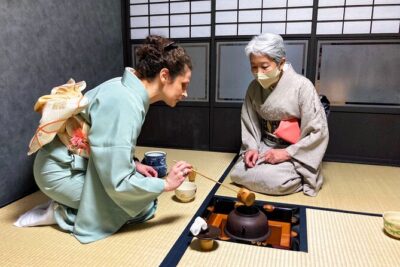 ★ 5.0KYOTO Tea Ceremony with kimono near by Imamiya Jinjya ShrineFrom $99343 reviews
Browse the lists this tour appears in