
Reviewed · KYOTO BIKE & E-BIKE TOURS
Kyoto: Hidden Gems E-Bike Tour Through Backstreets & Temples
Skip the crowds and glide through Kyoto. This 4-hour E-bike tour strings together major sights with calmer backstreets, so you spend less time stuck and more time seeing. You also get a small group vibe, which matters when you’re threading through temple lanes and narrow streets. One heads-up: the ride isn’t for very small kids, with a height requirement of over 145 cm.
What I like most is how the guide’s local insights make each stop feel connected, not like a checklist. You’ll hear context on culture and history as you ride, and it’s the kind of storytelling that makes the architecture and shrine rituals click faster. Guides such as Ben, Yuki, and Kenji are repeatedly singled out for being patient, organized, and friendly, with lots of time for questions.
The possible drawback is simple: you are cycling. Even with pedal assist, you should be comfortable riding for stretches through Kyoto’s streets and parking lots, and you’ll want basic comfort with balance and braking. If that sounds stressful, you may prefer a slower walking-focused tour instead.
In This Review
- Key highlights worth your attention
- How Kyoto Looks Better When You’re Riding
- Start Smart: Meeting at Kyoto Tourist Lounge Gion
- Gion: Warm Up With Old Streets and Easy Momentum
- Nanzen-ji Temple: Big Drama, Calmer Corners
- Heian Shrine: A Break Between Intensities
- Philosopher’s Path by E-bike: See It, Don’t Stress It
- Shimogamo-jinja Shrine: Quiet Atmosphere and Natural Setting
- Kyoto Imperial Palace: Royal Space Without the Hard Sell
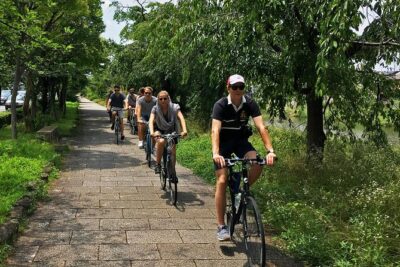
- The Ride Itself: Comfort, Safety, and Photo Moments
- Price Check: Does $87 Feel Like Good Value?
- Who This Tour Is Best For (and Who Should Skip It)
- Tips to Get the Most Out of Your 4 Hours
- Should You Book This Kyoto E-bike Tour?
Key highlights worth your attention
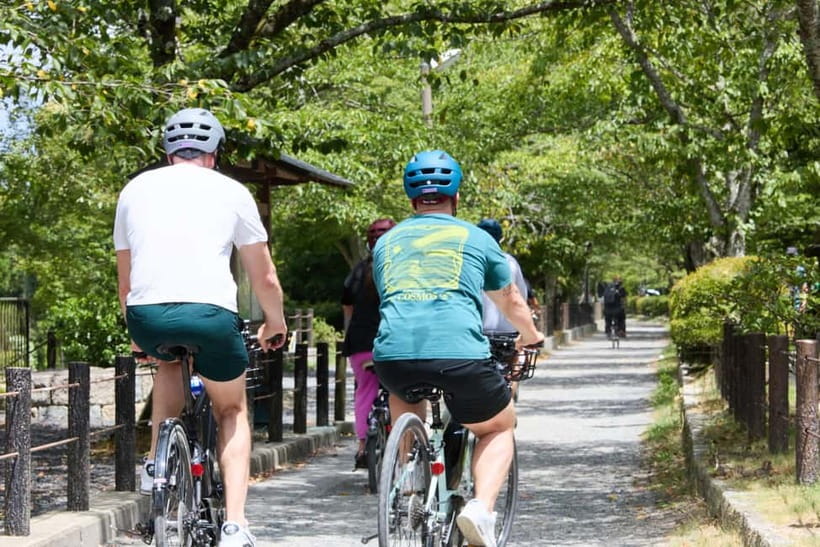
- E-bikes with pedal assist make Kyoto’s mix of flats and gentle climbs feel manageable
- A small group (up to 8) keeps the pace relaxed and the guide responsive
- Expert English-speaking guide with culture and history talk tied to each stop
- Photo stops at scenic locations, plus time to look around on your own
- Quieter routes that help you avoid the worst crowd crush
- Relaxed or adventurous ride option depending on your comfort and energy
How Kyoto Looks Better When You’re Riding
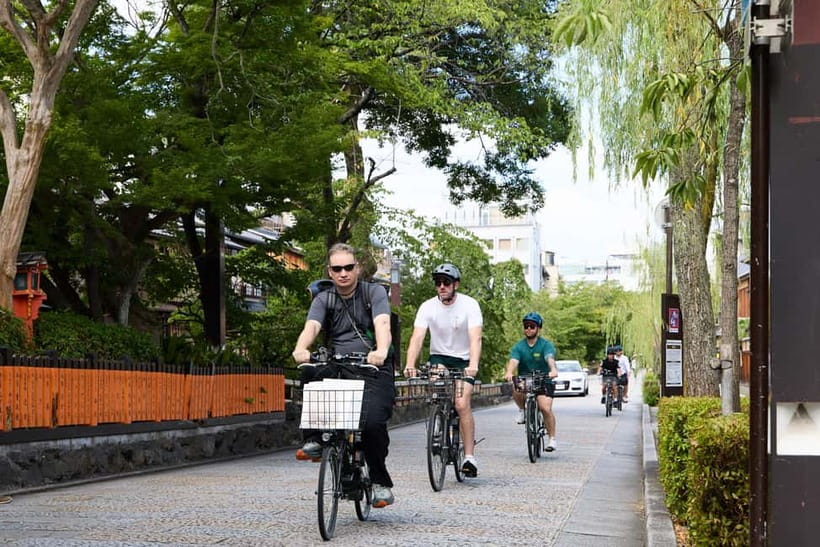
Kyoto can feel like two cities at once: the one in travel photos, and the one you actually move through—slow, crowded, and full of one-way flows that test your patience. An E-bike tour fixes a lot of that friction. You cover ground fast enough to hit multiple areas, yet you still move at a human pace.
Pedal assist is the real secret. It turns the ride into “effort with training wheels,” especially when you’re going between temple neighborhoods where walking would chew up hours. You’re not just transporting yourself—you’re getting quick connections between different Kyoto vibes: old-city streets, shrine grounds, large temple complexes, and palace spaces.
And because the group is kept small, you’re not constantly stopping for the slowest rider. The guides generally keep things organized, and they also build in time for you to pause, stretch, and take photos.
More of Kyoto at handlebar pace

Start Smart: Meeting at Kyoto Tourist Lounge Gion
You meet the guide in front of Kyoto Tourist Lounge Gion, faced on Yamatoooji-Dori Street. The setup is straightforward: the guide is waiting there, and you confirm the exact spot with Google Maps.
Here’s my practical tip: don’t rely on signage being obvious at street level. Give yourself a few extra minutes, especially if it’s your first day navigating Kyoto. Gion is busy, and you want your meet-up to be calm, not a last-second scramble.
Once everyone’s assembled, the guide typically takes care of bike fit and comfort first. That matters because you’ll be on the seat for several hours total. If you’re unsure about what “comfortable” means for you, speak up early. A good guide adjusts the experience so you’re not fighting your bike the whole day.
Gion: Warm Up With Old Streets and Easy Momentum

The tour begins in Gion, with about 20 minutes here. This is a smart first move because it helps you get your bearings right away: you’re seeing the mood of Kyoto’s old geisha district while you’re fresh, rested, and already rolling.
In this opening stop, I like that you’re not thrown into the deep end. It’s enough time to notice details—street layout, the way people move, and how the neighborhood transitions as you leave the core lanes. Then you mount up again and start linking the city’s different sides.
If you’ve never ridden in Kyoto before, this first segment is a confidence builder. The pace is usually gentle, and the guide can spot any riders who need extra coaching on handling the bike.
Nanzen-ji Temple: Big Drama, Calmer Corners
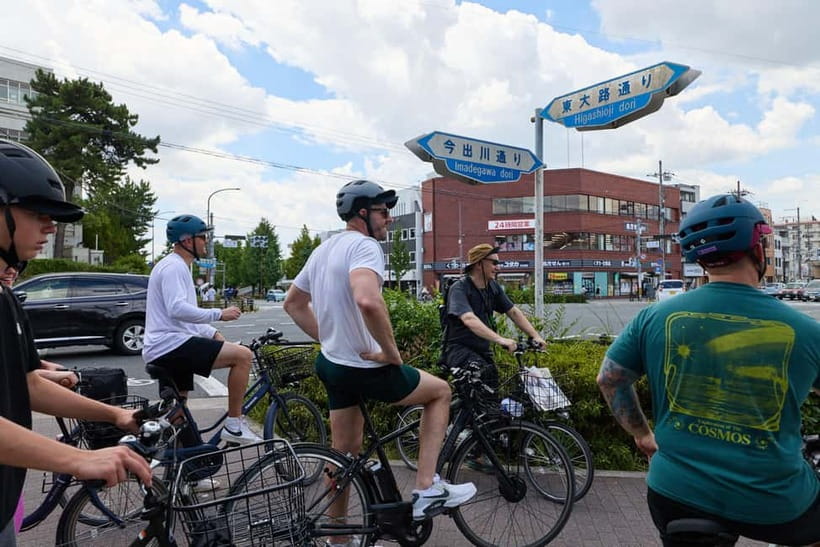
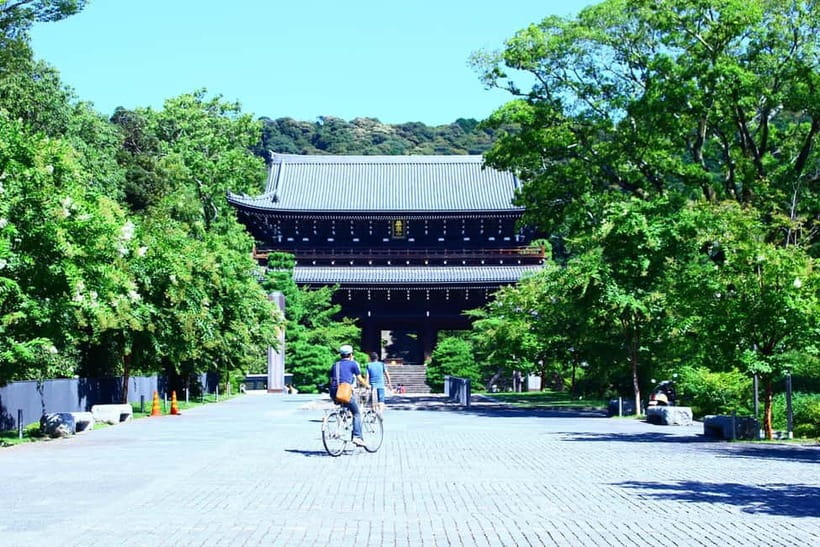
Next comes Nanzen-ji, about 30 minutes. This is one of those temple areas where Kyoto’s scale becomes obvious. Even if you know the name, experiencing the spaces in person feels different when you can take in the layout without racing a crowd.
A bike tour also changes how you experience a major temple complex. Instead of being funneled, you can shift your viewpoint and get the sense of how the grounds open and tighten. The guide’s commentary helps too, because it gives you landmarks to look for, not just buildings to walk past.
The challenge to know in advance: temple zones can be busy at peak times, and some paths may feel tighter than you expect. That’s where the group order and bike handling matter. If you’re prone to rushing, slow down. This is a place to look, not just to get photos.
Heian Shrine: A Break Between Intensities
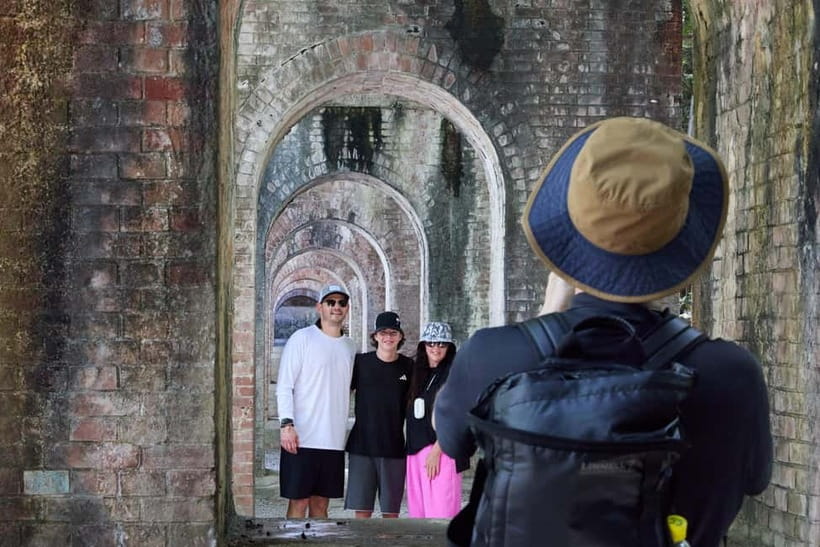
After Nanzen-ji, you roll to Heian Shrine for around 30 minutes. If the last stop felt weighty and historical, Heian often reads as a calmer reset. It’s still deeply Kyoto, but the feel is more open and garden-like.
This stop works well in the tour flow because it gives you a mental palate cleanser. You’re not constantly switching between narrow streets and big temple crowds. Instead, you get a different rhythm—time to breathe, to notice how the space is planned, and to slow your walking.
I also like that this point on the route tends to suit different travel styles. If you want to listen closely and learn, you’ll have time to focus. If you’d rather glance around and soak in atmosphere, you still won’t feel pushed along.
Other Kyoto tours and experiences to compare

Philosopher’s Path by E-bike: See It, Don’t Stress It
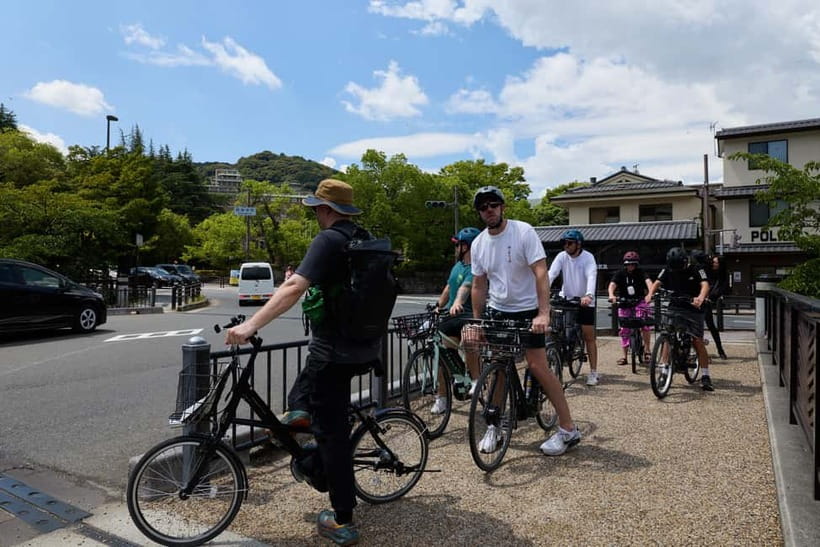
Then you hit the Philosopher’s Path area, about 30 minutes. This is the kind of Kyoto place people associate with slow walking and crowds. The value of approaching it by E-bike is that you can cover the main experience while reducing time spent standing still.
You can get the feel of the canal-side walking corridor, then move on before you get mentally fried by congestion. The guide’s pacing helps: you’ll likely have a set window to take photos and view the scene, plus short breaks where you can step away from the flow.
Practical note: plan for intermittent pedaling. Even with assist, you may do some work along portions of the route. If you’re coming from a long flight day, this is still a good stretch—just don’t treat it like a race.
Shimogamo-jinja Shrine: Quiet Atmosphere and Natural Setting
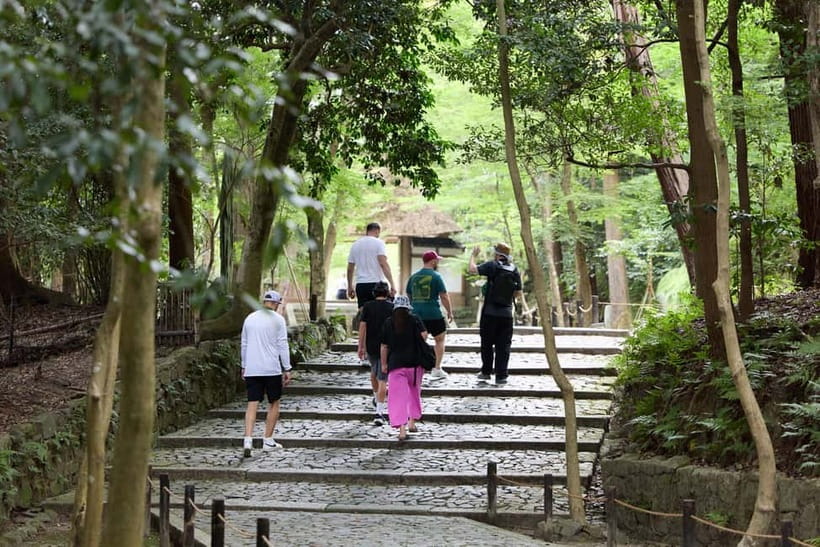
Your next stop is Shimogamo-jinja Shrine, about 20 minutes. This one is a strong fit for the tour’s theme: moving away from the busiest zones and toward places that feel more grounded in daily Kyoto.
In a short visit window, the guide’s context becomes extra helpful. Shrines aren’t just pretty backdrops; the meanings behind specific structures and traditions help you understand why people treat these spaces with care. This is also where you may notice a natural shift in the soundscape—less foot-traffic intensity, more “you can hear yourself think” energy.
I’d bring insect repellent, especially if you’re traveling in warmer months. Shrines and riverside-adjacent spots can bring out bugs, and one simple precaution makes the whole experience more comfortable.
Kyoto Imperial Palace: Royal Space Without the Hard Sell
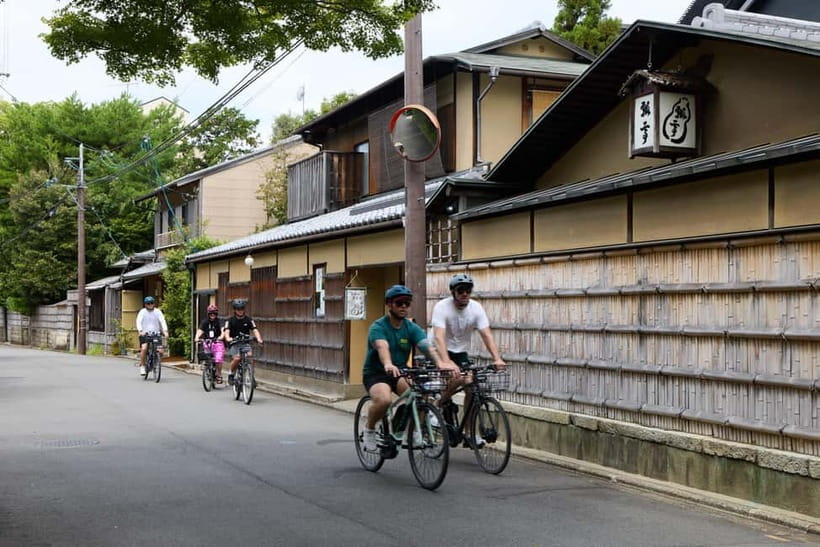
Then you roll to Kyoto Imperial Palace, about 30 minutes. This stop gives you a totally different angle on Kyoto: governance and formal space rather than the intimate feel of neighborhood shrines.
It’s a good match for an E-bike format because you can move between viewpoints efficiently. You’re not limited to one over-packed walking route. Instead, you can adjust your pace and take in the grounds and structures without feeling like you’re being rushed by a crowd.
This is also where the guide’s explanations can pay off. The palace grounds become easier to appreciate when you know what you’re looking at and why it’s arranged the way it is.
The Ride Itself: Comfort, Safety, and Photo Moments
This tour is designed to feel doable. The bikes are described as comfortable, and the guide is there to handle safety and flow—especially on narrow streets where attention matters.
From the experience details you should plan on:
- You’ll have enough riding time to feel like you actually toured Kyoto, not just walked between two stops.
- There’s typically a mix of riding and short visits, so you’re not stuck in museum-mode for hours.
- You’ll get photo opportunities at scenic locations, and guides have a habit of helping you capture the moment rather than sending you off with a hope-and-pray selfie plan.
- The guide can adjust the ride to your comfort level, including an option for a more relaxed pace.
One more practical point: some riders may rely on pedal assist more than they expect. A review noted that you might need E-power at a couple spots. That’s normal. Use the assist. The goal is to enjoy Kyoto, not conquer it.
And yes, it’s worth noting the rules: alcohol and drugs aren’t allowed.
Price Check: Does $87 Feel Like Good Value?
$87 for a 4-hour guided E-bike tour is a pretty reasonable deal when you factor in what’s included. You’re paying for:
- the E-bike rental
- an expert local guide in English
- access to multiple major areas and quieter stops
- help with photos
- small-group attention (limited to 8 participants)
- the ride structure that prevents you from wasting half your day in transit
If you were doing this on your own, you’d still be spending time solving logistics: bike rental, route planning, and translation support for history and cultural context. The value here is that you’re buying time and interpretation. You see more than one neighborhood, and each stop makes sense because the guide connects it to Kyoto’s culture and history.
Also, this tour format is a strong “short on time” option. If your schedule only allows a few guided hours, this checks several boxes without exhausting you.
Who This Tour Is Best For (and Who Should Skip It)
This tour is a great fit if you:
- want a balanced mix of major sites and calmer, lesser-watched areas
- prefer moving efficiently over trying to walk every gap
- like short bursts of culture and history tied directly to what you’re looking at
- enjoy photos and don’t want to guess your best viewpoints alone
- are traveling with limited time and want a fast introduction to multiple Kyoto districts
It’s not a great fit if:
- you’re traveling with children under 10
- you’re dealing with height restrictions (you must be over 145 cm)
- cycling would feel uncomfortable or unsafe for you right now
- you want a purely walking experience with no bike riding
You’ll also want to consider that insurance isn’t included, so if you’re the type who relies on trip insurance for coverage, make sure you’re comfortable with what you already have.
Tips to Get the Most Out of Your 4 Hours
A few practical moves can make your ride smoother:
- Wear shoes you trust. You’ll be getting on and off the bike and walking short distances at each stop.
- Bring a light layer. Temple mornings can be cool even when the city warms up.
- If bugs bother you, pack insect repellent.
- Stay close to the guide during transitions. Kyoto side streets can shift quickly, and the group depends on everyone moving together.
- Use the built-in pauses. This tour works best when you let yourself look, not just when you ride.
And if you’re doing this early in your Kyoto trip, you’ll likely find it helps you understand where everything is. It’s a fast way to get your mental map straight.
Should You Book This Kyoto E-bike Tour?
I’d book it if you want a calm, efficient way to experience Kyoto’s top areas without spending your day fighting crowds. The small group size, English guiding, and E-bike comfort make it a smart value for a 4-hour window. Plus, the structure gives you both guided context and time to explore on your own.
Skip it if you’re not comfortable cycling for a few hours or if you’re traveling with kids who don’t meet the height rule. Also, if you prefer zero logistics and fully passive sightseeing, you might feel more at ease on a walking-only tour.
If you want Kyoto that feels more like local flow and less like queue management, this is a strong choice.
More Tours in Kyoto


More Tour Reviews in Kyoto
More of Kyoto by Bike

Just added: more Kyoto tours to browse






Kyoto Bike & E-Bike Tours, compared.
 ★ 5.0Hidden Kyoto E-Biking tourFrom $1161,843 reviews
 ★ 5.0Bike Tour Exploring North Kyoto plus LunchFrom $1061,087 reviews
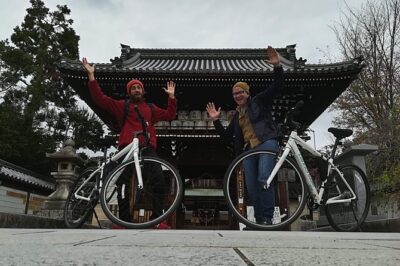 ★ 5.0Arashiyama Bamboo Forest & Hidden Gems Bike Tour (Early Bird)From $106613 reviews
 ★ 5.05 Top Highlights of Kyoto Full Day Bike Tour (E-bike option)From $172511 reviews
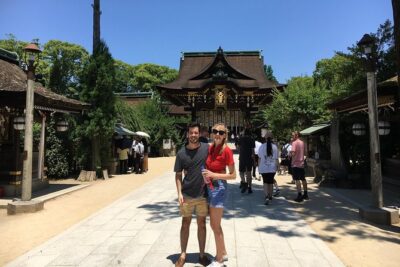 ★ 5.0Full Day Biking Tour Exploring the Best of KyotoFrom $119498 reviews
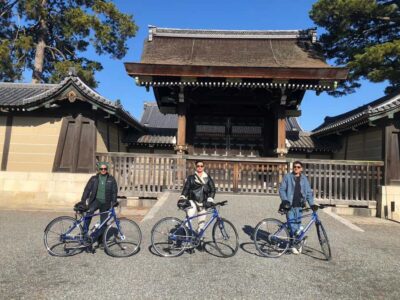 ★ 4.8Memory Kyoto E-Bike TourFrom $91297 reviews
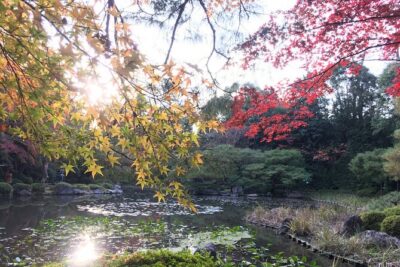 ★ 5.0E-Bike Tours of the highlights of Kyoto!!!From $109291 reviews
 ★ 5.0Afternoon Kyoto Bike Tour: Bamboo Forest, Monkeys & Hidden SpotsFrom $106283 reviews
Browse the lists this tour appears in