
Reviewed · FUSHIMI INARI SHRINE TOURS
Kyoto Guided Walking Tour: Secret Zen Garden and Fushimi Inari
A calm bridge view starts the day. This Kyoto guided walk strings together Zen stops plus Fushimi Inari Taisha, with a guide keeping you oriented and helping you understand the meaning behind what you’re seeing—especially the Zen garden component. I really like the small-group feel (up to 8) and how it feels like a guided story, not a checklist.
My favorite part is the pacing control. With guides like Kenta and Mika (and Naomi, in other groups) you can move at your speed, ask questions, and still hit the key spiritual highlights. The main consideration: there’s uphill walking and moderate hiking, so comfortable shoes matter, even though it’s only about four hours.
In This Review
- Key highlights worth your attention
- Why this Kyoto route feels different from the usual temple circuit
- Getting there and moving around: a four-hour walk with real uphill sections
- Your money’s worth: $78.83 buys route logic, a live guide, and at least one temple admission
- Stop-by-stop: what to expect at each Kyoto Zen and Fushimi Inari location
- 1) Gaun-kyo Bridge: the valley view that sets the tone
- 2) A major Zen temple founded in the 13th century: quiet grounds before the garden
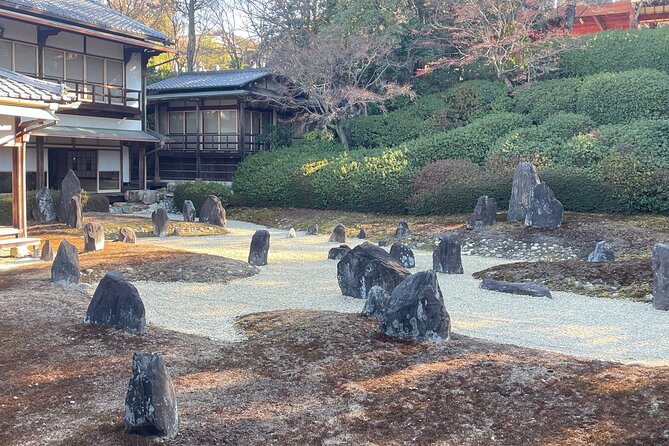
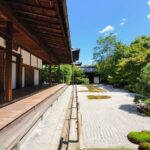
- 3) Komyo-in Temple: the Zen garden stop most people miss
- 4) Araki Shrine: a meaningful pause for relationships and well-being
- 5) Fushimi Inari Yotsuji: where the viewpoint earns the climb
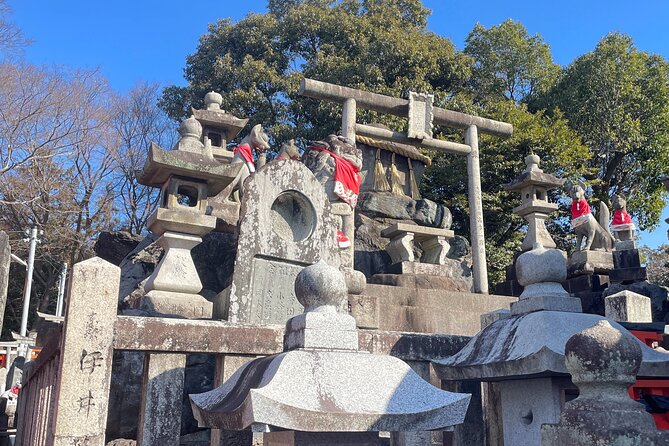
- 6) Kumataka Shrine: spiritual energy in a quieter corner
- 7) Okusha Worship Center of Fushimi Inari: stamps and amulets without the chaos
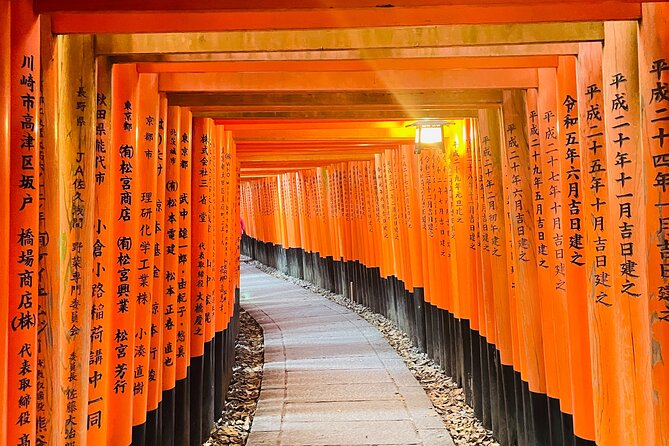
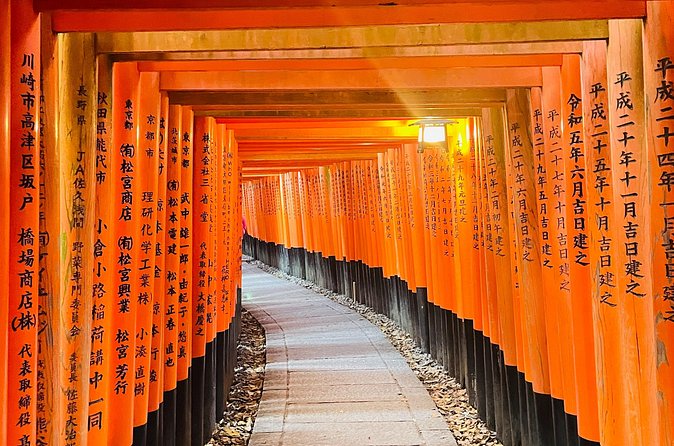
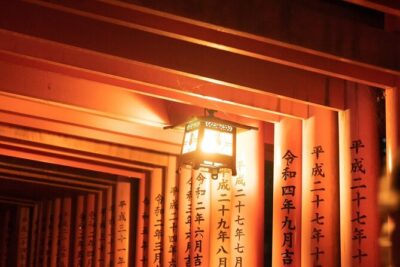
- 8) Senbon Torii gates: the iconic tunnel you came for
- 9) Fushimi Inari Taisha Honden: the calmer finish inside the shrine
- The real secret sauce: guides, pacing, and avoiding the worst crowds
- Best for who? And who should skip it?
- Timing tip: use the early start like a strategy, not luck
- Should you book this Kyoto guided walking tour?
- FAQ
- How long is the Kyoto guided walking tour?
- How many people are in the group?
- Where do you meet and where does the tour end?
- Is the ticket mobile?
- Do you need moderate fitness and comfortable shoes?
- What happens if it rains?
Key highlights worth your attention
- Up to 8 people: easier conversation and less crowding on temple paths
- Zen garden + Zen temple flow: a focused introduction to Zen ideas and meditation vibes
- Fushimi Inari viewpoints without the worst crush: you’ll take calmer routes before you reach the torii tunnel
- English explanations that stick: guides use clear, structured narration and answer questions
- Photo stops built into the route: like the Gaun-kyo Bridge valley view and Fushimi Inari Yotsuji panorama
Why this Kyoto route feels different from the usual temple circuit
Kyoto has plenty of guided tours, but this one has a clear theme: Zen calm first, then Fushimi Inari’s iconic shrine trail. The balance is what I like for first-timers. You get famous sights, but you also get quiet corners where the meaning is easier to feel.
The other big advantage is that you’re not guessing your way between stops. You meet the group at a specific spot near the Tofukuji area (FamilyMart Nakai Tofukuji), and you finish at the Outer Oratory area within Fushimi Inari. That reduces the mental load, especially on a first day when you’re still learning the city’s rhythm.
The tone is also right for visitors who want history and religion, but without turning the day into a lecture. The guides explain what you’re looking at and connect it to everyday practice—often the Zen “how to slow down” feeling, not just facts.
More walks up through the vermilion torii of Fushimi Inari

Getting there and moving around: a four-hour walk with real uphill sections
The tour runs about 4 hours and starts at 9:00 am. That early start helps you experience Fushimi Inari before the densest surge of people, and it also keeps the day from feeling like it’s spent in a long line shuffle.
You’ll do a moderate amount of walking and hiking, including uphill stretches. The listing says moderate fitness is best, and you’ll want comfortable walking shoes because temple steps and shrine paths are not “flat city walking.” Rain or shine is part of the deal, so plan for slippery stone and wet wooden surfaces.
Good news: it’s not a long-distance endurance challenge. The route is designed as a half-day loop with multiple short stops, so you can regroup, photograph, and listen without your legs feeling like they’re being graded.
Your money’s worth: $78.83 buys route logic, a live guide, and at least one temple admission
At $78.83 per person, you’re paying for more than the sites. You’re paying for someone to:
- keep the order efficient,
- help you interpret what you’re seeing,
- and route you through quieter paths so the day stays pleasant.
Temple admission is partly included in the day’s plan—Komyo-in Temple lists admission as included. Other stops in the route are marked as free admission, which helps the value math: you’re mostly funding the guide time and the walking itinerary, not buying your way into a line of paid attractions.
In practice, the best value is what you feel during the tour: you don’t have to figure out what to look for, and you don’t have to spend your own Kyoto research hours building a route. That’s especially helpful if you have limited time in Kyoto and you want to hit both Zen and Fushimi Inari without wasting half a day getting lost.
Stop-by-stop: what to expect at each Kyoto Zen and Fushimi Inari location
1) Gaun-kyo Bridge: the valley view that sets the tone
You start with Gaun-kyo Bridge, a wooden bridge over a lush valley. The view is described as framing Tsutenkyo Bridge plus a sea of maple trees below. This is a smart opener because it’s scenic before it’s crowded, and it helps you shift from city mode into “Kyoto mode.”
Time is short here (about 5 minutes), and admission is free. Use this moment to take a steady look first, then photograph. If you rush, you’ll miss the sense of depth the bridge gives the whole valley.
Find another quiet garden to sit with in Kyoto



2) A major Zen temple founded in the 13th century: quiet grounds before the garden
Next comes a significant Zen temple founded in the 13th century. The idea is a tranquil retreat with cultural and natural wonders, setting up the day’s Zen theme before you reach the most garden-heavy stop.
You’ll want to slow your pace here. The route works best if you treat this as an atmosphere-building segment: listen to what the guide explains, notice the layout, and don’t try to sprint to the prettiest spot.
3) Komyo-in Temple: the Zen garden stop most people miss
Komyo-in Temple is one of the tour’s core “wow” points. It’s known for a breathtaking Zen garden and a peaceful atmosphere, and it’s positioned as a lesser-known sub-temple—meaning you should feel a lot more calm here than at the most famous photo chokepoints.
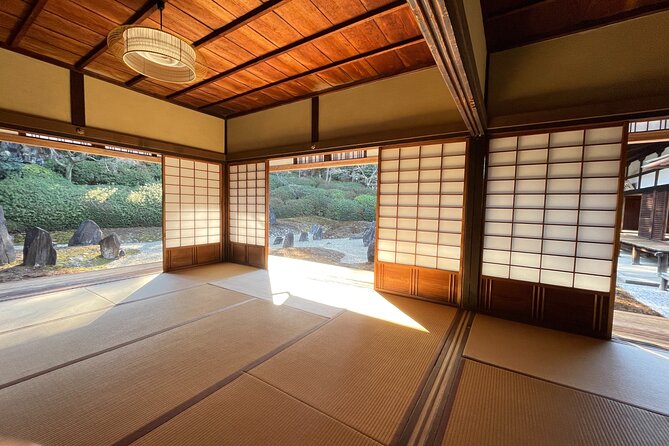
You get about 25 minutes, and admission is included. This is the time to do something simple: sit, look, and let your eyes adjust. Zen gardens are designed for quiet observation, and 25 minutes is enough to actually benefit rather than just take one quick photo and move on.
4) Araki Shrine: a meaningful pause for relationships and well-being
Then you’ll stop at Araki Shrine, where people come to pray for love, strong relationships, and overall well-being. It’s a short stop—about 10 minutes—but it changes the emotional tone of the day.
This is a good moment for couples or anyone who wants the shrine experience to feel personal. Even if you’re not making a specific prayer, watching how people behave at shrines can teach you how to respect the space and follow the flow.
5) Fushimi Inari Yotsuji: where the viewpoint earns the climb
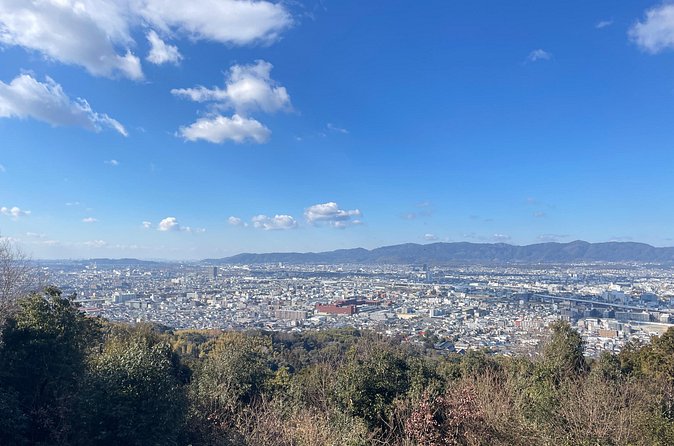
As you move into the Fushimi Inari area, you’ll hit Fushimi Inari Yotsuji—the Four-Way Crossroad viewpoint. It sits along the famous trail and gives you a scenic panorama where you can take a break.
Expect about 20 minutes. This stop is practical: it’s your chance to catch your breath before you step into the most recognizable torii-gate tunnel vibe. If you’ve already decided you want photos at the gates, this viewpoint is the place to get a broader framing shot first.
6) Kumataka Shrine: spiritual energy in a quieter corner
Next is Kumataka Shrine, described as secluded and mystical, with a reputation for strong spiritual energy. It’s about 15 minutes, and the selling point is the contrast: you’re away from the busier torii gate paths and you get a more private-feeling shrine visit.
If you like authenticity and less-performative sightseeing, this is where the day can feel especially “Kyoto.” Don’t treat it like a photo dump—slow down and let the quiet communicate.
7) Okusha Worship Center of Fushimi Inari: stamps and amulets without the chaos
Inside the complex, you’ll visit the Okusha Worship Center of Fushimi Inari Shrine, where you can obtain sacred ofuda (amulets), omamori (charms), and goshuin shrine stamps. Admission is listed as free, and the stop is about 10 minutes.
This is a great practical bonus. If you’ve been collecting goshuin in Japan, this helps you plan your stamp strategy without hunting on your own. Even if you’re not collecting, it’s worth looking because it shows another side of how Fushimi Inari functions beyond the torii tunnel.
8) Senbon Torii gates: the iconic tunnel you came for
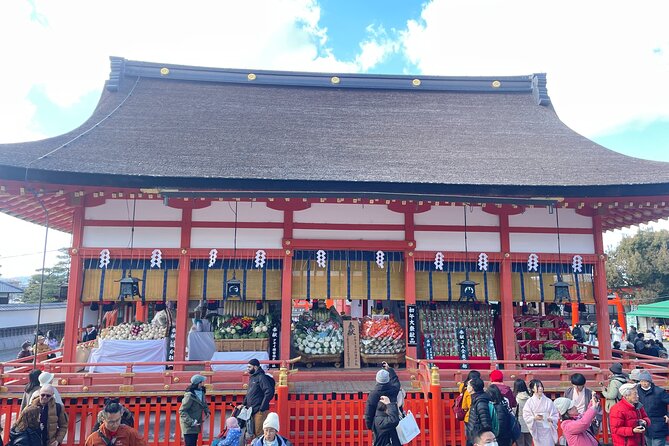
Then comes Senbon Torii—the famous thousand torii gates forming the tunnel effect. Admission is free, and this is the most iconic segment of the day. You’ll have time to experience the path and take photos, but you’re also coming in through a route designed to reduce the worst crowd pressure.
This is where patience matters. People move slowly here because everyone wants their moment under the gates. Let the guide’s direction help you choose where to stand, and don’t fight the flow.
9) Fushimi Inari Taisha Honden: the calmer finish inside the shrine
Finally, you end at Fushimi Inari Taisha Honden (the main sanctuary). It’s listed as about 10 minutes, and while the gates and fox statues grab attention, the main shrine area is quieter and more intimate.
Ending here makes sense for your energy level. You’ve already walked, you’ve already seen the big torii moment, and now you get a more grounded place to finish—plus your tour ends near the Outer Oratory area, right where you can continue exploring on your own.
The real secret sauce: guides, pacing, and avoiding the worst crowds
This tour is repeatedly praised for how the guides handle the group. People mention moving at their own pace, walking uphill without feeling rushed, and being flexible about how long they spend at each stop. That matters in Kyoto because many sites are visually impressive, and without pacing guidance you can end up either exhausted or stuck in the worst photo angles.
You’ll also benefit from guides like Mika, who are described as speaking excellent English and taking clear notes. That usually translates into better explanations you can remember later—why a place was founded, what the objects mean, and what the space is meant to do for visitors.
A big theme in the tour experience is avoiding crowds. You don’t skip the famous sites, but you approach them in a smarter order and use lesser-known paths at key moments. The result is a day that feels more peaceful than the typical “arrive, pose, leave” style.
Best for who? And who should skip it?
This is a strong fit if you:
- want a half-day plan that covers multiple Kyoto spiritual highlights,
- like Zen gardens and temple atmosphere,
- and prefer a guide to help you understand what you’re seeing.
It’s also a good choice if you’ve only got limited time and want to avoid spending your morning figuring out routes. The small group size makes it easier to ask questions and get answers that actually fit your day.
You might want to choose something else if you:
- hate any uphill walking,
- have trouble with steps and uneven shrine paths,
- or want a totally low-effort sightseeing day with minimal walking.
Timing tip: use the early start like a strategy, not luck
Meeting at 9:00 am is not just a schedule detail—it’s part of the experience design. Arriving earlier helps you reach calmer temple segments and makes the Fushimi Inari transition smoother. You’ll still see the famous torii tunnel, but you’re less likely to feel like you’re constantly inching forward.
If you’re the kind of traveler who gets stressed by lines, this route’s pacing is your friend. And if you love photos, you’ll appreciate the built-in viewpoints like Yotsuji and the valley view from Gaun-kyo Bridge, which give you variety beyond the torii tunnel itself.
Should you book this Kyoto guided walking tour?
Yes—if you want a Zen-and-shrine half day that feels structured but not stiff. The small group size, guide-led explanations, and the quieter route approach are the big reasons it’s worth considering.
I’d book it especially if you:
- care about Zen philosophy and meditation as a lived atmosphere (not just text),
- want Fushimi Inari without spending your entire trip fighting crowds,
- and enjoy walking when it’s guided, not improvised.
Skip it only if moderate uphill hiking is a deal-breaker for you, or if you prefer fully self-guided temple time. Otherwise, this is a smart, efficient way to see Kyoto’s spiritual side in one morning.
FAQ
How long is the Kyoto guided walking tour?
It runs about 4 hours.
How many people are in the group?
The tour has a maximum of 8 travelers.
Where do you meet and where does the tour end?
You meet at FamilyMart Nakai Tofukuji (Kyoto) and end at the Outer Oratory area in Fushimi Inari Shrine.
Is the ticket mobile?
Yes, the tour uses a mobile ticket.
Do you need moderate fitness and comfortable shoes?
Yes. The tour includes moderate walking and hiking with some uphill, so comfortable walking shoes and moderate fitness are recommended.
What happens if it rains?
The tour takes place rain or shine.
More Tour Reviews in Kyoto





More Gardens and Quiet Corners

Fushimi Inari, a Few More Ways
Just added: more Kyoto tours to browse








Fushimi Inari Shrine Tours, compared.
 ★ 4.8Fushimi Inari, Kinkakuji, Bamboo Grove 1 Day Bus TourFrom $1224,316 reviews
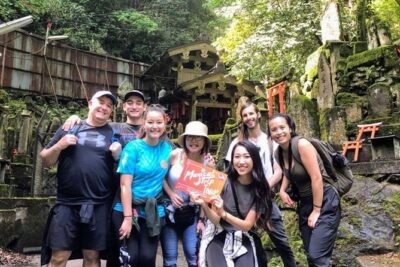 ★ 5.0Fushimi Inari Hidden Hiking Tour (Private Option Available)From $631,750 reviews
 ★ 4.7Kyoto/Osaka: Nara, Fushimi Inari Taisha, Arashiyama Bus TourFrom $521,275 reviews
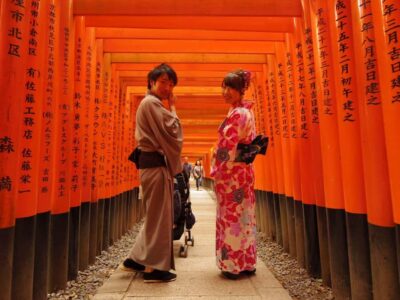 ★ 4.4Osaka/Kyoto: Arashiyama, Nara & Fushimi Inari Shrine w/LunchFrom $61754 reviews
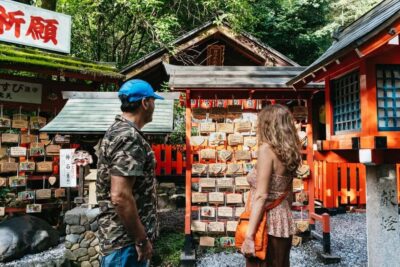 ★ 4.7Nijo Castle, Kiyomizu & Fushimi Inari Guided TourFrom $54700 reviews
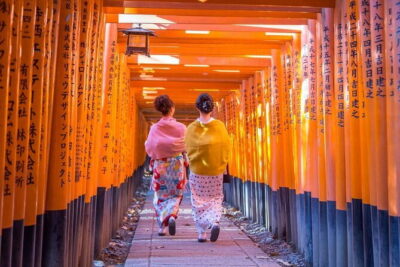 ★ 5.0Nijo, Kinkaku-ji, Arashiyama, Kiyomizu & Fushimi InariFrom $51699 reviews
 ★ 5.0Kyoto Fushimi-Inari Night Walking TourFrom $43320 reviews
 ★ 4.93-Hour Fushimi Inari Shrine Hidden Hiking TourFrom $72270 reviews
Browse the lists this tour appears in