
Reviewed · GION & GEISHA DISTRICT TOURS
Kyoto : Geiko Maiko Dance of Kyoto & Visits of Gion Museum
A Kyoto performance that fits your schedule.
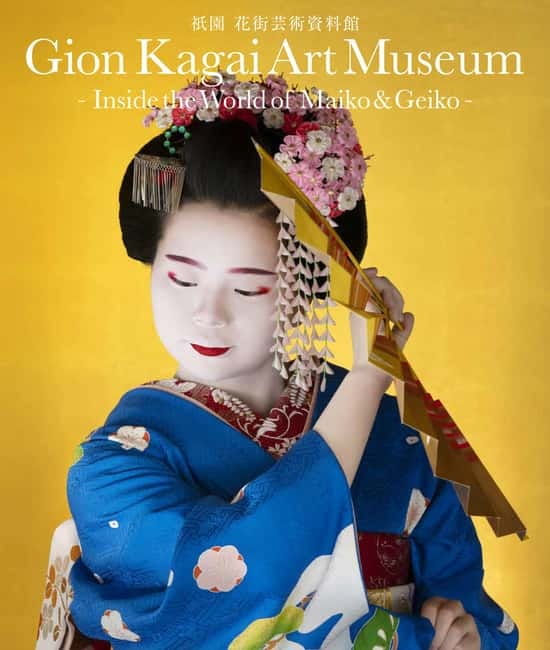
At the Gion Kagai Art Museum, you get a close-up Kyomai dance (Kyoto Mai) performed by real geiko or maiko, not a generic stage act, plus time to wander a museum built around the art culture of Gion.
I especially liked two parts. First, the Kyomai performance runs about 15 minutes and feels concentrated: graceful movement, clear presence, and just enough time that it works even on a packed sightseeing day. Second, the museum itself is genuinely useful, with an English-friendly setup using QR codes to explain geiko and maiko life and the dance context.
The main thing to consider is also the biggest rule: no photos during the dance. If you want pictures, you’ll need to plan for a separate photo session ticket available at the museum, and you still won’t be recording the performance itself.
In This Review
- Key things to know before you go
- Where this experience fits in Kyoto (and why it’s such good value)
- Meeting Gion Kagai Art Museum: plan around show start times
- Kyomai dance close-up: what you’re actually watching
- Inside the museum: Kagai Art Culture exhibits that actually explain the world
- English help with QR codes (and videos/film)
- The Chisen Water Japanese Garden: slow down after the show
- Art Cafe and museum shop: don’t rush the small extras
- Photo sessions with geiko or maiko: what you can and can’t do
- Timing tips: picking the right session on a busy Kyoto day
- Who should book this, and who might want to think twice
- Should you book: my take on the yes/no decision
- FAQ
- How long is the performance?
- Are photos allowed during the dance?
- Can I get photos with a geiko or maiko?
- What time do performances start?
- Where do I meet for the experience?
- What does the museum include?
- Is audio recording allowed?
- Is the activity refundable?
- What items are not allowed?
Key things to know before you go
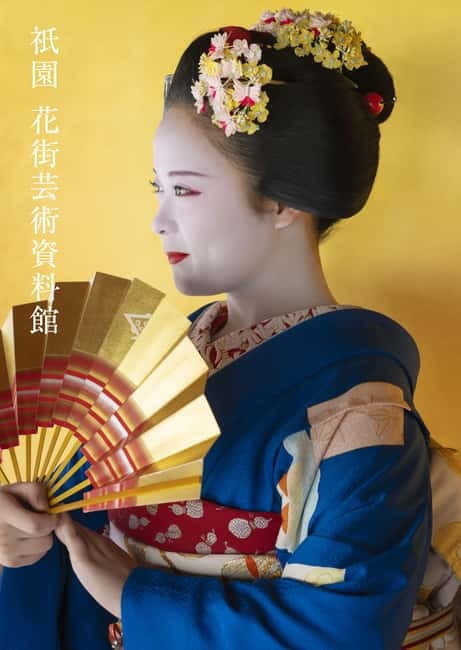
- Kyomai (Kyoto Mai) in the Inoue style performed by geiko or maiko, usually one performer up close
- About 15 minutes total for two songs, so it’s easy to slot into your Kyoto day
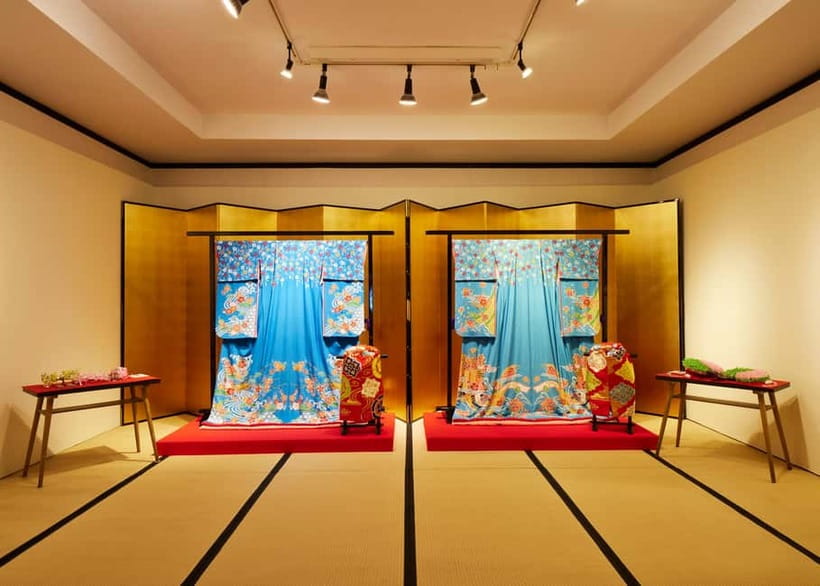
- Permanent Kagai Art Culture exhibits with items like kimono, obi, seasonal hair ornaments, and makeup tools
- Chisen Water Japanese garden you can enjoy at your own pace after the show
- English support via QR codes plus videos/film to help you understand what you’re seeing
- Photo rules are strict during the performance, but photo sessions can be added at the museum
Where this experience fits in Kyoto (and why it’s such good value)
Kyoto can be intense. One crowded street leads to another, and by the afternoon you start wishing you’d booked something quieter and more focused. This works because the whole event is compact: a short live Kyomai performance paired with admission to the Gion Kagai Art Museum.
Price-wise, the $25 per person covers two things at once: museum entry plus the performance fees. You’re not paying separately for a ticketed show and then another admission for the venue. You’re also not stuck watching something long. If your goal is a real taste of Gion’s traditional world without burning half your day, this hits the mark.
It’s also a good balance between art and context. The dance is the hook, but the museum gives you a way to make sense of what you saw, especially if you like understanding the meaning behind costume, movement, and ritual rather than just watching beauty from a distance.
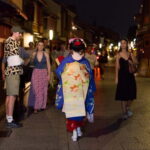
More evenings along the lantern-lit lanes of Gion

Meeting Gion Kagai Art Museum: plan around show start times
You meet at the museum entrance. Then you’ll want to arrive early: the guidance is to come about 10 minutes before the performance starts.
Performances run on a schedule, so pick the slot that fits your day:
- 1st performance: 13:30
- 2nd performance: 14:20
- 3rd performance: 15:00
- 4th performance: 16:00
- 5th performance: 16:30
Check availability before you commit, since these sessions aren’t guaranteed every day.
One more practical detail: the Kyomai program is about two songs for roughly 15 minutes total. Some days, the 3rd and 4th sessions may be performed by two geiko/maiko instead of the usual single performer. That means the “feel” can shift slightly depending on which session you catch.
Kyomai dance close-up: what you’re actually watching
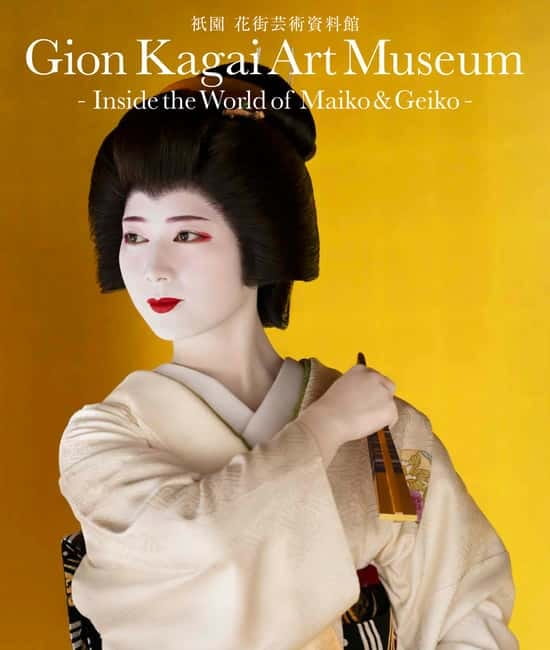
The star of the show is Kyomai (Kyoto Mai) dance, performed in the Inoue style by a geiko or maiko. Important detail: these are specifically geiko/maiko performers, not “geisha” as a catch-all word. In Kyoto, geiko is the term for women who perform traditional dance and music in ozashiki banquet settings and on stage.
What to expect during the performance:
- Two Kyomai songs are performed for about 15 minutes total
- The dance is designed to be graceful and readable up close
- On some days, there may be two performers in certain sessions (not every session)
Because the program is short, it’s best to treat it like a “watch carefully once” moment. Don’t plan to multitask. You won’t get a long intermission. Instead, you’ll want your full attention for the body language, facial expressions, and the way the dancer holds still between movements.
Also note the rule: no photos during the dance performance. That can feel restrictive at first, but it also keeps the room quiet and focused on the performance instead of cameras. If you want a photo experience, the museum offers separate photo sessions, and those tickets are only available at the museum.
Inside the museum: Kagai Art Culture exhibits that actually explain the world
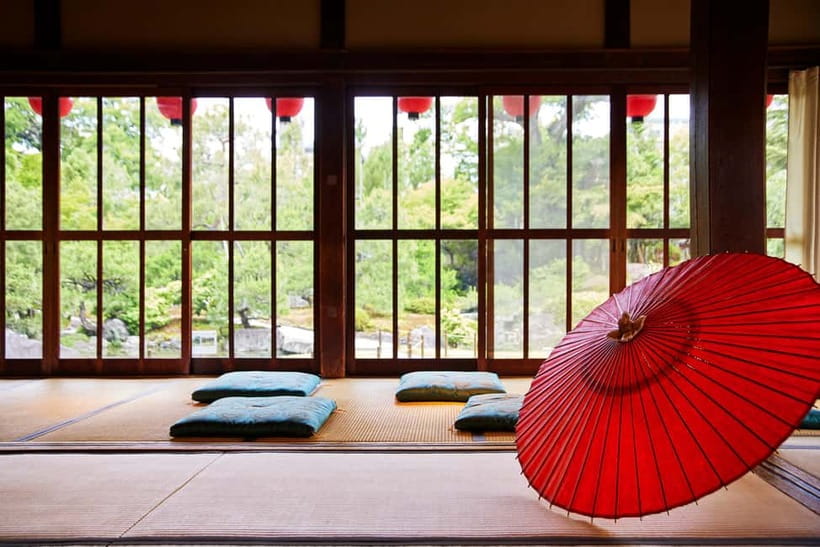
The Gion Kagai Art Museum isn’t just a lobby with a backdrop. It’s built around the Kagai Art Culture of Gion, with a permanent exhibit that connects costume, tools, and daily practice to the performance world.
This is the kind of place I like for two reasons. One, it gives you a vocabulary fast—geiko vs. maiko, and what training and presentation look like. Two, it shows physical details you’d never notice from street-level viewing.
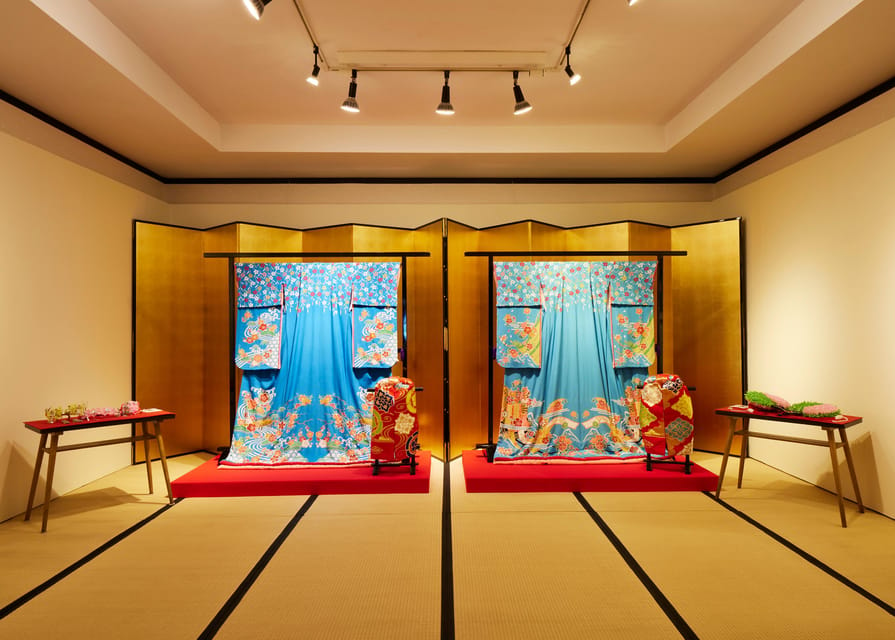
Here are the kinds of items and themes the permanent exhibit focuses on:
- Exquisite hand-painted Yuzen kimono
- Nishijin brocade obi sashes
- Seasonal kanzashi hair ornaments for different times of year
- Formal kimono pieces that are rarely seen in the Gion quarter
- Personal belongings and makeup items used by maiko
You also get atmosphere through photographs connected to the Kagai district. If you’ve wandered Gion before, this helps connect the dots between what you see on the streets and the more private, performance-focused spaces behind the scenes.
English help with QR codes (and videos/film)
One of the most useful upgrades here is language support. The information is accessible in English through QR code scanning, and there’s also film/video material in the museum that helps explain the dance as something specific to Kyoto—not just a general “traditional Japanese” performance.
If you’re not fluent in Japanese, that QR code system matters. It keeps you from guessing at details like what certain gestures represent or why particular presentation choices matter.
Other Kyoto tours and experiences to compare

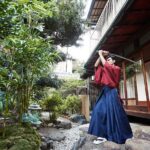
The Chisen Water Japanese Garden: slow down after the show
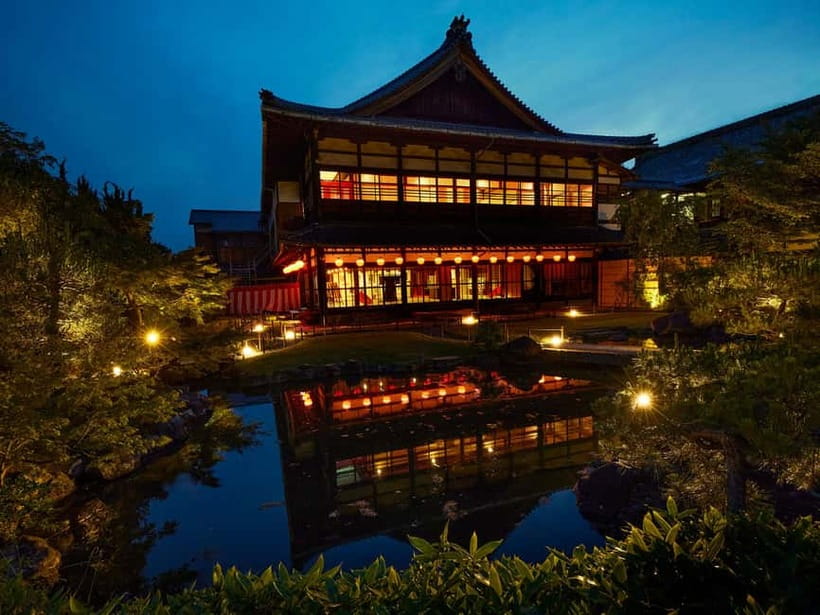
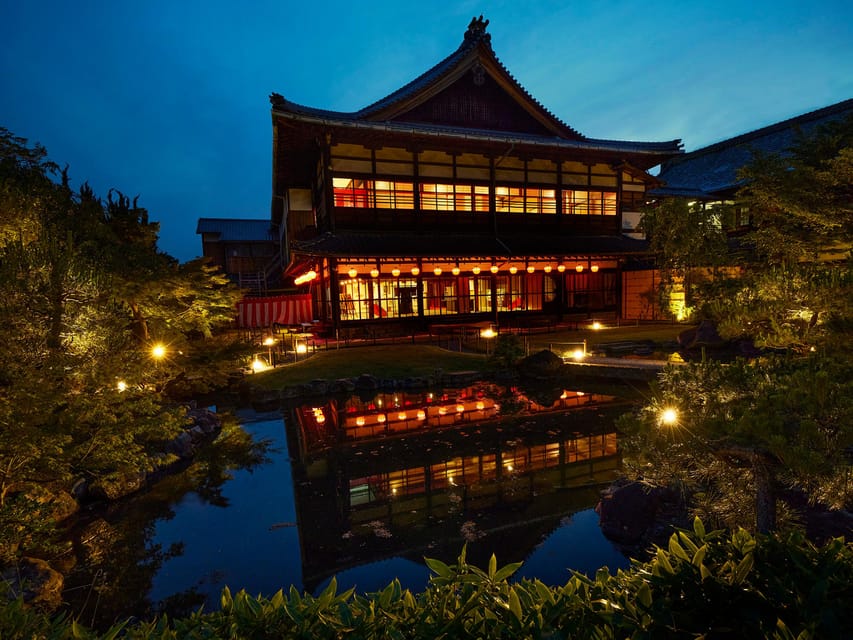
Between the dance and the museum browsing, you’ll likely feel a little time-stretched in Kyoto. That’s exactly why the Chisen Water Japanese Garden is such a good companion to this experience.
A garden gives you something practical: a decompression zone. You’re not running to another ticketed stop. You can step outside the rules of the performance and just take in the setting at your own pace.
The garden is part of why many people rate this highly as a full experience rather than a quick show. Even if you’re not a “garden person,” it breaks the day in a gentle way, and it pairs naturally with the museum’s focus on traditional aesthetics.
Art Cafe and museum shop: don’t rush the small extras
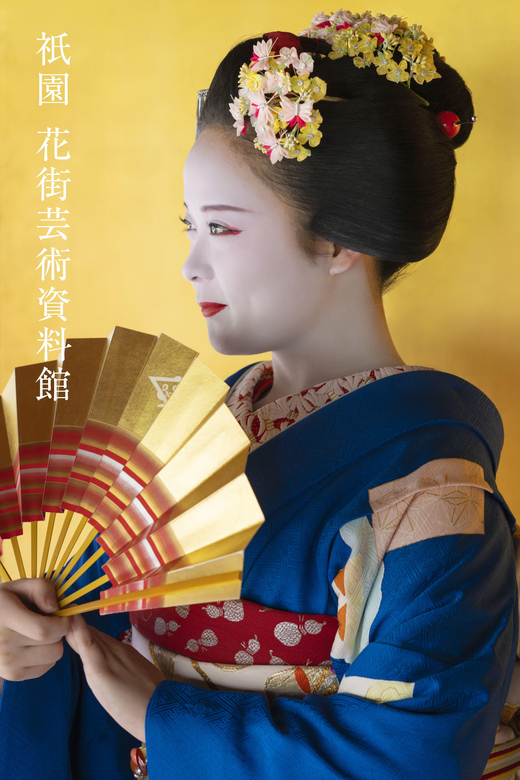
After you’ve taken in the dance and the exhibits, you can keep lingering. The museum has an Art Cafe and a museum shop.
I like adding places like this to my plan because it turns the outing into something more human:
- You can take a break without leaving the property
- You can buy a useful souvenir that connects to what you just learned, rather than picking something random on a side street
No details were provided about specific menu items, so treat the cafe as a convenient rest stop more than a food highlight. The shop, though, is a straightforward plus if you want something compact tied to Kagai art culture.
Photo sessions with geiko or maiko: what you can and can’t do
This is where many people have expectations, so let’s keep it clear.
- Photos are not allowed during the dance performance.
- Tickets for photo sessions with a geiko or maiko are available at the museum.
- Some reviews also note having to prepare additional money for photos, with an amount around 2,000 yen mentioned for the extra picture setup.
If you want photos, don’t treat this as an optional afterthought. Plan your timing so you have enough room to add the photo session without feeling rushed.
And if you’re the type who hates being separated from the action, you’ll still be fine. The dance itself is the main event, and you won’t miss out on the show just because photos are restricted.
Timing tips: picking the right session on a busy Kyoto day
Because performance time is about 15 minutes, your session choice comes down to your energy and nearby plans.
A few practical ways to choose:
- If you want a calm mid-day break, the earlier sessions (like 13:30 or 14:20) can work well after lunch.
- If you’re tired of crowds, the later slots (around 16:00 or 16:30) can feel easier to manage because you’re often done with your most intense sightseeing.
- If you’re hoping for a slightly different presentation, remember that on some days the 3rd and 4th sessions may involve two performers.
The bigger point: this is a great “one-ticket culture stop.” It doesn’t demand a long time commitment, so you can keep your Kyoto day coherent.
Who should book this, and who might want to think twice
This experience is a strong fit if:
- You want a real cultural performance by geiko or maiko and not a watered-down tourist show
- You like pairing “watching” with “understanding,” thanks to the Kagai exhibits and QR code English info
- You’re trying to pack a lot into Kyoto without committing to something half-a-day long
- You appreciate traditional aesthetics, including the museum garden
It’s not the best fit if:
- You really need to take photos during the performance. You can add a photo session, but you cannot photograph the dance itself.
- You get disappointed by short performances. This is about 15 minutes. That can feel perfect for some people and too brief for others.
Should you book: my take on the yes/no decision
I’d book this if you want a quick, high-quality Kyoto culture stop where the museum context makes the dance easier to appreciate. The strongest parts are the Kyomai performance by geiko/maiko, the museum’s practical explanations (including English QR codes), and the chance to unwind in the garden afterward.
If you’re photo-driven, you’ll need to adjust your expectations and plan for the separate photo session ticket at the museum. And if you’re hunting for a long, multi-hour experience, you might find the short show length more limiting than inspiring.
Overall: for the price, the combo of live dance plus a focused Kagai museum visit feels like good value, especially on a day when you can’t afford to lose hours.
FAQ
How long is the performance?
The performance is approximately 15 minutes, and it includes two dances (two songs).
Are photos allowed during the dance?
No. Photos are not allowed during the dance performance.
Can I get photos with a geiko or maiko?
Yes, but photo session tickets are only available at the museum. It’s separate from the dance.
What time do performances start?
Starting times include 13:30, 14:20, 15:00, 16:00, and 16:30. Availability depends on the day, so check availability before booking.
Where do I meet for the experience?
Meet at the museum entrance.
What does the museum include?
Admission to the Gion Kagai Art Museum is included, including a permanent exhibit on Kagai Art Culture and time to visit the museum grounds, including the Japanese garden, Art Cafe, and museum shop.
Is audio recording allowed?
Audio recording is not allowed during the experience.
Is the activity refundable?
No. The activity is non-refundable.
What items are not allowed?
Pets, oversize luggage, drones, and alcohol or drugs are not allowed.
More Museums in Kyoto
More Tour Reviews in Kyoto

Still in Gion? Keep Going


Just added: more Kyoto tours to browse






Gion & Geisha District Tours, compared.
 ★ 4.7Kyoto Geisha Walking Tour: Gion District & Hidden GemsFrom $253,273 reviews
 ★ 4.9Gion Magical Night Walking Tour with Geisha TriviaFrom $242,393 reviews
 ★ 4.7Gion Geisha District Walking Tour – Stories of GeishaFrom $202,187 reviews
 ★ 4.9Best of Kyoto: Gion, Geisha, Pagodas & CobblestonesFrom $242,058 reviews
 ★ 4.5Night Walk in Gion: Kyoto’s Geisha DistrictFrom $212,003 reviews
 ★ 5.0Kyoto Night Foodie Tour in Gion (9+ dishes + 6 Sake tastings)From $1631,762 reviews
 ★ 5.0Kyoto Gion Geisha District Walking Tour – The Stories of GeishaFrom $251,441 reviews
 ★ 5.0Kyoto Gion: 2-Hour Geisha Culture & History Walking TourFrom $231,186 reviews
Browse the lists this tour appears in