
Reviewed · FUSHIMI INARI SHRINE TOURS
Kyoto: Fushimi Inari Taisha Small Group Guided Walking Tour
If you like memorable sights you can reach on foot, this Fushimi Inari Taisha small-group walk hits the sweet spot: you’ll take in the thousands of red torii gates and learn how Inari shrine culture works, from the deity of agriculture and commerce to the fox imagery. I really like two things here: the small group size (max 9) makes the walk feel personal, and the tour includes the entrance ticket so you’re not juggling extras before you even start. One thing to think about up front: this is a 3-hour hike with moderate walking, so plan your effort level in advance, especially if you’re doing more than the lower shrine area.
The best version of this experience is the one that matches your energy. You can explore more of Mount Inari’s trails and keep going up toward the viewpoints, or you can opt for a shorter lower-area focus if you want the gates and shrine atmosphere without the longer climb.
In This Review
- Key highlights you’ll care about before you go
- Fushimi Inari Taisha: The torii-gate walk you can actually finish
- Choosing upper vs lower: how to match the hike to your day
- Stop-by-stop: what the experience feels like on the ground
- 1) Fushimi Inari Taisha Shrine and the gate corridors
- Why the guide matters (beyond facts)
- Price and time: does $85 buy real value?
- Getting there smoothly: Inari Station as your anchor point
- What to pack for a 3-hour torii-gate hike
- Who should book this Fushimi Inari small-group walk
- Should you book this tour?
- FAQ
- How long is the Kyoto Fushimi Inari Taisha small-group walking tour?
- Is the entrance ticket included?
- Where does the tour start and end?
- What group size should I expect?
- Is hotel pickup or drop-off included?
- What is the cancellation policy?
Key highlights you’ll care about before you go
- Max 9 people means less waiting and more time with your guide on the route
- Torii gates at the main shrine with an easy-to-follow walking rhythm
- Mount Inari trails option so you can choose a longer or shorter hike
- City views along the way when you’re on the hillside sections
- Entrance fees included so the price covers the core experience
- Mobile ticket makes last-minute check-in simpler
Fushimi Inari Taisha: The torii-gate walk you can actually finish
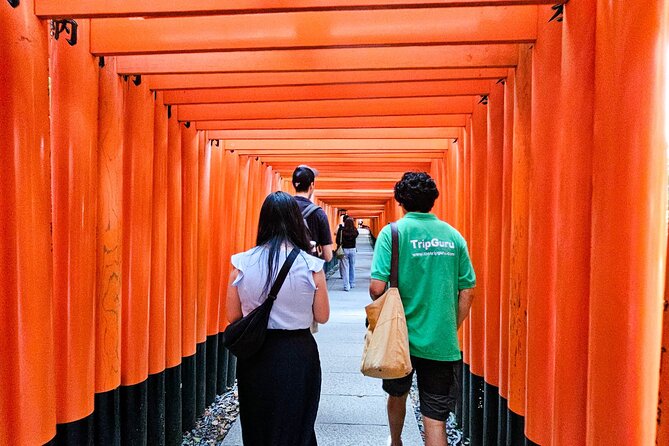
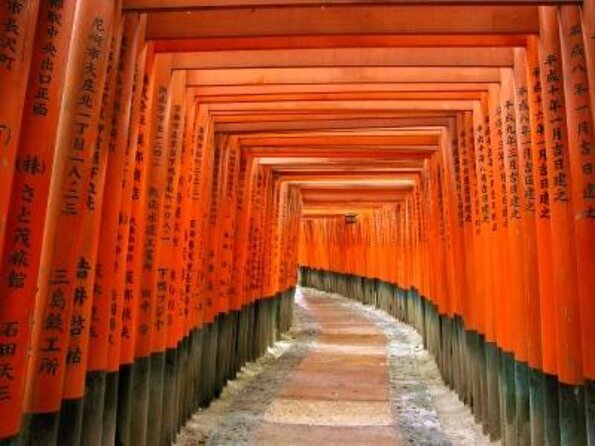
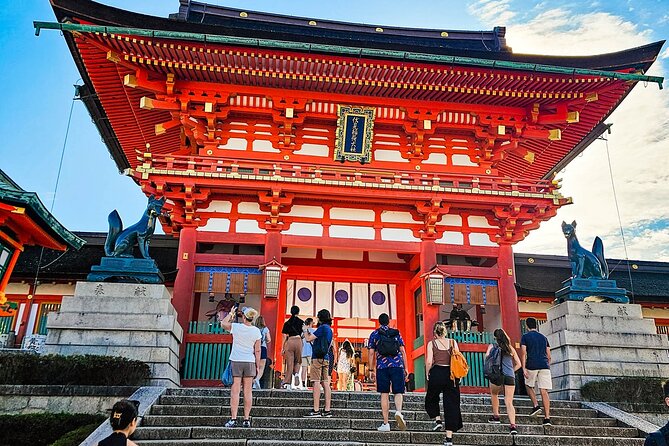
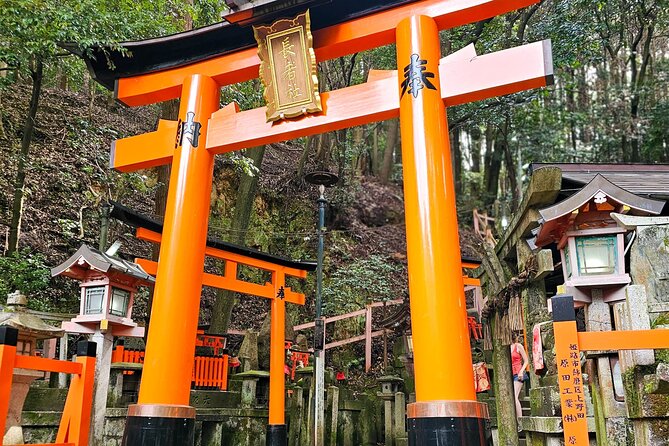
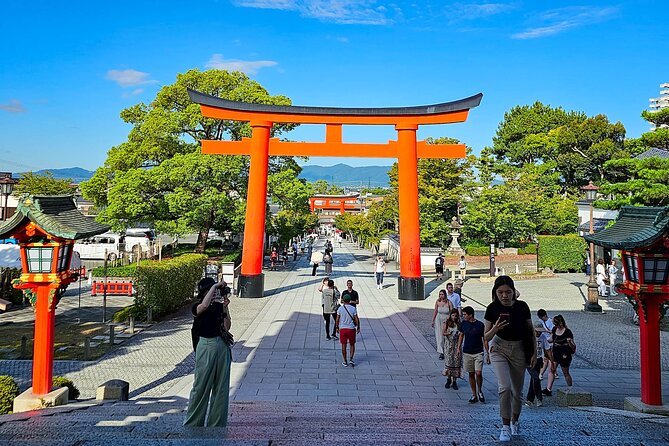
Fushimi Inari Taisha is one of those places that looks like a postcard, but once you’re there you realize it’s also a walk-with-purpose kind of sight. The signature is the long stretch of bright red torii gates running up the mountain trails. Even if you’ve seen photos, the scale hits differently in person. The color repeats for so long your brain starts to notice patterns, not just individual gates.
What I like about doing it with a guided group is that you get a route that makes sense. You’re not left wandering in the crowds and guessing what to skip. The tour focuses on the shrine area and the Mount Inari trails, so you get the full “this is why it’s famous” effect within about 3 hours.
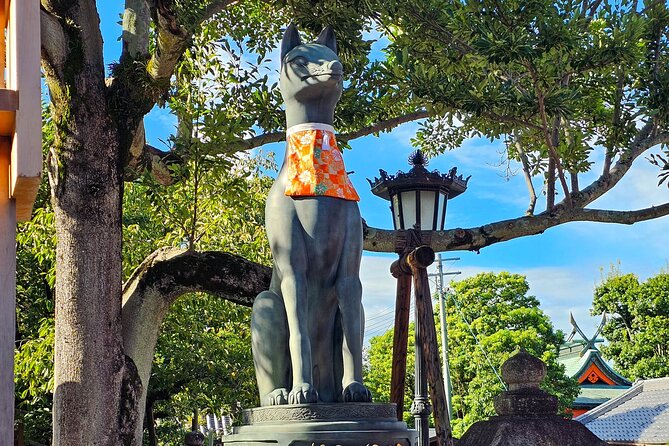
Also, it’s an easy place to understand. The guide’s explanations connect the gates to Inari worship. Inari is linked to agriculture and commerce, and foxes show up as messengers. That kind of context turns the gates from a cool photo background into a living religious landscape you can read as you walk.
More walks up through the vermilion torii of Fushimi Inari



Choosing upper vs lower: how to match the hike to your day
This tour gives you flexibility once you’re moving. You can explore the shrine’s lower section for a shorter walk, or you can go farther along the trail toward the upper areas for more hiking and more elevated views.
Here’s how to decide. If you want the iconic sight fast and you’re watching your legs, focus on the lower route. You’ll still see plenty of torii gates and get shrine time without turning it into an endurance event. If you’re feeling good that day, continuing upward along Mount Inari’s trails is where the walking starts to feel like an adventure rather than a checklist.
Keep expectations realistic: you’ll be on your feet for the full experience, and the tour asks for moderate physical fitness. So if you’re carrying heavy bags, recovering from jet lag, or you know stairs and slopes drain you, choose the shorter option. Your reward is still the gates and the sacred atmosphere—just with less strain.
Stop-by-stop: what the experience feels like on the ground
1) Fushimi Inari Taisha Shrine and the gate corridors
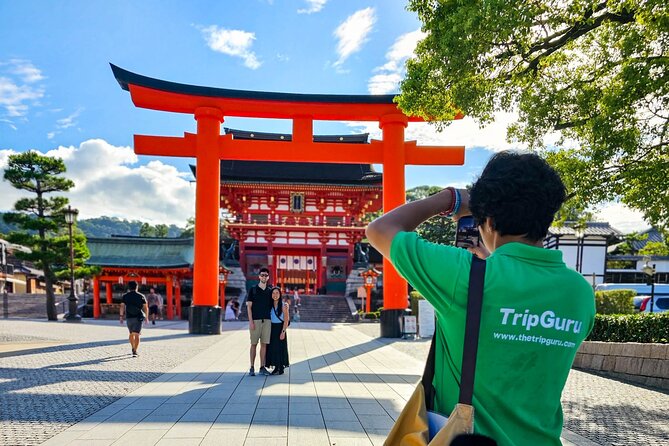
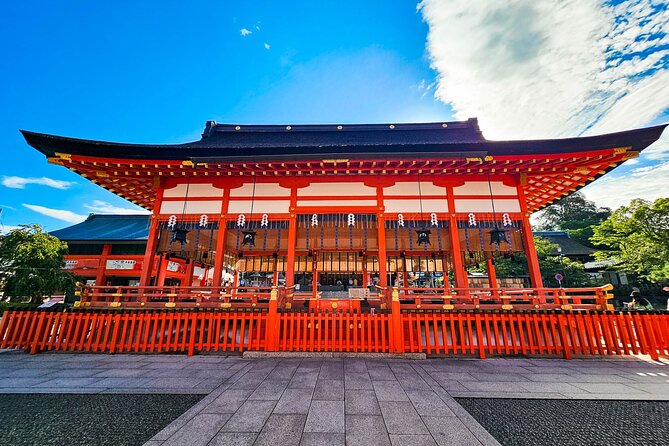
The main stop centers on Fushimi Inari Taisha, where you’ll walk through shrine areas and along the torii-lined trails. This isn’t just a “stand here and take pictures” visit. You’ll move through the site’s key sections and get the stories that explain what you’re seeing.
What you’re looking at:
- Torii gates in long sequences along the mountain paths
- Shrine spaces connected to Inari worship
- Fox symbolism explained as part of the tradition
What makes this stop special is the combination of sight and meaning. Without context, you might just walk past repeating colors. With the guide’s facts and route tips, you start noticing how the shrine world is organized and why certain areas are important.
One practical tip: wear shoes you trust for slopes. Even if the route is short, the ground can feel uneven and the stairs can stack up fast once you get into the upper-trail sections.
Why the guide matters (beyond facts)

A good guide can add two things: pacing and clarity. This tour is built around an English-speaking guide who keeps the walk moving and explains what you’re seeing as you pass it.
From the experience feedback I’m drawing on, the guide style is described as energetic and entertaining, not dry. That matters in a place like Fushimi Inari Taisha, because attention fades if you’re just hearing dates and names. When the guide keeps it lively, you’re more likely to remember why foxes connect to Inari, and you’ll understand the shrine’s relationship to agriculture and commerce instead of treating it like only a photo stop.
The other value: decision support. Since the route can lean longer or shorter depending on how far you go, your guide helps you choose the right focus without turning the experience into stress. You still get to keep your day moving while getting the gates and views you came for.
Other Kyoto tours and experiences to compare






Price and time: does $85 buy real value?
At $85 per person for about 3 hours, this is priced for a guided, ticket-included walk. Entrance fees are included, which is one of the easiest ways to judge value—because you’re not paying extra once you arrive.
You’re also paying for three practical things that are hard to replicate on your own:
- A structured route through the shrine and trail areas
- A guide who provides context as you walk
- A small group experience (max 9), which keeps things from feeling like a moving crowd
If you’re the type who plans your day carefully and hates wasting time, this price often feels fair. You get a clear experience length and a defined start point, and you avoid the uncertainty of figuring out the best sections to hit when you’re surrounded by other visitors.
The only “cost” you should factor in is effort. This isn’t a sit-and-watch tour. It’s a walking hike, so the value depends on whether you’re ready to put your feet in motion for a couple hours on slopes and stairs.
Getting there smoothly: Inari Station as your anchor point
The tour starts and ends at Inari Station (JR Inari Station), in the Fushimi Ward area near Fukakusa Inarionmaecho. This matters because you don’t need a complicated meetup plan. Public transit is close, and returning to the same station makes it easier to connect to the rest of your Kyoto day.
A simple strategy: plan to use Inari Station as your base for the rest of the morning or afternoon. After the walk, you’re already in the right transport zone to hop onward without adding extra transfers.
Also, because the tour uses a mobile ticket, you don’t have to worry about paper tickets or last-minute printing.
What to pack for a 3-hour torii-gate hike
You don’t need a special kit, but a little preparation makes the difference between fun and fatigue.
Bring:
- Comfortable walking shoes (non-slip matters on stairs and uneven parts)
- Water, since you’ll be out moving for about 3 hours
- A small layer for weather changes (shrine hillsides can feel cooler or warmer depending on the day)
Wear:
- Something you can walk in for slopes
- If you’re doing the longer trail option, prioritize comfort over style
And if you’re sensitive to steep climbs, remember you can focus on the lower shrine area. You’ll still get the torii gates and the shrine atmosphere without pushing as far uphill.
Who should book this Fushimi Inari small-group walk
This is a great match if:
- You want the iconic gates and shrine experience without spending your whole day lost between sections
- You like having context while you walk (Inari’s meaning and fox symbolism help the place click)
- You prefer a small group over large crowds
It’s also a solid choice if you’re short on time. The total tour duration is about 3 hours, so it works as a main morning activity or an early afternoon stop before you shift to other Kyoto neighborhoods.
If you’re looking for a slow, low-effort stroll with lots of standing and minimal walking, you might prefer a shorter approach to the shrine. But if you can handle moderate walking, you’ll likely feel like you got your money’s worth.
Should you book this tour?
I’d book it if you want a guided route that balances the iconic sights with an actual walk, and you value keeping the group small so you can move and ask questions. The included entrance fee and the structured experience around Inari Station add practical value. It’s also ideal if you’re the kind of person who likes meaning behind what you see, not just a camera moment.
Don’t book it if you want a mostly flat, minimal-walking visit. This is built for a moderate hike across shrine areas and trails, and the quality of your day will depend on whether you’re comfortable walking slopes and stairs for the full time.
If you’re ready to put your feet in motion for torii gates and views, this is one of the more efficient ways to experience Fushimi Inari Taisha with guidance.
FAQ
How long is the Kyoto Fushimi Inari Taisha small-group walking tour?
The tour is about 3 hours.
Is the entrance ticket included?
Yes. Entrance fees are included.
Where does the tour start and end?
It starts and ends at Inari Station (JR Inari Station), in Fushimi Ward, Kyoto.
What group size should I expect?
The tour has a maximum of 9 travelers.
Is hotel pickup or drop-off included?
No. Hotel pickup and drop-off are not included.
What is the cancellation policy?
Free cancellation is available up to 24 hours before the experience start time for a full refund.
More Tours in Kyoto


More Tour Reviews in Kyoto


Fushimi Inari, a Few More Ways



Just added: more Kyoto tours to browse







Fushimi Inari Shrine Tours, compared.
 ★ 4.8Fushimi Inari, Kinkakuji, Bamboo Grove 1 Day Bus TourFrom $1224,316 reviews
 ★ 5.0Fushimi Inari Hidden Hiking Tour (Private Option Available)From $631,750 reviews
 ★ 4.7Kyoto/Osaka: Nara, Fushimi Inari Taisha, Arashiyama Bus TourFrom $521,275 reviews
 ★ 4.4Osaka/Kyoto: Arashiyama, Nara & Fushimi Inari Shrine w/LunchFrom $61754 reviews
 ★ 4.7Nijo Castle, Kiyomizu & Fushimi Inari Guided TourFrom $54700 reviews
 ★ 5.0Nijo, Kinkaku-ji, Arashiyama, Kiyomizu & Fushimi InariFrom $51699 reviews
 ★ 5.0Kyoto Fushimi-Inari Night Walking TourFrom $43320 reviews
 ★ 4.93-Hour Fushimi Inari Shrine Hidden Hiking TourFrom $72270 reviews
Browse the lists this tour appears in