
Reviewed · KYOTO TEMPLE & SHRINE TOURS
Kyoto: Arashiyama Bamboo, Temple, Matcha, Monkeys & secret spots
Bamboo is the postcard; side places are the payoff. This 5-hour Arashiyama tour goes past the famous grove to quiet gardens, a major temple, and the views from Monkey Park Iwatayama. You get a small group of up to 12, so the guide can help you read the sights and ask questions instead of herding everyone like a train car.
What I like most is the mix of calm and action. You’ll get real downtime in the Okochi Sanso Garden with matcha served in a former tea house, then you’ll shift to Kyoto’s temple atmosphere at Tenryu-ji and its koi pond.
One heads-up: this is a walking tour, and the finish includes a steep hike (about 15–20 minutes) to reach the monkey viewing area. If you’re heat-sensitive or short on stamina, plan for slow steps and sturdy shoes.
Small-group Arashiyama, not a bamboo line-walk: You move through the area with room to stop, look, and ask questions.
Matcha at Okochi Sanso, served in a former tea house: A warm break that feels private, not tourist-cafeteria.
Tenryu-ji Temple with indoor + outdoor time: You see the pond with koi fish and get context as you walk.
Shopping street help with translation: You’re not stuck pointing at menus and hoping.
Monkey Park Iwatayama ends the day with big payoff: Worth it, but you’ll earn those views with a hill climb.
In This Review
- Entering Arashiyama Bamboo Area the Right Way (Not Just Photos)
- When Stop 1 feels easy vs. heavy
- Okochi Sanso Garden: Your Calm Break With Warming Matcha
- Possible drawback at Okochi Sanso
- Tenryu-ji Temple: Koi Pond Views and Temple Mood
- The practical tempo at Tenryu-ji
- Arashiyama Shopping Street: When the Guide Becomes Your Shortcut
- Drawback to plan around
- Togetsukyo Bridge Photo Time (And How to Not Miss the Point)
- Monkey Park Iwatayama: The Steep Hike That’s Worth It
- The heat reality check
- What Makes This Tour Feel Personal (Small Group, Real Assistance)
- Price and Value: Is $89.54 a Good Deal?
- Who Should Book This (and Who Might Prefer Something Else)
- Quick Tips to Make Your Day Smoother
- Should You Book This Arashiyama Tour?
- FAQ
- How long is the Arashiyama tour?
- Is this tour a bus tour?
- What’s included in the price?
- What’s not included?
- How hard is the hike to Monkey Park Iwatayama?
- Where does the tour start and end?
- What if the weather is bad?
Entering Arashiyama Bamboo Area the Right Way (Not Just Photos)
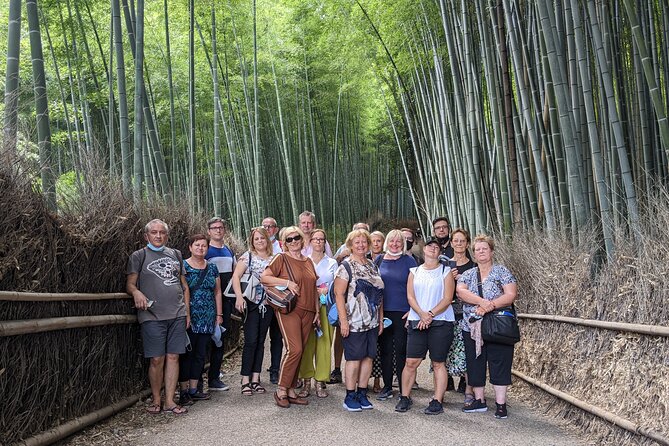
Arashiyama can be overwhelming. You show up for bamboo, you see bamboo, you take photos, then you wonder what you missed. This tour fixes that problem by steering you through the whole neighborhood logic: where to start, where to slow down, and how to connect bamboo, temples, and views into one smooth half-day.
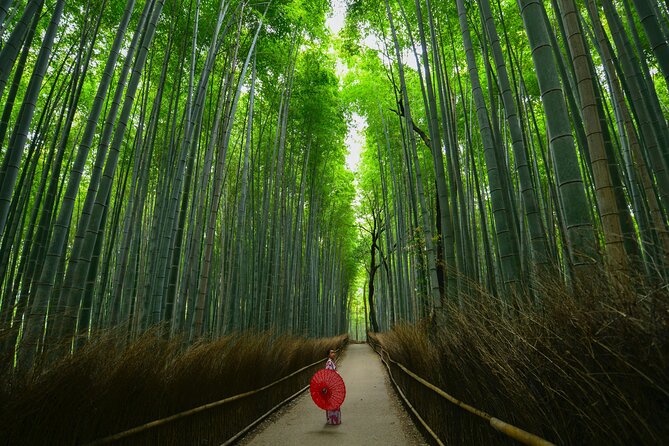
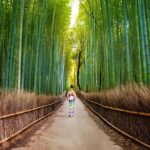
Stop 1 begins at Arashiyama Park in the Kameyama area. You spend about an hour ranging through the bamboo grove area and then heading up toward the top viewpoint of the park. The big win here is that you’re not just standing at a single, flat “bamboo photo” spot. You’re walking through the landscape and getting the layout of the district early, which makes the rest of the day feel less like random sightseeing.
The tone of the day is also important. This is a group tour, not private, but it stays small (maximum 12). That size helps your guide keep an eye on the flow—especially at crowded bamboo sections—so you’re not spending your time waiting for people to catch up.
When Stop 1 feels easy vs. heavy
If you like walking and don’t mind a bit of climbing, Stop 1 is a good warm-up. If you want a low-effort outing, the whole route might feel like more movement than you expected. The tour is designed to cover a lot on foot, so plan accordingly.
Deeper into Arashiyama, past the bamboo and the Hozu river

Okochi Sanso Garden: Your Calm Break With Warming Matcha
Stop 2 is the most “exhale” moment on the route: Okochi Sanso Garden. This is a private garden experience where you’re given about 45 minutes to sit, walk at your own pace inside the garden, and actually enjoy being somewhere beautiful without rushing to the next checkmark.
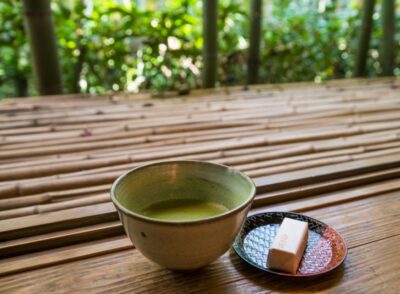
What makes it special is the way matcha fits into the setting. You can order a warming bowl of matcha, and it’s served in a former tea house that also functions as a rest area. That matters because matcha in this kind of space doesn’t feel like a tourist souvenir stop. It feels like part of the architecture of the garden—quiet, warm, and built for lingering.
From the reviews, one pattern shows up again and again: guides bring energy, but they also protect the “slow down” time. People talk about deep-breathing, sitting, and enjoying the garden instead of being marched through. If you’re coming to Kyoto for atmosphere (not just landmarks), Okochi Sanso is the heart of this tour.
Possible drawback at Okochi Sanso
It’s time-limited. 45 minutes sounds generous until you’re sitting in the right spot and the tea has fully kicked in. If you tend to move slowly, you may want to focus on one or two areas of the garden rather than trying to see everything at once.
Tenryu-ji Temple: Koi Pond Views and Temple Mood
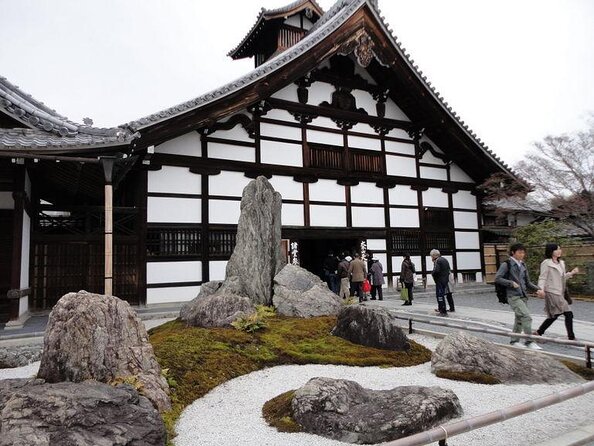
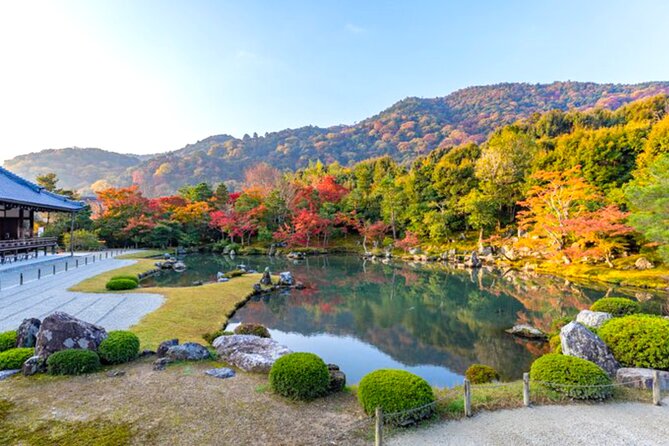
Next you head to Tenryu-ji Temple, with about 45 minutes. This is one of Kyoto’s big-name sites, but the tour approach helps you get more out of it than a quick exterior pass.
You’ll explore both indoors and outdoors, which is key. Many temple visits end up being mostly “stand outside and look.” Here you get the chance to step into temple spaces and then return to the garden/pond atmosphere.
The standout visual is the koi pond. You’re meant to admire the koi fish as part of your visit, and your guide will explain what you’re looking at while you’re there. That turns the pond from a nice photo background into something with meaning—how the temple grounds are designed to be enjoyed in motion and stillness.
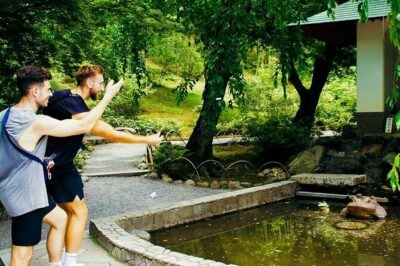
Some guides also add small fun details. One review mentions a coin-toss trick connected to the pond area (it’s the kind of moment that makes a temple visit feel more human). Don’t assume it’s guaranteed every day, but it’s the sort of thing that can pop up when your guide is comfortable adding local flavor.
The practical tempo at Tenryu-ji
The tour is structured, so you won’t have all day. Still, 45 minutes is enough time to see the pond, pause for the views, and ask questions without feeling rushed.
More temples and shrines to slow down in across Kyoto

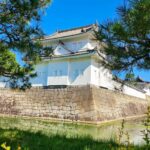

Arashiyama Shopping Street: When the Guide Becomes Your Shortcut
Stop 4 is Arashiyama shopping street, and you get about 1 hour. This portion can be hit-or-miss on tours because some guides treat shopping like filler time. Here, it’s designed to be useful.
You can stop at shops you actually care about, and you can ask your guide for help. The tour includes shopping/translation assistance, which is a big deal in Kyoto. Even if you know some Japanese, browsing snacks, sweets, and small crafts goes much faster when someone can translate key bits and help you avoid the “Is this store open?” confusion.
I also like that this hour is built in after the temple. By the time you hit the shopping area, you’re already mentally switched from “temple mode” to “food-and-objects mode.” That makes the browsing feel like a break, not another chore.
Drawback to plan around
You might be tempted to spend this hour doing everything at once: snacks, souvenirs, photos, and wandering. With only 60 minutes, you’ll have the best experience if you choose a priority (like sweets, a small gift, or seasonal treats) before you get swept up in the street energy.
Togetsukyo Bridge Photo Time (And How to Not Miss the Point)
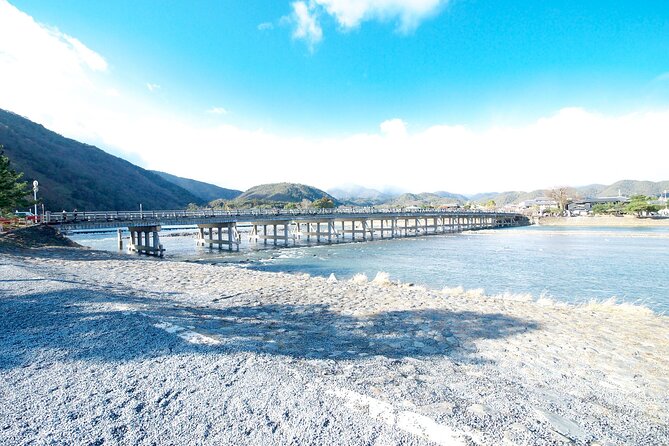
Stop 5 is Togetsukyo Bridge, about 15 minutes. It’s a quick hit, but it’s also one of the most iconic views in the area.
Yes, it’s popular. You’re going for the classic picture along the Katsura river and the bridge silhouette. But the tour timing makes the difference. You’re not racing through it alongside tour buses for a single second. You get a short, focused window to take photos and then move on while your brain still remembers what you were just seeing in the bamboo and temples.
If you’re the type who wants the “same angle” everyone else uses, 15 minutes works perfectly. If you want a deeper walk along the river, you might wish you had more time here—but the tour is built to spend the majority of your attention on the garden and temple.
Monkey Park Iwatayama: The Steep Hike That’s Worth It
Stop 6 is Arashiyama Monkey Park Iwatayama, and the tour officially ends there. You spend about 1 hour, but the key part is that you must hike up first.
The access route is a short hike of about 15–20 minutes through a steep path. This is the one place where you truly need to follow the practical advice: wear comfortable shoes and make sure you’re in reasonable condition for a hill climb.
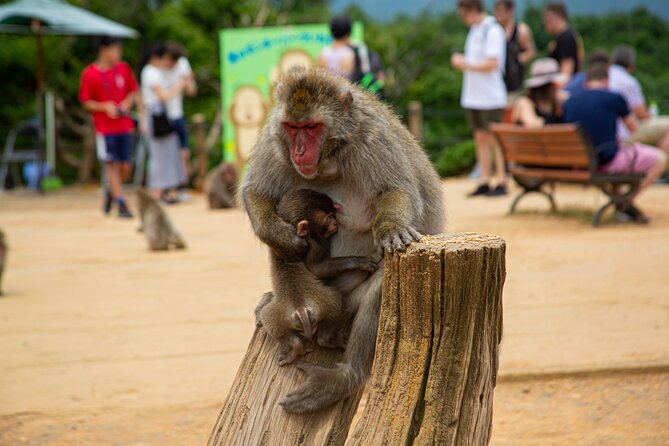
At the top, you get the “why” payoff: monkeys up close plus some of the best viewpoints over Kyoto. One review even notes that the monkey area can be thrilling for families and kids, and I can see why. The monkeys aren’t just “seen in the distance.” They’re part of the scene, moving and interacting as you watch.
The other reason it works is your guide stays in story mode even during the climb between sights. People mention the guide sharing information constantly, not only at the main stops. That keeps the uphill time from feeling like dead effort.
The heat reality check
If you’re visiting during hot months, plan for sweaty conditions. One review specifically warns about extreme heat and recommends practical sun protection like sunscreen and an umbrella. That’s not fluff. You’ll feel the climb more in direct sun.
What Makes This Tour Feel Personal (Small Group, Real Assistance)
This is not a private tour, but it’s built as small-group. Maximum 12 is the sweet spot for Kyoto walking days: you get interaction, yet you still get a shared schedule.
Here’s what you can expect from that structure:
- You have space to ask questions at the temple and garden stops, not just at the meeting point.
- You can move at a steadier pace, especially if your guide is experienced at managing a mixed group.
- You get help with shopping and translation, which makes browsing more efficient.
Guide style also comes through clearly in the feedback. Names like Francis, Toru, Karim, Tom, Diana, and Rami/Remi show up as examples of guides people loved for storytelling, humor, and making the day feel fun even when it rains. I can’t promise your exact guide, but the pattern suggests you’re likely to get explanations that make the sights click instead of a list of facts.
One more thing I appreciate from the reviews: guides are described as respectful of locals and careful with group behavior. That matters in Arashiyama, where crowding can ruin the mood fast.
Price and Value: Is $89.54 a Good Deal?
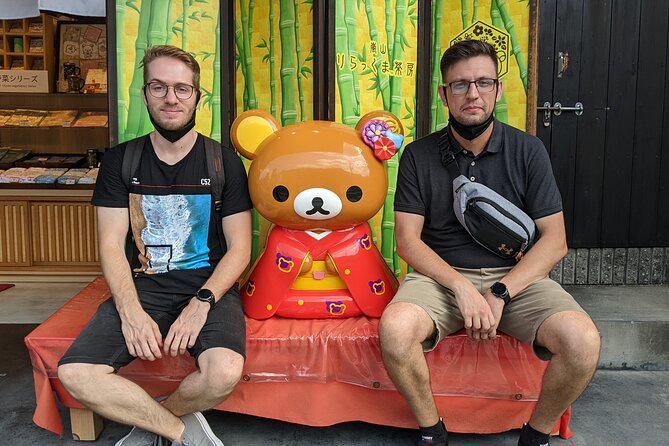
At $89.54 per person, this is priced like a guided half-day with multiple paid entrances. The math is helped by what’s included.
You’re covered for:
- Okochi Sanso entrance ticket
- Tenryuji entrance ticket
- Monkey Park entrance ticket
- The guide fee
- Shopping/translation assistance
And you’re also spending time where crowds slow down DIY plans: bamboo, a major temple, and a steep monkey-park climb. Even if you could navigate it on your own, the guide saves you time deciding routes and helps you get context while you’re standing in the middle of the scene.
The tour also includes enough variety that you don’t feel stuck in one “type” of attraction. You get bamboo and views, garden quiet, temple atmosphere, bridge photos, a shopping hour, and monkeys.
The one cost that isn’t covered is lunch, so you should budget for food on your own. If you plan your meal before or after the tour, this becomes a very efficient use of a half day.
Who Should Book This (and Who Might Prefer Something Else)
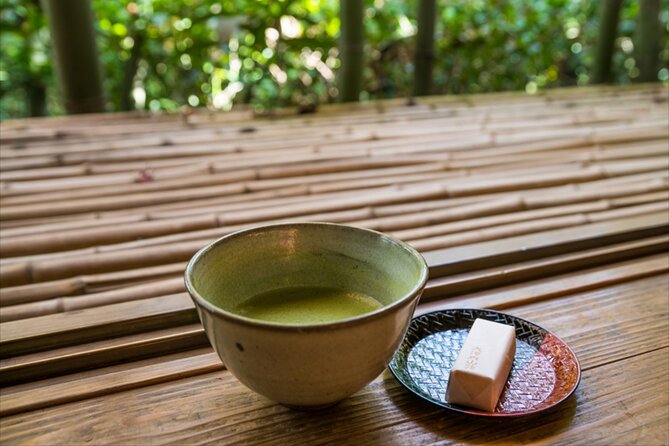
This tour is a strong fit if you want a structured Arashiyama day without wasting time figuring out what to do next. It’s also ideal if you like small-group travel and you care about learning how places work—like garden design, temple pond views, and why Arashiyama looks the way it does.
It’s especially good for:
- First-timers who fear getting “bamboo-only” fatigue
- People who want more than photos: gardens, temples, and stories
- Families with kids who want monkeys at the end (as long as the hike is doable)
You might want to skip or choose a gentler option if:
- You don’t handle uphill walking well
- You hate heat and can’t manage sun protection
- You need lots of rest breaks (the stops are timed, and the overall route is on foot)
Quick Tips to Make Your Day Smoother
If I were planning this day, I’d optimize for three things: stamina, timing, and comfort.
First, treat the day like a walk day. Wear shoes you trust. The monkey park hill is not a gentle stroll.
Second, bring protection for sunny or hot weather. One review calls out summer heat and the usefulness of sunscreen and an umbrella.
Third, use your guide for what they’re actually good at: asking questions and getting shop help. The shopping hour works best when you actively use that translation assistance instead of browsing silently.
Should You Book This Arashiyama Tour?
I think you should book it if you want an Arashiyama outing that feels like more than a bamboo photo stop. The standout value is the combination of private garden time with warming matcha, a real temple experience at Tenryu-ji, and the high-reward Monkey Park Iwatayama finish.
I’d hesitate if your top priority is a low-effort, minimal-walking Kyoto day. This tour is more active than it sounds, mainly because the monkey-park access includes a steep climb and because the whole route is walking.
FAQ
How long is the Arashiyama tour?
It’s approximately 5 hours (with a possible difference of around 30 minutes before or after the estimate).
Is this tour a bus tour?
No. It’s a walking tour, not a bus tour.
What’s included in the price?
Your price includes the guide, entrance tickets for Okochi Sanso, Tenryu-ji, and Monkey Park Iwatayama, plus shopping/translation assistance. Mobile ticket is provided.
What’s not included?
Lunch and shopping/souvenirs are not included.
How hard is the hike to Monkey Park Iwatayama?
The climb involves a short but steep path, about 15–20 minutes. Comfortable shoes and a reasonable physical condition are recommended.
Where does the tour start and end?
It starts at 18-12 Sagatenryūji Kurumamichichō, Ukyo Ward, Kyoto and ends at Arashiyama Monkey Park Iwatayama. The tour ends there, and you can leave whenever you want after that.
What if the weather is bad?
The experience requires good weather. If it’s canceled due to poor weather, you’ll be offered another date or a full refund.
One More Bowl of Matcha

More Kyoto Temples and Shrines
More of Arashiyama and Sagano
Just added: more Kyoto tours to browse








Kyoto Temple & Shrine Tours, compared.
 ★ 4.9Tea Ceremony Ju-An at Jotokuji TempleFrom $293,207 reviews
 ★ 4.8Arashiyama Bamboo, Temple, Monkeys, or Secret Sake BreweryFrom $87886 reviews
 ★ 5.0Arashiyama Bamboo Forest, Monkeys, Matcha & Temple TourFrom $53759 reviews
 ★ 4.4Osaka/Kyoto: Arashiyama, Nara & Fushimi Inari Shrine w/LunchFrom $61754 reviews
 ★ 4.7Imperial Palace & Nijo Castle Guided Walking TourFrom $49453 reviews
 ★ 5.0Kyoto Zen Meditation & Garden Tour at a Zen Temple with LunchFrom $110441 reviews
 ★ 5.0Zen Experience in a Hidden TempleFrom $109437 reviews
 ★ 5.0KYOTO Tea Ceremony with kimono near by Imamiya Jinjya ShrineFrom $99343 reviews
Browse the lists this tour appears in