
Reviewed · GION & GEISHA DISTRICT TOURS
Kyoto: 2-Hour Maiko Makeover and Photo Studio Shoot
Turning into a Kyoto maiko takes two hours. This Kyoto makeover and photo studio shoot lets you try on a truly convincing maiko look, from kimono choice to the signature makeup and wig styling. I especially like how much care they put into getting the look right, including guidance on how to pose and walk like a maiko.
A second big plus for me is the indoor photo studio, which means you’re not fighting Kyoto humidity or sudden weather while wearing heavy costume layers. One thing to think about first: you’re limited on what you can bring and do during the session (like no professional cameras and no video), so this is more about their process than your own filming plan.
In This Review
- Key Things to Know Before You Go
- Kyoto Maiko Makeover and Photo Studio Shoot: How the 2 Hours Feel
- Start at Yumeyakata Gojo: What Happens Right After You Arrive
- Choosing a Kimono That Matches the Season (And Why It Matters)
- Maiko Makeup Breakdown: The Two-Stripe Style and Eye Details
- Hair, Wig, and Fitting Skills: Getting the Look Without Losing Comfort
- Posing and Walking Like a Maiko: Small Coaching, Big Photo Results
- Inside the Air-Conditioned Photo Studio: What Your Shoot Looks Like
- Price and Value: Is $152 Worth It?
- Men’s Costume Add-Ons: What If You’re Not Wearing a Maiko Outfit?
- Who This Is Best For in Kyoto (And Who Should Skip It)
- The Difference Between Maiko and Geiko: A Useful Context for Your Photos
- Should You Book the Kyoto Maiko Makeover and Photo Studio Shoot?
- FAQ
- How long is the Kyoto maiko makeover and photo studio shoot?
- Where do I meet for the experience?
- What’s included in the price?
- How many photos will I receive?
- Is the photo session indoors or outside?
- Can I bring a professional camera or record video?
- Do I have to dress in my own kimono?
- What makeup style will they apply?
- What are the age and health restrictions?
- What languages do they offer?
- What if I need to cancel?
Key Things to Know Before You Go
- Yumeyakata Gojo Shop meeting point: you start right at the kimono rental shop, then move to the studio on foot.
- Season-matching kimono styles: costumes reflect the time of year, with classic floral patterns.
- Maiko makeup method and symbolism: the two-stripe neck style plus specific eye and eyebrow details.
- Former maiko as instructors: you’re coached by staff who have lived the look and performance habits.
- Air-conditioned studio photos: your shoot happens indoors, while you’re fully dressed.
- 5 digital images included: you’ll leave with a small set of edited photos, not a whole print pack.
Kyoto Maiko Makeover and Photo Studio Shoot: How the 2 Hours Feel
Kyoto has a way of making you feel like you’ve stepped into a living stage set. This experience leans hard into that idea, but with a practical twist: instead of just watching from the sidewalk, you get turned into a maiko step by step.
At a relaxed pace, you’ll be guided through makeup removal, costume selection, wig placement, and then the photo session. It’s built to feel like a transformation, not a quick “put on costume, take a photo, done” stop.
The staff isn’t just there to dress you. They’re there to teach you the body language. You learn how to pose and walk in a way that fits how maiko present themselves in their hanamachi world. That’s a big part of why the photos come out looking believable rather than like you’re wearing a costume that doesn’t match your movement.
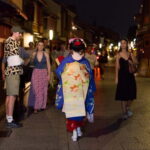
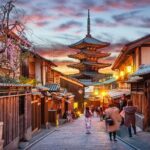
More evenings along the lantern-lit lanes of Gion
Start at Yumeyakata Gojo: What Happens Right After You Arrive
You meet at the Yumeyakata Gojo Shop at your starting time. From there, you’ll be guided to the studio with a very short walk (about a minute). This matters because the earlier part of the process is where you can lose momentum if you’re rushing across town.
The first real step is makeup removal. You’ll need to remove any existing makeup before the professional maiko makeup begins. Plan to arrive makeup-light if you can, because you’re going to start fresh.
After that, you’ll move into kimono prep and the transformation process. The tone is friendly and structured, which is helpful if you’re not used to fitting sessions or donning traditional clothing.
Choosing a Kimono That Matches the Season (And Why It Matters)
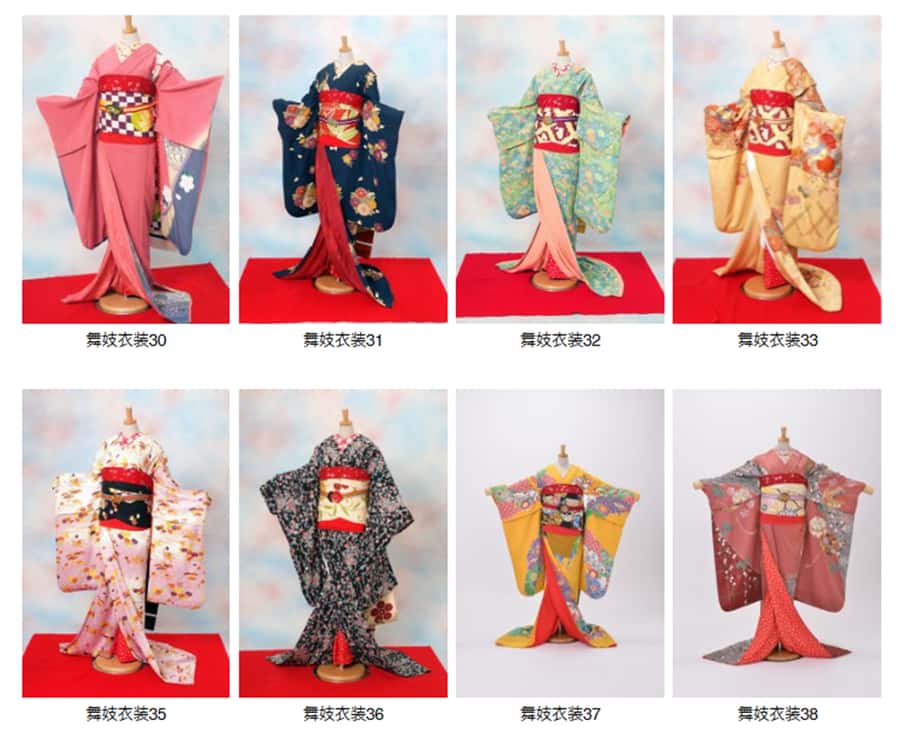
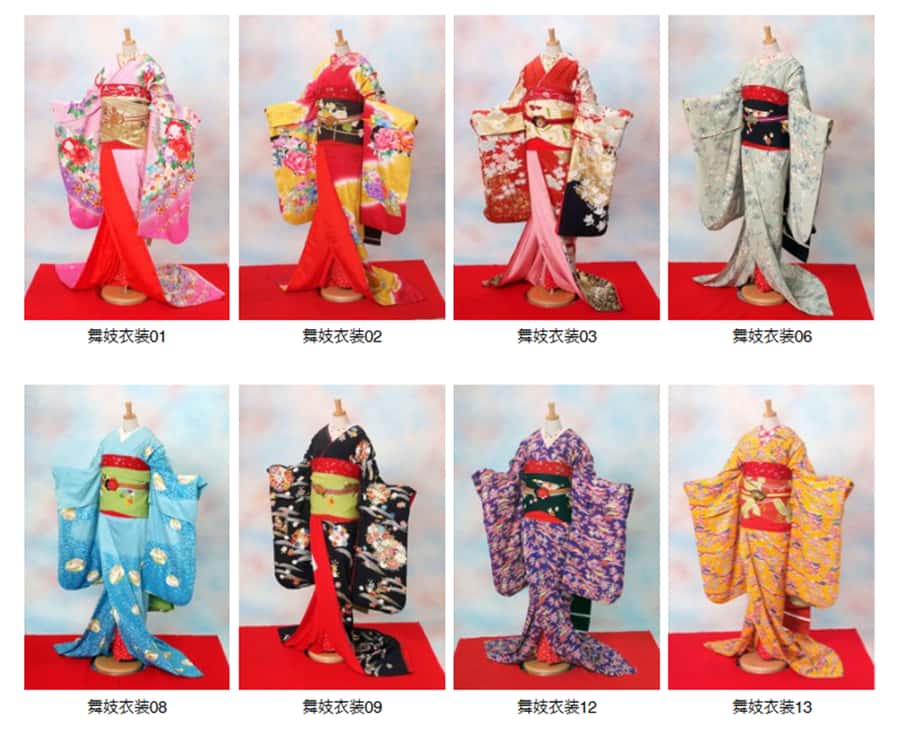
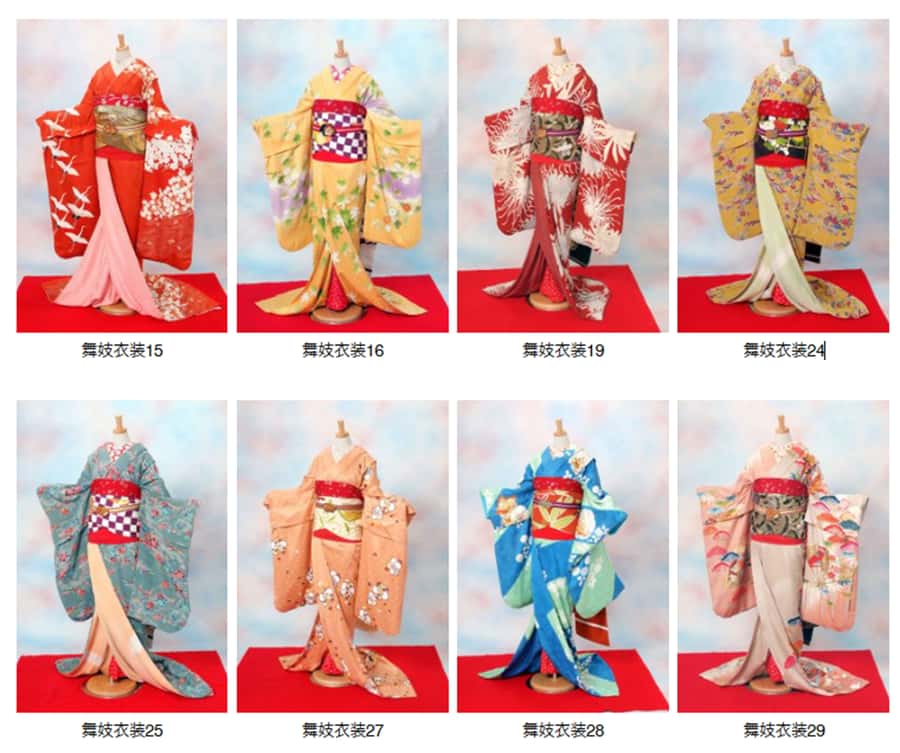
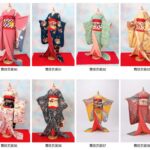
One of the smartest parts of this experience is the kimono selection. You choose from a range of colors and designs, and you’re not just picking a random look that happens to be available. Yumeyakata says they own authentic costumes that were actually used by real maiko.
There’s also a seasonal logic. Traditional patterns on these costumes change with the time of year—often using classic floral designs that reflect the season. That’s not just decorative. It gives your photos a sense of timing, like you captured Kyoto at that moment rather than a generic costume portrait.
Here’s how to think about your decision: pick a kimono color that matches what you like to see in photos. White-face makeup plus vibrant kimono colors create a strong contrast. If you love bold, go for vivid designs. If you prefer softer, choose calmer tones with delicate patterning.
Also, remember you’re going to be wearing a layered outfit. Comfort is real. The staff uses dressing techniques designed to balance both beauty and comfort, but you’ll still want to wear nothing under the costume that makes you feel restricted.
Maiko Makeup Breakdown: The Two-Stripe Style and Eye Details
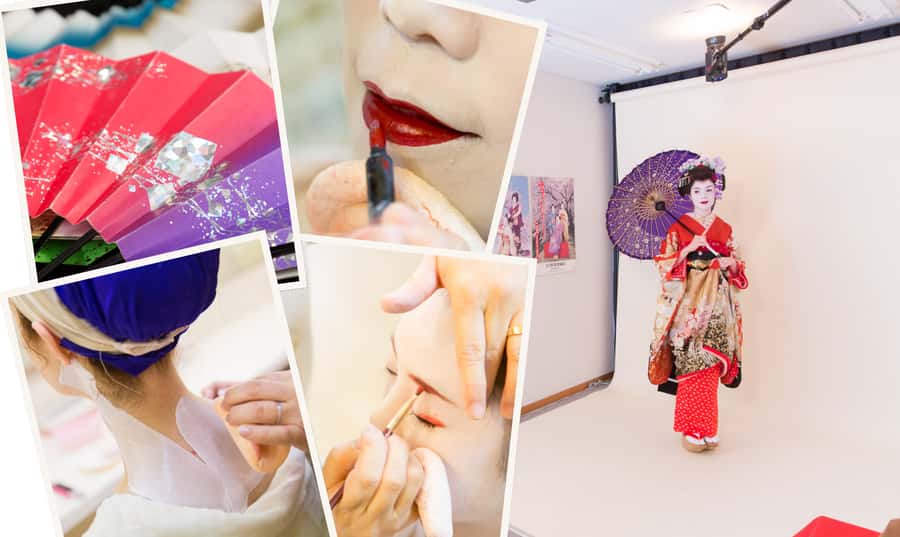
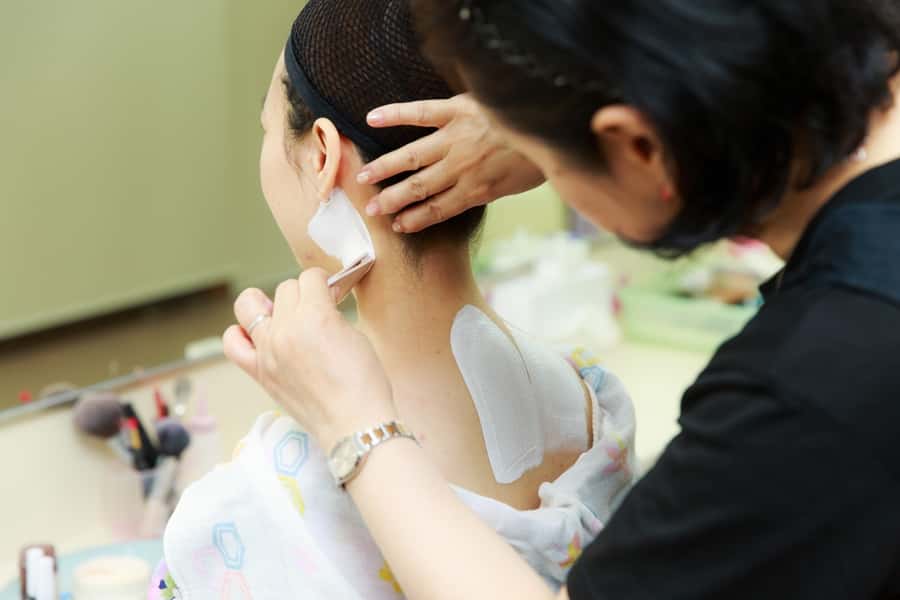
The makeup is where this experience becomes unmistakably maiko, not just “someone in traditional makeup.” You’ll be transformed with the iconic white base and then layered details that follow a recognizable style.
At Yumeyakata, they aim to use the same kind of cosmetics that real maiko and geiko use. The process starts after makeup is removed. Then the signature style comes in:
- The back of the neck is left unpainted in the two-stripe style, which is considered especially alluring.
- Subtle pink touches the area around the eyes and the sides of the nose for a gentle look.
- Vivid red at the outer corners of the eyes is used as a protection symbol from evil.
- Red is also hinted on the eyebrows, and eyeliner is drawn to make the eyes look more vivid.
Once the wig and hair accessories are placed, you’re fully in the maiko look. And because the makeup includes these specific details, the photos tend to read correctly even if you’re not sure what to do with your face or hands. The “look” does part of the work for you.
Hair, Wig, and Fitting Skills: Getting the Look Without Losing Comfort
The hair portion is handled with a wig and matching hair accessories. You’re not expected to know anything about traditional maiko hairstyles. The staff does the styling for you, and they also coach you through the process so you’re not guessing what’s happening.
What I like about this part is that it’s practical. Wearing a full kimono setup takes time and careful handling. Reviews mention the number of steps involved in putting on the kimono, which is exactly what you should expect. Traditional dressing isn’t a quick “snap it on” situation.
The staff’s goal is to get it looking correct while keeping you comfortable enough to stand, turn, and pose for the camera. That balance matters because discomfort shows up in posture.
Other Kyoto tours and experiences to compare
Posing and Walking Like a Maiko: Small Coaching, Big Photo Results
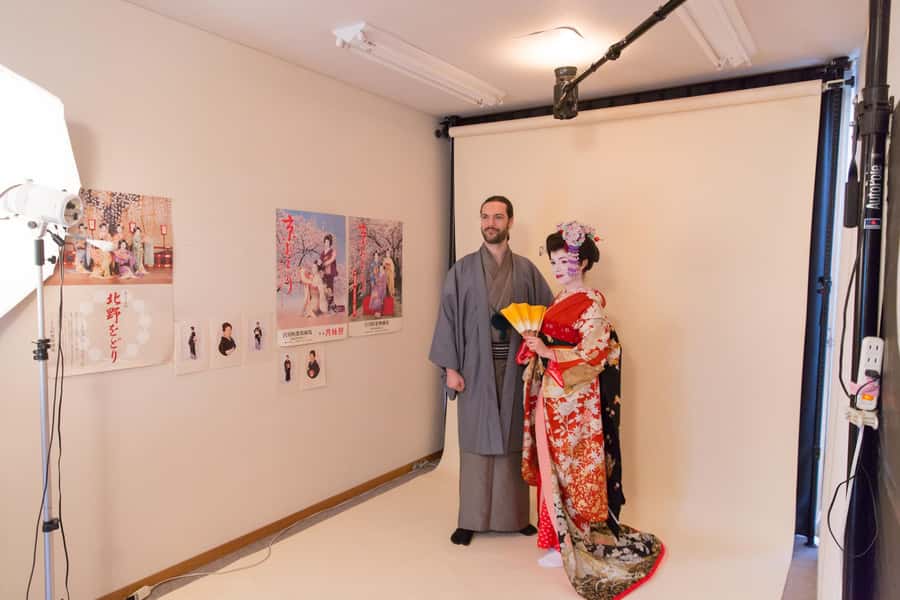
This is one of the most valuable parts, and it’s also easy to overlook when you only think about the outfit. Yumeyakata staff include former maiko who serve as instructors, and they guide you on authentic posing during the photo session.
You’ll learn how to pose and walk like a traditional maiko. You don’t need dance training or performance experience. The coaching is about shaping your movement so your costume, makeup, and stance look like they belong together.
For photos, the difference between “standing there” and “posing” is huge. Small adjustments—how you hold your hands, where your gaze goes, how you angle your body—change the final image. That’s why professional guidance can be the difference between cute and convincing.
Inside the Air-Conditioned Photo Studio: What Your Shoot Looks Like
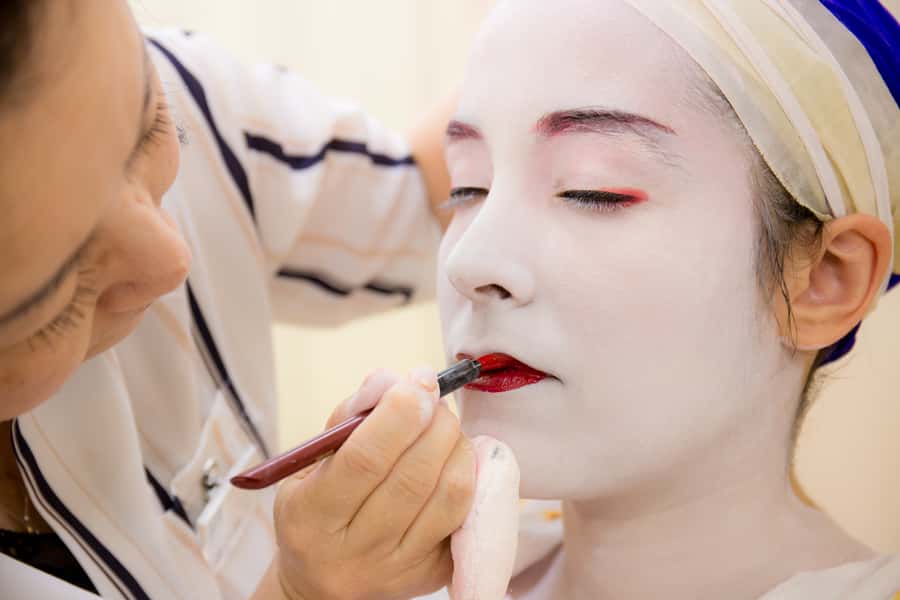
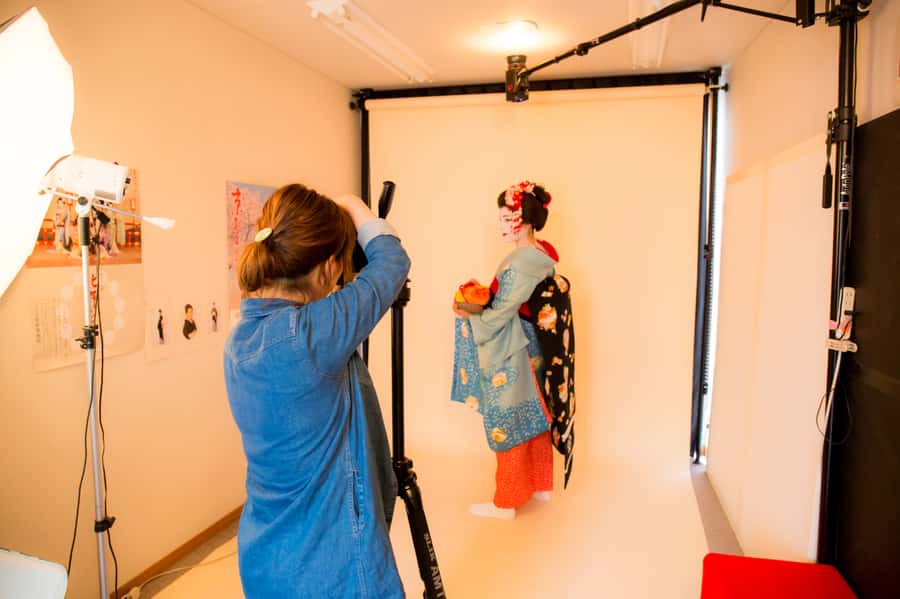
Your photo session happens in an indoor photo studio with air conditioning. Reviews highlight this as a real bonus, especially in warmer or more humid parts of the year. When you’re fully dressed in a kimono, you don’t want sweat and heat to turn a fun session into a “please hurry” moment.
The studio setup also helps with consistency. Lighting stays stable, so you’re getting controlled conditions while you’re at peak transformation.
During the shoot, you’ll work with professional photographers. The goal is to capture you as the maiko look you just created—without awkward “wait, which way do I look?” pauses. You also get photos taken throughout the makeover process, which adds variety beyond the final portrait.
You’ll receive 5 images in digital files. That’s a good balance: enough to have multiple options for sharing, printing later if you want, or saving as a souvenir. What’s not included is printed photos, so plan to handle prints on your own if that’s your preference.
Also, no video recording and no professional cameras are allowed. So think of this as their photography experience. If you want a hands-on memory, use your phone only where permitted by the rules, and focus on enjoying the moment rather than trying to document everything.
Price and Value: Is $152 Worth It?
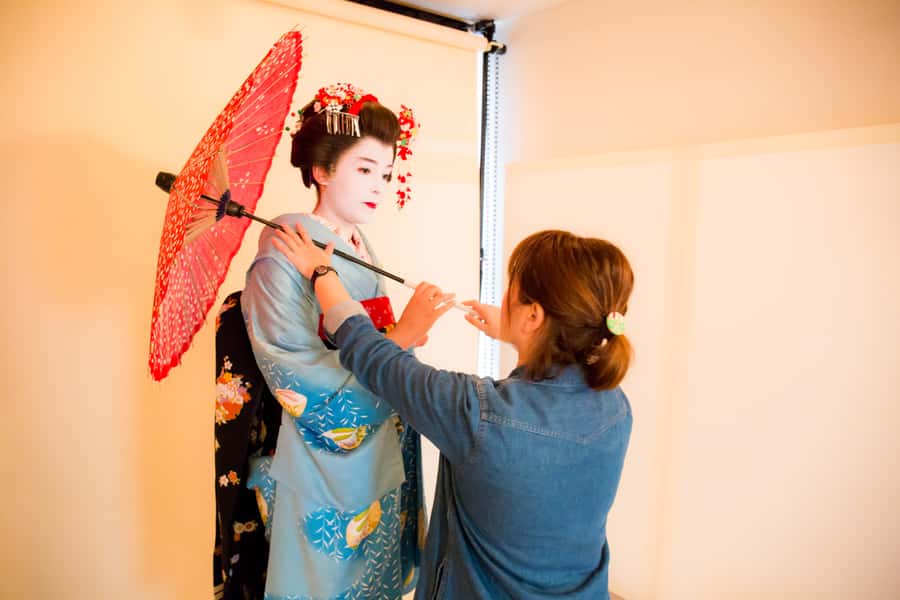
At $152 per person, this isn’t cheap, but it’s also not just “a photo op.” You’re paying for an integrated package:
- maiko kimono rental
- maiko makeup and wig with hair accessories
- an indoor photo studio session
- professional photographers
- 5 digital images
In other words, you’re not paying separately for costume, makeup, styling, and studio time. Traditional dressing and professional photography both take real labor and expertise. Here, those pieces come bundled.
Where value can dip is also clear: printed photos are not included, and the final deliverable is limited to 5 digital images. If you want a large photo set or lots of options, you might end up wanting extras later.
One more practical value point: the makeover happens with guidance and former maiko instruction. That coaching helps your photos look like a character, not a mannequin wearing nice clothing. In a package like this, that’s worth money.
Men’s Costume Add-Ons: What If You’re Not Wearing a Maiko Outfit?
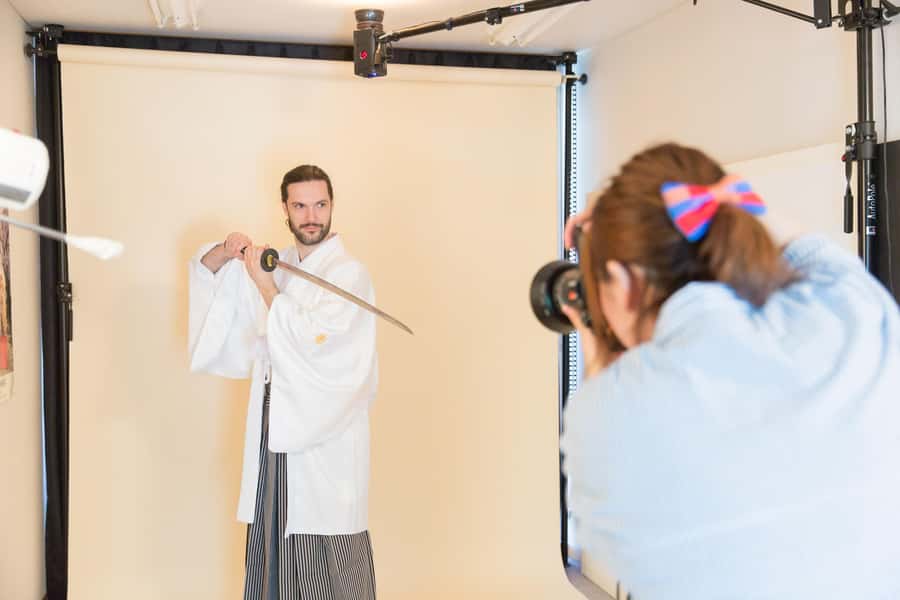
If you select add-ons, men can rent costumes too. The data lists men kimono rental, plus two specific options: men samurai hakama rental and men montsuki hakama rental.
So the experience isn’t strictly limited to maiko-only styling from a costume standpoint. If you’re traveling as a couple or family (within the age rules), this is a practical way to get matching “traditional Japan” photos even if one person isn’t doing the maiko look.
Who This Is Best For in Kyoto (And Who Should Skip It)
This experience works best if you want a guided, transformative cultural portrait that feels authentic rather than random.
You’ll likely love it if:
- you enjoy traditional fashion and want real hands-on styling
- you want studio quality photos in Kyoto’s changing weather
- you like structured guidance for posing and movement
It may not be the right fit if:
- you’re uncomfortable wearing a heavy kimono outfit
- you want to record lots of video or bring professional camera gear (both are not allowed)
- you have mobility limitations, use a wheelchair, are visually impaired, or are pregnant
The experience also has a clear age constraint: it’s not suitable for children under 18, and it’s not suitable for people under 17. So treat it as an adult activity.
There’s also a weight limit listed: not suitable for people over 220 lbs (100 kg). If that’s relevant, check ahead so you don’t get turned away.
The Difference Between Maiko and Geiko: A Useful Context for Your Photos
Even if you just come for the transformation, you’ll get helpful context about what maiko are and how they differ from geiko.
Maiko are apprentices—performing artists—who wear traditional makeup, hairstyles, and costumes. They work in the Gion area and perform arts such as classical music, dance, and games.
The experience also explains a key makeup difference. Because maiko are described as being in their teens (15 to 20) during apprenticeship, their makeup is often designed to look younger and cuter. There’s also a rule about lipstick: it’s applied only to the lower lip, not the upper lip, for a period of about half a year to one year after debut. The exact timing can differ depending on the lodging houses and hanamachi.
Geiko makeup is described as more “clear-cut” and heavier around features like eyebrows, eyeliner, and lipstick. Some maiko may eventually put on makeup closer to geiko style in the years after debut. Knowing this helps you appreciate why your makeup looks the way it does—and why your photos don’t just look like “white face makeup,” but a specific stage of the tradition.
Should You Book the Kyoto Maiko Makeover and Photo Studio Shoot?
Book it if you want the full package: authentic kimono rental, professional maiko makeup, wig styling, former maiko coaching, and an air-conditioned studio where you’ll come away with real portrait-quality images.
Skip or think twice if you want to film extensively, bring professional camera gear, or you need an activity that’s easy on mobility and comfort. Also skip if the age limits affect your group.
If you’re the type of traveler who enjoys seeing Kyoto from the inside—by dressing the part for a short, well-run session—this is a strong choice. You get a look that photographs well, coaching that makes it convincing, and a memory you can hold onto long after you leave Gojo.
FAQ
How long is the Kyoto maiko makeover and photo studio shoot?
It’s a special 2-hour activity.
Where do I meet for the experience?
You start at the Yumeyakata Gojo Shop in Kyoto. The activity ends back at the meeting point.
What’s included in the price?
Included are maiko kimono rental, maiko makeup, a maiko wig and hair accessories, an indoor photo studio session, and 5 images in digital files.
How many photos will I receive?
You’ll receive 5 digital images.
Is the photo session indoors or outside?
The photos are taken in an indoor photo studio.
Can I bring a professional camera or record video?
No—professional cameras are not allowed, and video recording is not allowed.
Do I have to dress in my own kimono?
No. Kimono dressing is part of the experience, but dressing up your own kimono is listed as not included.
What makeup style will they apply?
They apply the signature maiko makeup, including the two-stripe style where the back of the neck is left unpainted, plus specific eye and eyebrow details (including red at the outer eye corners).
What are the age and health restrictions?
It’s not suitable for children under 18 (and also not suitable for people under 17), pregnant women, people with mobility impairments, wheelchair users, and visually impaired people. There’s also a limit of over 220 lbs (100 kg).
What languages do they offer?
Languages listed are English, Japanese, Chinese, Traditional Chinese, and Korean.
What if I need to cancel?
You can cancel up to 24 hours in advance for a full refund.
More 2-Hour Experiences in Kyoto
More Tour Reviews in Kyoto
Still in Gion? Keep Going

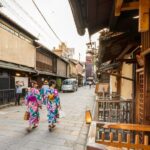

Just added: more Kyoto tours to browse

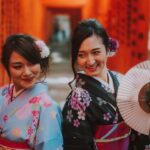

Gion & Geisha District Tours, compared.
 ★ 4.7Kyoto Geisha Walking Tour: Gion District & Hidden GemsFrom $253,273 reviews
 ★ 4.9Gion Magical Night Walking Tour with Geisha TriviaFrom $242,393 reviews
 ★ 4.7Gion Geisha District Walking Tour – Stories of GeishaFrom $202,187 reviews
 ★ 4.9Best of Kyoto: Gion, Geisha, Pagodas & CobblestonesFrom $242,058 reviews
 ★ 4.5Night Walk in Gion: Kyoto’s Geisha DistrictFrom $212,003 reviews
 ★ 5.0Kyoto Night Foodie Tour in Gion (9+ dishes + 6 Sake tastings)From $1631,762 reviews
 ★ 5.0Kyoto Gion Geisha District Walking Tour – The Stories of GeishaFrom $251,441 reviews
 ★ 5.0Kyoto Gion: 2-Hour Geisha Culture & History Walking TourFrom $231,186 reviews
Browse the lists this tour appears in