
Reviewed · DESSERT TOURS
Japanese Traditional Sweets making
Knead, shape, and eat Kyoto-style art. This 1 hour 5 minutes Japanese Traditional Sweets making experience in Kyoto turns a food lesson into hands-on crafting, with two seasonal sweets made by you using real ingredients, then served so you can taste right away.
I especially like how the workshop uses white/red bean paste from long-established Kyoto shops. You are not working with mystery fillings, and it matters because bean paste flavor and texture are the backbone of wagashi.
One thing to consider: the shaping can be a bit tricky, especially if you have never molded nerikiri before. That is normal for this craft, but it can affect how relaxed you feel if you’re expecting a quick, stress-free process.
In This Review
- Key Things That Make This Workshop Worth Your Time
- What You’re Really Doing: Nerikiri as Craft, Not Just a Class
- The Ingredients Matter: Kyoto Bean Paste Background
- Your Hands-On Lesson: Making Two Seasonal Nerikiri
- What the making process feels like
- A useful tip for your mindset
- Eating Your Work: On-the-Spot Taste (and Why It’s a Smart Setup)
- Optional Extras: Matcha, Take-Home Box, and a Certificate
- Price and Value: What $12.52 Really Buys
- Where You Go and How to Avoid the Common Problem
- Language and English Support: How to Plan if You Need It
- Group Size and the Comfort Factor
- Who This Workshop Is Best For
- My Booking Checklist (Quick and Practical)
- Should You Book Japanese Traditional Sweets Making in Kyoto?
- FAQ
- How long is the Japanese traditional sweets making experience?
- Where is the meeting point in Kyoto?
- How many sweets will I make?
- What ingredients do you use for the sweets?
- Can I eat the sweets during the experience?
- What optional add-ons are available, and how much do they cost?
- Is English translation guaranteed?
Key Things That Make This Workshop Worth Your Time
- Kyoto-sourced bean paste (white/red) gives you a more authentic flavor experience
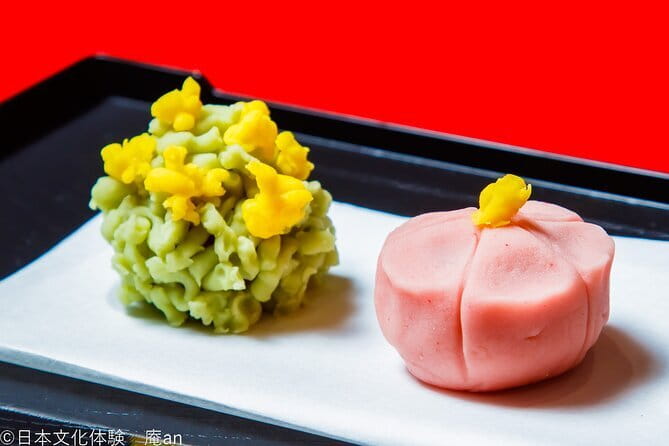
- You make two seasonal sweets matched to the time of year
- You can eat on the spot, so your effort becomes a real snack immediately
- Optional matcha and extras like a take-out box and a certificate
- Small-group feel with a maximum of 40 travelers
- English support options exist, but timing matters if you need guaranteed translation
What You’re Really Doing: Nerikiri as Craft, Not Just a Class
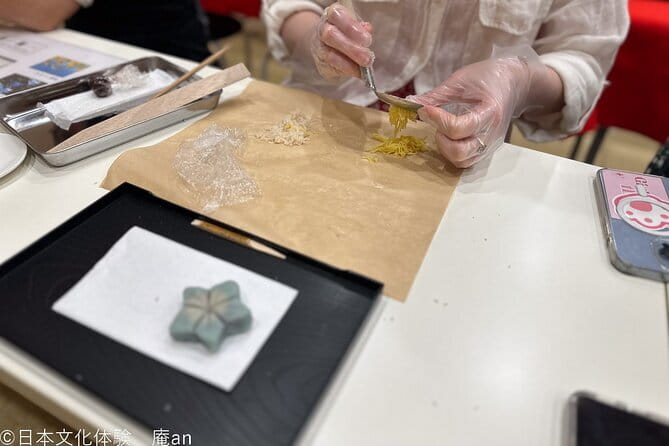
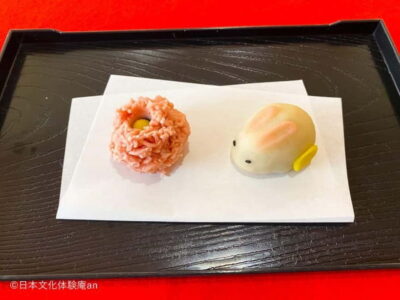
This is not a show-and-tell. You are making traditional sweets using bean paste and shaping them into nerikiri, a classic Kyoto-style confection known for its smooth, sculpted look.
The core idea is simple: you learn by doing. You start with ingredients that are already part of Kyoto’s food culture, then you shape them into seasonal forms. When you finish, you are not only holding a dessert—you are holding a small piece of design made edible.
If you like cooking that has a clear outcome, this hits the mark. You leave with something you made, you taste what you made, and you get a feel for why wagashi is about both flavor and form.
Other Kyoto tours and experiences to compare
The Ingredients Matter: Kyoto Bean Paste Background
The workshop highlights that you use white/red bean paste produced by Kyoto’s long-established shops. That detail is more important than it sounds.
In wagashi, the paste is not just filling. It influences sweetness level, aroma, and how the dough behaves while you shape it. Even if you do not know the difference at first bite, the quality tends to show in texture and taste.
You also get a very practical benefit: if you end up liking the flavor, you now know what to look for when you wander Kyoto markets afterward. You are not just tasting a dessert—you are training your palate to recognize what makes the real thing feel different.
Your Hands-On Lesson: Making Two Seasonal Nerikiri
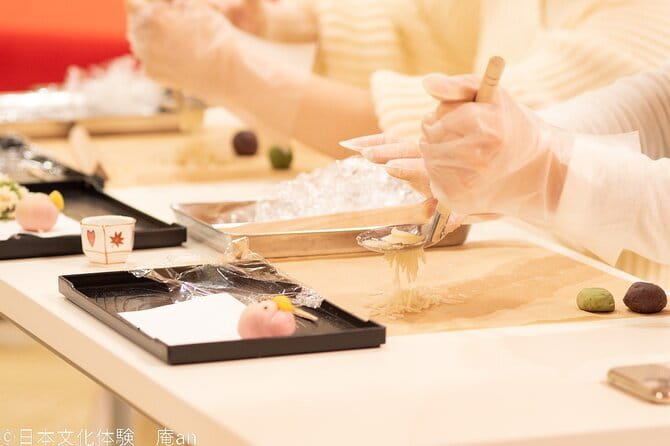
The highlight is crafting two seasonal Japanese traditional sweets called Nerikiri. The workshop keeps it season-based, meaning the sweets you make reflect the time of year rather than generic shapes.
That seasonal angle is part of the point of wagashi. It is tied to Japanese food rhythms: what you make and eat changes as months change. Even if you are short on time in Kyoto, it gives you a taste of how locals experience the year.
What the making process feels like
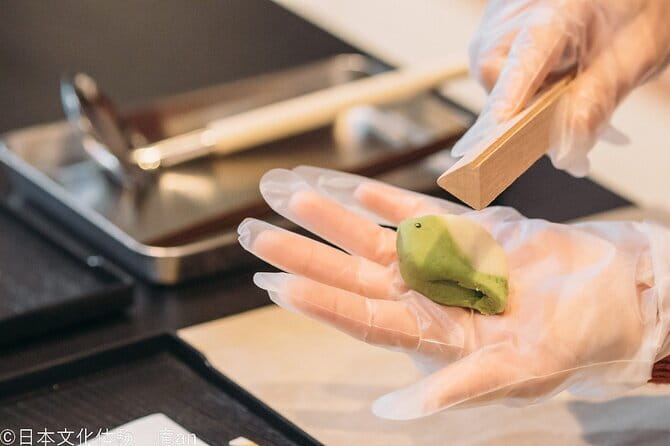
You should expect a mix of rolling, portioning, and shaping. Nerikiri is not like cookie dough where you just press and bake. It is molded and finished to look right, which is why it can feel a little challenging at first.
From past experiences, people often get surprised by the shaping difficulty. The good news is that difficulty does not mean you are doing it wrong—it means the craft is real craft. With guidance, you can still produce something you feel proud to eat.
A useful tip for your mindset
Go in expecting that yours might not look identical to an expert example. The value here is the process. If you treat it like hands-on practice rather than a perfection test, you will enjoy it more.

Eating Your Work: On-the-Spot Taste (and Why It’s a Smart Setup)
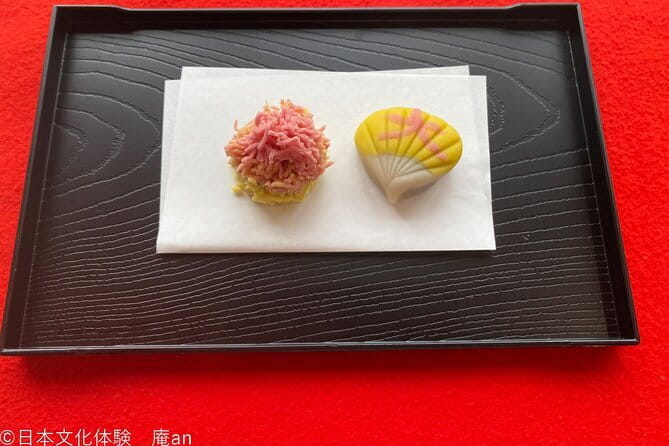
A big advantage is that you can eat the sweets on the spot. This matters because you get immediate feedback: texture, sweetness, and flavor all make sense after you shape them.
If you have ever taken a class where you finish cooking and then it becomes a “wait until later” situation, this setup is better. Your effort and your reward line up in the same hour.
Also, eating right there keeps the experience focused. You are not carrying your sweets around Kyoto’s streets wondering if they will survive your day.
Optional Extras: Matcha, Take-Home Box, and a Certificate
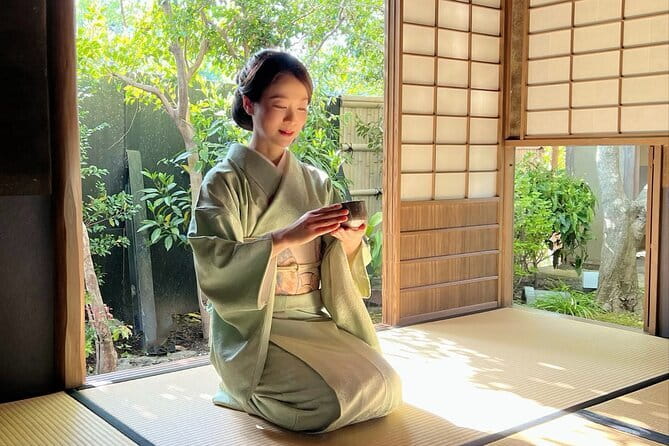
You can add extras during your reservation, and you pay at the desk.
Here’s what you can tack on:
- Sweets take-out box: 100 JPY so you can carry your sweets out
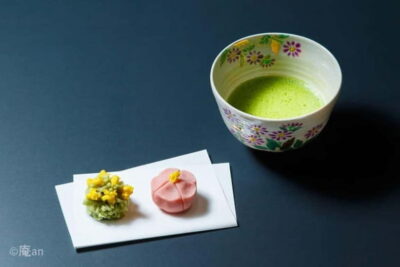
- Tatedashi matcha: 500 JPY if you want a matcha experience alongside the sweets
- Experience completion certificate: 300 JPY (names can be added if you tell them in advance)
If you like collecting small souvenirs that are not just plastic, the certificate can be a fun add. It is also a nice way to remember the specific activity rather than just buying packaged goods.
If you want a longer-lasting food memory, the take-out box is practical. You can do the tasting on the spot and still bring a small treat back with you.
Price and Value: What $12.52 Really Buys
The price listed is $12.52 per person, with typical bookings about 11 days in advance on average. For that base price, you are paying for:
- instruction in a traditional craft
- materials for making two seasonal nerikiri
- the chance to eat your sweets right after finishing
Then the optional items can add cost:
- take-out box (100 JPY)
- matcha (500 JPY)
- certificate (300 JPY)
So your real question is: is this worth it compared with buying wagashi in a shop? If your goal is simply to taste Kyoto sweets, shops may be cheaper. But if you want the hand skills, the story you can tell later, and the satisfaction of making it yourself, the value is strong.
This is also a good fit when you’re trying to balance Kyoto’s crowded sightseeing schedule. A 1 hour 5 minute commitment is manageable, and it gives you something different from temples and photo stops.
Where You Go and How to Avoid the Common Problem
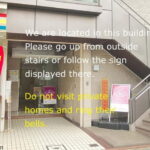
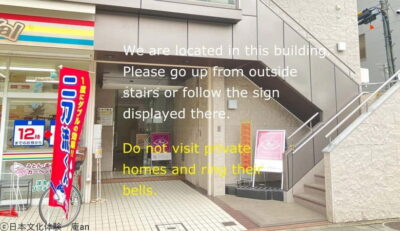
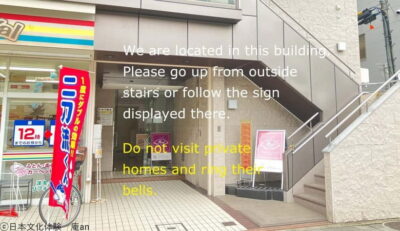
You meet at 135 Manjūjichō, Shimogyo Ward, Kyoto (600-8104), and the activity ends back at the meeting point.
One key consideration: some participants have run into address confusion. That is rare, but it is enough that you should treat directions seriously. Before you go, save the meeting point using a map pin in your phone, and double-check the exact building/street area at least once the day of your visit.
If you are meeting a friend, confirm the exact address details together. It is a small step that prevents a lot of stress.
Language and English Support: How to Plan if You Need It
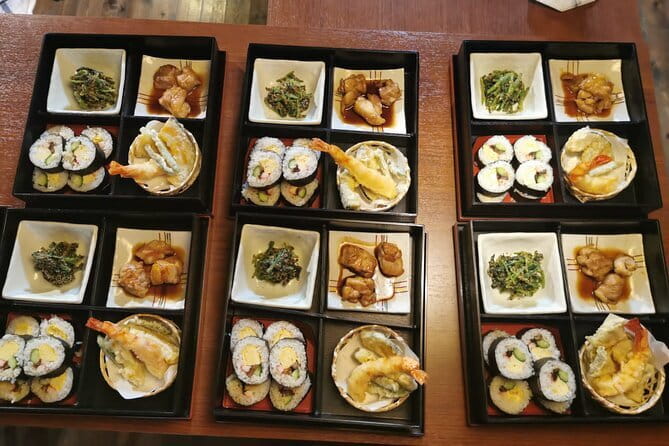
The experience may provide English translation if you do not select the guarantee option. The wording is that English translation is provided as much as possible, but if you apply at the last minute, you may not get guaranteed support.
If you want the most certainty, there is an English Guarantee option listed at 5,500 JPY per group.
For practical planning, decide what matters more:
- If you can enjoy the visuals and basic instructions without perfect translation, you can rely on the general translation support.
- If language clarity is important (you want to understand each step and ask questions), choose the English Guarantee and book with enough lead time.
Group Size and the Comfort Factor
The workshop has a maximum of 40 travelers. That likely keeps things from turning into a massive crowd event, which is helpful when you are trying to shape something delicate.
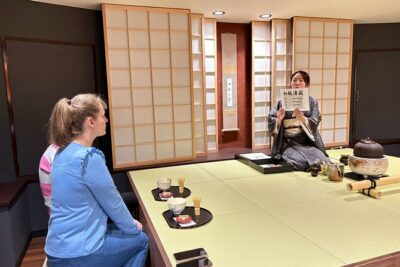
Also, based on prior experiences, the team has used hygiene-focused measures like sanitizing and gloves. You might see similar steps in your session, especially during times when safety protocols are emphasized. It is a good sign that they take care of the room and the process.
Who This Workshop Is Best For
This fits you if:
- you want a Kyoto activity that is hands-on, not just sightseeing
- you like food crafts where you can taste your results
- you enjoy seasonal culture and want a small slice of it in one hour
- you want a compact, budget-friendly activity that still feels special
It may be less ideal if:
- you strongly dislike anything mess-adjacent (your hands will be involved)
- you want a perfectly shaped final product (the goal is learning craft, not making an identical sculpture)
My Booking Checklist (Quick and Practical)
Before you reserve, I’d do four things:
- Choose whether you need the English Guarantee or you are comfortable with basic support
- Plan your arrival so you can calmly find the meeting point
- Decide if you want the take-out box if you want sweets later
- Consider adding matcha if you like pairing sweets with a tea break
And if you are sensitive to timing, book for a time when you are not rushing from another major stop. This workshop is short, but it deserves your full attention.
Should You Book Japanese Traditional Sweets Making in Kyoto?
Yes, if you want a memorable Kyoto food moment that you can feel in your hands and taste immediately. The combination of Kyoto bean paste, two seasonal nerikiri, and on-the-spot tasting makes it more than a souvenir transaction.
I’d especially recommend it to first-timers in Kyoto who want one culture activity that is both authentic and efficient. Even if shaping is challenging, that is part of why it feels real. You come away with a story, not just a wrapper.
If you are hard on yourself about perfection, adjust your expectations early. Your goal is to learn the steps and enjoy the flavors, not to produce a flawless wagashi masterpiece.
FAQ
How long is the Japanese traditional sweets making experience?
It lasts about 1 hour 5 minutes.
Where is the meeting point in Kyoto?
The meeting point is listed as 135 Manjūjichō, Shimogyo Ward, Kyoto, 600-8104, Japan.
How many sweets will I make?
You will make two seasonal Japanese traditional sweets called Nerikiri.
What ingredients do you use for the sweets?
The workshop uses white and red bean paste produced by Kyoto’s long-established shops.
Can I eat the sweets during the experience?
Yes, you can eat the sweets on the spot.
What optional add-ons are available, and how much do they cost?
You can add a sweets take-out box for 100 JPY, tatedashi matcha for 500 JPY, and an experience completion certificate for 300 JPY. Payment for options is made directly at the desk.
Is English translation guaranteed?
English translation is provided as much as possible if you do not apply for the English Guarantee option, but a guarantee requires the listed English Guarantee at 5,500 JPY per group.
More Dessert Tours in Kyoto
More Tour Reviews in Kyoto
Just added: more Kyoto tours to browse




Dessert Tours, compared.
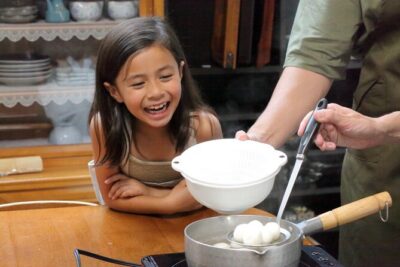
 ★ 4.4Japanese Traditional Sweets Making and Tea CeremonyFrom $18314 reviews
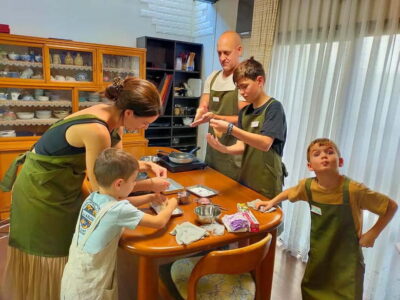
 ★ 5.0Kyoto Wagashi(Japanese sweets) Cooking Class near FushimiinariFrom $7960 reviews
 ★ 5.0Wagashi (Japanese sweets) Cooking near FushimiinariFrom $8440 reviews
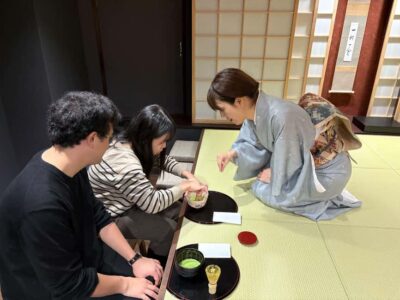 ★ 4.9Traditional Tea Ceremony with Matcha & Sweets in GionFrom $2227 reviews
 ★ 4.3Japanese Traditional Sweets ”Nerikiri” makingFrom $1117 reviews
 ★ 4.62 Types of Japanese Sweets making and Tea CeremonyFrom $2817 reviews
 ★ 5.0Traditional Tea Ceremony with Matcha and Sweets in KyotoFrom $2213 reviews
 ★ 4.3Japanese Traditional Sweets making with Tatedashi MatchaFrom $146 reviews
Browse the lists this tour appears in