
Reviewed · KYOTO BUS & SIGHTSEEING TOURS
Full-Day Sightseeing to Kyoto Highlights
Kyoto in one day, minus the guesswork. This tour strings together the big sights—Arashiyama Bamboo Forest, Kinkakuji, Gion, and Fushimi Inari—without making you plan every train switch yourself. I love the small group cap (up to 7) because the guide can actually slow down for questions and photos, and I love how the guide connects sights to everyday life in Japan. One drawback: it’s a walking-heavy day with public transit, and you’ll pay extra for Kinkakuji admission and transportation.
You start in the morning at Starbucks Kyoto Tower Sando, which is handy if you’re staying around Kyoto Station. The tour runs about 7.5 hours, uses a mobile ticket, and finishes right back at the meeting point. It’s best for people with moderate stamina and good knees—guides do note it’s not a fit for very bad legs or for pregnancy beyond the first trimester.
The guides often named include Indra and Maureen, and their style shows up in the feedback: fluent English, lots of practical tips, humor, and help getting great photos along the way. If you want a day that feels organized but still human, this one is a strong contender.
In This Review
- Key things I’d zero in on
- Hitting Kyoto’s best moves with a small group of 7
- 8:30am start at Kyoto Tower area, then trains to your first neighborhood
- Arashiyama Bamboo Forest: what the tour gets right on timing
- Kinkakuji Golden Pavilion: iconic views with a focused time block
- Shijo-Kawaramachi shopping street: lunch plus a real downtown pulse
- Gion Shirakawa: quiet streets and geiko/maiko context
- Fushimi Inari-taisha: thousands of torii gates in a guided walk
- Kyoto Station return: the day wraps cleanly back where you started
- Small details that make the tour feel personal
- Price and value: what $165 really covers (and what it doesn’t)
- Who this Kyoto highlights tour fits best
- Should you book this one-day Kyoto highlights loop?
- FAQ
- How long is the full-day Kyoto highlights tour?
- What’s the group size limit?
- Where do we meet, and when does it start?
- What extra costs should I plan for?
- Is it a walking tour?
- What happens if the weather is bad?
Key things I’d zero in on
- Max 7 travelers: the day stays flexible instead of marching in a long line
- A real local guide (Indra, Maureen, Naomi, Toshi, Adella show up in past runs): stories plus practical advice
- Major Kyoto in one loop: Arashiyama → Golden Pavilion → downtown shopping → Gion → Fushimi Inari
- Photo-friendly pacing: the guide helps with pictures, not just narration
- Short stops, smart transport: trains and buses keep you moving without feeling rushed
- You still control the comfort level: the guide can adjust to your pace during the day
Hitting Kyoto’s best moves with a small group of 7
Kyoto looks walkable on a map. In real life, it can be a juggling act of neighborhoods, bridges, and train lines. This tour solves that by keeping the group small—up to 7 people—and running you through the city’s highest-demand highlights in a single day.
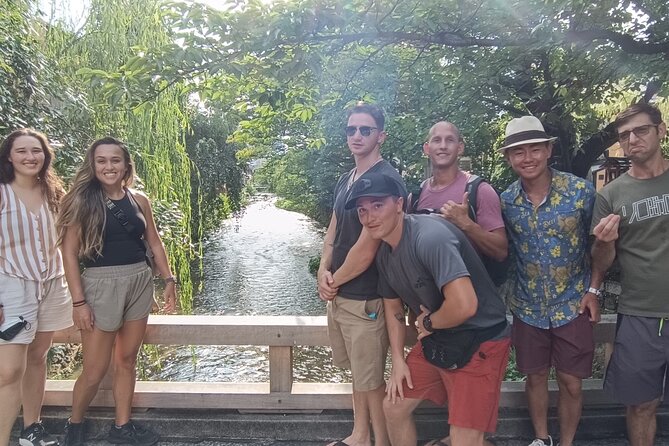
That small size matters more than you might think. When you’re in a crowd, you’re forced into a rigid pace and photo angles disappear. With a small group, you can ask a question, step aside for a better shot, or take a breather without feeling like you’re holding everyone up.
The vibe also tends to feel social, not transactional. Many past days describe the guide as funny and easy to talk to, and you’ll notice it most when questions turn from “What is this?” to “Why do they do it this way?”
Loop the big Kyoto sights in one run



8:30am start at Kyoto Tower area, then trains to your first neighborhood
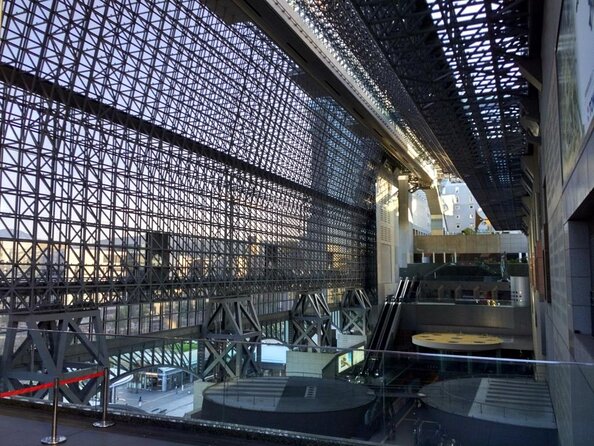
You meet at Starbucks Coffee in the Kyoto Tower Sando area (on the Kyoto Tower side). The start time is 8:30am, so you’ll get moving while the city is still waking up.
From there, you do a brief setup, then you ride the train out toward Saga Arashiyama. This matters because Kyoto’s top sites aren’t all clustered in one walking zone. Starting early also helps you avoid the late-morning crush at the most popular stops.
You’ll use a mix of train/bus connections during the day, and you’re handed a mobile ticket for the tour. The day isn’t designed for you to figure everything out alone, but it’s also not a slow “sit and look” experience.
Arashiyama Bamboo Forest: what the tour gets right on timing
Your first major nature stop is the Arashiyama Bamboo Forest. Expect a calm stretch of walking under the tall bamboo stalks and a guide who explains what you’re seeing and why it matters culturally.
This is the kind of Kyoto scene where the photos are easy, but the meaning takes longer. A good guide turns it from a scenic “check mark” into an experience you understand—like explaining Japanese cultural ideas and the way traditions show up in daily life.
One practical note: this is a popular area, so wear shoes you can walk in comfortably. Even if the bamboo part is only about an hour, the full day adds up. By the time you reach Arashiyama, it pays to already be in “good walking mood.”
Kinkakuji Golden Pavilion: iconic views with a focused time block
Next up is Kinkakuji (the Golden Pavilion). This is one of Japan’s best-known temple sights, and it can feel like the whole world wants the same postcard angle.
Your time here is planned for a quick but meaningful visit—about 40 minutes for the main experience—plus the guide’s background and photo moments. Since Kinkakuji is a top spot, you’ll appreciate having someone who knows where to stand and how to pace the visit.
Cost-wise, Kinkakuji’s admission isn’t included. You should budget ¥500 per person on top of the tour price. Also plan on public transit costs during the day.
What you get for that extra fee is a landmark temple with a strong visual identity. The guide’s commentary helps you look beyond the “gold leaf postcard,” including how Buddhism and temple culture show up here.
Shijo-Kawaramachi shopping street: lunch plus a real downtown pulse
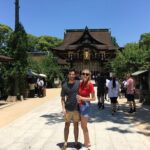
After the temples, the tour heads into downtown at Shijo-Kawaramachi. This is where Kyoto feels like Kyoto, not just like a list of famous sites. You’ll spend about 75 minutes exploring the shopping street area.
You’ll also have the lunch window here. That’s a smart move because you don’t want to keep sprinting between destinations on an empty tank. It also gives you a chance to choose what you actually want to eat instead of being shoved into one set menu.
This stop is more than “shopping.” It’s a window into everyday Kyoto life—how people move through the streets, what shopfronts look like, and how local rhythm differs from the temple zones.
If you’re the kind of traveler who likes to snack your way through a city, this is a good time to do it. Bring a little patience too. Kyoto streets can be active, and you’ll be walking with the group.
Other Kyoto tours and experiences to compare

Gion Shirakawa: quiet streets and geiko/maiko context
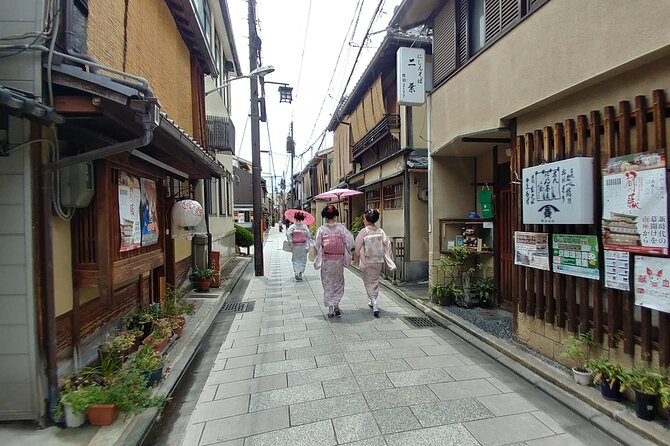
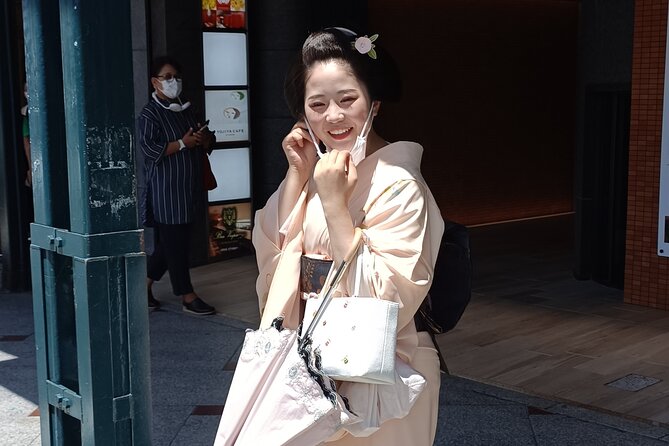
Then you shift to Gion Shirakawa, a calmer side of Gion’s entertainment district. You get about 60 minutes here, which is long enough to stroll, take photos, and learn what’s behind the scenery.
The guide explains the world of geiko and maiko—who they are and how this cultural system works. You’re not just staring at pretty streets. You’re learning the ideas that make the streets meaningful.
This stop can be surprisingly moving if you come in curious. Kyoto is full of beauty, but Gion’s “small details” are what stick: the way the area changes with perspective, and how the culture connects to performance, tradition, and community.
It also helps to travel here with a guide if you want context. Gion is visually striking, but it’s easy to misunderstand the culture if you don’t know what you’re looking at.
Fushimi Inari-taisha: thousands of torii gates in a guided walk
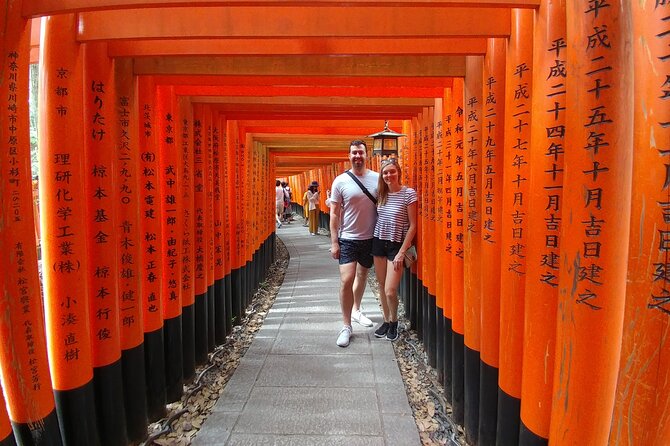
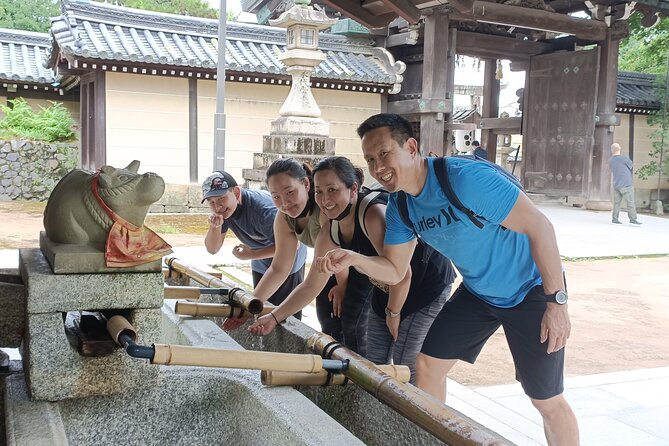
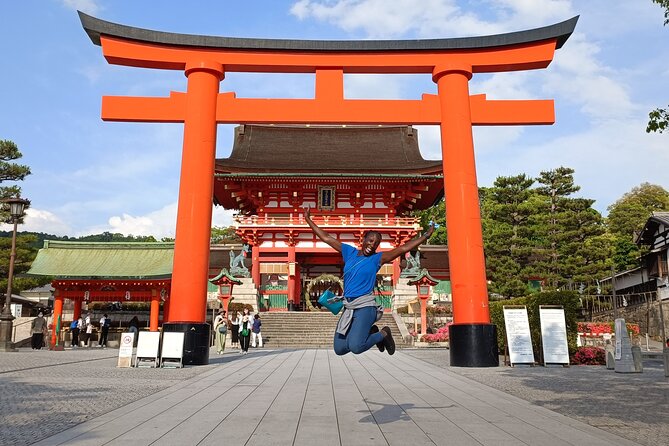
By the time you reach Fushimi Inari-taisha, you’ve already seen Kyoto’s classic “wow” scenes. Fushimi Inari is the next kind of wow: a tunnel of thousands of vermillion torii gates stretching through the hills.
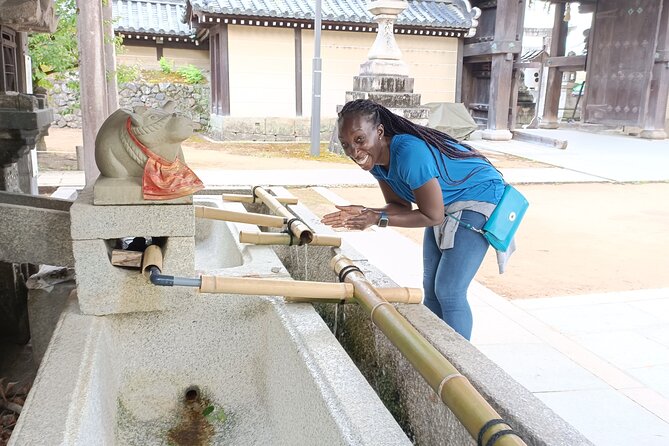
You’ll spend about 50 minutes here, passing through the gates while learning about Shintoism, the shrine’s place in history, and the meaning behind the site.
This is one of the best stops on the day because it’s interactive. You’re not just looking at a building—you’re walking a path with a clear sense of direction. Even if you don’t hike all the way up, the gate sequence makes the experience feel structured.
Practical advice: bring water and keep a steady pace. The torii walk can feel longer than the clock suggests, and you still have a final return leg after this.
Kyoto Station return: the day wraps cleanly back where you started
The tour ends at Kyoto Station Building. You ride the train back and then finish right near the meeting point.
This matters for a “one day in Kyoto” plan. You avoid the frustrating problem of ending miles away from where you can grab your next transport. It’s a tidy landing, especially if you’re heading somewhere else later in the day or you want an easy evening plan.
Also, after a day like this, your brain wants a simple finish: back to familiar surroundings, not one more transfer.
Small details that make the tour feel personal
The most praised aspect in feedback isn’t just the sights. It’s how the guide operates day-to-day.
Here’s what stands out as “actually useful”:
- Photo help: Indra and others are specifically mentioned for taking pictures for solo travelers and helping people get better angles.
- Good English + humor: it makes walking time feel shorter and helps when you want to ask follow-ups.
- Stories, not just dates: guides explain ideas behind the sights—like how daily life connects to culture, including why you rarely see trash cans in Japan.
- Flexibility in real time: some days felt like private tours when fewer people booked, and guides adapted pace and attention accordingly.
If you’re the type of traveler who hates being treated like a group number, you’ll probably like this format.
And if you’re solo, it’s extra comforting to know the tour often works as a near-private experience—without you needing to invent a “solo itinerary.”
Price and value: what $165 really covers (and what it doesn’t)
At $165.17 per person, you’re paying mainly for the guide and the structure: the small-group coordination, the walking plan, and the way the day is put together to reduce decision fatigue.
But two things are not included:
- Kinkakuji admission: ¥500 per person
- Public transportation: ¥1,510 per person
So your true cost will be a bit higher once you add those on-site items. Still, the value makes sense if you compare it to doing the same loop alone: you’d spend time planning routes, timing train changes, and figuring out which neighborhoods are efficient.
In other words, you’re buying less stress and better flow. For a first day in Kyoto, that’s often worth it.
Who this Kyoto highlights tour fits best
This tour is a smart match if:
- You have one day and want the city’s major sights grouped into a plan that works.
- You like walking, but not “wander until you’re tired” walking.
- You want a guide to explain cultural context, not just point at buildings.
- You appreciate photo help and practical tips.
It’s a weaker match if:
- Your legs are not great, since it’s a walking tour with public transit.
- You’re pregnant beyond the first trimester.
- You want a fully relaxed day with minimal movement.
One more factor: the experience requires good weather. If it’s canceled due to poor conditions, you’ll be offered another date or a refund. That’s worth considering when you book—Kyoto weather can swing.
Should you book this one-day Kyoto highlights loop?
If you want a high-success first day in Kyoto, I’d say yes. You get the signature sights—Arashiyama Bamboo Forest, Kinkakuji, Gion Shirakawa, and Fushimi Inari—plus the downtown texture at Shijo-Kawaramachi, all with a guide who turns it into a story you can actually remember.
Book this tour if you’re okay with a full-day pace and you’d rather pay for guidance than spend your limited time navigating. Skip it if you’re hoping for a slow, mostly sitting day, or if your mobility is limited.
If you’re unsure, think about your travel style. If you love structure and context, this day will feel like money well spent. If you hate group timing and long walks, you’ll probably feel it by the end of the day.
FAQ
How long is the full-day Kyoto highlights tour?
It runs for about 7 hours 30 minutes (approx.).
What’s the group size limit?
The tour has a maximum of 7 travelers, which keeps the experience more personal.
Where do we meet, and when does it start?
You meet at Starbucks Coffee – Kyoto Tower Sando at 8:30am. The tour ends back at the meeting point.
What extra costs should I plan for?
You’ll pay ¥500 per person for Kinkakuji admission, and ¥1,510 per person for public transportation (those are not included in the tour price).
Is it a walking tour?
Yes. It’s a walking experience, and it’s recommended for people with at least moderate physical fitness. It’s not recommended for people with bad leg issues.
What happens if the weather is bad?
The experience requires good weather. If it’s canceled due to poor weather, you’ll be offered a different date or a full refund.
More Full-Day in Kyoto
More Tour Reviews in Kyoto




More Kyoto Sightseeing Loops
Just added: more Kyoto tours to browse








Kyoto Bus & Sightseeing Tours, compared.
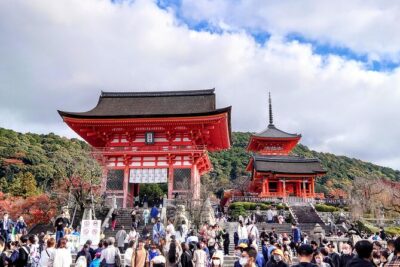 ★ 5.0PERFECT KYOTO 1-Day Bus TourFrom $12913,518 reviews
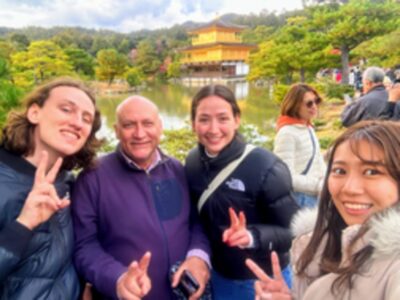 ★ 4.8Fushimi Inari, Kinkakuji, Bamboo Grove 1 Day Bus TourFrom $1224,316 reviews
 ★ 4.9Best of Kyoto: Gion, Geisha, Pagodas & CobblestonesFrom $242,058 reviews
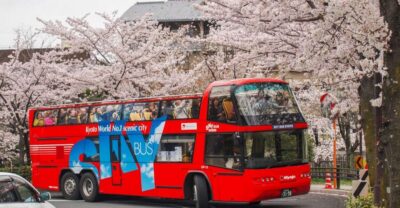 ★ 3.9Hop-on Hop-off Sightseeing Bus TicketFrom $272,034 reviews
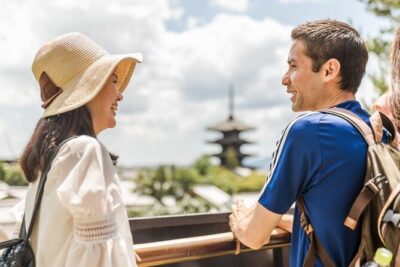 ★ 5.0Private Kyoto Tour with a Local, Highlights & Hidden Gems, PersonalisedFrom $1021,543 reviews
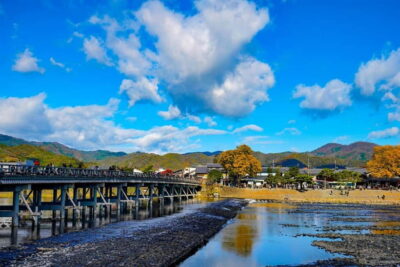 ★ 4.7Kyoto/Osaka: Nara, Fushimi Inari Taisha, Arashiyama Bus TourFrom $521,275 reviews
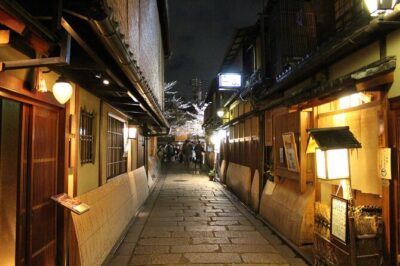 ★ 5.010 Must-see Spots in Kyoto One Day Private Tour (up to 7 people)From $1791,108 reviews
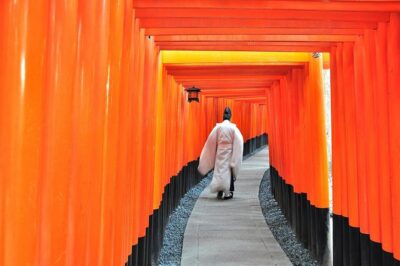 ★ 4.5One-Day Tour of Kyoto’s Highlights from Osaka/KyotoFrom $661,092 reviews
Browse the lists this tour appears in