
One neat stamp book can change how you see Kyoto. In this factory tour and Goshuincho workshop, you get the hands-on story behind the paper, then leave with a custom temple-stamp book you can start using right away.
I especially like the way this isn’t just a quick craft demo. You’ll tour the factory with guided explanations, then you’ll sit down to design your own one-of-a-kind Goshuinchocho using Yuzen washi paper choices.
The one drawback to plan around is simple: this is only 1 hour, so you’ll get a focused experience, not a long, slow “watch every step” kind of day.
In This Review
- Key highlights to look forward to
- Factory Craft at Nishikawa Shigyo: What You Actually See
- Inside the Workshop: How Your Goshuincho Day Gets Going
- Picking Yuzen Washi: Where the Book Becomes Yours
- Goshuin Culture: Turning a Souvenir into a Kyoto Ritual
- The 1-Hour Flow: Factory Tour to Finished Book
- Price and Value: What $70 Buys You Here
- Small Group Dynamics: Why Up to 10 Matters
- Who This Workshop Is For (and Who Might Skip It)
- Practical Tips: Getting the Most from Your Goshuincho Day
- Should You Book This Factory Tour and Goshuincho Workshop?
- FAQ
- How long is the factory tour and Goshuincho workshop?
- Where do I meet the staff?
- What language is the live guide?
- What’s included in the price?
- Is transportation to the site included?
- Is there a group size limit?
- What are the minimum and age requirements?
- Can I cancel and get a refund?
Key highlights to look forward to
- Factory tour you can feel in your hands: see how paper work becomes something collectible and practical
- Goshuincho workshop with Yuzen washi paper choices: pick from many cover paper options
- Small group size (up to 10): easier questions, more attention, less waiting
- English and Japanese live guide: you can follow the why behind each step
- Bring your Goshuincho to Kyoto shrine-hopping: it’s made for collecting temple stamps
Factory Craft at Nishikawa Shigyo: What You Actually See
This tour is built around one idea: paper craftsmanship isn’t abstract. It’s made, handled, refined, and repeated by people who do the same quality work day after day. You start inside the company’s own premises, where the tour guide walks you through what the factory does and how their process supports making paper products in-house.
What makes it interesting (and worth your time) is that you’re not just hearing “traditional craft.” You’re watching real production happening in the same place where the materials and products come from. That in-house setup matters, because it helps you connect the dots between the factory side—skills, pacing, and consistency—and the finished result you’ll make later.
And yes, the factory portion is impressive in a very practical way. You’ll see the kind of precision work that explains why a Goshuincho can feel special in your hands. It’s one thing to buy a stamp book. It’s another to understand why it’s built the way it is.
If you’re the type who likes your Kyoto experiences to include more than just temples and photos, this scratches that itch.
Other Kyoto tours and experiences to compare


Inside the Workshop: How Your Goshuincho Day Gets Going
After the factory tour, you shift into the workshop where you’ll create your original Goshuincho. The key thing here is that the activity is designed for normal humans, not craft experts. You’re guided step by step, and you get to make real choices—especially about the paper you’ll use.
The session is run by a live guide (English and Japanese), and the group stays small, limited to 10 participants. That small-group size changes the vibe. You’re not shouting over a busload of people, and you’re more likely to get clear answers if you’re curious about what you’re making or why certain materials matter.
In the workshop side, staff members like Saori and her assistant Ayaka are reported as friendly and helpful, which is a big deal when you’re holding something delicate and don’t want to guess your way through.
One more practical note: this is a workshop held at the shop located within the company premises. Transportation to the site isn’t included, so it helps to plan your own route in advance—Kyoto area streets can be tricky if you’re relying only on walking and vibes.
Picking Yuzen Washi: Where the Book Becomes Yours
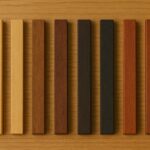
Here’s the fun part you’ll remember: you choose from a wide variety of Yuzen washi papers to create your Goshuincho. Yuzen paper is known for decorative design, and in this workshop it becomes more than “pretty paper on a shelf.” It becomes the visual identity of your stamp book.
You’ll make a Goshuinchocho (temple stamp book) with your own selection of cover materials. In other words, you’re not just assembling a generic booklet. You’re building something you’ll want to take with you to shrines.
This is also where you get a sense of what makes paper crafts satisfying. When you choose a paper pattern and color direction, you’re deciding the mood. Want calm and classic? Want something more playful? You’ll have options to match your taste, and the staff helps keep you on track so the end result looks like you meant it.
And because it’s guided, you don’t need prior skill. One of the most common reactions from past participants is that it’s doable even if you don’t consider yourself artistic.
Goshuin Culture: Turning a Souvenir into a Kyoto Ritual
Kyoto is famous for goshuin—those temple and shrine stamps collected in a book. The Goshuincho workshop is valuable because it connects two halves of travel: the sightseeing side and the collecting side.
Once you have your handmade book, your next shrine visit changes. You’re no longer just looking at the building. You’re looking for the moment where you’ll add your next page or stamp. That turns scattered stops into a simple ritual you can carry through a trip.
You’ll also understand something small but important: goshuin collecting is part etiquette, part appreciation, and part tradition. Having your own Goshuincho ready makes it feel natural to participate instead of scrambling at the last minute.
One detail that makes this feel extra Kyoto: your Goshuincho is designed for collecting pages, so it’s not only a keepsake you hang onto. It’s meant to be used.
The 1-Hour Flow: Factory Tour to Finished Book
This experience runs for 1 hour, so everything is paced to stay focused. Expect a quick but real factory introduction first—guided explanations as you look at how the work is done in-house. The goal isn’t to cover every single step of paper manufacturing. It’s to give you a clear picture of the craftsmanship behind the materials you’ll later use.
Then comes the workshop portion, where you create your Goshuinchocho. You’ll choose your Yuzen washi paper options, get help during the build, and leave with the finished book. Because the time is limited, the instructions are likely to be practical and direct. That’s good news if you’re on a day with a tight schedule.
If you’re planning Kyoto sightseeing right after, this setup helps. You’re not hauling home a project you still need to finish. You’re walking into your next shrine stop with something personal already in your bag.

Price and Value: What $70 Buys You Here
At $70 per person, this isn’t a “cheap and cheerful” activity—but it also isn’t priced like a high-end, long private lesson. The value comes from what’s included.
You get:
- Factory tour with a guided tour
- A live guide (English and Japanese)
- An original Goshuincho (your finished stamp book)
- A material fee / cost of materials
When you look at it that way, you’re not paying only for the craft time. You’re paying for the guided factory access plus the materials plus the final product you can immediately use in Kyoto’s goshuin culture.
You should also consider the “one-and-done” aspect. It’s only 1 hour, but it produces something you’ll bring into your travel day afterward. A lot of workshops end with a finished item, sure, but this one plugs directly into Kyoto sightseeing in a cultural way.
If your trip includes at least a couple shrine or temple visits, this becomes more than a souvenir stop. It’s a tool that helps you get more out of the rest of your day.
Small Group Dynamics: Why Up to 10 Matters
The group size limit of 10 participants is more important than it sounds. In a small group, guides can keep track of what people are doing, explain clearly, and respond when you have questions—especially during the workshop portion.
It also makes the experience feel more social in a good way. One common theme is that people felt comfortable talking with locals during the tour and workshop process. When you’re in a smaller setting, it’s easier to ask what a step means or to learn how the craft connects to daily life.
There’s also a benefit for your time and patience. With a smaller group, you’re less likely to feel like you’re waiting around while someone else takes forever. The whole activity is designed to fit inside that 1-hour window cleanly.
Who This Workshop Is For (and Who Might Skip It)
This experience fits best if you want a hands-on Kyoto activity that’s connected to real local craftsmanship. You’ll likely enjoy it if:
- You plan to do goshuin collecting and want your own book ready
- You like paper crafts and want to understand the “behind the scenes” of how materials are handled
- You prefer small group experiences with a live guide
It’s not suitable for children under 5 years. Beyond that, the pace and workshop style suggest it’s easiest for adults and older kids who can sit through the factory intro and the paper-making steps.
If you’re the kind of traveler who hates craft activities that feel like school worksheets, you might still be okay here because the factory tour provides context and the final product is culturally meaningful—not just decorative.
Practical Tips: Getting the Most from Your Goshuincho Day
A few practical things will help your experience go smoothly:
- Plan your route to the company premises since transportation isn’t included.
- Arrive on time. The tour includes guided explanations and a workshop step-by-step flow, so late arrivals can feel stressful. (That said, past participants noted the staff were kind even when people got lost and arrived late.)
- Come ready to make choices. The Yuzen washi paper options are a big part of the fun. If you’re indecisive, don’t overthink it—choose something that makes you smile.
Also, treat this as part of your Kyoto sightseeing strategy. Your Goshuincho is designed to be used, so plan a shrine or temple visit after you make it. That’s when the whole day clicks.
Should You Book This Factory Tour and Goshuincho Workshop?
Book it if you want Kyoto beyond postcard sights—and you’re interested in a cultural souvenir you can actually use. The factory tour plus guided Goshuincho creation gives you both context and a personal outcome. With a small group, a live guide in English and Japanese, and staff like Saori and Ayaka helping during the workshop, it’s the kind of experience that feels welcoming even if you’re not a “craft person.”
Skip it only if your schedule is too tight for a focused 1-hour block, or if you’d rather spend that time purely doing shrines without adding a workshop step.
If you’re already thinking about collecting goshuin, this is one of the clearest ways to start your trip with the right tool in your hands.
FAQ
How long is the factory tour and Goshuincho workshop?
The experience lasts 1 hour.
Where do I meet the staff?
You meet at the shop located within the company premises. Staff will be waiting there.
What language is the live guide?
The live tour guide is available in English and Japanese.
What’s included in the price?
The price includes the factory tour, guided tour, an original Goshuincho (temple stamp book), and the material fee / cost of materials.
Is transportation to the site included?
No. Transportation to the site is not included.
Is there a group size limit?
Yes. It’s a small group limited to 10 participants.
What are the minimum and age requirements?
There is a minimum of 2 participants per booking, and it is not suitable for children under 5 years.
Can I cancel and get a refund?
Yes. Free cancellation is available up to 24 hours in advance for a full refund.
More Workshops in Kyoto


More Tours in Kyoto

More Tour Reviews in Kyoto
Just added: more Kyoto tours to browse





Workshops, compared.
 ★ 4.345-Minute Tea Ceremony Lesson ExperienceFrom $222,378 reviews
 ★ 5.0Ramen Cooking Class at Ramen Factory in KyotoFrom $1311,937 reviews
 ★ 5.0Chopsticks Making Workshop in Gion with Engraving OptionFrom $15958 reviews
 ★ 4.9Samurai Sword Class by Experts in Traditional ArtsFrom $64657 reviews
 ★ 4.9Ramen Cooking Class at a Ramen Factory with SouvenirFrom $127532 reviews
 ★ 5.0Ninja 1-hour Hands-on Lesson by Japanese master in Kyoto -EntryFrom $80489 reviews
 ★ 5.0Ramen, Gyoza, and Onigiri Cooking ClassFrom $90445 reviews
 ★ 5.0The Original Small-Group Sushi Making Class in KyotoFrom $69436 reviews
Browse the lists this tour appears in