
Reviewed · KYOTO TEMPLE & SHRINE TOURS
Candlelit Zen: Evening Meditation at Kyoto’s Secret Temple
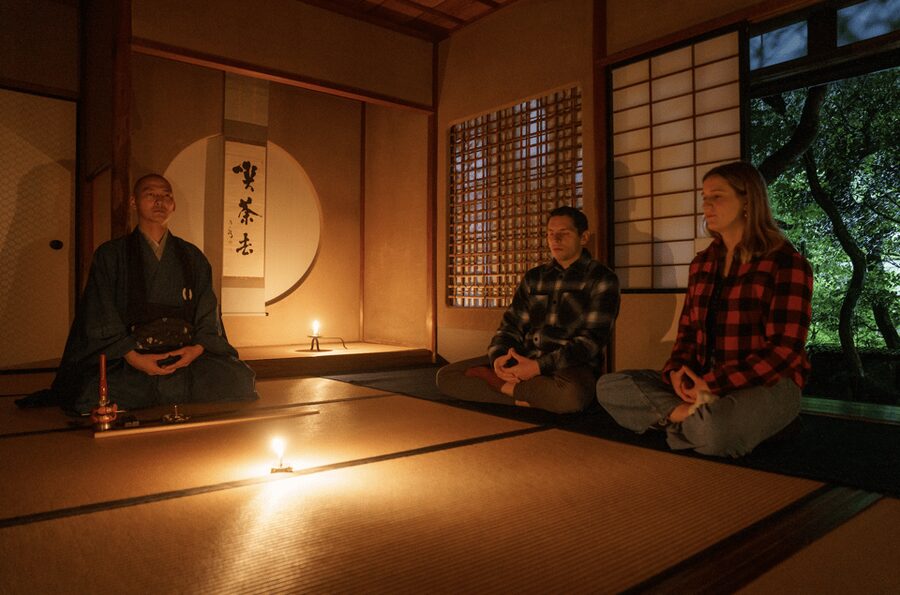
Candlelight turns Zen into something you can feel. You’ll step into Kyoto’s secret temple for guided Zazen meditation led by a monk, finishing with tea and discussion.
Two things I love: the small private group feel, and the candlelit setting with the moss garden. One drawback to consider is the timing: it runs in the evening and lasts just 70 minutes, so you’ll want to plan to be near Kodaiji Park and ready to slow down.
In This Review
- Key moments that make this Zen evening work
- Candlelit Zazen in Kyoto: what makes this private temple evening special
- Finding the meeting spot at Kodaiji Park (and what to bring)
- How the evening flows: from temple entrance to monk lecture
- Zazen practice in plain terms: breathing, posture, and letting go
- Tea ceremony time and a real chat with the monk
- Price and value for a group up to 9
- Photography rules, silence etiquette, and getting good shots
- Who should book this candlelit Kyoto Zen meditation (and who should skip it)?
- Should you book this candlelit Kyoto Zen meditation?
- FAQ
- How long is Candlelit Zen: Evening Meditation at Kyoto’s Secret Temple?
- Where do we meet in Kyoto?
- Is hotel pickup and drop-off included?
- Is this a private group?
- What language is the tour guide?
- Can I take photos during the experience?
- Is there food or drink during the temple session?
- What’s the cancellation policy?
Key moments that make this Zen evening work
- A secret temple experience: not open to the general public, with a guide keeping the flow respectful
- Zazen instruction from a monk: a lecture plus time to practice seated meditation
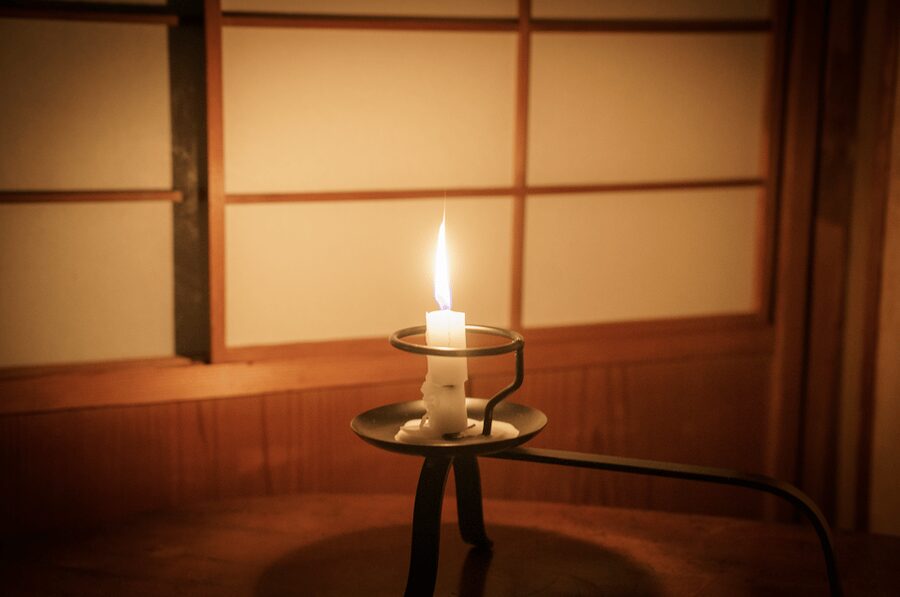
- Candlelight + rhythmic breathing: designed to quiet your mind and settle your body
- Tea ceremony and monk discussion: warm closure after the meditation session
- Photo time without flash: you can capture memories inside the temple and with the monk
Candlelit Zazen in Kyoto: what makes this private temple evening special
If you’re craving Kyoto that’s calmer than the sightseeing circuits, this is built for that mood. You’re not just watching meditation from the sidelines. You’re guided into it—seated, instructed, then given a moment to experience that stillness for yourself.
I like that the evening includes both head and body learning. You’ll get the principles of Zazen, then you practice breathing and seated form with a monk’s direction. It’s practical Zen, not vague spirituality.
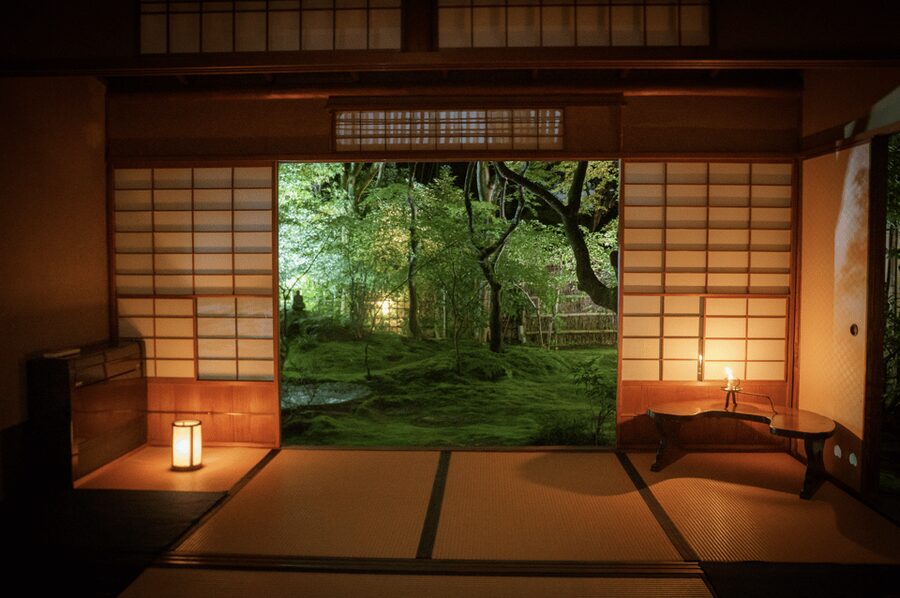
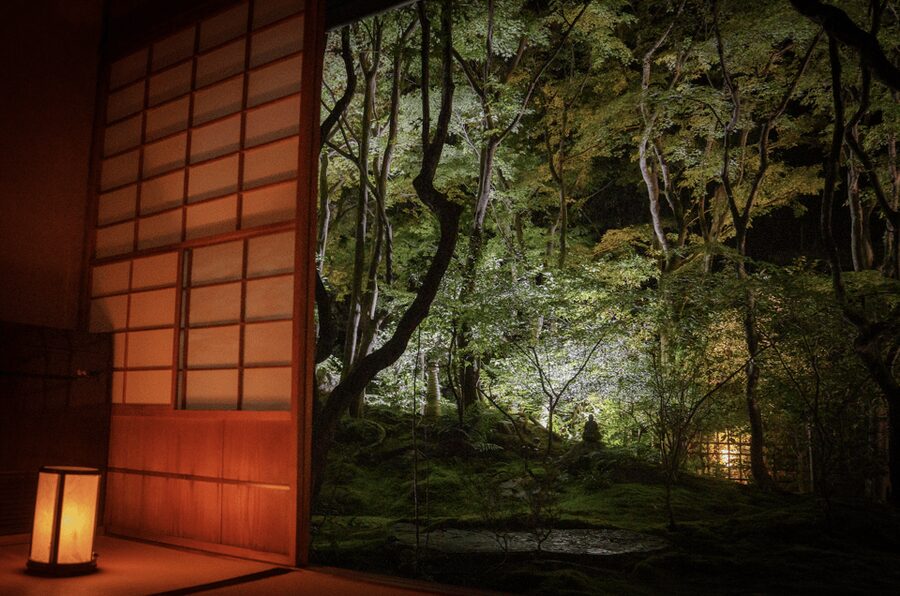
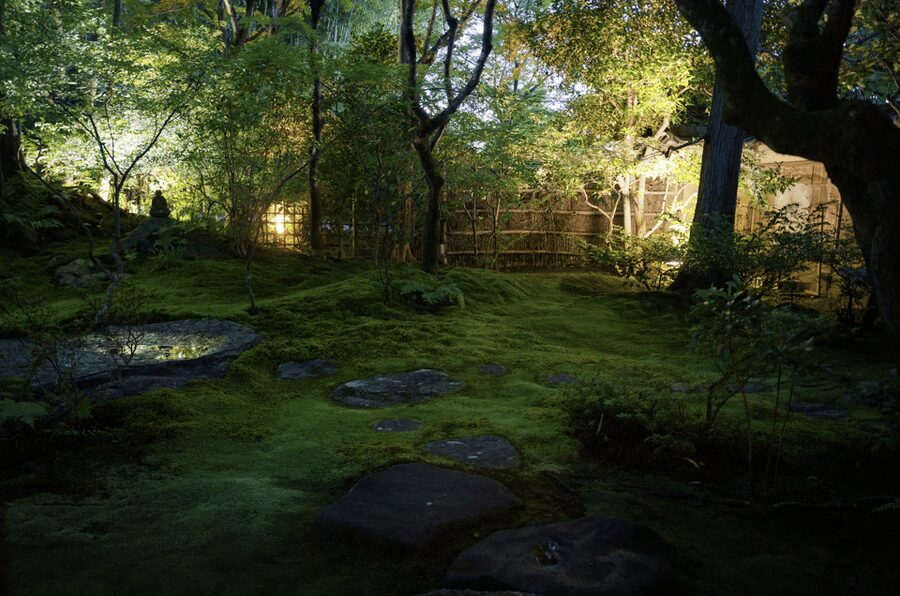
And the setting matters. Candlelight plus the temple garden atmosphere is the kind of sensory cue that helps you drop your mental noise. In more than one group, people pointed out that the moss garden and the quiet mood were a big part of why the session felt memorable.
More temples and shrines to slow down in across Kyoto
Finding the meeting spot at Kodaiji Park (and what to bring)
Meeting point details are unusually specific here, which is great once you know them. You meet at the toilet at Kodaiji Park, and the guide waits at the northern side of that toilet. That may sound oddly precise, but it saves time—especially at night when Kyoto can get confusing fast.
Good move: expect your guide to help with wayfinding. One review highlighted easy communication over WhatsApp, which is exactly what you want when you’re walking around a park after dark.
What to bring is simple:
- Comfortable clothes for sitting still
- A light layer if you run cold in the evening
- Your phone for photos, but remember no flash
- Your calm face. Seriously. You’ll want to keep your voice down and follow the monk’s pace
Also note: food and drinks aren’t allowed inside the temple. If you’re snack-prone, eat before you arrive.
How the evening flows: from temple entrance to monk lecture
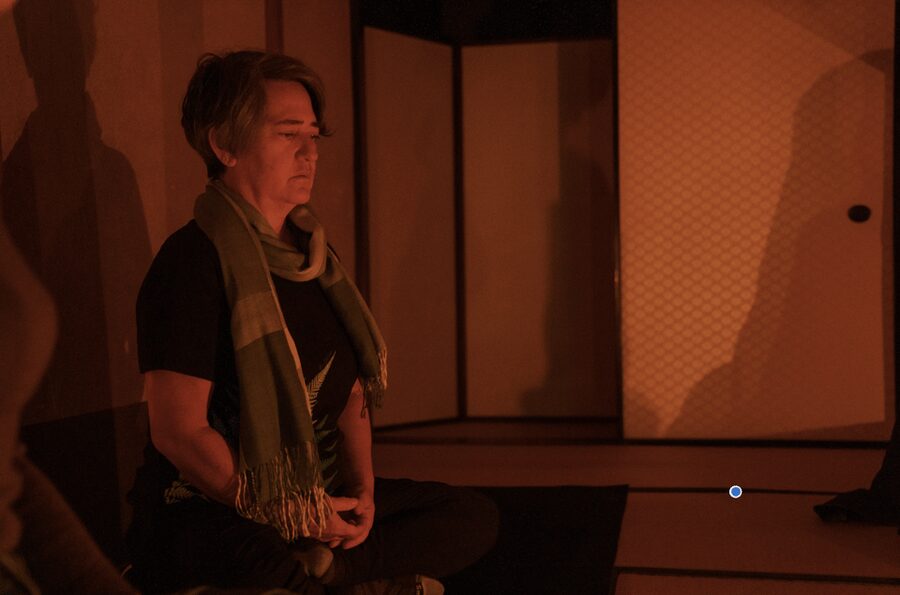
This is a 70-minute experience with a guided progression. It starts with entering the temple through a separate entrance, which means you should avoid the typical lines and crowd squeeze.
Once inside, you get a brief cultural intro. The goal isn’t to overload you with facts. It’s to give you the right mental frame: what Zen looks like in practice, how a temple space should feel, and why Zazen is treated as central rather than optional.
Then comes the monk lecture. This is the “why” behind the “how.” You’ll learn the principles and techniques of seated meditation—what you’re trying to cultivate, and how to approach your mind during practice. For many people, this is the moment the experience clicks. You stop thinking of meditation as something you either already know or can’t do, and you start treating it like a skill with a method.
A small detail you’ll appreciate: this is run as a private group. In at least one group, there were adults plus teens (ages 12–18) and everyone found a way to engage. So you don’t have the chaotic energy of a large crowd session.
Zazen practice in plain terms: breathing, posture, and letting go
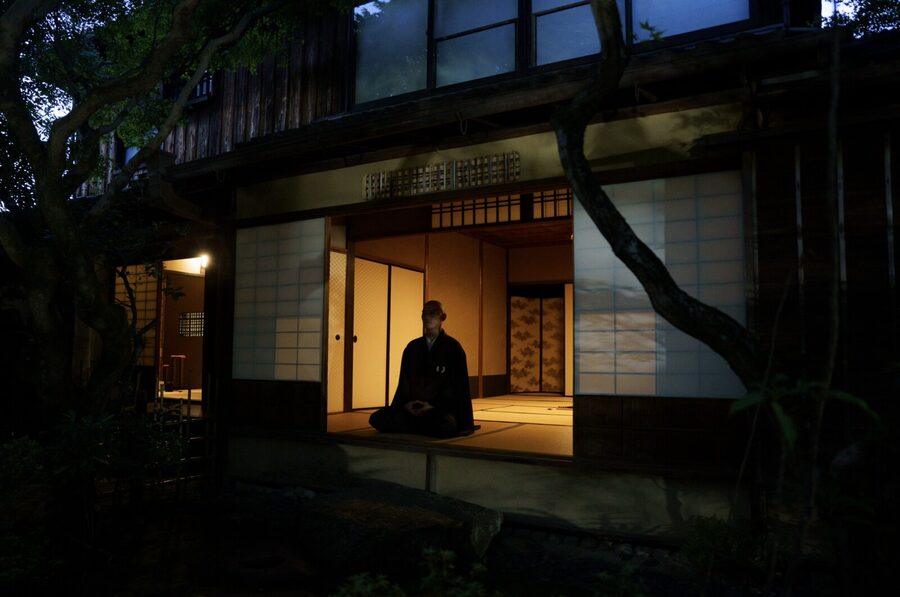
Zazen can sound intimidating until someone explains it in human terms. Here, the practice is built around a simple idea: unify your mind and detach from ego and worldly concerns by focusing on the present moment.
The highlight that stands out in the description is rhythmic breathing. That matters because breath is concrete. It’s not a belief system you have to fake. You follow a rhythm, you feel your body settle, and you get pulled out of mental grocery lists.
Seated meditation also gives you a framework for stillness. Even if your mind wanders (it will), the practice becomes noticing and returning. That’s the core loop. You don’t “win” by being perfectly blank; you improve by coming back again and again.
One more practical point: the session pace is designed for calm, not performance. You’ll be in a quiet environment with clear guidance. If you’re the type who needs structure, you’ll like this. If you’re the type who wants total silence with zero talking, you might still appreciate it, because the lecture helps you settle quickly.
Tea ceremony time and a real chat with the monk
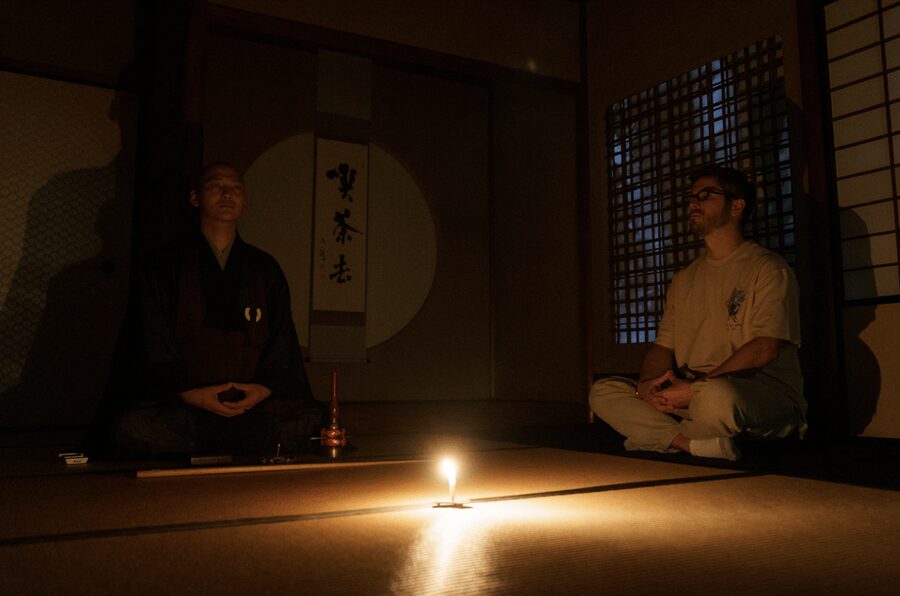
After the sitting part, you shift into the softer, social side of Zen: tea. This is included, and it’s also a thoughtful way to land the experience. Your body has done the hard work of stillness. Now your mind gets a gentle transition back into conversation.
You’ll enjoy tea while taking in a view of the temple gardens. That sounds poetic, but it’s also functional. Gardens and quiet light help your nervous system stop bracing. You leave feeling like the experience didn’t end abruptly; it faded out in a controlled way.
Then there’s the discussion with the monk. This is one of the best value parts of the evening because it turns abstract meditation talk into something personal. People can ask questions, clarify what they’re practicing, and understand how Zen principles translate into daily life.
And yes, there’s photo time. You can take photographs with the monk and within the temple, as long as you avoid flash. That means you can capture the mood without disrespecting the space.
Find another quiet garden to sit with in Kyoto
Price and value for a group up to 9
The price is $774 per group (up to 9 people) for 70 minutes. That can look pricey at first glance, but the group structure changes the math.
Here’s the practical way to think about value:
- If you fill more of the group size, the cost per person drops a lot.
- If it’s just 2 people, you’re paying much more per person, even though the experience length stays the same.
So ask yourself one question: are you coming with a group (friends, family, or a small set of people from your accommodations)? If yes, this can be a very reasonable way to get a private, monk-led experience in a temple setting that’s not open to the general public.
Also, this includes entry to the temple, the lecture on Zazen, and the Zazen practice itself. You’re not paying extra for “add-ons” once you show up. The only common missing piece is hotel pickup and drop-off.
If you like guided experiences that feel personal, this format is worth considering. You’re basically paying for access, instruction, and a calm evening with a monk.
Photography rules, silence etiquette, and getting good shots
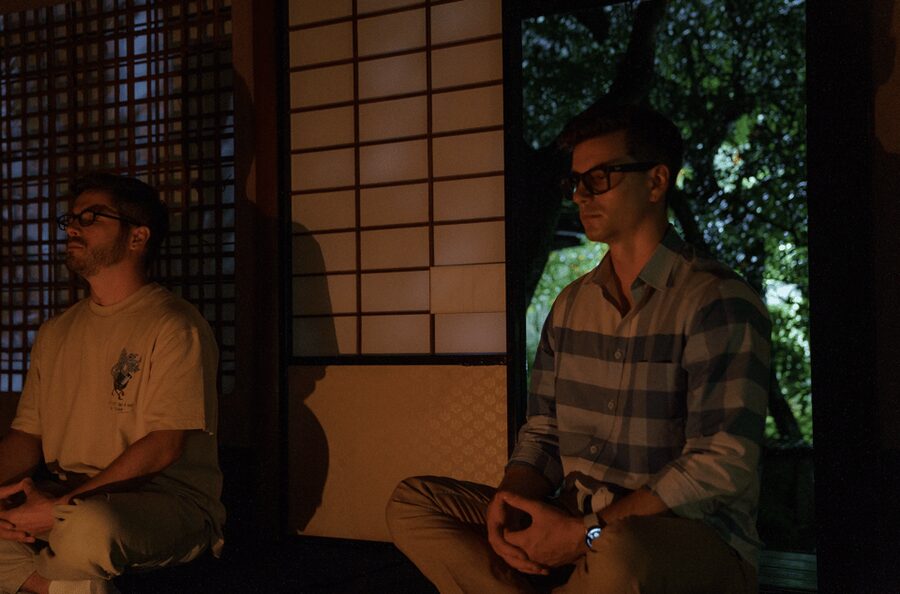
Even if you love photos, this is still a temple meditation setting. The rules are clear: photography is allowed, but flash photography isn’t. Candles and flash don’t play nicely together anyway, so following this keeps the mood intact.
For better results, think like a photographer with constraints:
- Keep your shots gentle and brief during the quiet parts
- Use steady hands and let the candlelight do the work
- Don’t block others who are practicing or listening
If you’re planning to take photos with the monk, do it when your guide indicates. The experience is designed to keep the flow respectful.
One more tip: come prepared to be slightly less “tour mode.” Even in a private setting, you’ll feel the difference between sightseeing and participation. The best photos often come after you’ve settled, not while you’re rushing.
Who should book this candlelit Kyoto Zen meditation (and who should skip it)?
This is a great fit if you want:
- A guided Zazen experience rather than self-guided temple wandering
- A small group atmosphere that feels personal
- A meaningful cultural moment that ends with tea and monk Q&A
It’s also a smart choice for people who feel nervous about meditation. Having instruction and structure takes the pressure off. The rhythmic breathing cue and the monk lecture make it easier to “do the thing” instead of just watching it.
It may be less ideal if you:
- Want hotel pickup and a fully stress-free door-to-door plan (this does not include it)
- Only have a tight window and can’t get to the Kodaiji Park meeting point on time
- Dislike evening activities, since it takes place in the evening and asks you to slow down
Should you book this candlelit Kyoto Zen meditation?
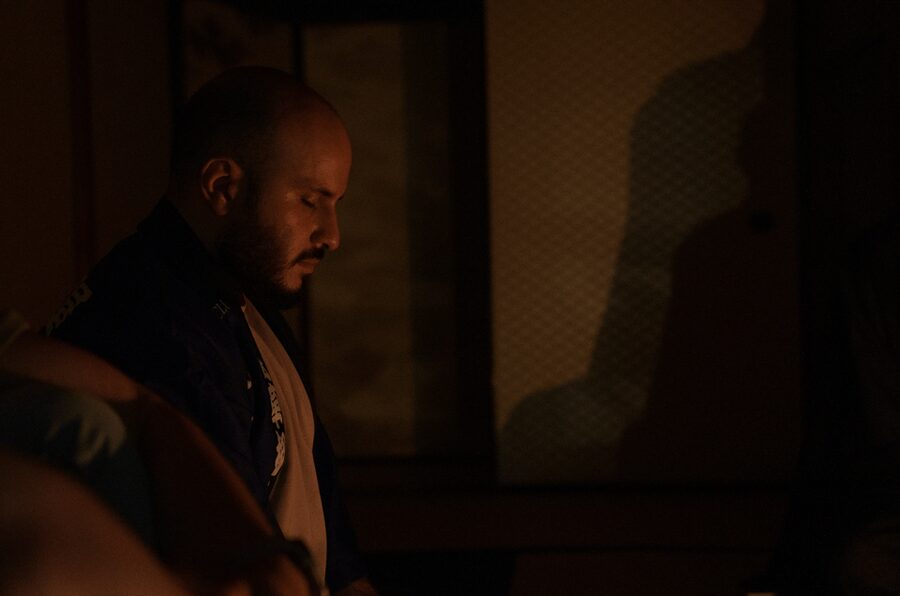
Book it if you’re looking for a calmer, more personal side of Kyoto—one where you practice meditation with guidance, then close with tea and conversation. The combination of a private group, instruction from a monk, candlelight atmosphere, and the garden view makes it feel intentional, not rushed.
Skip it only if your main goal is extra temple sightseeing hours. This is short, focused, and quiet by design. You’re trading “more time walking” for “more time being present.”
If you’re traveling with friends or family, it can also be a strong value because it’s priced per group up to 9. And if you’re flexible about schedule, it’s one of those Kyoto evenings that can reset your trip.
FAQ
How long is Candlelit Zen: Evening Meditation at Kyoto’s Secret Temple?
It lasts 70 minutes.
Where do we meet in Kyoto?
Meet at the toilet at Kodaiji Park. The guide waits on the northern side of the toilet.
Is hotel pickup and drop-off included?
No. Hotel pickup and drop-off are not included.
Is this a private group?
Yes. It’s a private group.
What language is the tour guide?
The live tour guide speaks English.
Can I take photos during the experience?
Yes, photography is allowed, but flash photography is not.
Is there food or drink during the temple session?
Tea is part of the experience, but food and drinks are not allowed inside the temple.
What’s the cancellation policy?
Free cancellation is available up to 24 hours in advance for a full refund.
More Tour Reviews in Kyoto






More Gardens and Quiet Corners
More Kyoto Temples and Shrines
Just added: more Kyoto tours to browse








Kyoto Temple & Shrine Tours, compared.
 ★ 4.9Tea Ceremony Ju-An at Jotokuji TempleFrom $293,207 reviews
 ★ 4.8Arashiyama Bamboo, Temple, Monkeys, or Secret Sake BreweryFrom $87886 reviews
 ★ 5.0Arashiyama Bamboo Forest, Monkeys, Matcha & Temple TourFrom $53759 reviews
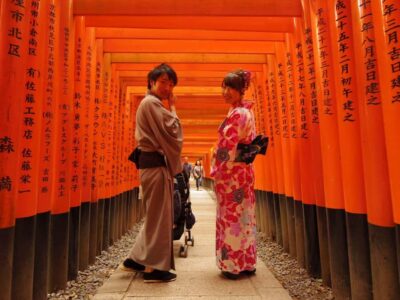 ★ 4.4Osaka/Kyoto: Arashiyama, Nara & Fushimi Inari Shrine w/LunchFrom $61754 reviews
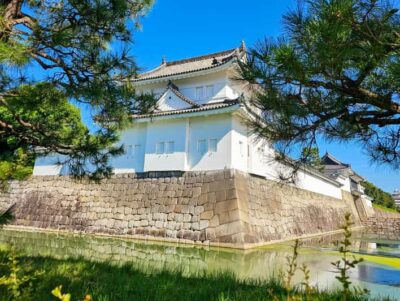 ★ 4.7Imperial Palace & Nijo Castle Guided Walking TourFrom $49453 reviews
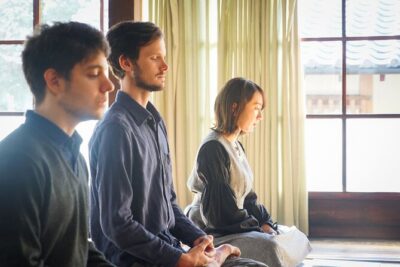 ★ 5.0Kyoto Zen Meditation & Garden Tour at a Zen Temple with LunchFrom $110441 reviews
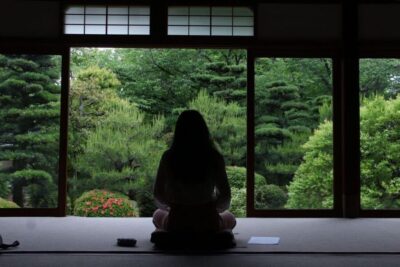 ★ 5.0Zen Experience in a Hidden TempleFrom $109437 reviews
 ★ 5.0KYOTO Tea Ceremony with kimono near by Imamiya Jinjya ShrineFrom $99343 reviews
Browse the lists this tour appears in