
Reviewed · KYOTO PRIVATE GUIDED TOURS
ALL INCLUDED:Short Exclusive Hidden Kyoto Private Tour with Local
Kyoto without the crowd chaos sounds good. This private tour is built around hidden areas and flexible stops, so you can shape the day around what you actually care about. You’ll get a local guide, plus practical extras like bottled water and a mobile ticket.
I love that this feels truly private—just your group—so you’re not squeezed into a mass schedule. I also like the value math: the price can include lunch or dinner, entrance fees, and hands-on experience costs like tea ceremony or wagashi-making.
One thing to consider: the listed guide is not licensed or certified, so if you need a specific credential for peace of mind, double-check expectations when you book.
In This Review
- Key things that make this Kyoto tour work
- Pricing and what $150 buys you in real terms
- Where you meet, where you end, and how the pace usually feels
- A custom route through Kyoto’s “regular day” neighborhoods
- Edo-era streets and the feeling of old Kyoto
- Higashiyama shrine time: blessings, power spots, and perspective
- Yasaka Shrine park walk: cherry blossom energy without forcing it
- Zen temple morning worship: when the routine is the attraction
- Another Zen temple with gardens and major treasures
- Geiko and maiko culture: performances and photo moments
- Gion district wandering: machiya streets and possible encounters
- Sanjusangendo and the 1,001 Kannon statues pause
- Wagashi-making and a hands-on Japanese culture moment
- Gojo area food focus: where locals eat
- Tea ceremony and flower arrangement outside the busiest lanes
- Kyoto Imperial Palace grounds: architecture plus quieter corners
- Kiyamachi Street to close: night energy with an end point
- What I think this tour is best for (and who should skip it)
- Should you book this SunnySight Japan Kyoto private tour?
- FAQ
- How long is the private Kyoto tour?
- What does the price of $150 per person include?
- Is pickup included?
- Do they provide tickets on your phone?
- Can you accommodate dietary restrictions?
- Are alcoholic drinks included on night tours?
- What if you need to cancel last minute?
Key things that make this Kyoto tour work
- Private, tailor-made route: tell your interests up front and the tour adjusts.
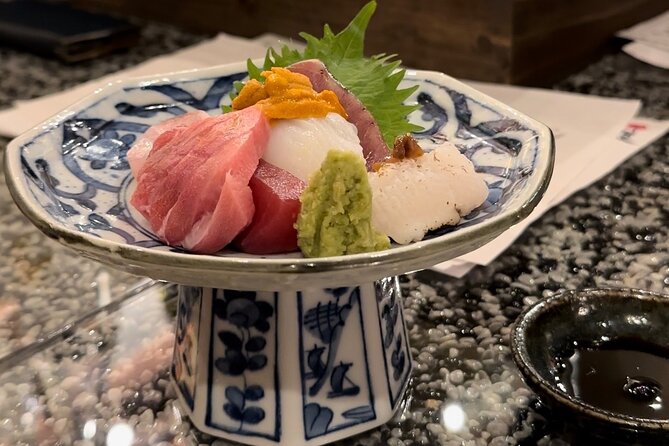
- Food + experiences can be bundled: lunch (day start) or dinner (night tour), plus activities and admissions.
- Hidden spots in central Kyoto: you’re taken beyond the loudest streets.
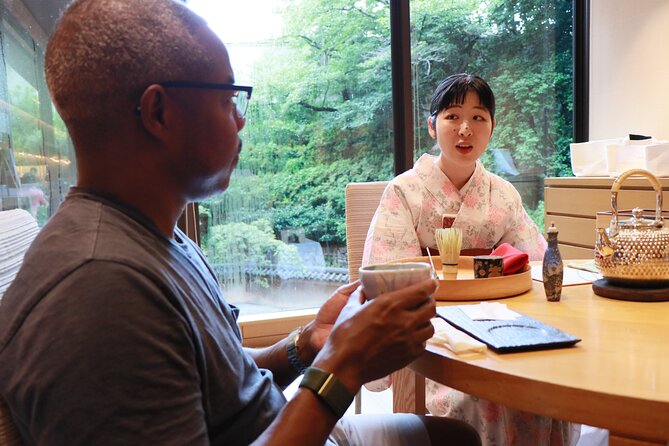
- Culture hands-on, not just photos: tea, wagashi, flower arrangement, and meditation-style time are options.
- Bottled water included for walking stretches.
- Photo service at no charge (they mention it in the tour overview).
Pricing and what $150 buys you in real terms
At $150 per person for about 2 to 3 hours, this is not a budget bargain. But it often costs less than “DIY shopping” once you add up the usual Kyoto extras.
Here’s what the price can cover, depending on the exact mix of stops:
- Lunch if you start at 10:00
- Dinner if you’re doing a night tour
- Bottled water for walking between sights
- Entrance fees for temple visits
- Experience fees (tea ceremony, flower arrangement, Japanese confectionery/wagashi-making)
- For night tours, alcoholic drinks for those 20+ (nonalcoholic for under 20)
- An in-person guide (note the credential detail mentioned earlier)
In other words, you’re paying for coordination and access to experiences, not just a stroll. If you want temples plus a real cultural activity without booking multiple tickets and hunting down reservations, this starts to make sense.
Have a local lead the way on more Kyoto tours
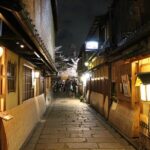
Where you meet, where you end, and how the pace usually feels
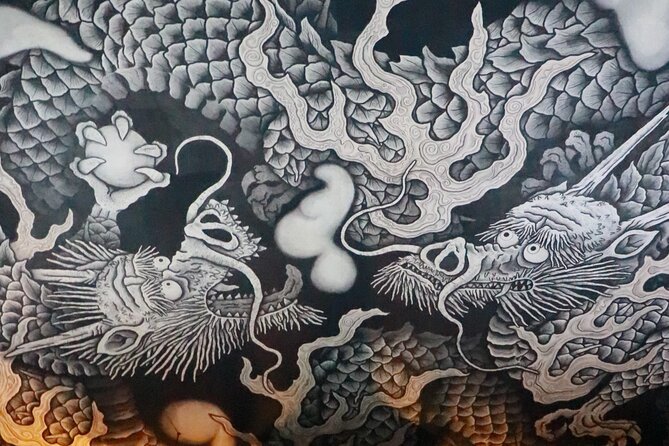
You start at Edion – Kyoto Kawaramachi Main Store (Shinchō area, Shimogyo Ward). The tour ends near the Kyoto Gion/Kiyamachi area—at a gallery by the Kyoto Kiyamachi Gate Hotel, with the route finishing on Kiyamachi Street.
That matters because Kyoto’s best neighborhoods are close but not always easy to connect on foot if you’re hopping between hills and shrines. This tour is designed as a walking experience around central Kyoto areas, with bottled water included.
Also, this is listed as a private tour/activity, so your group size is your group size. That usually makes a big difference for pacing—especially if you have kids or you’d rather linger instead of marching.
A custom route through Kyoto’s “regular day” neighborhoods
Even though the tour is short, the stops cover a broad slice of Kyoto life: Edo-era streets, Higashiyama shrines, Zen temples, Gion, temple art, and food districts. The operator says you should share your bucket list and interests beforehand, and they arrange an original journey.
So instead of one rigid checklist, you’re choosing the vibe—scenic and spiritual, traditional craft, geiko/maiko culture watching, or food-focused night strolling.
Below are the kinds of stops this tour can include, and what you should expect at each.
Edo-era streets and the feeling of old Kyoto
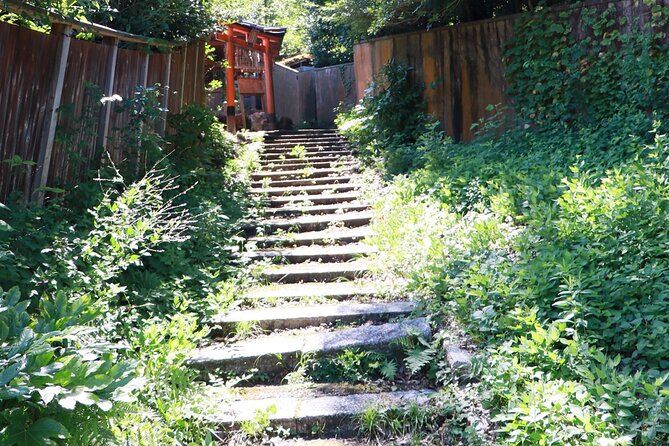
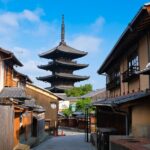
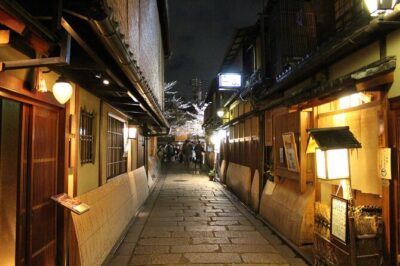
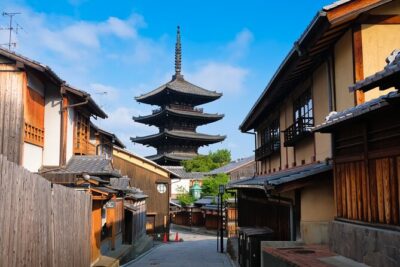
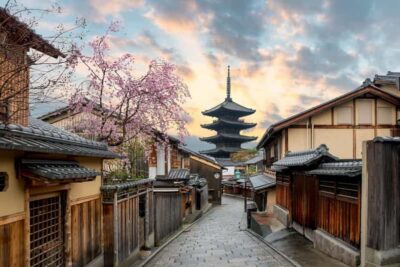
One of the first “historic area” style stops is described as a place that has continued since the Edo period, centered in Kyoto, with streets lined by restaurants and teahouses.
What you’ll like here: this is the kind of Kyoto that feels like everyday life layered with tradition. It’s a good segment for getting oriented because you can spot the street rhythm—shopfronts, small lanes, and the way people move between tea, food, and quiet shrine visits.
One practical note: these older streets can be cozy and crowded depending on time of day, so if you’re chasing calm, aim for earlier timing or ask your guide to steer you toward quieter corners.
Higashiyama shrine time: blessings, power spots, and perspective
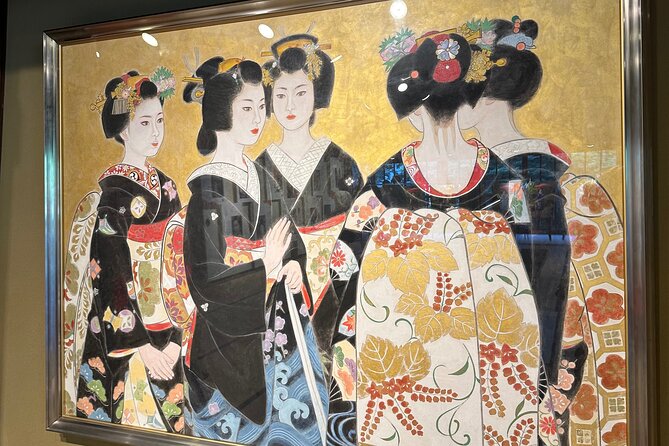
Another stop is a historic shrine in Higashiyama where people go for blessings—warding off misfortunes and supporting prosperity in business. The route description also mentions hidden “power spots.”
In Kyoto, shrine visits are often more than sightseeing. You get a better read on local habits when you’re guided through what the place is known for and how locals experience it. A guide can also help you understand why some areas feel calmer than others inside the same complex.
Expect a slower, more thoughtful segment than you’d get if you were just snapping photos and moving on.
Other Kyoto tours and experiences to compare
Yasaka Shrine park walk: cherry blossom energy without forcing it
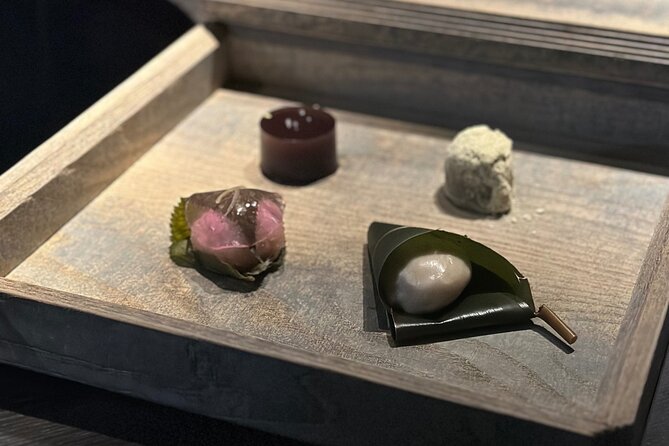
A “vast park located inside Yasaka Shrine” is included, noted for cherry blossom viewing. The tour description also says there are gems there that even locals may not know about.
If you’re not traveling in peak cherry season, you can still get value: parks inside major shrine areas give you space to slow down and reset. And since you’re in a private setting, you can spend time where the guide points out quiet corners rather than being swept by the biggest crowds.
Zen temple morning worship: when the routine is the attraction
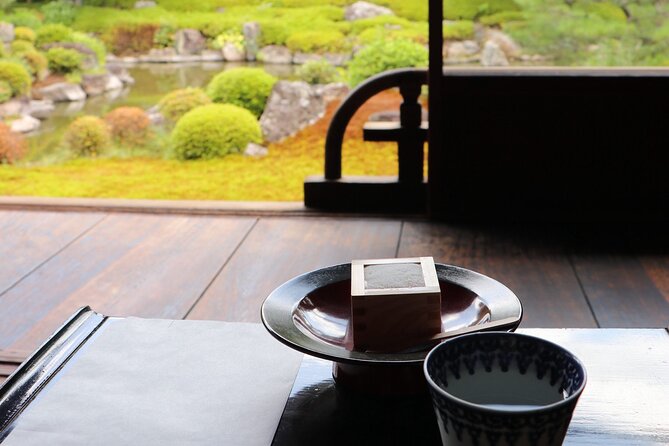
One of the more unique stops is a Zen temple in the Higashiyama area that is normally closed to the public. The tour includes a special morning worship, Zen meditation, and a tea ceremony experience.
This is the kind of stop that can change how Kyoto feels for you. Instead of treating temples as photo backdrops, you’re participating—listening, sitting, and experiencing the tempo that Zen practices cultivate.
Two practical considerations:
- Morning worship and meditation require you to follow the guide’s cues closely.
- This portion sounds time-sensitive, so if you have mobility concerns or you’re easily rushed, tell the guide early so they can set realistic expectations.
Another Zen temple with gardens and major treasures
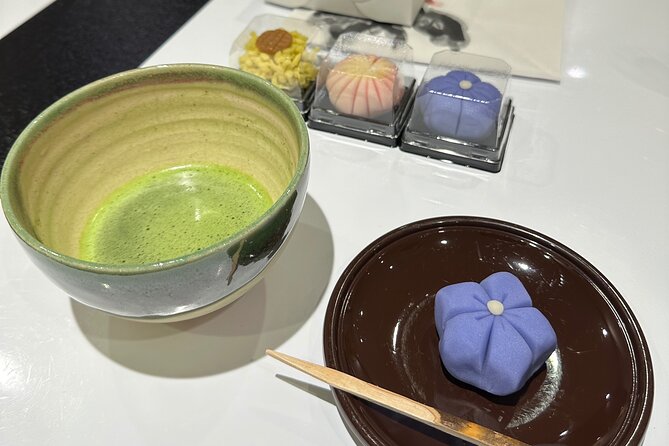
A different historic Zen temple stop is described as having a serene atmosphere and beautiful gardens, including national treasures. This one is positioned as tranquility in the middle of the city.
If you’re the type who likes gardens and quiet, you’ll probably appreciate the contrast: one temple segment is structured (morning worship), and this one is more about stillness and atmosphere.
In a short 2 to 3 hour window, temples like this are also a great way to “spend your attention well”—one complex, not ten quick checkboxes.
Geiko and maiko culture: performances and photo moments
A stop is listed as a must-visit for traditional culture, with time to relax and enjoy performances by geiko and maiko, plus memorable photos together. There’s also mention of cafe time while you overlook what’s happening.
This is one of the most “Kyoto-specific” segments you can add to a trip. Even if you don’t know the names or etiquette deeply, a guide can help you treat the experience respectfully—so you’re watching culture, not turning it into a show-and-tell.
The watch-out: timing and how performances work can vary by day and season. In a private tour, you’re better positioned to handle schedule changes, but keep your flexibility.
Gion district wandering: machiya streets and possible encounters
Gion is included as a traditional district with machiya townhouses and teahouses. The description mentions there might be a chance to encounter geiko and maiko, and your guide helps with lunch or dinner directions depending on your tour time.
This is a classic neighborhood for photos, yes. But in a private tour, I’d use it for two things:
1) Getting a feel for Kyoto’s street layout
2) Having someone steer you to good moments (quiet lanes, better viewing angles)
If your goal is Instagram-level scenery, ask your guide how long you’ll have in each section. Short time + too many photo stops can dilute the experience.
Sanjusangendo and the 1,001 Kannon statues pause
Another listed highlight is a historic temple lined with 1,001 Kannon statues. It’s described as having a unique atmosphere and being beloved by locals too.
This stop has built-in power because the “numbers” theme is part of the emotional impact. You’ll likely feel it more when you’re not racing. A guide can also point out how the space is experienced and what to look for beyond the main hall view.
Wagashi-making and a hands-on Japanese culture moment
After Sanjusangendo, the route includes a historic-building culture segment where you can create memories through wagashi (Japanese confectionery) making.
I love food-related activities in Kyoto because they force you to slow down and learn something practical. Even if your skill level is low, you’re participating in a tradition tied to seasonal taste and aesthetics.
A key detail: the tour info says lunch isn’t included for cultural experiences such as tea ceremony or wagashi-making. That means your overall food plan depends on which activities you choose in the 2 to 3 hour window.
Gojo area food focus: where locals eat
The itinerary includes Gojo area dining spots described as popular with locals. You can experience Kyoto food culture at a traditional town-style dining spot that just opened (as stated in the tour description).
If you want to eat like you’re living here for a day, this kind of stop helps. Kyoto has plenty of tourist-friendly restaurants—Gojo is presented as more local in feel.
Because the tour is private and tailored, you should ask your guide what the meal is best for: quick bite, sit-down dinner, or a lighter tasting style.
Tea ceremony and flower arrangement outside the busiest lanes
A listed option is a tea ceremony and flower arrangement lesson from a master of the tradition in a private space, described as a little outside the bustling city.
You’ll like this if you want a break from street noise. A “private space” setting is also where flower arranging can be especially worth it—less distraction, more attention to the details.
Again, meal bundling can shift depending on whether you’re doing cultural experiences. If you’re hungry, confirm what’s included in your specific tour time slot.
Kyoto Imperial Palace grounds: architecture plus quieter corners
A historical palace stop is included—where emperors of Japan resided. The grounds are described as having traditional architecture and scenery, plus lesser-known shrines and enclosures.
This is another contrast stop: Gion and Higashiyama feel like Kyoto’s “street and temple day.” The Imperial Palace adds a government/imperial layer and a different kind of calm.
If your bucket list includes big Kyoto names but you also want breathing room, this works well.
Kiyamachi Street to close: night energy with an end point
The tour can conclude on Kiyamachi Street, lined with newer restaurants and bars, presented as a perfect place to enjoy an evening in Kyoto.
I like ending on a street like this because it gives you freedom after the organized portion. You’ve learned your way around a few key areas, and now you can pick your next move—dessert, a local drink, or a final photo before calling it a night.
What I think this tour is best for (and who should skip it)
This fits best if you:
- Want private pacing and a guide to steer you
- Care about at least one hands-on cultural activity (tea, wagashi, flower arrangement)
- Prefer short, focused segments rather than full-day temple marathons
- Like food time built into the plan, not as an afterthought
It may not be ideal if you:
- Need a guide with specific licensing credentials
- Expect a strict route that hits every single listed stop no matter what
- Don’t want to do any walking between neighborhoods
Should you book this SunnySight Japan Kyoto private tour?
Yes, I’d book it if you’re trying to get the Kyoto feel without getting stuck in ticket lines and decision fatigue. The biggest reason is the mix: temples plus culture experiences plus food, all coordinated for your group.
Before you pay, do two things:
- Send clear priorities in advance—tea vs. Zen vs. food vs. Gion culture watching—so they can shape the short 2 to 3 hours well.
- Double-check what’s included for your chosen time slot (lunch vs. dinner, and whether a cultural experience affects meal inclusion).
If you want a Kyoto day that feels personal and practical—without spending the whole trip planning—this is a strong fit.
FAQ
How long is the private Kyoto tour?
It runs about 2 to 3 hours, depending on the chosen route and experiences.
What does the price of $150 per person include?
The price can include lunch (for tours starting at 10:00), dinner (for night tours), bottled water, entrance fees, experience fees (tea ceremony, flower arrangement, wagashi-making), and an in-person guide. Night tours also include alcoholic drinks for travelers 20 and older.
Is pickup included?
Pickup is offered, but the tour also lists a specific meeting point at Edion – Kyoto Kawaramachi Main Store. You’ll be taken to a gallery near Kyoto Kiyamachi Gate Hotel to end the tour.
Do they provide tickets on your phone?
Yes, the tour includes a mobile ticket.
Can you accommodate dietary restrictions?
Yes. They state they can accommodate dietary needs such as vegetarian, vegan, and gluten-free. You should list your requirements at booking.
Are alcoholic drinks included on night tours?
Yes. Alcoholic beverages are included for the night tour for travelers 20 years old and above; anyone under 20 is served nonalcoholic drinks.
What if you need to cancel last minute?
They offer free cancellation. You can cancel up to 24 hours in advance for a full refund; changes made within 24 hours aren’t accepted.
More Tours in Kyoto
More Tour Reviews in Kyoto
More Private Tours of Kyoto
Just added: more Kyoto tours to browse

Kyoto Private Guided Tours, compared.
 ★ 5.0Private Kyoto Tour with a Local, Highlights & Hidden Gems, PersonalisedFrom $1021,543 reviews
 ★ 5.0Kyoto 6hr Private Tour with Government-Licensed GuideFrom $1551,369 reviews
 ★ 5.010 Must-see Spots in Kyoto One Day Private Tour (up to 7 people)From $1791,108 reviews
 ★ 5.0Kyoto 4hr Private Tour with Government-Licensed GuideFrom $109629 reviews
 ★ 4.8Private Tour with Local Licensed GuideFrom $106463 reviews
 ★ 5.0Private Kyoto Tour with Licensed Guide & Vehicle (Max 15 persons)From $634417 reviews
 ★ 5.0Kyoto Customized Private Tour: See Top Attractions in 1 DayFrom $132342 reviews
 ★ 4.6Kyoto/Osaka: Kyoto and Nara Customized Private Guided TourFrom $477258 reviews
Browse the lists this tour appears in