
Reviewed · KYOTO TEA CEREMONIES
7hr Private Wazuka True Hidden Kyoto Matcha Farm Experience
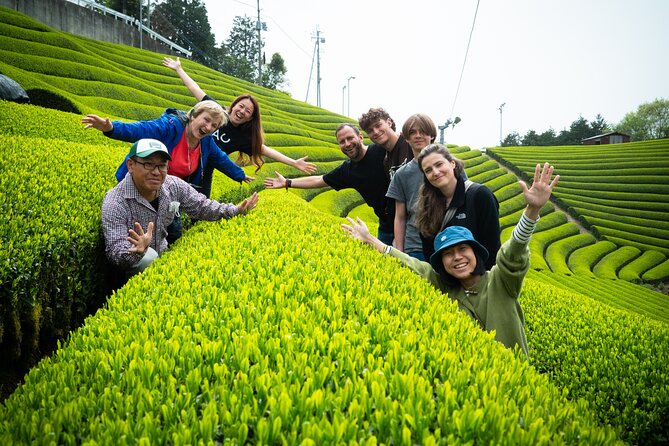
Matcha tea tastes better in the tea fields. This 6-hour private Wazuka experience is led by a 5th-generation matcha farmer and takes you to two local farms for end-to-end learning, lunch set, and tastings. I especially like how it’s hands-on with your senses (smell, taste, and walk-through farm time), but the farm access can be bumpy and muddy, so plan for real ground, not a showroom path.
You’ll also get a standout payoff: premium matcha to take home from a farm previously owned by the Imperial Family. Add in pickup options, a traditional Japanese-style home lunch, and a ceremony-style tasting feel, and you have a private day in rural Kyoto that’s not about lining up or rushing through tea displays.
In This Review
- Key highlights worth your attention
- Why Wazuka feels different from city matcha stops
- Meet your 5th-generation matcha farmer and learn the full chain
- Two farms, two viewpoints, one practical matcha education
- Lunch set in a traditional Japanese home (and why it’s not a throwaway stop)
- Matcha tasting and tea tasting: learn what to notice
- The workshop moment: turning learning into a skill
- Take-home premium matcha from Imperial Family legacy
- Price and value: what $520 per person is really buying
- Who this tour is for (and who should think twice)
- Small practical notes for a smoother day
- Should you book this Wazuka matcha farm experience?
- FAQ
- How long does the matcha farm experience last?
- Where does the tour start and end?
- What time does it start?
- Is this a private tour?
- Do you offer pickup?
- How many matcha farms do you visit?
- Is lunch and tea tasting included?
- Can I take matcha home?
- Is the booking refundable or changeable?
Key highlights worth your attention
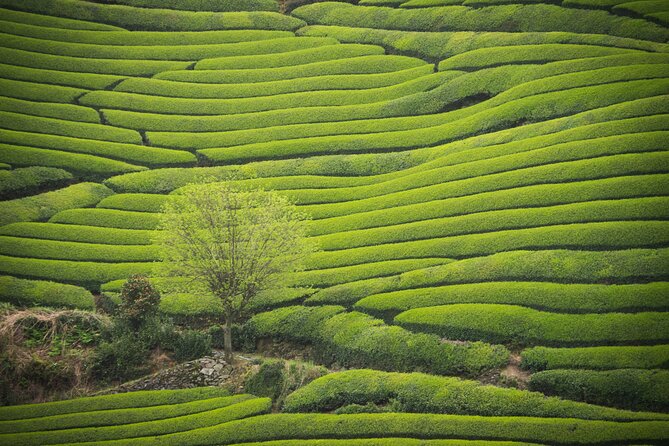
- A local host who is a 5th-generation matcha farmer, so the story starts at the source
- Two different matcha farms so you can compare how tea is grown and processed
- Lunch in a traditional Japanese-style home, paired with matcha lunch-set time
- Matcha tasting plus tea tasting, with guidance on what you’re noticing
- Take-home premium matcha from a farm tied to the Imperial Family legacy
Why Wazuka feels different from city matcha stops
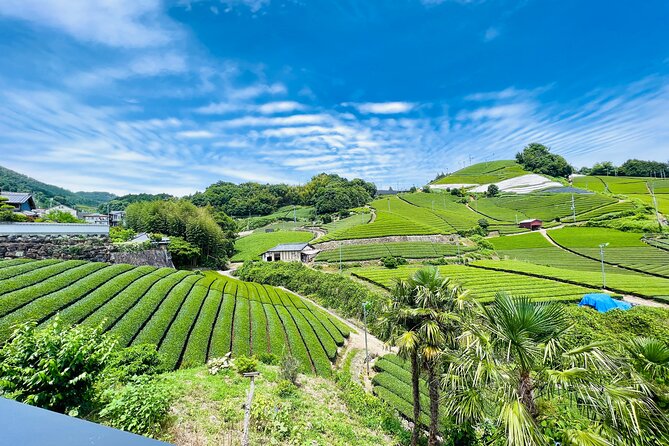
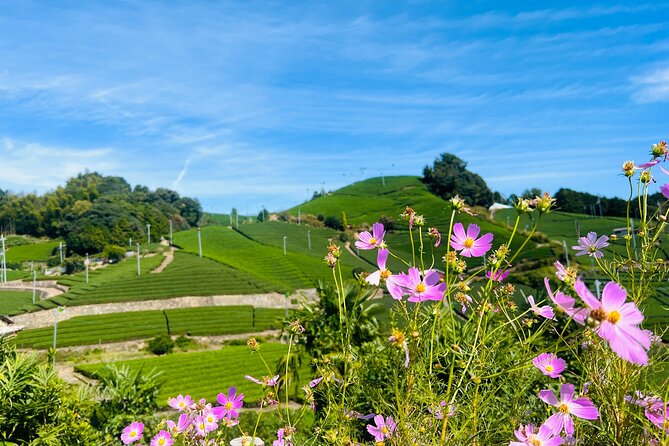
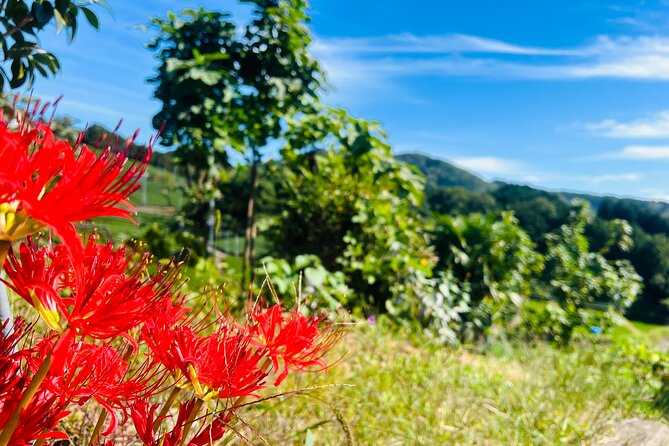
Wazuka sits in rural Kyoto Prefecture, where tea fields roll out like they were drawn with a ruler. That matters, because matcha is easier to understand when you see the real landscape that creates it—especially when the tour stays private and you’re not sharing the experience with a crowd.
This tour starts at Wazuka-cha CafeJapan at 10:00 am and ends back at the same meeting point. If you like your food experiences with actual context, you’re in the right place: you’re not just tasting matcha; you’re learning how the whole chain works, from tea picking to processing to a ceremony-style moment.
Still mapping out your days? A few more Kyoto Prefecture tours worth a look.

Meet your 5th-generation matcha farmer and learn the full chain
The core of the day is simple: you’ll learn matcha from the person who lives it. Your host is a 5th-generation matcha tea farmer, and that lineage shows up in how the explanation flows—straight from farm practice to the final tea experience.
You’ll hear about how tea making in this region connects to a tradition that stretches back about 800 years. That’s not trivia you forget five minutes later. It gives you a framework for why certain steps matter, and why matcha isn’t just a flavor—it’s a method.
From there, the learning is designed as an end-to-end walkthrough. You’ll get your bearings on tea picking, processing, and the way matcha is prepared and enjoyed in a more ceremonial style. Even if you’re not a tea expert, you’ll know what questions to ask by the time you reach the tasting portions.
Two farms, two viewpoints, one practical matcha education
One of the strongest parts is that you visit two local matcha farms. That’s a big deal, because matcha isn’t one single product. It reflects growing choices, processing steps, and how producers handle the details.
Between farms, you’ll walk through the tea-growing areas and learn how the farms function day to day. This is also where practical wear matters. The experience notes that farm access can be bumpy and muddy, so bring shoes you trust on uneven ground. If you come in fresh sneakers, you might end up doing a slow, careful shuffle like it’s part of the workshop.
The pace stays personal since it’s private. You’re free to ask questions when something clicks—like why certain steps come before others, or what you should pay attention to during tasting.
Lunch set in a traditional Japanese home (and why it’s not a throwaway stop)
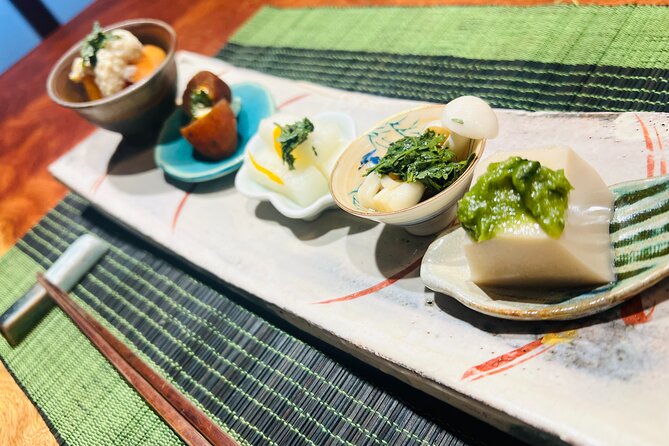
The meal isn’t an add-on. You’ll enjoy a delicately crafted matcha lunch set in a traditional Japanese-style home, designed as part of the experience rather than a rushed restaurant pit stop.
This is a useful moment because it connects matcha to food, not just to sipping. You can taste how matcha fits into a broader plate, and it helps your brain stop treating matcha like a standalone drink.
If you’re the type who likes to understand what you’re eating, this segment is where the story becomes personal. You’ll get matcha tasting and tea tasting too, so lunch becomes a mid-day anchor point instead of a detour.
Matcha tasting and tea tasting: learn what to notice
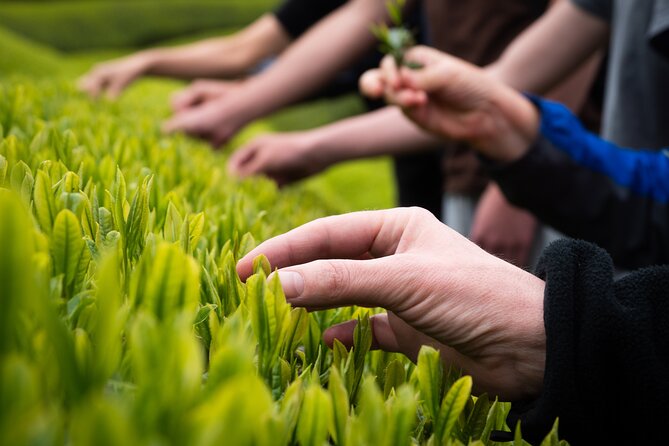
The tasting portion is where many matcha experiences fall flat—either you taste a lot with no guidance, or you get one quick sip and move on. Here, the emphasis is on learning through your senses.
You’ll participate in matcha tasting and tea tasting, with a local explanation of what you’re experiencing. Since you also tour the farms and see the processing steps, your tasting isn’t random. It ties back to the choices made earlier.
You’ll also get a sense for the difference between simply drinking matcha and understanding why it’s prepared the way it is. That ceremony-style angle doesn’t mean you’re being lectured. It’s more like a calm structure that tells you where to focus.



The workshop moment: turning learning into a skill
A key part of the experience is a matcha workshop component. That’s valuable because it moves you beyond listening and tasting into doing something with what you learned.
The tour is built around matcha making as a process, so the workshop fits naturally after the farm walk-through and tasting guidance. Think of it as the point where you stop being a spectator and start handling the experience directly.
This is especially worthwhile if you’re the kind of person who buys products but wants the why behind them. Even if your technique isn’t perfect, you’ll leave with a better understanding of how matcha is approached at the source.
Take-home premium matcha from Imperial Family legacy
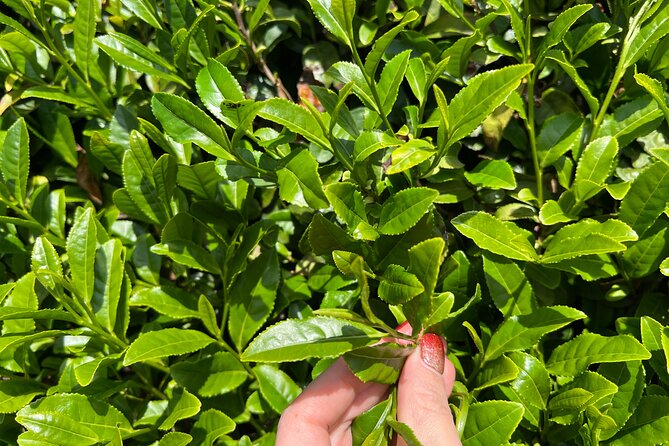
The day closes with a memorable souvenir: you’ll take home premium matcha from a farm previously owned by the Imperial Family.
That kind of origin story can turn into marketing talk fast, but here it works because you’ve already seen the farms and the process. When you pack that matcha to take home, it’s more than a souvenir tin. It’s evidence that you were part of a real supply chain and a real tradition.
Also, since the tour is private, you’re more likely to walk away with a clear sense of how you should use what you buy. You’ll have the context from tasting and workshop time, so you can make better decisions when it comes to brewing and serving at home.
Price and value: what $520 per person is really buying
At $520.00 per person, this tour is not a casual add-on. But it also isn’t a bare-minimum half day with a single photo stop.
What helps justify the price is the package you’re actually getting: a private tour, pickup offered, time with a 5th-generation matcha farmer, visits to two farms, a matcha lunch set in a traditional Japanese-style home, matcha tasting and tea tasting, workshop time, and premium matcha you can take home.
And because it’s private, you get the benefit of fewer distractions and a pace that fits your questions. That’s often where food-focused experiences either become worth the money or feel like an expensive tutorial.
Scheduling-wise, it helps to book ahead. The experience is typically reserved about 35 days in advance on average, so if Wazuka and matcha are a priority in your Kyoto plan, lock it in earlier rather than later.
Who this tour is for (and who should think twice)
You’ll likely love this if:
- you want a private day that doesn’t feel like a conveyor belt
- you care about how food and drink are made, not just how they taste
- you’re a matcha fan who wants to compare farms and learn process details
You might want to rethink it if you’re hoping for a low-movement tour. The farm access can be bumpy and muddy, and you’ll walk through tea fields as part of the experience. If you need smooth, even surfaces, consider that up front.
It also helps if you can enjoy a rural pace. Wazuka’s strength is calm and craft. If you’re rushing for city sights, this is probably the wrong main event. But if you want one day to slow down and taste with purpose, this fits well.
Small practical notes for a smoother day
A few details matter for comfort and enjoyment.
First, wear closed shoes you don’t mind getting dusty. The route and farm access can be bumpy and muddy. Second, since pickup is offered, confirm whether you’re using that service so you’re not balancing too many moving pieces the morning of.
You’ll also use a mobile ticket, and confirmation happens at booking. Finally, the experience is near public transportation, which can be reassuring if you’re building your day with Kyoto-based transit in mind.
Service animals are allowed, which is a helpful note if that applies to your group.
Should you book this Wazuka matcha farm experience?
If your idea of a great Kyoto day is matcha with real context—farms, process, tasting, workshop, and a meaningful take-home—then yes, this is the kind of tour that’s worth prioritizing. The private format is key, because it lets you ask questions and focus on the sensory parts that make matcha click.
If you’re mainly hunting for big-city sights, a super-quick stop, or a totally low-footing experience, you may find it too hands-on and too rural for your style.
My practical take: book it when matcha is a highlight for you and you can handle farm paths that are a bit rough. If that’s your plan, Wazuka becomes more than a side trip—it turns into a craft you can actually taste at home.
FAQ
How long does the matcha farm experience last?
The experience runs for about 6 hours (approx.).
Where does the tour start and end?
It starts at Wazuka-cha CafeJapan (619-1222 Kyoto, Soraku District, Wazuka, Shirasu, Ōhazama35 グリンティ和束 1階) and ends back at the same meeting point.
What time does it start?
The start time is 10:00 am.
Is this a private tour?
Yes. It’s a private tour/activity, and only your group participates.
Do you offer pickup?
Pickup is offered.
How many matcha farms do you visit?
You visit 2 local matcha tea farms.
Is lunch and tea tasting included?
Yes. You’ll enjoy a matcha lunch set in a traditional Japanese-style home, plus participate in matcha tasting and tea tasting.
Can I take matcha home?
Yes. You’ll take home premium matcha from a farm previously owned by the Imperial Family.
Is the booking refundable or changeable?
No. The experience is non-refundable and cannot be changed for any reason.
More Tour Reviews in Kyoto Prefecture
Just added: more Kyoto Prefecture tours to browse





Kyoto Tea Ceremonies, compared.
 ★ 4.9Tea Ceremony in a Traditional Tea House in KiyomizuFrom $493,519 reviews
 ★ 4.9Tea Ceremony Ju-An at Jotokuji TempleFrom $293,207 reviews
 ★ 4.345-Minute Tea Ceremony Lesson ExperienceFrom $222,378 reviews
 ★ 4.9Table-Style Tea Ceremony at a Kyo-MachiyaFrom $451,211 reviews
 ★ 5.0Kimono Tea Ceremony at Kyoto Maikoya, NISHIKIFrom $65911 reviews
 ★ 5.0Arashiyama Bamboo Forest, Monkeys, Matcha & Temple TourFrom $53759 reviews
 ★ 4.9Tea Museum Tickets and Matcha Grinding ExperienceFrom $23739 reviews
 ★ 4.9Kimono Tea Ceremony at Orizuruya GionFrom $49618 reviews
Browse the lists this tour appears in