
Reviewed · KYOTO BIKE & E-BIKE TOURS
Kyoto Satoyama Cycling with Lunch and English Guide
Breathe in rural Kyoto on electric bikes. I like how e-bikes make the Satoyama roads doable without feeling stressed, and I like that lunch is tied to the area—either soba-making (Course A) or local-produce dining in a traditional Japanese house (Course B). One thing to plan for: if you add extras like Mario Mountain exploration, the day can run past 2 PM.
Sonobe is in Kyoto Prefecture, yet it feels a world away from city bustle. You’ll hear birds and catch the sound of the river as you ride, and the whole experience is only about a 30-minute train ride from Kyoto City, so it works even if your Kyoto days are tightly scheduled. I also value the local, English-speaking guidance—people highlight guides born and raised in Sonobe, including Maki, who’s known for clear instructions at each stop.
If you want culture beyond temples, you can add it. Options include a kimono photo opportunity and free time playing the koto, plus drinking spring water (over a small mountain) and Mario Mountain exploration. The main trade-off is simple: you can only choose a couple of extras, so decide what matters most before you start.
In This Review
- Quick takeaways before you book
- Why Sonobe feels like another Kyoto, and how the day flows
- E-bike riding in the countryside: easy effort, real scenery
- Stop 1: Ikimi Tenmangu Shrine and the learning vibe
- Stop 2: Sonobe Castle ruins, now tied to a high school gate
- Stop 3 and your Course choice: soba workshop at an old school, or lunch in a traditional house
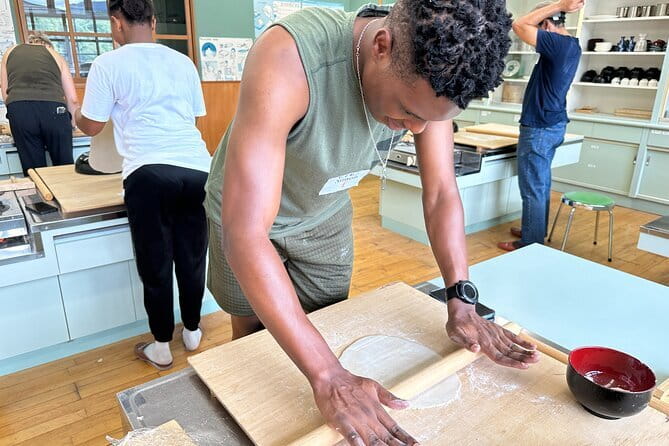
- Course A: hands-on soba at the old elementary school
- Course B: local produce lunch in a traditional Japanese house
- Either way: lunch is designed to match real local rhythm
- Stop 4: Make Shrine and the agriculture spirit of Tanba
- Extra experiences you can add: kimono, koto, spring water, and Mario mountain
- Price and value: what 15,000 yen really buys you
- Who this is best for (and who should think twice)
- Should you book Kyoto Satoyama Cycling with Lunch and English Guide?
- FAQ
- Where is the meeting point and what time does the tour start?
- How long is the cycling tour?
- What are the lunch options: Course A vs Course B?
- Are meals included in the tour price?
- Do you have an English-speaking guide?
- Is this a private tour?
- What extra experiences can I add during the tour?
- How many extra experiences can I choose?
- Does it work for people who aren’t experienced cyclists?
- What happens if the weather is bad?
Quick takeaways before you book
- E-bikes + short rides: travel between points is roughly 10 to 20 minutes, so the pace stays friendly.
- Lunch that actually feels local: Course A includes a hands-on soba session; Course B centers on local produce at a traditional house.
- Shrines and castle remnants, with meaning: you stop at an academic-focused Tenmangu shrine, plus Sonobe Castle ruins used today as a school gate.
- Extra experiences included: choose two or three add-ons such as kimono photos, koto, spring water, and Mario Mountain exploration.
- Guides do the heavy lifting: safety gear is provided, and winter riders have been supported with warmers like hand warmers and neck warmers.
Why Sonobe feels like another Kyoto, and how the day flows
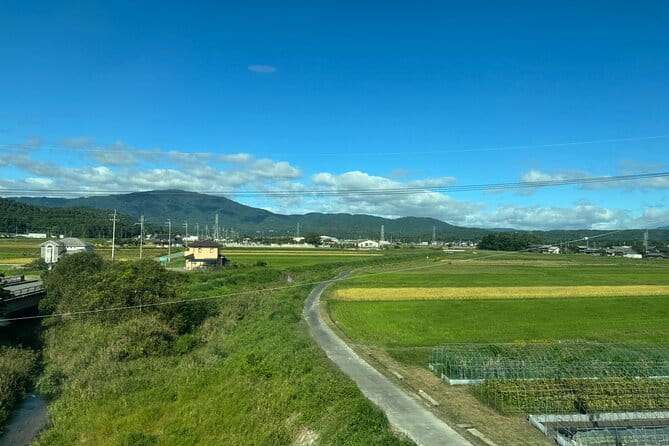
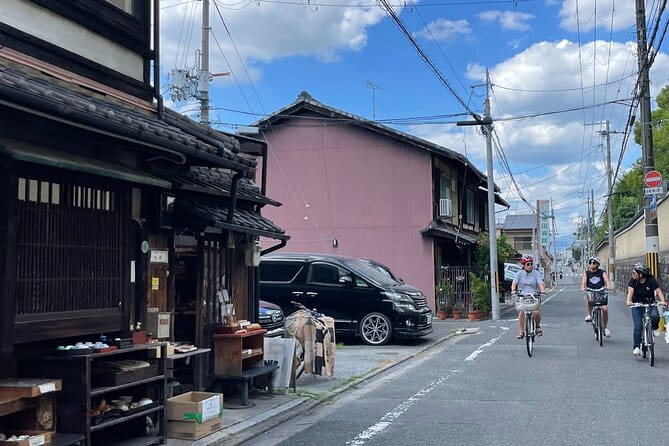
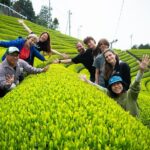
This tour is built around Sonobe, a rural area in Kyoto Prefecture that still feels distinctly countryside. That matters, because you’re not just sightseeing—you’re seeing how people live and grow food, with quiet paths, small shrines, and river sounds mixed in.
You’ll meet at Mizobe-6-21 Sonobechō Oyama Higashimachi, Nantan, Kyoto (622-0041). Start time is 10:00 AM, and the tour lasts about 4 to 5 hours, with ride time included between stops. If you like day trips that don’t consume your whole itinerary, this timing is a good fit.
Also, it’s set up as a private tour: it’s only your group. That’s a real advantage on a countryside route, where you want your pace and your guide’s attention—especially if you’re traveling with kids, planning photos, or dealing with dietary needs.
More of Kyoto Prefecture at handlebar pace

E-bike riding in the countryside: easy effort, real scenery
The big practical win is the electric bike. The roads between stops aren’t described as long or punishing, and the travel between points is about 10 to 20 minutes each. Translation: you get motion and fresh air without turning your day into a workout test.
Safety support is part of the plan. The tour provides safety equipment, and in colder conditions, riders have been supported with disposable warmers like hand warmers and neck warmers. That’s not glamorous, but it’s exactly what you want in winter when everyone else is thinking about indoor plans.
One more detail that affects how the day feels: this isn’t a “ride fast and see everything” tour. The stops are built in at a comfortable rhythm—quick shrine and castle moments, then a longer hands-on workshop, then another shrine—so you’re not rushing for the sake of rushing.
Stop 1: Ikimi Tenmangu Shrine and the learning vibe
Your first stop is Ikimi Tenmangu Shrine, described as the oldest Tenmangu shrine in Japan. Tenmangu shrines are dedicated to Sugawara no Michizane, the god of learning, and the site is known for exam prayers.
Even if you’re not deep into shrine etiquette, this stop is easy to appreciate. It’s a short visit (about 10 minutes), so it works as a calm start before the cycling portion ramps up. You’ll also get that distinctly Japanese sense of purpose—people aren’t sightseeing randomly; they’re coming with intentions.
A possible drawback here is time density. Because it’s only around 10 minutes, you’ll want to be ready with basic photo positioning and questions if you want deeper context. If you tend to linger slowly at religious sites, Course A’s longer soba workshop will still balance the day.
Stop 2: Sonobe Castle ruins, now tied to a high school gate
Next you’ll see the ruins of Sonobe Castle. The remaining structures include the main gate, castle walls, turrets, and a guardhouse. What makes this stop special is its current use: the castle remnant functions as the main gate of Sonobe High School.
It’s free to visit and it’s allotted about 20 minutes. I like stops like this because they connect old Japan to everyday life right now, not as a museum piece. You get a sense of continuity: stone and shape from centuries ago, repurposed in a modern setting.
One consideration: if you love big, intact castles with lots of room to roam, your time here may feel compact. This is a ruins-and-gate kind of experience, not a sprawling castle grounds afternoon.
Stop 3 and your Course choice: soba workshop at an old school, or lunch in a traditional house
This is the heart of the tour, and your course choice changes the middle of the day.


Course A: hands-on soba at the old elementary school
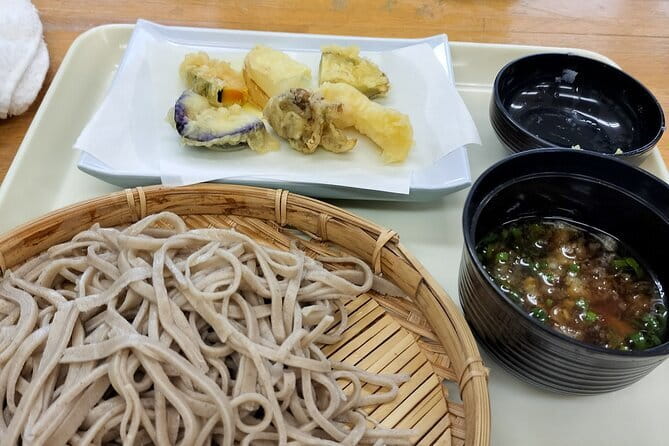
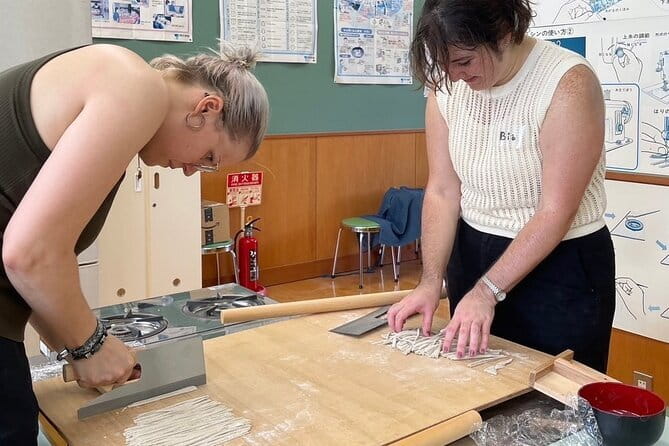
Course A centers on the area in front of a closed elementary school, where you can make buckwheat soba using buckwheat harvested locally. You’ll then enjoy freshly boiled soba, and the meal is also described with tempura and rice balls.
The session length is long—about 1 hour 50 minutes. That’s great if you want to do something with your hands, not just watch. It also slows the day down in a good way, giving you time to ask questions about ingredients and technique without feeling rushed.
A small practical note: this stop is the main “sit still and participate” block. If you’re bringing people who get restless, this is still usually workable because it’s an activity, but it’s not a quick photo stop.
Course B: local produce lunch in a traditional Japanese house
Course B shifts the spotlight from making noodles to tasting. You’ll have local produce at a restaurant in a traditional Japanese house.
The tour summary doesn’t give the exact dish list for Course B, but it does make clear the focus: local ingredients served in a setting that looks and feels like Japan rather than a generic restaurant. If you’d rather eat than cook, this can feel like a calmer choice.
Either way: lunch is designed to match real local rhythm
Both courses are meant to be lunch you remember, not just fuel. If you have dietary needs, you can request vegan, vegetarian, or allergy-friendly meals, which is a big quality-of-life upgrade on a food-focused day.
Stop 4: Make Shrine and the agriculture spirit of Tanba
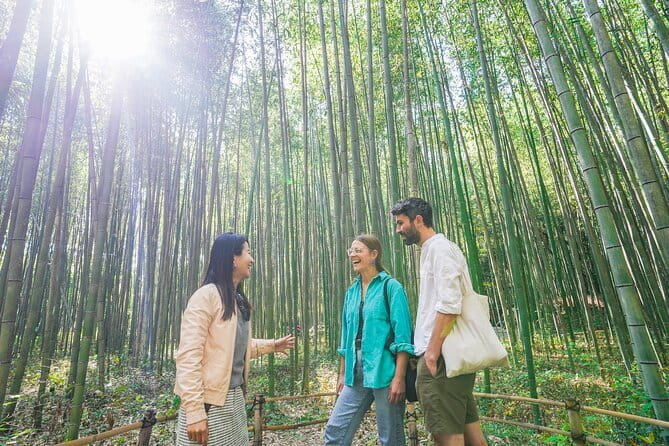
The final core stop is Make Shrine, dedicated to the god of agriculture from the Tanba region. Historically, Tanba supported Kyoto’s food supply, so the theme here connects perfectly to what you’re doing that day: riding through rural areas and eating local food.
This shrine also has a traditional thatched roof main hall. You’ll spend about 30 minutes here, and the tour includes learning about proper worship, which helps if you want to do more than look.
If you’re the type who likes to understand what you’re seeing, this stop often lands well because it ties the scenery and the meal together under one theme: food, farming, and gratitude.
The one potential drawback is pacing. If you add multiple extras, you might finish the spiritual stops and then feel like you need to switch gears quickly again. If that’s your style, pick fewer add-ons so you can actually enjoy the closing moments.
Extra experiences you can add: kimono, koto, spring water, and Mario mountain
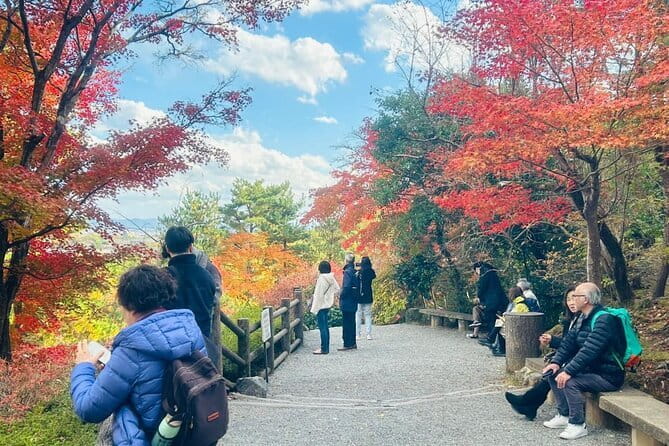
One of the most fun parts of this tour is that you’re not locked into a single idea of what a Kyoto day trip looks like. You can choose two or three extra experiences from the options, and they’re included in the tour price.
The list includes:
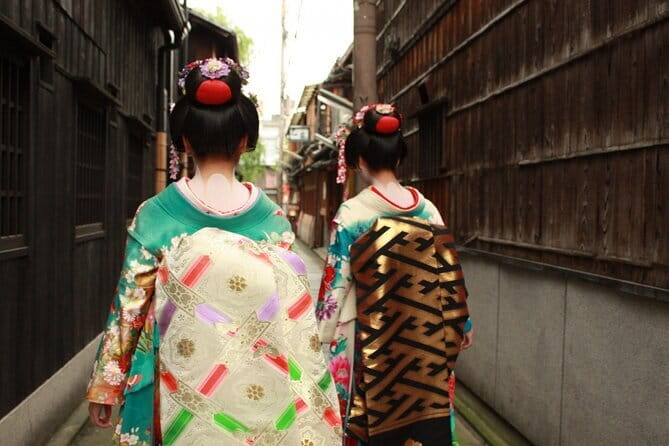
- Photo in a kimono
- Playing the traditional instrument koto
- Drinking spring water over a small mountain
- Mario Mountain exploration (listed as a birthplace exploration)
There are also additional options listed like extra castle visit and Shinto shrine worship. Practically, that means you can lean more into whatever you care about—food, temples, or the countryside ride itself.
How to decide: if your group is photo-heavy, prioritize kimono photos early. If you’re into hands-on culture, pick koto or the soba-related hands-on time (Course A does that already). If you’re bringing kids or you want playful momentum, Mario Mountain exploration can be a great energy switch.
Just remember the schedule note: adding certain extras, like Mario Mountain exploration, can push the tour past 2 PM. If you already have evening plans in Kyoto City, keep that buffer.
Price and value: what 15,000 yen really buys you
The participation fee is 15,000 yen per person (listed as $78.83). On paper, that sounds like a lot for a half-day—but for this specific day, the value is in what’s bundled.
You’re paying for:
- E-bikes for the countryside route
- A private experience for your group
- An English guide
- Multiple stops including shrines and castle remnants
- A meal that’s more than a quick box lunch
- Included extras (two or three choices) like kimono photo and koto
If you compare that to the cost of renting an e-bike solo, plus paying for guide time, plus buying a cultural activity and a proper meal, the pricing starts to look more reasonable. The “private group” part is especially important in rural areas—getting around independently can be harder than it looks.
Also, the tour works well for mixed ages and comfort levels because the e-bike does the hard work. That’s a big reason people rate it highly.
Who this is best for (and who should think twice)
This tour is a strong match if you want:
- A break from Kyoto City’s temple crowds
- A guided countryside day with English explanations
- A meal experience that feels tied to place
- Light-to-moderate activity without heavy cycling stress (e-bikes help a lot)
It’s also a nice option for groups. The private format makes it easier to keep kids, adults, and slower walkers comfortable.
If you’re the type who wants only major, famous sights with lots of time to linger, you may find some stops short. The tour has tight timing by design: quick shrine and castle moments, then the long soba or lunch block, then the final shrine.
Should you book Kyoto Satoyama Cycling with Lunch and English Guide?
I’d book it if you want a countryside Kyoto day that feels real, not staged. The combination of e-bike riding, shrine-and-castle stops, and lunch with a local theme makes this a balanced day. Add in optional extras like kimono photos or koto, and you get both calm cultural moments and playful activities.
I’d think twice if your schedule is ultra-tight and you don’t want any chance of running past 2 PM. If that’s your situation, choose your extras carefully and keep your evening commitments flexible.
FAQ
Where is the meeting point and what time does the tour start?
The meeting point is Mizobe-6-21 Sonobechō Oyama Higashimachi, Nantan, Kyoto 622-0041, Japan. The start time is 10:00 AM.
How long is the cycling tour?
The tour lasts about 4 to 5 hours. The duration includes bicycle travel time between points.
What are the lunch options: Course A vs Course B?
Course A includes hands-on soba noodle-making and a soba set meal. Course B focuses on local produce at a restaurant in a traditional Japanese house.
Are meals included in the tour price?
Yes. Your chosen course includes a lunch experience, and the tour also offers vegan, vegetarian, and allergy-friendly meals upon request.
Do you have an English-speaking guide?
Yes. The tour includes an English guide who is local to the area.
Is this a private tour?
Yes. It’s a private tour/activity, and only your group participates.
What extra experiences can I add during the tour?
You can choose two or three extra experiences from options that include a kimono photo, playing the koto, drinking spring water over a small mountain, and Mario Mountain exploration (plus options listed like extra castle visit and Shinto shrine worship).
How many extra experiences can I choose?
You can choose two or three extra experiences, and they are included in the tour price.
Does it work for people who aren’t experienced cyclists?
The tour notes that most travelers can participate, and it’s set up around electric bikes and short rides between stops.
What happens if the weather is bad?
The experience requires good weather. If it’s canceled due to poor weather, you’ll be notified and you’ll be offered a different date or a full refund.
More Cycling Tours in Kyoto Prefecture
More Tour Reviews in Kyoto Prefecture
More of Kyoto Prefecture by Bike
Just added: more Kyoto Prefecture tours to browse



Kyoto Bike & E-Bike Tours, compared.
 ★ 5.0Hidden Kyoto E-Biking tourFrom $1161,843 reviews
 ★ 5.0Bike Tour Exploring North Kyoto plus LunchFrom $1061,087 reviews
 ★ 5.0Arashiyama Bamboo Forest & Hidden Gems Bike Tour (Early Bird)From $106613 reviews
 ★ 5.05 Top Highlights of Kyoto Full Day Bike Tour (E-bike option)From $172511 reviews
 ★ 5.0Full Day Biking Tour Exploring the Best of KyotoFrom $119498 reviews
 ★ 4.8Memory Kyoto E-Bike TourFrom $91297 reviews
 ★ 5.0E-Bike Tours of the highlights of Kyoto!!!From $109291 reviews
 ★ 5.0Afternoon Kyoto Bike Tour: Bamboo Forest, Monkeys & Hidden SpotsFrom $106283 reviews
Browse the lists this tour appears in