
Reviewed · KYOTO COOKING CLASSES
Kyoto: Learn Sushi at cooking studio with 20 years history
A hot pan and cold fish make sense here. This Kyoto sushi cooking class puts dashi culture front and center while you learn hands-on sushi skills. I like that you start with Japanese flavor logic, not just shaping rice, and I also like the fact that it is taught by a hostess with a 20-year teaching track. The one thing to think about is the pace: it’s a compact 2-hour session, so you’ll want to come ready to cook and ask questions.
What makes this class feel practical is how much you do indoors, regardless of weather. You get to choose between Nigiri and Chirashi, and then you build the meal around dashi-based comfort food, including dashimaki (Japanese omelet), dashi soup, and a Kyoto-style dessert.
Location-wise, you’re close enough to Kyoto’s main transit points to fit this into a day that’s already packed. Small groups (limited to 10) also help, because you’re not trying to learn sushi techniques from the back row.
In This Review
- Key Highlights You’ll Actually Care About
- Kyoto Sushi Class: A Real Kitchen Experience, Not a Show
- Getting Oriented in the Studio Near Kyoto Station
- Dashi Culture and Flavor Logic: Why This Class Starts There
- Nigiri vs Chirashi: Pick Your Sushi Style and Then Make It
- Dashimaki Demo and Sushi Rice: The Two Skills You’ll Use Again
- From Dashi Soup to Included Kyoto Plates
- How Much Food You’ll Get in 2 Hours
- Price and Logistics: Is $96 Worth It?
- Who This Kyoto Class Is Best For (And Who Might Not Love It)
- Practical Tips Before You Go
- Should You Book This Kyoto Sushi Cooking Class?
- FAQ
- How long is the Kyoto sushi cooking class?
- What sushi styles can I choose from?
- Is the class indoors?
- What dishes are included in the class?
- Is alcohol included?
- Where do I meet for the class?
- How close is it to Kyoto Station and Shijo Subway?
- What’s the group size?
- Are there any age limits?
Key Highlights You’ll Actually Care About
- Dashi tasting early: you learn what makes Japanese soup flavor work, before you start rolling and topping.
- Nigiri or Chirashi choice: you can pick the sushi style that matches your taste and comfort level.
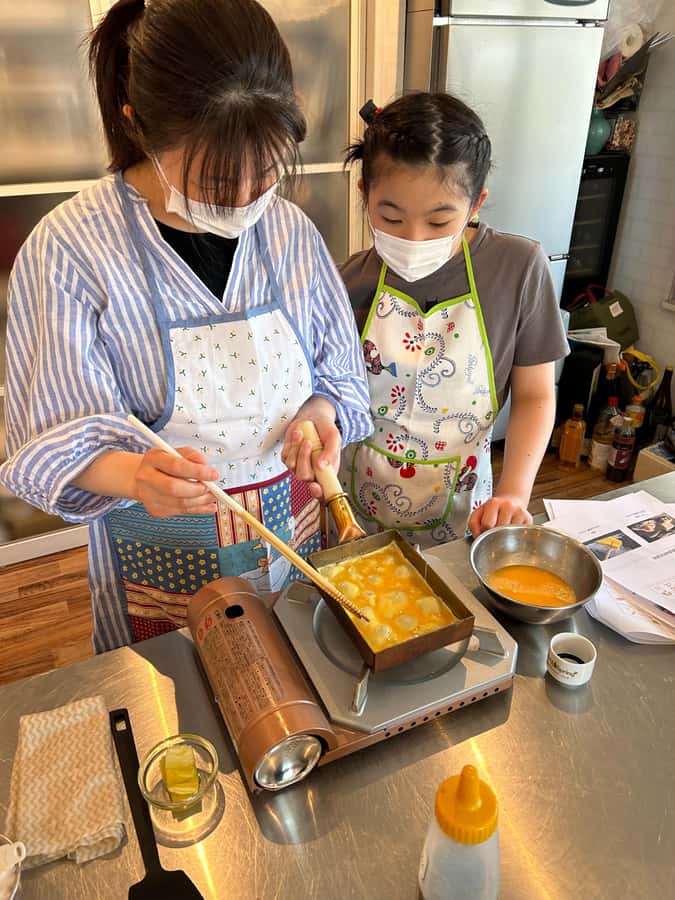
- Dashimaki demo by the hostess: you see how a classic Japanese omelet technique fits into the meal.
- Indoors in any weather: a kitchen studio experience, not a wander-through-food-market lesson.
- A full meal, not just sushi: dashimaki, dashi soup, namafu dengaku, and Mitarashi dumpling are included.
- Small group, limited to 10: more time with the teacher as you make sushi rice and assemble.
Kyoto Sushi Class: A Real Kitchen Experience, Not a Show
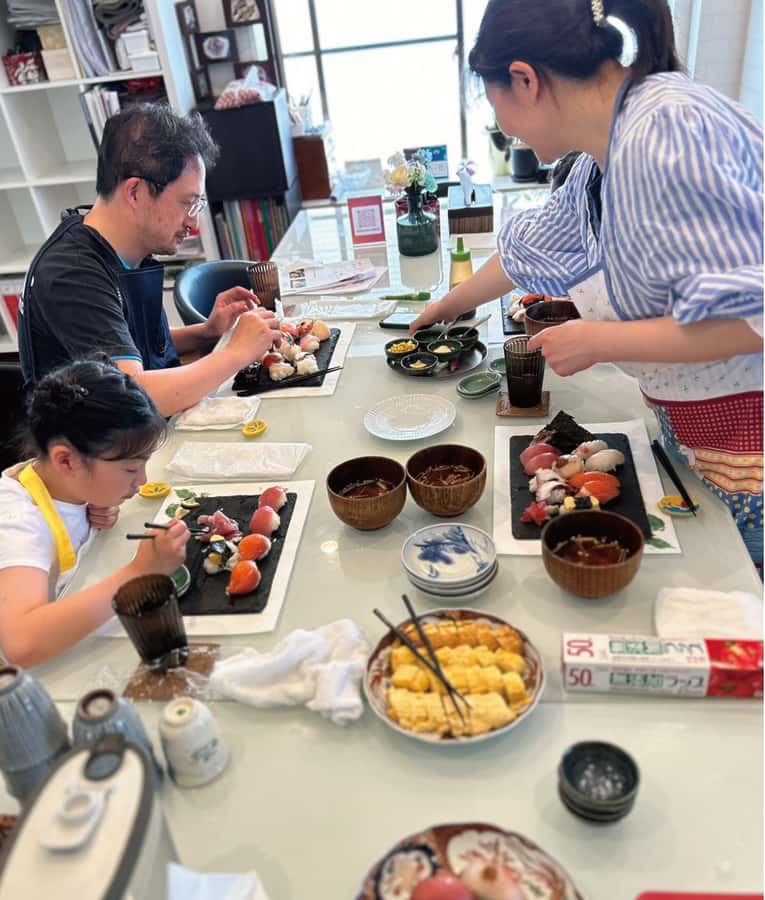
This is the kind of class that makes you feel like cooking is a skill you can bring home. The teaching approach matters: you aren’t just watching someone plate food. You’re learning the steps—how sushi rice works, how toppings are handled, and how dashi flavor ties the whole meal together.
I especially like the emphasis on dashi because it’s the backbone of so many Japanese dishes. If you’ve ever tasted Japanese soup and wondered why it tastes clean and deep at the same time, this is where that answer starts.
Still mapping out your days? A few more Kyoto Prefecture tours worth a look.

Getting Oriented in the Studio Near Kyoto Station
You’ll meet at Sumaya cooking class, on the 3rd floor of a hair salon called Salon Roll. The studio is convenient: it’s about 10 minutes from Kyoto Station and roughly 5 minutes from the Shijo Subway Station.
That matters because a cooking class can eat up your day fast if your meeting point is inconvenient. Here, you can realistically pair it with a visit to central Kyoto. Also, since it’s indoor, you don’t have to plan around weather the way you would for market tours or outdoor lessons.
Dashi Culture and Flavor Logic: Why This Class Starts There
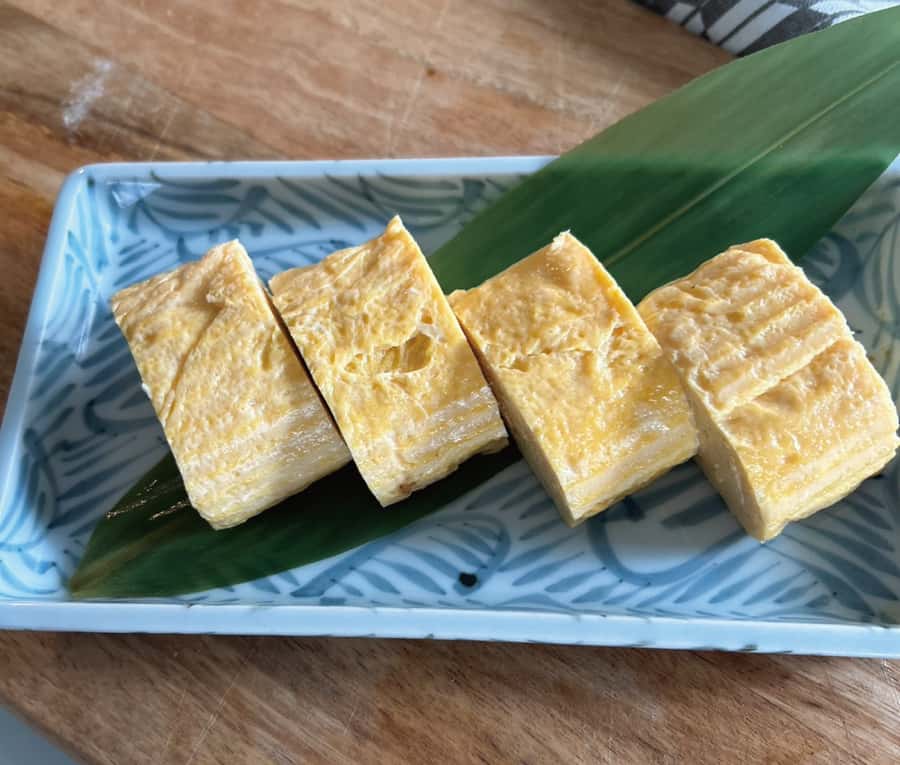
Before you build sushi, you’ll get a chance to connect with the flavor system. You’ll do dashi tasting, and you’ll see how that flavor shows up in the meal.
Dashi is simple on paper and subtle on the tongue. It’s not one big taste. It’s a layered base that supports everything else. That’s why tasting it first helps: when you later eat your finished nigiri or chirashi, you’ll understand what part of the experience is coming from the dashi world.
If you’re the type who wants food knowledge you can reuse, this start is a win. Even if you never make sushi again, you’ll leave with a clearer sense of how Japanese kitchens create depth without heaviness.
Nigiri vs Chirashi: Pick Your Sushi Style and Then Make It
One of the best parts is your choice: Nigiri sushi or Chirashi sushi.
- Nigiri is the classic, individual piece style. You’ll focus on rice texture and topping balance—how a piece should feel when it’s formed and eaten.
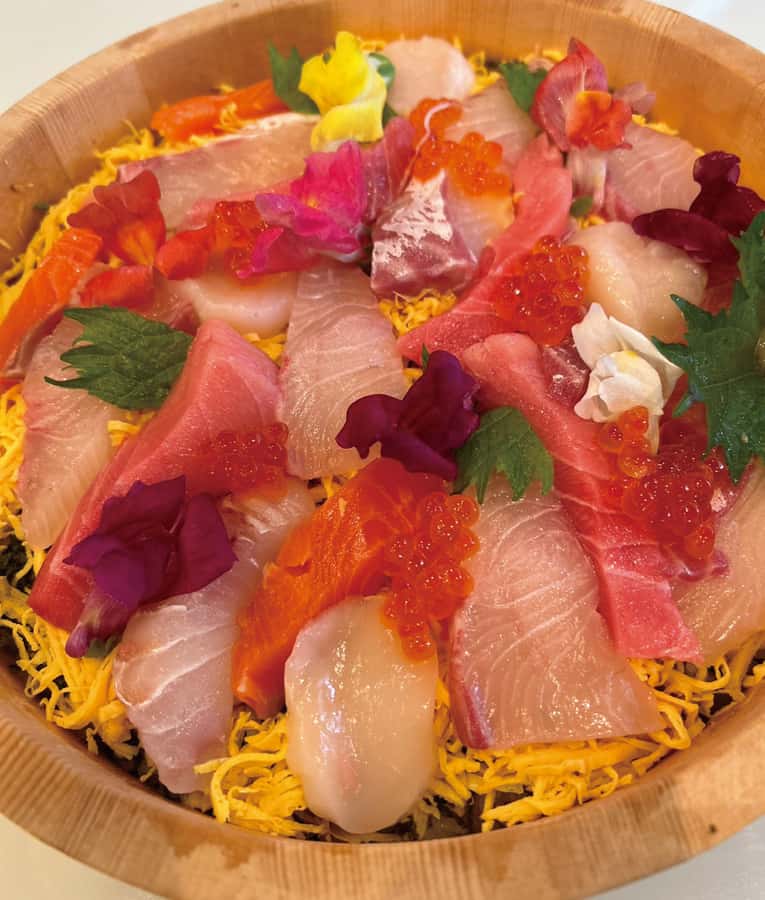
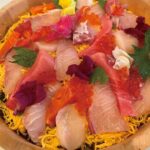
- Chirashi is sushi rice topped with a mix of ingredients—think seafood, egg, and vegetables arranged over the rice like a composed bowl.
This choice is practical. If you’re comfortable with precise hand work, nigiri can feel satisfying. If you want a slightly more flexible build, chirashi can match your rhythm better. Either way, you still learn the fundamentals: sushi rice preparation and the basics of assembling.
Dashimaki Demo and Sushi Rice: The Two Skills You’ll Use Again
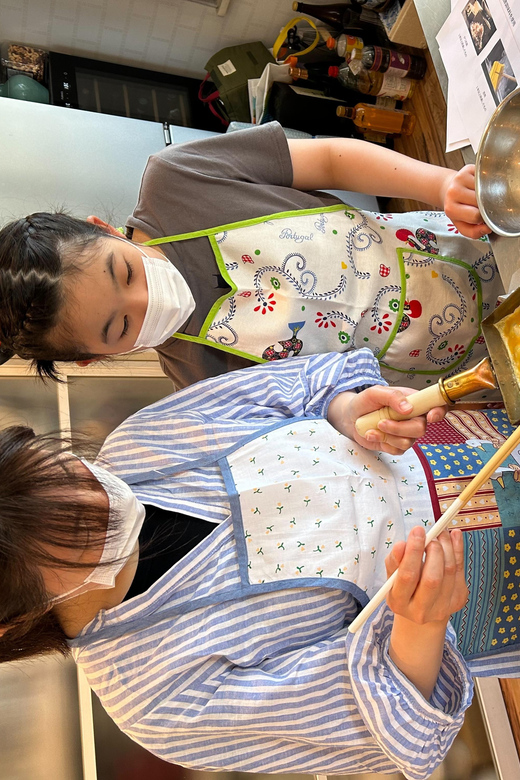
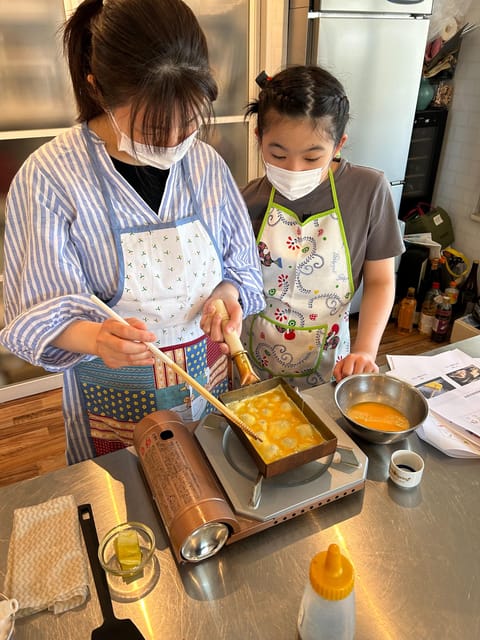
You’ll learn more than assembly. The schedule includes an explanation and demonstration of dashimaki, a Japanese style omelet (and yes, it’s part of the included meal). Seeing it made helps because it’s not just a side dish. It teaches technique and texture.
You’ll also work on sushi rice: making it and understanding how it behaves. Sushi rice isn’t just cooked rice. It’s seasoned rice engineered for temperature, stickiness, and bite.
In a short class, this is crucial. If you walk away knowing how rice should feel and behave, you’ll be able to recreate the foundation even if your toppings are different next time.




From Dashi Soup to Included Kyoto Plates
The class is designed so sushi isn’t floating alone. After the sushi-focused steps, you move into eating and learning the supporting dishes.
Here’s what’s included:
- Dashi soup
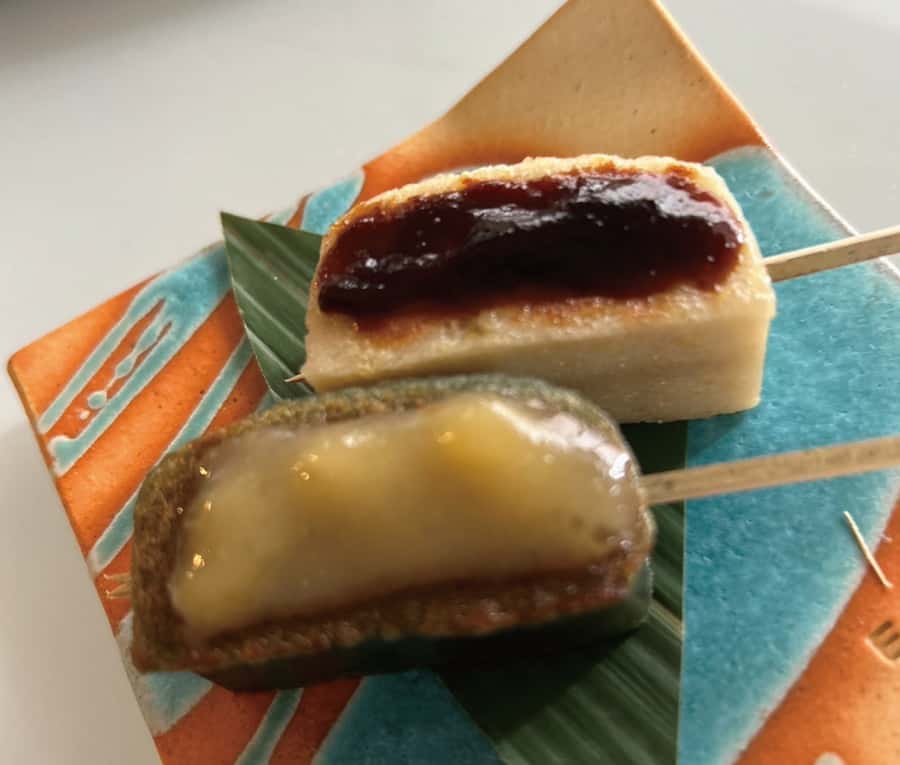
- Namafu dengaku
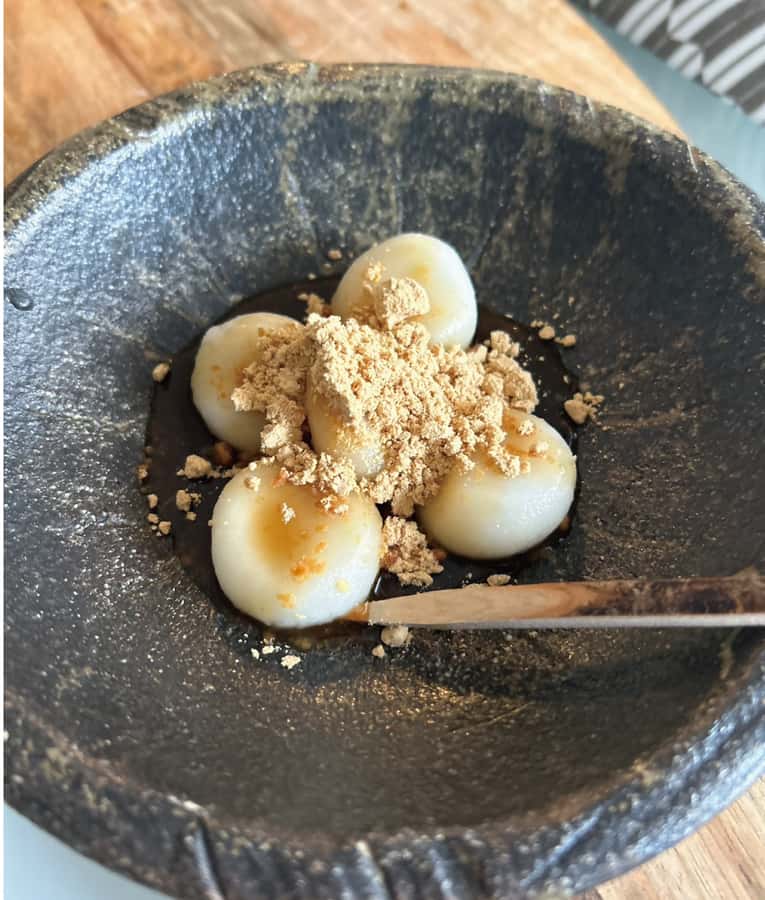
- Mitarashi dumpling
- Plus the dashimaki demonstration item tied into the meal
Dashi soup is the flavor reference point. When you taste it alongside your sushi, you’ll notice how the dashi world reinforces the whole menu. Namafu dengaku adds another Kyoto-style element with its own texture and savory profile, and Mitarashi dumpling gives you a sweet finish with that classic soy-based syrup vibe.
Also note: the class description says you’ll learn about sushi history and Japanese food appeal as part of the instruction. That helps the technique stick. You’re not memorizing steps; you’re understanding why the steps exist.
How Much Food You’ll Get in 2 Hours
A common worry with cooking classes is leaving still hungry. This one isn’t built that way. You’re making and eating multiple items, not just one small dish.
Between sushi (Nigiri or Chirashi), dashimaki, dashi soup, namafu dengaku, and Mitarashi dumpling, the meal feels complete. You also get the benefit of tasting as you go, which can make the experience feel fuller than the clock suggests.
That’s why I think the class is good value even if you’re not a “serious chef.” You’re paying for instruction plus a full meal experience, with ingredients and steps provided.
Price and Logistics: Is $96 Worth It?
At $96 per person for 2 hours, you might compare this to other Kyoto food activities. Here’s how I’d judge value:
You’re getting:
- Hands-on sushi instruction (not just a tasting)
- A dashi tasting component
- A dashimaki demonstration by the hostess
- A full included meal (not only sushi)
- A small group format limited to 10
Cooking classes in Japan often cost more than simple eating tours, but this one justifies the price by packing multiple techniques and dishes into one session. The location near major transit points also helps. You’re not spending your day losing time to far-off logistics.
One cost note: alcoholic drinks are available at an additional cost. If you’re watching your budget, plan on skipping those add-ons.
Who This Kyoto Class Is Best For (And Who Might Not Love It)
This experience fits best if you want a hands-on cultural activity that doesn’t require perfect Japanese or food-trivia hunting.
You’ll probably enjoy it if you:
- Like learning cooking techniques you can use later
- Want a break from line-heavy sightseeing
- Enjoy Japanese dashi flavors and want to understand them
- Prefer an indoor activity with a set start time and clear structure
You might not love it as much if:
- You hate fast-paced lessons and prefer slow, long meals
- You need very specific dietary accommodations beyond what you can clearly communicate at booking
Practical Tips Before You Go
- Share any food allergies or dietary restrictions at booking. Don’t wing it. This class asks you to specify so the kitchen can respond.
- Wear something comfortable. You’ll be seated and working in a kitchen environment.
- Come ready to taste dashi. It’s one of the key parts of the learning experience.
- If you’re choosing between nigiri and chirashi, pick based on how you like to cook: precise hand pieces vs a topped rice bowl.
Should You Book This Kyoto Sushi Cooking Class?
I’d book it if you want a structured, indoor Kyoto experience that teaches technique and gives you an actual meal to show for it. The combination of dashi tasting, dashimaki, and sushi assembly makes the learning feel grounded, not gimmicky. And the small-group setup means you can ask questions as you cook.
Skip it only if you’re looking for a laid-back, no-cooking food tour. This is about doing the work. If you show up with curiosity (and a willingness to roll up your sleeves), you’ll leave with new skills and a stronger sense of how Japanese flavors connect.
FAQ
How long is the Kyoto sushi cooking class?
The class lasts 2 hours.
What sushi styles can I choose from?
You can choose either Nigiri Sushi or Chirashi Sushi.
Is the class indoors?
Yes, it’s held indoors, so it runs regardless of the weather.
What dishes are included in the class?
All meals are provided, including Nigiri Sushi or Chirashi Sushi, dashimaki, dashi soup, Namafu Dengaku, and Mitarashi dumpling.
Is alcohol included?
Alcoholic drinks are available for an additional cost, so they are not included.
Where do I meet for the class?
You meet at Sumaya cooking class, on the 3rd floor of Salon Roll (a hair salon).
How close is it to Kyoto Station and Shijo Subway?
It’s about 10 minutes from Kyoto Station and about 5 minutes from the Shijo Subway Station.
What’s the group size?
It’s a small group limited to 10 participants.
Are there any age limits?
Babies under 1 year are not suitable for this activity.
More Tour Reviews in Kyoto Prefecture
Just added: more Kyoto Prefecture tours to browse




Kyoto Cooking Classes, compared.
 ★ 5.0Ramen Cooking Class at Ramen Factory in KyotoFrom $1311,937 reviews
 ★ 5.0Sushi Making in Kyoto! Same-day bookings welcome!From $53713 reviews
 ★ 4.9Ramen Cooking Class at a Ramen Factory with SouvenirFrom $127532 reviews
 ★ 5.0Ramen, Gyoza, and Onigiri Cooking ClassFrom $90445 reviews
 ★ 5.0The Original Small-Group Sushi Making Class in KyotoFrom $69436 reviews
 ★ 5.0Japanese Washoku Bento Small Group Cooking ClassFrom $58380 reviews
 ★ 5.0Kyoto Ramen and Gyoza Cooking Class with Professional ChefsFrom $86282 reviews
 ★ 4.9Afternoon Japanese Izakaya Cooking ClassFrom $67241 reviews
Browse the lists this tour appears in