
Reviewed · KYOTO BIKE & E-BIKE TOURS
Amanohashidate Sand bar & culture e-bike tour
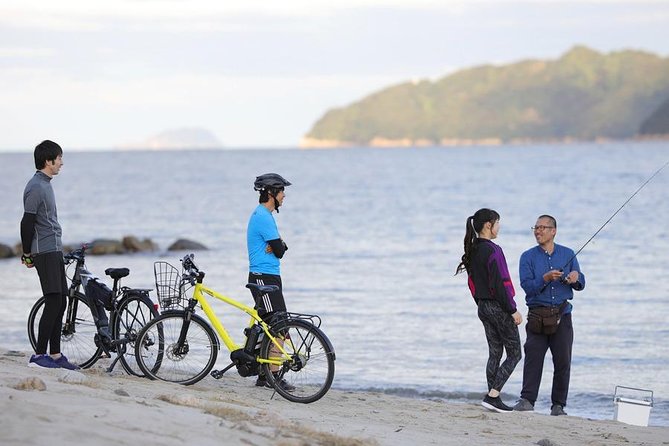
Sand turns into a heavenly walkway. Amanohashidate’s 3km sandbar is revered for centuries, and this tour lets you ride across it on an electric bike while stopping at beaches, shrines, and temple areas along the way. My favorite part is how much you can cover in a short time without feeling wrecked. One thing to plan around: the experience requires good weather, and it can be rescheduled or refunded if conditions are poor.
What also makes this tour work is the way the guide handles real-world riding. The e-bikes are described as the latest model, and the route can be adjusted if it is hot, including a flatter, shadier plan. Since it is private for your group, you get a more personal pace. If you want one extra viewpoint, there is an optional climb to Amanohashidate View Land, but that entrance fee is separate.
In This Review
- Key Points Worth Noticing
- Amanohashidate’s 3km Sandbar: Why the Ride Feels Mythic
- Latest E-Bikes + Local Route Choices on Hot Days
- Stop-by-Stop: Amanohashidate Shrine, Chion-ji, and the Sandbar Crossing
- Beyond the Main Photo Stops: Local Culture, Shrines, and a Samurai Merchant Mansion
- Shrines with Gods Descending: Manai Shrine and Motoise Konojinja
- Amanohashidate View Land: The Optional Climb Worth the Effort
- Price and Value at $97.73: What You Get for the Time
- Who Should Book This E-Bike Tour (and Who Might Skip It)
- Should You Book This Amanohashidate Sand Bar E-Bike Tour?
- FAQ
- FAQ
- Where is this tour located?
- How long is the tour?
- How much does it cost?
- Is the tour private?
- What does the tour highlight?
- Are there entrance fees for the stops?
- Do I need to be physically fit to join?
- Will I get a ticket on my phone?
- What if the weather is bad?
- How far in advance do people usually book?
Key Points Worth Noticing
- Ride the sandbar zone: Amanohashidate is known for foot and bicycle access, and your route is built around that crossing.
- Shrines in layers of time: You’ll visit multiple Shinto sites tied to the gods’ descent from heaven.
- Easy on the legs: Newer e-bikes help most people take part without turning it into a fitness test.
- Hot-weather flexibility: When it gets steamy, the guide may switch to a more shaded, flatter path.
- Optional viewpoint add-on: Amanohashidate View Land can be skipped if you have been before.
Amanohashidate’s 3km Sandbar: Why the Ride Feels Mythic
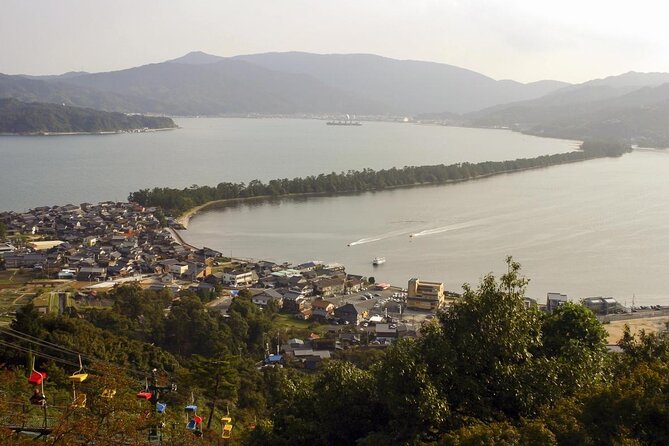
Amanohashidate is the kind of place that makes you slow down, even when you’re moving. The sandbar stretches about 3 kilometers and has been revered since ancient times as a bridge to the heavens. That idea matters here because the tour doesn’t treat the sandbar like a quick photo stop. It treats it like a journey.
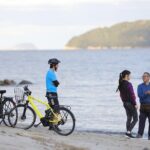
When you cross the sandbar on an electric bike, you’re also traveling through a setting that feels half-coastal, half-religious. You get views of the ocean while the sandbar itself sits like a natural causeway. And because the sandbar is famous as one of Japan’s Three Most Scenic Spots, you’ll see why it attracts so much attention.
What I like most for your planning: this tour is paced for the scenery. You’re not rushing between far-flung locations for the sake of a checklist. Instead, the stops cluster around the sandbar area—shrines, temple grounds, beaches, and coastline—so the time you spend feels connected.
More of Kyoto Prefecture at handlebar pace

Latest E-Bikes + Local Route Choices on Hot Days
This isn’t a pedal-only slog. The tour uses the latest e-bikes, and that’s a big deal if you’re worried about hills or stamina. Even if you’re not in peak shape, the assist helps you keep going at an enjoyable pace. You still get the feeling of traveling under your own power, but with the effort level controlled.
Then there’s the human part. One of the standout themes from the experience is how flexible the guide can be when it’s hot. In heat, the guide can plan a flat, shady route, which is exactly what you want when you’re biking in open coastal areas. That matters because it turns the tour into something you can actually enjoy, not just survive.
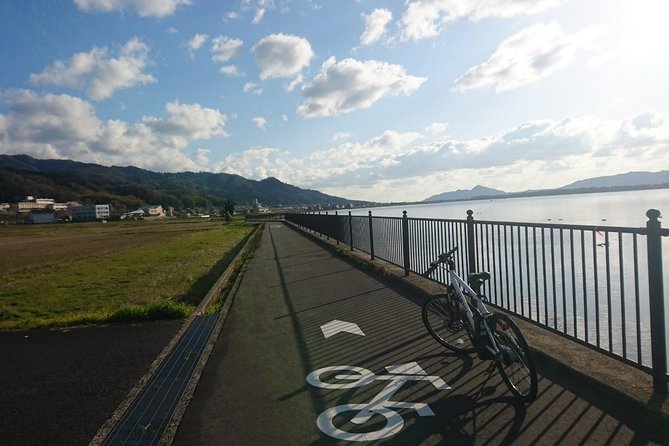
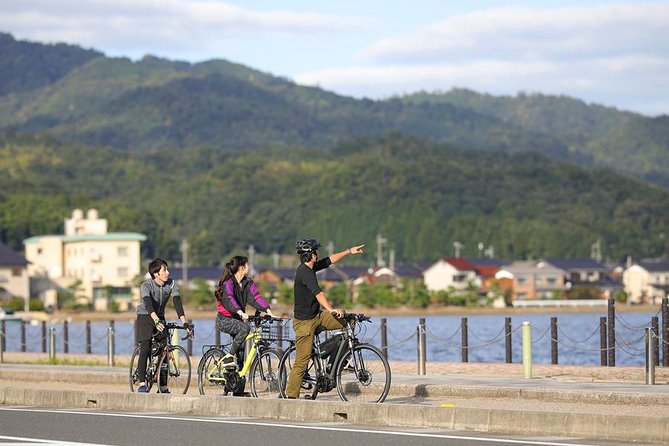
You’ll also ride through the kinds of areas many visitors miss: rice fields and historic roads are specifically called out. That gives you a better sense of what the region looks like away from the main viewing spots. You’ll get a mix of water views and inland lanes—enough variation to keep the ride interesting without feeling random.
If you like to keep your plan simple, this is also a short tour. At about 2 hours 30 minutes, you get a full experience without using up your whole day.
Stop-by-Stop: Amanohashidate Shrine, Chion-ji, and the Sandbar Crossing
Your first meaningful stop is Amanohashidate Shrine right at the sandbar area. The admission ticket there is listed as free, which is nice because you’re not layering paid entries onto an already busy schedule. This is the moment where the myth and the geography meet—this is why the place is revered in the first place.
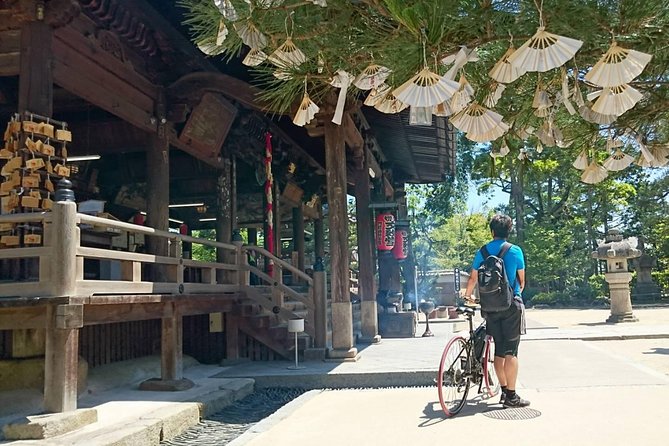
Next comes Chion-ji Temple for about 5 minutes. The timing here is brief, and that’s intentional. You’re not going to spend the morning reading every plaque; you’re stopping long enough to experience the site and connect it to the story of the area. Admission is also free for this stop.
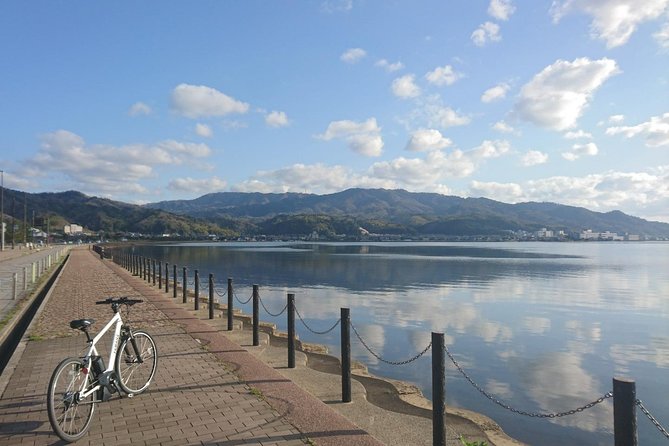
Then the tour hits the headline: the sandbar crossing. The time budget is about 20 minutes for Amanohashidate as you bike across it. This part is built for the visuals. You’ll get that classic sense of sand meeting sea—views that feel different from standing still, because you’re moving along the length and angles change as you go.
Important practical note: the sandbar is specifically described as a place where only pedestrians and bicycles can pass. That means the tour’s main movement is aligned with what the site allows. You’re not touring it from the side; you’re traveling through it in the way the place is meant to be experienced.
If you get to the sandbar and you’re thinking, Okay, what do we do besides ride?—that’s where the shrine stops and the short temple visit help. You’re not just biking for biking’s sake.
Beyond the Main Photo Stops: Local Culture, Shrines, and a Samurai Merchant Mansion
Here’s the part that often makes a guided tour feel worth it: the route includes spots recommended by local guides that most visitors don’t hit. That isn’t just marketing language here. The tour overview points to two specific kinds of detours.
First, you may visit a shrine with over 2,000 years of history. The point isn’t only the age number. It’s the feeling of being in a place that has mattered for generations. When you pair that with the natural sandbar setting, it adds weight to the trip beyond scenery.
Second, you may see the mansion of a samurai merchant—a figure described as once wealthy because of time and energy constraints. That’s an unusual detail, and it’s exactly the kind of story you don’t pick up from a fast guidebook glance. It hints that the region’s past wasn’t only temples and emperors. There was also commerce, planning, and daily-life realism.
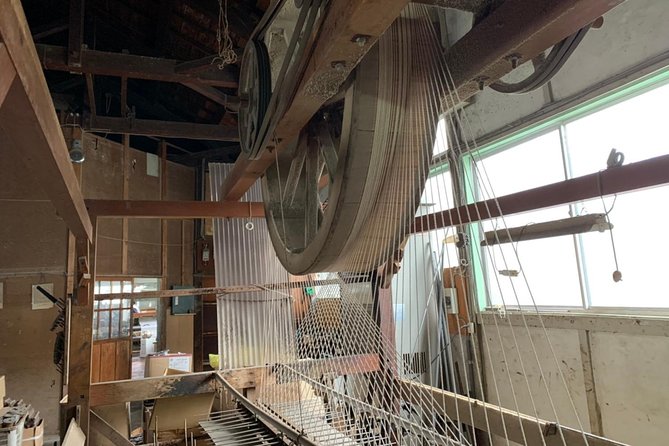
Some culture add-ons can also show up on the ride. One review calls out a silk factory as part of the experience, alongside shrines and beaches. So if you like your sightseeing to include local industry, not just monuments, this tour has the potential to deliver.
Shrines with Gods Descending: Manai Shrine and Motoise Konojinja
After you’ve crossed the sandbar and taken in the main area, the tour shifts into more Shinto-focused sightseeing.
At Manai Shrine, you’ll spend about 10 minutes at a site said to be where the gods first descended from heaven. The description also points to visual details that make the stop more than just a name on a map: you can see holy water, bamboo forests, and the gods’ boats. Those specific elements are helpful because they tell you what to look for when you get there.
Then comes Motoise Konojinja Shrine for another 10 minutes. This is also tied to the idea of the gods first descending from heaven. Here, you’ll see a thatched roof shrine and turtles. That combination of traditional building style and living detail makes the stop feel grounded.
What I like about packing in two Shinto shrines like this is contrast. They share a theme—divine descent—but they express it in different physical ways. So you’re not repeating the same visual experience twice. You’re expanding it.


Amanohashidate View Land: The Optional Climb Worth the Effort
There’s a built-in choice later in the tour: Amanohashidate View Land. The time at this stop is listed as about 20 minutes, and the key detail is simple—entrance fee is charged separately.
If you’ve been here before, you can skip it. That’s smart because View Land is the only part of the schedule where you’re likely to feel a clear, optional cost-benefit decision: pay extra for the viewpoint, or save that money and stick with what’s included.
If you have not been, this is the moment to think about your own style. Do you like getting a view from above, even if it takes extra energy? If yes, don’t rush the decision. The sandbar is already a star, but viewing it from a higher angle can change how you understand its shape and length. Just plan for the fact that this is the most active segment beyond the seated bike ride.
Price and Value at $97.73: What You Get for the Time
At $97.73 per person, this tour isn’t a bargain in the way a free temple stroll can be. But it also isn’t priced like a high-end private driver with a car and long transfers. The value comes from what’s bundled into the ride.
You’re paying for:
- a guided route that combines multiple major stops
- e-bike use (including newer models)
- time-efficient access to the sandbar crossing and nearby shrines
- admission being free for several of the scheduled stops (including Amanohashidate Shrine and Chion-ji Temple)
Add in the fact that it’s described as a private tour/activity, meaning only your group participates. That matters if you don’t want to ride alongside strangers or you want your guide to set a comfortable pace.
You’ll also see that Amanohashidate View Land is the notable exception where the entrance fee is separate. So your total spending depends on whether you treat the viewpoint as a must.
Finally, the tour is booked fairly far ahead on average (52 days). That suggests it’s popular, likely because it solves the big daily problem in Kyoto trips: you want meaningful experiences, but you don’t want to lose your whole day to logistics.
Who Should Book This E-Bike Tour (and Who Might Skip It)
This tour is a good fit if you want:
- a fast, scenic loop centered on Amanohashidate
- multiple shrine/temple stops without a long driving plan
- an e-bike experience that reduces physical strain
- a guide who can adjust the route when conditions are uncomfortable
It also works for people who want that mix of nature and culture. You get rice fields, ocean views, beaches, and shrines—so you’re not stuck in only one type of sightseeing.
Who might want a different plan: if you’re strictly cost-minimizing, the optional viewpoint may feel like an added expense, since View Land entry isn’t included. Also, because the tour requires good weather, you’re booking with the possibility of rescheduling if skies don’t cooperate.
Should You Book This Amanohashidate Sand Bar E-Bike Tour?
Yes, I’d book it if your goal is to experience Amanohashidate in a way that feels efficient and local—especially the sandbar crossing plus shrine stops in a tight 2.5-hour window. The e-bikes, the short time commitment, and the guide’s ability to shift the route when it’s hot all help this tour feel practical, not just scenic.
Skip or consider another option if you hate viewpoint add-ons that cost extra, or if you’re traveling during a period where weather reliability is a big concern for your schedule. In that case, I’d still look at the tour, but have a flexible mindset about timing.
If you want a Kyoto-area experience that mixes myth, coast, and Shinto detail without demanding a full day, this one hits the mark. And if you’re going in warm weather, plan for fun time outdoors—one review specifically suggested bringing bathers, since the beach side of the tour can make that worthwhile.
FAQ
FAQ
Where is this tour located?
It’s in Kyoto Prefecture, Japan, and it’s described as being near public transportation.
How long is the tour?
The duration is about 2 hours 30 minutes.
How much does it cost?
It costs $97.73 per person.
Is the tour private?
Yes. It’s listed as a private tour/activity, with only your group participating.
What does the tour highlight?
The big focus is Amanohashidate, including crossing the sandbar on an electric bike, plus visits to nearby shrines and temple areas.
Are there entrance fees for the stops?
Several stops are listed as having free admission, including Amanohashidate Shrine and Chion-ji Temple. Amanohashidate View Land has a separate entrance fee not included in the tour.
Do I need to be physically fit to join?
Most travelers can participate, and the tour uses latest e-bikes, so it’s designed to be easier for people who aren’t very fit.
Will I get a ticket on my phone?
Yes. It uses a mobile ticket.
What if the weather is bad?
The experience requires good weather. If it’s canceled due to poor weather, you’ll be offered a different date or a full refund.
How far in advance do people usually book?
On average, it’s booked about 52 days in advance.
More Tour Reviews in Kyoto Prefecture

More of Kyoto Prefecture by Bike
Just added: more Kyoto Prefecture tours to browse




Kyoto Bike & E-Bike Tours, compared.
 ★ 5.0Hidden Kyoto E-Biking tourFrom $1161,843 reviews
 ★ 5.0Bike Tour Exploring North Kyoto plus LunchFrom $1061,087 reviews
 ★ 5.0Arashiyama Bamboo Forest & Hidden Gems Bike Tour (Early Bird)From $106613 reviews
 ★ 5.05 Top Highlights of Kyoto Full Day Bike Tour (E-bike option)From $172511 reviews
 ★ 5.0Full Day Biking Tour Exploring the Best of KyotoFrom $119498 reviews
 ★ 4.8Memory Kyoto E-Bike TourFrom $91297 reviews
 ★ 5.0E-Bike Tours of the highlights of Kyoto!!!From $109291 reviews
 ★ 5.0Afternoon Kyoto Bike Tour: Bamboo Forest, Monkeys & Hidden SpotsFrom $106283 reviews
Browse the lists this tour appears in