
Reviewed · MUSEUMS
Kyo-arashi Shibori Scarf Class at Kyoto Shibori Museum
Kyoto shibori has a way of making dye feel scientific. In this Kyo-arashi Shibori scarf class, you’ll create a resist-dyed scarf using a tube-and-string method, then spend time in the museum while your piece dries. I love the fact that you get both hands-on making time and museum time, and I also like how the workshop is built for a small group.
Two things I really enjoy here are the chance to learn the resist technique (tube and string) and the way the museum keeps you busy with displays while your scarf sets. The class also feeds into the larger story: the Kyoto Shibori Museum is all about shibori, with tools and examples you can study up close. One possible drawback to plan around: the scarf needs drying time, so you shouldn’t treat this like a quick drop-in and dash back out.
If you want a thoughtful Kyoto experience that isn’t just another souvenir stop, this is a strong choice. It’s a 1-hour workshop, capped at 8 people, and it includes free admission to the museum (normally 1,000 yen), which adds real value.
In This Review
- Key Things to Know Before You Go
- Kyo-arashi Shibori: Tube and String, Then Pattern Magic
- Kyoto Shibori Museum Setup: Displays, Samples, and Tools Up Close
- Inside the 1-Hour Class: What You Make and How It Feels
- Exploring While It Dries: Use the Museum Time Well
- Museum Shop Worth a Pause: Original Souvenirs and Fabrics
- Price and Value: Is $49 a Good Deal in Kyoto?
- Who This Shibori Scarf Class Suits Best
- Should You Book This Kyo-arashi Shibori Class?
- FAQ
- How long is the Kyo-arashi Shibori scarf class?
- What is the price per person?
- Is it a small group?
- Do I get museum admission with the workshop?
- What languages are offered for instruction?
- What is the cancellation and payment flexibility?
Key Things to Know Before You Go
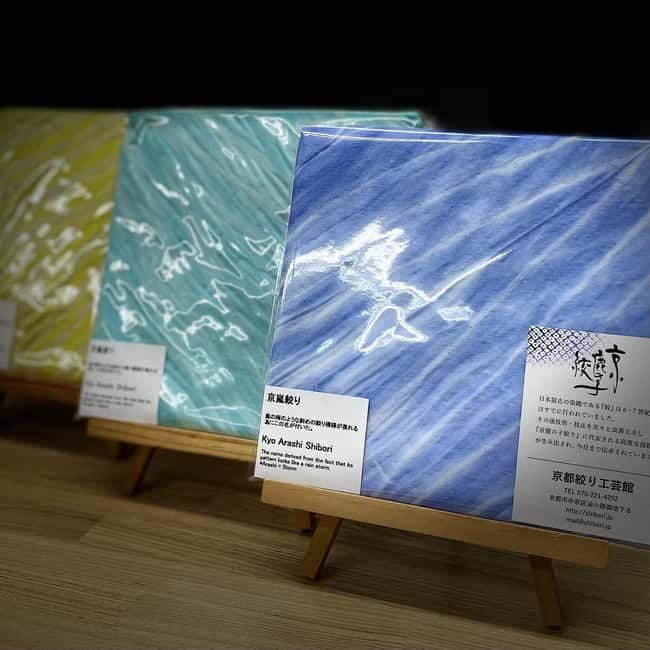
- Kyo-arashi Shibori method: resist dyeing with a tube and string for designed patterns
- Small group size: limited to 8 participants, so instructions are easier to follow
- Museum time while you wait: you can explore upstairs displays as your scarf dries
- English and Japanese support: you can join with English or Japanese instruction
- Shop has original items: scarves, accessories, and fabrics you can browse and buy
Kyo-arashi Shibori: Tube and String, Then Pattern Magic

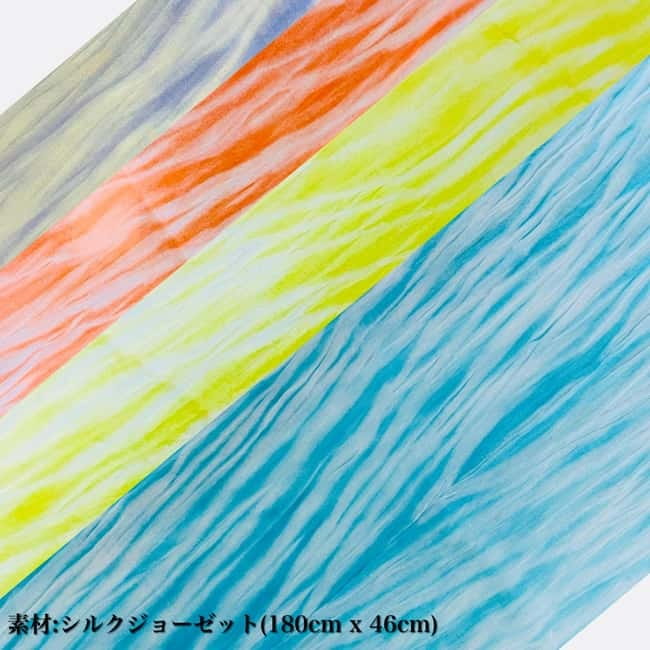
This class is centered on Kyoto Shibori Museum’s original-style Kyo-arashi Shibori. The basic idea is simple: the dye doesn’t hit everything the same way because the fabric is tied and treated as a resist. In this case, the resist comes from using a tube and string, which helps create those sharp, styled patterns shibori is known for.
What I like about focusing on tube-and-string is that it’s not just about watching color happen. You’re actively shaping where the dye can and can’t go, so the finished scarf feels like something you controlled, not something you just got lucky with.
You should also expect the end result to be “highly designed” rather than random. That’s a good match for people who like patterns, gifts, and making something that looks intentional even if you’re a beginner.
Other Kyoto Prefecture tours and experiences to compare


Kyoto Shibori Museum Setup: Displays, Samples, and Tools Up Close
Before the making gets going, or while you’re waiting, the museum environment matters. This isn’t a generic craft museum with one corner of exhibits. The Kyoto Shibori Museum specializes in Shibori, and it’s set up so you can learn from multiple angles.
You’ll find examples and samples displayed, and you can look at different shibori works while your scarf is in the drying stage. The museum also shows various valuable tools used in the shibori process, which helps you understand that this isn’t just “tie it and dunk it.” It’s a craft with specialized steps and gear.
One practical reason this museum time is a plus: it turns the “waiting” period into part of the experience. In the class itself, time is limited (it’s still a 1-hour session), so you’re smart to use the museum displays to connect what you’re doing with what you’re seeing.
And if you’re a museum person, the reviews match this: people especially enjoy visiting the Shibori museum upstairs while their scarf dries, and staff were consistently described as friendly and helpful.
Inside the 1-Hour Class: What You Make and How It Feels
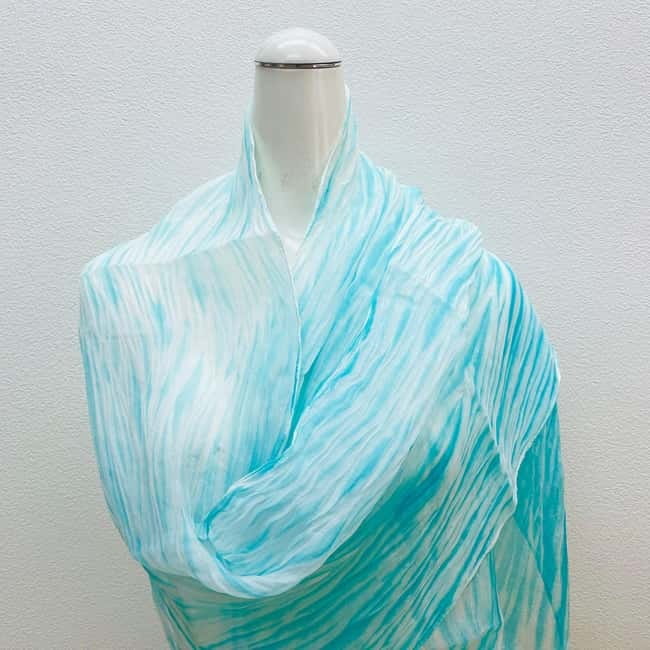
The workshop is designed for a short, focused session, lasting about 1 hour. During that time, you’ll make your own shibori scarf. The class is described as taking roughly 30 to 60 minutes for the making, with additional time to keep your scarf safe as it dries.
Here’s what you can plan for, based on what the museum teaches and what’s emphasized in the course:
- You’ll learn the core resist-dye concept using a tube and string.
- You’ll work through steps that produce the designed pattern effect associated with Kyo-arashi Shibori.
- You’ll then move into museum time while the scarf dries.
The best part is that the instructor-led experience keeps you from feeling lost. Reviews mention great instructions and that the teacher was informative. One review specifically calls out the teacher named hero for being instructive and sharing a video about the art of shibori—handy if you’re visual and want the “why” behind what you’re doing.
Also, the small group size helps a lot. With a maximum of 8 participants, you’re less likely to be stuck waiting for help if you’re unsure about a step.
If you’re traveling with someone, this is also a comforting setup: the class works well for couples and small groups because you can both focus on the making without it turning into a big production line.
Exploring While It Dries: Use the Museum Time Well
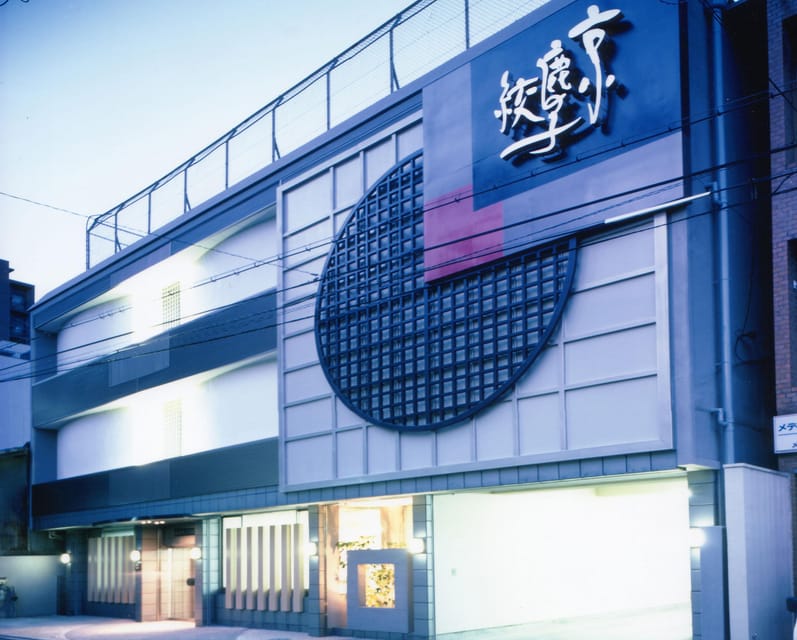
A big part of this experience isn’t just the scarf—it’s what you do while it dries. Your scarf needs time after the dyeing/resist portion, so you’ll have a window to explore.
This is where the museum design pays off. You can look at shibori masterpieces and samples displayed in the museum. It’s also a good moment to study the tools used in shibori, because you can compare what you saw during instruction with what you’re seeing on the walls and in exhibits.
If you like to get value out of short activities, this is a strong format. You’re not stuck idle for the whole session. You’re doing something useful and interesting the entire time.
One small consideration: because the scarf drying is part of the experience, you should plan to stay in the museum during your workshop’s timing window. Don’t schedule this like it’s a 5-minute pit stop.
Museum Shop Worth a Pause: Original Souvenirs and Fabrics
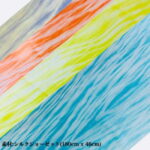
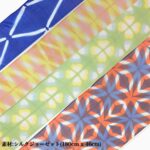
After learning shibori, you’ll almost certainly want to look at the real products. The museum shop is part of the fun. You can browse a variety of original items, souvenirs, and fabrics.
This is one of those moments where you learn more by shopping than by reading. When you see different scarves and accessories, you start noticing pattern differences that match what you’re hearing about in the class—resist choices, design style, and the look created by the dye process.
If you’re buying gifts, shibori items are typically more meaningful than mass-market souvenirs. And since the shop offers fabrics and accessories tied to the museum’s focus, you’re more likely to find something that feels connected to what you made.
Other Kyoto Prefecture tours and experiences to compare

Price and Value: Is $49 a Good Deal in Kyoto?
The price is $49 per person for a 1-hour class. That might sound like a “craft workshop” price until you look at what’s included.
Here’s the value math that matters:
- You get the scarf-making class (the hands-on part).
- You get free admission to the Kyoto Shibori Museum. Museum admission is normally 1,000 yen, so you’re not paying twice for access to the exhibits.
- The museum portion is not an afterthought. It’s designed to be used while your scarf dries, and it includes tools and shibori examples.
So you’re paying for more than just a 45-minute craft project. You’re also paying for structured learning and time in a focused shibori museum.
And because the group is limited to 8, you’re paying for a format that’s easier to manage than big groups. That translates into better chances of getting your questions answered during the making.
If you’re the kind of traveler who likes quality over volume—one or two hands-on experiences that teach you something—this is priced in a way that makes sense.
Who This Shibori Scarf Class Suits Best
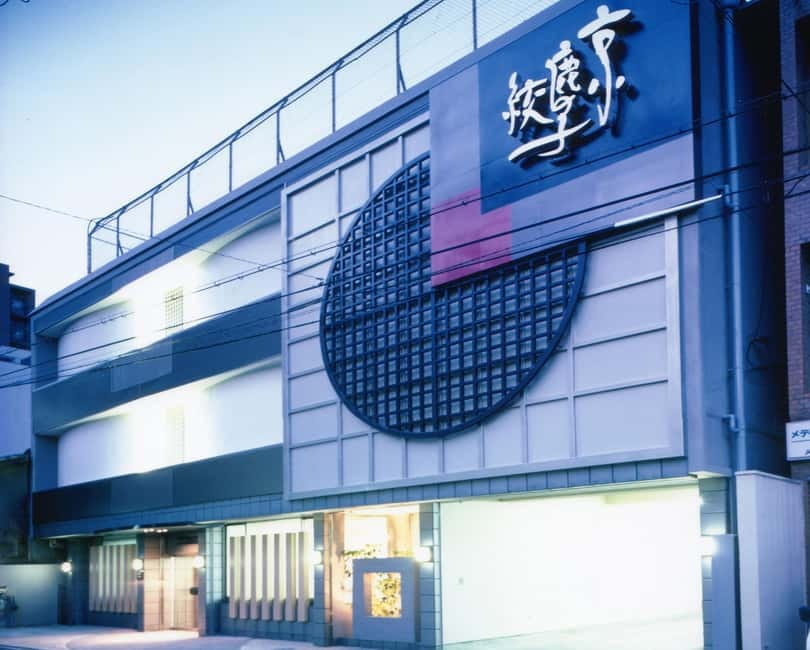
This workshop makes sense for several kinds of travelers:
You should seriously consider it if:
- You like hands-on crafts but don’t want a full-day commitment.
- You want a Kyoto activity with a clear theme and strong museum support.
- You enjoy learning how a traditional technique works, not just making something and leaving.
It’s especially good for:
- Beginners: instruction is part of the experience, and the resist technique is taught within the class.
- Couples or small groups: reviewers describe it as a good group/couple activity, and the small size keeps it personal.
- Travelers who already plan to see Nijo Castle: the museum is a 5-minute walk from Nijo Castle, so you can pair them without stress.
If you’re the type who hates waiting around for anything, you might find the drying time a small tradeoff. But you’re not waiting blindly—you’ll be exploring exhibits while you do it.
Should You Book This Kyo-arashi Shibori Class?
I think you should book this if you want an authentic Kyoto craft that’s tied to a real shibori museum, not just a one-time studio project. The tube-and-string Kyo-arashi technique gives you a clear, memorable skill, and the museum setting fills the time while your scarf dries.
It’s also a good booking choice if you like your activities focused. One hour is short enough to fit into a full Kyoto day, and the free museum admission helps make the overall experience feel complete.
If you want more of a hands-on takeaway plus a themed place to learn, this class is a solid yes.
FAQ
How long is the Kyo-arashi Shibori scarf class?
The class runs for about 1 hour.
What is the price per person?
It costs $49 per person.
Is it a small group?
Yes. The class is limited to 8 participants.
Do I get museum admission with the workshop?
Yes. Workshop participants receive free admission to the Kyoto Shibori Museum, which is normally 1,000 yen.
What languages are offered for instruction?
Instruction is available in English and Japanese.
What is the cancellation and payment flexibility?
You can cancel up to 24 hours in advance for a full refund, and you can reserve now and pay later.
More Workshops in Kyoto Prefecture
More Museums in Kyoto Prefecture

More Tour Reviews in Kyoto Prefecture


Just added: more Kyoto Prefecture tours to browse






Museums, compared.
 ★ 4.9Tea Museum Tickets and Matcha Grinding ExperienceFrom $23739 reviews
 ★ 4.5Skip the lines Basic Ticket at SAMURAI NINJA MUSEUM KYOTOFrom $28632 reviews
 ★ 4.6Geiko Maiko Dance of Kyoto & Visits of Gion MuseumFrom $25415 reviews
 ★ 4.5Kyoto Sword Experience – includes Museum Ticket/Ninja ExperienceFrom $83149 reviews
 ★ 4.8Samurai Ninja Museum guided tourFrom $28145 reviews
 ★ 4.5Ninja Experience (Family Friendly) at Samurai Ninja Museum KYOTOFrom $56132 reviews
 ★ 5.0Kyomai Dance by Maiko Geiko and Visits of Gion Art Museum KyotoFrom $2065 reviews
 ★ 4.5Samurai Sword Experience (Family Friendly)at SAMURAI MUSEUM KYOTOFrom $6563 reviews
Browse the lists this tour appears in