
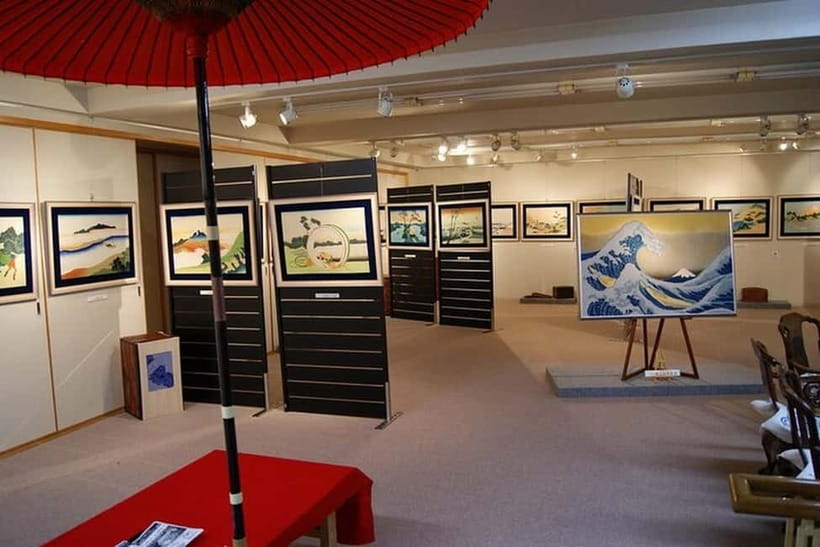
Reviewed · MUSEUMS
Shibori Fukusa Course at Kyoto Shibori Museum
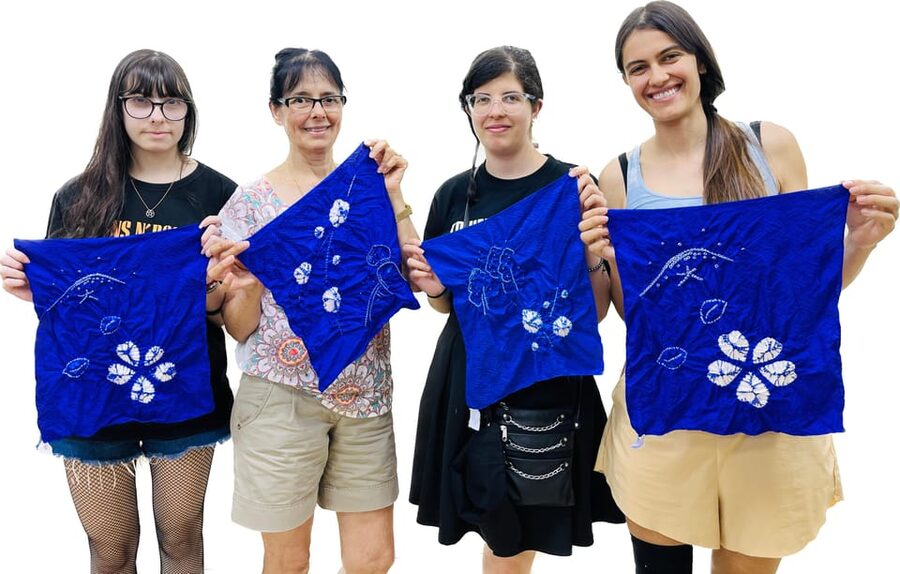
Shibori in Kyoto is surprisingly hands-on. You’ll create your own shibori scarf in a small group class at the Kyoto Shibori Museum, using Kasamaki (winding) and Nuishime (sewing) techniques on silk. What makes it extra appealing is the built-in museum time: while your piece dries, you can wander displays of samples, art works, and the tools behind the craft.
I especially like the mix of “make it yourself” plus “see how artists do it.” You get structure from the instructor (English or Japanese) and you’re surrounded by real examples as you work. The possible drawback is simple: since your fabric needs time to dry, you won’t get the whole experience in one quick finish, so plan for some waiting and looking around.
If you’re staying near central Kyoto sights, the location is another win. The museum is about a 5-minute walk from Nijo Castle, and it’s a shop-and-museum space dedicated entirely to shibori, open since 2001.
In This Review
- Key things to know before you go
- Why Kyoto Shibori Museum beats a quick craft stop
- Your 1-hour plan: Kasamaki + Nuishime, then exploring while it dries
- Kasamaki and Nuishime: the two moves you’ll actually do
- The best part while you wait: masterpiece viewing with context
- Price and value: what $70 buys you here
- Who should book this shibori scarf class (and who might skip it)
- Museum shop: souvenirs and fabrics worth a careful browse
- Should you book the Shibori Fukusa Course?
- FAQ
- How long is the Shibori Fukusa course?
- What will I make in the class?
- Where is the Kyoto Shibori Museum located?
- Does the price include museum admission?
- What languages are available for the instructor?
- What’s the group size?
Key things to know before you go
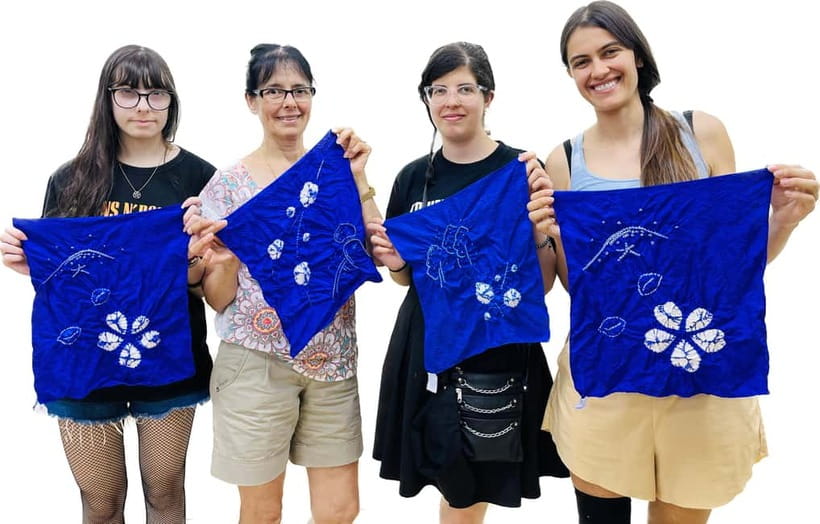
- Two techniques in one class: You’ll use Kasamaki (winding) and Nuishime (sewing) with a shibori stand
- A short, focused workshop: The class runs about 30–60 minutes inside a total 1-hour experience
- You’re not stuck staring at one project: Samples and art pieces are on display while your scarf dries
- A shibori-first museum: The Kyoto Shibori Museum focuses on shibori from multiple perspectives and shows tools
- A good craft-souvenir combo: The on-site shop sells original items, souvenirs, and fabrics
Why Kyoto Shibori Museum beats a quick craft stop
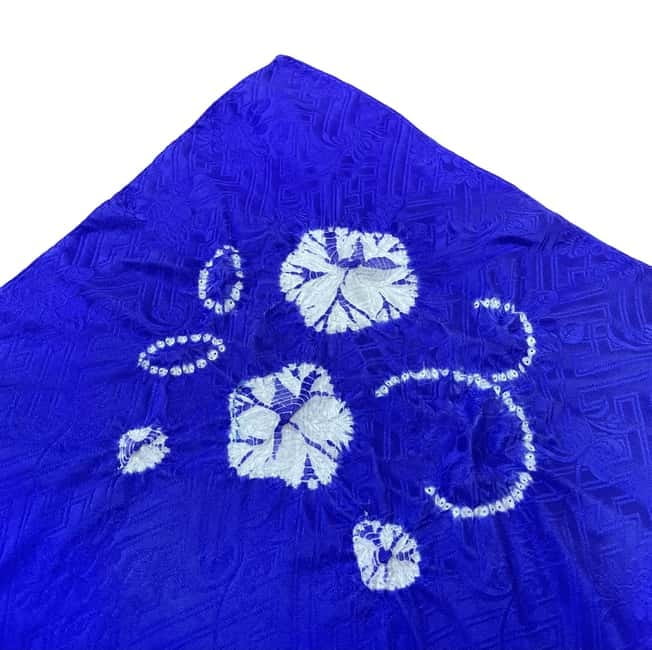
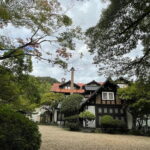
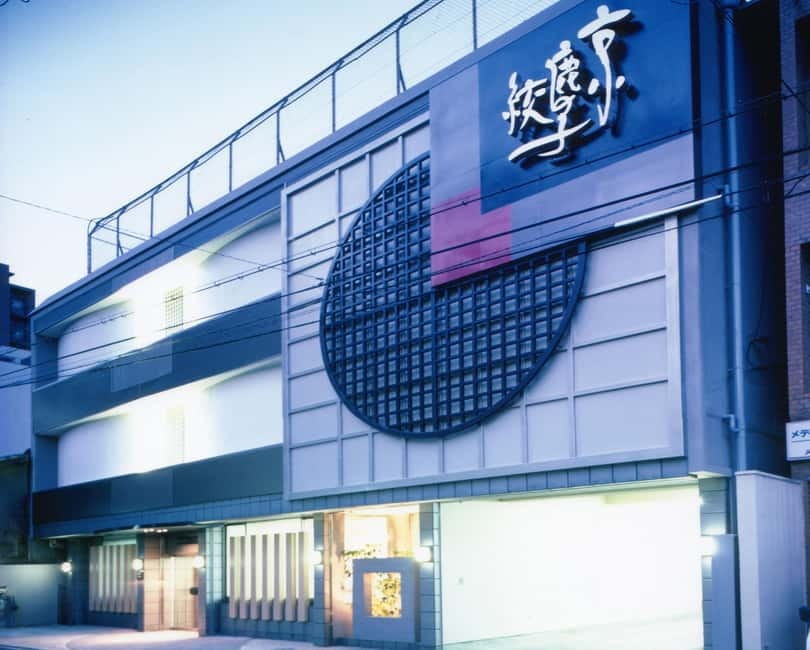
Kyoto has plenty of workshops, but this one has a different feel because the museum is the main event, not just a waiting room. The Kyoto Shibori Museum opened in 2001 and is devoted specifically to shibori, the dyeing-and-folding craft that produces those distinctive patterned textiles.
You’ll also appreciate the setting if you’re doing a sightseeing loop anyway. Being only about a 5-minute walk from Nijo Castle makes it easy to fit in without turning your day into a taxi parade. It’s also useful that the museum aims to spread shibori to the world through different shibori works, so the exhibits aren’t just “look at this” but “here’s how shibori is understood and used.”
Another thing I like is that the museum doesn’t hide the process. You can see not only finished pieces, but also the valuable tools used in shibori work. That helps you connect what you just did in class—winding and sewing on a stand—to what you see afterward in the gallery.
Other Kyoto Prefecture tours and experiences to compare

Your 1-hour plan: Kasamaki + Nuishime, then exploring while it dries
This is a short experience by design. The total duration is 1 hour, and the hands-on part is typically 30 to 60 minutes as you make your scarf.
Here’s how it flows, in practical terms:
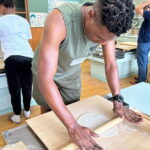
- You’ll start with your silk fabric and work on it using the shibori stand.
- You’ll apply Kasamaki shibori (winding technique), then Nuishime shibori (sewing technique).
- Your piece is dyed after these steps, using a fabric that already has a background pattern.
- After the dyeing stage, your scarf needs drying time. That’s when the museum becomes part of the experience instead of downtime.
In other words, it’s not a “watch-and-clap” class where you leave right away. You make the textile, then you use the waiting period well by exploring the museum displays and samples.
It’s also a small-group setting, limited to 8 participants. That size usually keeps instruction practical, and it’s easier to ask questions when the room isn’t packed.
Kasamaki and Nuishime: the two moves you’ll actually do
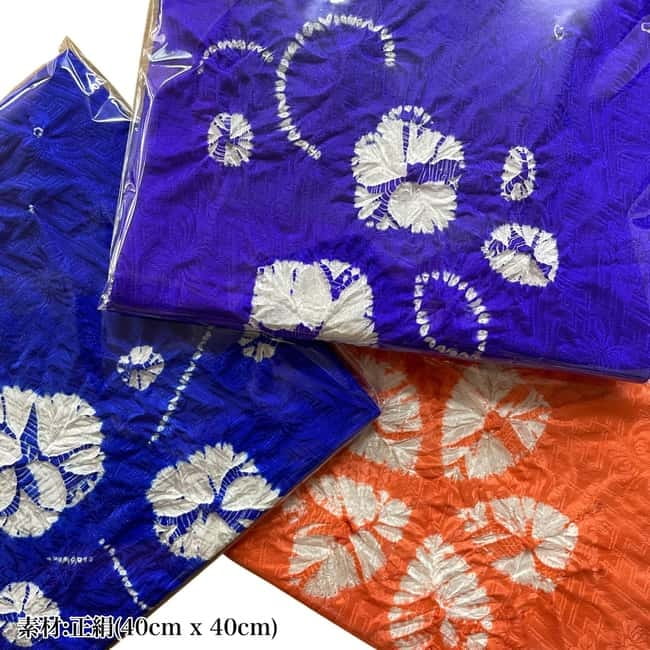
This course is built around two specific techniques, and knowing their names helps you pay attention while you’re working.
Kasamaki is the winding technique. In your class, this is one of the core steps you’ll perform on your silk fabric using the shibori stand.
Nuishime is the sewing technique. You’ll do this step as well, again using the stand as your setup point.
Even if you’ve never tried shibori before, the course is set up so these aren’t abstract concepts. You’re physically doing the actions, then seeing how the silk ends up patterned after dyeing.
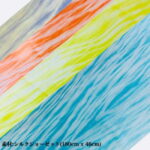
One more detail worth noting: the material you work with is silk fabric with a background pattern, and your scarf gets dyed after the Kasamaki and Nuishime steps. That matters because it means your finished look isn’t only about the folding or sewing effect—there’s a base design in the fabric from the start.
The best part while you wait: masterpiece viewing with context
The class smartly gives you a reason to stay engaged even after the dyeing moment. Since your piece needs time to dry, you’ll spend that interval exploring the museum’s collection.
You can look at art pieces and samples, and you’re encouraged to explore them while your scarf dries. That timing is useful because you’ll often start spotting patterns, craftsmanship choices, and tool use more clearly once you’re “in the same world” as the process you just tried.
The museum also displays valuable tools used in shibori work, which helps connect theory to practice. If you like figuring out how things are made—rather than only what they look like—this part is a strong match.
And because the museum offers shibori from various perspectives, you’re not stuck with one narrow style. You’ll have time to compare different works and see how many directions shibori can take.
Price and value: what $70 buys you here
At about $70 per person for a 1-hour experience, this isn’t a “cheap souvenir” workshop. But it also isn’t overpriced for what you get, mainly because the experience includes more than just the stool time.
You receive free admission to the Kyoto Shibori Museum. That admission is normally 1,000 yen, which means your workshop price is doing double duty: you’re paying for instruction and materials in the class, and you’re also covering museum entry.
You’re also getting a small-group setup limited to 8 people. That’s part of the value too, because it’s easier to get attention and guidance when the room is tight.
Finally, you’re not just learning one technique in a vacuum. You make a scarf using Kasamaki and Nuishime, then you immediately see shibori masterpieces and tool displays in the same place. That “do it, then study it” sequence makes the time feel more rewarding than a standalone demo.

Who should book this shibori scarf class (and who might skip it)
This experience is a good fit if you want a hands-on craft lesson that doesn’t take over your whole day. The 1-hour timing is practical, especially when you’re already planning to see Nijo Castle nearby.
It’s also a strong match for you if you care about process. The museum’s focus on tools, samples, and multiple perspectives makes it easier to turn your class into a real learning moment, not just a one-time souvenir purchase.
You might consider skipping it if you’re looking for something longer and more open-ended. The course is short, and the scarf-drying time means you’ll be waiting while your piece sets rather than continuing to craft the entire piece from start to finish right in front of you.
Museum shop: souvenirs and fabrics worth a careful browse
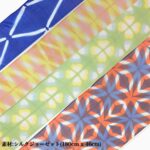
After (and around) the class, you can browse the museum shop. It’s a good place to look for original items, souvenirs, and fabrics connected to shibori.
If you plan to buy something, my practical advice is to treat it like shopping for quality, not just a photo prop. Look closely at the fabric and how the pattern appears, and think about whether you want something decorative (souvenir items) or usable (fabrics).
Also, since you’ve just made your own scarf, you’ll be a more informed buyer than you were walking in. You’ll likely recognize what you saw in the museum displays and compare it to what you’re tempted to take home.
Should you book the Shibori Fukusa Course?
If you want a memorable Kyoto activity that’s both hands-on and museum-worthy, I’d book this. The course gives you the concrete experience of making a shibori scarf using Kasamaki and Nuishime, while the museum turns drying time into meaningful viewing of samples, tools, and masterpieces.
It’s especially compelling because the class happens in a place dedicated entirely to shibori—so you’re not bouncing between a workshop site and a random attraction. And with a small group limited to 8 participants, you’re not just another name on a list.
Before you reserve, double-check two things: that you’re comfortable with a short session where you’ll spend some time waiting for drying, and that you’re interested in textiles enough to enjoy the museum side for a bit. If that sounds like your kind of day, this is a smart use of time near Nijo Castle.
FAQ
How long is the Shibori Fukusa course?
The experience is listed as 1 hour total, with the hands-on class typically lasting 30 to 60 minutes.
What will I make in the class?
You’ll make your own shibori scarf using the shibori stand and the techniques Kasamaki (winding) and Nuishime (sewing).
Where is the Kyoto Shibori Museum located?
The Kyoto Shibori Museum is about a 5-minute walk from Nijo Castle in Kyoto.
Does the price include museum admission?
Yes. Workshop participants receive free admission to the Kyoto Shibori Museum, which normally costs 1,000 yen.
What languages are available for the instructor?
The instructor offers English and Japanese.
What’s the group size?
It’s a small group, limited to 8 participants.
More Museums in Kyoto Prefecture
More Tour Reviews in Kyoto Prefecture
Just added: more Kyoto Prefecture tours to browse



Museums, compared.
 ★ 4.9Tea Museum Tickets and Matcha Grinding ExperienceFrom $23739 reviews
 ★ 4.5Skip the lines Basic Ticket at SAMURAI NINJA MUSEUM KYOTOFrom $28632 reviews
 ★ 4.6Geiko Maiko Dance of Kyoto & Visits of Gion MuseumFrom $25415 reviews
 ★ 4.5Kyoto Sword Experience – includes Museum Ticket/Ninja ExperienceFrom $83149 reviews
 ★ 4.8Samurai Ninja Museum guided tourFrom $28145 reviews
 ★ 4.5Ninja Experience (Family Friendly) at Samurai Ninja Museum KYOTOFrom $56132 reviews
 ★ 5.0Kyomai Dance by Maiko Geiko and Visits of Gion Art Museum KyotoFrom $2065 reviews
 ★ 4.5Samurai Sword Experience (Family Friendly)at SAMURAI MUSEUM KYOTOFrom $6563 reviews
Browse the lists this tour appears in