
Reviewed · KYOTO CRAFT & CALLIGRAPHY WORKSHOPS
Kyoto: Ikebana (Japanese Flower Arrangement)
Ikebana turns flowers into a way of seeing. This Kyoto experience mixes hands-on learning with a look at daily-life Kyoto culture inside a machiya.
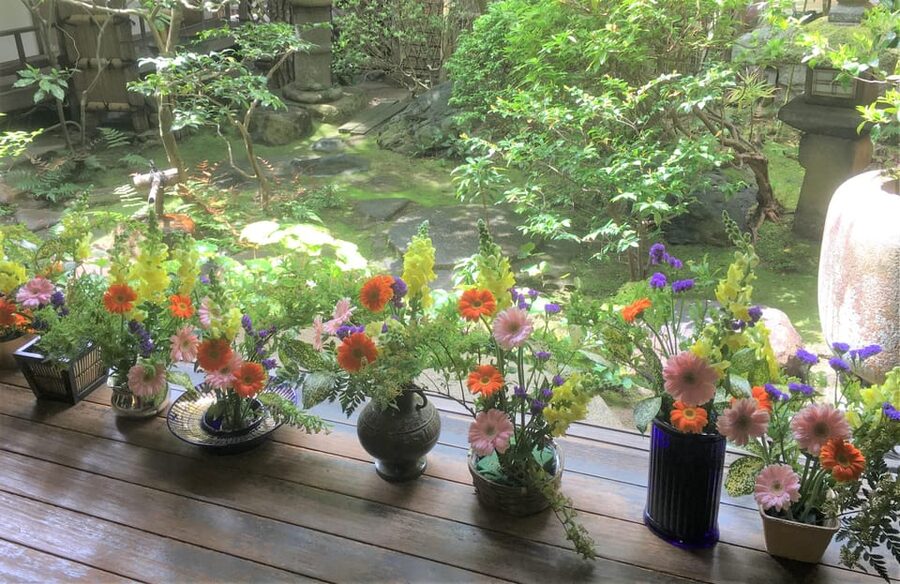
I especially liked how the lesson starts with context, then moves straight into making your own arrangement with seasonal flowers and the right tools. You also get a proper setting for photos, since your finished work is displayed in front of the garden area.
One thing to watch: the time is focused and structured. If you come craving a long theory lecture or an extra-deep breakdown of rules before you touch the flowers, you may find the session more hands-on than lecture.
In This Review
- Key highlights you’ll care about
- Ikebana with a master, inside a real Kyoto townhouse
- The ikebana lesson: from 1462 origins to your first arrangement
- Explore Nishijin Lifestyle Museum Tondaya after class
- The 90 minutes: what you’ll actually spend your time on
- Price and value: $122 for a guided beginner class plus heritage access
- Practical Kyoto tips: socks, comfort, and photo timing
- Who should book this ikebana class at Tondaya?
- Should you book Ikebana in Kyoto at Tondaya?
- FAQ
- What’s the duration of the Kyoto Ikebana experience?
- Where do I meet for the activity?
- What is the price per person?
- Is it suitable for beginners?
- What should I bring, and what footwear is required?
- Do I need a minimum number of participants?
Key highlights you’ll care about
- Beginner-friendly ikebana with step-by-step guidance as you build your arrangement
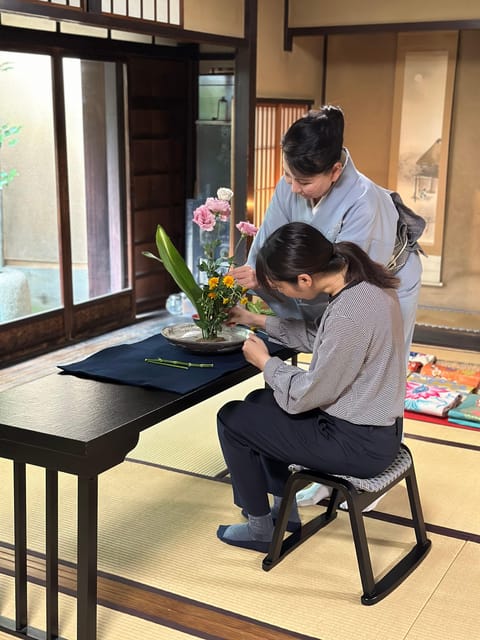
- Meet an ikebana master and have time to ask questions during the lesson
- Your arrangement displayed for photos in front of the garden after class
- A 140-year-old Kyoto machiya you can explore as part of the same visit
- Cultural experience setting at Nishijin Lifestyle Museum Tondaya in Kamigyo Ward
- Socks required, no bare feet to keep the experience comfortable inside the townhouse
Ikebana with a master, inside a real Kyoto townhouse
This class is set up for travelers who want more than a quick demo. The key idea is simple: you’ll learn the basics of ikebana from an ikebana master, make your own arrangement, and then slow down to understand the place you’re in. It happens at Tondaya, a Nishijin Japanese Cultural Experience Museum, built around an old Kyoto machiya townhouse.
The experience leans heavily into the feel of Kyoto. Ikebana is not just about putting flowers in a vase. It’s about design that expresses harmony between nature and human space. And that origin story matters here. The class traces the roots back to 1462 in Kyoto, when a flower arrangement—admired for beauty and elegance—signaled a shift toward arranging as an art form, not only as religious offerings.
The practical win for you: you’re not stuck copying someone else’s style in a vacuum. You get enough background to understand what you’re doing while your hands are actually working.
Make something by hand in a Kyoto Prefecture workshop
The ikebana lesson: from 1462 origins to your first arrangement
Expect the session to follow a clear arc. You begin with a short history and explanation of what ikebana is trying to do. You’ll also hear how it developed into the form people recognize today. The tone is meant for beginners, so the teaching aims to make the concepts usable, not intimidating.
Then it’s time to create.
You’re provided with seasonal flowers plus all necessary tools. That matters more than it sounds. Trying to learn ikebana without the right materials is like trying to bake with the wrong pan—possible, but frustrating. With everything supplied, you can focus on the actual choices: stem placement, spacing, and how the arrangement balances the idea of nature and the space around it.
One of the most praised parts of this experience is the step-by-step instruction. People enjoyed the fact that the instructor walks you through what you’re doing, and they point out how to shape the arrangement rather than leaving you to guess.
After you finish, your arrangement doesn’t get boxed up and forgotten. It’s displayed in front of the garden area. That’s a smart touch for value: it gives you a visual “finish line” and makes it easier to take pictures in a setting that matches the art.
Explore Nishijin Lifestyle Museum Tondaya after class
After the ikebana part, you shift from flower design to living heritage.
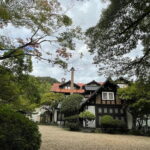
Tondaya is described as a 140-year-old machiya, designated as a culturally significant landmark by Kyoto City Government. In plain terms: this isn’t a generic workshop room. It’s a historic townhouse where you can see how Kyoto culture was shaped by daily life, craft, and careful use of space.
You’ll be guided through the museum area and learn from staff who share the stories behind the setting. The focus is on Kyoto’s living heritage—how these old structures held community life, routines, and aesthetic choices.
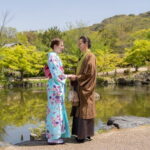
There’s also a small bonus pathway some visitors enjoy: the chance to wear traditional kimono and take a short tour of the venue for an additional fee. It’s not presented as mandatory, so think of it as a “nice if it fits your mood and budget” add-on.
Why this pairing works: ikebana is an art built on space. Then you get the chance to see that idea embodied in an old townhouse built around that exact relationship between people and their surroundings.
The 90 minutes: what you’ll actually spend your time on
At 90 minutes, you’re not going to get a slow, multi-hour deep-dive. You’ll get a compact flow: introduction, lesson time, hands-on arrangement building, photos after display, then museum exploration.
Because it’s a private group, it tends to feel less like a factory class and more like a guided activity shaped around your questions. That’s also where the language support matters. The instructor is listed as English and Japanese. And the provider notes they’ll do their best to arrange an interpreter if needed, and that a translation device may be used when necessary.
One subtle point: the pacing can feel different depending on what you want most.
- If you want structure and step-by-step help, this format usually feels ideal.
- If you came hoping for lots of extended rule explanations before doing anything—or a long demonstration from a top practitioner—you may feel the lesson moves quickly.
I’d call it hands-on first, lecture second. That’s not bad. It just helps you choose with clear expectations.
Price and value: $122 for a guided beginner class plus heritage access
At $122 per person for a 90-minute experience, you’re paying for two things:
1) a guided ikebana lesson with seasonal materials and tools
2) entrance into a historic cultural venue (included)
This pricing is easiest to justify if you value the full package: you get materials, instruction, and a completed arrangement displayed for photos, plus the machiya museum experience afterward.
The value gets shaky only if your main goal is theory-heavy learning. Some people have said the practical session felt shorter than expected or that they wanted more detailed explanations. So if ikebana “rules” and extended technique talk are your top priority, you should be honest with yourself about what this format is designed to deliver: you learn by making, with support.
My practical advice: treat it like a guided introduction to ikebana, not like a full certificate course. For a beginner, that can be a great deal because you leave with an actual arrangement and a stronger sense of what ikebana is trying to express.


Practical Kyoto tips: socks, comfort, and photo timing
You’ll want to plan around one clear requirement: bring socks.
Bare feet are not allowed. The experience also asks you not to wear stockings or tights, and to keep socks on during your visit. This is one of those details that can trip you up if you’re used to walking around Kyoto without thinking about indoor footwear etiquette.
For photos, timing matters. Your arrangement is displayed in front of the garden after the lesson, which means the best photo moment comes after your work is finished. If you care about getting clean shots, keep your hands free during the last part of class, listen for any setup instructions, then take your photos once the display is ready.
Also, since this is a machiya environment, expect it to be more intimate than a modern studio. Movement and seating can be different. Comfortable, quiet focus helps.
Who should book this ikebana class at Tondaya?
This is a strong fit if you:
- want a beginner-friendly introduction to ikebana with real guidance
- like the idea of learning a craft and then seeing it in the context of an old Kyoto townhouse
- care about photos in a meaningful setting (your work displayed in front of the garden)
- prefer a private-group experience where you can ask questions during the lesson
It may be less ideal if you:
- want long, lecture-style teaching or extensive rule breakdowns before you start
- expect a long demonstration with deep technique analysis first
- dislike shorter-format workshops in general
If you’re the type who learns best by doing, and you want a Kyoto cultural experience that goes beyond one room, you’ll probably leave happy.
Should you book Ikebana in Kyoto at Tondaya?
Yes, if your goal is a hands-on beginner ikebana experience in a historic Kyoto machiya, with seasonal materials, an instructor who guides you step by step, and a museum visit that adds meaning to the art.
I’d skip it if you’re specifically chasing a long theory lesson or very detailed technique instruction. This one is designed to get you making an arrangement and understanding the basics—then matching that art with the real Kyoto setting of Tondaya.
If you book, come prepared with socks, keep your expectations aligned with a focused 90 minutes, and give the master time to help you shape something you can actually be proud of.
FAQ
What’s the duration of the Kyoto Ikebana experience?
The experience lasts 90 minutes.
Where do I meet for the activity?
Meet at Tondaya – Nishijin Japanese Cultural Experience Museum, 697 Ishiyakushichō, Kamigyo Ward, Kyoto, Japan.
What is the price per person?
The price is $122 per person.
Is it suitable for beginners?
Yes, it’s described as an ikebana experience for beginners.
What should I bring, and what footwear is required?
Bring socks. Bare feet are not allowed.
Do I need a minimum number of participants?
Yes. Reservations must be made for a minimum of two participants.
More Tour Reviews in Kyoto Prefecture
More Kyoto Prefecture Workshops to Try
Just added: more Kyoto Prefecture tours to browse




Kyoto Craft & Calligraphy Workshops, compared.
 ★ 5.0Chopsticks Making Workshop in Gion with Engraving OptionFrom $15958 reviews
 ★ 4.8Authentic knife making experience at a blacksmith in KyotoFrom $154350 reviews
 ★ 5.01-Hour Japanese Archery Experience in KyotoFrom $46176 reviews
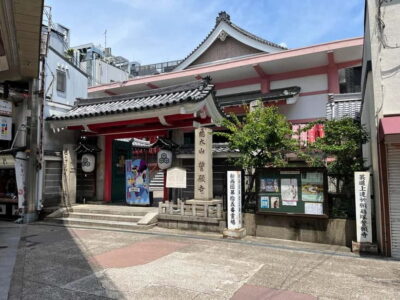 ★ 5.0Calligraphy class at Buddhist temple in city centerFrom $55167 reviews
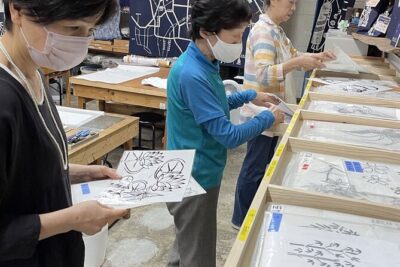 ★ 5.0Roketsu dyeing experience: M course Roketsu Dyeing ExperienceFrom $25163 reviews
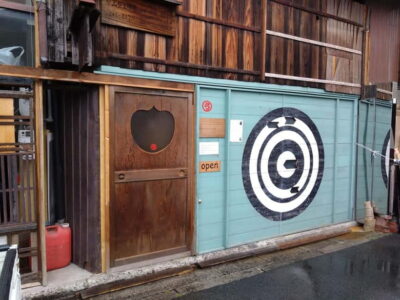 ★ 4.9Japanese Archery Workshop with Experienced InstructorFrom $38132 reviews
 ★ 4.8Japanese Calligraphy ClassFrom $5189 reviews
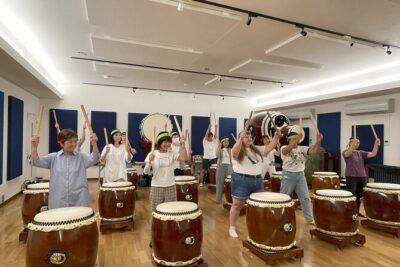 ★ 5.0TAIKO, Japanese Drum Experience from KyotoFrom $11586 reviews
Browse the lists this tour appears in