
Reviewed · KYOTO BIKE & E-BIKE TOURS
Kyoto Satoyama Cycling with Lunch and English guide
Ringing 108 bells with your bike day. This Kyoto Satoyama cycling tour puts you in the countryside right outside Kyoto City, guided in English by Maki, a local who knows how this area works. You’ll hit three culture-and-food stops, including Kyoto Taishakuten Temple, plus time for sweets and local shopping.
I like the mix of pace and structure: easy planning, free admissions at the main stops, and a route that makes the hills feel doable. I also like how the tour supports first-timers—electric-assist bikes, helmets (with a built-in microphone setup on the day), and clear guidance so you can actually enjoy the ride.
One thing to consider: this is a ~5-hour countryside outing with a moderate physical level requirement, and it depends on good weather. If you’re hoping for mostly flat, city-only sightseeing, this might feel more active than you planned.
In This Review
- Key Things That Make This Tour Worth Your Time
- Getting Oriented: how the ride stays friendly and not stressful
- Kyoto Taishakuten Temple: the 108 bells ritual and purification moment
- Kaeru no Oyado lunch in a renovated folk-house setting
- Wagashi-making at Yatsuhashi Honpo Shinkoetsu Village (and the fun of choosing your souvenirs)
- What you should expect from the 5-hour schedule
- Bikes, gear, and who this tour fits best
- Price and value: is $97.55 a good deal?
- My honest take: what feels memorable, and what might not
- Should You Book Kyoto Satoyama Cycling with Lunch and an English Guide?
- FAQ
- How long is the Kyoto Satoyama cycling tour?
- What’s included in the price?
- Is the tour private?
- Do I need to buy tickets for the stops?
- What fitness level do I need?
- When does the tour run?
Key Things That Make This Tour Worth Your Time
- English guidance from Maki: born and raised locally, with explanations that help the day click
- Electric-assist cycling up hills: practical support for people new to bike tours
- Kyoto Taishakuten’s 108 bells ritual: ring the bells one by one on the way up
- Big-ring purification: a memorable spiritual moment beyond just taking photos
- Lunch at Kaeru no Oyado: homemade Japanese food using local ingredients, served in an old folk-house setting
- Wagashi making or shopping: at Yatsuhashi Honpo Shinkoetsu Village, plus time for Michino-eki browsing
Getting Oriented: how the ride stays friendly and not stressful
This tour is built around one core idea: help you experience Satoyama without turning it into a workout you dread. You’ll start in Nantan (Sonobecho Oyama Higashimachi) and spend about five hours cycling through the area around Kyoto. It’s a private tour, so it’s just your group, which usually means you won’t feel rushed or lost in a crowd.
You’ll use a bicycle, and in practice that means electric-assist support—especially helpful when the route tilts upward. Even if you’ve never cycled before, you’ll get a firm explanation upfront and the helmets are part of the comfort setup. In one of the key highlights from past riders: the helmet microphone setup makes it easier to hear the guide while you’re riding and chatting. That turns the experience from silent pedaling into an actual shared outing.
The private setup also affects timing. Instead of watching the tour group vanish down the road, you stay together, you can ask questions, and the guide can adjust the rhythm for your group. If you want a day that feels calm (not chaotic), this format tends to fit.
More of Kyoto Prefecture at handlebar pace

Kyoto Taishakuten Temple: the 108 bells ritual and purification moment
The first stop is Kyoto Taishakuten Temple, on the outskirts of Kyoto, up in the hills. The vibe here is quiet but purposeful. You’ll walk up along the mountain path, and the ritual is the centerpiece: strike 108 bells one by one as you go.
That’s not just a sightseeing checklist item. Each bell is like a step in a physical sequence—ring, pause, ring again—so your body stays engaged while your mind shifts into a different mode. It’s one of those experiences where the structure helps even if you don’t fully know the background. The guide’s local knowledge makes the meaning easier to grasp in plain language.
There’s also a purification element: you go through a large ring as part of the ritual flow. If you’re the type who likes ceremonies with a clear action, this is perfect. You’re not passively watching; you’re participating.
Admission is listed as free here, which is a nice value boost for a temple visit that still feels substantial. Just remember the setting is on a hill, so wear shoes that handle walking comfortably and bring a light layer in cooler seasons.
Kaeru no Oyado lunch in a renovated folk-house setting
After temple and bells, you’ll shift from spiritual calm to hearty local comfort. The second stop connects to Nantan City Yagi Monkan Petting Park and centers on lunch at an old folk house restaurant called Kaeru no Oyado.
The setting matters. This place is beautifully renovated, mixing traditional architecture with a restaurant that’s meant for real meals, not just quick tourist food. And the food is described as homemade Japanese cuisine made with local ingredients. That combination is what you’re paying for with this tour: the day isn’t only about cycling and photos. You get a sit-down break that actually tastes like the region.
This stop is also a free-admission item on the schedule, so your money goes to the overall experience and the included bike and lunch rather than constant ticketing. Lunch includes bottled mineral water and drinks for lunchtime, which saves you from hunting for refreshments mid-route.
One practical tip: treat lunch like part of the pacing plan. You’ve biked, then you’ll eat, then you’ll bike again. So eat steadily and don’t overpack the day with snacks beforehand unless you know you need extra fuel.
Wagashi-making at Yatsuhashi Honpo Shinkoetsu Village (and the fun of choosing your souvenirs)
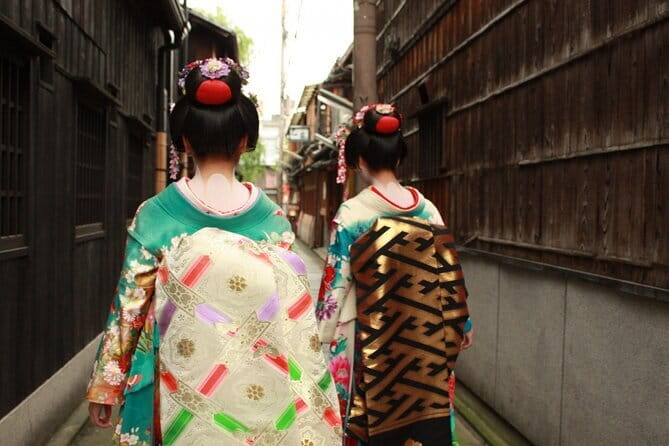
Your third stop focuses on sweets and hands-on culture at Sonobe Park, specifically at the Yatsuhashi Honpo Shinkoetsu Village store. This is where you either make wagashi or purchase them as souvenirs, depending on what you feel like doing.
Why this matters for your travel day: wagashi is one of those food cultures that’s hard to understand just by reading about it. Making it—even briefly—adds texture to what you’ve seen and heard. You get to connect craft with ingredient choices, shape, and timing. If you prefer not to do the hands-on step, shopping still works well because you’ll likely leave with items you can eat or share later.
This stop also lists admission as free, so again you’re not stacking costs on top of costs. You’re paying for the ride and the guided day plan, and the sweetness part is folded into the experience.
And don’t miss the added shopping time at the Michino-eki store mentioned in the tour overview. Roadside station shopping in Japan tends to be practical: local food items, regional snacks, small gifts, and seasonal goods. It’s the kind of place where you can browse without pressure and walk away with something that feels genuinely local.
What you should expect from the 5-hour schedule
The whole outing runs about five hours, which is long enough to feel like a real day trip but short enough that you’re not spending your vacation on logistics. The schedule is built around three main activity blocks and a meal, with cycling between them.
Here’s the pacing logic:
- Temple first sets the tone and gives you a physical ritual that wakes up the day.
- Lunch comes next so you can recharge before the sweets stop.
- The wagashi stop finishes the day on a lighter note, with shopping options.
Timing matters for comfort. The tour operates daily during the window listed (10:00 AM–3:00 PM). If you’re choosing a day, pick weather you trust. The experience specifically requires good weather, and if it’s canceled due to poor weather, you’ll either be offered a different date or a refund. That’s important because cycling experiences live or die by conditions.


Bikes, gear, and who this tour fits best
This tour is described as requiring moderate physical fitness. Translation: you should be comfortable cycling for stretches and walking on uneven ground at least a little. The hills are the main question mark—and that’s where electric assist helps most.
If you’re a first-time cyclist, the tour is set up for you. Past riders highlighted that the explanation and the electric-assist support help you start with confidence. The helmet microphone setup also keeps you connected to the guide, so you aren’t stuck guessing what’s happening while you ride.
What to wear: comfortable, closed-toe shoes for temple walking and bike control. Dress in layers because you’re outdoors through changing temperatures. If you’re cycling in spring, past experiences mention cherry blossoms being in full bloom, and that’s exactly the kind of day that can make you glad you brought layers.
Who it suits best:
- Couples and families who want nature near Kyoto City, without giving up cultural stops
- First-time bike tour participants who want a guided structure
- Food-focused travelers who like lunch and sweets included in the plan
- People who want a quieter side of Kyoto’s region—Satoyama life rather than only city streets
If you’re extremely fit and craving long-distance cycling, this might feel short on mileage. But if you want a meaningful countryside day with multiple highlights, the length is a sweet spot.
Price and value: is $97.55 a good deal?
At $97.55 per person for an experience lasting about five hours, the real question is what’s included versus what you’d pay separately on your own.
Your included items are strong for value:
- Bicycle use (with electric assist support as part of the experience)
- Lunch plus bottled mineral water and drinks for lunchtime
- Admission listed as free at the main stops (temple, petting park area stop, and the sweets store activity)
- An English guide and a private group format
What’s not included is mainly personal spending—shopping is a big part of the experience with Michino-eki and the sweets store, so you’ll want some cash or card set aside for that.
In plain terms: you’re paying for the day plan and local guidance, plus the cost of getting you to several specific cultural and food experiences without you having to figure out everything yourself. If you enjoy structured, guided days and want lunch and a meaningful temple moment baked in, it’s priced like a practical sightseeing package rather than a splurge-only outing.
My honest take: what feels memorable, and what might not
The most memorable parts are the ones where you actively do something:
- Ringing the 108 bells yourself
- Walking through the big ring purification
- Cycling with the communication support so the ride stays social
- Making wagashi or picking up sweets at a specialized shop
- Eating lunch that’s described as homemade, local-ingredient Japanese cuisine in a renovated folk-house restaurant
What might not be for you is the active component. It’s not a slow stroll day. Even with electric assistance, you’ll still be cycling and walking. Also, the day is countryside-focused, so if you’re expecting deep immersion in central Kyoto shrines and markets all day long, you’ll need a separate plan for that.
Should You Book Kyoto Satoyama Cycling with Lunch and an English Guide?
Book it if you want:
- A guided countryside day near Kyoto City
- A temple ritual experience with clear participation (108 bells and purification)
- A practical meal that isn’t just a quick snack
- Help for first-time cyclists, thanks to electric assist and a supportive guide approach
Skip it (or choose another style) if:
- You want an entirely flat, low-walking day
- You prefer unguided sightseeing so you can move at your own pace with no structure
- Weather is a big gamble for your dates, since cycling depends on it
If your goal is to see Satoyama life in a way that feels organized, comfortable, and genuinely local—this is the kind of tour that makes that happen.
FAQ
How long is the Kyoto Satoyama cycling tour?
It’s about 5 hours.
What’s included in the price?
The tour includes lunch (bottled mineral water and drinks for lunchtime) and bicycle use.
Is the tour private?
Yes. It’s a private tour/activity, so only your group participates.
Do I need to buy tickets for the stops?
Admission tickets are listed as free for the main stops on the schedule.
What fitness level do I need?
You should have a moderate physical fitness level.
When does the tour run?
The operating hours are 10:00 AM to 3:00 PM.
More Cycling Tours in Kyoto Prefecture
More Tour Reviews in Kyoto Prefecture


More of Kyoto Prefecture by Bike
Just added: more Kyoto Prefecture tours to browse




Kyoto Bike & E-Bike Tours, compared.
 ★ 5.0Hidden Kyoto E-Biking tourFrom $1161,843 reviews
 ★ 5.0Bike Tour Exploring North Kyoto plus LunchFrom $1061,087 reviews
 ★ 5.0Arashiyama Bamboo Forest & Hidden Gems Bike Tour (Early Bird)From $106613 reviews
 ★ 5.05 Top Highlights of Kyoto Full Day Bike Tour (E-bike option)From $172511 reviews
 ★ 5.0Full Day Biking Tour Exploring the Best of KyotoFrom $119498 reviews
 ★ 4.8Memory Kyoto E-Bike TourFrom $91297 reviews
 ★ 5.0E-Bike Tours of the highlights of Kyoto!!!From $109291 reviews
 ★ 5.0Afternoon Kyoto Bike Tour: Bamboo Forest, Monkeys & Hidden SpotsFrom $106283 reviews
Browse the lists this tour appears in