
Reviewed · KYOTO CRAFT & CALLIGRAPHY WORKSHOPS
Shibori Furoshiki Course at Kyoto Shibori Museum
One hour, one shibori masterpiece. The Sekka-shibori furoshiki workshop at Kyoto Shibori Museum turns folding and dyeing into a wearable souvenir you can actually use. I love that the class moves at a comfortable pace and you’re not left staring at dye with zero clue what to do next.
My second favorite part is what happens after you dye: while your fabric dries, you can slow-walk the museum. You’ll see samples and art pieces up close, plus a special exhibition, and the shop has original textile items worth browsing. The only drawback I’d flag is that the class itself is short, so if you want deep technique practice, you may wish you had more time.
In This Review
- Key highlights to know before you go
- Why the Kyoto Shibori Museum workshop fits Kyoto timing
- The one thing to consider
- Sekka-shibori snowflake furoshiki: what you actually make
- Why the “big furoshiki” matters
- The class flow: folding, dyeing, and following along step-by-step
- A key rhythm point: you dye, then you wait
- While your fabric dries: what to do inside the museum
- Museum shop browsing: the souvenir part you shouldn’t skip
- Price and value: is $42 a fair deal in Kyoto?
- What might make it feel expensive
- Who this shibori workshop is best for
- Who may want more time elsewhere
- Practical tips so your furoshiki turns out as intended
- Should you book the Shibori Furoshiki Course at Kyoto Shibori Museum?
- FAQ
- How long is the Shibori Furoshiki course?
- Where is the Kyoto Shibori Museum located?
- What does the workshop cost?
- How big is the class?
- What language support is available?
- What will I make during the workshop?
- Is museum admission included?
- What happens to the fabric after dyeing?
- Is there a museum shop?
- What are the cancellation and payment options?
Key highlights to know before you go
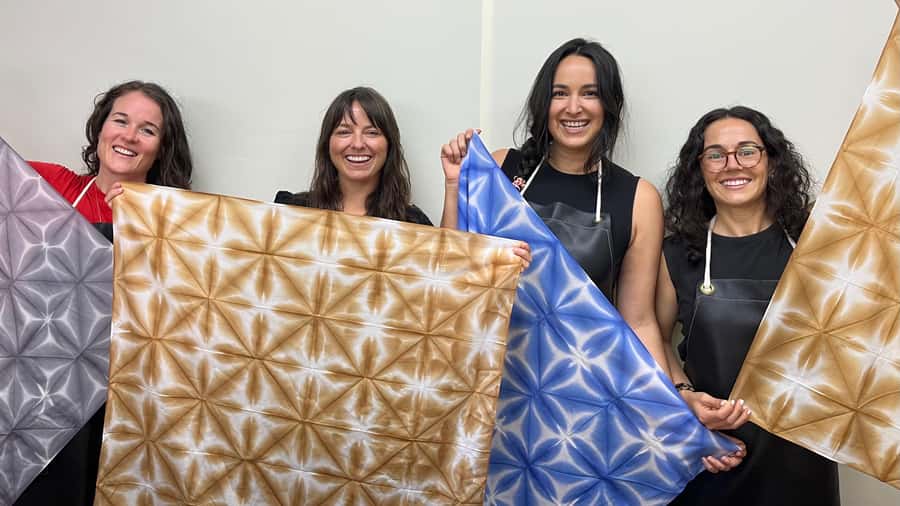
- Sekka-shibori snowflake pattern on a large 100% cotton furoshiki cloth
- Small group format (limited to 8) with English and Japanese instruction
- Drying time built into the experience so you can explore the museum
- Museum samples and exhibits to help you understand what you’re making
- Kyoto Shibori Museum shop with original souvenirs and fabrics
Why the Kyoto Shibori Museum workshop fits Kyoto timing
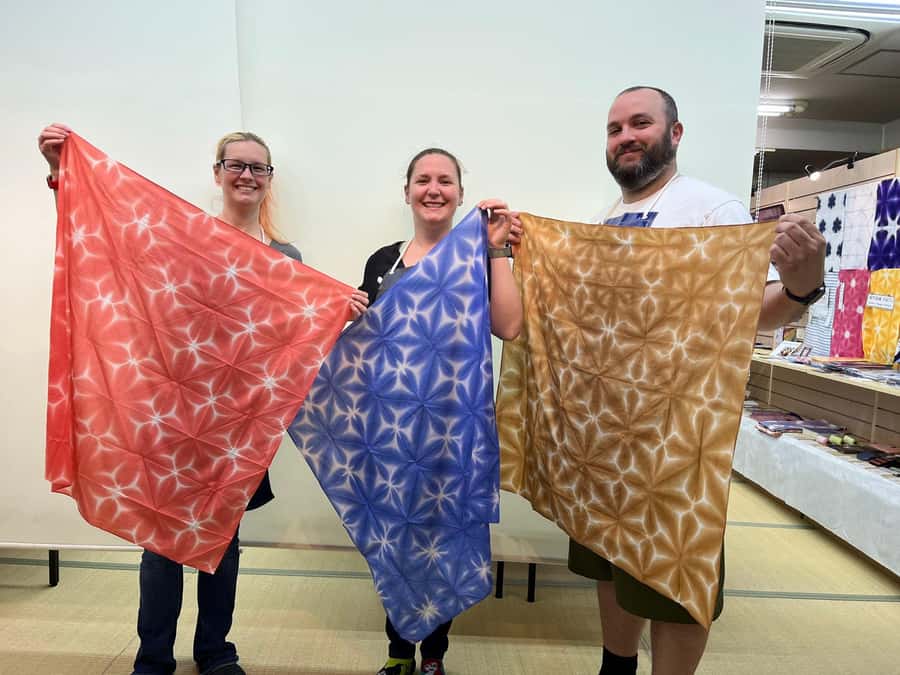
This is one of those Kyoto experiences that works even if your day is packed. The course lasts about 1 hour, and the group stays small, capped at 8 participants. That matters because shibori is detail work: you need clear guidance, not a chaotic room where you’re guessing your folds.
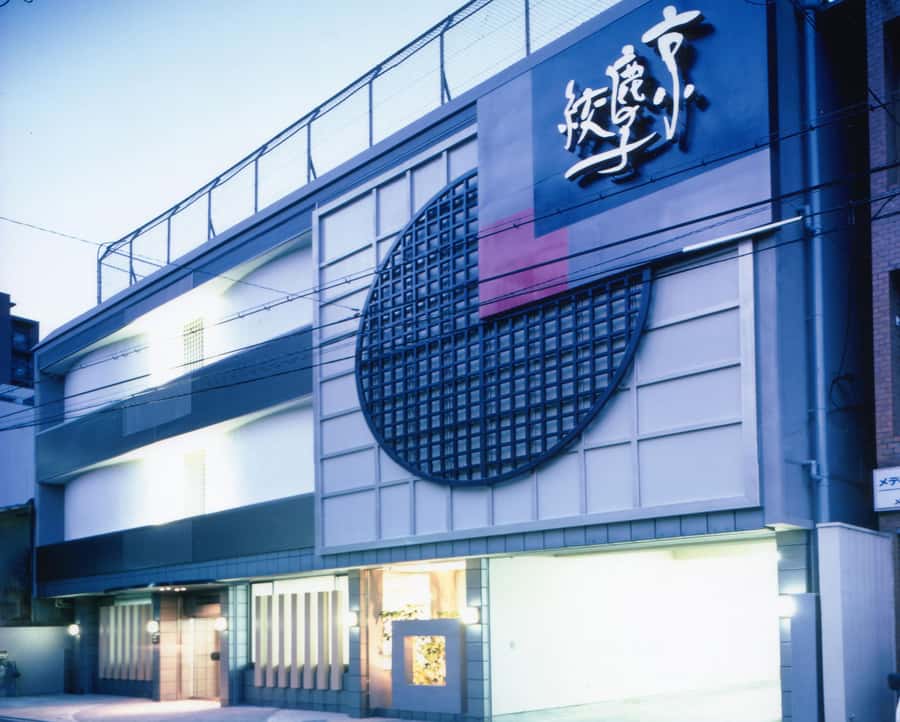
You also get a handy location advantage. The Kyoto Shibori Museum is a 5-minute walk from Nijo Castle, so it’s easy to slot in before or after sightseeing. I like workshops that don’t eat half your itinerary, and this one doesn’t.
Another practical win: you don’t just learn in a vacuum. The museum setting is part of the value. You can see real examples while your own piece is drying, which helps you connect the steps you’re doing with the final look.
Make something by hand in a Kyoto Prefecture workshop

The one thing to consider
Because the workshop is short, your goal is a finished, gift-ready result, not hours of experimentation. If you’re hoping for a long, technique-heavy session, plan to keep expectations realistic and enjoy the craft plus museum time as a package.
Sekka-shibori snowflake furoshiki: what you actually make
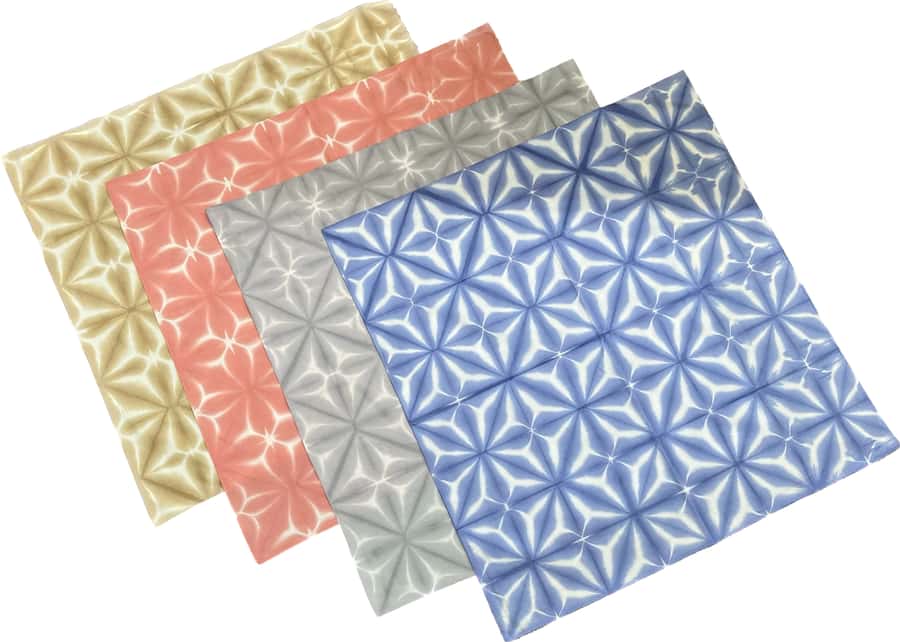
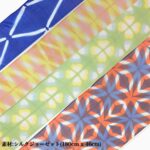
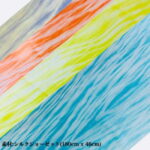
The project is a large cotton wrapping cloth (86 cm x 89 cm) made from 100% cotton, dyed using Sekka-shibori. The pattern described is snowflake-like, so you end up with something both graphic and delicate-looking.
If you’ve done tie-dye before, you’ll feel the resemblance in the “fold, apply, dye, reveal” workflow. One review even called it similar to tie-dye in feel, while emphasizing that the instructions are clear. That’s good news for beginners: you’re not starting from zero with no structure.
The cloth size is also a big deal for your planning. This isn’t a tiny swatch you’ll frame and forget. You’ll have a sizable textile that works as a gift, a wrap, or even worn in a scarf-like way depending on styling. When people call it a scarf, it’s usually because it’s a cloth you can wear and use, not because it’s a small craft strip.
Why the “big furoshiki” matters
You’ll likely appreciate the scale because it’s easier to see your pattern emerge. It also gives you a more satisfying souvenir. In Kyoto, where handmade items can be pricey, having a large, finished piece is part of what makes the price feel fair.
The class flow: folding, dyeing, and following along step-by-step
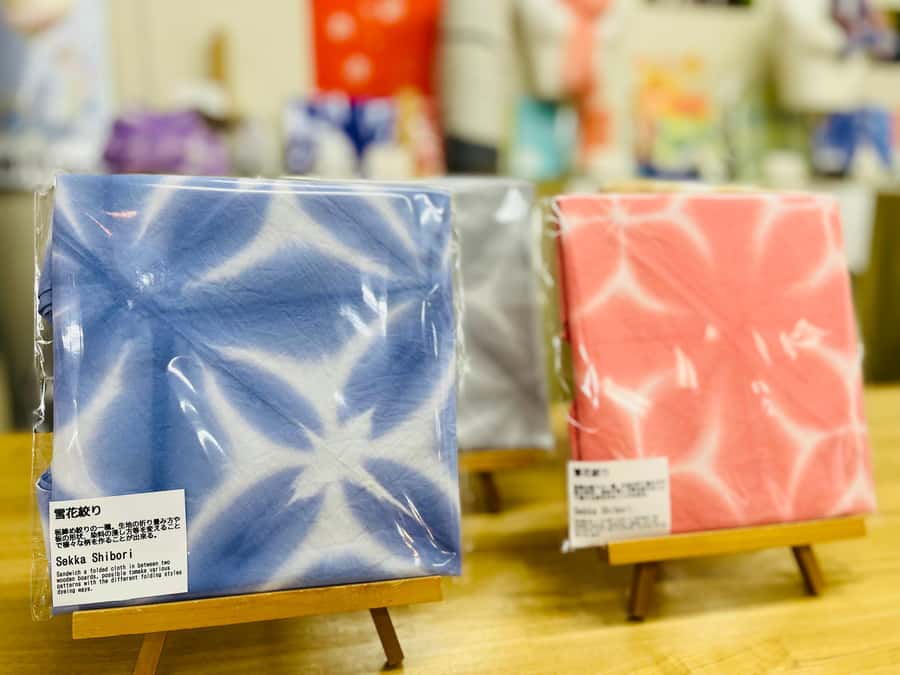
The core of the workshop is a guided hands-on session where you make your shibori fabric and dye it to create the Sekka-shibori design. The museum’s approach is built around instruction that’s easy to follow, including in English and Japanese.
One detail that comes through strongly in the experience is how practical the teaching style is. Reviews describe instructions as clear and the process as not too difficult—especially for people who’ve never done shibori before. There’s also a mention of an instructor named June, who explained the folding and dyeing techniques clearly as the class went along.
Even if you consider yourself “not artsy,” this kind of structured craft works because you’re copying a process, not inventing art from scratch. Your job is to focus on the steps you’re shown: the folds, the handling of the fabric, and keeping everything consistent enough that the dyeing creates the intended pattern.
Other Kyoto Prefecture tours and experiences to compare


A key rhythm point: you dye, then you wait
You’ll spend part of the class creating and dyeing, then your piece needs time to dry. That drying window isn’t wasted time; it’s intentionally turned into museum time. This is how the workshop fits into just 1 hour without feeling rushed in the “finished fabric” sense.
While your fabric dries: what to do inside the museum
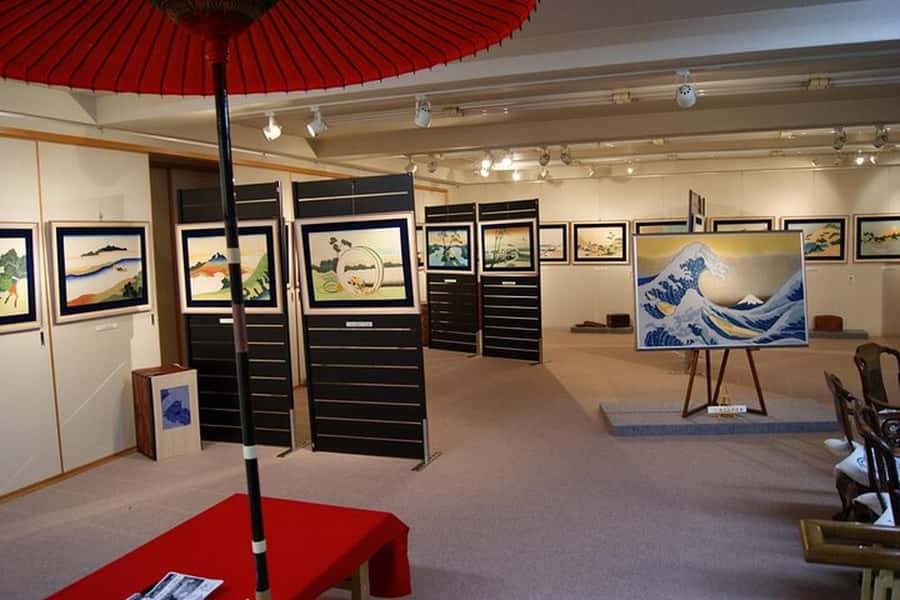
Here’s where the Kyoto Shibori Museum really earns its keep. As your cloth dries, you can walk the galleries and view samples, art pieces, and textile examples related to the techniques you just tried.
You’ll also have access to a special exhibition while you wait. In craft workshops, the waiting period can feel like a lull. Here it’s turned into learning and inspiration. Seeing dyed samples up close helps you understand what different folding choices can do—and why shibori has such a strong visual identity.
The museum also has an “opening ceremony” element that multiple participants specifically highlighted as enjoyable. Even if you don’t know what to expect, it’s the kind of small ritual that helps you slow down and take the craft seriously without making it feel stiff or academic.
Museum shop browsing: the souvenir part you shouldn’t skip
After (or alongside) the museum time, spend time in the shop. People mention seeing a variety of original items, souvenirs, and fabrics for sale, and it’s a great place to compare your finished piece to other works. You can also look for textile gifts that don’t require you to have any craft skills at all.
This is one of the smartest parts of the day because you’re not just buying; you’re learning while you buy. The experience makes the shop feel relevant instead of random.
Price and value: is $42 a fair deal in Kyoto?
At $42 per person, this workshop isn’t the cheapest activity in Kyoto. But it’s also not priced like a “souvenir factory” either. The value comes from three things working together:
First, you get the workshop itself: guided shibori instruction in a small group setting (up to 8). That’s often where cheaper classes fall apart—crowds, limited attention, and unclear steps. Here, the class size supports hands-on guidance.
Second, your admission is included. Participants receive free admission to the Kyoto Shibori Museum, which is normally 1,000 yen. So part of what you pay is going toward access to the museum experience, not just the craft time.
Third, you leave with a sizeable handmade cotton cloth in a distinctive snowflake style. In Kyoto, a finished textile souvenir that’s large enough to use is typically more satisfying than a tiny item you put away.
What might make it feel expensive
One review did flag that it can be a bit expensive. If you’re comparing it to very cheap craft workshops, $42 will feel like a premium. My take: it’s only worth it if you genuinely care about fabric art and you’ll enjoy the museum portion, not just the “try it once” factor.
Who this shibori workshop is best for
This workshop works well for a wide range of people because the process is taught with clear steps and the end result is beautiful even when you’re new to the technique.
You’ll likely enjoy it if:
- you want a practical souvenir you can gift or use
- you like fabric art and want to see examples in context
- you’re traveling with teens or older kids (the activity was described as relaxing and suitable)
- you’re the kind of person who appreciates doing something hands-on rather than only sightseeing
It can also be a solid option if you’re a teacher or student of textiles. One participant described themselves as a textiles teacher and said June explained the folding and dyeing techniques clearly.
Who may want more time elsewhere
If your dream is mastering shibori deeply—multiple rounds, more experimentation, and lots of technique repetition—this 1-hour class may feel short. Think of it as a finished-piece workshop plus museum learning, not a full training course.
Practical tips so your furoshiki turns out as intended
You don’t need to be an expert to make this work. Still, a few smart choices help:
- Follow the instructor’s steps closely during folding. The final pattern depends on what you do at the folding stage.
- Treat your hands gently with the fabric. If you handle it carelessly right after dyeing, you can disrupt the results.
- Plan your day so you have time to enjoy the museum while it dries. Don’t schedule another appointment that forces you to rush.
- If you want to gift it, consider how you’ll present it when you pick it up. A neatly packed handmade textile makes a stronger gift than a rushed grab-and-go.
- Take a moment to browse the shop before you buy gifts for others. Seeing what’s available helps you decide if you want to add a second item to your own finished cloth.
None of this is complicated. The big win is that the workshop’s structure gives you fewer decisions to worry about.
Should you book the Shibori Furoshiki Course at Kyoto Shibori Museum?
Book it if you want a high-quality, gift-ready textile souvenir and you’re excited to learn while the museum teaches you through samples and exhibits. The included museum admission makes it more than just a craft stop, and the small group setup with clear instruction helps beginners succeed.
Skip it (or pair it with something longer) if you mainly want lots of time to experiment or you’re chasing a full-day deep craft training. This is a short class with a museum experience attached, designed to get you to a beautiful finished result.
If your Kyoto plan includes Nijo Castle, this is an easy win. Fit it into your schedule, go in with relaxed expectations, and you’ll leave with a snowflake-pattern cloth that feels genuinely made, not mass-produced.
FAQ
How long is the Shibori Furoshiki course?
The workshop duration is 1 hour.
Where is the Kyoto Shibori Museum located?
It’s located about a 5-minute walk from Nijo Castle.
What does the workshop cost?
The price is $42 per person.
How big is the class?
It’s a small group limited to 8 participants.
What language support is available?
The instructor offers English and Japanese.
What will I make during the workshop?
You’ll make a large 100% cotton wrapping cloth (86 cm x 89 cm) using the Sekka-shibori technique.
Is museum admission included?
Yes. Workshop participants receive free admission to the Kyoto Shibori Museum, normally 1,000 yen.
What happens to the fabric after dyeing?
Your piece dries while you explore the museum. Art pieces and samples are displayed while the fabric dries.
Is there a museum shop?
Yes. The museum shop sells original items, souvenirs, and fabrics.
What are the cancellation and payment options?
You can cancel up to 24 hours in advance for a full refund, and you can reserve now & pay later (pay nothing today).
More Museums in Kyoto Prefecture
More Tour Reviews in Kyoto Prefecture
More Kyoto Prefecture Workshops to Try
Just added: more Kyoto Prefecture tours to browse




Kyoto Craft & Calligraphy Workshops, compared.
 ★ 5.0Chopsticks Making Workshop in Gion with Engraving OptionFrom $15958 reviews
 ★ 4.8Authentic knife making experience at a blacksmith in KyotoFrom $154350 reviews
 ★ 5.01-Hour Japanese Archery Experience in KyotoFrom $46176 reviews
 ★ 5.0Calligraphy class at Buddhist temple in city centerFrom $55167 reviews
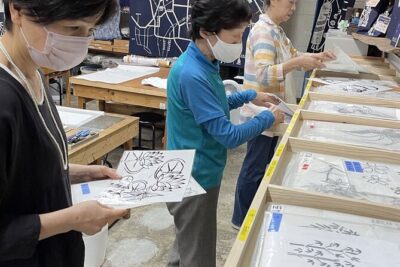 ★ 5.0Roketsu dyeing experience: M course Roketsu Dyeing ExperienceFrom $25163 reviews
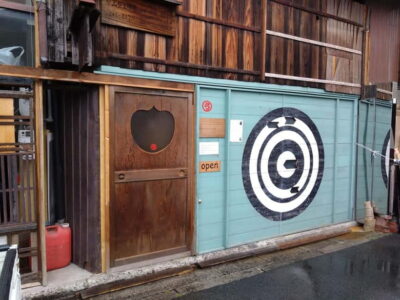 ★ 4.9Japanese Archery Workshop with Experienced InstructorFrom $38132 reviews
 ★ 4.8Japanese Calligraphy ClassFrom $5189 reviews
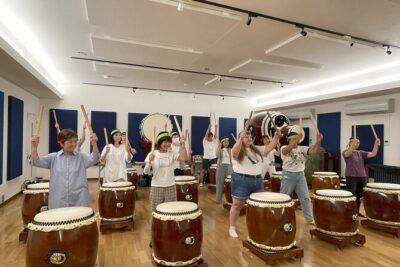 ★ 5.0TAIKO, Japanese Drum Experience from KyotoFrom $11586 reviews
Browse the lists this tour appears in