
Reviewed · KYOTO TEMPLE & SHRINE TOURS
Kyoto: Zen Meditation and Garden Tour at a Temple with Lunch
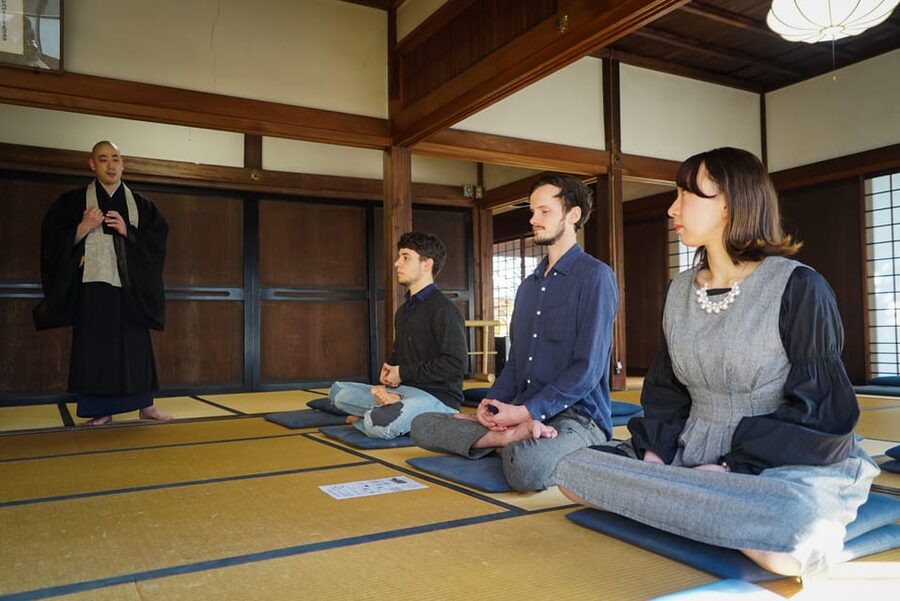
Silence, then the garden speaks. I like how this tour starts with a Zen garden lesson, not just a meditation label, and then shifts into a real zazen session at Tofukuji. You’ll also get lunch that matches the monastery tradition, including Shojin Ryōri-style flavors after the calm.
The best part for me is the mix of ideas and practice: your local English-speaking guide explains what to look for in the temple and how to sit, breathe, and think during zazen. A second strong win is the pacing—small group capped at 7—so the day feels unhurried even while you visit multiple sites.
One thing to plan for: during the zazen portion, conversation is off-limits. The setting is quiet by design, and you’ll use silent reading materials to follow along rather than asking questions mid-session.
In This Review
- Key highlights I’d bookmark
- Tofukuji Zen: Why This Tour Feels Practical, Not Performative
- Starting at Tofukuji Station: The Small-Group Timing Trick
- Kōmyō-in Garden Walk: Learn Zen by Looking, Not Just Listening
- Tofukuji Temple Stops: San-mon Gate, Dragon Ceilings, and a Quirky Detail
- Shōrin-ji (Bishamon-dō): The Zazen Hour That Changes the Pace
- Lunch at the Temple Restaurant: Shojin Ryōri, Dashi, and a Monks-Training Feeling
- Who This Tour Is Best For (And Who Might Feel Frustrated)
- Price and Value: What $107 Covers (and Why It’s Not Just a Temple Ticket)
- Practical Tips to Make It Smoother in Kyoto Heat and Temple Cold
- Should You Book This Zen Meditation and Garden Tour?
- FAQ
- What is the duration of the Kyoto Zen Meditation and Garden Tour with Lunch?
- What lunch is included?
- Where do I meet the group?
- Is there an English guide?
- How long is the zazen meditation session?
- Is the tour suitable for children or people with gluten intolerance?
Key highlights I’d bookmark
- Tofukuji Zen practice site: you visit one of Kyoto’s five Great Zen Temples
- Zen garden first: you learn how to read the garden before you sit
- Zazen hour at a smaller temple: posture and breathing guidance, then silent practice
- Temple details worth slowing down for: San-mon gate, dragon ceiling paintings, and the oldest surviving toji (toilet)
- Shojin Ryōri lunch after meditation: vegetarian meal with dashi and a bit of dairy
- Small-group feel (max 7): more calm, and easier conversation after meditation
Tofukuji Zen: Why This Tour Feels Practical, Not Performative
Kyoto has plenty of temples. What makes this experience different is the order and the teaching style. You start with the ideas you’ll later practice, then you sit, then you eat the kind of food monks historically ate during training and routine.
I also like that the tour doesn’t treat Zen as a vague mood. You get guidance on posture, breathing techniques, and the basic approach to zazen, so you’re not just waiting for a bell and hoping you do it right.
And yes, it ends with lunch that helps you stay in the theme instead of rushing you back to sightseeing mode. The meal is a vegetarian Shojin Ryōri format, including dashi-fish broth and a bit of dairy, served after the meditation.
Still mapping out your days? A few more Kyoto Prefecture tours worth a look.


Starting at Tofukuji Station: The Small-Group Timing Trick
You meet outside Tofukuji Station Exit 2, next to the FamilyMart. It’s a simple meeting point, but it matters because the tour must start on time, and late arrivals can miss the group with no refund or reschedule.
From Kyoto Station, you can use JR trains (rapid or local). If you’re coming from Shijyo Keihan, use Keihan line trains but avoid express trains. This matters because you want a smooth arrival that doesn’t cut into your temple time.
If you’re doing a later departure—some start times mean your lunch lands around 14:15—plan breakfast or brunch accordingly. The tour runs about 270 minutes, so you’ll want steady energy for the walk-throughs and the one-hour sit.
Kōmyō-in Garden Walk: Learn Zen by Looking, Not Just Listening
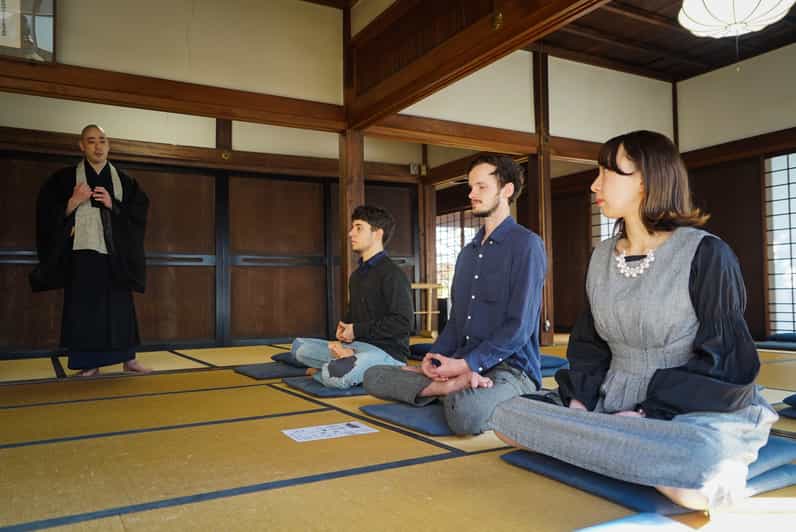
The day begins with a visit to Kōmyō-in Temple for about 40 minutes, and it starts the Zen conversation where it belongs: in the garden. Your local guide leads you through what to notice and how to appreciate it.
This is a smart setup. Zen terms can sound esoteric even in Japan, so starting with the garden gives you something concrete. You learn how to watch the space—what stillness means in layout, and how garden elements connect to Zen principles.
You’ll get commentary while you move slowly, then carry that attention mindset into the next stop. It’s not a rushed “look and go” garden tour, which is exactly how this kind of experience should work.
Tofukuji Temple Stops: San-mon Gate, Dragon Ceilings, and a Quirky Detail
Next you move to Tofukuji Temple itself (about 10 minutes). Even in a short visit, the highlights are the kinds of details you remember later.
Look for the San-mon gate, which signals the temple’s importance and sets the tone for the grounds. Then there are the dragon ceiling paintings—a visual style that keeps temple architecture from feeling flat or purely decorative.
And yes, there’s an unusual detail that stands out for being specific: Tofukuji has the oldest surviving toji (toilet). It sounds odd until you realize it’s about preservation and everyday monastic life—how serious the tradition is about function, not only ceremony.
This brief temple stop works well because you’re not pushed to do everything. Instead, you’re primed. By the time you get to the meditation-focused areas, you’ve already switched your brain from “photos” to “attention.”
Shōrin-ji (Bishamon-dō): The Zazen Hour That Changes the Pace
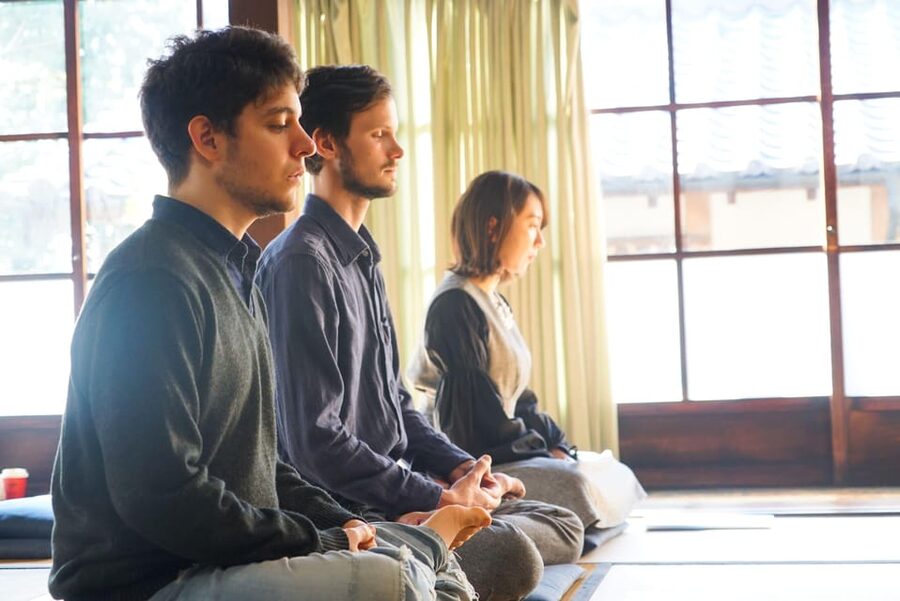
A longer portion of the tour happens at Shōrin-ji (Bishamon-dō) for about 70 minutes, and this is where the day becomes real Zen practice.
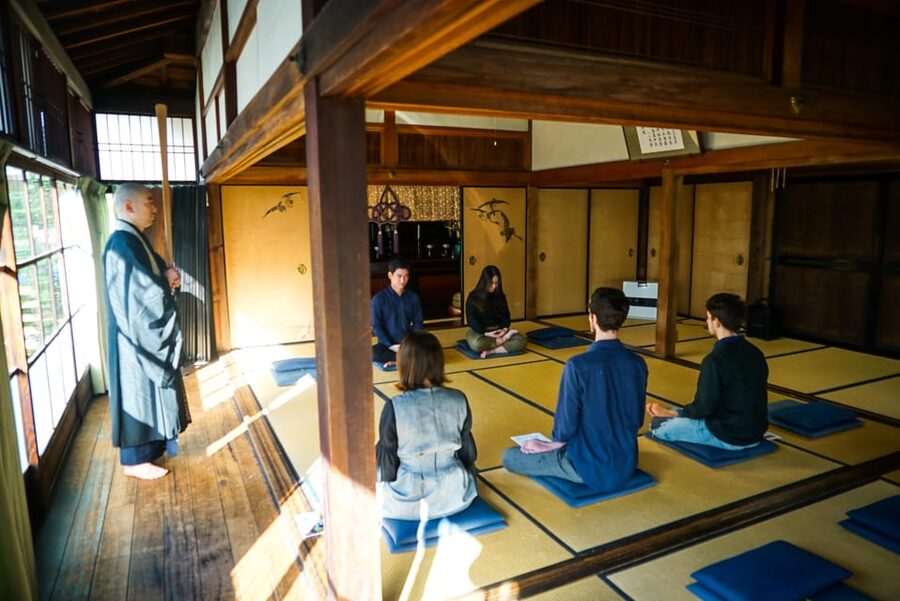
Before the seated session, the guide leads you to the smaller zazen-dedicated area. During zazen, the guide stays silent, and you’re given special silent reading materials so you can follow along without interrupting the practice.
The session itself is about one hour, focused on:
- how to set up posture for zazen
- breathing methods
- what to do with attention while thoughts come and go
- the basic approach behind the practice
A key point: during zazen, you won’t be chatting with others. Private conversations are generally prohibited, even if you’re tempted to compare notes. You’ll feel the discipline of the setting—good for people who want calm, hard for people who rely on social energy during guided activities.
Afterward, there’s a brief discussion. That part is valuable because it turns silence into clarity: you can share what you experienced, and you get a chance to ask questions when the monks and guide return to a communicative mode.



Lunch at the Temple Restaurant: Shojin Ryōri, Dashi, and a Monks-Training Feeling
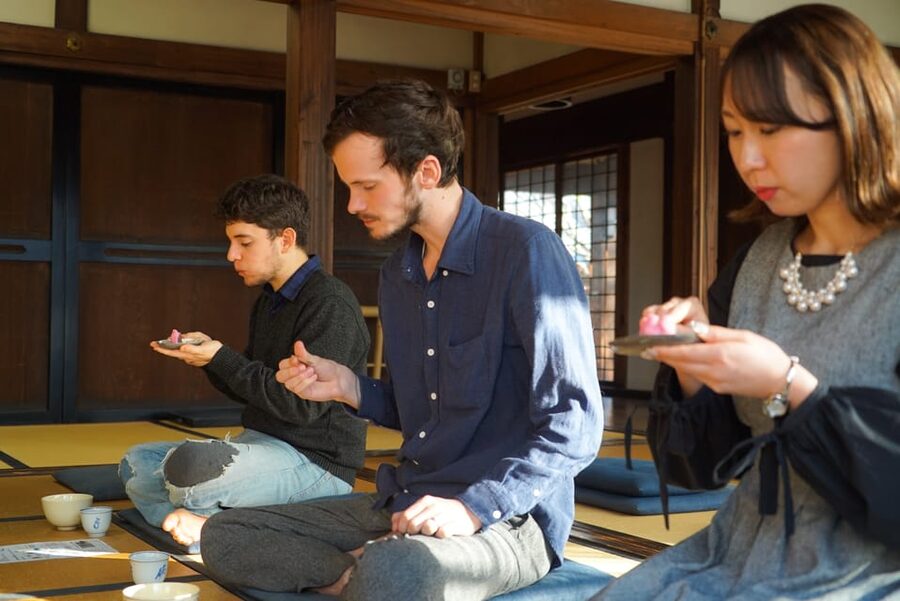
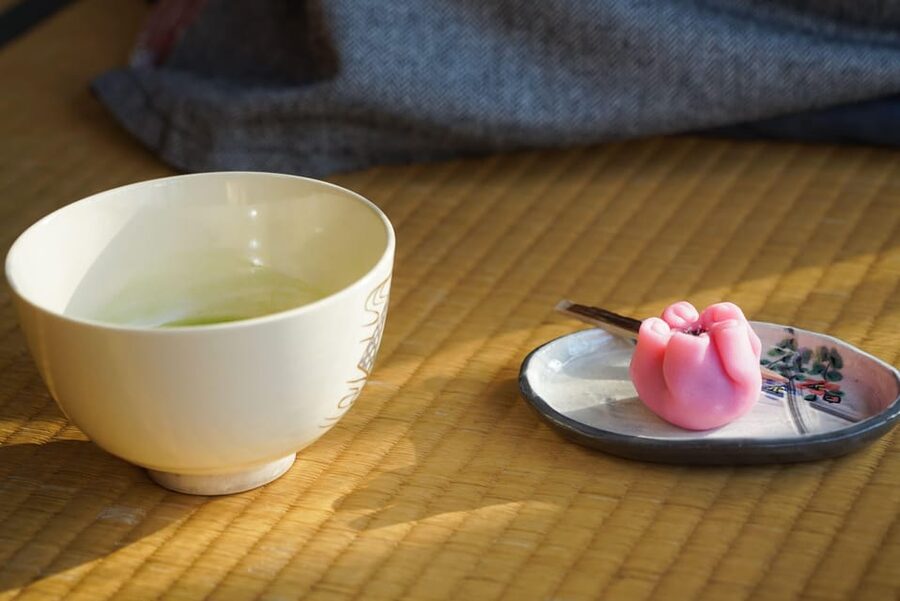
Once the meditation is done, you walk to a vegetarian meal at a local restaurant. This meal is Shojin Ryōri, a vegetarian diet Japanese monks have embraced since the 13th century.
What I like here is the practical connection. Food is part of monastic routine, not an afterthought, so eating it right after zazen reinforces the day’s theme.
Expect a menu style built around vegetables, mushrooms, and seaweed, with meat and fish avoided. The tour specifically notes dashi-fish broth is included, plus a bit of dairy, so it’s not a plain “veggie salad” meal.
You’ll eat in an area near the temple restaurant that historically trained many monks—at one point, up to 1,200 were there for practice. That context makes the meal feel less like a standard set lunch and more like you’re stepping into the rhythm of the place.
If you’re gluten-intolerant, note that this tour isn’t suitable for you. The data flags gluten intolerance as a reason to skip this experience.
Who This Tour Is Best For (And Who Might Feel Frustrated)
This is ideal if you want Zen explained in a way that leads somewhere: garden understanding, then posture and breathing, then a thoughtful food finish. You’ll also appreciate it if you like small-group travel and don’t want to be lost in a crowd.
From the guides’ track record in English-led tours, names that show up include Yutaka, Eri, Louis, Yukata, and Tammy. People consistently praise the guide’s calm presence, the quality of explanations about Buddhist symbols, and the chance to ask questions after meditation.
Here’s where it may not click:
- If you need constant verbal interaction during meditation, zazen is intentionally quiet.
- If you strongly prefer one-on-one attention, the room setup can vary. One earlier experience noted a larger L-shaped meditation room, which can reduce the intimate feel you might hope for.
Price and Value: What $107 Covers (and Why It’s Not Just a Temple Ticket)
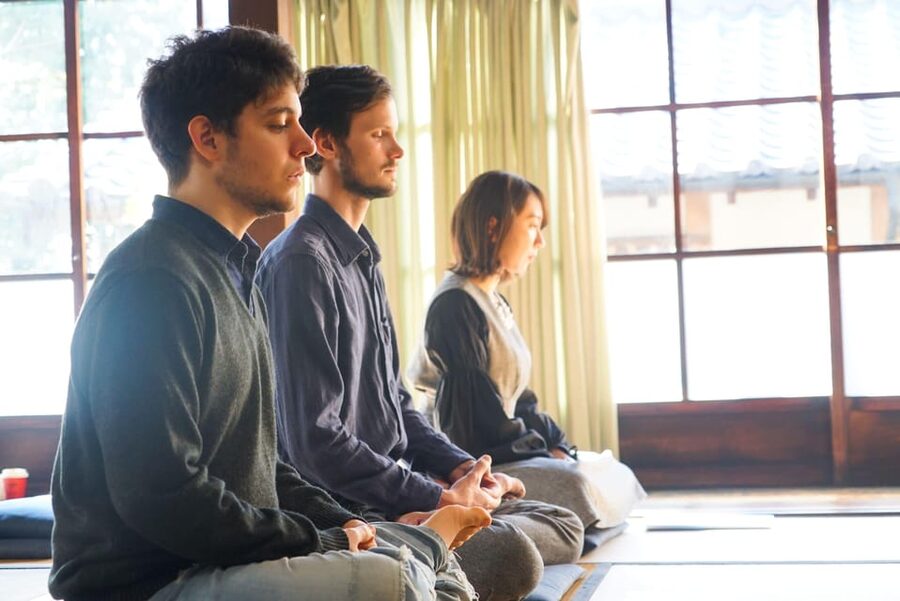
At $107 per person for about 270 minutes, you’re paying for more than temple entry. Your price includes:
- the Zen meditation experience (with a monk in the session setting)
- temple and garden admission fees
- a Shojin Ryōri traditional lunch
- photos during the tour
- an English live guide
Value-wise, the big thing is time. A one-hour zazen session isn’t something most people can easily arrange on their own without knowing where to go and what to do once they arrive.
The second value lever is structure. You’re guided through the garden lesson, the temple highlights, the silent practice, and the meal. That prevents the common Kyoto problem: you wander for hours but come away unsure what you just saw.
And because the group is capped at 7 participants, you’re paying for a calmer pace. That matters with a meditation-based experience, where the wrong group size turns quiet into chaos.
Practical Tips to Make It Smoother in Kyoto Heat and Temple Cold
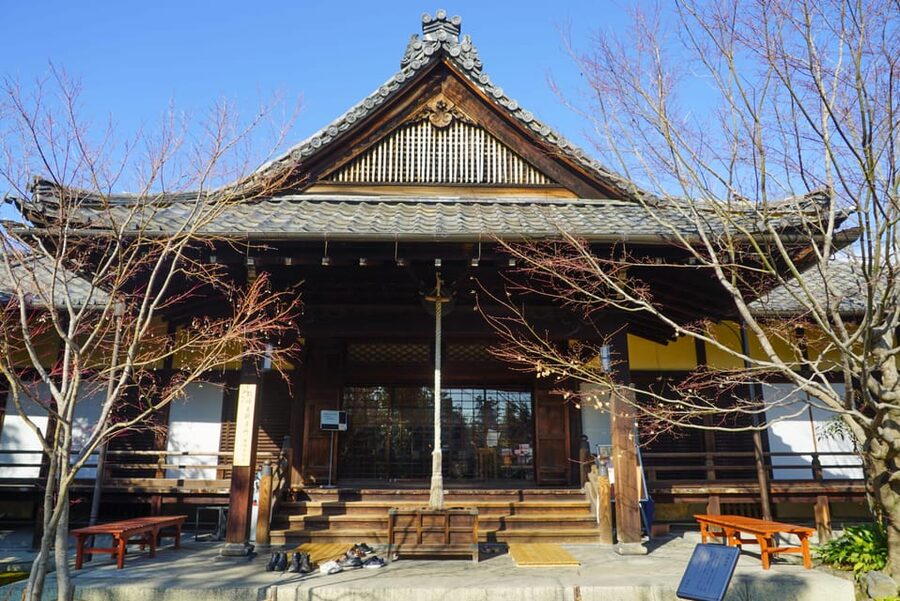
Kyoto’s summer can be hot and humid, so bring water and a hat. Temple grounds can also involve a bit of walking, and you’ll want to stay hydrated before you sit for an hour.
In winter, temple floors can be quite cold, so thick socks are a smart move. It’s a small thing that can change comfort a lot once you’re seated for a long time.
Also, keep your head in the experience. Since zazen is quiet and private conversations are discouraged, decide ahead of time that you’re coming to practice and observe, not to socialize through the meditation hour.
Should You Book This Zen Meditation and Garden Tour?
Book it if you want a guided Zen day that balances explanation and practice: garden viewing first, then zazen instruction and silent practice, then Shojin Ryōri lunch. The small group size and inclusion of both admission and lunch make it feel like a complete experience rather than a “pay for entry then figure it out” plan.
Skip it (or choose another option) if you need ongoing conversation during meditation, if you’re bringing young kids (it isn’t suitable for children under 12), or if you have gluten intolerance.
If you’re the kind of person who likes to understand symbols and routines—how monks trained, how spaces guide attention, how food fits the tradition—this is a solid Kyoto choice.
FAQ
What is the duration of the Kyoto Zen Meditation and Garden Tour with Lunch?
The tour runs about 270 minutes total.
What lunch is included?
The included lunch is Shojin Ryōri, a traditional vegetarian Buddhist meal. It includes dashi-fish broth and a bit of dairy.
Where do I meet the group?
Meet outside Tofukuji Station Exit 2 next to the FamilyMart.
Is there an English guide?
Yes. The tour includes a live English guide.
How long is the zazen meditation session?
The zazen practice is about one hour.
Is the tour suitable for children or people with gluten intolerance?
The tour is not suitable for children under 12, and it’s also not suitable for people with gluten intolerance.
More Tour Reviews in Kyoto Prefecture
Just added: more Kyoto Prefecture tours to browse





Kyoto Temple & Shrine Tours, compared.
 ★ 4.9Tea Ceremony Ju-An at Jotokuji TempleFrom $293,207 reviews
 ★ 4.8Arashiyama Bamboo, Temple, Monkeys, or Secret Sake BreweryFrom $87886 reviews
 ★ 5.0Arashiyama Bamboo Forest, Monkeys, Matcha & Temple TourFrom $53759 reviews
 ★ 4.4Osaka/Kyoto: Arashiyama, Nara & Fushimi Inari Shrine w/LunchFrom $61754 reviews
 ★ 4.7Imperial Palace & Nijo Castle Guided Walking TourFrom $49453 reviews
 ★ 5.0Kyoto Zen Meditation & Garden Tour at a Zen Temple with LunchFrom $110441 reviews
 ★ 5.0Zen Experience in a Hidden TempleFrom $109437 reviews
 ★ 5.0KYOTO Tea Ceremony with kimono near by Imamiya Jinjya ShrineFrom $99343 reviews
Browse the lists this tour appears in