
Reviewed · MUSEUMS
Itajime Shibori Scarf Class at Kyoto Shibori Museum
Kyoto shibori turns dye into pattern. This Itajime shibori scarf workshop at the Kyoto Shibori Museum is hands-on, guided, and designed so you can enjoy the museum while your fabric dries. I especially like the clear, close coaching—right down to quality control—so your scarf comes out sharp and satisfying.
What I like most is the method itself: sandwiching fabric between boards and using two dye colors to build the design. You also get plenty to do beyond the workshop, including time to look around displays and exhibits as your piece sets. One possible drawback: because dye needs drying time, you’ll spend part of the session waiting in the museum rather than working nonstop.
In This Review
- Key Points at a Glance
- Itajime Shibori in Kyoto: How the Pattern Gets Made
- Your 1-Hour Scarf Class: Boards, Two Dyes, and Real Coaching
- A quick reality check
- The Museum While You Wait: Exhibits, Upstairs Displays, and Video
- Shopping at Kyoto Shibori Museum: Souvenirs Without the Guesswork
- Price and Value: Why $42 Works Here
- Practical Tips for a Smooth Day Near Nijo Castle
- Who Should Book This Shibori Scarf Class
- Who might hesitate
- Should You Book the Itajime Shibori Scarf Class at Kyoto Shibori Museum?
- FAQ
- How long is the Itajime shibori scarf class?
- How big is the group?
- What languages are available for instruction?
- What will I make during the workshop?
- Is museum admission included?
- Where is the Kyoto Shibori Museum located?
- What is the cancellation policy?
- Can I reserve without paying right away?
Key Points at a Glance
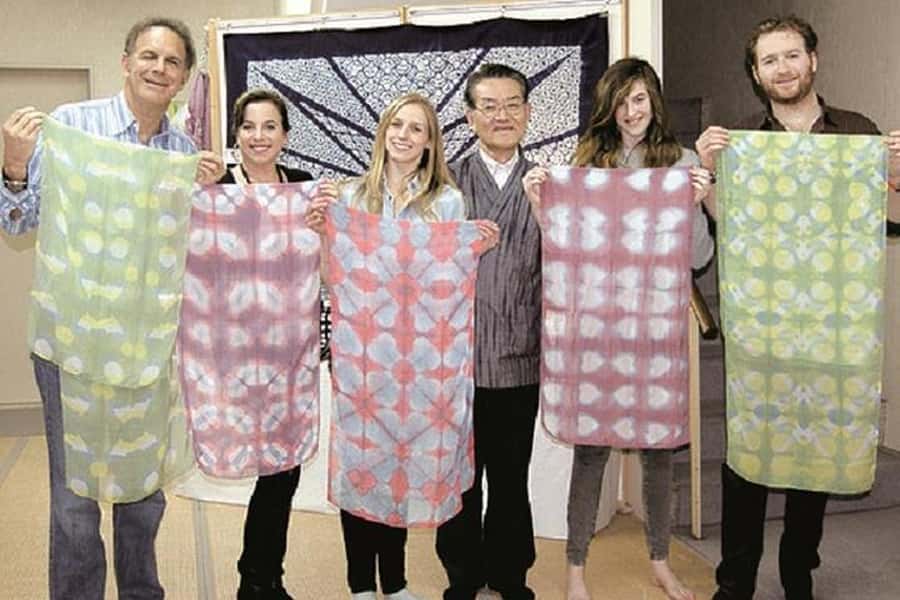
- Itajime shibori process: boards + fabric + two dye colors = your unique pattern
- Small group size (up to 8) for hands-on help and quality checks
- Museum access included: free admission normally valued at 1,000 yen
- English or Japanese instruction with an instructor-led, step-by-step pace
- Bonus museum time while your scarf dries, plus shop browsing
Itajime Shibori in Kyoto: How the Pattern Gets Made
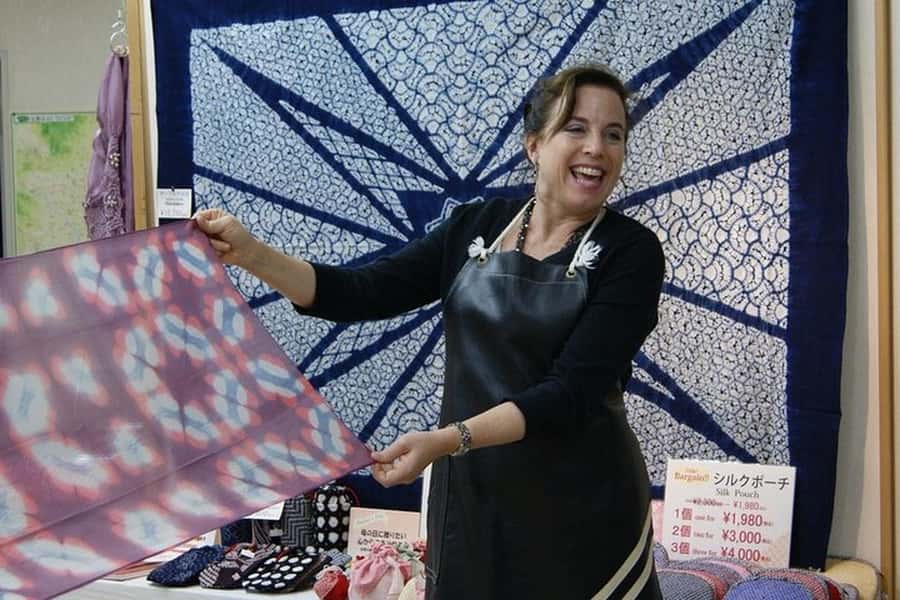
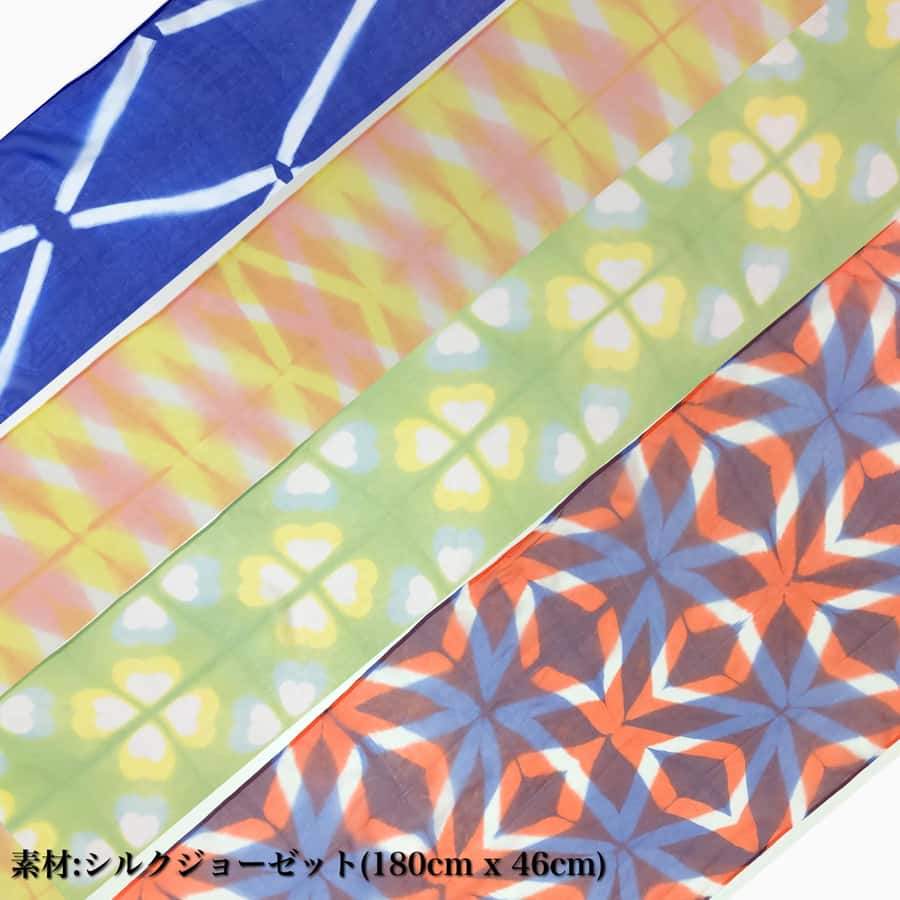
This class focuses on Itajime shibori, a shibori style where the pattern forms through pressure and resisted dye. Instead of printing a design, you’re shaping how dye moves. That’s why the result can feel a little magical—even when the steps are very practical.
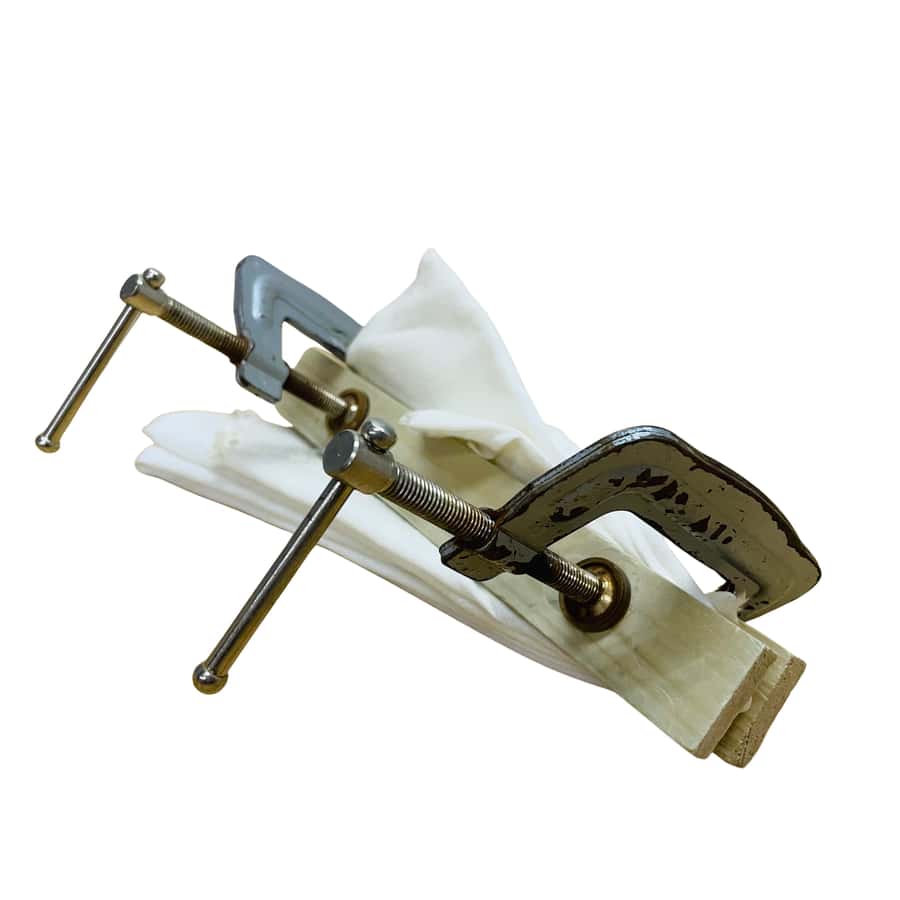
In your workshop, you’ll create a pattern by sandwiching fabric between boards. Then dye does the rest, soaking into the areas that are exposed while the pressed sections resist color. The museum also emphasizes a traditional approach that goes back to older Japanese craftsmanship, with techniques that have continued since the Nara period. That kind of continuity matters because you’re not just doing a craft project; you’re working within a method that has been refined over time.
You’ll also have options. The class is designed around creating a specific design using different boards and two color choices, which is how the workshop can produce such distinct looks. Even if two scarves start from the same “recipe,” the final pattern still reads as its own piece.
Other Kyoto Prefecture tours and experiences to compare


Your 1-Hour Scarf Class: Boards, Two Dyes, and Real Coaching
The workshop runs about 1 hour, and the active making time is typically 30 to 60 minutes. That structure is convenient: long enough to learn a real technique, short enough to fit into a Kyoto day.
Here’s how the experience usually feels. You’ll start with setup and instruction on how to position the fabric and boards correctly. Then you move into the dyeing stage. The key is doing each step with enough care that the resist effect works the way it’s supposed to.
One standout from the class experience is the attention to results. Staff assist throughout the process for quality control, so if something looks off mid-way, you get help before it becomes permanent. In a review, Akiko was specifically mentioned for efficient, clear instruction. That detail matters because shibori is easier when someone can spot issues quickly and explain what to adjust without making you guess.
At the end, you take home a finished scarf, and the biggest point is that it’s unique. You’re not buying a mass-produced souvenir. You’re wearing the evidence of your choices—boards, placement, and the selected dye colors.
A quick reality check
You’re making something that involves dye, so expect that timing and drying are part of the process. That’s why the class includes museum time: you’re not just “done” the moment dye touches the fabric.
The Museum While You Wait: Exhibits, Upstairs Displays, and Video
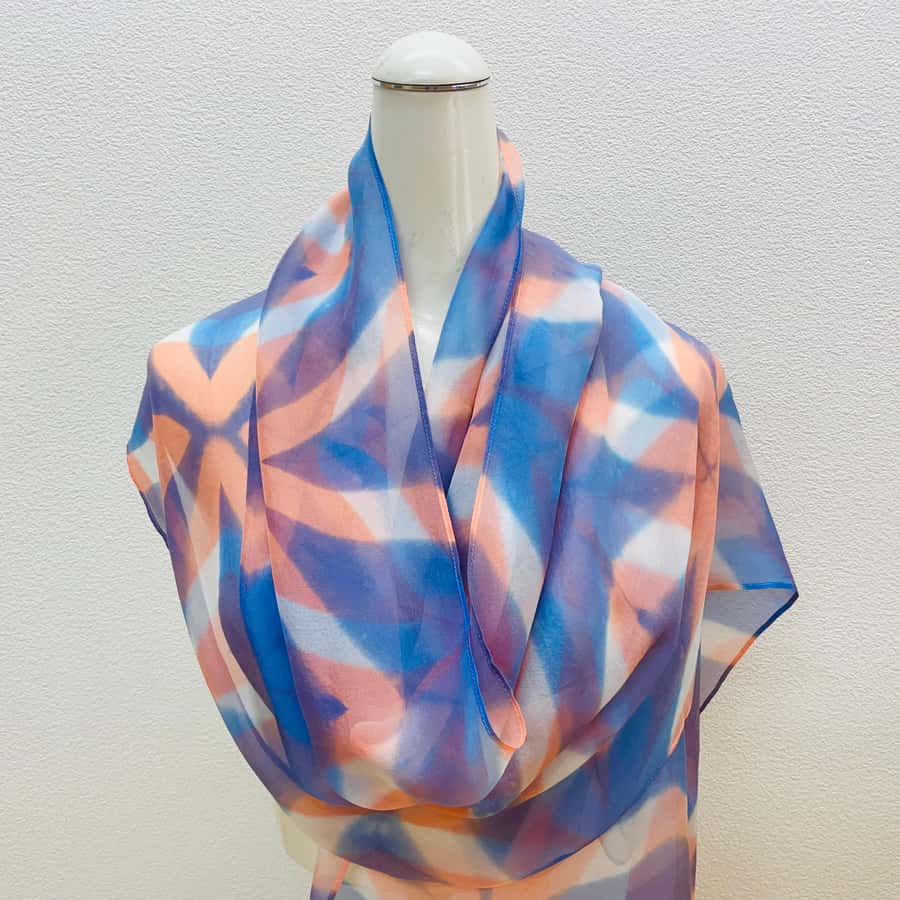
Your scarf needs time to dry and set, so the workshop is paired with museum exploration. While your piece dries, you can walk through displays and look at samples and completed shibori works. This is more than a passive waiting room. It helps you understand what you’re making by showing how the technique translates into finished designs.
The museum has multiple layers to it:
- On-site displays and samples tied to shibori approaches and pattern variation
- An upstairs exhibition that includes a video presentation on shibori
That video piece is useful if you want context beyond the “how-to.” Even if you only catch part of it, you’ll leave with a clearer sense of what shibori is and why artists and craftspeople keep pushing the results.
And yes, you can just enjoy the vibe of the place. The museum is small and focused, which makes the experience feel concentrated rather than overwhelming. After the workshop, it helps to see the craft in a bigger frame—especially when you’ve just handled the core steps yourself.
Shopping at Kyoto Shibori Museum: Souvenirs Without the Guesswork
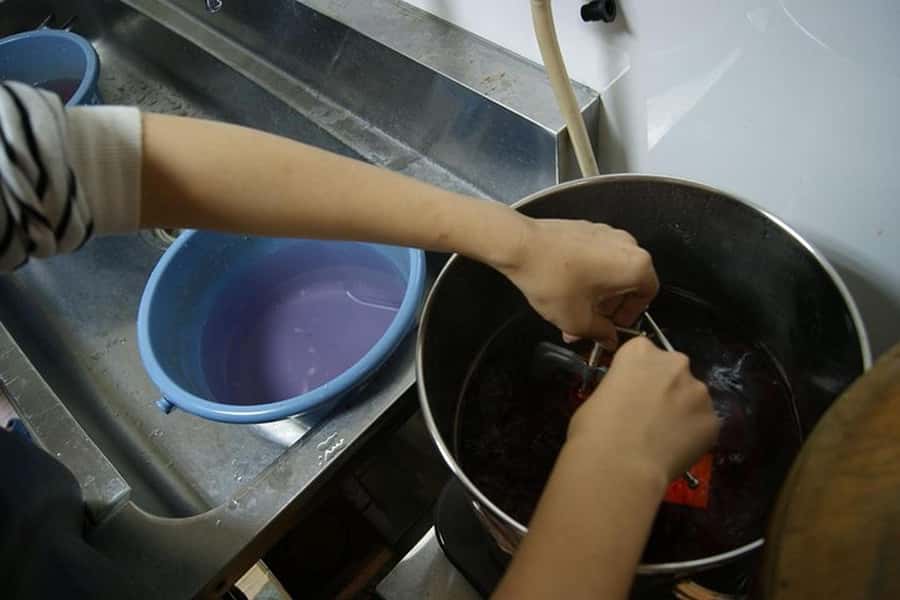
The museum shop is where your practical shopping instincts will kick in. You can browse original items, souvenirs, and fabrics, and you can see completed works up close.
The value of shopping here is that you’re buying in the same context as your class. You’re not wandering into a random store with generic “Japan-style” crafts. You’re in a place dedicated to shibori, so it’s easier to connect what you learned to what you’re seeing for sale.
Also, if you want to compare, you can look at finished items alongside what you’re making. That can help you decide things like:
- which styles you’ll recognize as shibori versus other textile techniques
- what patterns and color palettes appeal to you
- whether a scarf as a gift makes sense compared with other options in the shop
If you’re the type who likes taking home one high-quality textile rather than five smaller souvenirs, this shop supports that.
Other Kyoto Prefecture tours and experiences to compare

Price and Value: Why $42 Works Here
At $42 per person, this workshop isn’t a bargain in the “cheap craft” sense. But it is strong value for what you get, especially in Kyoto where craft classes can be all over the map.
Here’s the value math:
- The museum admission is normally 1,000 yen, and workshop participants receive free admission.
- The class is instructor-led with personal help in a small group (limited to 8).
- You create and take home a finished silk scarf.
Small-group instruction matters. When someone can watch your placement and guide you in real time, you don’t have to spend the whole session worrying whether you’ll mess it up. That reduces the risk that you pay and then end up with a result you’re not proud to wear.
And the scarf itself is the payoff. You’re not leaving with a paper certificate or a craft kit. You’re leaving with something you’ll actually use—assuming you like wearing scarves, which most people do once they find one that feels good.
Practical Tips for a Smooth Day Near Nijo Castle

This museum is about a 5-minute walk from Nijo Castle, which is handy if you’re doing castle + workshop on the same trip. It’s also a location that makes your day feel logical: start with sightseeing nearby, then slow down for a hands-on class.
A few practical pointers that improve the experience:
- Expect the session to include both making and museum time for drying and observation.
- Choose your pattern and color direction thoughtfully at the start. The method uses boards and dye, so your selections directly influence the look.
- Plan for a small-group pace. With up to 8 participants, the instructor can help more directly than in a big workshop hall.
- If you’re more comfortable in English or Japanese, you’ll be covered either way. The class supports English and Japanese instruction.
Because the duration is listed as 1 hour, you’ll want to keep your schedule realistic around it. Kyoto has a way of stretching your walking time, so having a buffer nearby helps.
Who Should Book This Shibori Scarf Class
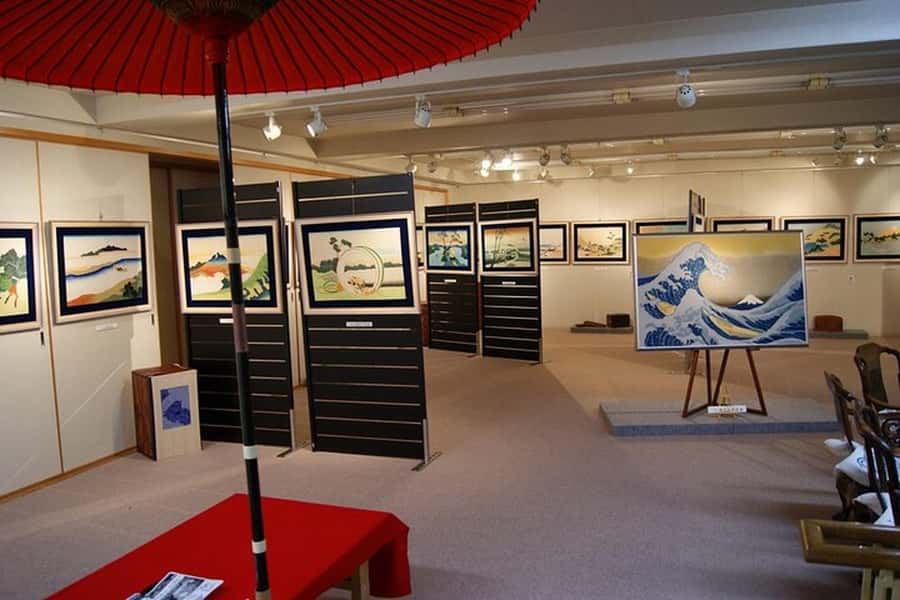
This class fits best if you want a hands-on cultural experience that still stays manageable in time. I’d particularly recommend it if you’re:
- interested in traditional Japanese craft processes, not just taking a photo and leaving
- the type who likes learning a method you can recognize later in museums or shops
- traveling with one “one-hour” slot you want to fill with something high-value
- buying a souvenir that you can wear, not just display
It also works well if you’re curious about traditional technique continuity, since the museum points to methods carried forward since the Nara period. That gives the class more meaning than a modern DIY activity.
Who might hesitate
If you dislike waiting, you’ll still need some time while the scarf dries. The workshop is designed around that rhythm, and the museum time is part of the package.
Should You Book the Itajime Shibori Scarf Class at Kyoto Shibori Museum?
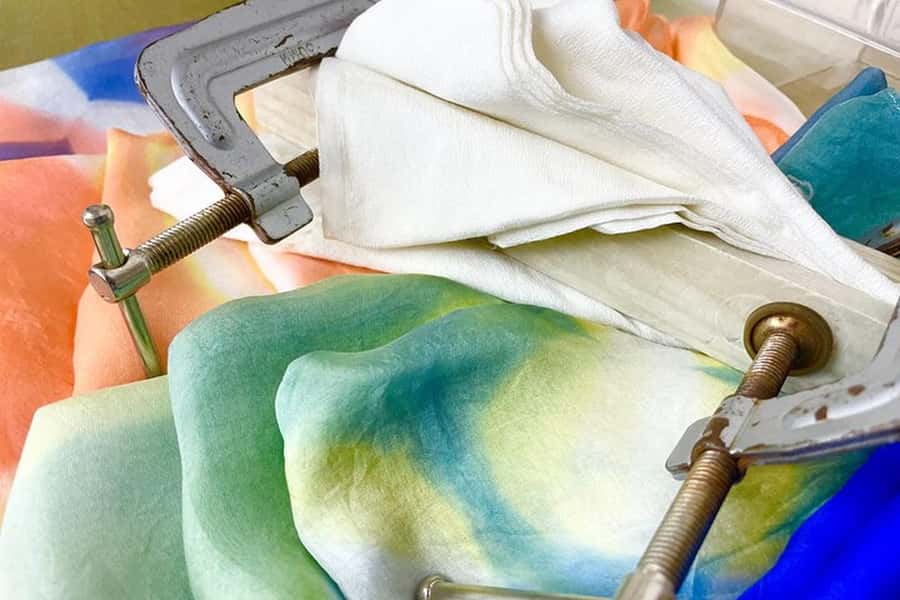
If you’re looking for a short, well-guided workshop with an actual craft result, I think this is a yes. The combination of small-group instruction, visible technique context in the museum, and a finished silk scarf makes it feel like a proper experience rather than a quick tourist stop.
I’d book it especially if you’ll be near Nijo Castle anyway. The location is convenient, the class stays focused, and the museum access included in the price means you get more than just the hands-on hour.
If you want a craft souvenir that looks handmade because it is handmade, this workshop delivers. And if you’re picky about quality, the personal guidance and quality checks help you feel confident about what you take home.
FAQ
How long is the Itajime shibori scarf class?
The class duration is listed as 1 hour, with the making time typically described as 30 to 60 minutes.
How big is the group?
The workshop is a small group limited to 8 participants.
What languages are available for instruction?
Instruction is available in English and Japanese.
What will I make during the workshop?
You’ll make your own Itajime shibori scarf using boards and dye, resulting in a unique pattern.
Is museum admission included?
Yes. Workshop participants receive free admission to the Kyoto Shibori Museum, which is normally 1,000 yen.
Where is the Kyoto Shibori Museum located?
It is located about a 5-minute walk from Nijo Castle.
What is the cancellation policy?
You can cancel up to 24 hours in advance for a full refund.
Can I reserve without paying right away?
Yes. You can reserve now and pay later.
More Workshops in Kyoto Prefecture
More Museums in Kyoto Prefecture

More Tour Reviews in Kyoto Prefecture


Just added: more Kyoto Prefecture tours to browse






Museums, compared.
 ★ 4.9Tea Museum Tickets and Matcha Grinding ExperienceFrom $23739 reviews
 ★ 4.5Skip the lines Basic Ticket at SAMURAI NINJA MUSEUM KYOTOFrom $28632 reviews
 ★ 4.6Geiko Maiko Dance of Kyoto & Visits of Gion MuseumFrom $25415 reviews
 ★ 4.5Kyoto Sword Experience – includes Museum Ticket/Ninja ExperienceFrom $83149 reviews
 ★ 4.8Samurai Ninja Museum guided tourFrom $28145 reviews
 ★ 4.5Ninja Experience (Family Friendly) at Samurai Ninja Museum KYOTOFrom $56132 reviews
 ★ 5.0Kyomai Dance by Maiko Geiko and Visits of Gion Art Museum KyotoFrom $2065 reviews
 ★ 4.5Samurai Sword Experience (Family Friendly)at SAMURAI MUSEUM KYOTOFrom $6563 reviews
Browse the lists this tour appears in