
Reviewed · GION & GEISHA DISTRICT TOURS
Treasures of Kyoto: Gion & historical Walking Tour
Gion at night feels made for walking, and this 3-hour Gion tour turns lantern streets into a simple plan. You’ll move at a steady pace through the district’s highlights and side streets, guided by someone who knows how the neighborhood works after dark.
Two things I really like: the guide doesn’t just point at sights, they also share practical suggestions for what else to do around Kyoto. I also like that the route hits well-known names like Hanamikoji Street while still taking you through less-obvious corners.
The only real drawback is the pace. You’re on a tight 3-hour loop, so if you want long temple stops or lots of time to sit with tea, this may feel short.
In This Review
- Key points to know before you go
- Gion at Night in 3 Hours: Why This Walk Works
- Meeting at 213 Nakanochō: Getting Started in Higashiyama
- Value for $44: Private or Small Group, With Real Local Advice
- The Route, Stop by Stop: From Pontocho Park to Kyoto Minami-za
- Pontocho Park (photo stop, guided walk)
- Nene-no-michi (photo stop and guided visit)
- Statue of Izumo-no-Okuni (photo stop)
- Chion-in (visit with guidance)
- Maruyama Park (photo stop and reset break)
- Hanamikoji Street (main historic lane)
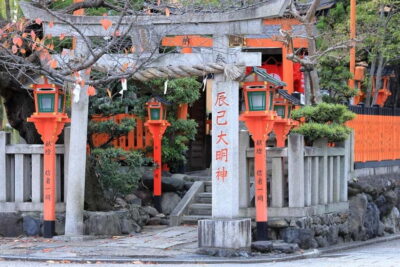
- Yasaka Shrine (aka Gion Shrine)
- Shijo-dori (photo stop during the transition)
- Kyōto Minami-za (photo stop at the end)
- The Guide’s Real Power: Advice That Keeps Paying Off
- Maiko and Geiko Sightings: What’s Realistic
- Pace, Comfort, and Night Walking Tips
- Who This Tour Is Best For
- Should You Book This Gion Walking Tour?
- FAQ
- How long is the Treasures of Kyoto: Gion & historical walking tour?
- Where is the meeting point?
- Is it private or small group?
- What languages are the tour guides?
- What is included in the tour price, and what isn’t?
- Can I expect to see a geiko or maiko?
Key points to know before you go
- Small-group or private format keeps things personal in a busy area
- Local guidance for extra Kyoto plans helps you use your remaining days well
- Night-focused route is built around Gion’s lantern-lit streets
- Photo stops are woven into the walk so you get chances to pause without slowing the group
- Maiko and geiko sightings are possible but not guaranteed
Gion at Night in 3 Hours: Why This Walk Works

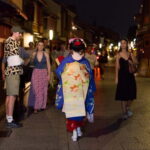
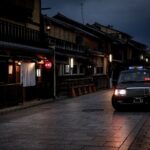
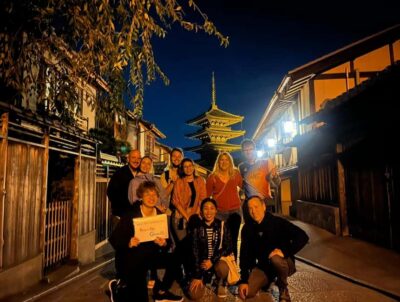
Kyoto’s Gion district looks good in daylight. But at night, it changes mood. Lanterns glow, restaurants and bars feel warmer, and the streets look more like the stories people tell about Kyoto.
This tour is designed for that evening atmosphere. You get a guided walk that mixes the main stops you probably want, plus the smaller streets where the district feels more lived-in. Since it’s only three hours, it’s a strong option when you’ve got a packed itinerary or you just want one well-organized “Gion night” without overthinking routes.
More evenings along the lantern-lit lanes of Gion
Meeting at 213 Nakanochō: Getting Started in Higashiyama
The meeting point is 213 Nakanochō, Higashiyama Ward, Kyoto, 605-0075. That area matters because it puts you in the historic side of town where the scenery and street rhythm match what you came to see.
The tour is a walking experience with a guided component, and it also includes walking and public transport unless you pick an option that changes that. Practically, this helps you avoid the frustration of piecing together transit + foot travel on your own in the evening.
You’ll also want to show up ready to move. Even when the stops are described as short (often around 20 minutes each), you’re still walking between them, and Gion at night can be crowded.
Value for $44: Private or Small Group, With Real Local Advice
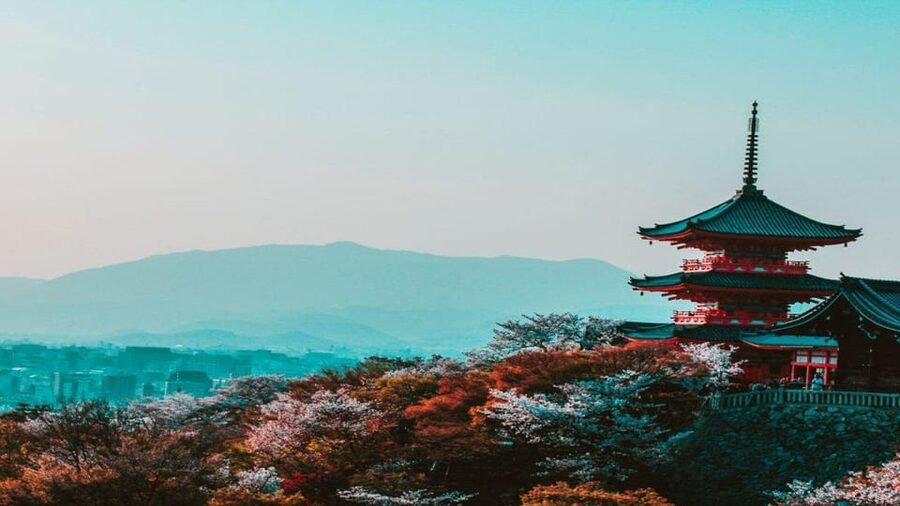
At $44 per person for about three hours, the value is less about “getting through landmarks” and more about the guidance you get while you’re there. The highlights are very specific: you’ll tour the Gion night scene, see the major sights you want, and also explore areas that aren’t just a one-lane highlight reel.
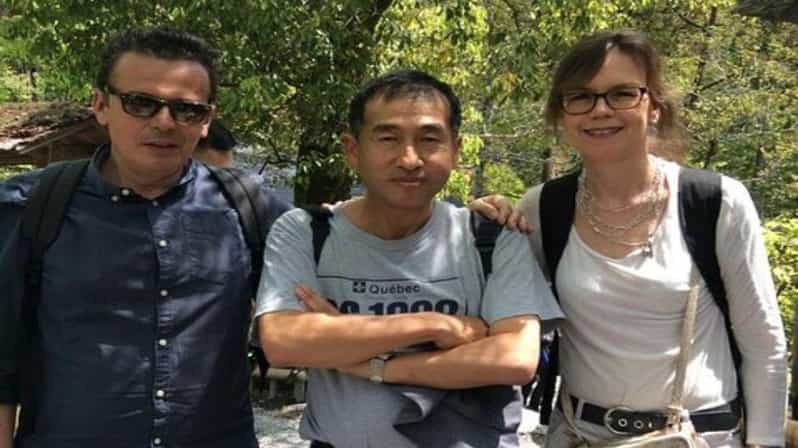
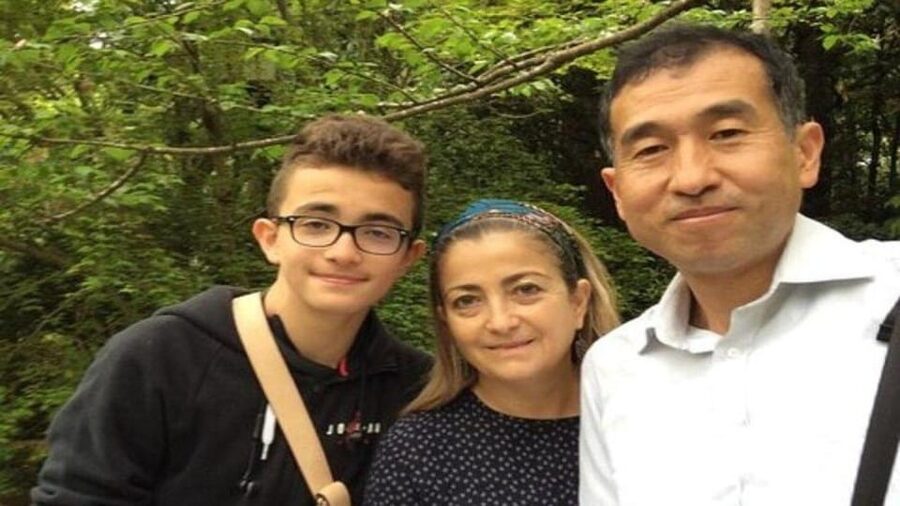
What really boosts the value is that the guide shares lots of extra ideas beyond the walk. In the experience of others, guides like Raphaël, Jérôme, and Déborah were praised for clear explanations about maiko and geiko and for offering solid “what to do next” suggestions. One family even called out how the guide’s kindness and teaching style made the tour memorable for adults and kids.
So for you, the question isn’t only whether you’ll see Gion. It’s whether you’ll leave with a better plan for the rest of Kyoto. This tour is built for that.
The Route, Stop by Stop: From Pontocho Park to Kyoto Minami-za
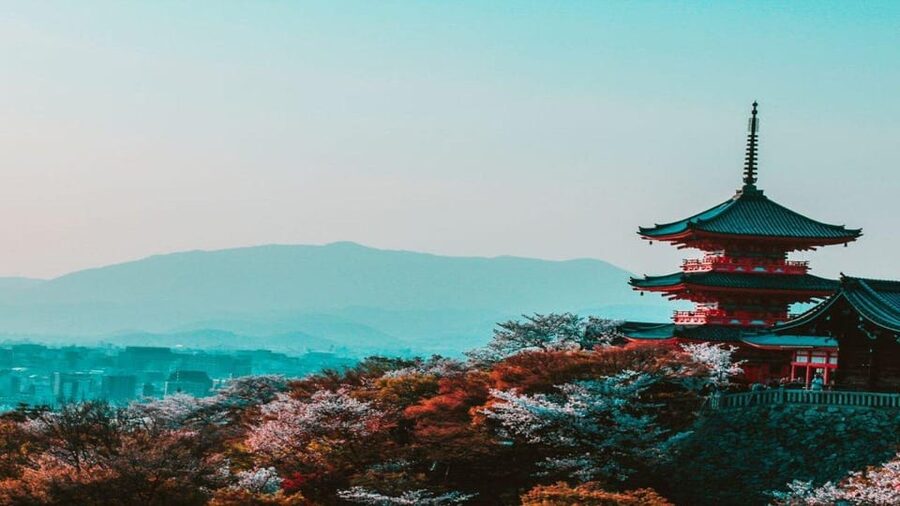
This circuit keeps a steady rhythm. Many stops are set up as a photo pause plus a visit and guided explanation, with a walking segment after. That’s helpful because you don’t spend all your time standing still, but you also aren’t constantly moving without breaks.
Here’s what the experience feels like by stop:
Pontocho Park (photo stop, guided walk)
You start with a quick photo stop and a short guided look around Pontocho Park. This is a good “warm-up” moment: the guide can set context for what you’re about to see, and you can settle into the pace without committing to a long climb or a big detour.
Possible drawback: the first minutes can feel like you’re only “getting oriented,” not fully sightseeing yet. If you’re the type who wants action immediately, you may want to stay mentally ready for a fast ramp-up.
Other Kyoto tours and experiences to compare




Nene-no-michi (photo stop and guided visit)
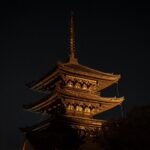
Next comes Nene-no-michi, again with a photo stop and guided time. This kind of stop is great for figuring out the neighborhood’s texture—how lanes connect, where foot traffic tends to flow, and what kinds of street views are best for photos.
Practical note: bring your phone camera fully charged. Night photos take a bit more battery than daytime ones.
Statue of Izumo-no-Okuni (photo stop)
Then you’ll stop at the Statue of Izumo-no-Okuni. Your guide uses the moment to add story and meaning to what you’re seeing in the district.
What to watch for: don’t treat this like a quick “standing photo only.” If the guide is explaining connections, you’ll get more out of stopping and listening.
Chion-in (visit with guidance)
Chion-in comes next as another photo-and-visit segment with a guided explanation. This is one of the places where the tour can help you slow down just enough to understand why the stop matters, not just where it is.
Possible drawback: if your goal is maximum time at one single attraction, a group route like this will feel split up. You’re here for overview plus local context, not for hours of deep silence.
Maruyama Park (photo stop and reset break)
Maruyama Park is a pause point in the itinerary. Parks are useful on walking tours because they break the “continuous street” feeling. Even if you don’t stay long, you get a small reset for your legs and a chance to regroup with your group.
Hanamikoji Street (main historic lane)
Hanamikoji Street is a highlight. It’s specifically described as celebrated for well-preserved historic charm, and it’s one of the classic places to experience Gion’s evening look.
This is the segment where the tour usually feels most like what you imagined before you arrived: the guided pacing helps you see the lane without getting lost in it, and the atmosphere makes photos easier than you’d expect.
Possible drawback: this is also the kind of street where crowds show up. Even with guidance, you’ll likely need patience for photo angles.
Yasaka Shrine (aka Gion Shrine)
You’ll then visit Yasaka Shrine, also known as Gion Shrine. This stop is both a sight and a “anchor” point for understanding why Gion has the role it does in the city.
What you’ll get here: orientation plus narrative. Your guide should connect the surrounding sights and traditions to help the area make sense.
Shijo-dori (photo stop during the transition)
Shijo-dori appears as another photo stop and guided segment. This is a useful bridge between smaller lanes and larger-city streets, so you can understand how Gion fits into Kyoto’s broader grid.
Kyōto Minami-za (photo stop at the end)
The last stop in the itinerary is Kyōto Minami-za. You’ll get a photo pause plus some guided context, then the walk wraps up.
If you’re thinking about timing, this end-of-tour positioning is helpful. It’s often easier to keep your energy through the last stretch when you know the tour has a clear final set of sights.
The Guide’s Real Power: Advice That Keeps Paying Off
The biggest praise tied to this experience isn’t about one single landmark. It’s about how much the guide gives you beyond the walk.
In past tours, guides were noted for:
- Clear explanations about maiko and geiko
- Being friendly and engaging
- Sharing practical tips for additional Kyoto sightseeing
- Making the tour work well for families, including children
For you, this means you’re not only learning facts. You’re getting a sense of what to do next. If you have one more night in Kyoto, this can help you choose the right neighborhood and the right timing.
It also helps with “how to not waste time.” Kyoto can be confusing when you’re moving quickly. A good guide helps you avoid the common trap of spending energy on the wrong street at the wrong hour.
Maiko and Geiko Sightings: What’s Realistic
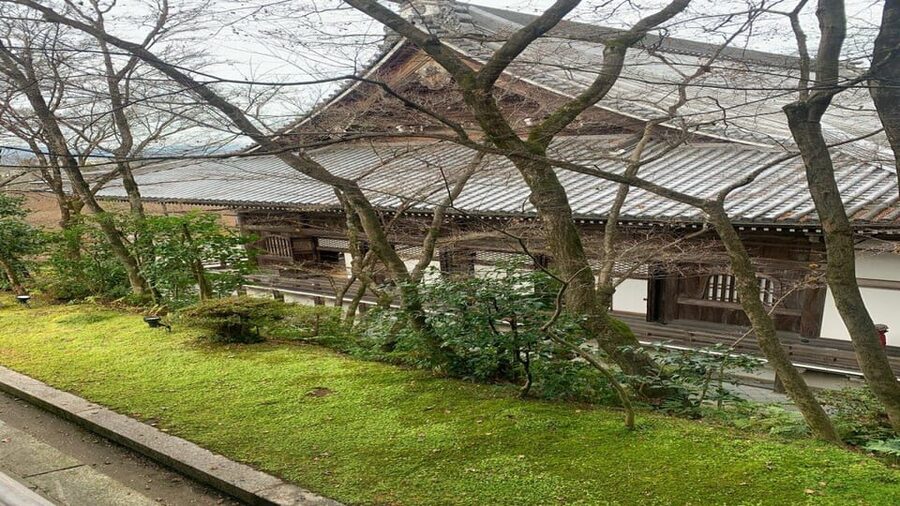
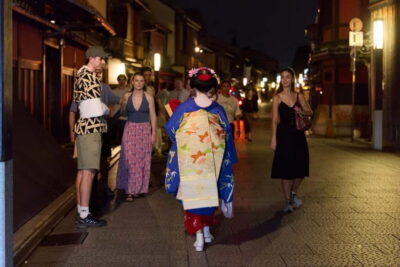
The tour’s description includes the possibility of seeing a geiko or maiko on the street while you’re walking. It also clearly notes that sightings depend on availability.
So here’s the honest way to plan:
- Treat it as a chance, not a promise.
- Pay attention to how your guide tells you to behave in the area. Even without details added, the takeaway is simple: you’ll get the most by staying respectful and alert.
- If you don’t see anyone, you still get a well-timed night walk through the district’s core streets and landmarks.
In other words, you’re booking for the walk and the context. The sightings are a bonus.
Pace, Comfort, and Night Walking Tips
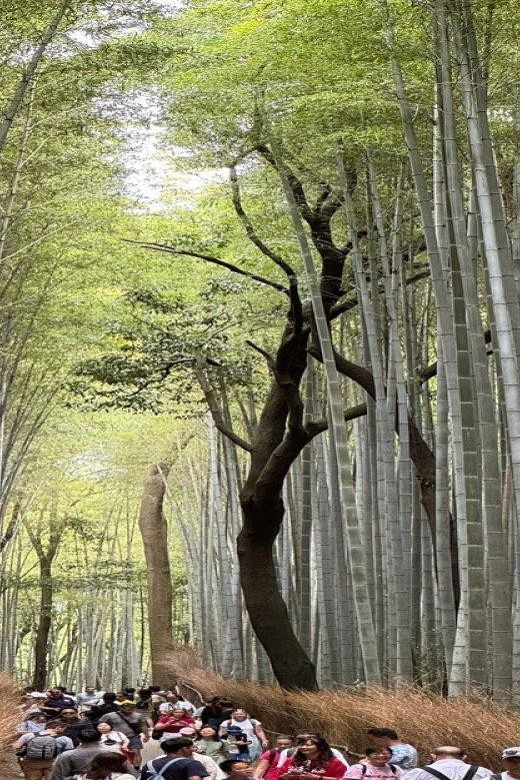
This is a three-hour walking plan with multiple photo stops. That’s great for packing in a lot without requiring a full-day commitment. It’s also why you should plan your body like you’re doing an active evening, not a leisurely stroll.
A few practical thoughts:
- Wear comfortable shoes with good grip. Side streets can be uneven.
- If you’re sensitive to crowds, remember that Hanamikoji Street and the shrine area can get busy.
- Bring a light layer. Night air can feel cooler once the walking starts.
If you’re traveling with kids, the tour can still work well because the guide style is described as clear and engaging. The trick is to keep expectations realistic: this is a walking route, not a long sit-down sightseeing day.
Who This Tour Is Best For
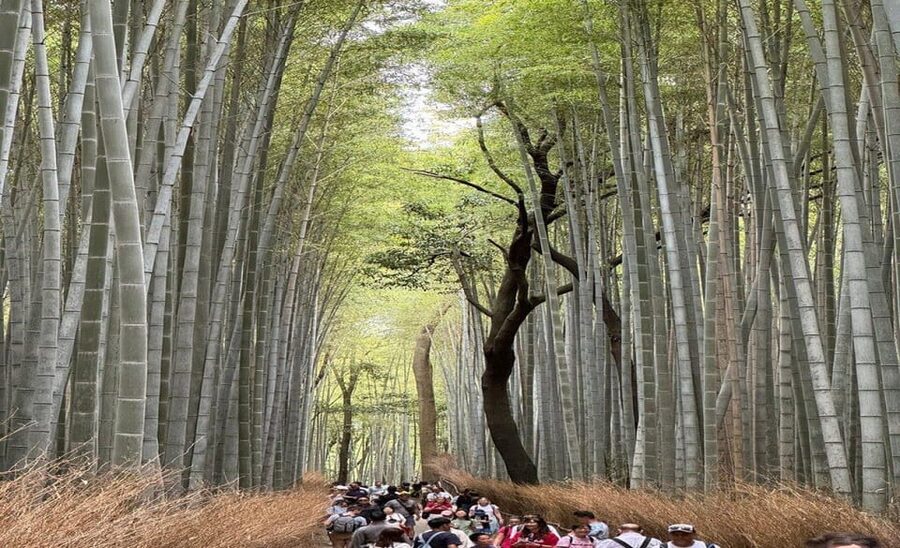
This tour fits best if you:
- Have limited time and want a focused Gion plan
- Prefer a private or small group format
- Like seeing both the major sights and the quieter streets nearby
- Want a guide who gives you extra Kyoto ideas, not just a script
It’s also a strong option for first-timers to Kyoto’s historic atmosphere. You’ll get the sense of how Gion looks and feels at night, plus the context that makes the district more than just “pretty streets.”
If you want an unhurried day where you can spend an hour alone at one attraction, you might find this too tight. But if you want structure, local narrative, and a satisfying evening loop, this is exactly the type of tour that works.
Should You Book This Gion Walking Tour?
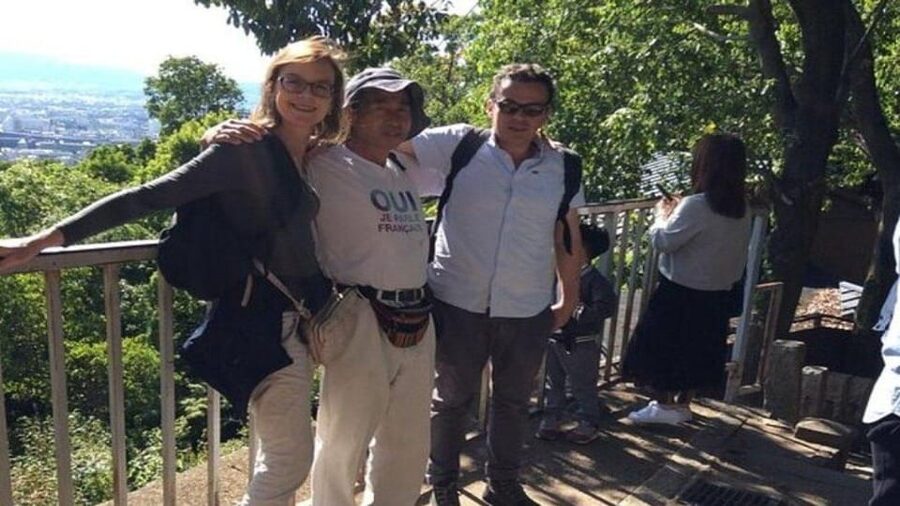
Book it if you want a well-organized evening in Gion without spending time mapping your own route. The combination of a focused 3-hour itinerary, the chance to experience lantern-lit streets, and the guide’s habit of sharing extra Kyoto ideas makes the $44 price feel reasonable.
Skip it only if you’re the type who needs long stays at a few places, or you dislike walking in crowded areas at night. Also, go in knowing that geiko and maiko sightings are possible but not guaranteed.
Overall, this is the kind of tour that helps you get your bearings fast and leaves you with a list of next steps for the rest of Kyoto.
FAQ
How long is the Treasures of Kyoto: Gion & historical walking tour?
The tour lasts 3 hours.
Where is the meeting point?
Meet at 213 Nakanochō, Higashiyama Ward, Kyoto, 605-0075, Japan.
Is it private or small group?
It’s offered as a private or small group walking tour. Private group is available.
What languages are the tour guides?
The live guide offers English, French, Spanish, and Italian.
What is included in the tour price, and what isn’t?
Included: the walking tour and public transport (except if you select an option that changes this). Not included: drink or food, and local transportation around the city since it’s primarily a walking tour.
Can I expect to see a geiko or maiko?
You might have the chance to spot a geiko or maiko during the walk, but sightings depend on availability.
More Tours in Kyoto

More Tour Reviews in Kyoto
Still in Gion? Keep Going

Just added: more Kyoto tours to browse





Gion & Geisha District Tours, compared.
 ★ 4.7Kyoto Geisha Walking Tour: Gion District & Hidden GemsFrom $253,273 reviews
 ★ 4.9Gion Magical Night Walking Tour with Geisha TriviaFrom $242,393 reviews
 ★ 4.7Gion Geisha District Walking Tour – Stories of GeishaFrom $202,187 reviews
 ★ 4.9Best of Kyoto: Gion, Geisha, Pagodas & CobblestonesFrom $242,058 reviews
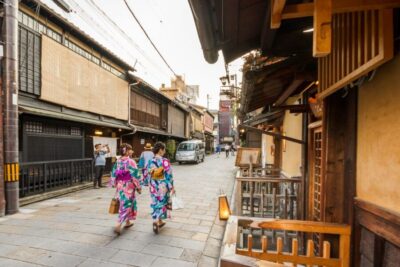 ★ 4.5Night Walk in Gion: Kyoto’s Geisha DistrictFrom $212,003 reviews
 ★ 5.0Kyoto Night Foodie Tour in Gion (9+ dishes + 6 Sake tastings)From $1631,762 reviews
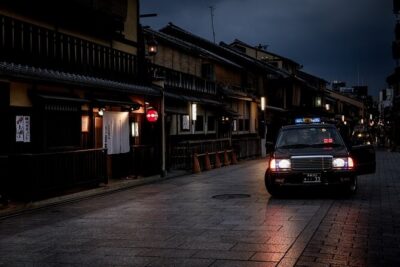 ★ 5.0Kyoto Gion Geisha District Walking Tour – The Stories of GeishaFrom $251,441 reviews
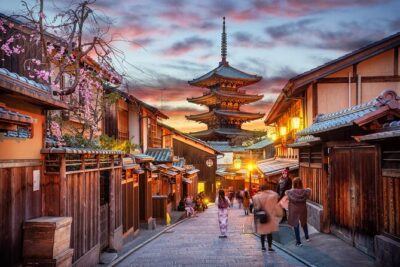 ★ 5.0Kyoto Gion: 2-Hour Geisha Culture & History Walking TourFrom $231,186 reviews
Browse the lists this tour appears in