
Reviewed · GUIDED
Tour in Kyoto with a Goverment Certified Tour Guide
Kyoto in one guided sprint. This 6 to 8 hour Kyoto experience strings together the city’s biggest “wow” moments like Fushimi Inari-taisha, Kiyomizu-dera, and Arashiyama, with a government-certified guide and a mobile ticket for less fuss.
I like that the day is built around a guide who explains what you’re actually seeing, not just where to stand for photos. You also get two practical advantages: customization when you have specific priorities, and extra care when you need it, including reports of guides adapting to disabilities.
One thing to consider: the tour can involve lots of walking and crowded temples, and there are also a few serious reports about missed pickup, late starts, or fewer stops than advertised. If your schedule is tight, it’s worth planning with a little buffer and confirming your meeting details in writing.
In This Review
- Key Points to Know Before You Go
- Government-Certified Guide: Stories That Make Kyoto Click
- Price and Value: What the $110 Covers (and What It Doesn’t)
- Logistics That Matter: Pickup, Meeting Point, and Timing
- Stop-by-Stop: How the Route Plays Out in a 6–8 Hour Day
- Fushimi Inari-taisha: The Torii Walk and Inari Lore
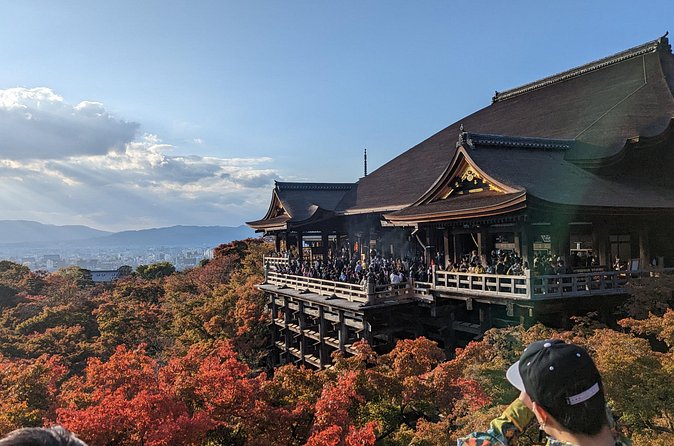
- Kiyomizu-dera: UNESCO Views on Higashiyama Hills
- Nijo Castle: A 17th-Century Power Symbol
- Gion: Traditional Streets and Geisha-Era Atmosphere
- Nishiki Market: Food Sampling Country
- Kinkaku-ji (Golden Pavilion): UNESCO Icon With Serious Photo Power
- Ginkaku-ji (Silver Pavilion): Zen Calm and a Small Admission Fee
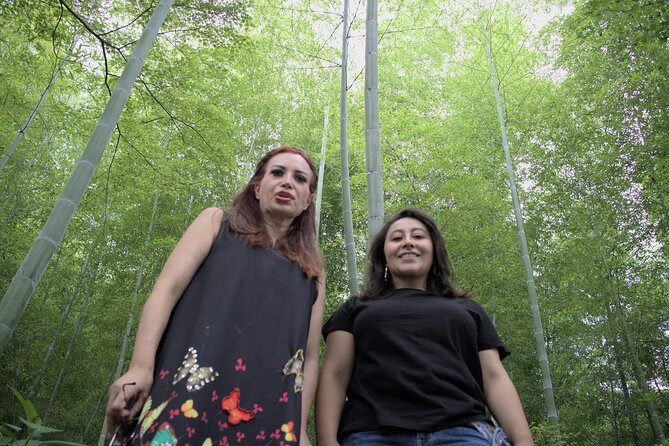
- Arashiyama: Bamboo Forest Time (Short but Sweet)
- Tenryu-ji: UNESCO Zen Temple Finisher
- Optional Add-Ons: Tea Houses, Calligraphy, Kimono, and Rickshaw Rides
- Who This Tour Suits Best (and Who Might Be Happier Elsewhere)
- Should You Book the Mystical Kyoto Quest Tour?
- FAQ
- How long is the Kyoto tour?
- What’s included in the price of $110 per person?
- Is pickup offered, and are there extra transport costs?
- Which entrance fees should I budget for?
- Is the tour private, and will I be grouped with others?
- Can the itinerary be customized?
- Do I get a ticket digitally?
- What if I cancel?
Key Points to Know Before You Go
- Government-certified guidance for temple context, myths, and practical tips
- A classic Kyoto route that touches Fushimi Inari, Gion, Golden Pavilion, and Arashiyama
- Some stops are free, but a couple of major temples have extra admission costs
- Mobile ticket convenience for a smoother start
- Pickup is offered, but there can be extra guide transportation fees
- Your experience depends on timing and coordination, so confirm meeting info early
Government-Certified Guide: Stories That Make Kyoto Click
What you’re really buying here is time with a guide who can turn Kyoto from “pretty scenery” into something you can explain to friends later. The tour is framed around legendary samurai stories and the geisha world, and that kind of narration matters when you’re moving from one sacred site to the next.
You’ll also benefit from how guides handle the flow. Even when the route is set, the day moves faster if someone can help you find the right side of a crowd, manage pacing, and point out what to look for in the architecture and layouts. In the feedback I saw, guides like Roberto and Andrea were praised for being patient and taking time to explain details clearly, which is especially helpful if you don’t want to read a guidebook while your legs are already tired.
A small but important note: this style can include cultural activities like calligraphy and kimono dressing, plus experiences such as a rickshaw ride and even illuminated temple viewing at night. The wording around these extras suggests they’re not always guaranteed exactly as described. The upside is that the tour can be adjusted to your expectations and the time available.
Other Kyoto tours and experiences to compare


Price and Value: What the $110 Covers (and What It Doesn’t)
At $110 per person, this is priced like a full-on guided day rather than a cheap hop-between-stops package. What you get for that money is the guide plus a plan that aims to hit multiple icons in one 6 to 8 hour window.
What’s not covered is where you should do your homework:
- Guide transportation fees are listed as $5 to $8 USD (not included).
- Food and drinks are not included.
- Regular transportation fees are not included.
- Temple admissions vary by stop. Some are free, and some are paid.
From the stop details provided, you should budget at least for:
- Ginkakuji (Silver Pavilion): $8.00 per person, not included
- Nijo Castle: admission not included
- Tenryu-ji: admission not included
If you’re already planning to eat in Kyoto anyway, the “extra cost” piece may not feel scary. But if you want a strict budget, treat this as: the guide is the core value, and a few admissions plus local transit are on you.
Also, the tour is commonly booked about 30 days in advance on average. That’s a sign it’s a popular route, so you shouldn’t assume you can book last minute and still get the exact day and timing you want.
Logistics That Matter: Pickup, Meeting Point, and Timing
This tour offers pickup, and it uses a mobile ticket, which is good news for convenience. But there are two practical realities.
First, pickup and meeting spots can make or break the day. Some reports describe confusion about where to meet, and a few mention guides not arriving on time. The cleanest way to protect yourself is simple: confirm the exact meeting spot, the pickup time, and what to do if you’re running late. Send yourself the details and keep them accessible offline.
Second, pickup appears tied to the Kyoto area. One operator response clarified they do not offer pickup from Tempozan in Osaka, and that pickup is offered only within Kyoto city. So if you’re staying in a neighboring area, don’t assume “pickup” means everywhere.
One more thing: you’ll spend part of the day in very busy areas. Fushimi Inari, Gion streets, and Kyoto’s temple neighborhoods can get packed. Even with a good guide, you should plan on lines, slow movement, and occasional detours around crowds.
Stop-by-Stop: How the Route Plays Out in a 6–8 Hour Day
Fushimi Inari-taisha: The Torii Walk and Inari Lore
Fushimi Inari-taisha is a Shinto shrine dedicated to Inari, the deity associated with rice. Expect a big “walk through the iconic gates” experience, with plenty of photo opportunities and people-watching.
You get about 1 hour, and entry is listed as free. The drawback is that free doesn’t mean easy. The torii path is popular, so time can feel shorter if the crowd is heavy. A guide helps you avoid pointless wandering and keeps you moving at a pace that still lets you enjoy it, not just survive it.

Kiyomizu-dera: UNESCO Views on Higashiyama Hills
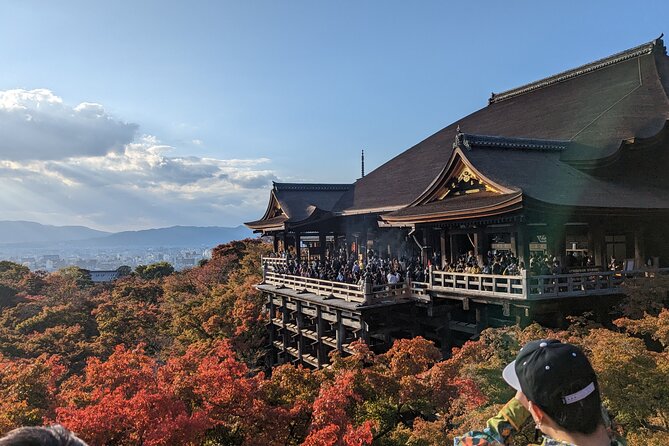
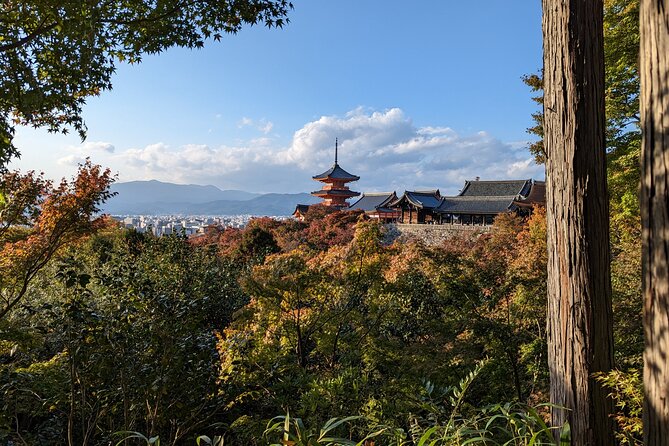
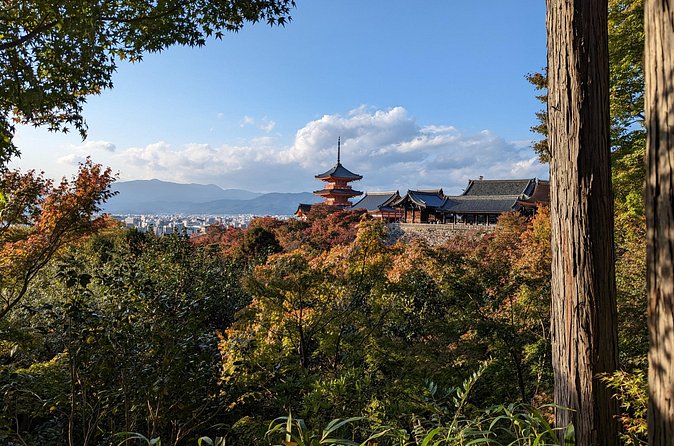
Next is Kiyomizu-dera, a Buddhist temple in the Higashiyama district and a UNESCO World Heritage site. You’ll also get about 1 hour, with admission listed as free.
This stop tends to feel like two things at once: architecture up close, and viewpoints from the temple area. The tradeoff is movement. If you’re not used to temple hills and stone steps, consider comfortable shoes early in the day.
Nijo Castle: A 17th-Century Power Symbol
Nijo Castle gets about 1 hour, but admission is not included. It was built in the 17th century and served as a residence and symbol of power for those in charge.
This is the kind of stop where a guide really adds value. Even if you love photos, you’ll get more from learning what specific features were meant to communicate. The main consideration is time: castle sites can take longer than expected, so you’ll want the guide to keep the day balanced.
Gion: Traditional Streets and Geisha-Era Atmosphere
Then comes Gion, a district known for historical architecture and preservation of geisha culture. You get about 1 hour, and entry is free.
This part works well if you like slow strolling and people-watching. It’s also where the day can feel most like “Kyoto the film set.” The caution is that you may not see what you want unless you’re flexible. The value here is the atmosphere and street-level experience, not a guaranteed encounter.
Nishiki Market: Food Sampling Country
Nishiki Market is listed as a five-block shopping district where you’ll find fresh produce, local delicacies, and traditional goods. You’ll get about 1 hour and entry is free.
This stop is practical value: it breaks up temple time with something more sensory and easier to snack through. If you’re picky about meals, treat this as a chance to buy small items instead of committing to a big sit-down meal.
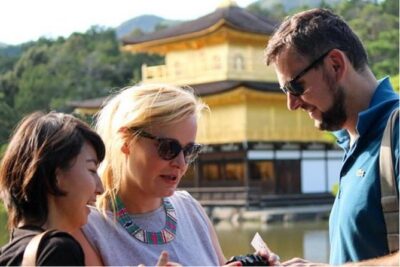
Kinkaku-ji (Golden Pavilion): UNESCO Icon With Serious Photo Power
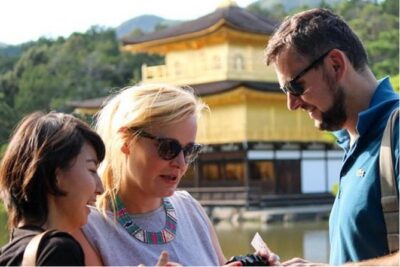
Kinkaku-ji, the Golden Pavilion, is a UNESCO World Heritage site and one of Kyoto’s most recognizable temple structures. You get 1 hour, and admission is listed as free.
The strength of this stop is how quickly it becomes “real.” Even if you’ve seen photos, seeing it in person has that wow factor. The challenge is crowd levels. This is a place where a guide’s pacing matters a lot.
Ginkaku-ji (Silver Pavilion): Zen Calm and a Small Admission Fee
Next is Ginkaku-ji, also called the Silver Pavilion. It’s described as a Zen Buddhist temple, and the stop includes a note that admission is not included.
Specifically, the tour lists Ginkakuji Temple admission as $8.00 per person. This can be worth it if you like Zen-style atmosphere and gardens over spectacle. It’s also a good counterweight to the busier stops like Kinkaku-ji.
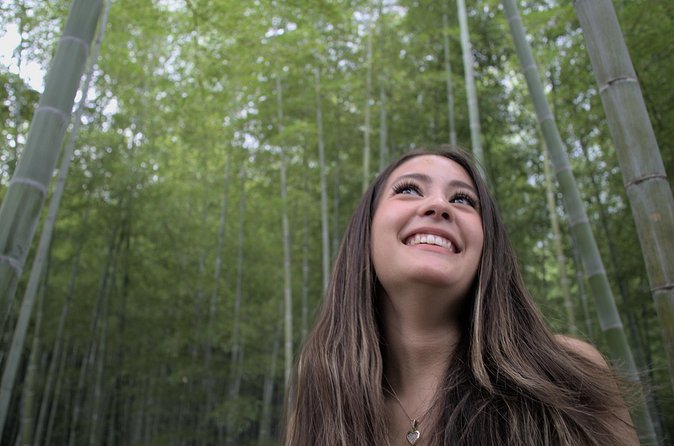
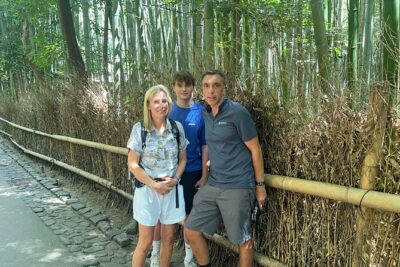
Arashiyama: Bamboo Forest Time (Short but Sweet)
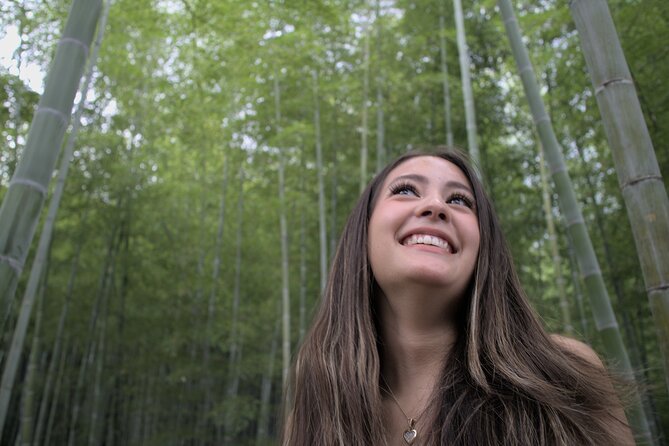
Arashiyama is where you trade crowds for greenery. The tour gives 30 minutes, and admission for Arashiyama Forest is listed as free.
Even in a short slot, the bamboo area tends to create that “Kyoto feels different here” mood. The consideration is that 30 minutes can pass quickly if you’re stopping often for photos or walking longer paths.
On at least some days, guides have made room for nearby experiences like the monkey park area in the Arashiyama stretch, which can be a highlight for animal and nature lovers.
Tenryu-ji: UNESCO Zen Temple Finisher
The day ends with Tenryu-ji Temple, a UNESCO World Heritage site and one of Japan’s revered Zen Buddhist temples. It’s listed as 30 minutes, and admission is not included.
Founded in the 14th century, Tenryu-ji is the kind of stop that works as a calmer finale after busier sightseeing. The one catch is energy. If your day starts early and you’ve walked a lot, keep your expectations realistic for a shorter temple visit.
Optional Add-Ons: Tea Houses, Calligraphy, Kimono, and Rickshaw Rides
The tour description leans into a more “mystical Kyoto” style than just temples. Depending on what you choose and the timing, you might run into:
- Tea house moments
- Calligraphy experience
- Kimono dressing
- A rickshaw ride through historic neighborhoods
- Illuminated temples at night
Because the core itinerary is clearly temple-and-district focused, treat these as potential extras rather than guaranteed inclusions. This is still useful, though. If you want Kyoto beyond Instagram angles, this kind of add-on can turn a good day into a memorable one.
If you care about these extras, ask early what’s feasible and what needs extra time on your specific day.
Who This Tour Suits Best (and Who Might Be Happier Elsewhere)
This tour is a strong fit if:
- You want a first-time-friendly Kyoto route with major sights in one day
- You like having a guide explain the meaning behind temples and districts
- You appreciate time-saving structure more than you want full independence
It may be a less ideal fit if:
- You have a super strict timeline where a late start would cause real damage
- You don’t tolerate crowds well and prefer slower pacing over packed icon stops
- You want a fully guaranteed private experience without any possibility of merging groups
One more nuance: the tour is described as private, but there’s also a note that solo travelers or couples might be asked to join another solo or couple. So if privacy is your top priority, confirm how “private” will be handled for your exact booking.
Should You Book the Mystical Kyoto Quest Tour?
My take: it can be a great Kyoto day when coordination goes smoothly and you click with your guide. The route hits the big names you’d expect—plus Arashiyama’s bamboo area—and guides such as Roberto and Andrea have been praised for clear explanations and patience.
But I’d book with your eyes open. Because there are serious reports of missed pickup or major delays, don’t treat this like a “set it and forget it” reservation. Do these two things and you’ll protect your trip:
- Confirm the exact meeting spot and timing in advance, especially if pickup applies to you.
- Plan buffer time, and keep admissions and transit costs in mind so you’re not scrambling mid-day.
If you want a guided Kyoto sampler and you’re flexible enough to handle crowds and a few moving parts, this tour can deliver real value. If you’re the type who hates uncertainty, consider a different option with tighter operational track record—then you’ll enjoy Kyoto instead of managing it.
FAQ
How long is the Kyoto tour?
The tour runs about 6 to 8 hours.
What’s included in the price of $110 per person?
The price includes the guide, and you can customize the tour depending on expectations and available time.
Is pickup offered, and are there extra transport costs?
Pickup is offered. However, transportation fees of the guide (listed as $5 to $8 USD) are not included, and transportation fees are not included for you.
Which entrance fees should I budget for?
Some sites are listed as free (including Fushimi Inari-taisha, Kiyomizu-dera, Gion, Nishiki Market, Kinkakuji). Other stops have fees not included, including Nijo Castle and Tenryu-ji. Ginkakuji has an $8.00 per person admission fee listed as not included.
Is the tour private, and will I be grouped with others?
It’s described as a private tour/activity with only your group participating. At the same time, the notes say solo travelers or couples might be asked to join another solo traveler or couple.
Can the itinerary be customized?
Yes. You can customize the tour depending on your expectations and the time available.
Do I get a ticket digitally?
Yes, a mobile ticket is provided.
What if I cancel?
Free cancellation is available. You can cancel up to 24 hours in advance for a full refund. If you cancel within 24 hours, you won’t receive a refund.
More Guided in Kyoto
More Tours in Kyoto
More Tour Reviews in Kyoto
Just added: more Kyoto tours to browse





Guided, compared.
 ★ 5.0Kyoto Early Morning Tour with English-Speaking GuideFrom $681,427 reviews
 ★ 5.0Kyoto 6hr Private Tour with Government-Licensed GuideFrom $1551,369 reviews
★ 4.9Early Morning Tour with English-Speaking GuideFrom $1011,128 reviews
★ 5.0Kyoto 6hr Private Tour with Government-Licensed GuideFrom $1551,369 reviews
★ 4.9Early Morning Tour with English-Speaking GuideFrom $1011,128 reviews
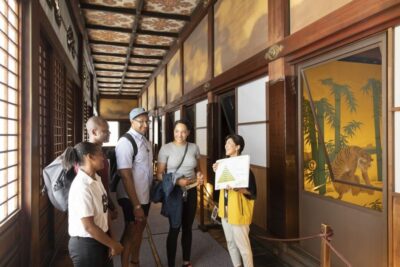 ★ 4.7Nijo-jo Castle and Ninomaru Palace Guided TourFrom $161,020 reviews
 ★ 4.9Izakaya Bars Guided Walking TourFrom $25815 reviews
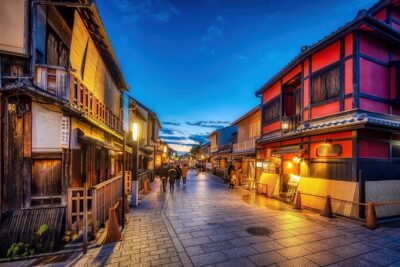 ★ 5.0Kyoto Gion Night Walk & Geisha District Guided TourFrom $18786 reviews
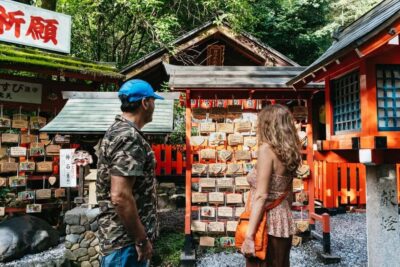 ★ 4.7Nijo Castle, Kiyomizu & Fushimi Inari Guided TourFrom $54700 reviews
 ★ 5.0Kyoto 4hr Private Tour with Government-Licensed GuideFrom $109629 reviews