
Reviewed · ARASHIYAMA & BAMBOO GROVE TOURS
Private Customized 3 Full Days Tour Package: Discover Kyoto, Arashiyama and Nara
Three days, Kyoto magic, guided by local experts. This private tour connects the big names you came for with a plan you can customize day by day, so you’re not stuck doing things you don’t care about. You’ll hit Nijo Castle, Kinkaku-ji, Ryoan-ji, Fushimi Inari, Arashiyama bamboo and river sights, then finish in Nara with deer and the Great Buddha area.
I especially like the way the route is built around Kyoto’s major stops, but paced to keep you moving without feeling like a sprint all day. Two big highlights for me were the quiet, famous Zen garden at Ryoan-ji and the late-day shift into Fushimi Inari’s red torii trails, which changes the vibe in a good way.
One consideration: the tour price covers guiding and management, but entrance fees and lunch are extra, and you’ll want to factor in the full temple ticket cost (¥8,250 per person). Also, it’s a full schedule—great if you like seeing a lot, less great if you want long, slow hangs in one neighborhood.
In This Review
- Key things that make this 3-day tour work
- Private means you can steer the trip, not just follow it
- Price and value: what you’re really paying for
- Day 1 in Kyoto: Nijo Castle, Golden Pavilion, Zen rock garden, then Fushimi Inari
- Nijo Castle (morning start)
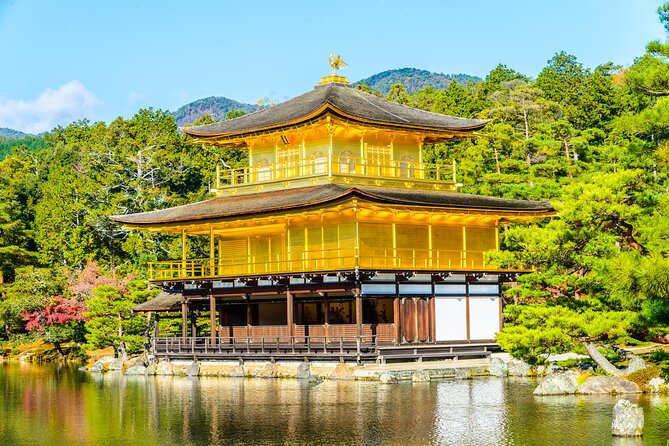
- Kinkaku-ji (Golden Pavilion)
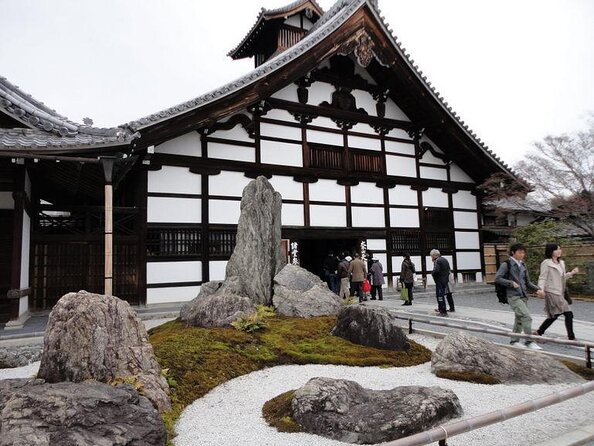
- Ryoan-ji (the Zen rock garden)
- Nishiki Market (Kyoto’s Kitchen)
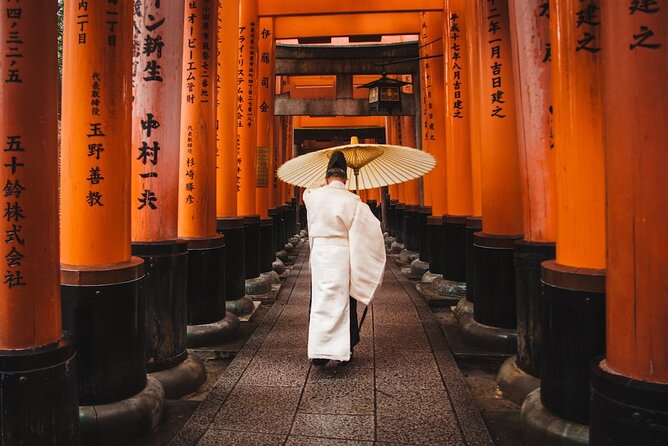
- Fushimi Inari-taisha (red torii trails)
- Day 2 in Kyoto: Arashiyama bamboo and river, then Monkey’s Park, Kiyomizu-dera, and Gion
- Bamboo Grove, Nonomiya Shrine, and Tenryu-ji garden area
- Hozu-gawa River and Togetsu Bridge
- Monkey’s Park
- Lunch break, then Kiyomizu-dera and Gion area
- Day 3 to Nara: deer park, Kofuku-ji, Todaiji, and Kasuga Shrine
- Nara Deer Park walk
- Kofuku-ji and its Five-Storied Pagoda area
- Todaiji Temple and Kasuga Shrine
- Lunch and back to Kyoto
- How the pacing feels across three full days
- Entrance fees and tickets: plan for the real cost
- Transportation, pickup in Gion, and what to confirm
- Who this tour suits best (and who should think twice)
- My honest booking verdict
- FAQ
- How long is the private tour package?
- What is the price for this tour?
- Where does the tour start and end?
- What’s included in the tour price?
- Are entrance fees included?
- Is lunch included?
- Can the itinerary be customized?
Key things that make this 3-day tour work
- Private, customizable route: the itinerary is a strong base, and you can adjust in coordination with the guide.
- Kyoto to Arashiyama to Nara in one plan: you get structure for the whole trip instead of piecing together trains and taxis.
- High-impact temple sequence: Nijo Castle, Golden Pavilion, Zen rock garden, then Kiyomizu-dera and Gion time.
- Arashiyama’s best mix: bamboo grove, Tenryu-ji garden area, Hozu-gawa river and Togetsu Bridge, plus Monkey’s Park.
- Nara highlights in a single day: Deer Park walk, Kofuku-ji pagoda area, Todaiji and Kasuga Shrine.
- Meeting and ending in Gion: easier logistics if you’re already staying in Higashiyama.
Private means you can steer the trip, not just follow it
This is a private tour for your group (up to 10 people), and that matters more than it sounds. A set group tour can feel like you’re trapped by someone else’s pace. Here, the guide is there to manage timing and flow, and you can tweak the plan based on what you actually want to spend time on.
In particular, I like that the itinerary you’re given isn’t written in stone. You still get a carefully chosen route, but you’re not stuck with a one-size-fits-all day. The company lists Ahmed Abu Tayeh as the experience provider, and in real experiences I’ve seen, guides like Kingo also take the lead—both approaches tend to feel like you’ve got a professional local next to you, not a rushed checklist reader.
Deeper into Arashiyama, past the bamboo and the Hozu river
Price and value: what you’re really paying for
The price is $1,480 per group (up to 10) for three days. That’s how you should think about value: you’re paying for coordination, private guiding, and a car/driver setup arranged through the operator.
Here’s the math that helps: if you fill the group limit, that’s about $148 per person for the guiding and management across three days. On top of that, you’ll have additional costs you should budget for:
- Entrance fees for the temples in the plan: ¥8,250 per person (listed as the total for the temples mentioned).
- Lunch (not included).
- Transportation: pickup in Kyoto city is included, and the operator arranges a car/driver, but it also notes transportation cost may be extra if it isn’t included in your specific package. So you’ll want to confirm this at booking.
If you’re comparing to doing this on your own, the biggest value isn’t just the visits—it’s the “who handles the transitions” part. Kyoto and Nara each have enough moving pieces that a car-and-guide plan can feel like a relief, especially if you want to cover Nijo, multiple west/east Kyoto sites, Arashiyama, and then Nara without constant route planning.
Day 1 in Kyoto: Nijo Castle, Golden Pavilion, Zen rock garden, then Fushimi Inari
Day 1 is an efficient hit list that still leaves room for breaks and food. The flow goes morning temples first, then a market and finally a shrine stop later in the day, ending around 17:00.
Nijo Castle (morning start)
You’ll meet your guide in Gion, Higashiyama Ward, then head to Nijo Castle, a UNESCO World Heritage site known for Edo-period architecture and its gardens. Expect palace interiors you can really picture once you’re inside, plus the landscaped areas that help the whole complex feel more than just a photo stop.
Practical note: you’ll want to have a small mental plan for pacing here. Nijo Castle is one of those places where you can spend hours if you slow down too much, but you only get a limited window in a three-day schedule. Let the guide steer you toward what fits your interests.
Kinkaku-ji (Golden Pavilion)
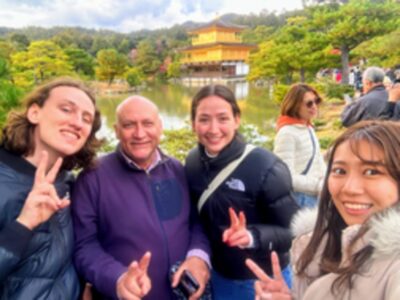
Next comes Kinkaku-ji, Kyoto’s iconic Golden Pavilion with its pond setting and famous reflections. This is one of those sights that looks good from multiple angles, so the guide’s timing and route within the grounds can make a difference.
What I like about including it here: it’s an early anchor after Nijo, so you get the emotional “wow” when your energy is highest.
More day trips out to Nara and its bowing deer
Ryoan-ji (the Zen rock garden)
Then you land at Ryoan-ji, home to Japan’s most famous Zen rock garden. If you’ve ever seen a photo, this visit is where it clicks. The garden’s whole power is in how simple it feels and how long you can stare at it.
This is also where a guide can be useful. Even when you don’t go deep into formal explanations, you’ll usually get a clearer sense of how to look—where to stand, what views matter, and why the arrangement invites quiet attention rather than rushing.
Nishiki Market (Kyoto’s Kitchen)
By mid-afternoon, you shift from temples to food culture at Nishiki Market, known as Kyoto’s Kitchen. Admission there is free, and that’s helpful because it lets you spend your time deciding what to snack on without adding ticket costs.
If you like street food breaks, this stop is a solid way to recharge before Fushimi Inari.
Fushimi Inari-taisha (red torii trails)
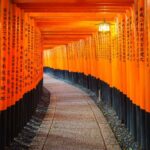
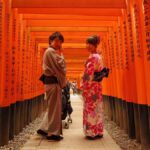
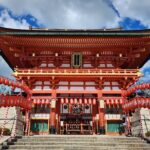
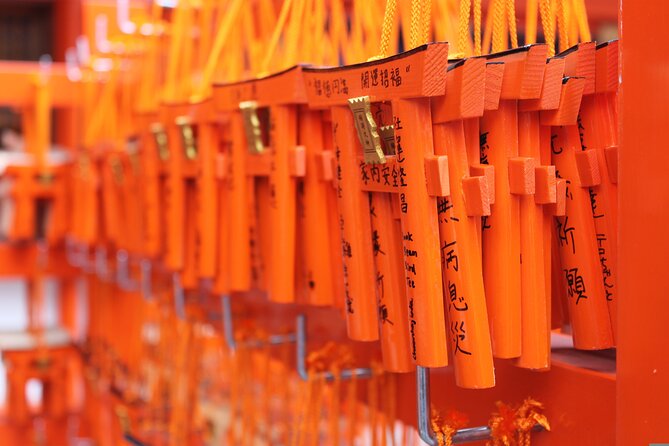
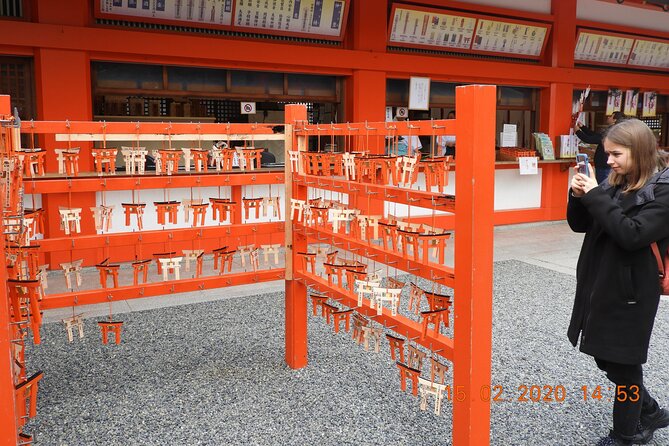
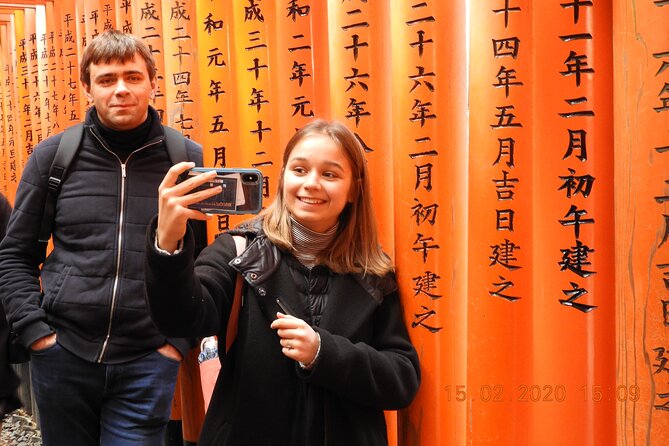
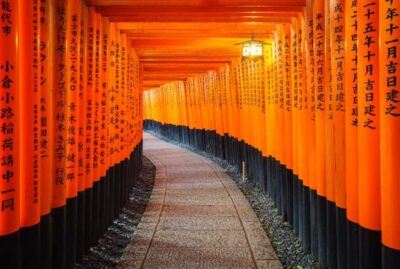
The day ends at Fushimi Inari-taisha, famous for thousands of red torii gates forming trails through forested paths. The timing matters. The experience changes as the day goes on—your photo style and your comfort with the walk both depend on when you arrive.
I like that this is placed after the market. It gives you a “walk it off” segment at the end of a full day.
Day 2 in Kyoto: Arashiyama bamboo and river, then Monkey’s Park, Kiyomizu-dera, and Gion
Day 2 is the most scenic mix of the trip, and it’s built to avoid the feeling of bouncing randomly between far-apart places. Expect another morning start with a bigger travel radius, then Arashiyama before moving back toward classic east Kyoto vibes.
Bamboo Grove, Nonomiya Shrine, and Tenryu-ji garden area
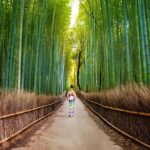
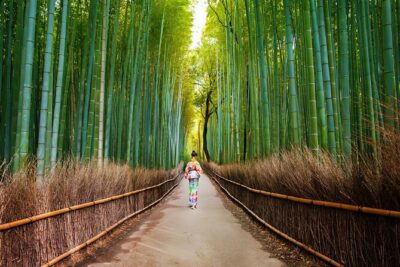
You start with Arashiyama’s Bamboo Grove, plus Nonomiya Shrine and the Tenryu-ji Temple Garden area. Even if bamboo groves aren’t new to you, this one works because it’s not just about tall stalks—it’s about the way the space feels when you walk through it and how you look for details beyond the most photographed view.
Tenryu-ji’s garden area adds a calmer contrast. If your temple preference leans toward gardens and controlled views, this part is a good match.
Hozu-gawa River and Togetsu Bridge
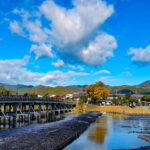
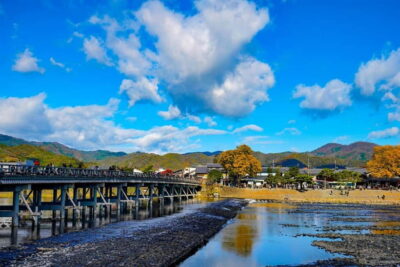
Next is the Hozu-gawa River and Togetsu Bridge. This is where you see Arashiyama’s broader setting—valleys and river-side views rather than just a single landmark.
If you like places that look good from both ground level and from a distance, this stop gives you that balance. The itinerary notes boat tours through lush valleys as a possibility in the area, but the tour itself focuses on the sights, so you’re not forced into extra activities.
Monkey’s Park
You’ll also visit Monkey’s Park. This stop is often popular because it turns the area’s nature into a more active segment than a simple temple walk.
A practical consideration: you’ll want to gauge your own comfort with steps and uphill bits. The tour is designed for most travelers, but Arashiyama can involve more walking and uneven ground than central Kyoto stops.
Lunch break, then Kiyomizu-dera and Gion area
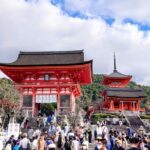
After Arashiyama, there’s lunch time, then Kiyomizu-dera Temple and time in the Gion area. Kiyomizu-dera is one of Kyoto’s most iconic sights, and the hillside setting plus the main temple area makes it feel like a landmark you can’t miss.
I also like that you get Gion time on this day, because it’s not just a quick pass. You’ll be in a neighborhood where the streets and wooden machiya houses help explain why people fall for Kyoto beyond just temples.
Day 3 to Nara: deer park, Kofuku-ji, Todaiji, and Kasuga Shrine
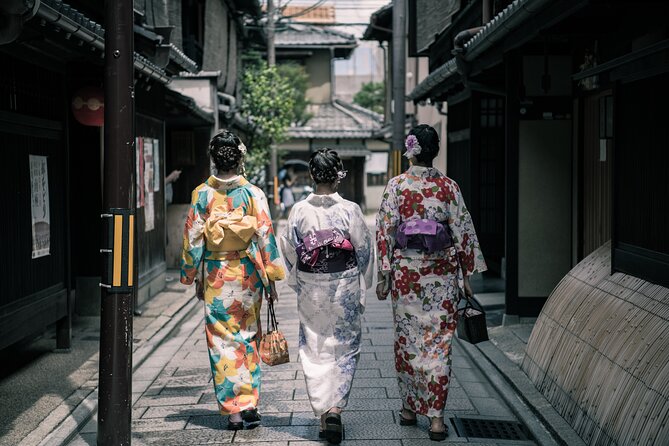
Day 3 is your shift from Kyoto to Japan’s old capital spirit in Nara, with a Nara station start and a full day that ends back in Kyoto around 15:00.
Nara Deer Park walk
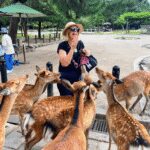
The first major stop is Nara Deer Park, where deer roam freely and you can do a relaxed walk through the park area. This is more than a cute animal moment—it’s part of the classic Nara atmosphere, and it gives you a break from heavy temple interiors right at the start.
If you’re traveling with kids or you just want something lighter after two intense Kyoto days, this is a good reset.
Kofuku-ji and its Five-Storied Pagoda area
Then you head to Kofuku-ji Temple and the area known for the Five-Storied Pagoda. This gives you a different architectural flavor than the Kyoto temples—more monumental, and very much tied to Nara’s temple complexes.
It’s a great stop if you like seeing how Buddhist architecture changes city to city.
Todaiji Temple and Kasuga Shrine
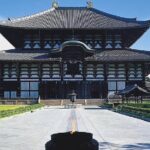
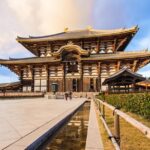
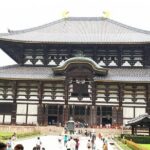
Next comes Todaiji Temple and Kasuga Shrine. Todaiji is famous for the Great Buddha Hall, which houses one of the world’s largest bronze Buddha statues. Kasuga Shrine is known for its bronze and stone lanterns, arranged along paths that feel like walking through a sacred corridor.
This day’s temple mix works well because it pairs the huge scale of Todaiji with Kasuga’s lantern-lined forest vibe. You end with a sense that Nara isn’t just one landmark—it’s a whole atmosphere.
Lunch and back to Kyoto
After a lunch break, you return to Kyoto. That keeps the logistics simple: you’re not left figuring out late-day trains or transfers when you’re tired.
How the pacing feels across three full days
These days are structured for coverage, not for lingering. If you’re the kind of traveler who loves seeing a lot and wants your guide to handle timing, this format fits.
Stops that are listed as around 30 to 60 minutes are typically just enough to do the highlight version: see the key areas, take photos, get your bearings, and move on before the next transit beat. The whole schedule is built around morning starts and then shifting into markets, river views, or shrine trails later.
The good news: you do get a couple of natural breathing points. Nishiki Market and the Nara deer walk are both time where the experience feels less rigid than temple halls.
The main drawback is simple: if you dislike walking, or if you want a lot of free time to wander without a plan, this itinerary might feel tight. It’s still manageable for most travelers, but it’s not a sit-on-a-bench kind of trip.
Entrance fees and tickets: plan for the real cost
This tour lists entrance fees to all temples mentioned in the itinerary at ¥8,250 per person, and most temple stops are marked as not included. A few stops like Nishiki Market, Fushimi Inari, and Gion time are listed as free-entry segments, but the temple ticket total is the big number to budget.
I recommend treating entrance fees like part of your trip cost math, not an optional extra. When you compare this to independent travel, ticket costs are still ticket costs. The real savings here is time and coordination, not avoiding entry fees.
Transportation, pickup in Gion, and what to confirm
You start and end in Gion, Higashiyama Ward. Pickup in Kyoto city is included, and the operator arranges a car and driver. But the tour details also say transportation cost may be extra if not included in your price.
So here’s the practical move: when you book, confirm exactly what’s covered in your total. Ask whether the private car/driver is fully included for all three days or if you’ll pay any additional transportation fees on top.
That one clarification can prevent surprise costs.
Who this tour suits best (and who should think twice)
This is a strong fit if:
- You want to see Kyoto + Arashiyama + Nara in one trip with minimal planning.
- You like a guide who can manage timing and keep the trip moving.
- Your group benefits from private pacing (up to 10 people is a lot for a shared itinerary).
You might think twice if:
- You prefer self-guided trips where you can pause whenever you want.
- You’re trying to keep your total budget ultra-low, since entrance fees and lunch are extra.
- Bad weather ruins outdoor walks for you. The tour is described as requiring good weather, and if it’s canceled for poor conditions you’d be offered a different date or a refund.
My honest booking verdict
Should you book this tour? If you want a structured, high-coverage Kyoto experience—plus the Arashiyama sights and then Nara—this plan makes a lot of sense. The biggest strength is the private setup: you’re not just buying access to temples, you’re buying the ability to move between them smoothly from Gion, with a guide who can keep the days coherent.
I’d book it especially if you’re short on time and want fewer logistical headaches than a train-and-walk approach. Just do two things before you commit: confirm the transportation cost included in your total, and budget for the ¥8,250 per person entrance fee plus lunch. If you’re good with that, you’ll likely end the three days feeling like you covered the essential Kyoto-and-Nara highlights with real local guidance.
FAQ
How long is the private tour package?
The experience runs for three days. The listed schedule goes morning to afternoon each day (with a Day 1 finish around 17:00, Day 2 finish around 17:00, and Day 3 finish around 15:00).
What is the price for this tour?
The price is $1,480 per group for up to 10 people.
Where does the tour start and end?
The tour starts and ends in Gion, Higashiyama Ward, Kyoto, Japan.
What’s included in the tour price?
Included are tour guiding and management plus pickup in Kyoto city and arrangement of a car and driver (with a note that transportation cost may be extra depending on what’s included in your price).
Are entrance fees included?
No. Entrance fees to the temples mentioned in the itinerary are listed as ¥8,250 per person, and most temple stops are marked as not included.
Is lunch included?
No. Lunch is not included, and the schedule includes lunch breaks on Day 1 and Day 2 and a lunch break on Day 3.
Can the itinerary be customized?
Yes. The tour is described as private and customizable based on your request, while still using the itinerary as a reference for planning with the guide.
More Tour Reviews in Kyoto
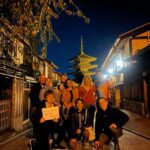
More Nara Day Trips
More of Arashiyama and Sagano
Just added: more Kyoto tours to browse




Arashiyama & Bamboo Grove Tours, compared.
 ★ 4.8Fushimi Inari, Kinkakuji, Bamboo Grove 1 Day Bus TourFrom $1224,316 reviews
 ★ 4.1Osaka/Kyoto:Kinkakuji,Arashiyama,FushimiInariShrine,NaraParkFrom $661,596 reviews
 ★ 4.7Kyoto/Osaka: Nara, Fushimi Inari Taisha, Arashiyama Bus TourFrom $521,275 reviews
 ★ 5.0Kyoto Arashiyama Walking Tour: Bamboo, Monkeys, Gardens & SecretsFrom $651,216 reviews
 ★ 4.8Arashiyama Bamboo, Temple, Monkeys, or Secret Sake BreweryFrom $87886 reviews
 ★ 5.0Arashiyama Bamboo Forest, Monkeys, Matcha & Temple TourFrom $53759 reviews
 ★ 4.4Osaka/Kyoto: Arashiyama, Nara & Fushimi Inari Shrine w/LunchFrom $61754 reviews
 ★ 5.0Nijo, Kinkaku-ji, Arashiyama, Kiyomizu & Fushimi InariFrom $51699 reviews
Browse the lists this tour appears in