
Reviewed · ARASHIYAMA & BAMBOO GROVE TOURS
Osaka to Kyoto: Arashiyama Bamboo Grove Small Group Tour
Kyoto hits different when crowds get pushed aside. This small-group Osaka to Kyoto day leans into mossy calm, lantern drama, and bamboo photo magic, all in one long but manageable loop.
What I like most is the 9-person size, which keeps things personal without turning the day into a slog. I also really appreciate the tight routing that stacks three major Kyoto experiences into one 10-hour outing, with pickup built in so you spend less time figuring out trains.
One thing to plan for: this is not a slow wander. You’ll move at a good pace, and there are limits on what you can bring—no large luggage—so pack light and be ready to start on time.
In This Review
- Key highlights you should care about
- A 10-hour plan that actually fits real travel days
- Getting picked up: Osaka station or Loop Line hotels
- Honoring Ohara at Sanzen-in moss temple
- Kifune shrine: crimson lanterns and love-prayer energy
- Arashiyama in one packed block: bridge, kimono art pillars, bamboo grove
- Togetsukyo Bridge: a Kyoto classic (with pop-culture trivia)
- Kimono Forest at Arashiyama Station: color you can’t miss
- The Bamboo Grove: sun-dappled tunnel time
- The group size: why 9 people matters in Kyoto
- Transport comfort and pacing: luxury van, but pack light
- Price and value: what $69 buys you in Kyoto time
- When to go: seasonal color for Sanzen-in and Kifune
- What to bring and how to make the day easier
- Who this tour fits best (and who should skip it)
- Should you book the Osaka to Kyoto Arashiyama small-group day?
- FAQ
- Where do I meet for Osaka pickup?
- What is the meeting point if I choose the Kyoto option?
- What’s included in the $69 price?
- What is not included?
- Is there a limit on luggage or bags?
- Is the tour refundable if plans change?
Key highlights you should care about
- Sanzen-in in Ohara: moss gardens and a 1,200-year-old Tendai sanctuary feel far quieter than the usual Kyoto rush
- Kifune lantern path: crimson lanterns plus the shrine’s matchmaking-energy vibe
- Arashiyama cluster in one block: Togetsukyo Bridge, the kimono-art pillars, and the bamboo forest all in the same window
- 9-guest limit: better photo spacing and more time to ask questions as you walk
- Door-to-door Osaka pickup (Loop Line zone): saves you the hassle of transit changes for a packed day
- Driver cum guide support: the driver keeps things moving and helps with the start of the day, including photos
A 10-hour plan that actually fits real travel days
This is a 10-hour Osaka-to-Kyoto day built for people who want Kyoto without losing half the day to transit. The basic rhythm is simple: you’re picked up, you ride with the group to Kyoto, then you hit three key areas with walking time and photo stops.
The day starts with either an Osaka station pickup or pickup from hotels/breakfast spots in the Osaka Loop Line area. If you choose the Kyoto-side option, you meet at a specific 7-ELEVEN location, and you’ll want to be early because latecomers aren’t accommodated.
The biggest value is that you’re not assembling your own day from scratch. That matters in Kyoto, where trains are fine but transfers and crowds can quietly eat your best hours.
Deeper into Arashiyama, past the bamboo and the Hozu river
Getting picked up: Osaka station or Loop Line hotels
Pickup options are straightforward. From Osaka, you can meet at Nippombashi Station Exit 2 at 8:30 AM (Namba/Shinsaibashi area). Or you can opt for hotel/BnB pickup roughly 7:30–8:30 AM, but only if you’re inside the Osaka Loop Line pickup zone.
For the Kyoto pickup option, it’s 9:20 AM at a 7-ELEVEN in Minami Ward (Higashikujo Nishiiwamotocho area). The key detail: arrive about 15 minutes early, because the tour leaves on time and they can’t wait.
After you book, you provide your exact pickup address and a WhatsApp number. You’ll then get a GPS-pinned meeting map and a reminder the night before, plus vehicle details so you can find the right van fast.
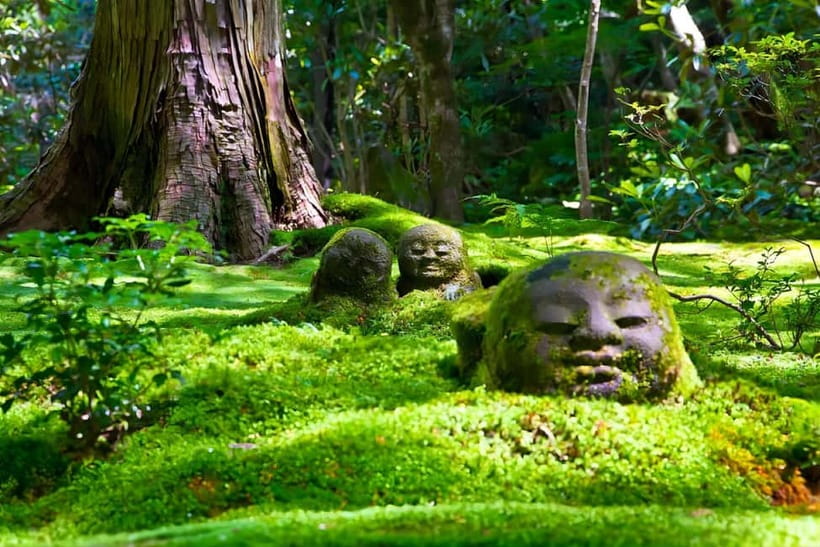
Honoring Ohara at Sanzen-in moss temple
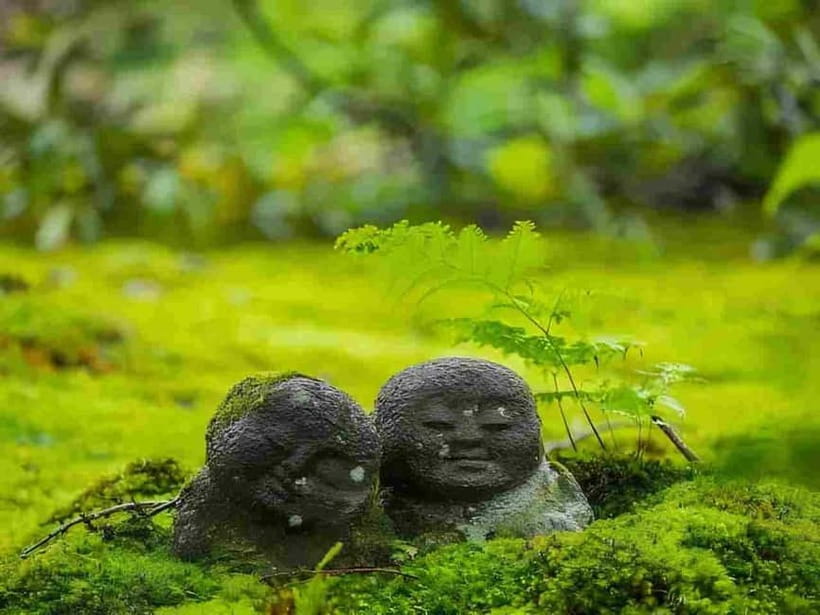
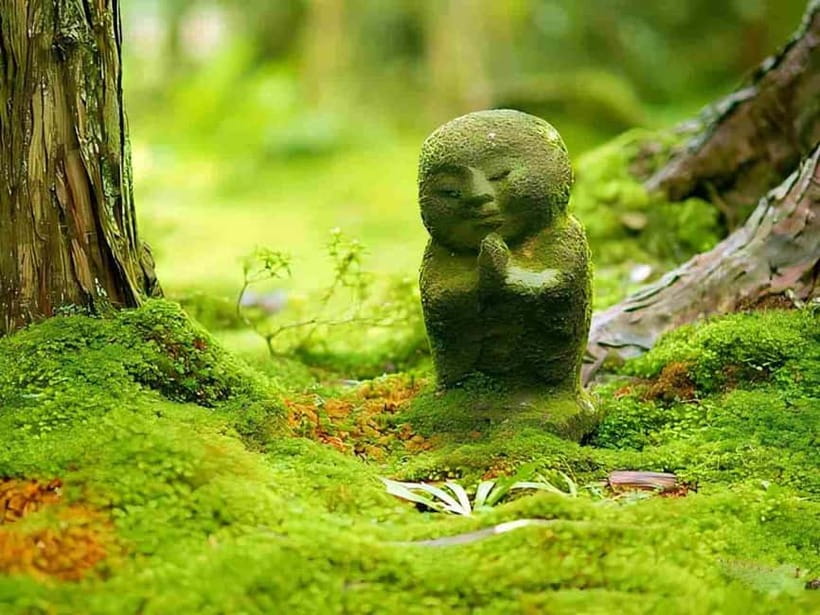
Sanzen-in is where the tone shifts. This Tendai sanctuary in Ohara has roots going back about 1,200 years, and the setting feels purpose-built for slow looking rather than checklist rushing.
You get around 60 minutes here: time to walk, take photos, and absorb the moss garden atmosphere. The appeal isn’t just that it’s pretty. It’s that moss softens everything—paths, stones, and light—so even when you’re sharing the space with other people, the experience still reads as calm.
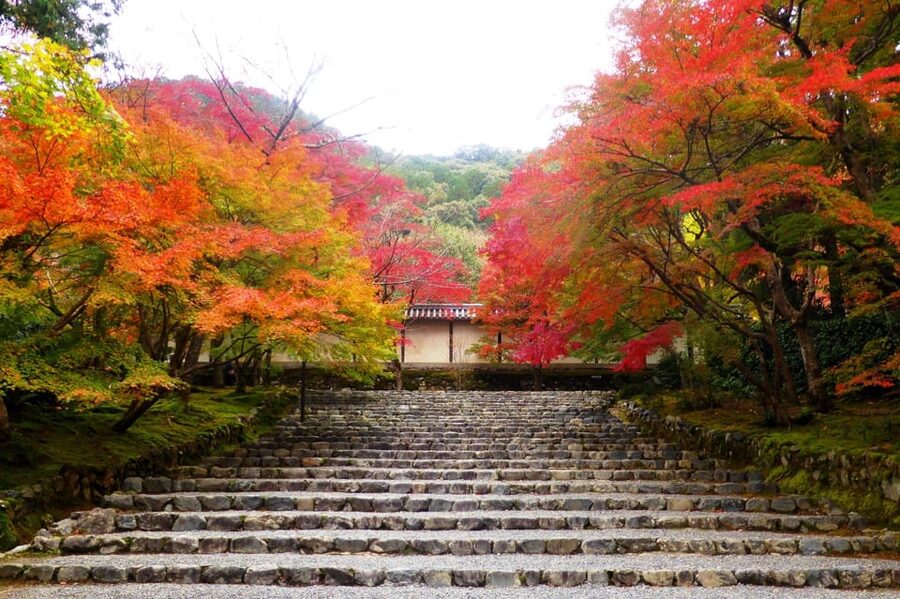
Seasonal highlights are built into the experience too. If you’re there in April, look for cherry blossoms. July leans hydrangea. November turns the place into a maple-color moment.
Practical tip: this is one of the best stops for photos, but it’s also easy to stand still too long. I’d treat the first 15 minutes as your survey time, then start shooting once you know which walkway angles you like.
Kifune shrine: crimson lanterns and love-prayer energy
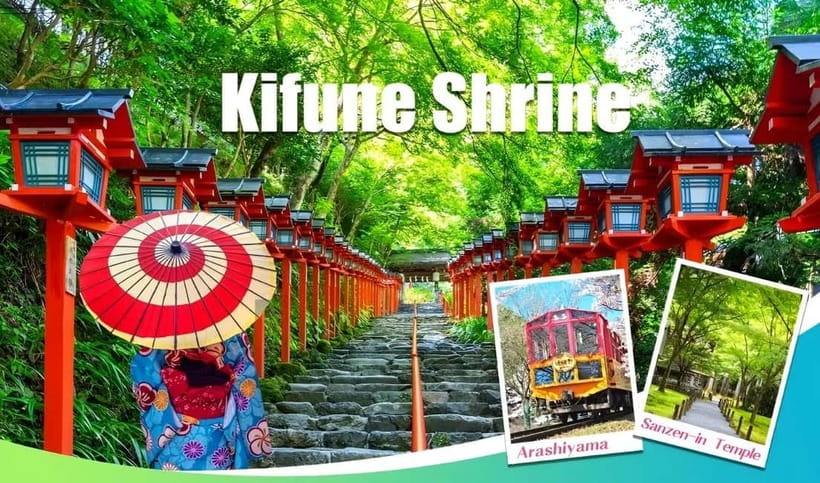
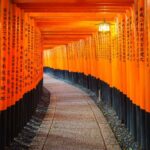
After Ohara quiet, Kifune adds drama. The Kifune Shrine area is known for a path lined with crimson lanterns, and it has that unmistakable Kyoto feeling where the details get you looking up.
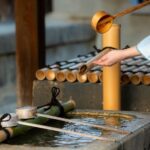
You spend about 100 minutes here, which is a comfortable window: enough time for photos, a relaxed shrine visit, and that little wander feeling people come for. You’ll also have chances for fun ritual-style moments, including the shrine’s water fortune-telling and prayers at Musubi-sha, which is associated with blessings for love.
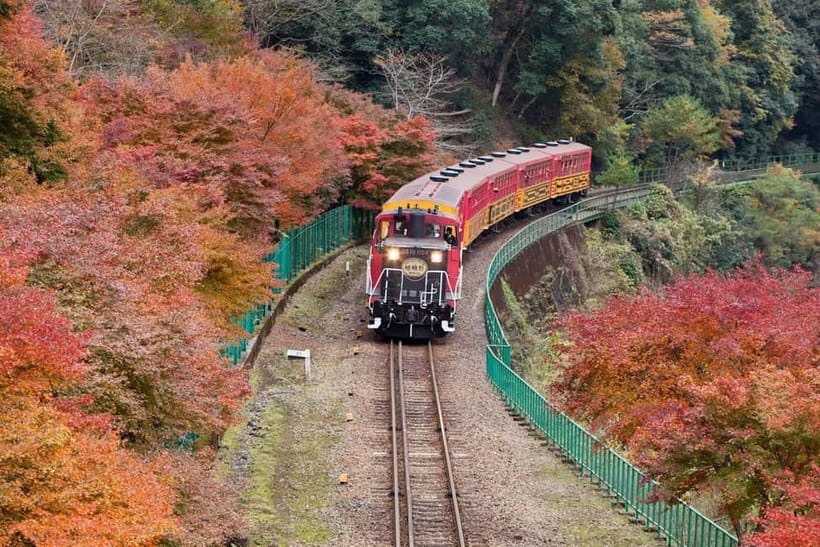
The scenery changes by season, and the tour messaging reflects that. In summer, you can catch river terrace vibes and even illumination-style atmosphere. In autumn, the valley gets covered in maple color.
One consideration: Kifune is scenic, so you’ll likely want to slow down for shots. Build in a few minutes to step aside when crowds pass, especially if you’re aiming for lantern-lined photos without modern clutter in frame.
Arashiyama in one packed block: bridge, kimono art pillars, bamboo grove
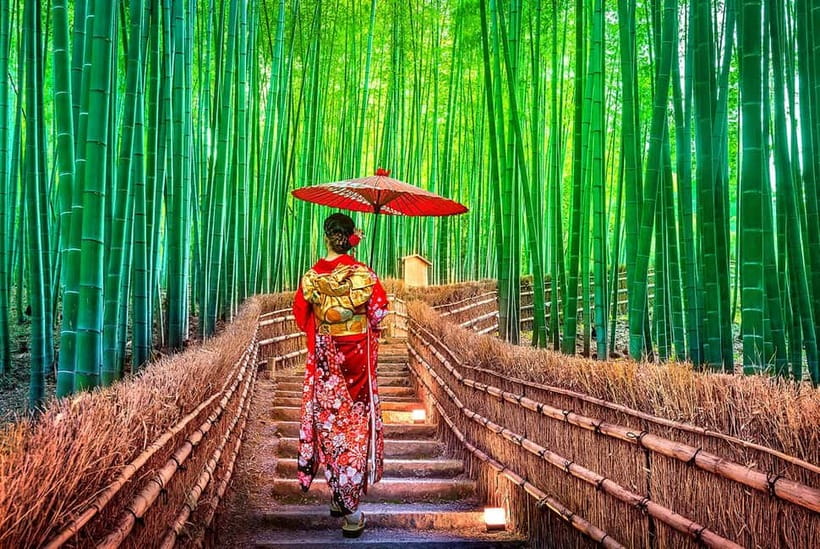
Arashiyama is the headline, and this day treats it that way. You get roughly two hours in the Arashiyama area, broken into multiple stops so you’re not just walking in circles.
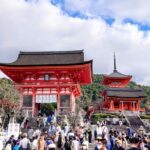
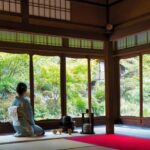
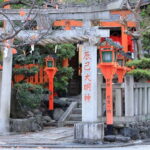
Togetsukyo Bridge: a Kyoto classic (with pop-culture trivia)
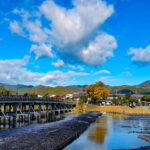
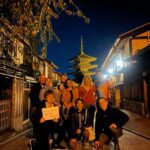
You’ll cross or at least walk by Togetsukyo Bridge, a Heian-era landmark with a view over the Hozu River. There’s even a fun reference to it being featured in Detective Conan, which makes it easier to see the bridge as more than just a postcard spot.
Time on this stop is about 40 minutes, so use it to get your bearings: take a few river shots, then decide where you want your bamboo-forest photos to match that water angle.
Kimono Forest at Arashiyama Station: color you can’t miss
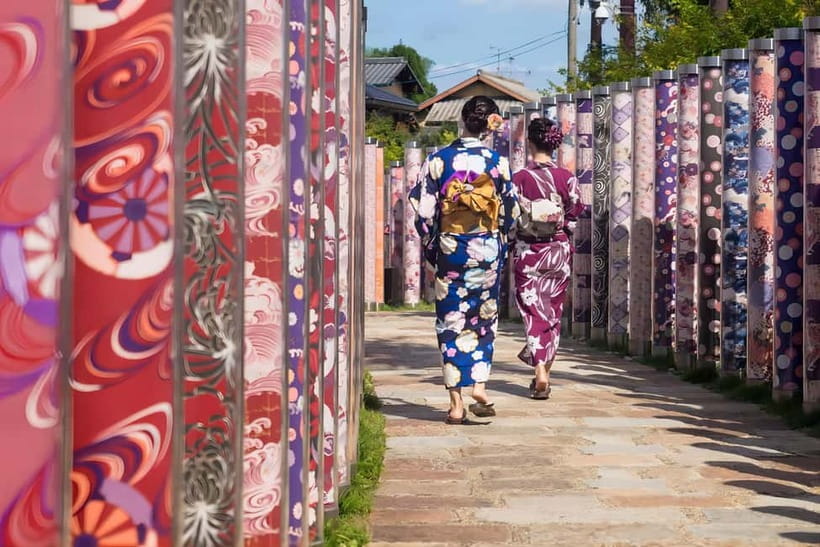
Next comes the Kimono Forest at Arashiyama Station—about 600 dyed-pillar artworks. This is a great photo reset. If the bamboo feels like a single dramatic tunnel, these pillars feel like a color wall that changes as you move.
There’s also a small payoff here: you can recharge at the dragon-energy foot bath, which is especially nice if the day has been warm or you’ve been walking a lot.
The Bamboo Grove: sun-dappled tunnel time
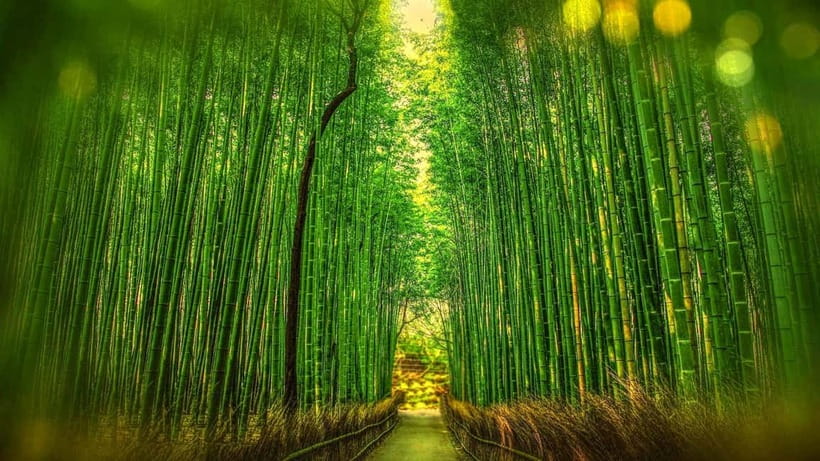
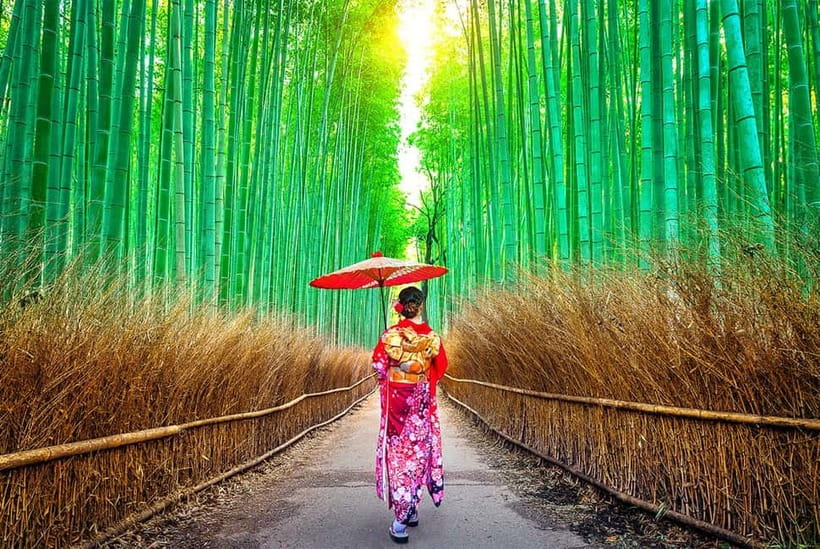
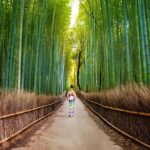
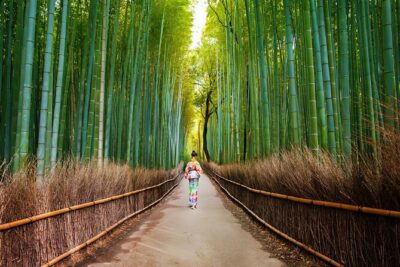
Finally, you hit the bamboo forest—the famous sun-dappled tunnel where Crouching Tiger, Hidden Dragon was filmed. The atmosphere is what most people are chasing: towering stalks, light filtering through, and that quiet whoosh of wind moving through leaves.
The time allocation in Arashiyama has a bit of flexibility in how it gets used. The highlights call out longer time for Arashiyama moments, while the stop breakdown shows shorter segments plus free time. Either way, the structure is designed so you get the main bamboo grove walk and don’t miss the bridges-and-pictures rhythm.
Photo tip that saves frustration: bamboo photos look best when you’re slightly lower and looking up. If you find yourself shooting straight-on at eye level, take two extra minutes to change angle before you move on.
The group size: why 9 people matters in Kyoto
A 9-guest max is the difference between feeling like you’re herding cats and feeling like you can actually see. You’ll move as a small group, which helps when narrow paths and lantern-lined areas get crowded.
It also helps with photos. With fewer people, you get more natural pacing and less waiting for the group to shuffle forward. You can take a shot, step aside, and still stay with your guide and driver.
And yes, the driver cum guide role matters here. The driver is mainly driving, but they’re also part of the experience—especially at the start. One verified experience notes that the driver was incredibly friendly, helped at the beginning, explained things, and even took photos for the group, which is exactly what you want when you’re trying to enjoy without constantly juggling a phone.
Transport comfort and pacing: luxury van, but pack light
Transport is handled by a luxury van after pickup, plus a bus/coach segment during the day. For a 10-hour itinerary, that’s a practical way to keep energy up while still covering far-apart Kyoto spots.
Rules are pretty clear for comfort:
- No smoking in the vehicle
- No alcoholic drinks in the vehicle
- No food and drinks in the vehicle
- No luggage or large bags
So treat this like a day-trip with walking boots and light bags. If you’re bringing a big suitcase, you’ll probably have to reconsider. Also, if you’re sensitive to motion, remember you’re traveling by road segments between Kyoto neighborhoods.
Price and value: what $69 buys you in Kyoto time
At $69 per person for a 10-hour day, the real question is what you’re buying: time, organization, and fewer headaches.
You’re getting:
- Door-to-door pickup in the Osaka Loop Line area (or a specific station pickup)
- Coordinated transport for the day
- Local-language support through the driver cum guide (multi-language support is listed)
- A tight itinerary that hits three big Kyoto areas without you needing to plan train transfers
You’re not getting included meals or most entrance fees. Sanzen-in entrance is listed at ¥700/adult, and other entrance costs are also excluded.
I’d call this good value if you want the experience but don’t want to spend your morning figuring out routes and timing. If you already love independent planning and you’re comfortable building the day yourself, the cost may feel like what you’re paying for convenience. But if you’d rather let someone else manage the clock, this is priced like a sensible trade.
When to go: seasonal color for Sanzen-in and Kifune
This tour is especially worth it in seasons where Kyoto’s gardens and mountain valleys go dramatic.
Sanzen-in:
- April: cherry blossoms
- July: hydrangeas
- November: fiery maple tones
Kifune:
- Summer: river terraces and illumination-style atmosphere
- Autumn: the valley in blazing maple color
If you’re planning around photos, these seasonal notes help you pick the month that makes each stop hit harder.
Also, for bamboo, timing matters less than you’d think compared with angle and weather. Overcast can soften contrast and make bamboo stalks look extra textured. Bright sun creates stronger light-and-shadow patterns. Either way, you’ll get the bamboo-forest look that draws people here in the first place.
What to bring and how to make the day easier
Because the tour has strict luggage rules and a full walking schedule, your packing list should be practical:
- A small day bag and comfortable shoes
- A layer for weather changes (Kyoto days can swing)
- Your phone charged for photos and for WhatsApp updates
The tour relies on WhatsApp for the night-before message and reminders. Make sure you can access it the day of pickup, since meeting points and vehicle details are communicated that way.
Also remember the pacing: even if you love photos, you need to keep moving so you don’t pressure your group timeline.
Who this tour fits best (and who should skip it)
This tour is a strong fit if you:
- Want Kyoto highlights without learning transit logistics for one day
- Like walking and photos, especially moss gardens, lantern paths, and bamboo shots
- Prefer a small group where you can ask questions and move without crowd noise taking over
It’s not a fit if you:
- Need wheelchair access (not suitable for wheelchair users)
- Are traveling while pregnant (not suitable for pregnant women)
- Have large luggage you can’t store within the vehicle constraints
If you’re unsure, think about your walking tolerance and whether you can comfortably handle a full day with multiple stops and transport segments.
Should you book the Osaka to Kyoto Arashiyama small-group day?
Book it if you want a Kyoto day that feels guided but still flexible enough for photos. The mix is smart: Sanzen-in gives you mossy calm, Kifune adds lantern romance, and Arashiyama delivers the big visual payoff.
Skip it if you hate group pacing, you plan to travel with bulky bags, or you want a long lunch-and-stay-forever day. This is about hitting the key sights within 10 hours, not about lingering at one place until you feel full.
If you’re staying in Osaka and want Kyoto without the friction, this is a very practical way to do it—especially with the 9-person group size and the start-of-day help from the driver cum guide, including photo assistance.
FAQ
Where do I meet for Osaka pickup?
You can meet at Nippombashi Station Exit 2 at 8:30 AM, or choose hotel/BnB pickup in the Osaka Loop Line area between about 7:30 and 8:30 AM. If you’re using hotel pickup, you must provide your exact address and WhatsApp number during checkout for confirmation.
What is the meeting point if I choose the Kyoto option?
The Kyoto option starts at 9:20 AM at the 7-ELEVEN Kyoto Hachijo-Higashi store. The address listed is 16-16 Higashikujo Nishiiwamotocho, Minami Ward, Kyoto, 601-8005.
What’s included in the $69 price?
Transport is included, along with fuel and toll fees. You also get multilingual support from the driver cum guide (listed languages include Japanese, English, Chinese, and Traditional Chinese).
What is not included?
Entrance fees are not included (for example, Sanzen-in is listed at ¥700 per adult), and meals and drinks are also not included. Personal expenses and souvenirs are not included either.
Is there a limit on luggage or bags?
Yes. Luggage or large bags are not allowed in the vehicle, so you’ll want to pack light. The tour also does not allow smoking, alcohol, or food/drinks in the vehicle.
Is the tour refundable if plans change?
Yes. Free cancellation is listed up to 24 hours in advance for a full refund.
More Tours in Kyoto
More Tour Reviews in Kyoto
More of Arashiyama and Sagano

Just added: more Kyoto tours to browse





Arashiyama & Bamboo Grove Tours, compared.
 ★ 4.8Fushimi Inari, Kinkakuji, Bamboo Grove 1 Day Bus TourFrom $1224,316 reviews
 ★ 4.1Osaka/Kyoto:Kinkakuji,Arashiyama,FushimiInariShrine,NaraParkFrom $661,596 reviews
 ★ 4.7Kyoto/Osaka: Nara, Fushimi Inari Taisha, Arashiyama Bus TourFrom $521,275 reviews
 ★ 5.0Kyoto Arashiyama Walking Tour: Bamboo, Monkeys, Gardens & SecretsFrom $651,216 reviews
 ★ 4.8Arashiyama Bamboo, Temple, Monkeys, or Secret Sake BreweryFrom $87886 reviews
 ★ 5.0Arashiyama Bamboo Forest, Monkeys, Matcha & Temple TourFrom $53759 reviews
 ★ 4.4Osaka/Kyoto: Arashiyama, Nara & Fushimi Inari Shrine w/LunchFrom $61754 reviews
 ★ 5.0Nijo, Kinkaku-ji, Arashiyama, Kiyomizu & Fushimi InariFrom $51699 reviews
Browse the lists this tour appears in