
Reviewed · KYOTO TEA CEREMONIES
Kyoto Walking Tour with Kimono Rental Lunch and Tea Ceremony
Matcha, kimonos, and Kyoto on foot. I love the kimono dressing with licensed professionals and the Chisato tea ceremony with wagashi and guided explanations. One key drawback to plan for: lunch isn’t included, and you’ll need to flag dietary restrictions up front.
This private 8-hour walking day tour starts at 10:30 a.m. near public transportation and ends back at the same meeting point. You’ll mix classic Kyoto sightseeing with hands-on culture, plus a guide who helps you understand what you’re seeing instead of just pointing.
In This Review
- Key Highlights You’ll Notice Right Away
- Walking Kyoto Through Shimogamo: A Day With Real Rhythm
- Ume Sakura Kimono Dressing: The Real Start of the Day
- Imperial Family Garden Grounds: Slow Stroll Energy
- Old Mitsui Family Shimogamo Villa: Small Time Block, Strong Payoff
- Shimogamo Jinja: A Free Shrine Break That Still Feels Important
- Teramachi Yoshikura Lunch in a Machiya: Pay Attention to Food Costs
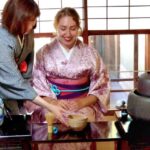
- Chisato Tea Ceremony: Matcha, Wagashi, and Explanations That Stick
- How a Private Kyoto Walk Changes Everything
- Price and Value: What You’re Really Paying For
- Who This Tour Fits Best
- Should You Book This Kyoto Walking Tour?
- FAQ
- How long is the Kyoto walking tour?
- What time does the tour start?
- Where do we meet?
- Is the tea ceremony included?
- Is lunch included in the price?
- Do I pay for the Mitsui Shimogamo villa admission?
- Can the tour accommodate dietary restrictions?
Key Highlights You’ll Notice Right Away
- Ume Sakura kimono dressing includes basic hairstyling, with makeup to be done in advance by you
- Mitsui Shimogamo villa admission is included for a preserved-feeling Japanese house visit
- Shimogamo Jinja is a major stop with admission that’s free
- Machiya lunch at Teramachi Yoshikura is in a renovated traditional townhouse, but you pay for lunch
- Tea ceremony at Chisato runs about an hour with explanations in an intimate setting
- Private group format means more flexibility for questions while you walk
Walking Kyoto Through Shimogamo: A Day With Real Rhythm
Kyoto is full of famous places, but this tour keeps the day feeling human-sized. You’re walking from one cultural moment to the next, with time built in for each stop instead of feeling like you’re constantly rushing to “the next photo.”
The route clusters around Shimogamo, plus a garden setting connected to the former Imperial family. That matters because Kyoto sightseeing can be scattered, and scattered plans turn into a lot of time lost to trains and crossings. Here, you get a more continuous flow: dress first, then stroll, then two historical stops, then lunch, then tea.
You’ll also feel the balance: part of the day is about places you can wander (gardens and shrine space), and part is about scheduled experiences (villa admission and tea ceremony). If you like a mix of architecture, ritual, and atmosphere, this pacing tends to work well.
Sit for another bowl of matcha in a Kyoto tea house
Ume Sakura Kimono Dressing: The Real Start of the Day
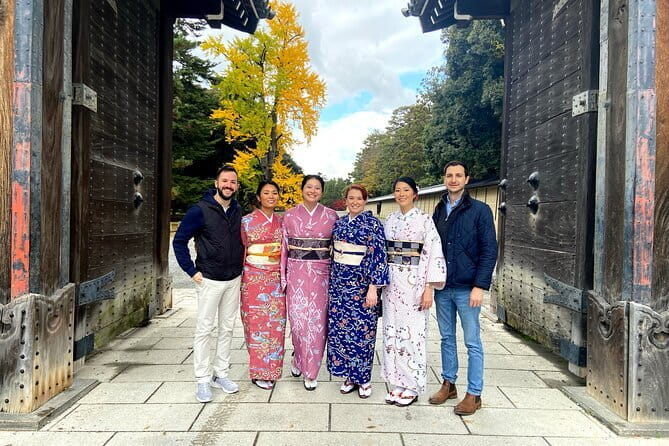
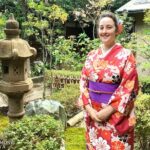
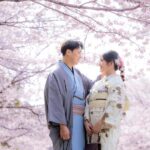
The morning begins at Ume Sakura (address: 38 Fujikicho, Nakagyo Ward). If you choose the kimono option, you’ll get dressed there by licensed professionals, which takes a chunk of stress out of the process. This is also where the day’s tone changes from normal tourist day to “Kyoto day.”
Here’s what you should expect, and why it’s useful:
- Basic hairstyling is included
- Makeup is not handled by the team and is expected to be done by you in advance
- You’ll be asked to select the appropriate kimono option ahead of time
That makeup detail is the only part that can quietly derail your morning if you’re not ready. If you like doing makeup slowly and carefully, factor in extra time before the tour start.
Also note: the kimono dressing stop lists admission ticket not included. That doesn’t automatically mean anything bad—what matters is that you should budget for the kimono option itself if you want it, and you shouldn’t assume everything is bundled.
Imperial Family Garden Grounds: Slow Stroll Energy
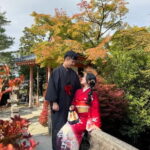
After dressing, you head to the grounds of the former home of the Imperial Family. This stop is centered on gardens—big, open space where the light and the season do most of the work.
What makes it special is the way the grounds connect to Kyoto’s calendar. The gardens host many festivals and activities throughout the year, and they’re particularly beautiful in spring and autumn. Even without those peak seasons, the benefit is still the same: you get time away from narrow streets and crowds, plus a more grounded sense of Kyoto’s slower side.
You only have about an hour allotted in that overall stop segment, so treat it like a “stroll with intention” rather than a full-day walk. If you’re the type who likes to linger at one spot for photos, pick your moment. If you like motion, keep walking and let the garden changes guide you.
Old Mitsui Family Shimogamo Villa: Small Time Block, Strong Payoff
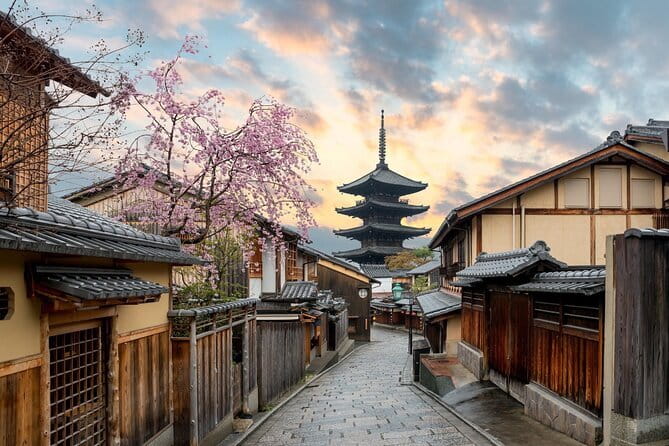
Next up is the Old Mitsui Family Shimogamo Villa, a wonderfully preserved Japanese villa once owned by one of Japan’s prominent families. You’ll have about 30 minutes, and the admission is included.
Thirty minutes sounds short until you realize what the villa type demands: this isn’t a “see everything in one pass” site. It’s a space where you notice how rooms, garden edges, and traditional building style work together. Even in half an hour, you can still pick up the vibe—especially if you’re paying attention to transitions between indoor and outdoor areas.
A practical tip: go in with one goal. For example, focus on the villa’s preservation and how it reads as a lived-in home rather than just a museum display. That mindset makes the time feel enough.
Shimogamo Jinja: A Free Shrine Break That Still Feels Important
Then you’ll visit Shimogamo Jinja, one of Kyoto’s most important shrines, with over 1,000 years of history. The stop runs about 30 minutes, and admission is free.
This is the kind of pause that refreshes the day. Shrines offer space to reset—especially after the more structured feel of a villa and before lunch. Also, because admission is free, it’s a low-risk stop if you’re deciding on a Kyoto day that doesn’t want to nickel-and-dime every location.
One caution: a 30-minute shrine visit is not the time for deep exploration of every side path. Use the window to get the key visuals, read what you can, and then move on. If you fall in love with the area, you can always come back later with your own pace.
Wander Kyoto in kimono a little longer
Teramachi Yoshikura Lunch in a Machiya: Pay Attention to Food Costs
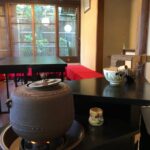
Lunch is at Kyoto cuisine Teramachi Yoshikura, in a stylish renovated Machiya (a traditional Kyoto townhouse). You’ll have about 1 hour for lunch, and you’ll be invited to choose your meal options.
Here’s the important budgeting point: lunch isn’t included. This tour’s headline price covers the walking, the cultural experiences, and at least the tea ceremony and one admission fee—but you should plan on paying for lunch separately.
Also, take the dietary restriction note seriously. You’ll need to state dietary restrictions in advance, and depending on the request, they may not be able to accommodate you. If you have allergies or strict diets, message clearly during booking rather than assuming the kitchen can wing it.
If you’re kimono-shopping-with-your-eyes the rest of the day, lunch is also your practical reset. Machiya dining is a nice contrast to shrine gates and villa architecture—more everyday Kyoto energy.
Chisato Tea Ceremony: Matcha, Wagashi, and Explanations That Stick
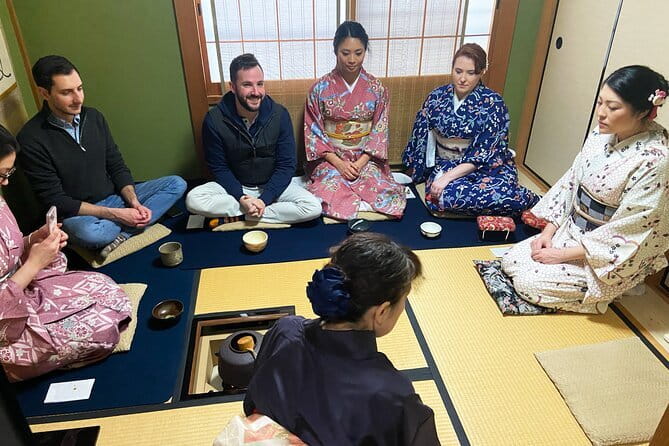
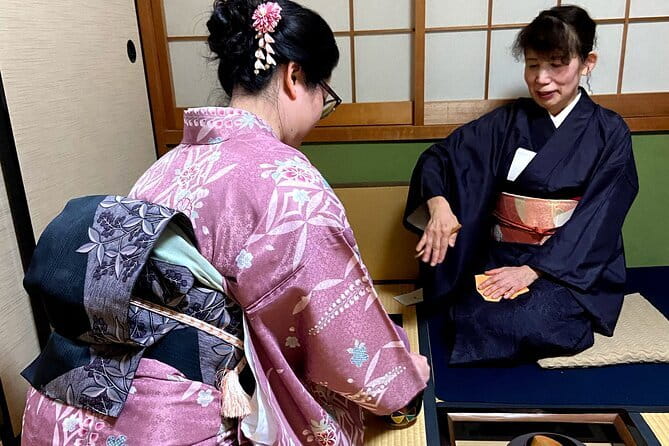
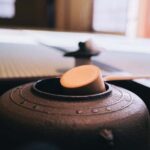
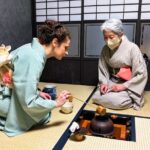
The finale is the tea ceremony experience at Chisato, lasting about 1 hour. Tea ceremony and wagashi are included, and it’s described as intimate, with explanations provided by both the host and your guide.
This is one of the most praised parts of the experience, and it’s easy to see why. A good tea ceremony isn’t just watching someone pour matcha. It’s learning why the ritual works the way it does—how the tools, the pace, and the sweets connect to the full experience.
You’ll also get cultural context that helps the ceremony land. One of the standout themes from feedback is that the guide shared interesting personal insights about life in Japan as a foreigner and about Japanese culture. That kind of framing can turn a familiar activity into something you remember, because it answers the unspoken question: what does this mean in daily life?
For your part, go slow during the ceremony. If you’re snapping photos nonstop, you’ll miss what you’re tasting. Let the matcha and the wagashi become your anchor for the final hour.
How a Private Kyoto Walk Changes Everything
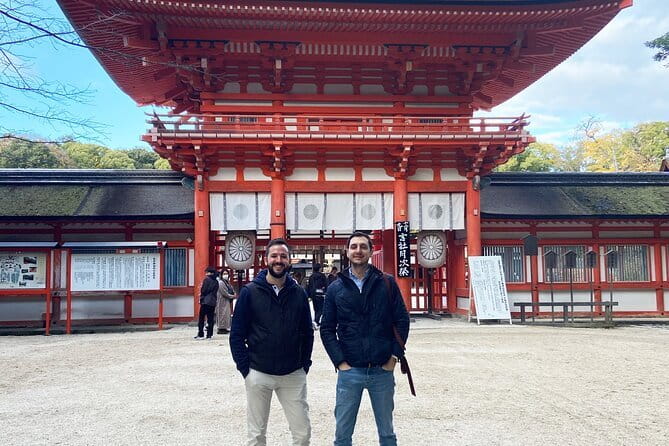
This is a private tour, meaning it’s only your group. That matters more than it sounds, especially in Kyoto where you can run into schedule mismatches: one person wants photos, another wants to read signs, and another is watching the pace of walking distance.
A private format makes it easier to ask questions without feeling like you’re delaying a group. It also tends to improve the flow between stops, because your guide can adjust how long you linger at the garden, how quickly you move through shrine space, and how you time your tea.
It’s also helpful for kimono days. When you’re in traditional clothing, you often need guidance on what to prioritize while walking. Even if you’re not a “serious kimono” person, the experience feels smoother when someone is watching the timing and guiding the transitions.
Price and Value: What You’re Really Paying For
At $117.06 per person, this is not a bargain-basement tour—but it also isn’t just paying for a logo and a map. You’re paying for:
- Tea ceremony inclusion (with wagashi)
- Admission included for the Mitsui Shimogamo villa
- A full-day guided structure totaling about 8 hours
- Private pacing for your group
The items that are not included matter for your final cost. Lunch is not included, and the kimono option may be an additional choice depending on what you select. So your real all-in day cost will depend on whether you add kimono and what you choose for lunch.
Still, the value works best if you care about both sightseeing and a real cultural activity. If you’re purely price-shopping for quick photos, you might do better on a self-guided day. But if tea ceremony plus villa admission plus guided interpretation sounds like your kind of Kyoto, the price becomes more reasonable.
Who This Tour Fits Best
This tour is a strong match if:
- You want Kyoto culture with structure, not just wandering
- You like the idea of a tea ceremony that includes explanations
- You’re interested in traditional dress and want it handled by professionals
- You’d rather spend your day on guided stops than trying to stitch locations together
It may not be ideal if:
- You don’t want to plan ahead for dietary restrictions
- You dislike any prep tasks like doing makeup in advance
- You’re expecting lunch to be fully covered in the tour price
Should You Book This Kyoto Walking Tour?
If you want a Kyoto day that feels like it has chapters, I’d book it. The combination of kimono dressing, garden strolling, villa admission, a key shrine stop, a Machiya lunch location, and a Chisato tea ceremony creates a satisfying arc. You also get the kind of guided context that makes a tea ceremony feel meaningful instead of staged.
But only book with eyes open about the add-ons. Plan for lunch not being included, and if you choose kimono, prepare for the morning routine. If you’re someone who likes clear expectations and cultural depth, this private format should make the day feel efficient and personal.
FAQ
How long is the Kyoto walking tour?
It runs about 8 hours (approx.).
What time does the tour start?
The start time is 10:30 a.m.
Where do we meet?
You meet at Ume Sakura, 38 Fujikicho, Nakagyo Ward, Kyoto, 604-0992, Japan.
Is the tea ceremony included?
Yes. The tea ceremony experience is included, and it includes wagashi.
Is lunch included in the price?
No. Lunch at Kyoto cuisine Teramachi Yoshikura is not included.
Do I pay for the Mitsui Shimogamo villa admission?
Admission to Mitsui Shimogamo is included.
Can the tour accommodate dietary restrictions?
Dietary restrictions must be stated in advance. Accommodation depends on the request, and they may not be able to accommodate every situation.
More Tour Reviews in Kyoto

More Kimono Days in Kyoto
One More Bowl of Matcha

Just added: more Kyoto tours to browse





Kyoto Tea Ceremonies, compared.
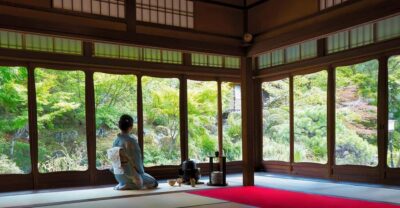 ★ 4.9Tea Ceremony in a Traditional Tea House in KiyomizuFrom $493,519 reviews
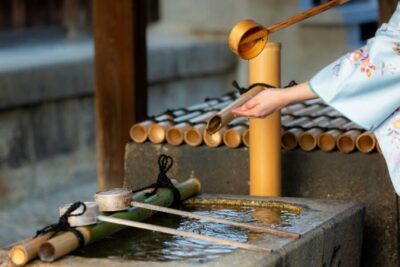 ★ 4.9Tea Ceremony Ju-An at Jotokuji TempleFrom $293,207 reviews
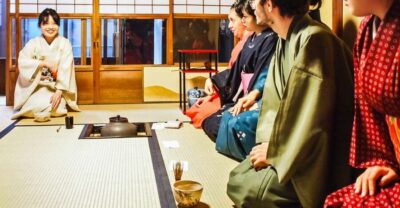 ★ 4.345-Minute Tea Ceremony Lesson ExperienceFrom $222,378 reviews
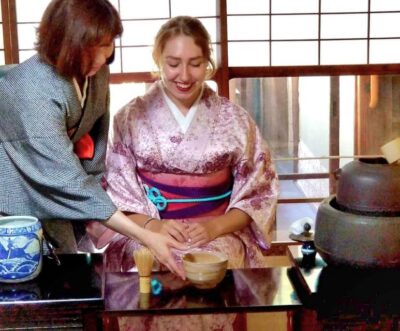 ★ 4.9Table-Style Tea Ceremony at a Kyo-MachiyaFrom $451,211 reviews
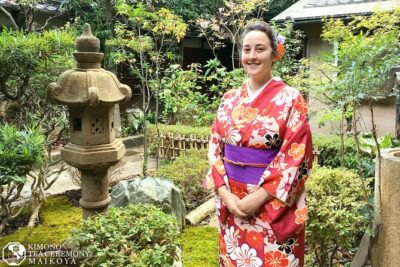 ★ 5.0Kimono Tea Ceremony at Kyoto Maikoya, NISHIKIFrom $65911 reviews
 ★ 5.0Arashiyama Bamboo Forest, Monkeys, Matcha & Temple TourFrom $53759 reviews
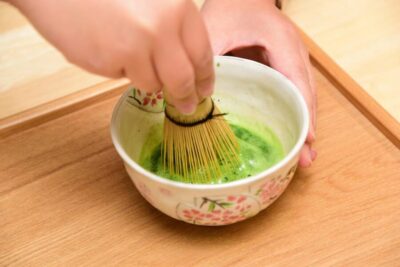 ★ 4.9Tea Museum Tickets and Matcha Grinding ExperienceFrom $23739 reviews
 ★ 4.9Kimono Tea Ceremony at Orizuruya GionFrom $49618 reviews
Browse the lists this tour appears in