
Reviewed · KIYOMIZU-DERA & HIGASHIYAMA TOURS
Kyoto: Walking tour Kiyomizu, Geisha District with a Local
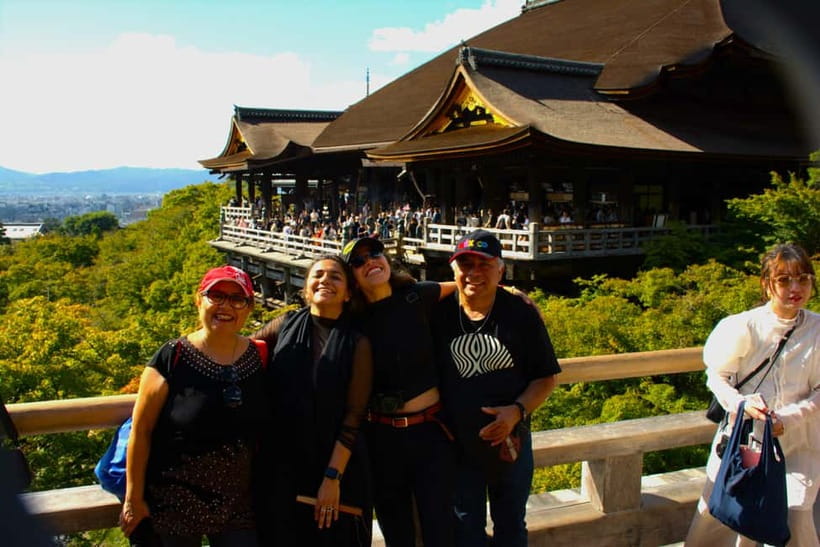
Kyoto rewards slow walking. This Kiyomizu and Gion stroll comes with a local guide who grew up in Kyoto, so you get stories and customs that don’t come from a guidebook. I especially like the mix of Kiyomizu Temple details and Gion/Geisha context, plus the chance to stop for photos without feeling rushed.
One thing to think about: the route uses steep slopes and stairs, so it’s not a good match if walking is hard for you.
In This Review
- Key points worth knowing before you go
- Shijo Bridge start: the easiest way to begin your Kyoto day
- Kiyomizu Temple: how to see it with local context
- Avoiding the main roads: why “quiet streets” feels smarter in Kyoto
- Gion and the Geisha story: what you learn beyond the stereotypes
- Built-in photo shoot: less awkward, better results
- Omikuji fortune slip: the small ritual that makes it feel real
- The Q&A at each stop: turning sightseeing into understanding
- Price and value: why $40 can make sense here
- Who this Kyoto walk fits best (and who should skip)
- What to bring and how to survive the slopes with your dignity intact
- Should you book this Kiyomizu and Gion local walking tour?
- FAQ
- FAQ
- Where do I meet the guide?
- What’s included in the tour price?
- Is the tour offered in English?
- What should I bring?
- Is the tour wheelchair accessible?
- Can I get a refund if plans change?
Key points worth knowing before you go
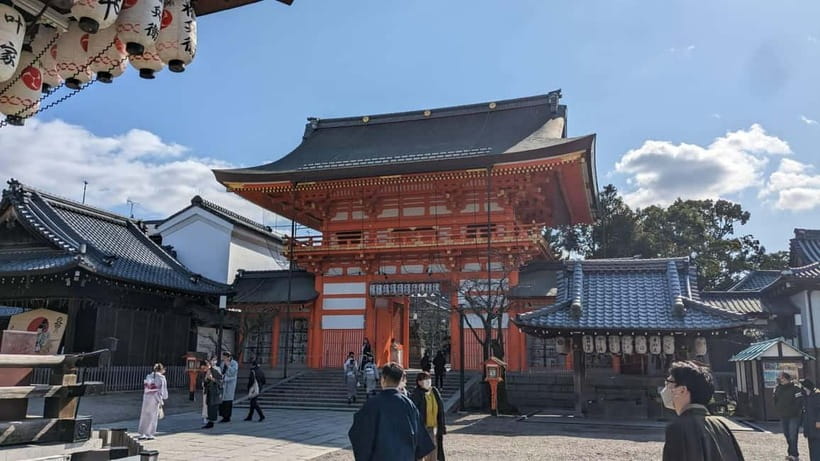
- A Kyoto native guide brings local explanations and small cultural details you won’t easily find on your own.
- Off the main roads: expect quiet streets, not constant traffic-eye contact.
- Kiyomizu Temple entry is included, so you can focus on learning and looking instead of ticket math.
- Photo shoot built in, plus time to actually use it (not just “smile and run”).
- Omikuji fortune slip adds a fun, hands-on Kyoto ritual moment.
- Q&A at each location means you can ask the questions that pop into your head as you walk.
Shijo Bridge start: the easiest way to begin your Kyoto day
You’ll meet on the southeast side of Shijo Bridge, and your guide will be holding a red flag. That’s a small detail, but it matters. Kyoto is busy, signage is everywhere, and meeting a guide who’s easy to spot saves time and stress.
The tour also ends back at the meeting point, which is a quiet win if you’re trying to keep your day tidy. No “where’s the finish” guessing game. You just keep your bearings where you started—important in Kyoto, where streets can feel similar when you’re tired.
And yes, you’re going to walk. This is a walking tour through historic areas, which means comfort beats style. Bring shoes you can trust.
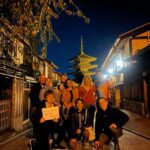
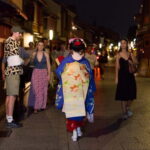
More evenings along the lantern-lit lanes of Gion
Kiyomizu Temple: how to see it with local context
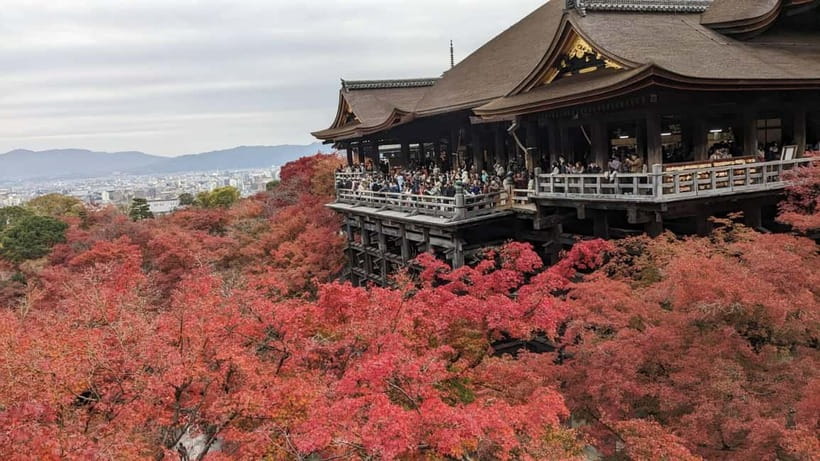
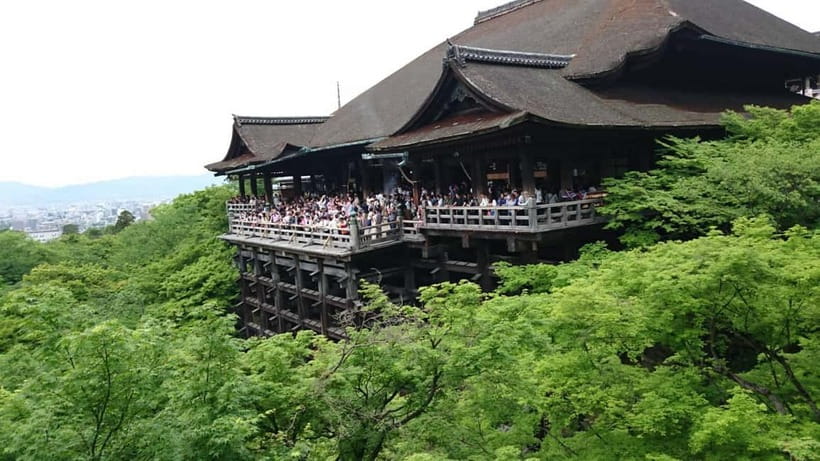
The headline stop is Kiyomizu Temple, and the tour includes entry tickets, so you don’t need to plan that part. Kiyomizu is described as one of Japan’s most important temples, and that importance shows up not just in its reputation, but in how people behave around it—how they pause, how they read the space, how they treat the moment.
What I like about having a local guide here is that you don’t just get a sequence of sights. You get the “why.” You learn details about Kiyomizu Temple and the cultural logic behind what you’re seeing, and it turns your photos from random temple shots into images with meaning.
A guided visit also helps with pacing. You’ll be moving through the area, but not in a frantic line. The tour is set up for stops and explanations, plus a Q&A session at each location, so you can get clarity while it’s still fresh in your head.
Practical drawback: because this is part temple, part hillside walking, you’ll deal with stairs and steep slopes. If your legs aren’t reliable that day, you’ll feel it more than you expect. Plan your day so you don’t start the tour when you’re already sore.
Avoiding the main roads: why “quiet streets” feels smarter in Kyoto
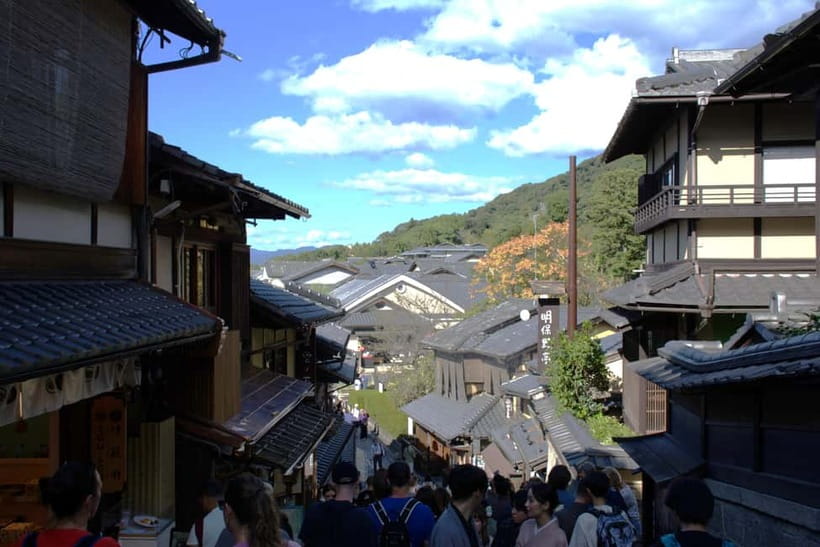
Kyoto can be crowded where everyone funnels into the same viewpoints. This tour intentionally avoids main roads, so you spend more time in Kyoto’s smaller lanes and calmer streets. That changes the experience. You notice more. You see more texture in buildings. You hear a different kind of city sound.
When you’re on narrower streets, small things become big: the way shopfronts sit along the sidewalk, how people move when they’re not navigating a tourist crush, and how the neighborhood keeps its rhythm. Even the act of walking becomes part of the lesson—because Kyoto is not just landmarks. It’s also the in-between spaces.
And there’s a practical upside: side streets can feel like a break when you’ve been standing in lines. You’re still sightseeing, but the fatigue level stays lower than the big thoroughfares.
If photography matters to you, this kind of route helps. It’s easier to frame street scenes without constant interruptions from bus traffic, big groups, or that constant parade of umbrellas.
Gion and the Geisha story: what you learn beyond the stereotypes
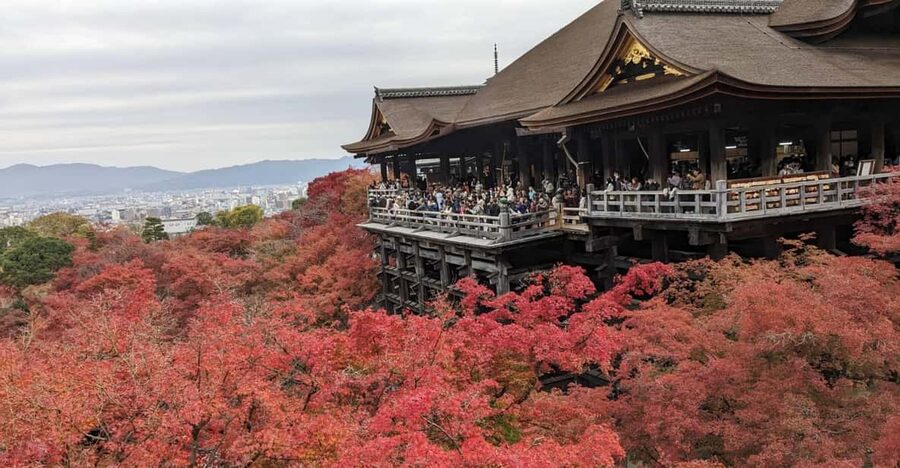
Gion is the setting people think they already understand, but the guide’s job here is to ground you. You’ll learn the history of Geisha, plus the cultural context that shapes how Geisha are seen and how they practice their arts.
Here’s the value: when you only rely on movies and social media, you end up with a messy mix of myths. A local guide can explain the reality in a way that feels human and specific, tied to Kyoto rather than a generic “traditional Japan” script.
The tour also covers unique Kyoto customs, with tidbits described as the kind that are hard to find online. That’s exactly what you want in a city like Kyoto, where official-looking information still doesn’t capture everyday culture. Even simple customs—how people behave in certain spaces, what’s considered polite, what gets attention—help you move through Gion with more understanding and fewer accidental faux pas.
You’ll also pass through places that feel made for photos, but the learning keeps you from getting stuck in “shoot mode.” You look, then you understand, then you look again with better questions.
Built-in photo shoot: less awkward, better results
There’s a photo shoot included, which I consider one of the smarter inclusions. Plenty of walking tours say you’ll get photos, but they don’t actually provide a structure for it. Here, the tour builds it into the experience—so you’re not trying to ask a random passerby at the worst possible moment.
Since the route avoids main roads and includes quieter streets, your pictures can look more Kyoto-like and less like a crowd documentary. You still want to respect the space and people around you, but you’ll have a bit more room to get angles that feel intentional.
Tip from how these tours tend to work: wear something comfortable enough that you don’t spend the entire session tugging at clothing or stretching. If you’re okay on stairs, you’ll also be steadier for photos.
Keep climbing the Higashiyama slopes toward Kiyomizu-dera

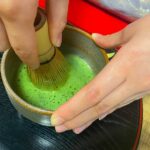
Omikuji fortune slip: the small ritual that makes it feel real
You’ll get an omikuji (fortune slip) during the tour. This isn’t just a souvenir moment. Omikuji is a living part of Japanese temple culture—something people do as part of their visit, and a tradition tied to the idea of seeking guidance, even if your result is confusing or contradictory.
It’s a great addition because it gives you a task. You’re not only watching; you’re participating. It’s also a fun way to take a piece of Kyoto home that isn’t just another photo folder.
If you’re wondering what to do with it: follow the guide’s cues on how to handle it during the visit. The guide will set expectations at the right time, which matters because temple rituals have their own flow.
The Q&A at each stop: turning sightseeing into understanding
A big differentiator here is the Q&A session at each location. This is where tours often either shine or fall flat. When it works, it turns you from a passive watcher into an active learner.
What you should expect is simple: you’ll pause, you’ll ask questions, and your guide will explain what you’re seeing and what it means in Kyoto culture. Because it happens right at each location, you’re not stuck waiting until the end to get answers. And because your questions are tied to what’s in front of you, the explanations land better.
The guide’s English explanations are described as easy to follow and friendly, with a fun approach. Names that come up in the experience include Naoya-san (spelled a couple of ways in comments), and that kind of guide energy matters. Kyoto history can be heavy, and a good guide keeps it clear without turning it into a lecture.
If there’s something you’ve been curious about—Geisha history, temple etiquette, why things are shaped a certain way—this is the moment to ask instead of guessing.
Price and value: why $40 can make sense here
At $40 per person, you’re not paying for just walking. You’re paying for a bundle of practical inclusions: Kiyomizu Temple entry, a photo shoot, and an omikuji fortune slip, plus a local guide who offers explanations and Q&A throughout.
Let’s talk value in plain terms. In Kyoto, the cost of attractions and the cost of time add up fast. If you had to line up entry tickets yourself, solve where to go next, and figure out what you’re looking at while also trying to get decent photos, you’d spend energy you might rather save for enjoying the city.
This tour is best at the “translation layer.” It’s not only about access—it’s about how the guide turns landmarks into understanding. That’s what makes the price feel reasonable rather than random.
You also get English support, which is helpful for keeping the learning easy and natural rather than patchy and stressful.
One more value point: the tour’s structure keeps you off major roads and sets up stops for photos and questions. That’s a lot of effort you’d otherwise have to build yourself.
Who this Kyoto walk fits best (and who should skip)
This is a good fit if you want a guided, story-driven walking day that focuses on Kiyomizu and Gion and doesn’t just sprint through famous spots.
It’s also a good fit if you:
- enjoy learning from a local rather than just collecting landmarks
- want photos but prefer a guided moment over improvising
- like asking questions and getting answers on the spot
It’s not a match if your mobility is limited. The tour involves steep slopes and stairs, and it’s specifically noted as not suitable for wheelchair users, people with low level of fitness, people over 80, people with respiratory issues, and people with altitude sickness.
If you’re on the fence, think about your worst step, not your average walking day. Even if you can do a short distance, stairs can change how you feel fast.
Also: Kyoto weather changes how “manageable” hills feel. If you’re doing this in a hot or cold stretch, bring extra water planning even if the tour doesn’t mention it—your guide can’t fix dehydration.
What to bring and how to survive the slopes with your dignity intact
Your main instruction is comfortable shoes. That’s not marketing fluff. On a route with stairs and steep slopes, the wrong shoes can ruin your day in a hurry.
Beyond that, I’d keep it simple:
- wear breathable layers if Kyoto is warm
- keep your phone charged for photos since the shoot is included and you’ll likely take extras
- move at your pace during stops and don’t feel pressured to rush
Small habit that helps: when you arrive at a viewpoint or temple area, pause for one breath before you start filming. It sounds silly, but it helps you see the place and it reduces that “I’m only half present” feeling that can happen in busy Kyoto.
And yes, your calves will get a workout. Kyoto hills don’t care if you’re on vacation.
Should you book this Kiyomizu and Gion local walking tour?
If you want a Kyoto day with local explanations, a structured visit to Kiyomizu Temple, and meaningful context for Gion and Geisha history, this is a solid choice. The Q&A at each location is the kind of feature that makes the tour feel interactive, not scripted.
I’d especially recommend it if you value better photos, not just random snapshots. The included photo shoot plus quieter side streets make it easier to get images that feel Kyoto, not just crowded.
Skip it if you know you struggle with stairs and steep slopes or if your health limits you in the ways listed (mobility, respiratory issues, altitude sickness, or if you’re older than 80 and low mobility is likely).
FAQ
FAQ
Where do I meet the guide?
You’ll meet at the southeast side of Shijo Bridge. The guide will be holding a red flag.
What’s included in the tour price?
Entry tickets to Kiyomizu Temple are included, along with a photo shoot and an omikuji (fortune slip).
Is the tour offered in English?
Yes, the tour is available in English.
What should I bring?
Wear comfortable shoes. The tour includes steep slopes and stairs, so comfortable footwear matters.
Is the tour wheelchair accessible?
No. It is not suitable for wheelchair users, and it is not recommended if you have difficulty walking.
Can I get a refund if plans change?
Yes. You can cancel up to 24 hours in advance for a full refund.
More Tour Reviews in Kyoto
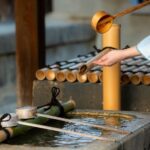
More Along the Higashiyama Slopes
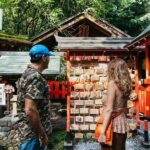
Still in Gion? Keep Going

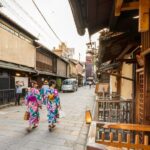
Just added: more Kyoto tours to browse





Kiyomizu-dera & Higashiyama Tours, compared.
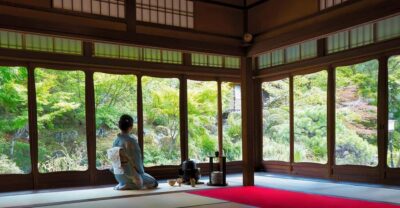 ★ 4.9Tea Ceremony in a Traditional Tea House in KiyomizuFrom $493,519 reviews
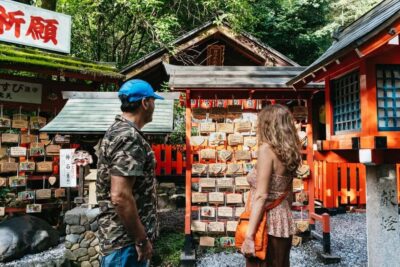 ★ 4.7Nijo Castle, Kiyomizu & Fushimi Inari Guided TourFrom $54700 reviews
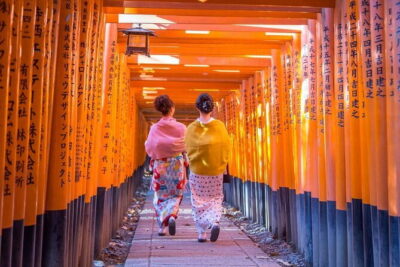 ★ 5.0Nijo, Kinkaku-ji, Arashiyama, Kiyomizu & Fushimi InariFrom $51699 reviews
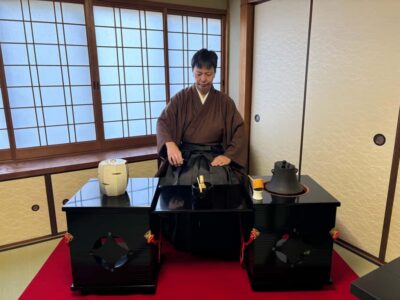 ★ 4.8Kyoto Ninenzaka: Tea Ceremony in Old Townhouse with ChairsFrom $21215 reviews
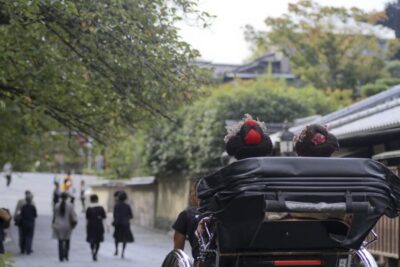 ★ 5.0Private Rickshaw Tour of Gion and Higashiyama AreaFrom $51144 reviews
 ★ 5.0Kyoto Tea Ceremony & Kiyomizu-dera Temple Walking TourFrom $109115 reviews
 ★ 5.0Kyoto Kiyomizu Tea Ceremony with Scenic Garden ViewsFrom $50101 reviews
 ★ 4.7Kimono/Yukata Rental 5 Minute from Kiyomizu-deraFrom $1989 reviews
Browse the lists this tour appears in