

Reviewed · GION & GEISHA DISTRICT TOURS
Kyoto: The Geisha Districts of Kyoto Walking Tour
Geisha culture in Kyoto is more than a show. This tour is built around geisha customs and the day-to-day world behind the entertainment districts, with an interactive slideshow plus hands-on games modeled on real traditions. I especially liked how the guide connects what you see on the street to why it matters, and I liked the chance to spot tea houses as you move through the central districts. One drawback to consider: it’s two hours with real walking, so weather can turn the experience from lovely to annoying fast.
You start in the traveler lounge in the heart of Miyagawacho, where you get a welcome drink while the guide sets the context. Before you hit the narrow lanes, you’ll also get background that helps you understand what you’re looking at and how to act respectfully. I found this pre-walk start makes a big difference versus the usual meet-and-go-photo approach.
From there, you walk close to an hour through famous areas of Gion and Higashiyama, with temple and shrine stops along the way. You’ll also visit four out of the five central hanamachi (geisha districts), which is a smart way to cover more ground without rushing. My tip is simple: wear shoes you don’t mind getting wet.
In This Review
- Key things I’d circle before you book
- A lounge-first start in Miyagawacho (and why it’s worth your time)
- How this tour makes geisha culture feel real (not like a theme park)
- Walking through Gion’s hanamachi districts without getting lost in the crowd
- The day’s stops: from tea-house lanes to classic Kyoto shrines
- Miyagawacho: where the tour grounds you in the geisha district mindset
- Kenninji Temple: a quiet reset in the middle of the cultural day
- Yasui Kompira-Gu Shrine: another short stop, same lesson
- Ninenzaka: the Higashiyama feel you’ll want after the tour
- Yasaka Shrine: finishing with a strong sense of place
- The $38 value: what you’re actually paying for
- When small-group comfort helps most (and when it won’t)
- A practical etiquette note for geisha districts
- Should you book the Geisha Districts of Kyoto Walking Tour?
- FAQ
- FAQ
- How long is the Kyoto Geisha Districts walking tour?
- How much does it cost?
- Where do I meet for the tour?
- What areas will we visit?
- Are geisha sightings guaranteed?
- What’s included in the price?
- Is food included?
- What languages is the guide?
- Is the tour suitable for people with mobility impairments?
- Can I cancel and get a full refund?
Key things I’d circle before you book

- A lounge welcome before the walking: drink in hand, plus games and an interactive slideshow that set up what geisha culture looks like in real life.
- Four hanamachi districts, not just one: you’ll cover a wider slice of central Kyoto’s geisha geography in about two hours.
- Hundreds of tea houses along the route: you’re not only looking at famous streets, you’re passing the real small-world infrastructure behind them.
- Chance to catch a glimpse in costume: the tour gives you context so sightings feel meaningful, not random.
- Classic Kyoto stops mixed in: Kenninji Temple, Yasui Kompira-Gu Shrine, Ninenzaka, and Yasaka Shrine help the day feel like Kyoto, not a themed show.
A lounge-first start in Miyagawacho (and why it’s worth your time)
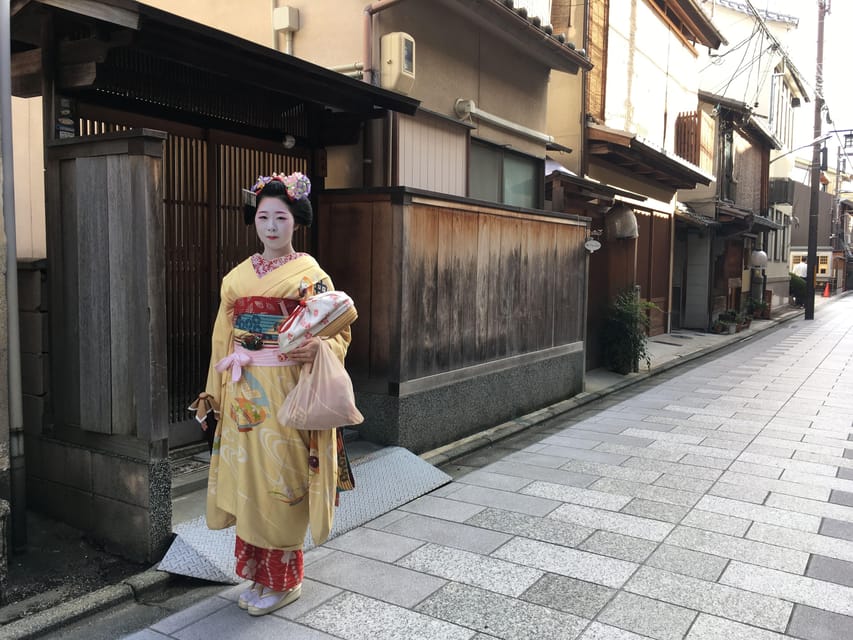
Most Gion tours start with a camera. This one starts with context. You meet in the Miyagawacho area at a lounge, where you get a welcome drink and a guided intro to the world of geisha. It’s a small but important shift: instead of guessing what you’re seeing, you’re given a framework first.
The guide also builds in an interactive format. You’ll see an interactive slideshow and play games connected to geisha entertainment culture. That sounds light, but it actually does a job: it turns unfamiliar customs into something you remember, which is exactly what you want when you’re walking past details you might otherwise miss.
I also appreciated that the intro is specifically about customs in entertainment districts. You’re not just learning trivia. You’re learning how to interpret the street scene so you can behave well, ask better questions, and notice the right things.
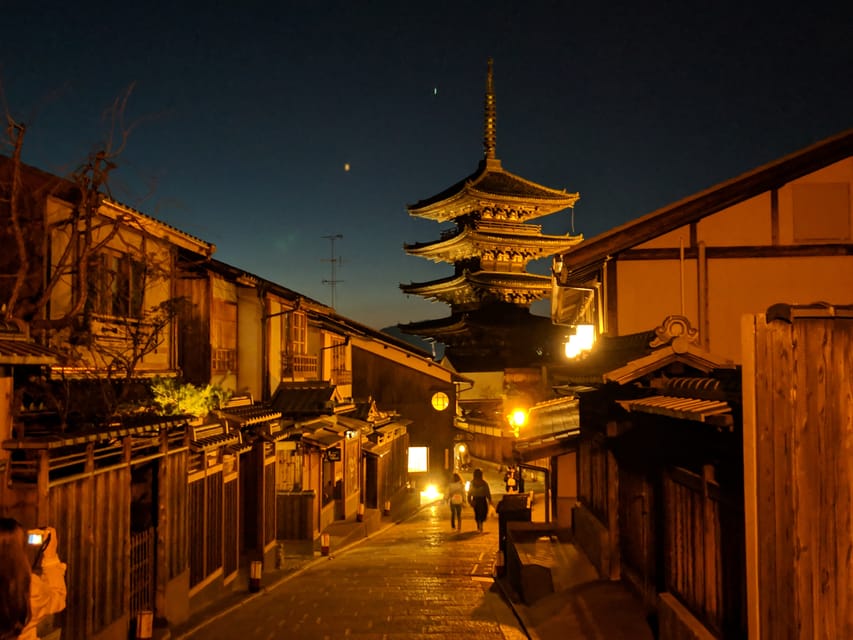
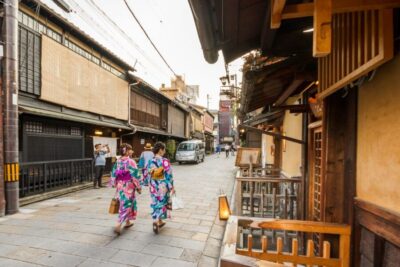
More evenings along the lantern-lit lanes of Gion


How this tour makes geisha culture feel real (not like a theme park)
This is the core reason to book. The tour is designed for people fascinated by geisha culture, and it treats that interest with care. Instead of presenting geisha as a costume you consume, it explains their history and customs and gives you a chance to catch glimpses of women in full costume.
That chance is framed as a possibility, not a guaranteed performance. Kyoto is Kyoto. Even when you’re in the right area, sightings depend on timing and daily routines. Still, the value here is that you’ll know what you’re seeing when it happens.
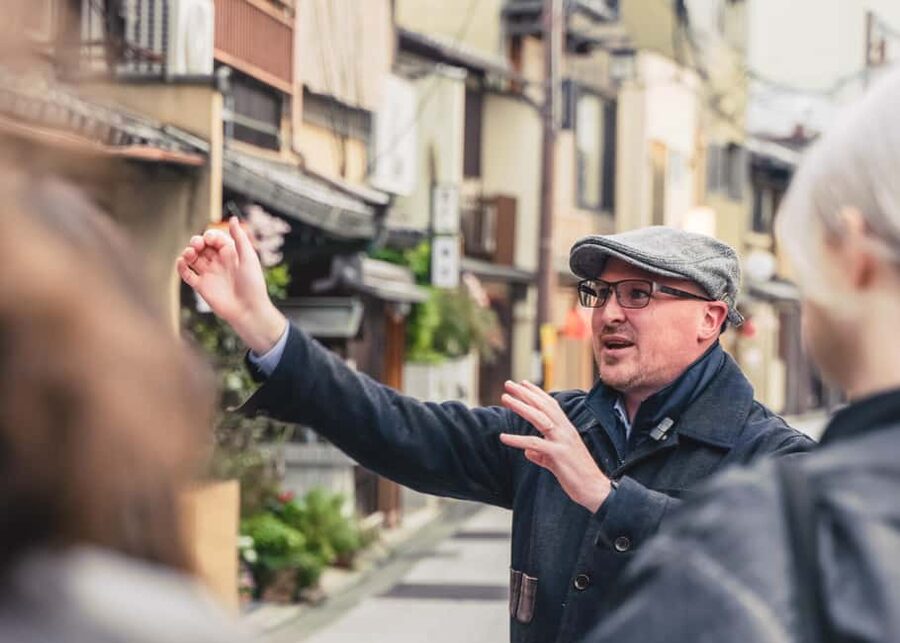
The guide is also an expert in geisha culture. That matters because Gion is easy to misunderstand if you only look at the most obvious sights. The tour helps you connect the dots: why the entertainment districts exist, how they function, and what people historically valued in these arts. You leave less stuck in stereotypes and more tuned in to real tradition.
And yes, you still walk through the places people come for. But you walk with meaning. That’s the difference between a photo-only stroll and an experience that changes how you see the neighborhood.
Walking through Gion’s hanamachi districts without getting lost in the crowd
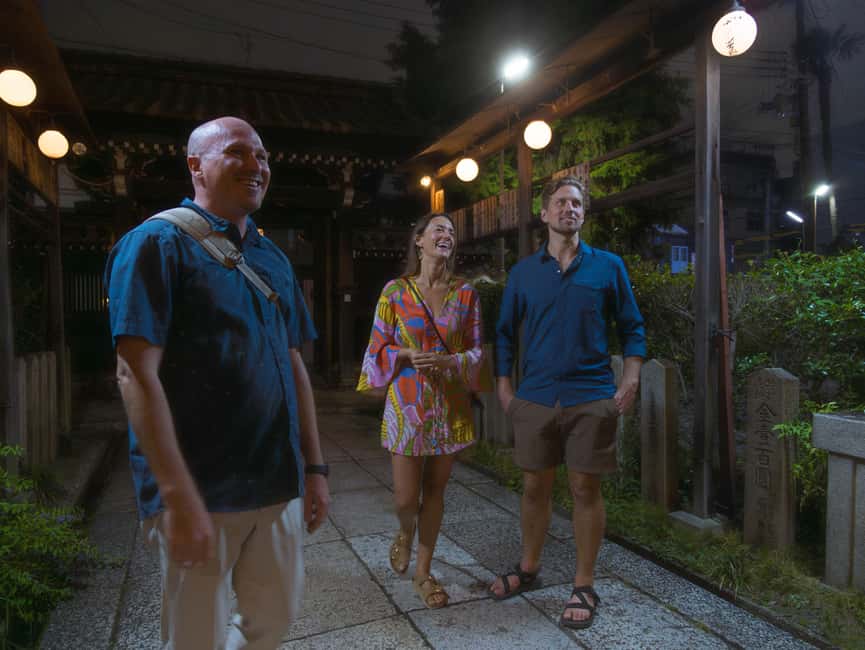
You’ll visit four out of the five central hanamachi districts. Even if you’ve heard the word before, it’s one thing to read it and another thing to feel it in the layout and rhythm of the streets. The guide helps you understand that these districts aren’t random backdrops; they’re organized communities with roles, customs, and boundaries you should respect.
The tour also emphasizes tea houses, including passing hundreds of real tea houses as you move across the central geisha areas. That’s a practical detail that becomes surprisingly educational. Once you know what a tea house is in this context, the buildings stop being just pretty facades. They become part of an ecosystem supporting traditional arts and social rituals.
You’ll walk historic narrow streets, the kind where it’s easy to get absorbed in the look of things and forget to pay attention to how people move. The guide’s job is to keep you oriented so you can enjoy the atmosphere without being in the way. That’s why the tour feels calmer than you might expect for such a famous area.
The day’s stops: from tea-house lanes to classic Kyoto shrines
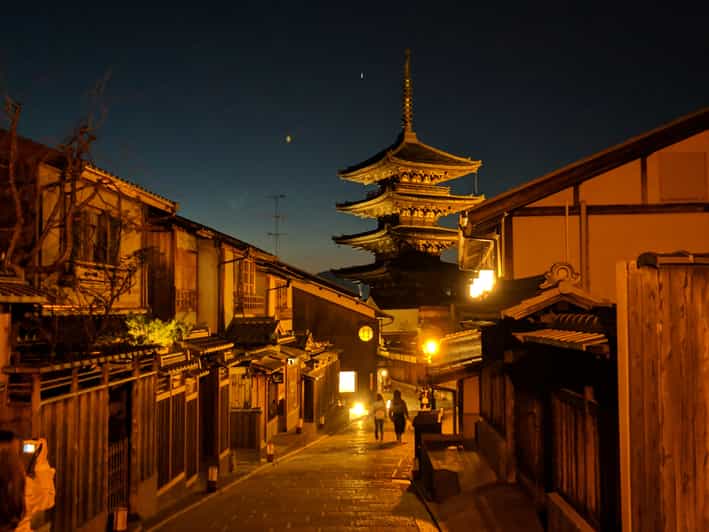
You’ll move from the geisha districts into some of the most recognizable religious and street-level landmarks in eastern Kyoto. Each stop is brief, but the timing works. You get breaks from pure walking without losing momentum.
Miyagawacho: where the tour grounds you in the geisha district mindset
After the lounge welcome, you visit Miyagawa-chō with the guide for about 20 minutes. This is where you start seeing how the district works as a space. You’ll likely notice the difference between “tourist street” and “community street” the moment you’re moving with someone who understands what to look for.
This segment is also your buffer zone. It’s long enough to settle your eyes, learn the rules of the lane, and start picking up the social cues the guide discusses.
Other Kyoto tours and experiences to compare




Kenninji Temple: a quiet reset in the middle of the cultural day
Kenninji Temple is next, with about 15 minutes on site. The value of this stop is not a long lecture. It’s a reset. When you’ve been focused on entertainment districts and tea houses, a temple pause helps you see Kyoto’s layering: sacred space and cultural tradition standing side by side.
Even if you’re not a temple-person, the timing helps. You don’t feel dragged away from the theme. You feel your energy come back so you can enjoy the later street scenes.
Yasui Kompira-Gu Shrine: another short stop, same lesson
You also visit Yasui Kompira-Gu Shrine for about 15 minutes. Again, the tour keeps this portion short, which is exactly right for a two-hour experience. You get a meaningful break while staying anchored in the idea that Kyoto’s identity isn’t only about one neighborhood.
If you’re the kind of traveler who likes connecting dots, this is helpful. You start to see how the city’s spiritual and cultural systems share the same streets.
Ninenzaka: the Higashiyama feel you’ll want after the tour
Next comes Ninenzaka for about 20 minutes, guided. This area is included because it gives you a more classic Kyoto walking feel as you transition from the geisha-centered streets into Higashiyama’s familiar atmosphere.
You’re not just ticking a landmark box. You’re getting a “where do I go next” moment. When the tour ends, you’ll understand the area well enough to keep exploring.
Yasaka Shrine: finishing with a strong sense of place
The tour wraps with about 20 minutes at Yasaka Shrine. This ending point makes sense because it’s a natural place to continue onward, especially for dinner plans.
You’ll also get help with suggestions for where to go after. That’s a small extra, but it’s useful if you want to eat without spending half an hour guessing and walking around hungry.
The $38 value: what you’re actually paying for
At $38 per person for two hours, the price feels fair for what you get, especially because the tour isn’t only a walk.
You’re paying for:
- A bilingual guide in English and French
- A guided walk through Gion and Higashiyama areas
- A welcome drink at the traveler lounge
- An interactive slideshow and games connected to geisha entertainment culture
- Time in multiple meaningful stops, including tea-house districts and Kyoto landmarks
Also, the group format matters. The tour can be private or small groups, which is important in Kyoto’s famous neighborhoods. In crowded areas, small-group walking isn’t just a comfort thing. It affects how much the guide can explain and how well you can hear and observe without feeling swept along.
Food and drinks aren’t included beyond the welcome drink, so plan to budget for your own meal after. That’s normal for this kind of experience, and it keeps the tour focused on culture rather than turning into a food tour.
When small-group comfort helps most (and when it won’t)
This tour is a great fit if:
- You care about geisha culture and want context, not just sights
- You prefer a guide-led pace with clear explanations
- You like short visits that add up, rather than one long museum session
- You’d enjoy a lounge start with games and an intro before you walk
It’s less ideal if:
- You have mobility limitations, since the tour isn’t suitable for people with mobility impairments
- You want a purely flexible, wander-at-your-own-pace experience (this is a guided route)
- You’re traveling on a day when you can’t handle wet weather comfortably
One of the clearest real-world considerations is rain. Since you’re out for two hours and walking a fair amount, bring rain gear and waterproof shoes. If you hate being cold and damp, check the weather seriously.
A practical etiquette note for geisha districts
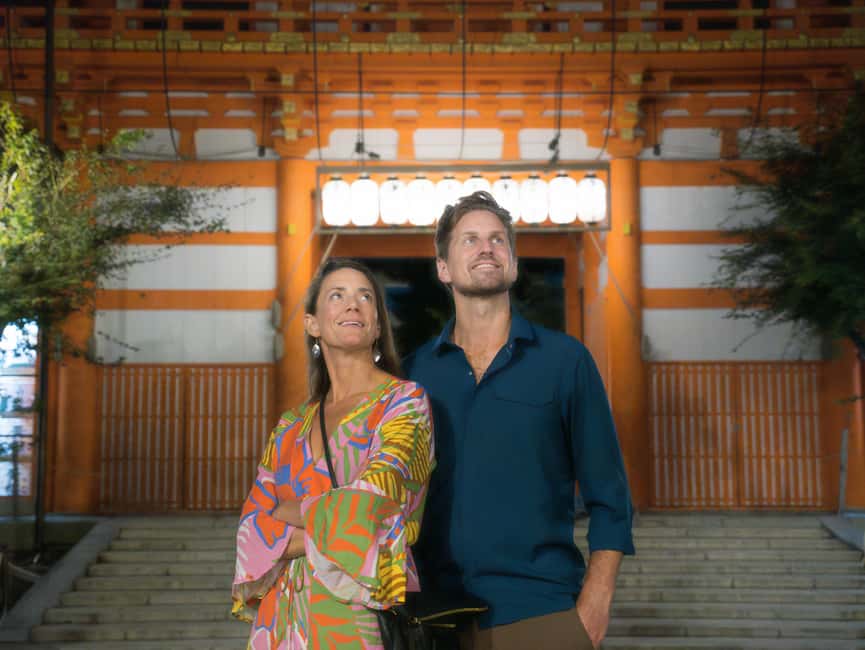
This isn’t about being stiff. It’s about being respectful and helpful to the neighborhood. When you’re in hanamachi areas and passing tea houses, keep your voice down, avoid blocking entrances, and follow your guide’s cues on where to stand and how to move.
The tour helps you with the “why,” too. You’ll understand that these areas are not built for constant photographing or constant gawking. That perspective makes it easier to enjoy the atmosphere without turning it into a distraction.
Should you book the Geisha Districts of Kyoto Walking Tour?
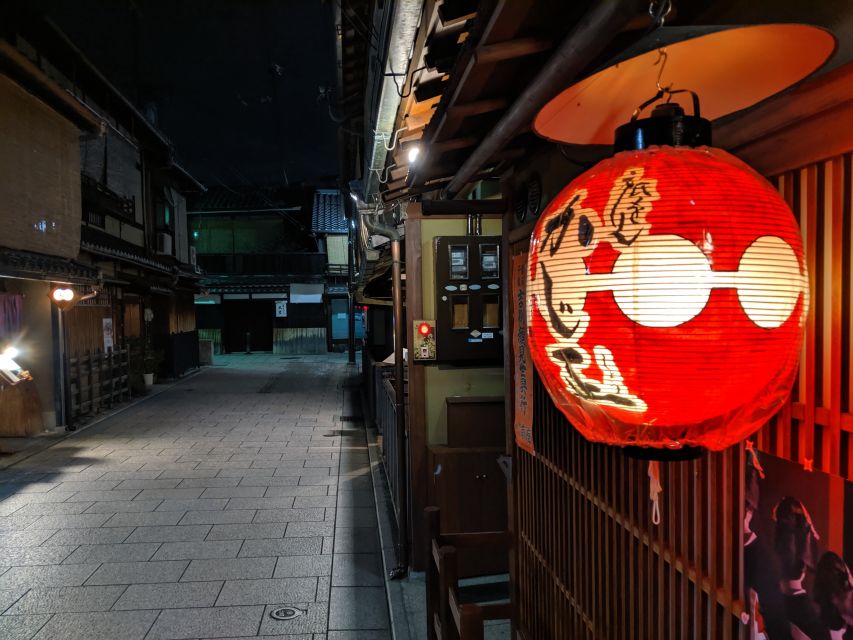
Book it if you want a focused, culture-first walking experience in Gion and Higashiyama, with a lounge start, a welcome drink, and a guided approach to geisha customs. The biggest win for me is the structure: you learn the basics first, then you walk past hundreds of tea houses with your eyes open.
Skip it if you need maximum accessibility, or if you only want photos and don’t care about customs and context. Also skip if rainy weather would ruin your day, since two hours of walking is hard to love when you’re uncomfortable.
If your priority is understanding geisha districts in a respectful, guided way, this tour is easy to recommend.
FAQ
FAQ
How long is the Kyoto Geisha Districts walking tour?
It lasts about 2 hours.
How much does it cost?
The price is $38 per person.
Where do I meet for the tour?
Meeting points can vary depending on the option booked, with one listed option at Kyoto Fun, 河松マンション.
What areas will we visit?
You’ll explore Gion and Higashiyama, including Miyagawacho, Kenninji Temple, Yasui Kompira-Gu Shrine, Ninenzaka, and Yasaka Shrine.
Are geisha sightings guaranteed?
No. The tour gives you a chance to catch a glimpse of women in full costume, but it’s not guaranteed.
What’s included in the price?
You get a guided walk of the Gion and Higashiyama districts and a bilingual guide, plus a welcome drink. The tour experience also includes an interactive slideshow and games.
Is food included?
No. Food and drinks are not included, other than the welcome drink.
What languages is the guide?
The guide is available in English and French.
Is the tour suitable for people with mobility impairments?
No, it is not suitable for people with mobility impairments.
Can I cancel and get a full refund?
Yes. You can cancel up to 24 hours in advance for a full refund.
More Tours in Kyoto


More Tour Reviews in Kyoto


Still in Gion? Keep Going

Just added: more Kyoto tours to browse








Gion & Geisha District Tours, compared.
 ★ 4.7Kyoto Geisha Walking Tour: Gion District & Hidden GemsFrom $253,273 reviews
 ★ 4.9Gion Magical Night Walking Tour with Geisha TriviaFrom $242,393 reviews
 ★ 4.7Gion Geisha District Walking Tour – Stories of GeishaFrom $202,187 reviews
 ★ 4.9Best of Kyoto: Gion, Geisha, Pagodas & CobblestonesFrom $242,058 reviews
 ★ 4.5Night Walk in Gion: Kyoto’s Geisha DistrictFrom $212,003 reviews
 ★ 5.0Kyoto Night Foodie Tour in Gion (9+ dishes + 6 Sake tastings)From $1631,762 reviews
 ★ 5.0Kyoto Gion Geisha District Walking Tour – The Stories of GeishaFrom $251,441 reviews
 ★ 5.0Kyoto Gion: 2-Hour Geisha Culture & History Walking TourFrom $231,186 reviews
Browse the lists this tour appears in