
Reviewed · KIYOMIZU-DERA & HIGASHIYAMA TOURS
KYOTO: Tempio Kiyomizu Pagode Gion “Geisya” (Guida Italiana)
Kyoto feels different when you walk it with Omae. This 5-hour tour strings together Kiyomizu-dera and the classic approach streets with Italian commentary, so you don’t just see Kyoto—you understand what you’re walking through.
I especially like the way the route follows the old pilgrimage feel from the 8th century onward, then lands you in lively Gion at a human pace. The second big win is value: the price includes transport and entrance tickets for the stops on the plan.
One consideration: it’s still a walk tour. You’ll move between sights and cover the stone-street vibe of Sannenzaka and Ninenzaka, so comfortable shoes matter.
In This Review
- Key highlights at a glance
- Why this Kyoto route works in 5 hours
- Meeting at Kyoto Station: get oriented fast
- The short bus ride that sets up the day
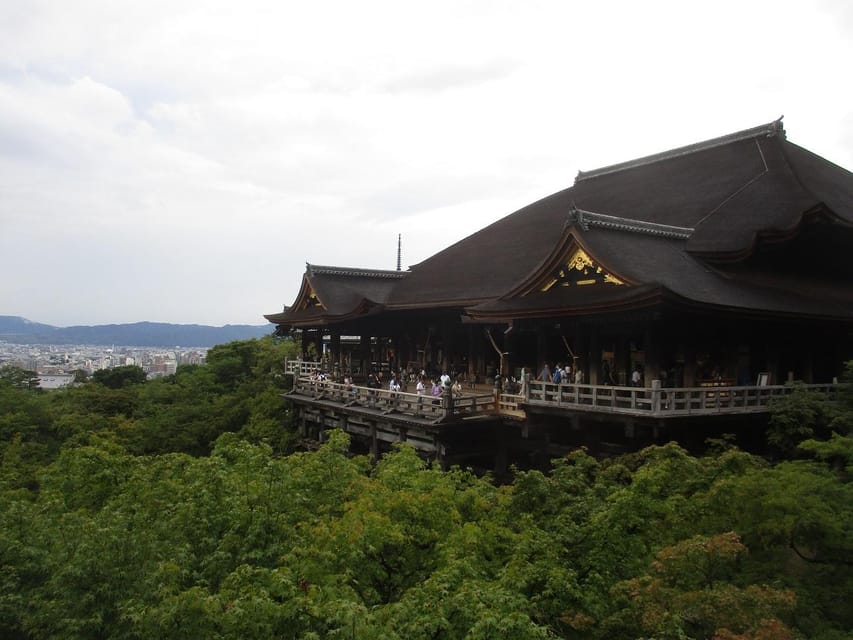
- Kiyomizu-dera visit: the temple plus the meaning
- Sannenzaka: the old streets that do more than sell souvenirs
- Ninenzaka: steps, character, and a smoother transition to Gion
- Gion and Kyōto Minami-za pass: the culture shift in 30 minutes
- Ending at Pontocho: keep the night going your way
- Price and value: what $117 covers and why it’s fair
- Italian guide Omae: the difference is the questions
- Who should book this Kyoto Kiyomizu-dera and Gion tour
- Should you book this tour
- FAQ
- What language is the tour offered in?
- How long is the Kyoto Kiyomizu-dera and Gion tour?
- Where is the meeting point at Kyoto Station?
- What places does the itinerary cover?
- Is transport and entrance to the monuments included in the price?
- Is the tour wheelchair accessible?
- What is the cancellation option?
Key highlights at a glance
- Italian guide Omae explains the culture and religion as you go, in clear Italian
- Transport + entrance tickets included in the fixed price, so you’re not budgeting on the fly
- Pilgrimage-route streets from the Kiyomizu-dera approach down to Gion
- Flexible timing by request as far as possible, without turning the day into chaos
- Easy finish point at Pontocho, so you can keep exploring after the tour
- Meeting point details that remove guesswork, with an email confirmation the day before
Why this Kyoto route works in 5 hours
Kyoto can feel like a choose-your-own-adventure book—beautiful, but also easy to get lost in translation and logistics. This tour keeps the day focused on a tight loop: Kiyomizu-dera, the approach lanes (Sannenzaka and Ninenzaka), then Gion, ending around Pontocho.
What makes it work is the way the guide ties the places together. Kiyomizu-dera isn’t just a temple stop; it’s part of a long pilgrimage corridor. When you walk those streets with someone explaining what you’re seeing, the souvenir shop streets and snack stops become context, not distractions.
And since the tour is only 5 hours, it’s a good option if you want a full Kyoto highlight day without spending the entire afternoon making decisions. You’ll still have time afterward to eat, browse, and roam—without doing the whole city as a second job.
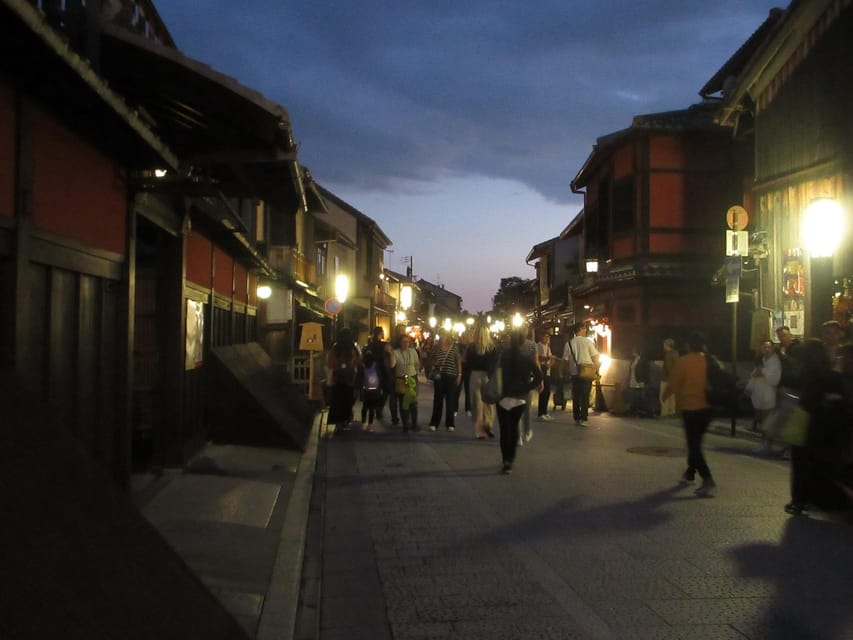
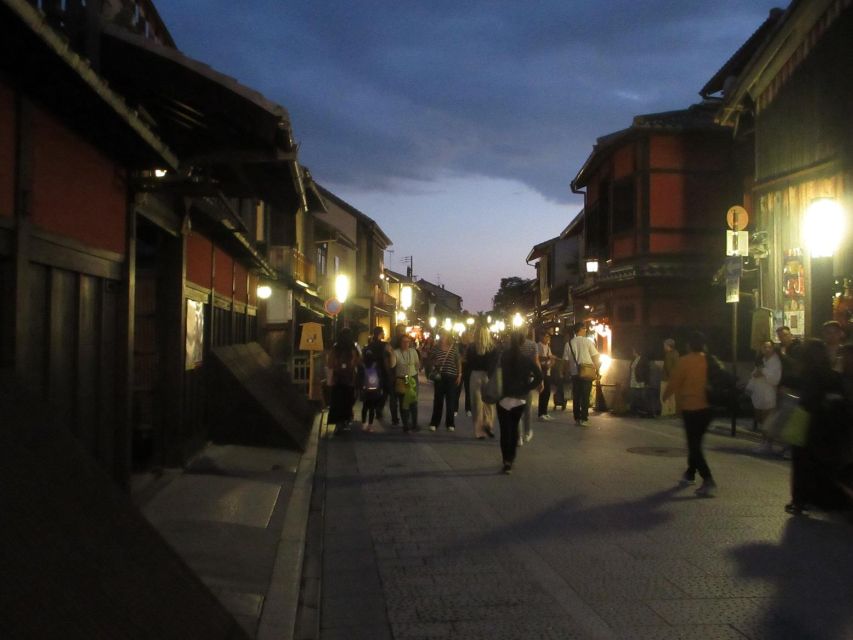
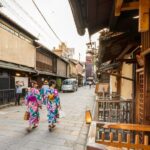
More evenings along the lantern-lit lanes of Gion


Meeting at Kyoto Station: get oriented fast
Your day starts at Kyoto Station, at the North Entry side (Karasuma-Guchi). The meeting point is very specific: the space between the four escalators in front of the cab terminal, toward the east, just outside the central north entrance of the station.
Here’s the helpful mental cue they give you: from that spot, you can see Kyoto Tower ahead, at the top left (not right). That makes it much easier to spot your meeting area without wandering around station corridors like a lost golden retriever.
One nice touch: you’ll receive an email by the day before the tour with a confirmation and meeting-point details. So you can arrive, check, and move on.
The short bus ride that sets up the day
After meeting, you take a coach/bus ride of about 15 minutes. That brief transfer matters more than it sounds. It saves your energy for the walk portions where the streets actually start to tell stories.
And because the transport is included in the price, you don’t need to figure out train vs. bus vs. taxi in the moment. In Kyoto, that planning time adds up. This tour is designed to reduce that friction so you can spend your attention where it counts.
Kiyomizu-dera visit: the temple plus the meaning
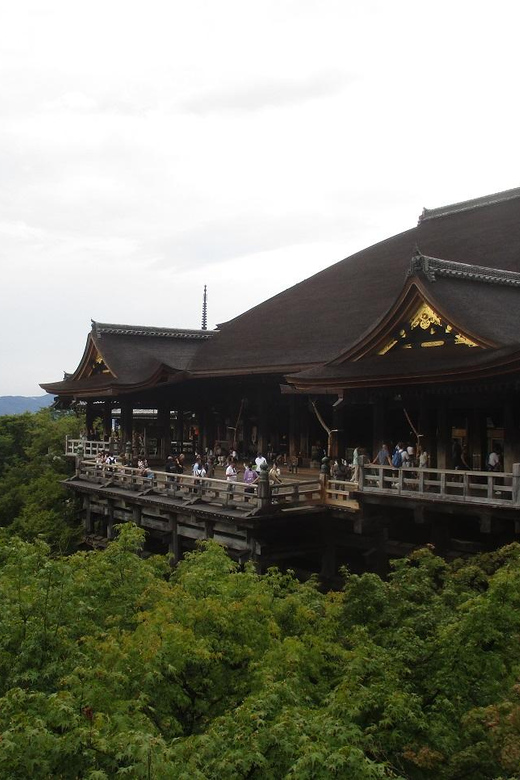
Once you arrive, you get about 1 hour at Kiyomizu-dera with a guided visit and sightseeing time. This is the main anchor stop of the day.
What you’ll get here is more than a checklist of what the temple looks like. The tour is built around the idea of the pilgrimage approach—streets that developed from the 8th century to today—so the guide’s explanations help you connect the religious and cultural details to the physical space.
In practice, that means you’re not just standing, reading a sign, and hoping it all clicks. You’ll have time to ask questions in Italian, and the pace is guided rather than rushed.
Potential drawback? One hour can feel like a lot or not much, depending on how closely you like to look. But for a 5-hour day that also includes Sannenzaka, Ninenzaka, and Gion, it’s a realistic balance.
Sannenzaka: the old streets that do more than sell souvenirs
After Kiyomizu-dera, you walk toward the famous lanes:
- Sannenzaka (walk about 3 minutes)
- then onward toward Ninenzaka (walk about 5 minutes plus a short segment afterward)
Sannenzaka is one of those Kyoto places where the street itself is the attraction: narrow lanes, old-style atmosphere, and lots of shops and sweets. The guide’s role here is important. Without context, it can all blur into the same “shop-and-photo” rhythm.
With Italian explanations, you’ll better understand why these streets exist as part of the visitor experience around the temple—how the approach area supports the pilgrimage feel and the everyday life of Kyoto visitors coming through.
Also, these lanes are a practical reminder: you’ll be outside and walking segments add up. If you’re the type who likes to stop for snacks along the way, this is a good section to do it without breaking the tour flow.
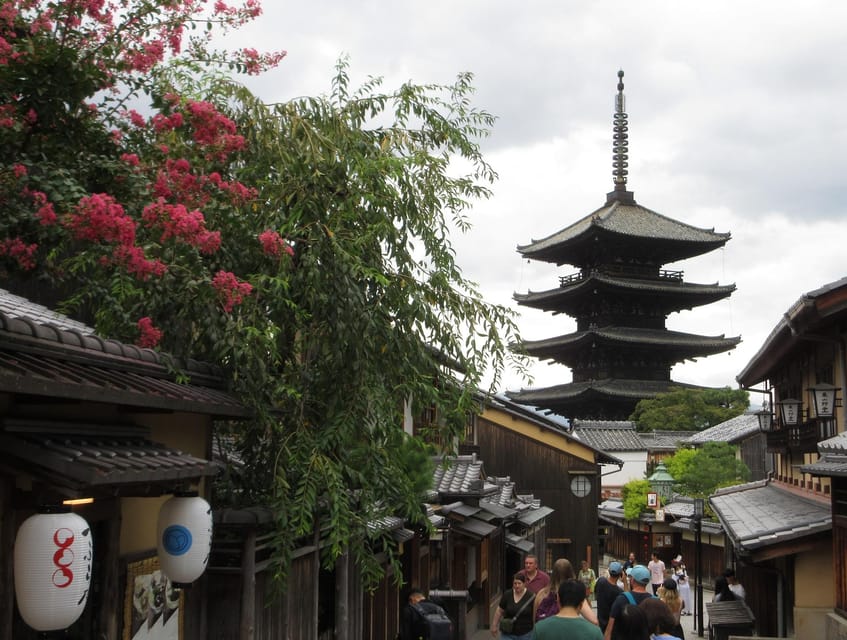
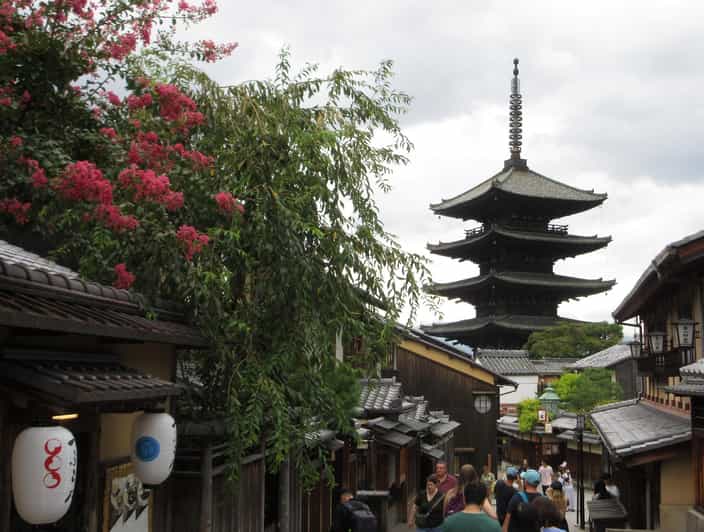
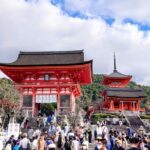
Keep climbing the Higashiyama slopes toward Kiyomizu-dera


Ninenzaka: steps, character, and a smoother transition to Gion
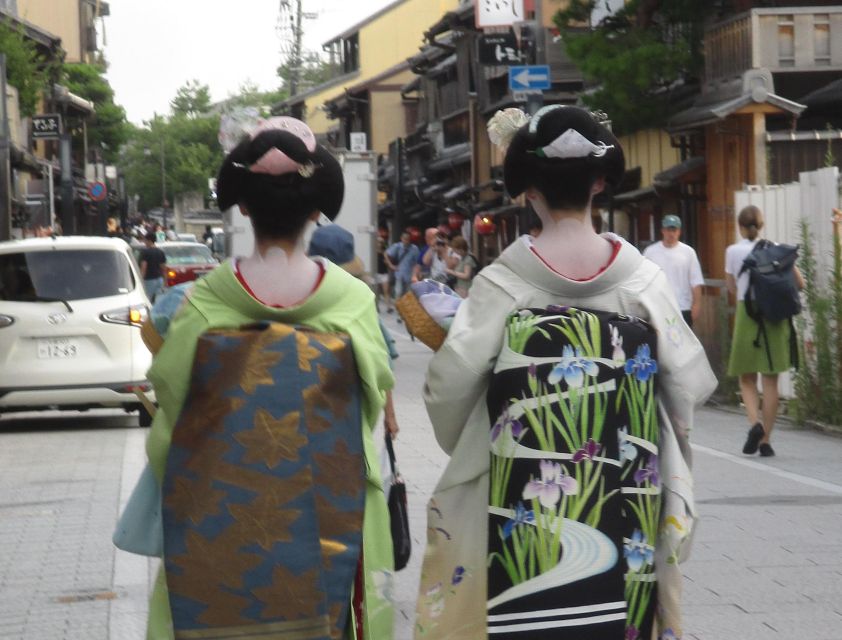
Next comes Ninenzaka. You’ll spend around 15 minutes total in the walking-and-sightseeing stretch that connects the temple approach to the next district.
This part is where you can really feel Kyoto’s “street texture.” Ninenzaka is known for its steps and the classic street profile, and the tour’s timing gives you enough breathing room to slow down, look around, and take in the atmosphere without feeling like you’re sprinting to the next photo stop.
The best use of this segment is simple: pause at the points where the street opens up visually, then keep moving. It’s easy to get stuck in shopfront mode. You’ll enjoy Ninenzaka more if you treat it like an outdoor museum you can walk through—shops are part of the story, but the lanes and design are what make it Kyoto.
Gion and Kyōto Minami-za pass: the culture shift in 30 minutes
After the approach streets, you arrive in Gion for about 30 minutes of guided sightseeing and visit time. This is a smart switch because it changes the mood. Kiyomizu-dera is about the pilgrimage route; Gion is about Kyoto’s identity as a historical city district.
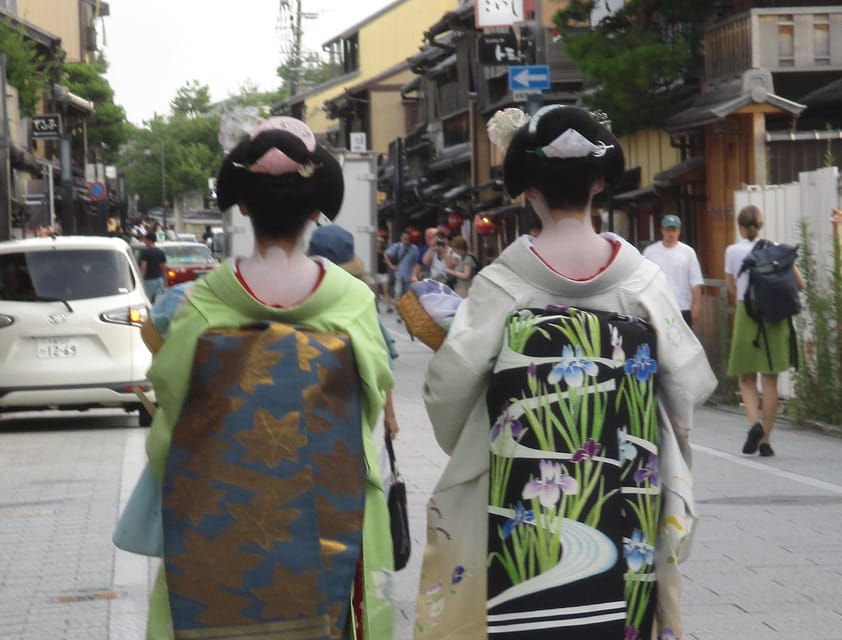
During the Gion portion, the guide helps interpret what you’re seeing, and you can ask questions in Italian. That matters here, because Gion has layers—small visual cues can mean a lot if you know how to read them.
You also pass Kyōto Minami-za by foot (about 3 minutes). Even as a quick pass, it adds variety and gives you a reference point for Kyoto’s cultural side beyond temples and streets.
This is also where the tour feels practical: 30 minutes is long enough to enjoy the district without consuming your entire afternoon.
Ending at Pontocho: keep the night going your way
The tour ends at Pontocho, a great finish line because it’s a natural place to keep exploring after your guide has helped you get oriented.
Think of Pontocho as your reward for staying with the route. You won’t be trapped into a rigid follow-on plan. Instead, you finish in an area where continuing on foot is straightforward and enjoyable.
If you like to wander and snack after a tour (and most people do), ending here is a smart move. You’ll already know what district you’re in and why the day’s route matters.
Price and value: what $117 covers and why it’s fair
The price is $117 per person for a 5-hour tour, and the value is mainly in what it includes:
- Transport (coach/bus segments)
- Entrance tickets for the monuments scheduled during the itinerary
- a live Italian-speaking guide
- support/assistance if you need it during the day
In Kyoto, the hidden cost is usually time: figuring out trains, walking routes, and where to buy tickets quickly. This tour pays for that convenience up front.
So instead of spending your energy on coordination, you can spend it on understanding. And based on the Italian guide’s feedback from past participants, the explanations are a real part of the value—people specifically praise how the guide connects the details and answers questions.
Could it be worth it if you only want photos? Maybe not. But if you want the sites to make sense while you’re there, the included guiding is exactly what you’re paying for.
Italian guide Omae: the difference is the questions
The most consistently praised element is the guide—Omae. People describe Omae as friendly and quick, yet also careful and accurate with explanations. They also highlight the Italian language quality, which matters a lot in Japan where even small misunderstandings can change what you think you’re looking at.
Here’s the practical takeaway for you: if you care about learning while you travel, this format helps. You’ll have question time as you walk, rather than being stuck waiting for a lecture at the end.
And because the tour includes both temple area streets and Gion, you need a guide who can explain transitions—religious context near Kiyomizu-dera and cultural district context in Gion. The praise for Omae’s preparation and attention to detail suggests you’ll get that smoother narrative, not just surface-level facts.
If you prefer a tour where you can talk and ask follow-ups (in Italian), this one fits.
Who should book this Kyoto Kiyomizu-dera and Gion tour
This tour is a strong fit if you:
- want Kyoto highlights in one organized 5-hour loop
- don’t want to manage transport and entrance logistics on your own
- prefer a guided tour in Italian
- like walking classic streets and learning what they mean, not only what they sell
- value a clear starting point at Kyoto Station with detailed meeting instructions
It may be less ideal if you:
- hate walking between multiple stops
- want very long time at only one monument (because the day is designed for several areas)
It’s also a good choice for mixed interests: temple fans get Kiyomizu-dera, street lovers get Sannenzaka and Ninenzaka, and culture/district fans get Gion.
Should you book this tour
I’d book it if you want a straightforward Kyoto day that already solves the hardest part: connecting the dots between Kiyomizu-dera’s pilgrimage setting and Gion’s district character. The mix of included transport, entrance tickets, and an Italian guide like Omae is the core reason this feels like good value.
I’d hesitate only if you’re not comfortable with walking segments and steps typical of the Sannenzaka/Ninenzaka streets. If you’re good on shoes and you like learning as you go, this is a satisfying way to see Kyoto without over-planning your whole day.
FAQ
What language is the tour offered in?
The tour is guided in Italian.
How long is the Kyoto Kiyomizu-dera and Gion tour?
It lasts 5 hours.
Where is the meeting point at Kyoto Station?
Meet at the space between the four escalators in front of the cab terminal, toward the east just outside the central north entrance of Kyoto Station.
What places does the itinerary cover?
You’ll visit Kiyomizu-dera, walk through Sannenzaka and Ninenzaka, visit Gion, pass by Kyōto Minami-za, and finish in Pontocho.
Is transport and entrance to the monuments included in the price?
Yes. The price includes the transport and the entrance tickets for the monuments scheduled during the itinerary.
Is the tour wheelchair accessible?
Yes, it’s listed as wheelchair accessible.
What is the cancellation option?
You can cancel up to 24 hours in advance for a full refund.
More Tour Reviews in Kyoto


More Along the Higashiyama Slopes
Still in Gion? Keep Going


Just added: more Kyoto tours to browse








Kiyomizu-dera & Higashiyama Tours, compared.
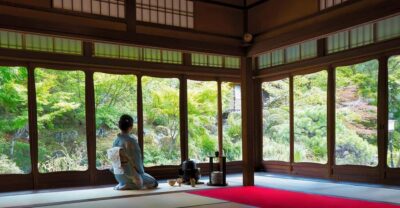 ★ 4.9Tea Ceremony in a Traditional Tea House in KiyomizuFrom $493,519 reviews
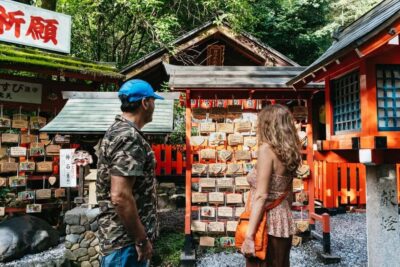 ★ 4.7Nijo Castle, Kiyomizu & Fushimi Inari Guided TourFrom $54700 reviews
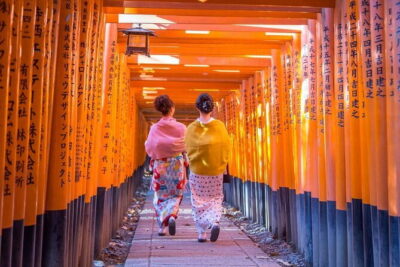 ★ 5.0Nijo, Kinkaku-ji, Arashiyama, Kiyomizu & Fushimi InariFrom $51699 reviews
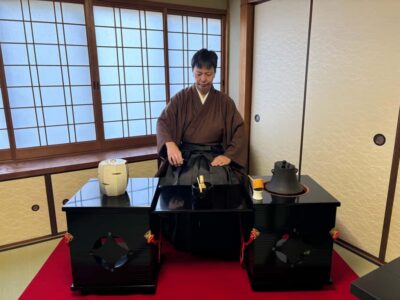 ★ 4.8Kyoto Ninenzaka: Tea Ceremony in Old Townhouse with ChairsFrom $21215 reviews
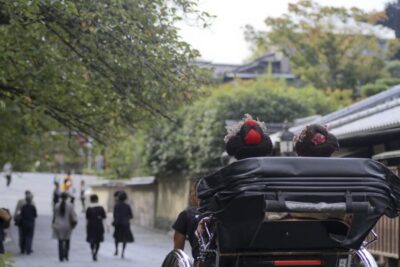 ★ 5.0Private Rickshaw Tour of Gion and Higashiyama AreaFrom $51144 reviews
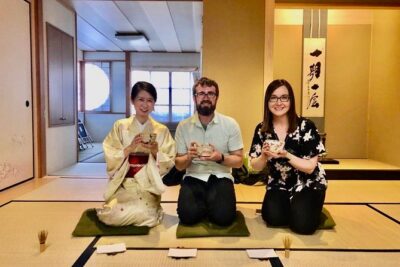 ★ 5.0Kyoto Tea Ceremony & Kiyomizu-dera Temple Walking TourFrom $109115 reviews
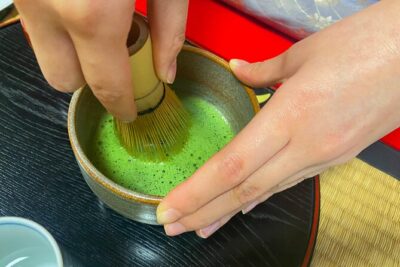 ★ 5.0Kyoto Kiyomizu Tea Ceremony with Scenic Garden ViewsFrom $50101 reviews
 ★ 4.7Kimono/Yukata Rental 5 Minute from Kiyomizu-deraFrom $1989 reviews
Browse the lists this tour appears in