
Reviewed · KYOTO BIKE & E-BIKE TOURS
Kyoto Shogun Cycling Tour
Shoguns, temples, and a bicycle—what more? I love the easy, mostly downhill pace that keeps things relaxed, and I love that the route hits Kinkakuji plus two other major temple/castle stops with entry tickets included. One thing to plan for: it runs in rain, so you’ll either ride with ponchos or switch to a walking tour using public transport.
This is a private cycling tour in Kyoto, aimed at making the city feel close and human instead of rushed. Expect about 3 hours 30 minutes, with bikes, helmets, and rainwear provided, and a mobile ticket you can keep on your phone.
The ride also sounds like it’s guided for real people, not just checkboxes. Guides such as Seiya, Makoto, and Nozomi are specifically praised for clear English and good pacing, and the route often layers in extra Kyoto atmosphere along the way.
In This Review
- Key highlights worth your attention
- Entering Kyoto’s Shogun Story by Bike
- Price and Value: What $153.50 Includes (and why it matters)
- Getting Oriented Fast: Start Point, Timing, and Bike Comfort
- Stop 1: Kinkakuji (Golden Pavilion) and Those Surrounding Gardens
- Stop 2: Toji-in Temple, Zen Minimalism, and a Tea House Feeling
- Stop 3: Nijo Castle and the Late Shogun Power Shift
- The Ride Between Stops: District Color You Might See
- Guide Quality Is the Real Upgrade (Names to look for)
- Rain Plan: Poncho Ride or Public-Transport Walk
- Who This Kyoto Shogun Cycling Tour Fits Best
- Practical Tips Before You Go
- Should You Book This Tour?
Key highlights worth your attention
- Shogun-focused stops: Golden Pavilion, Toji-in, and Nijo Castle
- Admission tickets included for all three main sights
- Easy downhill route that’s designed to be doable for most people
- Rain plan included: ride with poncho or switch to public-transport walking
- Private group format (min 2, max 6 per guide) so you’re not squeezed
- Guide quality shows up in strong English and thoughtful pace (examples: Seiya, Makoto, Nozomi)
Entering Kyoto’s Shogun Story by Bike
Kyoto can feel like a museum with moving crowds—until you get on a bike and the city opens up. This tour centers on the Ashikaga and Tokugawa era story, so the temples and castle aren’t just pretty backdrops.
The magic here is the flow. You start at the Golden Pavilion, then move to the quieter Toji-in setting, then finish at Nijo Castle, which connects to the late Shogun power shift. It’s an easy way to turn “I saw famous places” into “I get why these mattered.”
You also get a real sense of Kyoto’s scale without a full-day commitment. For most people, 3.5 hours hits the sweet spot: enough time to feel the city, not so long that you’re worn out.
More of Kyoto at handlebar pace
Price and Value: What $153.50 Includes (and why it matters)
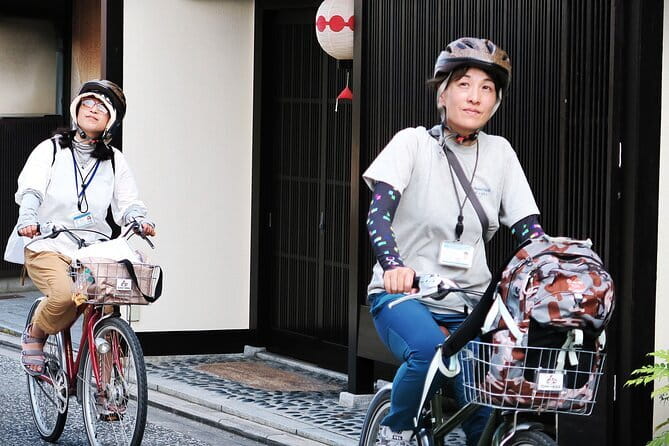
At $153.50 per person, you’re paying for more than a bicycle ride. The price covers the bike, helmet, and rainwear, and it includes entry tickets at each of the three main stops. That matters in Kyoto, where admission and timed access can add up fast.
You’re also paying for a guide who helps you read the places. At Kinkakuji, for instance, you’re not just walking past gold-toned walls; you’re learning what the site meant for Ashikaga government and why the gardens are part of the experience. At Toji-in, the focus is Zen minimalism and calm, not a rushed photo stop.
One trade-off: matcha service isn’t included. If you want tea as part of the experience, you’ll need to budget separately.
Getting Oriented Fast: Start Point, Timing, and Bike Comfort
The tour starts at Wara Tenjin-mae (Kyoto) and ends at the Kyoto Cycling Tour Project (Kyoto Station Cycle Terminal) near Kyoto Station. That end point is handy if you want to hop on trains afterward without backtracking across town.
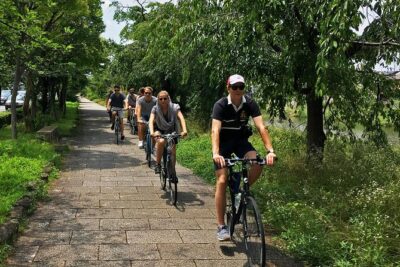
The route is described as an easy downhill ride, aimed at broad participation. I like this style because it lowers the “work” factor. You can focus on what you’re seeing—temple grounds, garden views, and the feel of Kyoto streets—without constantly thinking about gears and stamina.
Group size is capped: 2 to 6 guests per guide (private tour for your group only). If your group is bigger, an extra guide can be arranged for 7 to 12. If you’re the only adult in your party, this one may not work because 1-person participants aren’t accepted.
Stop 1: Kinkakuji (Golden Pavilion) and Those Surrounding Gardens
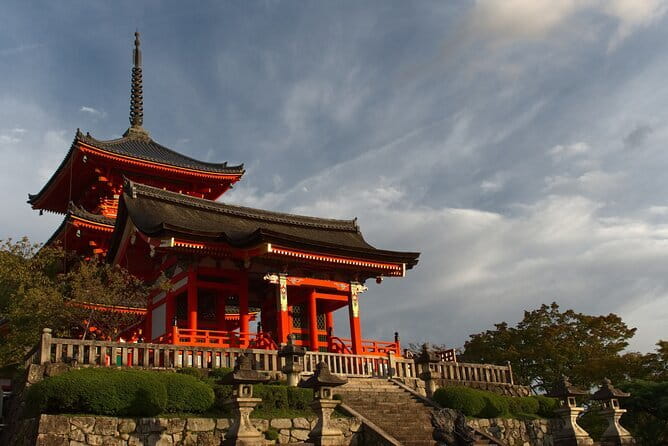
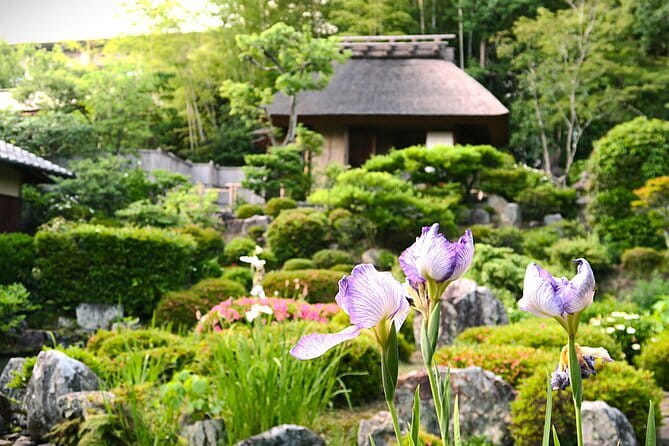
Kinkakuji is the headliner, and you get a full hour at the Golden Pavilion Temple. You’ll walk through the landscaped gardens around the main structure, guided and timed so you’re not just stuck watching people line up for the most famous angle.
Here’s why this first stop is smart: it sets the theme. The Golden Pavilion was once at the center of government under the Ashikaga Shoguns, so the gold-lined look isn’t only decoration. It’s tied to power, ceremony, and the way the ruling class expressed authority.
Practical note: gardens reward slow walking. If you like photos, you’ll want a steady pace rather than a sprint. And if you’re not into crowds, going through the gardens with a guide’s rhythm usually feels calmer than you’d expect.
Stop 2: Toji-in Temple, Zen Minimalism, and a Tea House Feeling
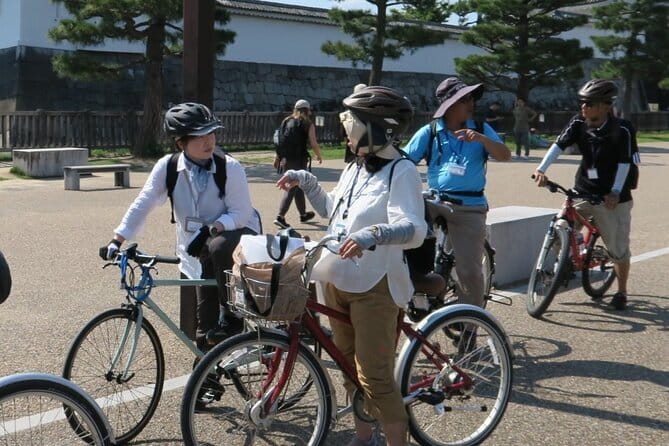
After the bright spectacle of Kinkakuji, Toji-in Temple shifts the mood. You’ll have about an hour here, including time in quieter interior spaces guided by your host.
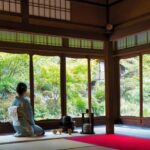
Toji-in is tied to the Ashikaga story as a resting place, and the tour frames it through wabi-sabi—that Zen-flavored idea of appreciating simplicity, imperfection, and quiet. The experience is designed around slowing down, including time in a hall where Zen masters once would have contemplated life, with the groomed garden and an old-fashioned tea house atmosphere nearby.
What I like about this stop is that it’s not just architecture. It’s a chance to recalibrate your headspace mid-ride. You go from gold-and-gardens grandeur into a more restrained, reflective setting.
The only “budget watch” is that matcha service isn’t included. The tea-house vibe is part of the experience, but the actual drink may cost extra depending on what you choose.
Other Kyoto tours and experiences to compare
Stop 3: Nijo Castle and the Late Shogun Power Shift
Nijo Castle is where the tour turns historical again. You’ll spend about 1 hour 30 minutes on the grounds, and it’s the longest stop after Toji-in.
The context matters: Nijo Castle was the residence in Kyoto connected to the last Shoguns of the Tokugawa Shogunate era, and it symbolizes the beginning of the end of the Shogun period. In other words, you’re standing in a place that links ceremony to change—ornamental carvings, impressive buildings, and a site with roughly 400 years of history behind it.
This last stretch also benefits from being on a bike. The grounds are bigger than they look on a map, and having a guide who can pace you through the highlights prevents that “walk-and-guess” feeling.
The Ride Between Stops: District Color You Might See
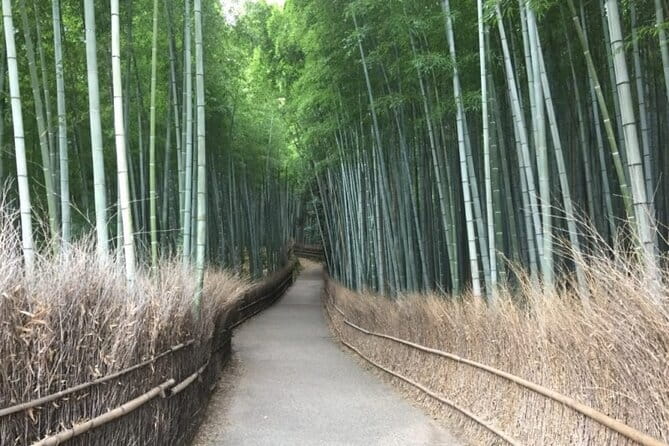
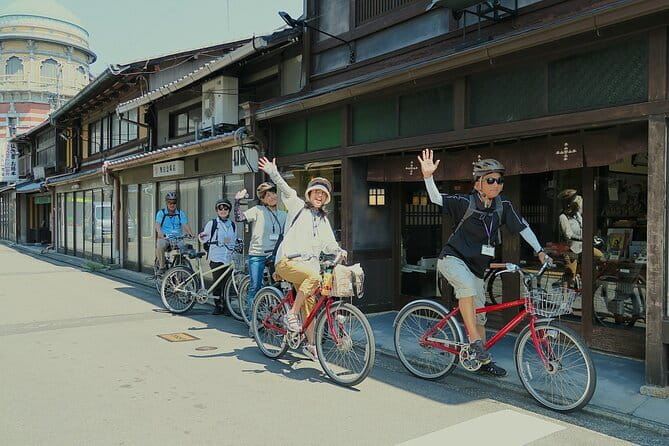
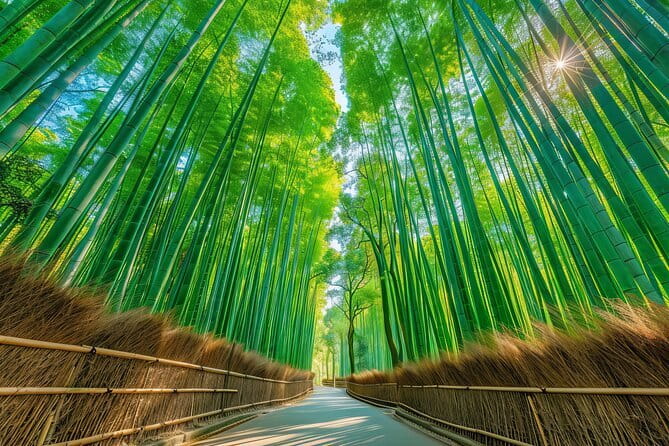
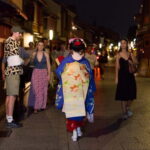
Even though the tour centers on three major sites, the cycling route itself often adds Kyoto flavor in motion. Guides such as Seiya, Makoto, Yanai-San, and Yutaka Kaneda have led routes that included extra neighborhoods and scenery on the way—things like shrine-and-temple lanes, Gion-area atmosphere (geisha district vibes), and even river or bamboo scenery in some runs.
I can’t promise you’ll get the exact same neighborhood mix every time, because guides may adjust the route based on traffic, timing, or comfort. But the pattern is clear: this isn’t a drive-by tour. You’ll see more of Kyoto as a living city between the anchor stops.
Guide Quality Is the Real Upgrade (Names to look for)
This tour wins on people as much as places. Multiple past tours credited guides with strong English and the ability to keep the day moving at an enjoyable pace, even for kids.
Some named guides from examples include:
- Seiya: praised for excellent English and making history feel understandable
- Makoto: praised for being personable, plus adding extra time when a local festival popped up
- Nozomi: praised for clear info about Shinto and Buddhist temples and areas like Gion and the Imperial Palace zone
- Yutaka Kaneda and Yasunobu Yagyu: praised for varying routes and insider-style Kyoto tips
If your group includes a teen or a curious adult, this matters. A good guide turns “I recognize the name” into “I can picture the era.”
Rain Plan: Poncho Ride or Public-Transport Walk
Kyoto weather can be sneaky, and this tour plans for it. It operates in rain, and you’ll be offered a choice:
- Continue by bike with the provided rain poncho (free)
- Switch to a walking tour using public transportation (bus or metro), included in the tour fee
I like that you’re not stuck canceling. Just be honest with yourself: wet roads plus a bike is not everyone’s favorite. If you’re uncomfortable riding in rain, choose the public-transport walking option.
Also, wear clothes you can move in. Even with ponchos, you’ll want to protect your comfort so you can enjoy gardens and castle grounds without getting miserable.
Who This Kyoto Shogun Cycling Tour Fits Best
This tour fits best if you want:
- A Shogun-era narrative tied to major Kyoto sites
- A short, high-impact day segment rather than a full-day marathon
- A way to move through Kyoto that feels more like a stroll with wheels
It’s also a good option for families with older kids. Children must be at least 10 years old, at least 145 cm, and able to ride a bicycle safely on the road unassisted.
If you’re traveling as a couple or small group, the private format is a plus. If you’re traveling solo, this one may not match because 1-person participants aren’t accepted.
Practical Tips Before You Go
A few small choices can make the ride smoother:
- Bring a water bottle and something light for snacks if you’re the kind of person who gets hungry during temple time.
- Wear closed-toe shoes with grip. Kyoto sidewalks and wet patches can be slick.
- If you care about matcha, decide ahead of time whether you’ll budget for it at the tea-house stop, since matcha service isn’t included.
And remember: this is still Kyoto. Even with bikes, you’ll spend real time walking temple and castle grounds.
Should You Book This Tour?
I’d book it if you want a focused Kyoto experience that mixes the big-name sights with actual historical context, without spending your whole day on trains and taxis. The included admission, bike/helmet/rainwear, and the easy downhill style make it feel like a good value for your time.
Skip it (or think hard) if you dislike riding in rain, you’re traveling solo, or you’re looking for a tour where every detail is flexible to your exact interests. This one has a clear route and structure, so it’s best for people who want a guided story with momentum.
If your group matches the minimum size and you’re comfortable biking on city roads, this is a strong way to connect Kyoto’s Shogun past to the streets you roll through today.
More Tours in Kyoto
More Tour Reviews in Kyoto
More of Kyoto by Bike
Just added: more Kyoto tours to browse



Kyoto Bike & E-Bike Tours, compared.
 ★ 5.0Hidden Kyoto E-Biking tourFrom $1161,843 reviews
 ★ 5.0Bike Tour Exploring North Kyoto plus LunchFrom $1061,087 reviews
 ★ 5.0Arashiyama Bamboo Forest & Hidden Gems Bike Tour (Early Bird)From $106613 reviews
 ★ 5.05 Top Highlights of Kyoto Full Day Bike Tour (E-bike option)From $172511 reviews
 ★ 5.0Full Day Biking Tour Exploring the Best of KyotoFrom $119498 reviews
 ★ 4.8Memory Kyoto E-Bike TourFrom $91297 reviews
 ★ 5.0E-Bike Tours of the highlights of Kyoto!!!From $109291 reviews
 ★ 5.0Afternoon Kyoto Bike Tour: Bamboo Forest, Monkeys & Hidden SpotsFrom $106283 reviews
Browse the lists this tour appears in