
Reviewed · GION & GEISHA DISTRICT TOURS
Kyoto: Secrets of Gion – Geisha Culture Walking Tour
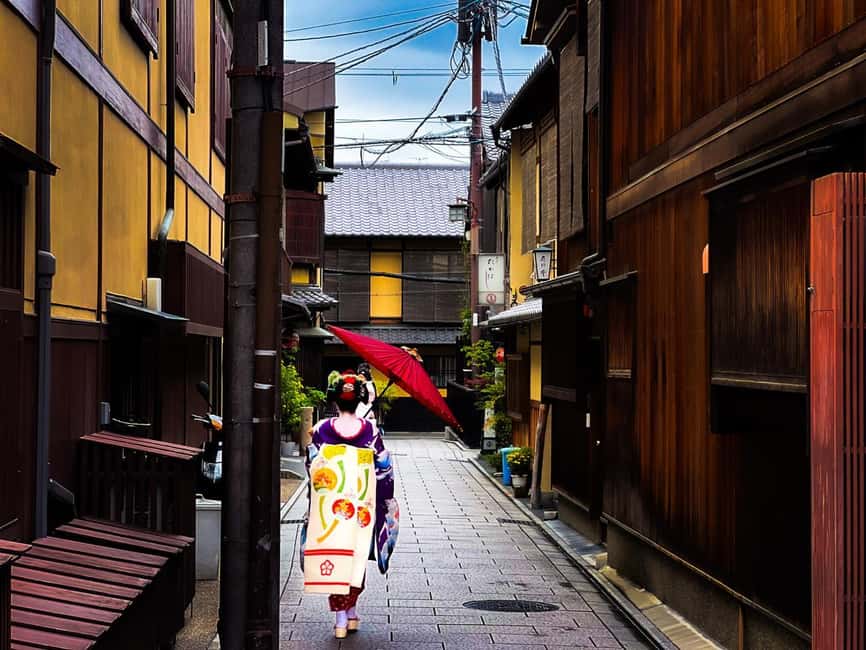
Gion feels like a secret you can walk into. This 2-hour guided tour links Yasaka Shrine traditions to Gion’s geisha world, then threads through parks and old stone lanes toward Hanamikoji. You get calm moments, great photo angles, and a guide who turns the neighborhood’s legends into something you can actually picture.
Two things I really like: the stop-and-explain style around Ninenzaka and the Nene no Michi lane, where you learn what you’re looking at instead of just passing it. And the focus on real-world geisha culture at Hanamikoji Street, where the guide helps you understand the customs behind the looks.
The main catch is simple: this is a walking route with uneven pavement and hills. If you’re tight on mobility or you need a wheelchair-friendly path, this one won’t fit well.
In This Review
- Key things to know before you go
- Why this Gion walk feels different from the usual photo loop
- Meeting at Starbucks Kyoto Gion Hotel: easy start, no stress
- Yasaka Shrine and Maruyama Park: festivals, superstition, and first calm
- Nene no Michi to Ninenzaka: the preserved streets you actually slow down for
- Yasui-Konpiragu Power Stone archway: the prayer for relationships
- Hanamikoji Street and how geiko and maiko fit into real Kyoto
- What are your chances of seeing geiko or maiko in person
- Price and value: $25 for two hours that explain what you see
- Pace, timing, and how to dress for a comfortable walk
- Who this Kyoto Gion tour is best for
- Should you book this Kyoto Secrets of Gion tour?
- FAQ
- How long is the Kyoto Gion Geisha Culture Walking Tour?
- Where does the tour start?
- How much does the tour cost?
- What language is the tour guide?
- What sites does the tour include?
- Is geiko or maiko viewing guaranteed?
- What kind of experience is it focused on?
- Is there a cancellation option?
- Can I pay later?
- Is the tour suitable for wheelchair users?
Key things to know before you go
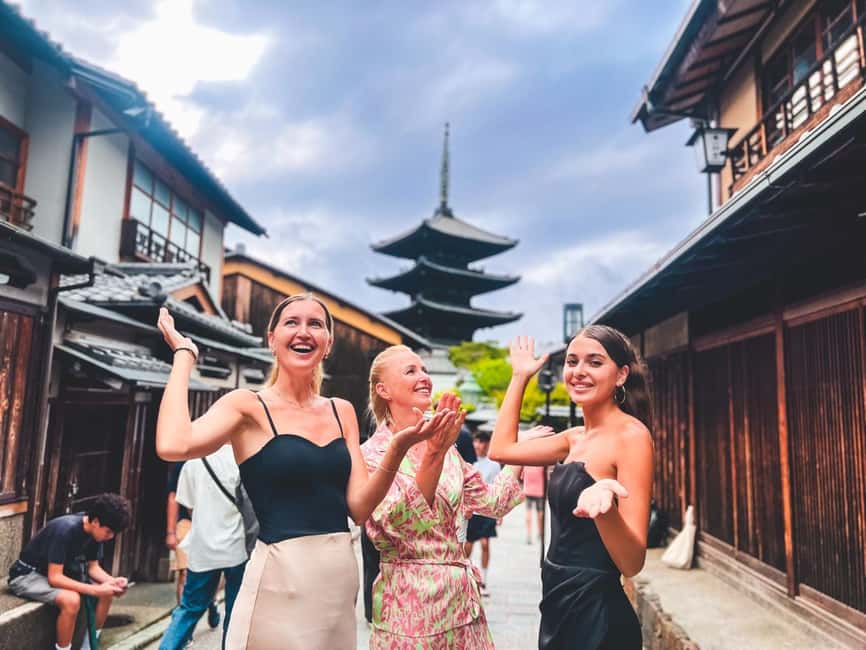
- Yasaka Shrine sets the tone with festivals and the historical connection to geiko and maiko culture.
- Maruyama Park is a breather right near the action, known for weeping cherry trees and seasonal beauty.
- Nene no Michi and Ninenzaka slow you down with preserved architecture, teahouses, and stone-paved lanes.
- Yasui-Konpiragu’s Power Stone archway is a local ritual stop with relationship symbolism.
- Hanamikoji Street is where geiko still entertain, and your guide explains the everyday customs.
- Later departures can mean fewer people and better odds for photos without constant crowd heads in frame.
Why this Gion walk feels different from the usual photo loop
Gion is famous for pretty streets, but this tour is built for understanding. You’re not just collecting postcards. You’re walking through the layers—spiritual Kyoto, preserved Higashiyama streets, then the living culture around geiko and maiko.
I also like that the tour is timed for a human pace. Two hours is long enough to connect the dots, but short enough that you don’t feel like you’re dragging your feet through Kyoto. And if you pick a later start, you may get a quieter atmosphere for photography than the classic peak times.
More evenings along the lantern-lit lanes of Gion


Meeting at Starbucks Kyoto Gion Hotel: easy start, no stress
Your meeting point is Starbucks Coffee at the Kyoto Gion Hotel. The guide will be holding a sign with Traveling Kyoto ID, which helps a lot if you’re arriving a bit nervous or you’re still figuring out your bearings.
This Starbucks start is practical for one reason: it gives you a landmark that’s easy to find, plus a place to grab a warm drink if you’re starting in cooler weather. If you’re traveling solo, that initial comfort matters more than you’d expect.
Yasaka Shrine and Maruyama Park: festivals, superstition, and first calm
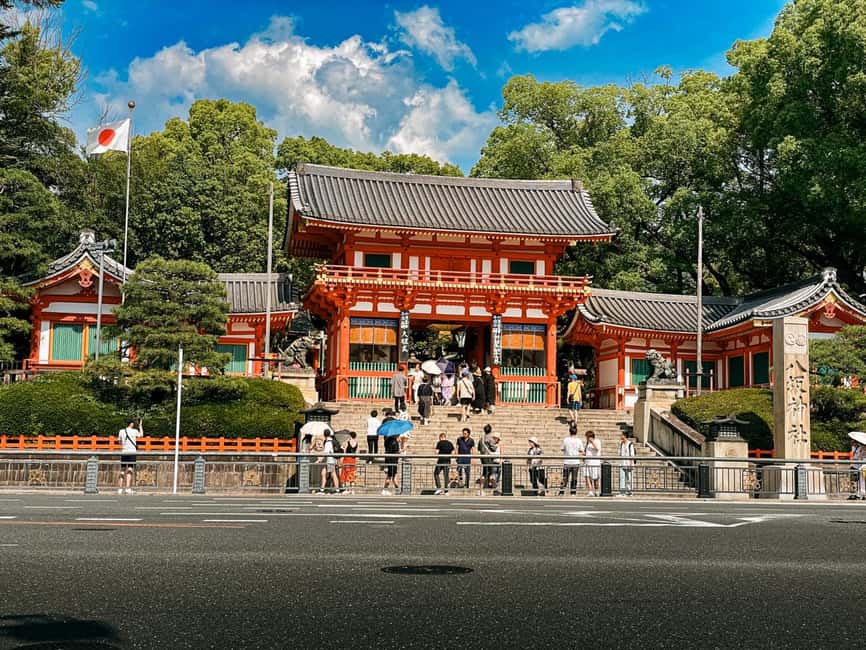
The tour begins at Yasaka Shrine, one of Kyoto’s important spiritual sites. Your guide explains how it connects to Kyoto’s festivals and the geisha culture that grew up alongside them. This matters because Gion isn’t only about nightlife charm; it’s tied to community events, tradition, and people’s daily hopes and fears.
After that, you’ll walk to Maruyama Park, Kyoto’s oldest public park. It’s especially known for its weeping cherry trees, and it can feel like a reset button right next to the dense streets. Even when it’s not cherry blossom season, it still works as a calm waypoint where you can slow down, listen, and catch some softer light for photos.
Nene no Michi to Ninenzaka: the preserved streets you actually slow down for
Next comes Nene no Michi, a picturesque lane named after Nene, the wife of samurai warlord Toyotomi Hideyoshi. You’ll notice preserved traditional architecture and small shops and teahouses along the way. This is the kind of street where a guide’s context makes the details click—why the buildings are shaped the way they are, and how the lane fits into Higashiyama’s historic fabric.
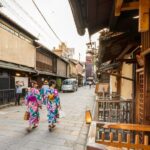
Then you head for Ninenzaka, a charming stone-paved path that slopes downward like a step-back-in-time corridor. The wooden buildings and artisan boutiques are the headline, but what makes it special is the walk itself: you move slowly, you see layers, and it’s naturally photographic because the street does the framing for you.
Pro tip: wear shoes you trust. Stone paths can be pretty, but they don’t care about your fashion choices.
Yasui-Konpiragu Power Stone archway: the prayer for relationships
From the busier lanes, you’ll shift to Yasui-Konpiragu Shrine, described as a quieter, off-the-beaten-path style stop in the Higashiyama area. The famous feature here is the “Power Stone” archway.
People crawl through it as a kind of ritual. The symbolism centers on relationships—strengthening ties, or breaking away from the past. Even if you’re not religious, this is one of those stops that gives you a feel for how Kyoto blends spirituality with everyday human concerns.
This pause also helps break the pattern of only walking streets. You get a moment where the guide talks about meaning, not just sightseeing.
Other Kyoto tours and experiences to compare


Hanamikoji Street and how geiko and maiko fit into real Kyoto
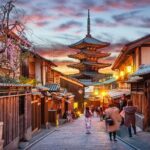
The tour lands on Hanamikoji Street, one of the most iconic Gion streets. The buildings here are preserved, and the street is known for traditional wooden teahouses where geiko still entertain.
What makes this section worth your time is your guide’s explanation of customs and daily life—how maiko and geiko function within their world, and what the visitor etiquette really means. You’ll also stroll down narrower backstreets and lesser-known alleys, and that’s where you get a better sense of the neighborhood beyond the main photo strip.
If you’re the type who wants to understand the people behind the postcard, this is the part that rewards you most.
What are your chances of seeing geiko or maiko in person
Let’s be realistic: seeing geiko or maiko isn’t guaranteed on a walking tour, because they’re part of a private working culture. But the guide sets expectations in a helpful way, and you may see signs of activity along the way.
Near the end, the tour returns near the Gion-Shijo area. If the timing is right, you might catch a glimpse of a maiko in full attire heading to an engagement. You’re also more likely to enjoy the street without constant crowd jostling if you’re on a later departure, which can make spotting details easier.
For best results, keep your eyes up and slow down. A lot of the beauty here is subtle: small details on architecture, the rhythm of foot traffic, and what’s happening at street level.
Price and value: $25 for two hours that explain what you see
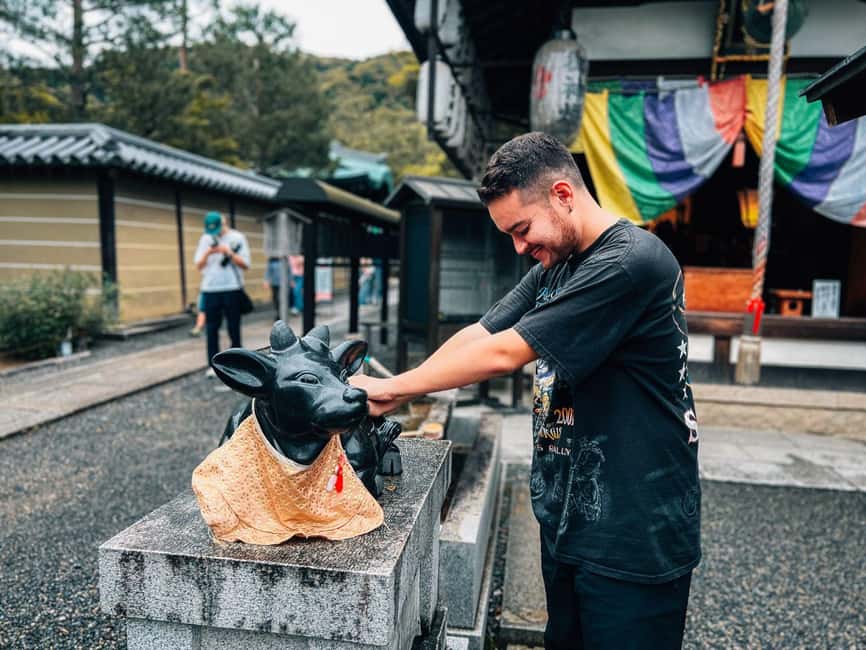
At $25 per person for about 2 hours, the value comes from the guide doing the thinking for you. Kyoto is beautiful, but without context, Gion can turn into a lot of walking and guessing.
You’re paying for:
- guided interpretation of Gion’s history and festivals
- cultural explanations of maiko and geiko life
- a route that moves through several key spots, not just one street
It’s also an English live tour, which matters in Kyoto. If you’re trying to understand the symbolism behind things like Yasui-Konpiragu’s archway or why Yasaka Shrine matters, translation-free exploration helps a lot.
Pace, timing, and how to dress for a comfortable walk
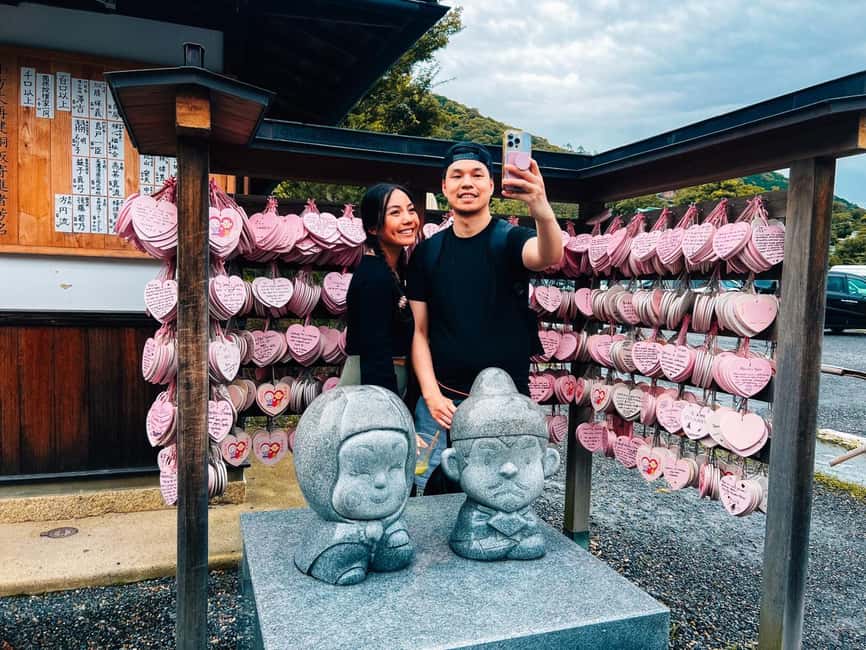
This is a walking experience, with shrine paths and older-street surfaces. Expect some uneven pavement and gentle-to-moderate slopes, including stone-paved sections like Ninenzaka. Comfortable shoes are non-negotiable.
If rain shows up, don’t panic. A guide can still keep the route moving and you’ll still have covered or sheltered moments around shrines and teahouse streets. Just bring a light rain layer and accept that photos will be shinier in the best possible way.
Who this Kyoto Gion tour is best for
I think this tour is a strong match if you:
- want geisha culture explained in plain language, not vague myths
- enjoy historic neighborhoods where the streets matter as much as the landmarks
- like photography and want angles with fewer crowds when the timing works
- are traveling solo and value a guided walk that helps you feel comfortable in the evening
It also fits well with a first-time Kyoto trip, because it connects multiple “must-see” areas—Yasaka Shrine, Higashiyama streets, Gion—without making you rush between them alone.
One more note: it’s not suitable for wheelchair users, so plan accordingly if mobility is a factor for your group.
Should you book this Kyoto Secrets of Gion tour?
I’d book it if you want a guided walk where the guide helps you understand what makes Gion more than a set of pretty streets. The best part is the mix: spirituality at Yasaka Shrine, a pause at Maruyama Park, historic walking lanes like Nene no Michi and Ninenzaka, then the cultural deepening at Yasui-Konpiragu and Hanamikoji.
Skip it—or at least adjust expectations—if you mainly want a low-effort stroll with minimal walking. This one asks you to walk and pay attention.
FAQ
How long is the Kyoto Gion Geisha Culture Walking Tour?
It lasts about 2 hours.
Where does the tour start?
The meeting point is Starbucks Coffee – Kyoto Gion Hotel.
How much does the tour cost?
The price is $25 per person.
What language is the tour guide?
The tour is offered in English.
What sites does the tour include?
The tour includes stops at Yasaka Shrine, Maruyama Park, Nene no Michi, Ninenzaka, Yasui-Konpiragu (Power Stone archway), and Hanamikoji Street.
Is geiko or maiko viewing guaranteed?
No viewing is guaranteed, but if timing is right you may catch a glimpse of a maiko in full attire near the Gion-Shijo area.
What kind of experience is it focused on?
It focuses on Gion District history and geisha culture, with guided explanations as you walk through the neighborhood.
Is there a cancellation option?
Yes, you can cancel up to 24 hours in advance for a full refund.
Can I pay later?
Yes. The option is listed as Reserve now & pay later, meaning you can book your spot and pay nothing today.
Is the tour suitable for wheelchair users?
No. It is not suitable for wheelchair users.
More Tours in Kyoto


More Tour Reviews in Kyoto


Still in Gion? Keep Going

Just added: more Kyoto tours to browse








Gion & Geisha District Tours, compared.
 ★ 4.7Kyoto Geisha Walking Tour: Gion District & Hidden GemsFrom $253,273 reviews
 ★ 4.9Gion Magical Night Walking Tour with Geisha TriviaFrom $242,393 reviews
 ★ 4.7Gion Geisha District Walking Tour – Stories of GeishaFrom $202,187 reviews
 ★ 4.9Best of Kyoto: Gion, Geisha, Pagodas & CobblestonesFrom $242,058 reviews
 ★ 4.5Night Walk in Gion: Kyoto’s Geisha DistrictFrom $212,003 reviews
 ★ 5.0Kyoto Night Foodie Tour in Gion (9+ dishes + 6 Sake tastings)From $1631,762 reviews
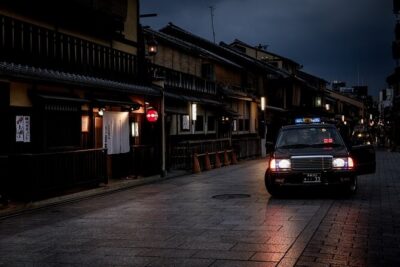 ★ 5.0Kyoto Gion Geisha District Walking Tour – The Stories of GeishaFrom $251,441 reviews
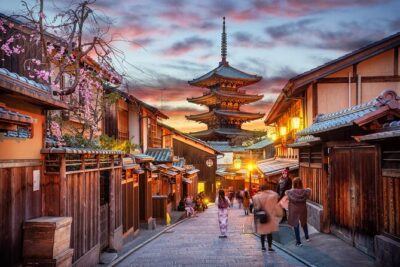 ★ 5.0Kyoto Gion: 2-Hour Geisha Culture & History Walking TourFrom $231,186 reviews
Browse the lists this tour appears in