
Kyoto looks different when you’re dressed for it. A private kimono photoshoot turns Kyoto’s streets into a photo set, with a photographer guiding poses and leading you to classic spots like Gion and the torii paths near Yasaka. The best part is the variety: you get both the traditional city vibe and those iconic shrine visuals, without needing to figure anything out yourself.
Two things I really like: first, you receive a big batch of images plus 30 professionally edited, high-resolution JPGs delivered within 24 hours (with delays possible in busy seasons). Second, the shoots are guided and efficient—people mention photographers like Mina, Josh, and Amare actively steering posing and selecting spots quickly so you spend less time guessing.
One thing to consider: the kimono and hair setup can be a bit uneven depending on the day, and you’ll also want to plan for weather since an umbrella isn’t included. If you’re expecting everything to feel ultra-polished from the first minute, that’s the one part I’d keep expectations flexible on.
In This Review
- Key Things You’ll Notice Right Away
- Entering a Kyoto Photo Shoot Where You Actually Feel Like the Main Character
- Getting Started at Kiyomizu: A Meeting Point Built for Walking Days
- Wearing the Kimono and Getting the Hair Set Done Right
- Gion Photo Time: Classic Streets, Easy Couple Photos, and Strong Solo Portraits
- Yasaka Koshindo Temple: A Colorful, Spiritual Backdrop for Frames
- Maruyama Park and Seasonal Magic: When the Background Does the Work
- Main Shrine Entrance, Senbon Torii, and Hidden Torii Trails
- How Posing Works When You Want Natural Photos
- What You Get After the Shoot: Same-Day JPGs and a 24-Hour Edited Set
- Kimono Shop and Hair Setup: The Part That Can Vary
- Price and Value: What $164 Buys You (and What It Doesn’t)
- Weather, Crowds, and the Photo Reality of Kyoto
- Who Should Book This Kyoto Kimono Photoshoot
- Should You Book It?
- FAQ
- How many photos do I get, and how many are edited?
- When will I receive the edited photos?
- Are the photos available for download after the shoot?
- What’s included besides the photoshoot itself?
- Where do I meet the photographer?
- Do they offer guidance in different languages?
- Can I get raw files?
Key Things You’ll Notice Right Away
- Private photoshoot for couples and solo: one group, your pace, and a photographer focused on your look.
- Kimono + hair set included: you’re not just doing photos in a costume; you’re getting the full traditional styling.
- A lot of images to choose from: about ~200 photos per hour in standard JPG, plus a curated set of 30 edited picks.
- Same-day photos for personal use + edited photos later: practical if you want to post quickly, then share the final set after editing.
- Kyoto classics in one session: Gion streets plus shrine sights including the main shrine entrance, Senbon Torii, and hidden torii trails.
- Fast adaptation in crowds and weather: multiple photographers are praised for choosing the right spots quickly, even when conditions shift.
Entering a Kyoto Photo Shoot Where You Actually Feel Like the Main Character
A private kimono shoot is a fun way to experience Kyoto, especially if you like photos but don’t want to spend your day herding yourself through busy attractions. You’ll get dressed in a traditional look and then have a photographer actively help with posing, framing, and timing. That alone changes the whole experience: you’re sightseeing, but also working a plan.
I also like that this works for both couples and solo travelers. The route uses recognizable Kyoto scenery, but the photographer’s job is to make you look natural and confident—especially helpful if you’re someone who feels awkward in front of a camera. People specifically mention guidance on how to pose, which matters more than people realize.
The one drawback is that you’re dealing with multiple moving parts in one experience: kimono rental, hair styling, and then the photo session. One review mentioned disorganization at the kimono shop and a hairstylist who seemed to struggle. The good news is the overall photoshoot experience and the final results were still strong, but it’s smart to be mentally ready for a slightly chaotic start.
Wander Kyoto in kimono a little longer
Getting Started at Kiyomizu: A Meeting Point Built for Walking Days
You meet at 3-chōme-347 Kiyomizu, near Yasaka Pagoda. That’s a convenient location if you want your photoshoot to slot into a Kyoto walking day, since you’re already in the eastern side of town where many famous streets and shrines are within reach.
Because transportation isn’t included, you’ll want to get yourself to the meeting point on your own. If you’re planning to combine this with other sights, I’d build in some buffer time. Kyoto neighborhoods can be easy to walk through, but you don’t want to rush the kimono portion or the photographers will feel the pressure too.
The session length depends on the starting time: it can run from 90 minutes up to 7 hours. That range matters because a short session feels like a focused highlights loop, while a longer one gives more room for more spots and more photo variety.
Wearing the Kimono and Getting the Hair Set Done Right
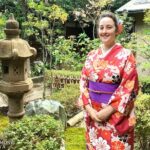
Kimono rental (Normal Kimono) and the hair set are included. This is one of the best value parts of the experience because it removes a big headache: finding the right place, coordinating timing, and paying for styling separately.
Some people mentioned they had multiple wardrobe options before the shoot. Even if you’re not picky, that’s useful because the photographer will match the styling to the locations you’re visiting. Your kimono color and style affect how the pictures look against Kyoto’s streets, temple walls, and the strong lines of torii gates.
One practical point: an umbrella isn’t included. If you’re going in rain season, plan to bring your own. Strong rain can happen, and one review specifically said the day was rainy but the end result still pleased them—so it’s not a deal-breaker, just a reason to be prepared.
Gion Photo Time: Classic Streets, Easy Couple Photos, and Strong Solo Portraits
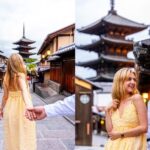
You’ll spend about 1.5 hours at Gion for photos. This is the part of Kyoto most people picture: traditional tea house areas, old street lanes, and lantern-lit atmosphere (even if lanterns aren’t always glowing during daylight, the vibe is still there).
Gion also makes a lot of sense for couples because it naturally supports that walking-together feeling. You’ll get variety: posed portraits, side profiles, and shots where you’re moving down the street rather than standing still. For solo travelers, the same streets work well because you can look editorial without the photos feeling like a “standing in a tourist spot” moment.
A big reason people seem happy here is the photographer’s speed and spot selection. Josh is praised for knowing the best spots and moving quickly when crowds make certain angles harder. Mina is also praised for finding super spots quickly, helping clients create a matchy look when shooting as a pair.
Yasaka Koshindo Temple: A Colorful, Spiritual Backdrop for Frames
You’ll also visit Yasaka Koshindo Temple, which is described as having unique photo opportunities. This stop matters because it adds a different visual mood than Gion. Gion gives you street charm; this temple stop brings brighter visual detail and a more spiritual setting.
For couples, it can create that “Kyoto moment” feeling where you’re not only posing, you’re located somewhere specific. For solo travelers, it gives you a backdrop that feels meaningful, not just scenic.
Because the photographer is guiding you, you’ll spend less time waiting for the perfect shot. If you want photos where you look relaxed and composed, this kind of guided temple stop is often better than trying to self-time everything on your phone.
More Kyoto backdrops for your own photo walk

Maruyama Park and Seasonal Magic: When the Background Does the Work
Maruyama Park is part of the experience, and it’s especially magical during cherry blossom season. Even when blossoms aren’t in full bloom, parks in Kyoto give you breathing room—more greenery, more open space, and photos that look softer than the sharp lines of torii.
This is also a practical stop if you want variety. After shrine geometry and Gion streets, a park scene can refresh your photo set with calmer angles and more natural-looking light.
If you’re traveling in peak seasonal periods, plan that crowds can be real. The photographer’s job here is to keep your shoot moving, and at least one review notes the photographer finds new spots quickly when crowds are an issue.
Main Shrine Entrance, Senbon Torii, and Hidden Torii Trails
The highlights specifically include the main shrine entrance, Senbon Torii, and hidden torii trails. This is where the photos stop looking like “a kimono portrait” and start looking like “Kyoto at work.”
Senbon Torii photos tend to have strong visual impact because of the repeating gates and tunnel-like perspective. The hidden torii trails add a different feeling—more path, depth, and a sense of moving through the place instead of only standing in it.
Why this matters for your results: you’re getting different photo styles in one session. Gion and temples can feel like classic Kyoto. The torii route adds that unmistakable, line-and-shadow look that people love for posting and gifting.
Also, torii areas can be busy, especially at certain times of day. The fact that some photographers are praised for knowing the area well and hitting photos spots quickly suggests you’re less likely to waste time waiting for open angles.
How Posing Works When You Want Natural Photos
You’re not left to figure it out alone. Multiple reviews mention photographers giving direction and suggesting how to pose. Mina is described as quick to guide and helpful for couples. Josh is praised for posing assistance and fast spot-hitting.
Amare is also mentioned as helping an awkward person feel comfortable, using ideas and guidance to get the right shots. That’s a big deal. If you’re worried you’ll freeze in front of a camera, this kind of coaching makes the shoot feel more like guided fun than a stressful performance.
The photo volume supports that approach too: you’ll get about ~200 photos per hour in standard-quality JPG format. Even if you’re not “good at posing,” you’ll likely have plenty of near-keepers because the photographer can capture small changes in angle, expression, and movement.
What You Get After the Shoot: Same-Day JPGs and a 24-Hour Edited Set
Here’s the workflow that most people will care about:
- You receive the larger set of images in standard-quality JPG format (about ~200 per hour).
- You get 30 professionally edited, high-quality JPG photos with an aim to deliver them within 24 hours.
- Edited delivery can be delayed during busy seasons, so don’t schedule something extremely time-sensitive for the exact next day unless you can flex.
Another practical benefit: photos are downloadable for 2 weeks after the link is sent. That means you should download the edited set right away when the link arrives. Also note that you’re not getting raw files included by default.
If you want raw files, they’re available for an extra ¥10,000. And if you care about quality for printing or heavy editing, that option can be worth asking about during booking.
Kimono Shop and Hair Setup: The Part That Can Vary
The photos you get depend on more than the photographer. The kimono shop and hairstylist experience can affect how quickly you get comfortable in the outfit.
One review noted the kimono shop owners seemed disorganized and the hairstylist struggled a bit. On the other hand, the photographer was praised for speed and creativity, and the final images were still strong. That tells me the photoshoot team does the heavy lifting during the real session, but you should still be patient during the prep portion.
If you want to reduce stress, consider arriving ready for changing and planning. Bring your focus to the end result: the photos typically come from the photographer’s direction plus the styling that’s included.
Price and Value: What $164 Buys You (and What It Doesn’t)
The price is listed as $164 per group up to 1, but the important value question is what you actually receive. For that money, you get:
- Kimono rental (Normal Kimono) and the hair set
- A private photo session with a photographer
- A large set of JPGs (about ~200 per hour)
- 30 professionally edited high-resolution JPGs
- Taxes included
The part not included is also clear: transportation and personal expenses, plus no umbrella. So you’ll want to budget for getting yourself to the meeting point and handling weather support.
Where it feels like good value: you’re paying for both the styling and a guided photo session. If you tried to do kimono rental plus a photographer separately, you’d usually spend more and spend extra time coordinating.
Where it might not feel like a steal: if you already have strong photo skills and don’t care about kimono styling, a cheaper self-guided route may satisfy you. But if you want that mix of Kyoto scenery plus expert framing, this is the kind of experience that makes the day feel special.
Weather, Crowds, and the Photo Reality of Kyoto
Kyoto can throw curveballs. One review mentioned heavy rain but a satisfying result anyway. That suggests the photographer can still produce good work when conditions aren’t ideal.
Still, you should plan practically. An umbrella isn’t included, so pack one if rain is possible. If you’re traveling during a high-demand period (like cherry blossom season), expect crowds, especially in signature areas.
This is also why the photographer’s adaptability matters. Josh and others are praised for knowing the area well and shifting to new spots if crowds block angles. A good shoot in Kyoto is partly about timing and positioning, not just having the right background.
Who Should Book This Kyoto Kimono Photoshoot
This is a great fit if you want:
- Couple photos that feel romantic but not stiff
- Solo portraits with a strong sense of place
- A guided experience where you don’t worry about shot planning
- A big file set plus edited images for sharing
It’s also marked as wheelchair accessible, which is a meaningful plus for travelers who need that. It’s not suitable for people over 95 years, so check comfort level with the route and standing/walking time.
If you’re celebrating something—honeymoon trips are explicitly mentioned—this kind of shoot can be one of your “memory anchors.” The photos become proof that you actually lived Kyoto, not just passed through it.
Should You Book It?
If you want Kyoto photos that look like Kyoto—kimono, correct styling, and guided framing—this private shoot is a strong buy. The combination of kimono + hair set, a private photographer, and a large JPG set plus 30 edited high-quality photos makes it easier to get results you’ll genuinely use.
I’d think twice only if you:
- hate any possibility of delays (edited photos aim for 24 hours but can slip during busy seasons)
- need ultra-calm, perfectly organized prep time every minute
- don’t want to handle weather with your own umbrella
Otherwise, book it and treat the day like a photo session with sightseeing built in. You’ll come away with images you can share quickly, and a Kyoto route you might not build on your own.
FAQ
How many photos do I get, and how many are edited?
You receive all photoshoot images in standard-quality JPG format (about ~200 per hour). You also receive 30 professionally edited, high-quality JPG photographs.
When will I receive the edited photos?
The provider aims to deliver the edited photos within 24 hours, though delays may happen during busy seasons.
Are the photos available for download after the shoot?
Yes. Download links are available for 2 weeks after the link is sent, and then the files are deleted.
What’s included besides the photoshoot itself?
Kimono rental (Normal Kimono) and a hair set are included, along with tax. Transportation is not included.
Where do I meet the photographer?
The meeting point is 3-chōme-347 Kiyomizu, close to Yasaka Pagoda.
Do they offer guidance in different languages?
Yes. A live tour guide is available in Spanish, English, Arabic, and Japanese.
Can I get raw files?
Raw files are not included. You can request them for an extra ¥10,000 per booking.
More Tour Reviews in Kyoto




More Kyoto Photo Walks
More Kimono Days in Kyoto
Just added: more Kyoto tours to browse








Kyoto Kimono Experiences, compared.
 ★ 5.0Kimono Tea Ceremony at Kyoto Maikoya, NISHIKIFrom $65911 reviews
 ★ 4.8Kimono Rental with Hairstyling and AccessoriesFrom $21653 reviews
 ★ 4.9Kimono Tea Ceremony at Orizuruya GionFrom $49618 reviews
 ★ 5.0KYOTO Tea Ceremony with kimono near by Imamiya Jinjya ShrineFrom $99343 reviews
 ★ 4.3Kimono and Tea Ceremony Experience at Cultural AssetFrom $222306 reviews
 ★ 4.7Traditional Kimono RentalFrom $25265 reviews
 ★ 4.9Kimono Tea Ceremony with Matcha and SweetFrom $66249 reviews
 ★ 5.0Family-Friendly Kimono & Yukata Experience at WARGOFrom $31147 reviews
Browse the lists this tour appears in