
Reviewed · KYOTO BIKE & E-BIKE TOURS
Kyoto: North Kyoto Guided Cycling Tour with Lunch
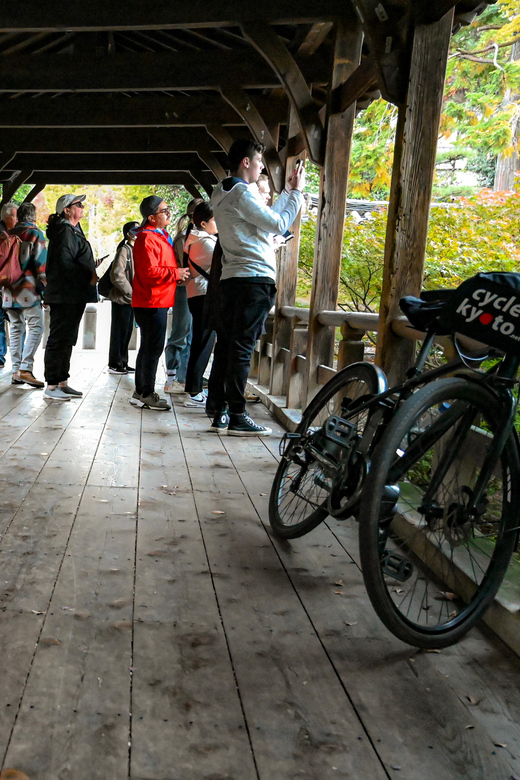
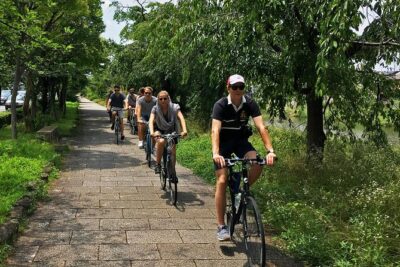
Kyoto has a way of surprising you on two wheels. This guided cycling tour takes you through Northern Kyoto highlights like the Golden Pavilion and Kitano Tenmangū Shrine, then threads you toward Gion via calmer backstreets and riverside crossings. You get guided time inside major stops, plus a real lunch break so the day feels like a plan, not a sprint.
I especially like the mix of big-name sights and neighborhood context. You’re not just ticking off temples; you’re also learning how the area worked historically as you ride and walk through places like Nishi Hongan-ji and the route that leads into Gion. One consideration: it is built for active riders, and the tour is not suitable for kids under 13, pregnant women, or anyone with mobility impairments, so check your comfort with cycling and walking before you book.
In This Review
- Key highlights you’ll feel right away
- Why this cycling route works better than a day of trains and taxis
- Meeting near Kyoto Station: how to find Cycle Kyoto without stress
- Safety briefing and small-group comfort (max 8)
- Nishi Hongan-ji: a major temple with real-world context
- Kitano Tenmangū Shrine: spiritual atmosphere plus a calmer pace
- The Golden Pavilion (Kinkaku-ji): timing that gives you breathing room
- Lunch included: where the day changes from sightseeing to energy
- The former Imperial Palace: a guided walk with meaning
- Gion and the backstreets lesson: history while you move
- Kamo River crossings: the reset button for your feet and camera
- Pacing and comfort: this is active, but not punishing
- Price and value: why $103 can make sense here
- Who should book this (and who should skip it)
- Should you book Kyoto North Guided Cycling Tour with Lunch?
- FAQ
- FAQ
- What sites are included in the tour?
- Is lunch included, and what kind of food is it?
- How long is the tour?
- Do I need to bring a bicycle and helmet?
- Is the tour guide available in English?
- Are e-bikes available?
- What is the group size?
Key highlights you’ll feel right away
- Golden Pavilion time that’s long enough to actually see details, not just snap a photo and rush on
- Guided visits inside major sites like Nishi Hongan-ji, Kitano Tenmangū, and the Imperial Palace
- Lunch included at a local restaurant, with enough time to reset before the final stretch
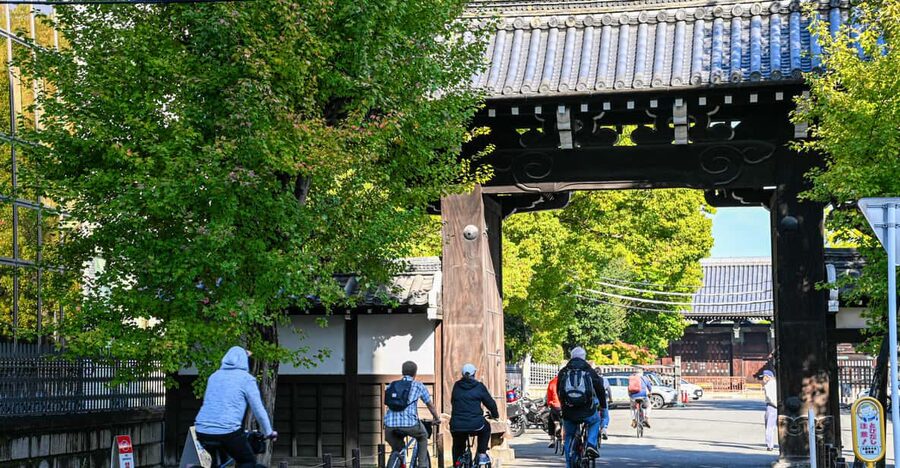
- Backstreet weaving toward Gion, guided with history as you move through the quieter lanes
- Kamo River crossings that break up the day and make the pacing feel natural
Why this cycling route works better than a day of trains and taxis
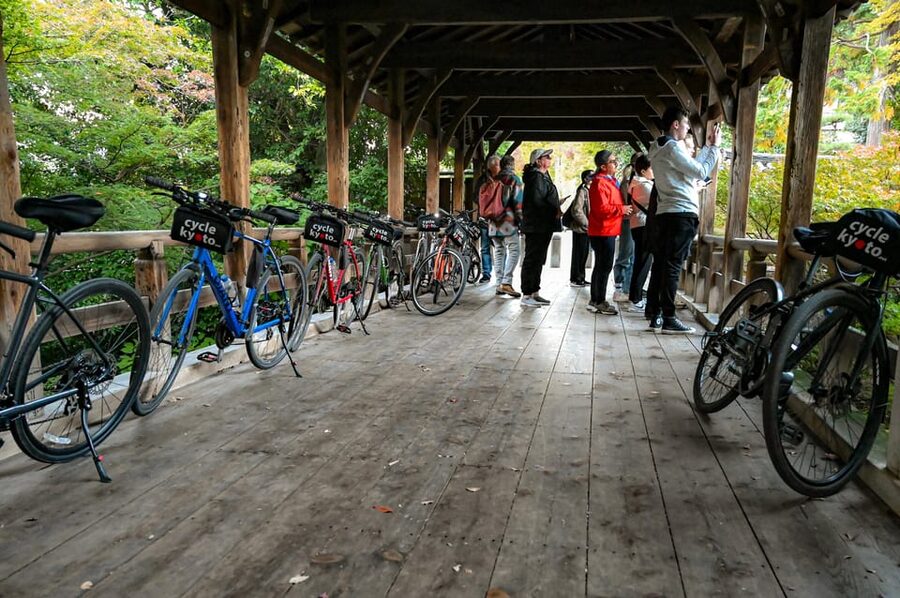
Kyoto can be gorgeous but exhausting if every stop is a new transit puzzle. This tour is practical: you start near Kyoto Station, then cover a smart chunk of the city by bicycle with a guide leading the rhythm. The payoff is that you spend more time seeing and less time waiting.
Another thing I like is the way the route is shaped. You begin with major temple and shrine experiences, then you transition toward Gion with a gentle downhill feeling. That makes the day easier to manage mentally too. You can look forward to the next district without constantly worrying about energy.
More of Kyoto at handlebar pace
Meeting near Kyoto Station: how to find Cycle Kyoto without stress
You meet at Cycle Kyoto, close to JR Kyoto Station. The directions are straightforward: go past Avanti, cross over one traffic light, then walk past the Daily Yamazaki convenience store and take the first left.
If you’re using trains that end near Kyoto Station, this meeting point is a good match. You’ll want to arrive a bit early so you can get your bike, helmet, and water sorted before the safety briefing starts.
Safety briefing and small-group comfort (max 8)
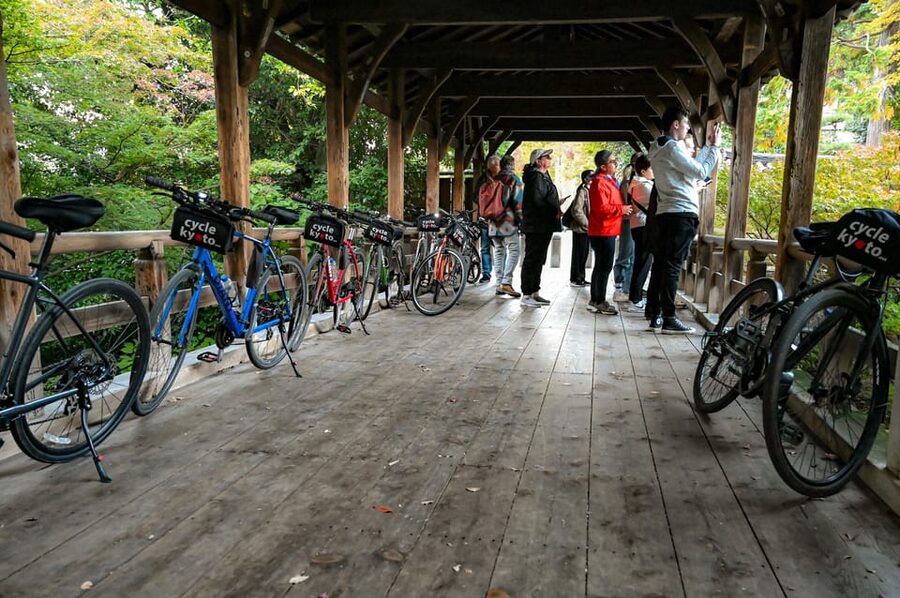
Before you roll, there’s a safety briefing that runs about 15 minutes. With a group limited to 8 participants, you’re not stuck in a huge pack. That matters in Kyoto, where traffic and pedestrian flow can change quickly.
The tour also provides a bicycle, helmet, and water. That’s a real value point because it removes the guesswork. You can focus on the day’s sights instead of budgeting time and money for rentals and gear.
Nishi Hongan-ji: a major temple with real-world context
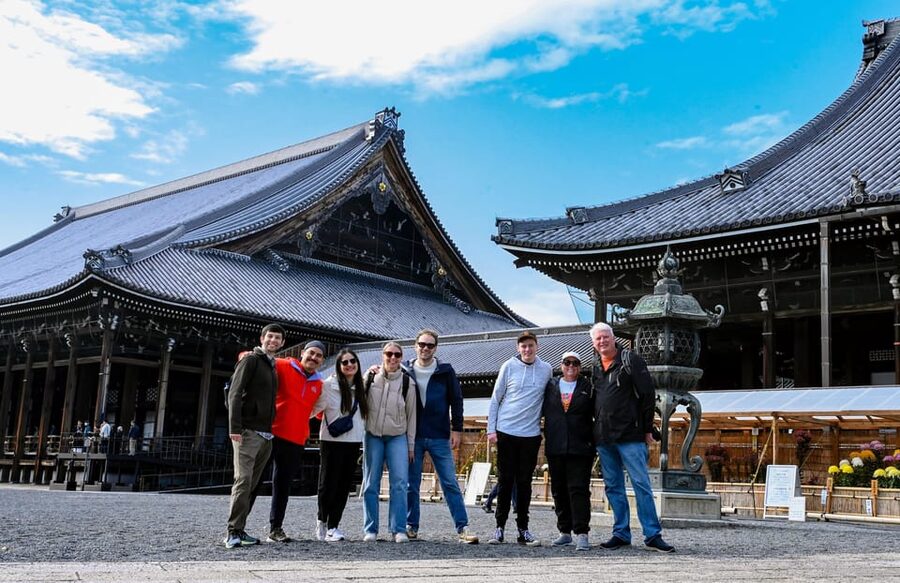
Your first big stop is Nishihongwan-ji Temple, where you get a guided tour for about 40 minutes and then additional visiting time. This is the kind of place where guidance helps, because big temple spaces can feel confusing if you only know the postcard highlights.
What makes it worthwhile is the mix of interior understanding and on-the-ground orientation. The guide doesn’t just point; they explain significance, so when you’re standing in the complex you know what you’re looking at and why it mattered in the area’s story.
Kitano Tenmangū Shrine: spiritual atmosphere plus a calmer pace
Next comes Kitano Tenmangū Shrine, another guided stop (about 45 minutes) plus time to take it in. This shrine is often a strong choice for cyclists because it offers a quieter contrast to the busier feel you may get later in the day.
The guide’s role here is key. You’ll learn history and significance, and the time you spend is long enough to slow down. If you prefer to understand a place rather than just pass through, this stop fits that style.
Other Kyoto tours and experiences to compare
The Golden Pavilion (Kinkaku-ji): timing that gives you breathing room
You’ll reach Kinkaku-ji, the Golden Pavilion, after lunch later in the day. The schedule gives you around 30 minutes to explore, and the tour timing also allows a fuller block that can reach about 50 minutes depending on the flow.
Either way, it’s enough time to do more than one look. You can walk around your main viewing areas, get photos you’re actually happy with, and take a moment to absorb the overall scene instead of racing the clock.
Lunch included: where the day changes from sightseeing to energy
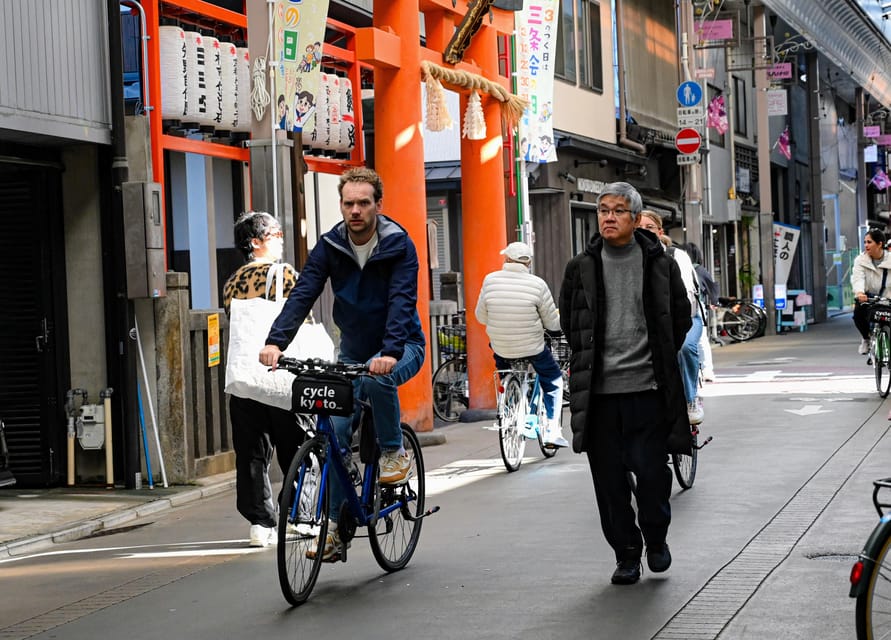
Lunch is included at a local restaurant in the heart of Kyoto, and it’s about one hour. I like included meals on tours like this because it protects your pacing. You don’t end up hunting for a place to eat while everyone else keeps rolling.
There’s also a useful practical angle from real experience: on hot days, guides often help you stay comfortable. One group specifically noted that their guide provided water continuously because temperatures can climb fast (they mentioned around 35 degrees). Translation: don’t assume you’re on your own for hydration, but do bring a smart attitude—drink water early and keep a steady pace.
Expect regional food, not an endless menu buffet. It’s the kind of lunch that supports the next phase of the tour instead of weighing you down.
The former Imperial Palace: a guided walk with meaning
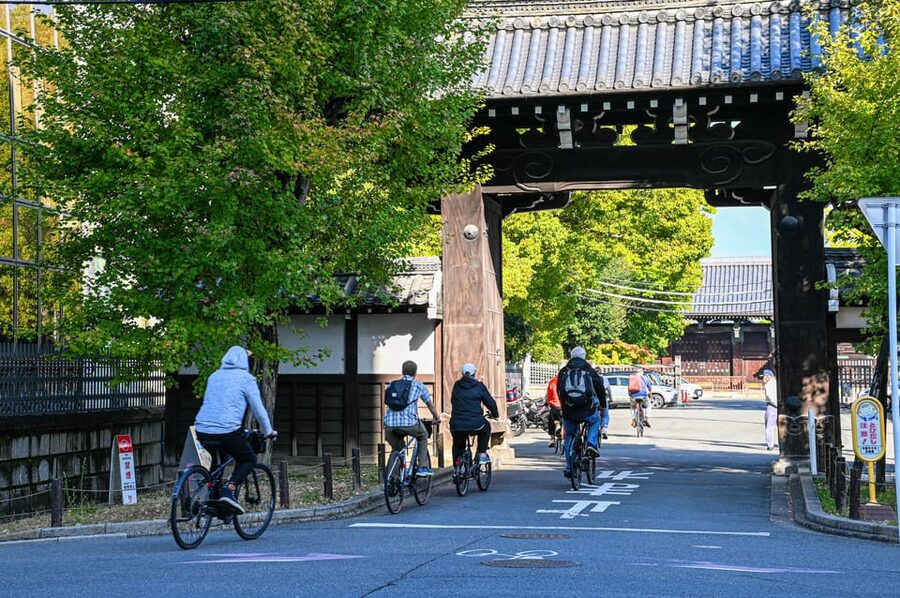
After lunch, you head toward the former Imperial Palace. You’ll have a guided tour for about 50 minutes, which is ideal for a site like this. Palace grounds can look straightforward from the outside, but the value comes from understanding how the space worked and what it represented.
This is also where you’ll feel the ride shift. After the lunch segment, the route flows along a gentle downhill path toward Gion. That’s a good design for a cycling tour: you’re moving, you’re seeing, and you’re not forced into constant uphill strain.
Gion and the backstreets lesson: history while you move
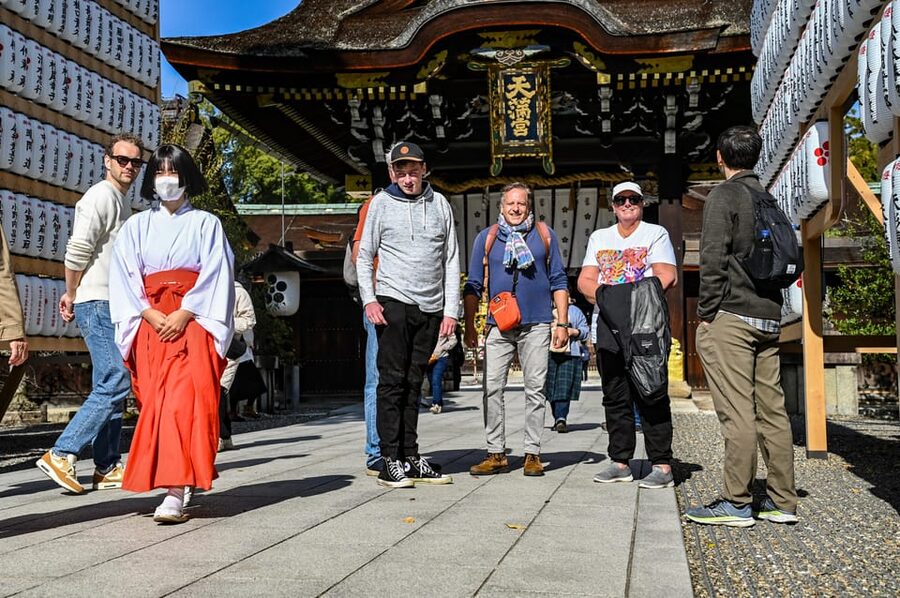
Once you reach Gion, the tour changes tone. Instead of only temple gates and shrine entrances, you weave through backstreets and learn the area’s background as you go. You also get a guided portion for about 40 minutes, and then there’s time for continued visiting.
This is one of the smartest parts of the tour: it teaches you how the district is shaped and why it feels the way it does. If you’ve ever walked in Gion and felt like you missed the story, this type of guided movement fixes that. You’ll notice details faster because you’re getting context while you’re physically in the lanes.
Kamo River crossings: the reset button for your feet and camera
You cross the Kamo River as part of the ride and sightseeing rhythm, and the tour includes multiple river segments for visiting time (about 30 minutes each time, based on the schedule). These moments work as a reset for your body and your attention.
They also make the day feel coherent. You’re not cycling in a straight line all day; the river gives natural pauses where you can regroup, stretch a little, and grab photos without feeling like you’re always about to move again.
Pacing and comfort: this is active, but not punishing
The tour lasts about 390 minutes, which is roughly 6.5 hours. That sounds like a long day until you realize it’s broken into museum-like guided segments plus cycling time plus a full lunch. The structure matters.
You’ll also want to plan for comfortable shoes and comfortable clothes. Even with a bicycle, you’ll be doing walking and entering temple and shrine areas where standing and walking time adds up.
If you’re concerned about ride comfort, e-bikes are available for a 3000 yen upgrade. That can be a smart way to keep the day enjoyable, especially if you’re not sure how your legs will feel after a few cycles and several guided visits. (No matter what bike you choose, bring your best water habits.)
Price and value: why $103 can make sense here
At $103 per person, this tour might look like a splurge until you break down what’s included. You’re paying for a guided day with: bike and helmet, water, entrances to Nishi Hongan-ji, Kitano Tenmangū, and Kinkaku-ji, plus an Imperial Palace visit, a lunch, and time in Gion with the guide.
Buying bike rental plus day tickets plus a guided English-speaking itinerary on your own often costs more than you’d expect, and you lose the route planning and pacing that this tour provides. Here, the value is in the time saved and the access you get with guided entry and explanations.
There’s also a practical group benefit: small group size (up to 8) usually means you’re not stuck waiting while everyone shuffles together. Your time inside each stop tends to feel more intentional.
Who should book this (and who should skip it)
This is a great fit if you want an efficient way to see Northern Kyoto and you like learning as you go. It’s especially good for adults and teens who enjoy light exercise and want more than a checklist.
It’s not suitable for children under 13, pregnant women, or people with mobility impairments. It also has a height limit of under 4 ft 4 in (135 cm). If you’re in any of those categories, you’ll likely be happier choosing a different format.
It’s also worth knowing what you can’t do: smoking isn’t allowed, and alcohol and drugs aren’t allowed.
Should you book Kyoto North Guided Cycling Tour with Lunch?
I’d book this if your ideal Kyoto day is equal parts culture and movement. You want temple and shrine highlights like the Golden Pavilion, but you also want guidance that helps you understand the route you’re traveling through. The included lunch and the small-group setup make it easier to enjoy the day without constant decision-making.
I’d skip it if you’re mainly looking for a slow, sit-and-stare sightseeing pace with minimal walking. This tour is built for cycling plus guided time on foot. If you’d rather avoid that active rhythm, you might prefer a more stationary tour style.
FAQ
FAQ
What sites are included in the tour?
You’ll visit Nishi Hongan-ji Temple, Kitano Tenmangū Shrine, the Golden Pavilion (Kinkaku-ji), the Kyoto Imperial Palace, and you’ll also spend time in Gion and by the Kamo River.
Is lunch included, and what kind of food is it?
Lunch is included. It’s at a local restaurant and features regional food, with about one hour allocated for the meal.
How long is the tour?
The total duration is 390 minutes.
Do I need to bring a bicycle and helmet?
No. The tour provides a bicycle, a helmet, and water.
Is the tour guide available in English?
Yes. The live tour guide is English-speaking.
Are e-bikes available?
Yes. E-bikes are available for a 3000 yen upgrade.
What is the group size?
The tour is a small group limited to 8 participants.
More Tours in Kyoto
More Tour Reviews in Kyoto
More of Kyoto by Bike
Just added: more Kyoto tours to browse



Kyoto Bike & E-Bike Tours, compared.
 ★ 5.0Hidden Kyoto E-Biking tourFrom $1161,843 reviews
 ★ 5.0Bike Tour Exploring North Kyoto plus LunchFrom $1061,087 reviews
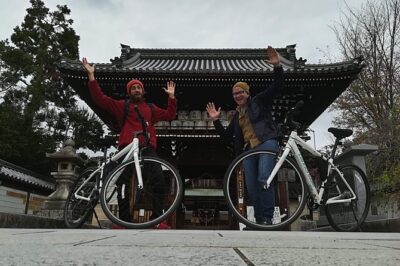 ★ 5.0Arashiyama Bamboo Forest & Hidden Gems Bike Tour (Early Bird)From $106613 reviews
 ★ 5.05 Top Highlights of Kyoto Full Day Bike Tour (E-bike option)From $172511 reviews
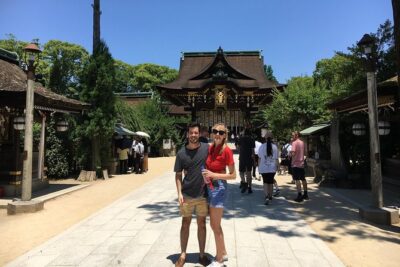 ★ 5.0Full Day Biking Tour Exploring the Best of KyotoFrom $119498 reviews
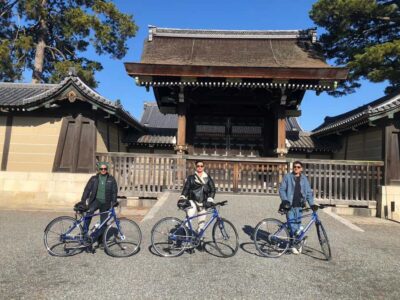 ★ 4.8Memory Kyoto E-Bike TourFrom $91297 reviews
 ★ 5.0E-Bike Tours of the highlights of Kyoto!!!From $109291 reviews
 ★ 5.0Afternoon Kyoto Bike Tour: Bamboo Forest, Monkeys & Hidden SpotsFrom $106283 reviews
Browse the lists this tour appears in