
Reviewed · KYOTO TEMPLE & SHRINE TOURS
KYOTO-NARA: Giant Buddha Deer Pagoda “Geisya” (Italian, full day)
A day that links Nara’s giant Buddha to Kyoto’s streets is a smart use of time. This full-day tour gives you Italian-guided context at Todai-ji and Kiyomizu-dera, then continues into Gion, where you’ll see the working side of Kyoto’s arts world.
I especially like the small group size (15 max) and the way the guide answers questions in Italian while you’re walking between sites. I also like that the pace is built around public transport (train + bus), so you’re not stuck guessing the logistics.
One thing to consider: the itinerary packs a lot in—so if you prefer long, slow wandering and lots of extra free time, you may feel the schedule is a bit tight.
In This Review
- Key highlights to look for
- Italian-Guide Day Trip: Kyoto to Nara to Kiyomizu-dera and Gion
- Meeting at Kyoto Station and Getting on the Right Track
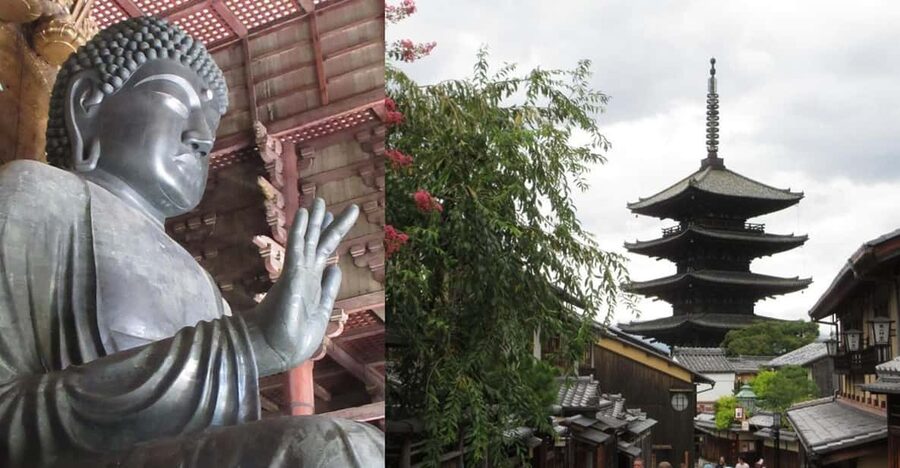
- Todai-ji and the Giant Buddha: Why This Stop Is the Main Event
- Nara Deer Park: Tame Deer, Cookie Stalls, and a Photo-Friendly Moment
- Ukimido and the Quick Walks: Short Segments That Keep the Day Moving
- The Return to Kyoto Station and Your One-Hour Break
- Kiyomizu-dera: Guided Temple Time on the Pilgrimage Routes
- Gion (and the Geisya Connection): Maiko and Geiko Working Areas
- Price and Value: Is $176 Worth a Full-Day Italian Tour?
- Guides in Italian: What Makes the Experience Feel Like It Has a Brain
- Flexible Timing on Request: How to Make It Work for Your Day
- Who This Kyoto–Nara–Gion Tour Suits Best
- Should You Book This One?
- FAQ
- What language is the tour guide?
- How long is this Kyoto–Nara full-day experience?
- How big is the group?
- Where do we meet in Kyoto Station?
- Which major sites are included in the itinerary?
- Is the tour wheelchair accessible?
- What’s included in the price?
Key highlights to look for

- Italian live guidance throughout the key temple visits, with explanations focused on what you’re seeing
- Todai-ji (Giant Buddha) plus time for shopping and sightseeing around the temple area
- Nara deer park experience, including feeding the tame deer with cookies from stalls
- Kiyomizu-dera guided visit on the ancient pilgrimage routes area
- Gion focus on the neighborhood where Maiko and Geiko artists work
- Flexible adjustments on request, within reason, if you want to tweak your timing
Italian-Guide Day Trip: Kyoto to Nara to Kiyomizu-dera and Gion
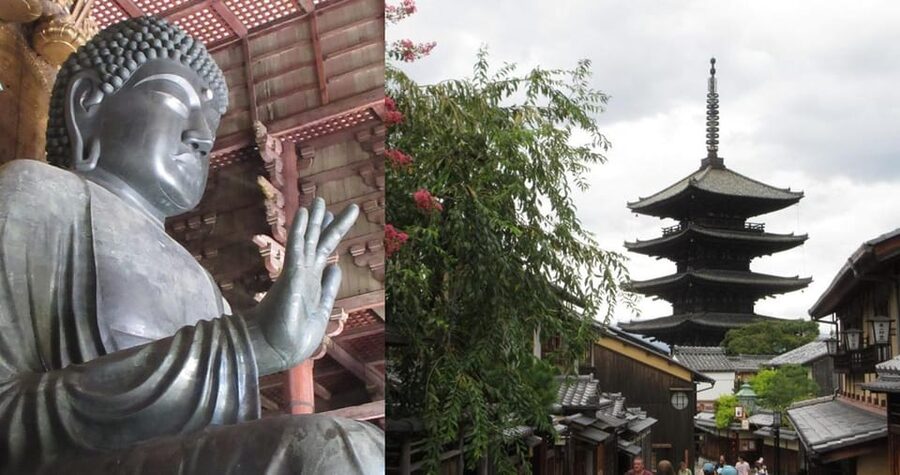
This is the kind of day trip you’ll like if you want structure without feeling trapped. You start in Kyoto Station, ride out to Nara for Todai-ji, then come back to Kyoto for Kiyomizu-dera and the Gion / Pontocho area. It’s a full day, but the stops are chosen for maximum “wow per hour.”
The best part is the guide’s approach. Instead of just pointing at buildings, your guide explains the monuments and the devotion behind them, with details that don’t sound like standard “tour-script” history. The tour also includes practical support during the day, so if something is unclear—directions, timing, what to watch for—you have someone who can help.
And yes, there’s a fun contrast built in: you’ll go from the huge seriousness of Todai-ji to the lively pedestrian streets around Kiyomizu-dera, and then into Gion’s more atmospheric side.
More temples and shrines to slow down in across Kyoto

Meeting at Kyoto Station and Getting on the Right Track
The meeting point is very specific: in the space between the four escalators in front of the cab terminal, east just outside the north central entrance to Kyoto Station. You’ll know you’re in the right spot if you can see Kyoto Tower ahead, on the top left from where you’re standing.
This matters more than it sounds. When a tour starts right at a major hub like Kyoto Station, being early is the easiest way to avoid stress. The tour also sends detailed meeting point information by email the day before, which helps if you’re walking in with jet lag or you’re not familiar with the station.
Once you’re together, the day runs on a simple transport pattern: train to Nara, bus to the temple area, then later the same idea in reverse.
Todai-ji and the Giant Buddha: Why This Stop Is the Main Event
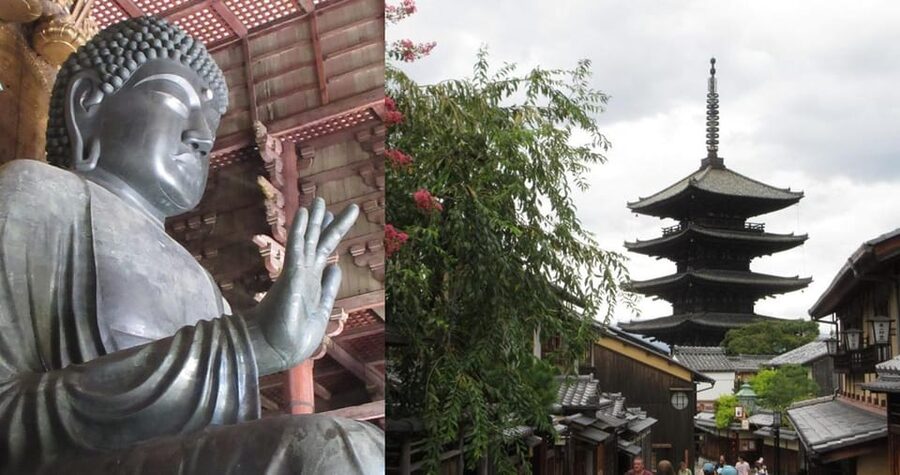
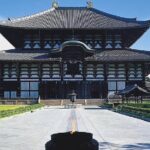
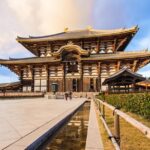
Todai-ji is famous for a reason: you’re not just looking at an old temple, you’re facing one of Japan’s largest Buddha statues. The guided portion here lasts 1.5 hours, and it’s not only about seeing the main hall from the outside. Your guide explains what you’re looking at and highlights monuments designated as national treasures.
That “what you’re seeing” part is key. Temples in Japan can feel overwhelming at first—many halls, many objects, many names. A good guide turns it from visual overload into a set of clear landmarks. If you like learning while you walk, this is the strongest match in the schedule.
There’s also time for shopping and sightseeing around the Todai-ji area. That’s a practical touch. Nara is easy to turn into a museum visit only, but the little storefront energy helps you slow down without breaking the flow of the tour.
Nara Deer Park: Tame Deer, Cookie Stalls, and a Photo-Friendly Moment
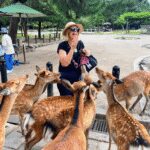
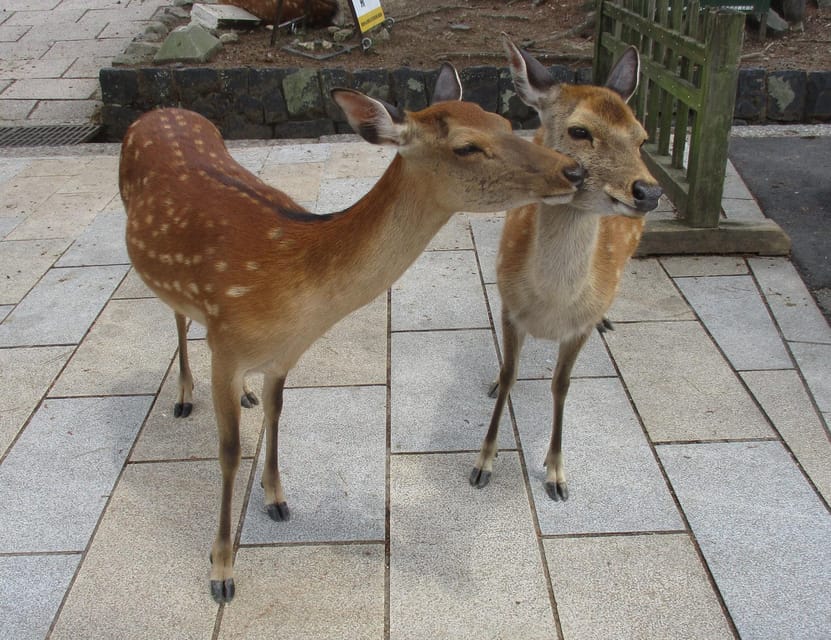
Right after Todai-ji, you’ll step into the big park area where tame deer roam freely. This isn’t a “zoo-style” enclosure—it’s the park that’s part of local life, with deer that have lived alongside people for a very long time.
The tour includes the simple, classic way to interact: you can feed them cookies sold at special stalls. You’ll likely want to do this early in your visit, because once people scatter for photos and exploration, it’s harder to keep track of where everyone is.
Practical tip: treat it like any busy street moment. Keep an eye on your belongings and watch your footing near crowds. The deer are part of the experience, but you’ll enjoy it more if you stay calm and move deliberately.
Ukimido and the Quick Walks: Short Segments That Keep the Day Moving
The itinerary includes a brief stop at Ukimido, with time to visit, walk, and pass by (about 10 minutes), plus a couple of short on-foot segments. These aren’t long enough to become separate “must-do” moments, but they help connect the longer legs of the day.
That’s the value of short segments in a full-day plan: they reduce backtracking and keep you oriented while you move between major clusters. If you’re the type who likes to understand where you are in relation to the bigger picture, these micro-stops can make the day feel smoother, not rushed.
More day trips out to Nara and its bowing deer
The Return to Kyoto Station and Your One-Hour Break
After the afternoon train back, you’ll have a 1-hour break at Kyoto Station. This is a smart buffer. Traveling from Nara to Kyoto takes time, and station time is useful for regrouping without feeling like you’ve lost the day.
Use the break to reset: get a drink, grab a snack, and re-check where you’ll meet again before you head back out. The tour then continues by bus for the Kyoto temple and neighborhood portion.
If you’re sensitive to crowds or long walking days, this is also when you can adjust your mindset. Kyoto is beautiful, but a full-day route means your feet do a lot of work.
Kiyomizu-dera: Guided Temple Time on the Pilgrimage Routes
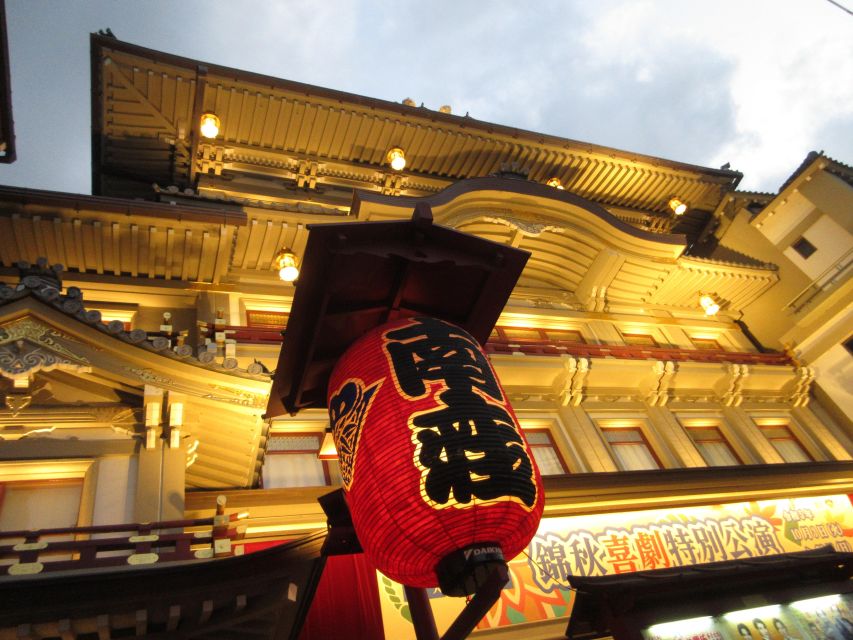
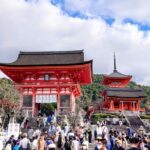
Kiyomizu-dera is where your afternoon shifts from countryside atmosphere back into Kyoto’s old-street energy. The guided visit here lasts 1 hour, which is enough time to get the main points without feeling like you’re only rushing between angles.
What I like about this stop in particular is the way it sits on pilgrimage routes that developed from the 8th century onward. You’re not just visiting a single monument—you’re walking through an area that grew with devotion and tourism over centuries. The guide ties that into what you see, which makes the surrounding streets feel less like a random shopping strip.
Expect plenty of pedestrian movement and a lot of storefront noise. That’s normal here. The tour keeps you focused by pairing guided temple time with the street context right around it.
Gion (and the Geisya Connection): Maiko and Geiko Working Areas
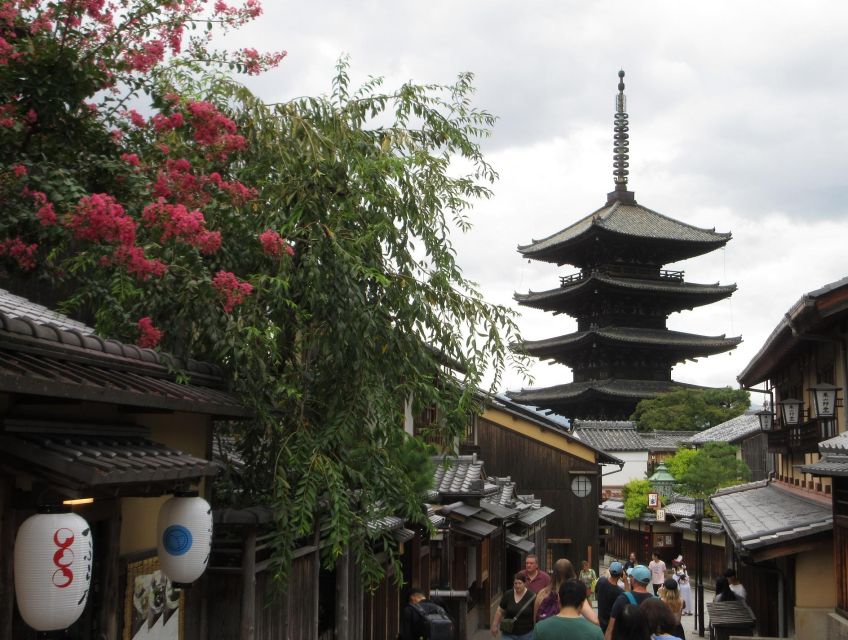
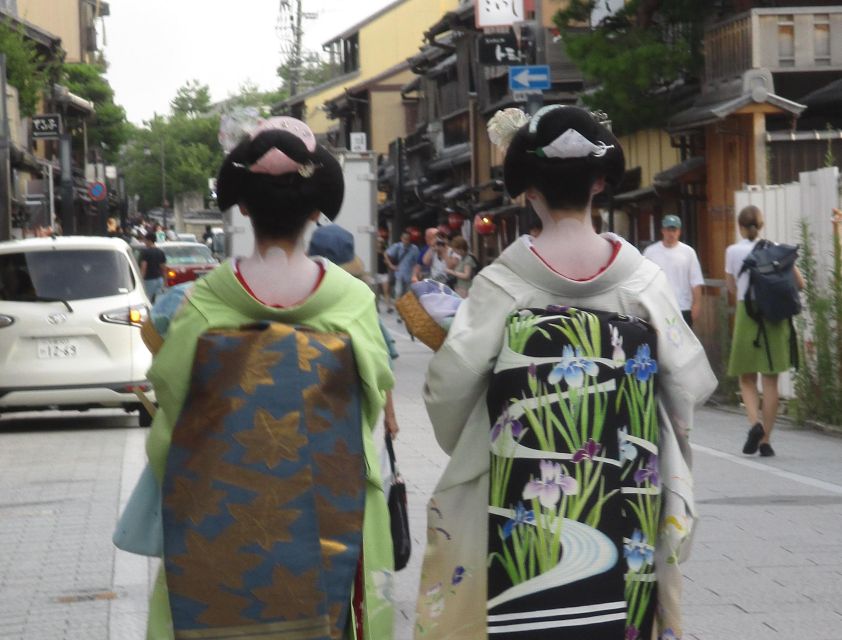
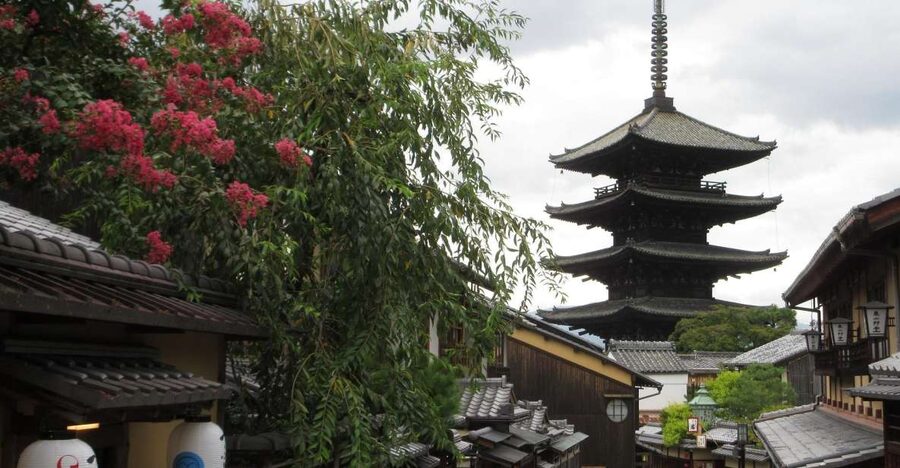
After Kiyomizu-dera, you’ll walk into Gion for a short guided visit (about 20 minutes). This part is interesting because it’s not just about pretty streets. The tour is specifically framed around the area where professional Maiko and Geiko artists work—often referred to in the tour description as Geisya.
Even with a short time window, the guide’s job matters. Gion can feel like a postcard district if you don’t know what you’re looking at. With guidance, you understand the neighborhood as a working cultural space, not only an attraction.
Then you’ll end the day walking toward Pontocho. Pontocho has a calmer, evening-stroll vibe, and finishing there gives your day trip a natural landing point instead of a hard stop at the station.
Price and Value: Is $176 Worth a Full-Day Italian Tour?
At $176 per person, you’re paying for more than entrance tickets. The price includes:
- transport fares (train + buses),
- entrance fees of the monuments on the program,
- explanatory instruction in Italian for the historical monuments,
- and practical Japan travel information on request.
So the real question is: do you value having someone translate the “meaning layer” of the sites? If you’ll be mostly trying to read everything yourself while moving between Nara and Kyoto, the day becomes harder. But with Italian guidance, you’re buying time and clarity.
Also, the group is small (15 max). In a day that involves multiple transitions, that small size can reduce the “herd herding” feeling. It’s not a guarantee you’ll get a super-personal tour, but it makes it more likely you can ask questions and get real answers.
One caution: the itinerary is time-tight. If your style is slow sightseeing, you might want more unstructured hours at Todai-ji or Kiyomizu-dera than the schedule allows. This is still a solid value, but it’s best for people who like guided highlights more than extended wandering.
Guides in Italian: What Makes the Experience Feel Like It Has a Brain
Language changes everything. A guided tour in Italian means you can actually absorb temple details and street context instead of catching only a few facts through translation.
In the departures I looked at, the Italian instruction is consistently praised for being smooth and accurate. One guide highlighted in past feedback is Omae, described as speaking perfect Italian and having lived in Italy for more than a decade. There’s also a recurring theme of humor and strong preparation—plus the guide being friendly while still keeping you moving on schedule.
What you should take from that, as a practical traveler: you’re not just getting a list of sights. You’re getting a guide who can explain what those national-treasure designations mean, and why certain Buddhist devotion stories matter.
If you care about religious art and symbolism, this is where the day becomes more than sightseeing.
Flexible Timing on Request: How to Make It Work for Your Day
The tour says it can adjust schedules as far as possible if you request it. That’s useful on days where your energy level changes or you spot something you want more time for.
The safest way to use this flexibility is to be clear about your priority early. For example:
- If you want a bit more time for temple details, ask before the main guided blocks.
- If you want more shopping time near Todai-ji, plan it around the guided + sightseeing window rather than trying to add it later.
This kind of flexibility is not magic, but it can turn a rigid-feeling day into one that matches your pace.
Who This Kyoto–Nara–Gion Tour Suits Best
This tour fits you well if:
- you want a full-day plan that covers Todai-ji + Kiyomizu-dera + Gion without you coordinating train/bus routes,
- you prefer Italian guidance over self-guiding,
- you enjoy hands-on cultural moments like the deer park cookies,
- you like asking questions while walking, especially about Buddhist devotion and historical objects.
It might be less ideal if you want lots of independent time and don’t care about getting explanations beyond what you can read on signs.
Should You Book This One?
Book it if you want an efficient, guided day that connects the big monuments in Nara to the cultural neighborhood of Gion in Kyoto, all explained in Italian. The combination of national-treasure focus, deer park fun, and a Gion look at Maiko/Geiko working areas is a strong package for $176—especially with a small group and transport and entrance fees handled.
Skip it only if your top priority is slow, open-ended exploration. This schedule is built for highlights. If that’s your style, you’ll likely have a great day.
FAQ
What language is the tour guide?
The live tour guide speaks Italian, with explanatory illustration of the historical monuments in Italian.
How long is this Kyoto–Nara full-day experience?
The duration is 1 day, running a full-day schedule from Kyoto Station through Nara and back to Kyoto.
How big is the group?
The tour is a small group limited to 15 participants.
Where do we meet in Kyoto Station?
Meet in the space between the four escalators in front of the cab terminal, east just outside the north central entrance to Kyoto Station. You should be able to see Kyoto Tower in front of the station at the top left from that spot.
Which major sites are included in the itinerary?
You’ll visit Tōdai-ji Temple, then later Kiyomizu-dera and Gion. The deer park experience is part of the Tōdai-ji area, and there’s also a short stop at Ukimido.
Is the tour wheelchair accessible?
Yes, the tour is wheelchair accessible.
What’s included in the price?
Included are transportation fares (train and buses) as scheduled, entrance fees to the monuments in the program, Italian explanations of the historical monuments visited, and practical information about traveling in Japan in general if you request it.
More Tour Reviews in Kyoto

More Nara Day Trips
More Kyoto Temples and Shrines

Just added: more Kyoto tours to browse




Kyoto Temple & Shrine Tours, compared.
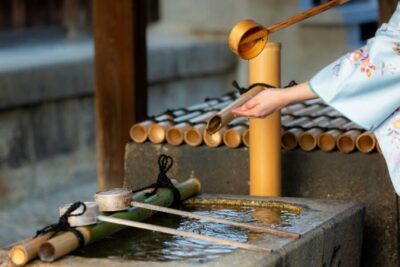 ★ 4.9Tea Ceremony Ju-An at Jotokuji TempleFrom $293,207 reviews
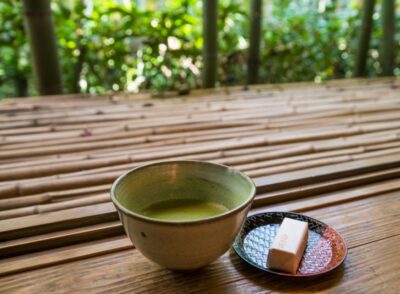 ★ 4.8Arashiyama Bamboo, Temple, Monkeys, or Secret Sake BreweryFrom $87886 reviews
 ★ 5.0Arashiyama Bamboo Forest, Monkeys, Matcha & Temple TourFrom $53759 reviews
 ★ 4.4Osaka/Kyoto: Arashiyama, Nara & Fushimi Inari Shrine w/LunchFrom $61754 reviews
 ★ 4.7Imperial Palace & Nijo Castle Guided Walking TourFrom $49453 reviews
 ★ 5.0Kyoto Zen Meditation & Garden Tour at a Zen Temple with LunchFrom $110441 reviews
 ★ 5.0Zen Experience in a Hidden TempleFrom $109437 reviews
 ★ 5.0KYOTO Tea Ceremony with kimono near by Imamiya Jinjya ShrineFrom $99343 reviews
Browse the lists this tour appears in