
Reviewed · KYOTO TEA CEREMONIES
Kyoto Matcha Green Tea Tour
Matcha in Uji tastes different, and you’ll notice why. A 3-hour Kyoto-area outing into the Uji district pairs historic stops with hands-on matcha making and an end-of-tour tea tasting that’s meant to stick with you.
I also like that you’re not stuck on an empty ceremonial worksheet. You’ll hit multiple food stops (including matcha treats) and learn how Uji became Kyoto’s tea retreat. The main drawback to plan around: there’s no hotel pickup, and the guide can only wait five minutes after the starting time at Keihan Uji Station.
In This Review
- Kyoto Matcha Green Tea Tour: Key Details That Matter
- Why Uji Beats a Standard Kyoto Tea Stop
- Getting There: The Keihan Uji Station Meeting Point Rule
- World Heritage Stops in Uji (And How They Actually Teach You Something)
- Food Stops That Pair With the Tea Story (Not Just a Random Lunch)
- Matcha Making: Tea Grinding to Whisked Bowl
- The Tasting Finish: How to Read the Flavor
- Shopping Time in Uji: How to Buy Without Guessing
- Price and Value: Is $173 Worth 3 Hours?
- Who Should Book This Uji Matcha Tour?
- Should You Book This Kyoto Matcha Green Tea Tour?
Kyoto Matcha Green Tea Tour: Key Details That Matter
- Uji is the matcha starting point: you’re touring the tea town that Kyoto’s noble families relied on.
- You do more than sip: matcha making is part of the program, not just a tasting.
- A full matcha lineup: matcha tasting, wagashi sweets, and matcha ice cream are built into the experience.
- Temples, shrines, and etiquette lessons: you’ll learn what you’re seeing and how to behave at religious sites.
- Small group size (max 8): easier questions, less waiting around, and a more human pace.
- English live guide, with flexibility: multiple guides are praised for caring, patience, and clear explanations.
Why Uji Beats a Standard Kyoto Tea Stop
If you’ve only had matcha in a café, Uji can feel like the real source code. Uji is tied directly to Kyoto’s tea story, and the tour is designed to show you why. You’re guided through the town’s matcha identity through a mix of walking, religious sites, and food that features tea in multiple forms.
The tour’s strongest advantage is that it doesn’t treat matcha like a single moment. It treats it like a whole system: where it comes from, how people prepare it, and how it shows up in everyday treats. That’s why the day moves from sightseeing to hands-on grinding/whisking, then lands on an intimate tasting where the flavor makes more sense than it did at the start.
This is also a smart way to see Uji without feeling like you’re doing all the planning yourself. The guide handles the timing, keeps the group moving, and offers context as you walk—so you spend more energy actually noticing Uji, and less energy figuring out what everything is.
Sit for another bowl of matcha in a Kyoto tea house


Getting There: The Keihan Uji Station Meeting Point Rule
Logistics decide whether a tour feels calm or stressful. Here, the key detail is your meeting spot: Keihan Uji Station 宇治駅, at the entrance (not JR Uji station).
That difference matters. Keihan and JR can feel close on a map, but in real life it can add extra walking and confusion right when you’re trying to meet a group. On top of that, there’s a strict timing rule: the guide can only wait an additional five minutes after the starting time. After that, the tour departs.
One more thing I’d treat like sacred temple etiquette: once the tour starts, they can’t give directions or be reached by phone. So before you go, do yourself a favor:
- Confirm which station you’re using
- Give yourself a buffer to find the exact entrance
- Screenshot the meeting pin or write it down
You don’t need to overthink it, but you do need to respect the start time. Small groups move efficiently, and the guide is coordinating with restaurant timing too.
World Heritage Stops in Uji (And How They Actually Teach You Something)
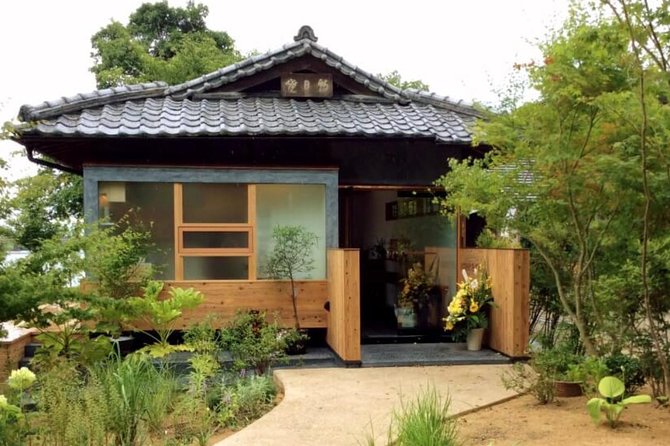
Uji’s claim to fame isn’t just tea. It’s also sacred places and historic figures tied to the way Kyoto grew. During your walk, you’ll visit major World Heritage sites and see the religious landmarks that shaped how this town mattered over time.
In plain terms, this stop is about learning to look. Instead of reading signs and guessing, your guide points out what makes each place meaningful—why it’s there, what role it played, and how people traditionally interact with it.
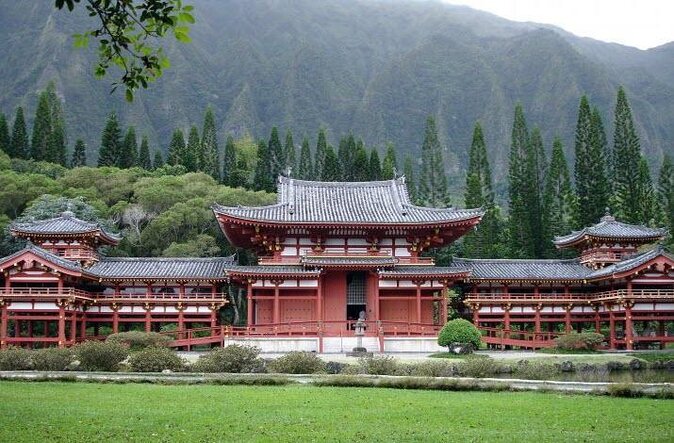
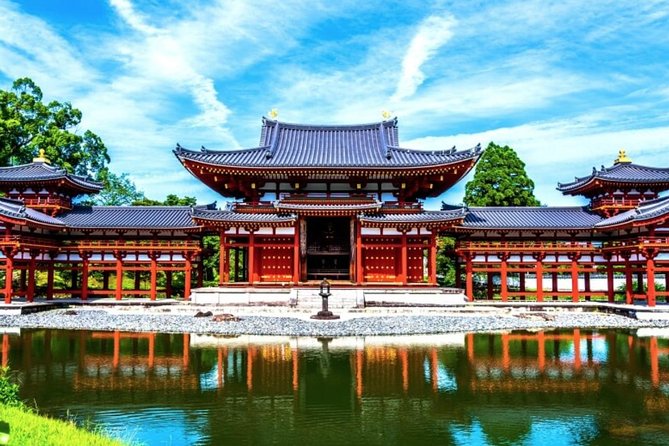
One highlight mentioned again and again is the Byodoin Temple, often described as beautiful in person. Seeing it with a guide helps, because you understand what you’re looking at and why it’s cared for. The tour also includes shrine time, where you can learn how to pray. That’s not just trivia. It affects what you notice while you’re standing there.
If you collect goshuin (temple/shrine stamps), this tour format can work well. Some guides are known for building in a pit stop that makes it easier to get them, with translation help when needed. Even if you don’t stamp, the lesson is useful: you learn what’s appropriate, what to ask, and how to behave without freezing in uncertainty.
The only caution: since you’re walking and entering sacred areas, wear shoes you trust. Uji is charming, but it’s still a town walk. No one wants to spend a matcha afternoon nursing sore feet.
Food Stops That Pair With the Tea Story (Not Just a Random Lunch)
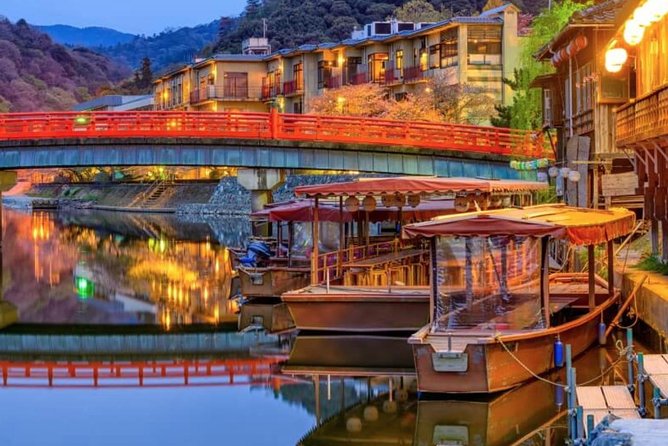
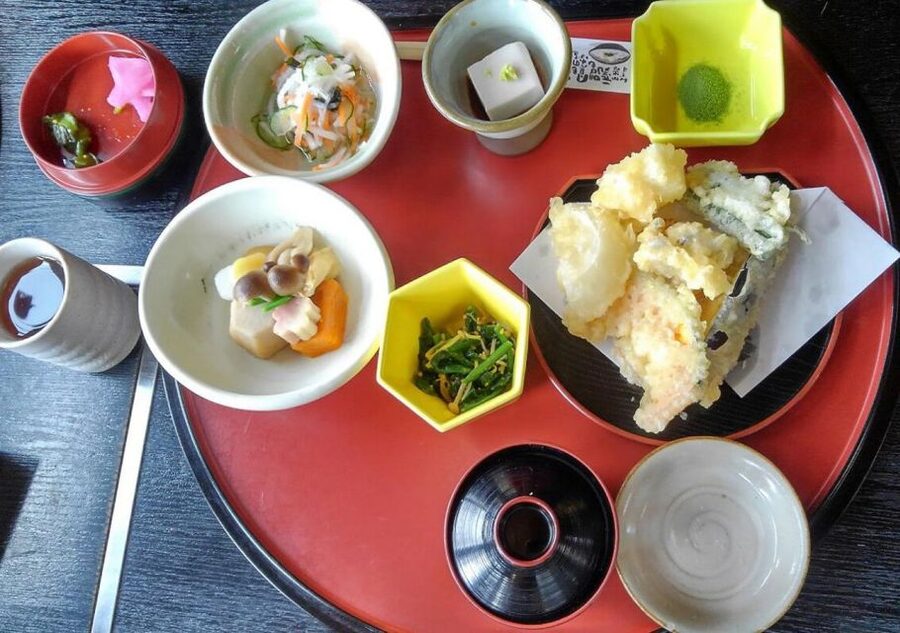
A big reason this tour feels worth it is the way it feeds the theme. You get a variety of dishes at multiple food stops, and matcha isn’t treated like garnish. It shows up in different ways—warm, sweet, and icy.
Lunch has a specific vibe. Guides often steer the group toward a soba option, and some meals are described as being along the river. That matters because Uji’s water and green-town atmosphere are part of the experience. Even if you’re not a photo person, eating here changes the day’s pace. It turns sightseeing into something you feel.
You’ll also get matcha treats along the way. Wagashi sweets are part of the included experience, and the tour wraps with matcha ice cream too. These are the moments that help you understand matcha isn’t only a powder drink. It’s a flavor profile people build into everyday food.
Practical note: additional drinks or extra food aren’t included. That’s normal. Just remember that matcha meals can tempt you into ordering more than you expected. If you’re trying to stay on budget, set a small limit for drinks, or plan to drink water between stops.
Matcha Making: Tea Grinding to Whisked Bowl
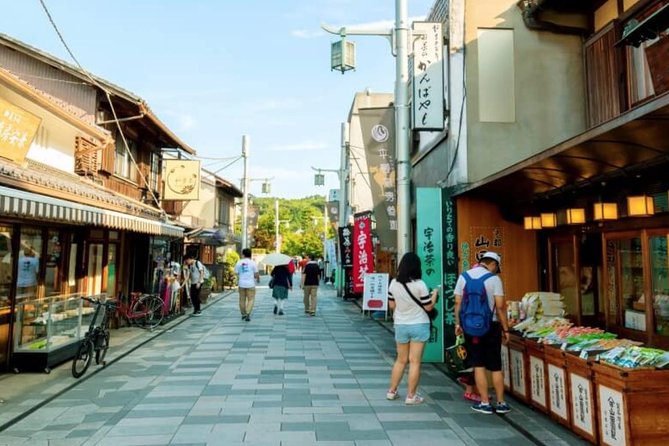
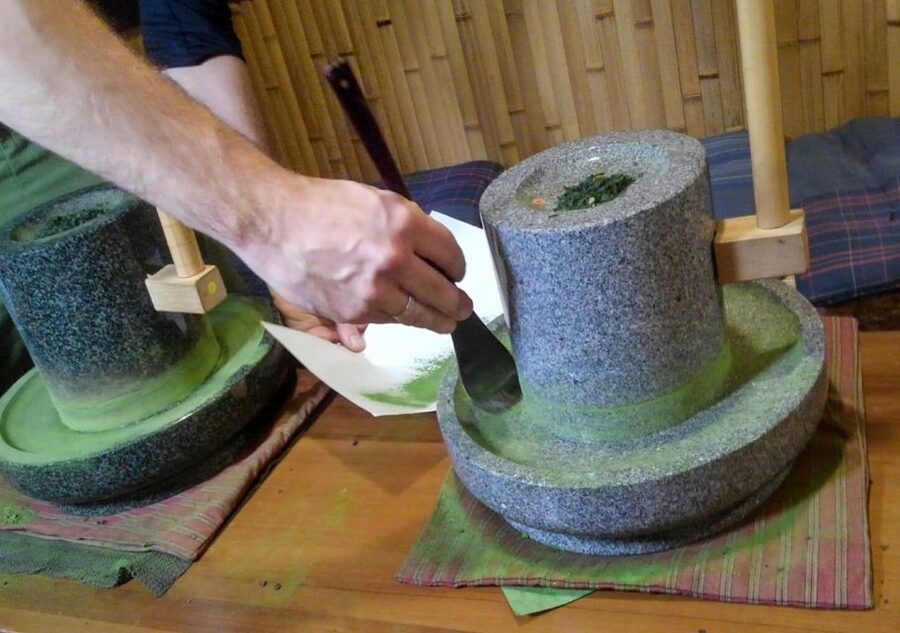
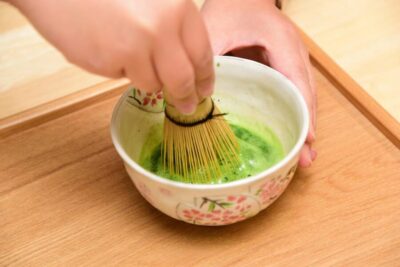
This is the heart of the tour. You’re not only tasting matcha—you’re learning how it gets made, step by step. Multiple parts of the experience point toward the same idea: matcha is about process.
In the best version of this kind of class, you leave knowing what to look for next time you buy matcha. Here, that learning happens through:
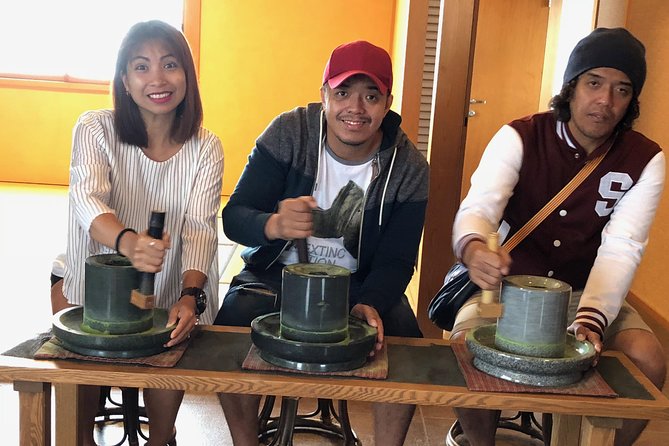
- tea grinding (you’ll see the leaves turned into matcha-ready form)
- matcha making (you get hands-on with preparation)
- matcha tasting (you compare what you made to what you taste)
And yes, it’s hands-on in a way that’s meant for real people, not just tea nerds. The group size helps here. With a cap of 8 people, you’re more likely to get help when you need it. It also keeps the class from dragging.
One reason guides get strong praise is how they explain what matters. You learn what different teas are like and how rituals work in everyday terms. Some guides are even credited with adjusting explanations based on the group’s needs and languages used in the moment.
If you’re the type who learns by doing, this part will feel like payoff. You’ll stop thinking of matcha as a store product and start thinking of it as a prepared food.




The Tasting Finish: How to Read the Flavor
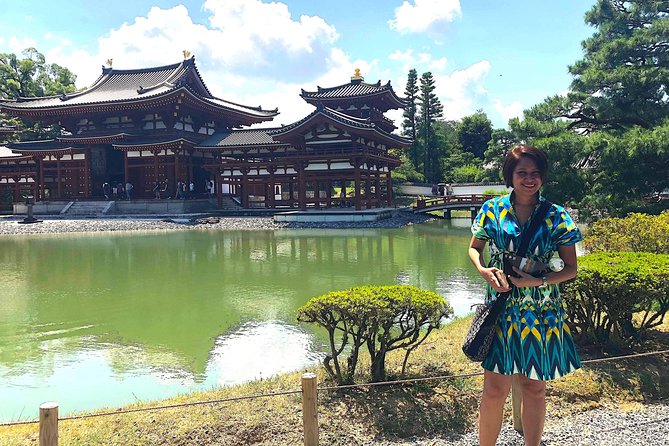
The tour culminates in an intimate tea tasting. That word matters because it implies a slower, more focused moment at the end, not a rushed sip while everyone shuffles to the next stop.
This is where you connect the dots. After walking past historic sites, learning basics of tea, and making your own matcha, the tasting becomes a comparison exercise:
- How does your made matcha feel versus what you expected?
- Does the flavor shift when you slow down?
- How does the texture land in your mouth?
Matcha is often described as bold, but your tasting experience should give you more specific language for what you’re sensing. You’ll notice the velvety texture and the deeper flavor mentioned in the tour description. When you taste it after learning the process, it stops being vague.
And then, because this is Uji, the experience keeps going with sweets and ice cream earlier or later in the day. That helps you round out the matcha profile. You don’t just learn how matcha is brewed; you learn how it behaves with sugar and dairy too.
Shopping Time in Uji: How to Buy Without Guessing
You’ll get shopping time built into the experience. This is the practical side most food tours forget: after you learn what matcha is supposed to taste like, you’ll want to bring something home.
Because the tour includes a tea-focused class and multiple tastings, you’re in a better position to shop intelligently. You’ll have a real reference point for what you like—whether that means a certain style of matcha taste you’re chasing, or just a set of packaged treats you enjoyed during the walk.
Keep expectations realistic. Shopping time is time-limited, not a full market day. So go in with a plan:
- Decide if you want drinks, sweets, or giftable items
- If you’re sensitive to bitterness, lean toward what tasted smoother to you during the tasting
- Use the guide for quick product questions when they’re available
Also remember: you may buy extra things beyond what’s included, and additional food/drinks aren’t covered. Set a small extra budget so you don’t end the day in math panic.
Price and Value: Is $173 Worth 3 Hours?
At $173 per person for a 3-hour small-group tour, you’re paying for more than walking in a pretty town. The value comes from bundling several parts that usually cost time and money separately.
Here’s what’s included:
- a matcha tasting
- matcha making (hands-on)
- wagashi sweets
- matcha ice cream
- variety of dishes across multiple food stops
- shopping time
- an English live guide
- a group size limited to 8 participants
That combo is the key. If you tried to recreate this on your own, you’d need to plan temple/shrine routing, find a class, schedule food, and still line up translation help. Paying $173 mostly buys you coordination plus the guided context that makes the food and tea mean something.
Could the price feel steep if you only want photos and a quick drink? Sure. Then this tour won’t match your goals. But if you want the full Uji tea experience—history + etiquette + hands-on matcha prep + multiple matcha foods—this price starts to look fair.
A good way to think about it: you’re not paying for matcha alone. You’re paying for a structured, guided learning day that ends with a tasting you can actually connect to.
Who Should Book This Uji Matcha Tour?
I’d point you toward this tour if you:
- love matcha and want the real “how it’s made” moment
- enjoy temples and shrines where you learn what you’re seeing
- want a small-group pace with a live English guide
- like your food experiences themed and intentional (not random lunch roulette)
It’s also a great choice if you’re staying in Kyoto and want a short day trip that doesn’t feel like a half-day commute followed by guesswork.
One practical mismatch to consider: the tour isn’t designed for unaccompanied minors. Children must be accompanied by an adult, and the minimum drinking age listed is 21. If that affects your group, plan accordingly.
Should You Book This Kyoto Matcha Green Tea Tour?
If your goal is a real Uji matcha experience—temples, tea learning, and multiple matcha foods—this tour makes a lot of sense. The small-group size keeps it personal, and the included matcha making plus tasting is the part you’ll talk about after the trip.
I’d say book it if you can meet on time at Keihan Uji Station and you’re ready for a guided walking day with food stops. Pass if you’re only looking for a quick tea break or you need hotel pickup and maximum flexibility.
If you do book, do one simple thing: plan your route early and arrive a little ahead. Then let the guide handle the rest. Uji rewards people who slow down and pay attention.
More Tours in Kyoto
More Tour Reviews in Kyoto
One More Bowl of Matcha

Just added: more Kyoto tours to browse








Kyoto Tea Ceremonies, compared.
 ★ 4.9Tea Ceremony in a Traditional Tea House in KiyomizuFrom $493,519 reviews
 ★ 4.9Tea Ceremony Ju-An at Jotokuji TempleFrom $293,207 reviews
 ★ 4.345-Minute Tea Ceremony Lesson ExperienceFrom $222,378 reviews
 ★ 4.9Table-Style Tea Ceremony at a Kyo-MachiyaFrom $451,211 reviews
 ★ 5.0Kimono Tea Ceremony at Kyoto Maikoya, NISHIKIFrom $65911 reviews
 ★ 5.0Arashiyama Bamboo Forest, Monkeys, Matcha & Temple TourFrom $53759 reviews
 ★ 4.9Tea Museum Tickets and Matcha Grinding ExperienceFrom $23739 reviews
 ★ 4.9Kimono Tea Ceremony at Orizuruya GionFrom $49618 reviews
Browse the lists this tour appears in