
Reviewed · KYOTO TEA CEREMONIES
Kyoto: Kimono Rental and Matcha Experience
Kimono plus matcha, right in Kyoto Station. I love that the start is minute-from-Kyoto-Station easy, and you get hands-on matcha with guided steps. The one potential snag is timing: you’ll want to plan your Kiyomizu photos around the 5:30 pm kimono return.
The MK Kimono Rental Mimosa Hachijo-guchi store is right by the Hachijo exit of Kyoto Station, so you’re not hunting around town first. You also get free luggage storage, and after your tea break you can return the outfit at the same spot or head back to Kyoto Station to change.
In This Review
- Key highlights at a glance
- Entering Kyoto in Kimono: Why This Plan Feels Easy
- MK Kimono Rental Mimosa Hachijo-guchi: The Kimono Package That Covers the Stuff You Forget
- Calligraphy Class to Set the Tone: A Short Culture Moment Before Tea
- Ichinenzaka 362 Café: Matcha You Whisk Yourself in a Tatami Room
- Kiyomizu-dera Area Photo Walk: Traditional Streets, Kimono-Ready Streetscape
- Price and Logistics: Getting Value From the $50
- Timing, Check-ins, and Return Fees: The Part That Can Make or Break Your Day
- Who This Fits Best (and Who Should Skip It)
- Should You Book This Kyoto Kimono and Matcha Experience?
- FAQ
- Where is the kimono rental starting point?
- How much does the experience cost?
- What’s included in the kimono set?
- Is the matcha experience hands-on?
- How long is the tea ceremony part?
- Is transportation included?
- Can I return the kimono the next day, and what does it cost?
Key highlights at a glance
- Right at Kyoto Station: start at MK Kimono Rental Mimosa Hachijo-guchi, in front of the Hachijo exit
- English-speaking guidance: staff walk you through dressing and the tea experience
- Whisk your own matcha: you’ll make frothy matcha in a tatami-room tea setting
- Tatami tea ceremony, simple and modern: watch a short ceremony, then get hands-on
- Kiyomizu area photos in kimono: stroll the traditional streets near Kiyomizu-dera for great pictures
- One-way private taxi included: transport from Kyoto Station to the Kiyomizu area is part of the price
Entering Kyoto in Kimono: Why This Plan Feels Easy
Kyoto is famous for traditional neighborhoods, but getting there can be a hassle—especially if you want the photos without losing hours to transit. This experience solves that first problem by starting in front of Kyoto Station, at the MK Kimono Rental Mimosa Hachijo-guchi store near the Hachijo exit. That means you can drop in early, get fitted, and get on with your day.
Once you’re dressed, you’re not left to figure out logistics. You take a private taxi to Ichinenzaka 362 Café (near Kodaiji Temple). Then the plan turns into a do-it-yourself kind of cultural activity: you watch a short tea ceremony, whisk matcha yourself, and enjoy a bowl you made. After that, you transition straight into a kimono photo walk around the Kiyomizu-dera area—one of the most photogenic stretches in town for wooden houses and traditional shopfronts.
This is also a good match for first-timers because you’re supported throughout. English-speaking staff are there during the process, so you’re not guessing what to do next or worrying you’ll get it wrong.
The private group format also matters. Even if you’re sharing the same time window with others at the station-side shop, the experience is run with enough structure that it doesn’t feel chaotic.
Sit for another bowl of matcha in a Kyoto tea house
MK Kimono Rental Mimosa Hachijo-guchi: The Kimono Package That Covers the Stuff You Forget
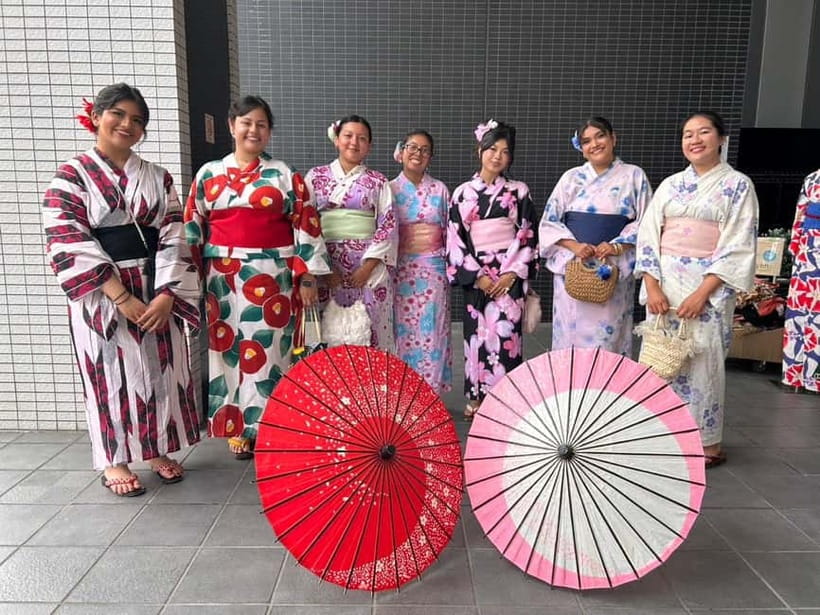
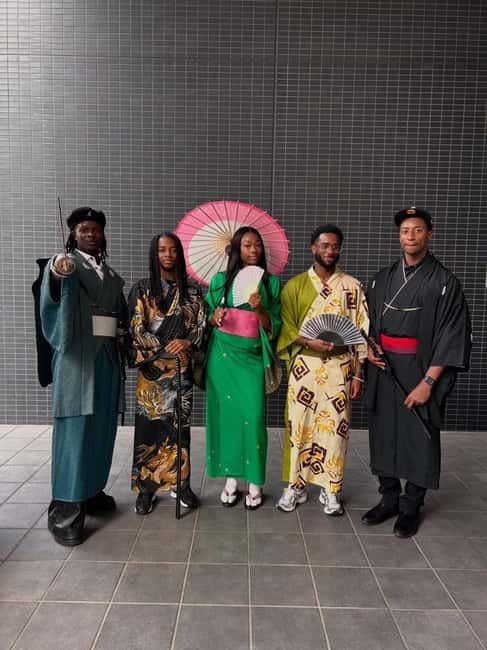
One of the smartest parts of this experience is that the kimono rental is not just the outfit. You get a full set designed for wearing comfortably and looking right on camera.
Included in the kimono set:
- Kimono (or yukata in summer)
- Obi belt
- Socks, shoes, and a bag
- Innerwear
In winter, men receive a haori jacket. That detail is small, but it changes the experience. A kimono can look great while you’re indoors, but in Kyoto you’ll be outside long enough for warmth to matter. The haori helps you keep your photos and your comfort going.
Another practical win: there’s free luggage storage. This is useful if you’re arriving by train with bags, or if you’re bouncing between Kyoto sights that day. You don’t need to lug everything around while dressed in kimono, and that helps you move like a normal person.
And you don’t have to worry about the outfit becoming a “one-and-done.” You can change and return the kimono at the same location where you enjoyed the matcha. Or, if it fits your day better, you can go back to Kyoto Station to change there. (Returning to Kyoto Station itself afterward is not included, so plan transport accordingly.)
If you care about photos, this kind of complete package is also a big deal. You get the right footwear and accessories, which means less time adjusting and more time exploring.
Calligraphy Class to Set the Tone: A Short Culture Moment Before Tea
The day plan includes a calligraphy class step early on (with a one-hour visit block built into the schedule). Even if you’re not chasing “master level” calligraphy, it’s a great warm-up. You’re already dressed in traditional clothing, and calligraphy is a simple way to connect to Japanese aesthetics before you move into the tea setting.
Because English-speaking staff are part of the experience, you should expect guidance through what you’re doing, instead of standing there wondering how to start. The bigger value here is the pacing. You’re not rushing from dressing to photos. You get a structured activity that gives the kimono time to feel meaningful, not just costume.
A small caution: calligraphy can be a bit of fine-motor work. If you’ve got limited hand stamina, you may want to think ahead about breaks and water during the day. Nothing is listed as medically restrictive beyond the general restrictions, but practical comfort matters when you’re wearing sleeves and obi.
Ichinenzaka 362 Café: Matcha You Whisk Yourself in a Tatami Room
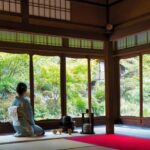
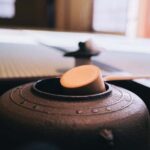
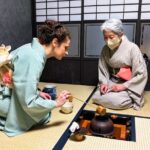
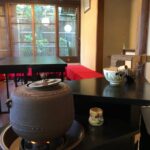
This is the center of gravity for the experience. At Ichinenzaka 362 Café (near Kodaiji Temple), you’ll sit in a tatami room of a renovated townhouse. You’ll watch a short tea ceremony, then whisk matcha yourself and enjoy your own bowl.
That hands-on part is the difference between “watching a demonstration” and doing something memorable. Whisking matcha is a simple motion, but it also makes you pay attention. Your matcha stops being an abstract drink and becomes a small skill you just performed.
Time-wise, the tea ceremony portion runs about 30 minutes. That’s long enough to feel like an experience, but short enough that you’re not stuck indoors all day. For many people, that balance is the sweet spot. You get the cultural moment, then you still have time for a kimono walk outside.
Because the staff are English-speaking, you’re also less likely to feel lost. You’re guided through what’s happening, so you’re free to focus on the sensation: aroma of matcha, the sound of the whisk, and the texture of froth.
And based on the strong reviews, the matcha moment is where the enthusiasm comes from. People rave about the artful process and the fact that you actually make your own matcha, not just observe.
If you’re photo-minded, this café break is also practical: it’s an indoor setting where your kimono looks great without battling crowds at every turn.
Kiyomizu-dera Area Photo Walk: Traditional Streets, Kimono-Ready Streetscape
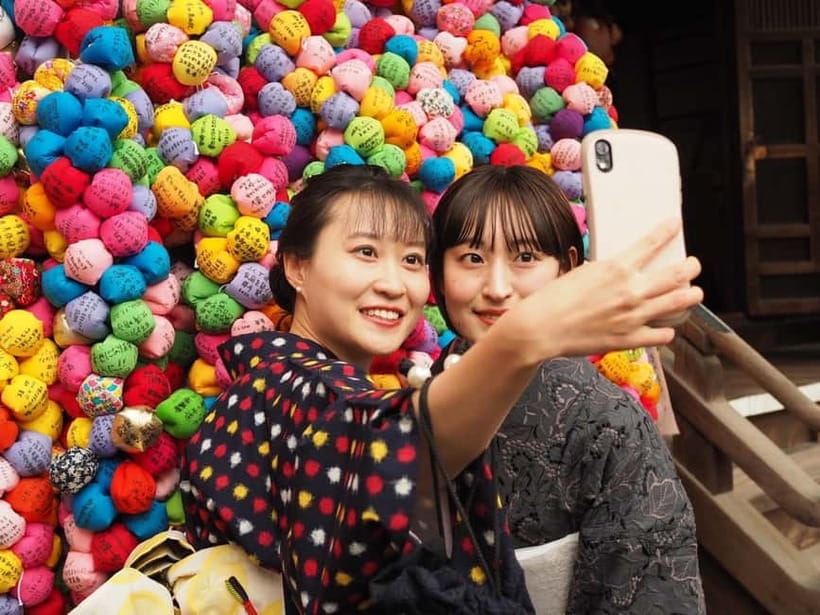
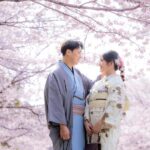
After tea, you’ll stroll through the traditional streets near Kiyomizu-dera wearing your kimono. This is the part that turns the day from “activity” into “Kyoto memory.”
Kiyomizu and the surrounding lanes are known for wooden houses and traditional shops, and the contrast with a kimono outfit makes it feel like you’ve stepped into a film still. The experience is set up so you can take photos among emblematic streets and classic scenery without needing to coordinate separate transport.
The practical advice here is timing and pacing. Kyoto photos take longer than you think. Even if you feel done in 10 minutes, you’ll spot one more shopfront you want to photograph. Because the kimono must be returned by 5:30 pm, don’t leave the slow wander for too late.
Also, consider what you’ll do if it rains or gets cold. A kimono is breathable but not built for weather challenges. Since winter includes a haori for men, you might be more comfortable seasonally, but the schedule still asks you to spend time outdoors afterward.
If you’re visiting for the first time, this photo walk is a smart way to get iconic images without trying to plan a detailed route from scratch.
Wander Kyoto in kimono a little longer
Price and Logistics: Getting Value From the $50
The price is listed at about $50 per person for a 1-day experience, and that number makes more sense when you look at what’s included.
Included:
- Kimono set (normal plan)
- Matcha experience (with hands-on whisking)
- One-way taxi from Kyoto Station to the Kiyomizu area
That taxi piece matters more than most people expect. Kyoto can be confusing to navigate when you’re dressed up and trying not to spill your day onto the street. A private taxi reduces friction and helps you keep the day on schedule.
Then you’re getting a full outfit package (including shoes, socks, bag, and innerwear) plus a structured tea experience in a specific café setting (Ichinenzaka 362 Café). For a single-day plan, that’s a lot packed into one window—especially since the time commitment is manageable.
What’s not included:
- Anything besides the kimono set and the matcha experience
- Transportation after the experience
So the value is strongest if you’re using Kyoto Station as your base and you’re happy to either return the kimono at the same location or handle any final transport on your own.
There’s also a flexibility angle built in: free cancellation up to 24 hours in advance for a full refund, and a reserve-and-pay-later option. That lowers risk if your Kyoto day plan is still shifting.
Timing, Check-ins, and Return Fees: The Part That Can Make or Break Your Day
This experience is time-bound, and that’s not a bad thing. It just means you need to structure your day around it.
Key timing points you should plan for:
- Kimono rental runs 9:00 am to 6:00 pm
- Last check-in is 3:00 pm
- Return by 5:30 pm
- Matcha café runs 10:00 am to 6:00 pm
- Last order is 5:30 pm
If you want the best experience, aim for an earlier start. You’ll have more room for dressing time, calligraphy, tea, and then a relaxed kimono walk near Kiyomizu-dera.
If you need the kimono returned the next day, next-day return fees apply:
- 9:00 am to 10:00 am: +1,100 yen
- 10:00 am to 6:00 pm: +2,200 yen
One more detail that’s easy to miss: you can return at the same place where you enjoyed matcha, or go back to Kyoto Station to change there. Just remember that transport back to Kyoto Station afterward is not included—so plan your final move accordingly.
Who This Fits Best (and Who Should Skip It)
This is a great fit if you want a single-day Kyoto experience that combines traditional style with a hands-on cultural activity. It’s especially good for:
- First-time Kyoto visitors who want a structured plan
- People who care about photos and want kimono-ready streets nearby
- Couples (the experience supports a private group feel and is popular for shared photos)
- Travelers who want English-speaking staff for confidence and clarity
It’s also not a “show up and improvise” situation. The time windows and fitting requirements work best when you follow the schedule.
Important restrictions listed:
- Not allowed: pets
- Not allowed: alcohol and drugs
- Not suitable for pregnant women
- Not suitable for people over 95 years
If any of those apply, it’s better to choose a different Kyoto activity. For others, the kimono rental + matcha format is a sweet way to slow down and see Kyoto through two classic lenses at once: traditional clothing and tea ritual.
Should You Book This Kyoto Kimono and Matcha Experience?
I’d book this if you want an experience that is both culturally meaningful and practical. The biggest selling points for me are the station-side convenience (Hachijo exit), the guidance in English, and the hands-on matcha moment at Ichinenzaka 362 Café. Add in the one-way taxi and the fact that you get a complete kimono set, and it’s strong value for a single day.
I’d think twice if your plan relies on being out late in the Kiyomizu area. The kimono return deadline of 5:30 pm is real, and it can squeeze your photo timing. If you’re the type to get distracted by side streets (in a good way), start earlier.
If you’re ready for a classic Kyoto look, plus a tea experience where you actually whisk your own matcha, this is a very solid way to spend your day.
FAQ
Where is the kimono rental starting point?
The kimono rental starts at the MK Kimono Rental Mimosa Hachijo-guchi store in the Kyoto Station area, in front of the Hachijo exit.
How much does the experience cost?
The price is listed as $50 per person.
What’s included in the kimono set?
The kimono plan includes the kimono (or yukata in summer), obi belt, socks, shoes, bag, and innerwear. Men also receive a haori jacket in winter.
Is the matcha experience hands-on?
Yes. You watch a short tea ceremony, then whisk frothy matcha yourself and enjoy your own bowl of tea.
How long is the tea ceremony part?
The tea ceremony experience is listed at about 30 minutes.
Is transportation included?
A one-way private taxi from Kyoto Station to the Kiyomizu area is included. Transportation after the experience is not included.
Can I return the kimono the next day, and what does it cost?
You can return it the next day for an extra fee. Returns from 9:00 am to 10:00 am cost +1,100 yen, and returns from 10:00 am to 6:00 pm cost +2,200 yen.
More Tour Reviews in Kyoto
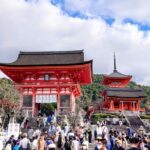

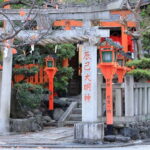
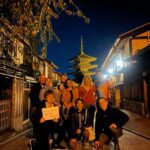
More Kimono Days in Kyoto
One More Bowl of Matcha
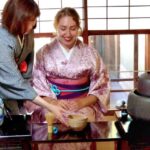

Just added: more Kyoto tours to browse




Kyoto Tea Ceremonies, compared.
 ★ 4.9Tea Ceremony in a Traditional Tea House in KiyomizuFrom $493,519 reviews
 ★ 4.9Tea Ceremony Ju-An at Jotokuji TempleFrom $293,207 reviews
 ★ 4.345-Minute Tea Ceremony Lesson ExperienceFrom $222,378 reviews
 ★ 4.9Table-Style Tea Ceremony at a Kyo-MachiyaFrom $451,211 reviews
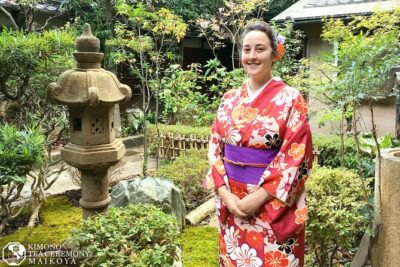 ★ 5.0Kimono Tea Ceremony at Kyoto Maikoya, NISHIKIFrom $65911 reviews
 ★ 5.0Arashiyama Bamboo Forest, Monkeys, Matcha & Temple TourFrom $53759 reviews
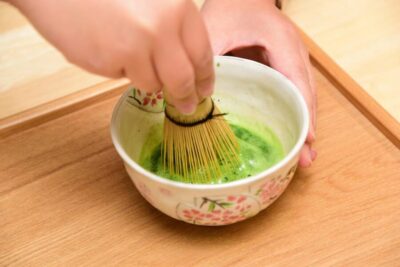 ★ 4.9Tea Museum Tickets and Matcha Grinding ExperienceFrom $23739 reviews
 ★ 4.9Kimono Tea Ceremony at Orizuruya GionFrom $49618 reviews
Browse the lists this tour appears in