
Reviewed · KYOTO TEMPLE & SHRINE TOURS
Kyoto: Kifune Shrine and the Sacred Kifune Valley Day Trip
A mountain shrine day can feel like a reset button. This Kifune Valley trip mixes an easy train ride, quiet shrine walks, and a rare water-divination stop. You’ll love the peaceful atmosphere around Kifune Shrine and the chance to add Nakamiya for a deeper, calmer visit. One thing to watch: the meeting point can vary by option, so double-check where to meet to avoid wasting time.
I also like how the pace is flexible, with a visit block plus time to wander and photograph the stream area. You get a live guide in English or Japanese, and the group is private, so questions don’t get lost in a crowd. The main drawback is simple: if you need a wheelchair-accessible route, this one isn’t suitable.
In This Review
- Key things to know before you go
- Kyoto to Kifune: a calm break from city pace
- The scenic train ride that sets your mood
- Start point options: match your booking to the easiest meet-up
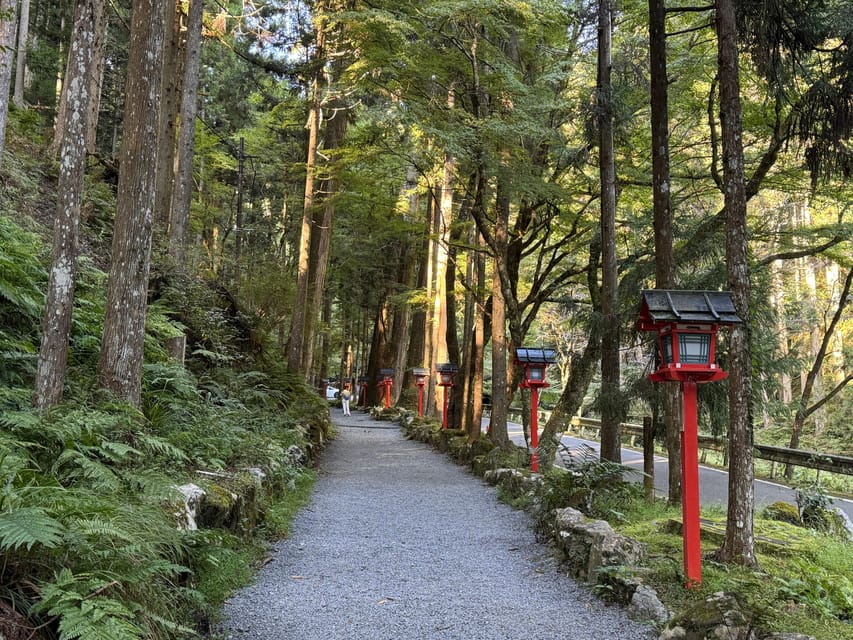
- Kifune Shrine main visit: quiet forest paths and a focused look
- Nakamiya (middle shrine): the extra stop that changes the mood
- The Mizu-ura water fortune ritual: a rare souvenir with real meaning
- Timing that fits a real day: from 90 minutes up to a full afternoon
- Walking comfort and what to bring
- Price and value: how $81 fits the experience
- Who should book this Kyoto-to-Kifune day trip
- Booking checklist: avoid the common frustration
- Should you book this Kifune Shrine day trip?
- FAQ
- How long is the Kyoto: Kifune Shrine and Sacred Kifune Valley day trip?
- How much does the tour cost?
- What is included in the tour price?
- Is there a live guide?
- Is this a private group tour?
- Where does the tour start?
- Where does the tour end?
- What drop-off locations are available?
- Is the tour suitable for wheelchair users?
- What should I bring?
Key things to know before you go
- Eizan Railway scenic ride from Kyoto area stations to the Kifune side of the mountains
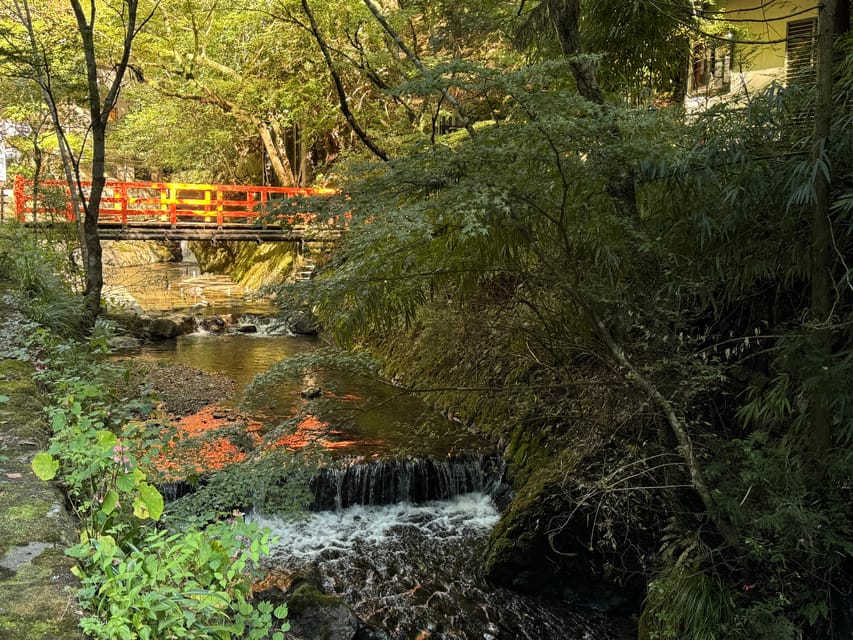
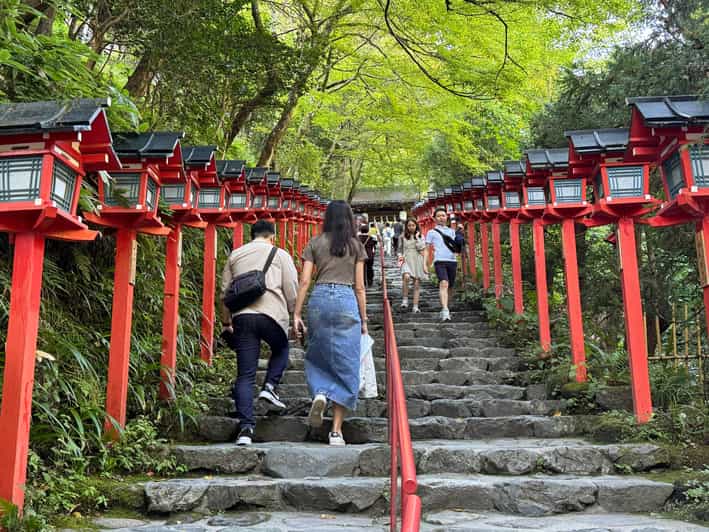
- Kifune Shrine main hall visit in a forested setting with clear streams
- Nakamiya (middle shrine) adds an extra spiritual stop beyond the first shrine area
- Rare Mizu-ura water fortune ritual for a memorable, hands-on experience
- Return by around 16:00 keeps the day trip from eating your whole afternoon
Kyoto to Kifune: a calm break from city pace
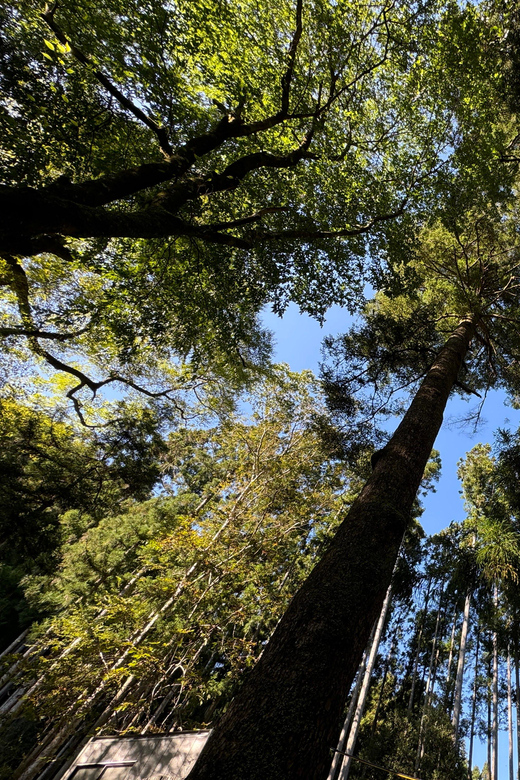
Kyoto is famous for temples. Kifune is famous for stillness. This day trip takes you just outside the city rhythm and into a mountain area where the setting does a lot of the work for you: forest cover, quiet paths, and stream sound that you can actually hear.
I like that this isn’t just a checklist of shrine photos. You’re guided through the spiritual stops in a way that makes the surroundings feel intentional, not incidental. And because it’s structured around the shrine grounds and a specific valley feel, you’re not left wondering what matters once you arrive.
The tour also has a couple of practical bonuses. You’ll ride by rail to the mountains instead of wrestling with multiple transfers, and you’ll have a guide to keep timing smooth so you can enjoy the walk rather than race it.
More temples and shrines to slow down in across Kyoto

The scenic train ride that sets your mood
The journey starts near Kyoto Station and then shifts onto the Eizan Railway. Your first step is getting from the JR side to Demachiyanagi Station, then boarding the Eizan line for the ride toward Kifune.
Here’s the value of that rail segment: it changes how the day feels. Even before you reach the shrine, the scenery and slower tempo make Kifune feel like a “day trip,” not a hurried add-on. It’s also a low-stress way to travel because the route is part of the experience plan.
If you’re the type who likes photos, use the ride for framing. Stream-side greenery tends to look best when you’re not trying to take a picture while walking uphill. Bring a camera, because the tour explicitly encourages it.
Start point options: match your booking to the easiest meet-up
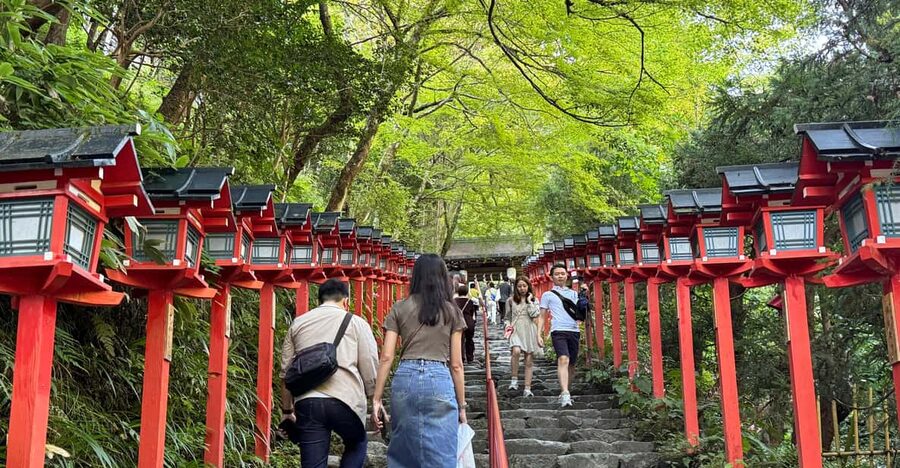
This is one of those small details that can make or break your day. Your meeting point depends on which starting option you booked, and the two options listed are 貴船一ノ谷観光トイレ or 鞍馬山大天狗.
Why this matters: if you show up at the wrong place, you can lose real time. There’s at least one cautionary experience out there about meeting-point confusion leading to a frustrating day. So your best move is simple. Before you leave, confirm the exact meet-up pin or text instructions for your selected option.
For many visitors, having two start points is still a win because it can align better with where you’re already staying or how you’re approaching the mountains. But only if you actually meet at the correct one for your booking.
Kifune Shrine main visit: quiet forest paths and a focused look
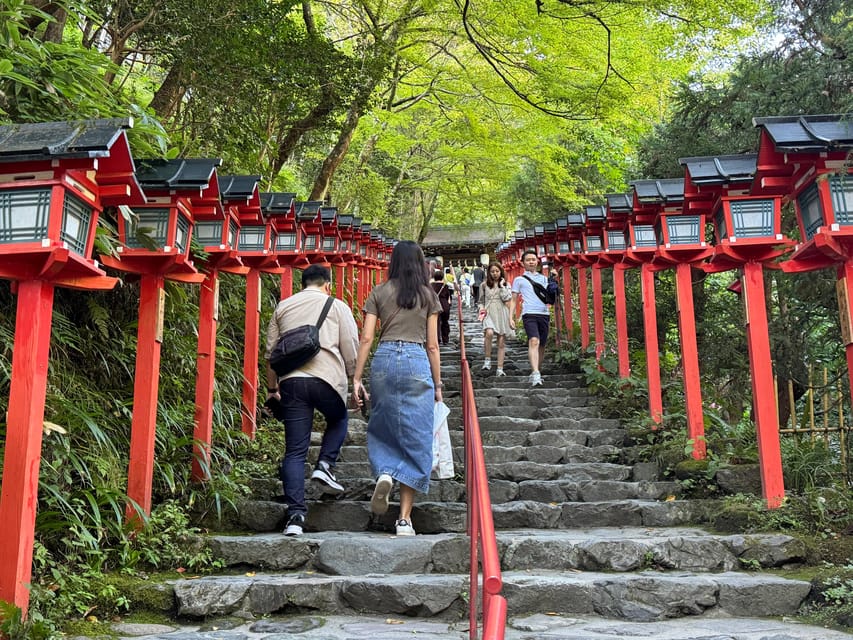
Once you reach Kifune-guchi Station, the tour continues to the main site of Kifune Shrine. The guided portion at the shrine grounds is about 30 minutes at the main stop, with time to walk around and take in the forest setting and clear streams.
What to expect here is a calm, nature-centered experience with a spiritual setting as the centerpiece. The shrine visit is described as including access to the main hall area, not just a quick pass. That difference is important. You’ll have time to slow down, look around, and let the surroundings set the tone.
The visit block is also a good opportunity to ask your guide practical questions. You can learn how the place is meant to be approached and what to notice as you walk. In past tours, guides such as Yoshi and Kisho Hasegawa have been praised for being kind and bringing helpful context about Japanese culture, which makes the shrines feel easier to understand.
Possible drawback: because this is a walking-based shrine visit, wear shoes that can handle uneven ground. The tour specifically asks for comfortable walking shoes, and you’ll thank yourself once you’re on the paths.
Nakamiya (middle shrine): the extra stop that changes the mood
After the main shrine area, you’ll go to Nakamiya, the middle shrine. This is the follow-up spiritual stop, and it’s the kind of add-on that makes a day trip feel more complete.
The reason I like this structure is that it changes your experience from photo-taking to something closer to a guided rhythm. You start at the main site, then you continue to a second stop that gives more perspective. The surroundings at Nakamiya also matter because the tour frames it as deeper connection and quiet reflection, not just another stamp in the itinerary.
Time-wise, the shrine walk portion is listed as about 1.5 hours total for this guided sightseeing and walking element (the tour has a broad duration range overall). In practice, you should plan on a steady pace rather than a marathon. That’s good news if you want to enjoy the mountain atmosphere without sprinting from one spot to the next.
Other Kyoto tours and experiences to compare
The Mizu-ura water fortune ritual: a rare souvenir with real meaning
One of the most distinctive parts of this tour is the included Mizu-ura water fortune ritual. It’s described as a rare water divination experience, which is a polite way of saying it’s not the typical tourist photo moment.
Even if you’re not the type to chase rituals, this one is worth caring about because it involves an actual interactive element with water. The tour includes it as part of the visit, so you’re not left deciding whether it’s “worth it” once you’re already tired and in line.
How it can help you as a traveler: it gives the trip a personal ending. Instead of your memory being only streams and shrine gates, you’ll have a specific moment tied to the place itself. That makes the day feel less like sightseeing and more like participation.
Practical note: the tour tells you to bring water and a camera. You’ll likely want water just for comfort, especially if you’re walking in warmer months. And you’ll want your camera ready, since the shrine area is naturally photo-friendly.
Timing that fits a real day: from 90 minutes up to a full afternoon
The tour length is listed as 90 minutes to 4 hours, depending on the starting time. That broad range is common for day trips tied to seasonal light and rail timing, but it also means you should plan your day with flexibility.
What’s consistent is the ending plan: you’ll return to Kyoto Station in the late afternoon, with the trip concluding by 16:00. That’s a helpful anchor. If you’re also planning dinner or an evening walk in central Kyoto, this timing gives you a reasonable buffer.
Private group also affects pacing. You’re not forced into the stop-and-go flow of a larger bus group. Instead, the guide can keep things moving while still giving you the chance to pause for views and photos when it makes sense.
If you hate uncertain schedules, you might find the duration range a little annoying. The fix is easy: choose your start time carefully and confirm what your specific booking says about the expected total duration.
Walking comfort and what to bring
This tour is not listed as wheelchair-friendly, so keep that in mind if you have mobility needs. For everyone else, the big physical factor is simply the walking.
The essentials the tour recommends are:
- Comfortable walking shoes
- Water
- A camera for the views
I’d add one more practical layer: wear weather-appropriate clothing. The tour centers on a mountain area and shrine grounds, which usually means you’ll be outside for at least part of the day. If it’s warm, hydration helps. If it’s cool, layers help you avoid sweating when you’re moving between shrine areas.
Also, bring a calm mindset. This isn’t the kind of outing where you race through and check boxes. The value is in the pacing and the quiet setting.
Price and value: how $81 fits the experience
The tour costs $81 per person. That might sound like a simple number until you break down what’s included.
You’re paying for:
- A guided visit to Kifune Shrine
- A visit to Nakamiya
- The included Mizu-ura water fortune ritual
- Rail-based transfer through the Kyoto-area to the Kifune side
- A live guide in English or Japanese
- A private group format
When I look at value, the ritual and guided timing are the deciding factors. If you were to do this on your own, you’d still have to figure out how to structure the shrine stops and decide what to do on-site. Here, the tour makes those decisions for you, and it wraps them in a guided explanation you can ask questions about.
The cost also becomes easier to justify because meals and beverages are not included. That means you can choose where and what to eat back in Kyoto without paying a bundled price for something that might not match your taste.
In short: if you want a calm, guided, structured day trip that includes the water ritual, the price feels reasonable. If you’d rather travel totally independently, you might spend less on logistics but you’d lose the guided context and included ritual.
Who should book this Kyoto-to-Kifune day trip
This works best if you:
- Want a serene mountain shrine day trip instead of another packed temple circuit
- Like guided interpretation that helps shrines make sense
- Prefer a structured plan with rail travel built in
- Are curious about the water fortune ritual as an authentic, hands-on cultural moment
- Enjoy photography in nature settings
It’s probably not ideal if you:
- Need wheelchair accessibility
- Hate walking on shrine paths
- Only want the fastest possible stop with no time for a second shrine visit
Private group travelers also tend to enjoy this format because you can ask questions without worrying about group noise. The guide in English or Japanese also makes it easier to get meaning from what you see.
Booking checklist: avoid the common frustration
Based on what can go wrong with meet-ups, I’d keep a quick checklist:
- Confirm your exact starting location (either 貴船一ノ谷観光トイレ or 鞍馬山大天狗)
- Keep your camera ready for the stream-and-forest views
- Wear walking shoes that you trust
- Bring water, especially if you’re going in warmer weather
- Don’t plan a tight schedule after the tour ends by around 16:00
One small planning step can save you from the most annoying scenario: arriving late at the wrong spot and losing the start of the day.
Should you book this Kifune Shrine day trip?
I’d book it if you want a quieter Kyoto experience with two shrine stops and an included ritual. The Kifune Shrine setting plus the added Nakamiya visit gives your day-trip feeling a real spine. And the Mizu-ura water fortune ritual is the kind of included activity that turns sightseeing into something you remember.
I would hesitate if you’re sensitive to walking or if meeting points make you nervous. This is simple, but the tour does depend on the correct start option. If you confirm that carefully, the rest is straightforward.
If you’re building a Kyoto itinerary and want one day to feel more like a retreat than a rush, this is a strong choice.
FAQ
How long is the Kyoto: Kifune Shrine and Sacred Kifune Valley day trip?
It’s listed as 90 minutes to 4 hours, depending on the available starting time.
How much does the tour cost?
The price is listed as $81 per person.
What is included in the tour price?
The tour includes visits to Kifune Shrine, the walking and sightseeing time, and the Mizu-ura Fortune Ritual. Meals and beverages are not included.
Is there a live guide?
Yes. The tour includes a live guide, and it can be in English or Japanese.
Is this a private group tour?
Yes, it’s listed as a private group.
Where does the tour start?
Meeting point may vary depending on the option booked. The two starting options listed are 貴船一ノ谷観光トイレ and 鞍馬山大天狗.
Where does the tour end?
The tour returns to Kyoto Station in the late afternoon, and it concludes by 16:00.
What drop-off locations are available?
Two drop-off options are listed: 貴船神社 and 灯篭階段.
Is the tour suitable for wheelchair users?
No. It’s listed as not suitable for wheelchair users.
What should I bring?
Bring a camera and water, and wear comfortable walking shoes.
More 1-Day Tours in Kyoto

More Tour Reviews in Kyoto
More Kyoto Temples and Shrines

Just added: more Kyoto tours to browse





Kyoto Temple & Shrine Tours, compared.
 ★ 4.9Tea Ceremony Ju-An at Jotokuji TempleFrom $293,207 reviews
 ★ 4.8Arashiyama Bamboo, Temple, Monkeys, or Secret Sake BreweryFrom $87886 reviews
 ★ 5.0Arashiyama Bamboo Forest, Monkeys, Matcha & Temple TourFrom $53759 reviews
 ★ 4.4Osaka/Kyoto: Arashiyama, Nara & Fushimi Inari Shrine w/LunchFrom $61754 reviews
 ★ 4.7Imperial Palace & Nijo Castle Guided Walking TourFrom $49453 reviews
 ★ 5.0Kyoto Zen Meditation & Garden Tour at a Zen Temple with LunchFrom $110441 reviews
 ★ 5.0Zen Experience in a Hidden TempleFrom $109437 reviews
 ★ 5.0KYOTO Tea Ceremony with kimono near by Imamiya Jinjya ShrineFrom $99343 reviews
Browse the lists this tour appears in