
Reviewed · KYOTO FOOD TOURS
Kyoto: Kaiseki Dinner at a Historical Townhouse
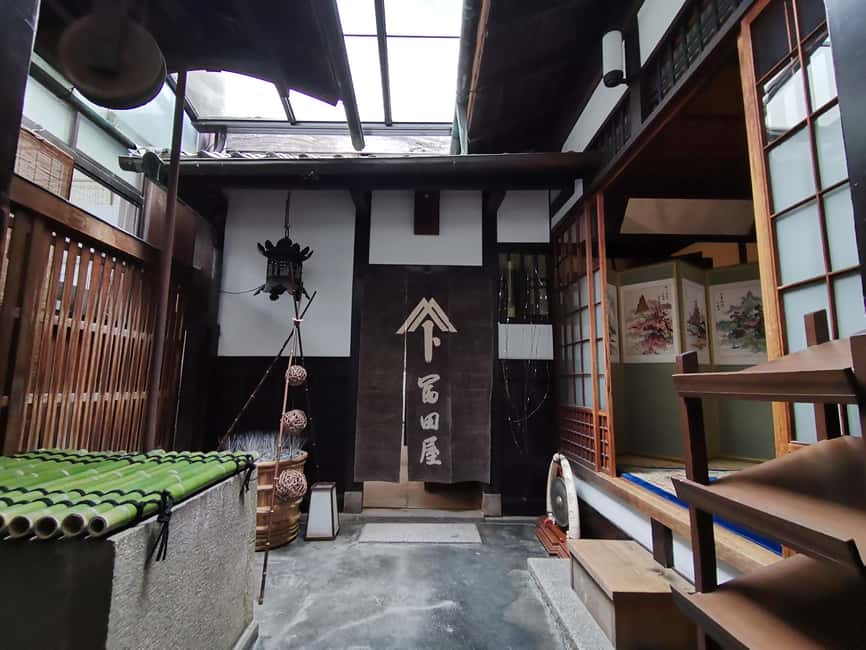
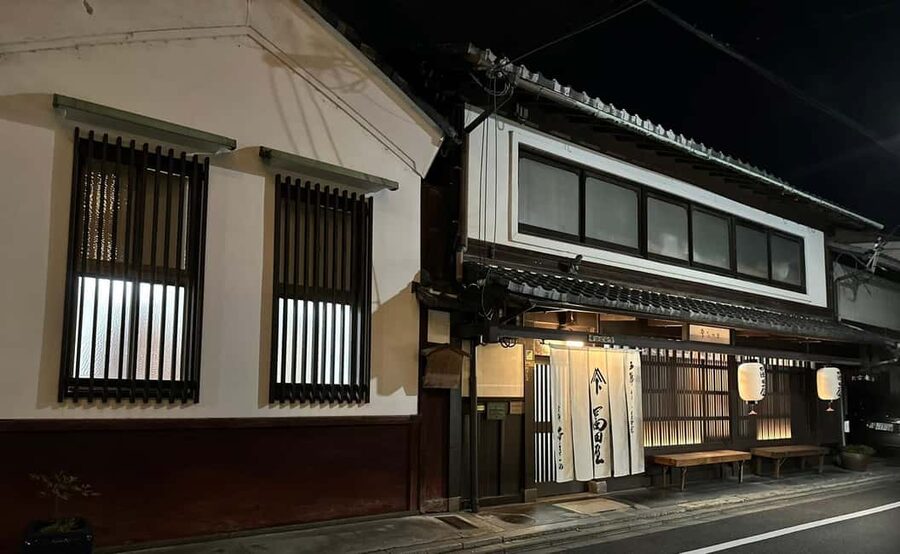
Nightfall turns Kyoto’s dining into theater. This Kyoto kaiseki dinner happens inside Tondaya, a 140-year-old machiya townhouse, where your evening starts with a guided look at the home itself. Then you settle in for a multi-course dinner while the garden outside glows softly with evening light.
I especially like two things: first, the chance to see a historical townhouse up close before the meal begins, and second, the fact that the chef can adapt the menu for vegan, vegetarian, gluten-free, and halal needs. One consideration: the flow of the evening can feel a bit fast—if you want long, slow storytelling during dinner, plan to ask for more explanation where possible.
In This Review
- Key things to look forward to
- Entering Kyoto’s 140-Year-Old Machiya (Tondaya)
- The House Walk: Artifacts, Staff Stories, and the Socks Rule
- After the Tour: How Kaiseki Shows Up Course by Course
- Dietary Options That Actually Matter (Vegan, Halal, Gluten-Free)
- Dining With a View: The Illuminated Garden Effect
- Timing and Group Feel: Private Dinner, Special Occasions, Business-Friendly
- Price and Value: Why $141 for Two Hours Can Be Worth It
- Who This Kaiseki Dinner Fits Best
- A Few Things to Plan Before You Go
- Should You Book This Kyoto Kaiseki Dinner?
- FAQ
- How long does the Kaiseki dinner at Tondaya last?
- Where is the meeting point?
- What is included in the price?
- Are drinks included?
- Can I request vegan, gluten-free, or halal options?
- What should I wear or bring?
- Is it suitable for wheelchair users?
- How many people do I need for a reservation?
- What languages are available during the experience?
- Are there any holiday closures or surcharges?
Key things to look forward to
- A 140-year-old machiya house visit at Tondaya, treated like a cultural landmark
- Seasonal kaiseki made by a seasoned Kyoto chef, adjusted for the season and occasion
- Multiple diet options including vegan, vegetarian, gluten-free, and halal (request in advance)
- Illuminated garden views from your dining space for a calm, Kyoto night mood
- Socks-only rule (no bare feet, and skip stockings or tights) to keep the traditional setup
Entering Kyoto’s 140-Year-Old Machiya (Tondaya)
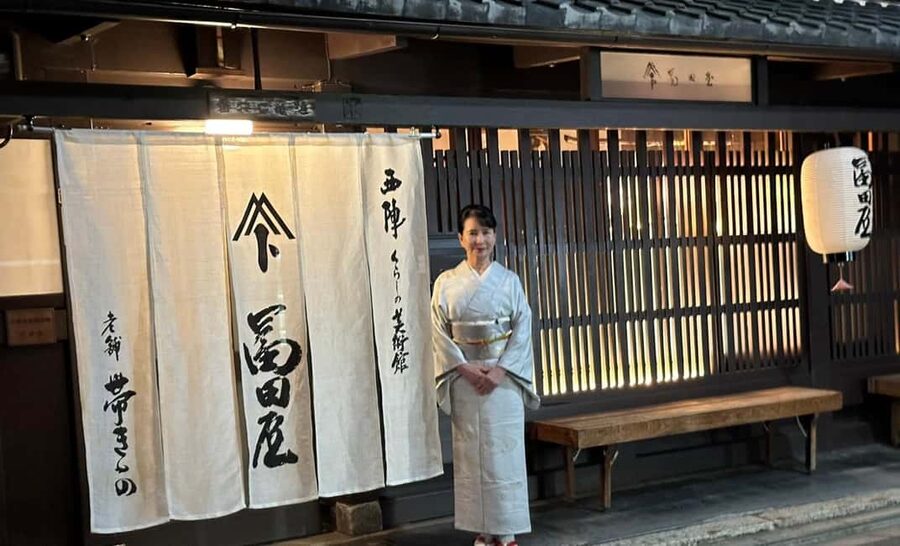
If you only eat in Kyoto, you miss a big part of the point. This experience is designed so the food connects to place. You start at Tondaya, a traditional machiya townhouse that’s been recognized as an important cultural property. Instead of walking in and getting seated, you’re pulled into the house first, with staff guiding you through what makes it special.
The atmosphere matters. Machiya townhouses were built for daily life—thin spaces, careful light, rooms that feel different from one another. Standing in that setting before you eat helps kaiseki make more sense. Kaiseki isn’t just a meal; it’s presentation, seasonality, and rhythm, and the house sets that tone.
You’ll also get a clearer sense of Kyoto’s layers: the townhouse isn’t presented like a museum item behind glass. You get to move through it, see artifacts, and hear stories connected to the property’s identity in Kyoto. That turns dinner from a one-hour stop into something more like a Kyoto evening you can remember.
Still hungry? More tastes of Kyoto

The House Walk: Artifacts, Staff Stories, and the Socks Rule
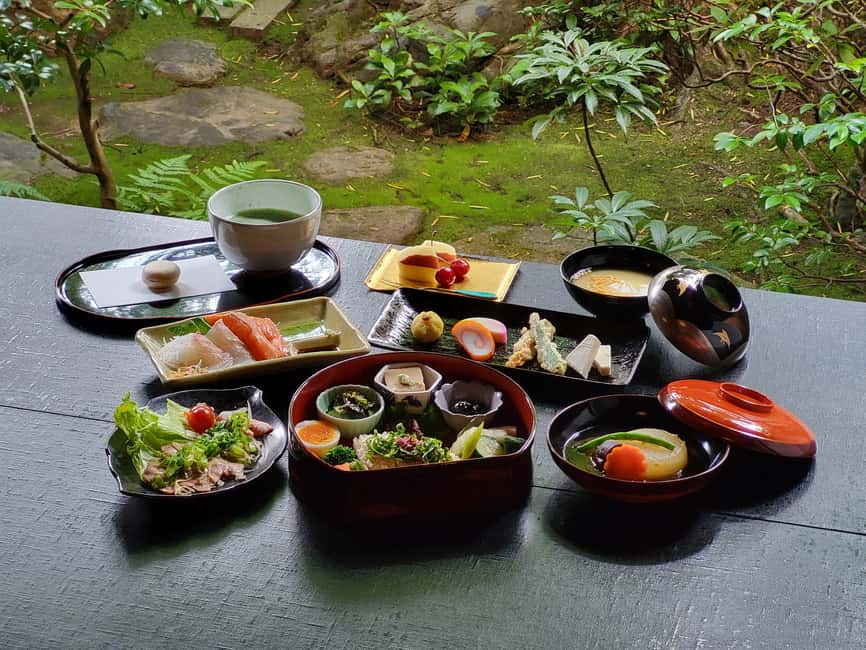
The house portion is more than a quick photo break. At Tondaya, you’re guided through the townhouse and introduced to historically valuable artifacts and stories tied to the home. It’s a nice pace at the start because it sets expectations: you’re in a cultural space, not just a dining room.
Here’s the practical part that really affects comfort:
- Bring socks. Bare feet are not allowed.
- Avoid stockings or tights.
This sounds minor until you’re standing there at check-in holding your socks like they’re a last-minute life choice. Wear socks you’re comfortable walking around in. You’ll be in a traditional indoor environment, and socks keep you aligned with the house rules.
Language support is also something to keep in mind. The host or greeter is available in English and Japanese, but not every staff member may speak English. If you need extra help, a translation device may be used. For me, that’s a good sign of preparedness: it means the explanations should still land, even if you don’t share one language perfectly.
And if you’re the type who enjoys details, you’ll likely appreciate that staff are experienced in traditional arts such as kimono, tea ceremony, calligraphy, and ikebana. Even if you don’t get every art form fully demonstrated, the fact that people on site understand those traditions helps the experience feel coherent.
After the Tour: How Kaiseki Shows Up Course by Course
Once the house visit ends, you move straight into the dinner. What follows is Kyoto-style kaiseki, served as a multi-course meal. The key point here is not just the food—it’s the logic behind it.
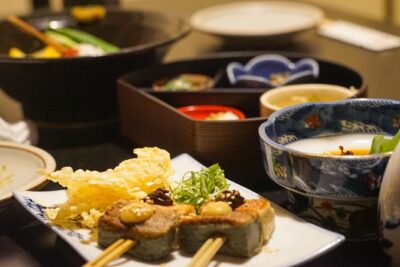
A seasoned Kyoto chef selects ingredients with seasonality in mind, and the menu can shift depending on the occasion. That’s the part that makes kaiseki feel different from a standard tasting menu. Instead of being only about variety, it’s about timing and seasonal expression—what Kyoto chooses to highlight at that moment.
You’ll get a full kaiseki dinner rather than a single set dish. That’s why the whole experience works well in a 2-hour window: the pacing is built around multiple small courses, served in a sequence meant to feel natural with how you’re seated and how the room is lit.
Dietary Options That Actually Matter (Vegan, Halal, Gluten-Free)
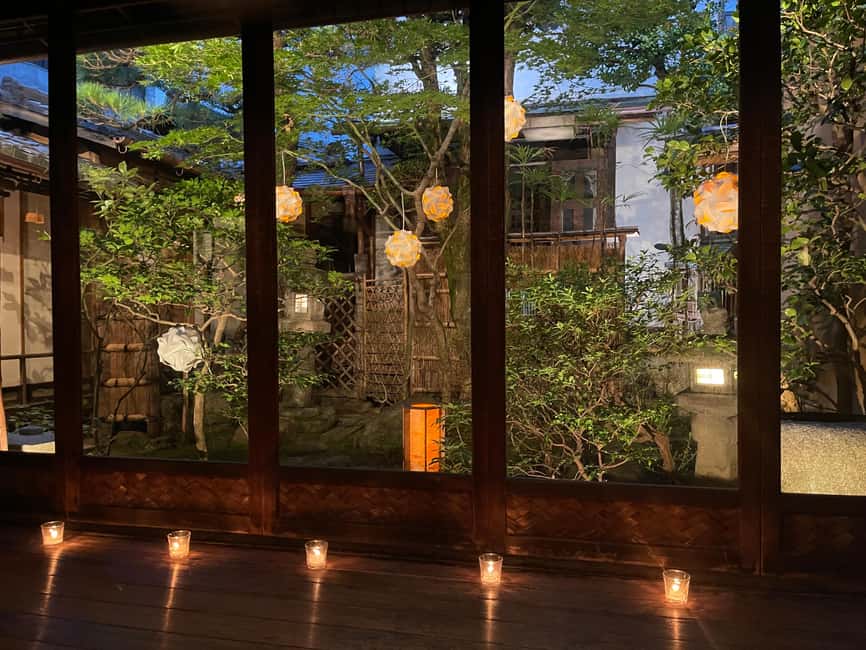
This is one of the best values in the offering: you can request vegan, vegetarian, gluten-free, and halal options. That’s not a vague promise. Kaiseki is all about ingredient choice, presentation, and balance—so if a kitchen can adjust for different dietary needs, it means you’re less likely to end up with a simplified or swapped plate that feels like an afterthought.
My advice: make your dietary request clearly when you book. If you have allergies or strict limits, tell Tondaya in advance. The experience explicitly asks you to inform them about food allergies or dietary restrictions, which tells me they take accommodation seriously rather than leaving it to guesswork.
Also, if you’re traveling with someone who eats differently than you, this kind of flexibility reduces stress. You can both stay in the same dinner flow rather than splitting into separate restaurant plans.
Dining With a View: The Illuminated Garden Effect
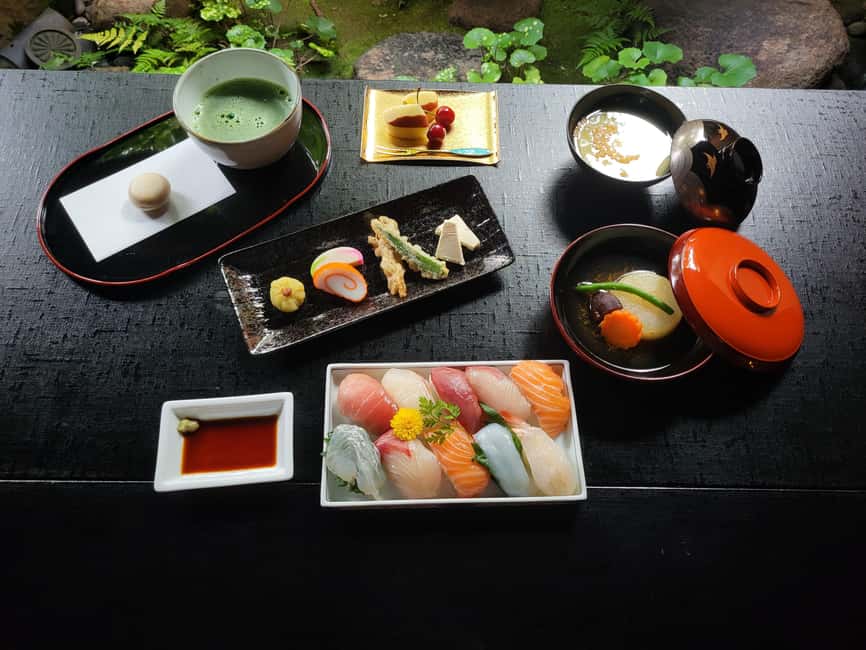
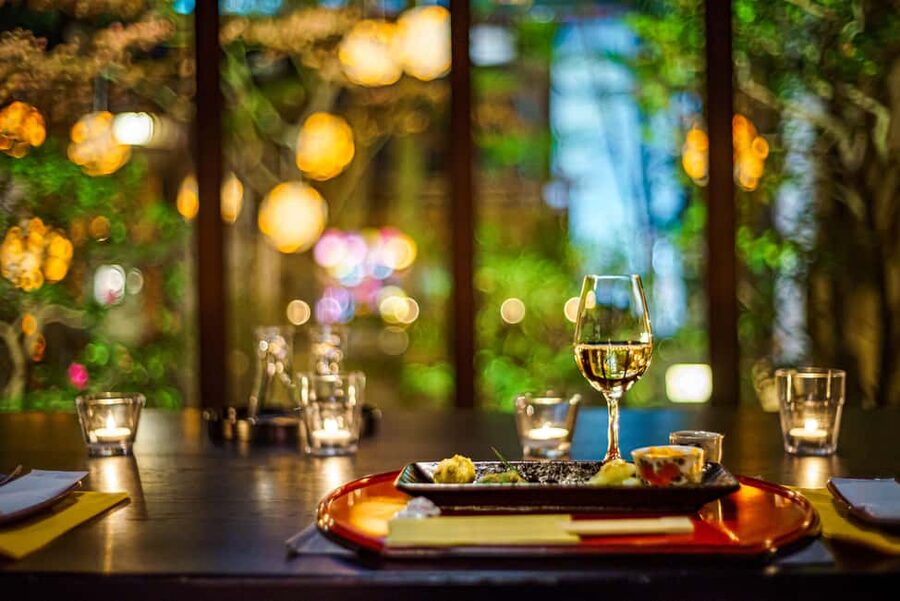
One of the quietly impressive parts of this evening is the setting while you eat. The meal is served while you look out at a beautifully illuminated garden. Soft lighting plus the townhouse atmosphere creates a calm mood that makes the courses feel like they belong together.
In Kyoto, lighting and architecture often do the heavy lifting for atmosphere. Here, you’re not just eating inside a building—you’re dining with an exterior view that changes the feel of each course. That matters because kaiseki is visual. It’s meant to be seen as well as tasted. Having a garden outside you can watch while the meal progresses makes the meal more like an event than a transaction.
It’s also a good choice for travelers who want something more intimate than a busy restaurant strip. The experience is built around quiet attention: house first, dinner second, and the whole environment supports that kind of focus.
Other Kyoto tours and experiences to compare
Timing and Group Feel: Private Dinner, Special Occasions, Business-Friendly
This is a flexible setup. The experience is designed for business gatherings, private parties, and special celebrations. If you’re planning a birthday, an anniversary, or a meaningful client dinner, the format gives you built-in structure: introductions through the townhouse, then a chef-driven multi-course meal, all in one place.
The “private group available” note is important too. It suggests you can keep your experience more controlled and comfortable than a fixed public group dinner where you have little control over pacing and attention. That matters if you’re bringing older parents, a group with mixed language comfort, or a small team that prefers calm.
Still, here’s the consideration I’d keep in mind: the dinner can feel like it moves quickly, and some people want more explanation during the meal itself. If you’re the type who reads every course label and asks questions, you can likely get what you need by engaging with staff when the house tour gives you context, and by clarifying what you want to know during the meal. If you’re more focused on tasting and don’t want extra talk, the pace might feel just right.
Price and Value: Why $141 for Two Hours Can Be Worth It
At $141 per person for a 2-hour experience, you’re paying for more than “dinner.” You’re paying for:
- A guided entry into a cultural landmark (the townhouse property)
- A traditional multi-course kaiseki meal
- A setting with an illuminated garden view
Drinks are not included, so you’ll want to account for any beverages you plan to add. But even with that in mind, the included elements make it easier to feel confident about the value.
In Kyoto, a lot of the cost of a special meal is the setting. This one does the setting in a way that supports the meal’s cultural meaning. Instead of paying mainly for a fancy location, you’re also paying for the context: the house tour and the cultural framing around the property.
So the value question becomes: do you want a standard meal, or do you want the full Kyoto-style evening? If you want the latter, this price starts to look reasonable because it includes both food and the cultural setting that makes kaiseki click.
Who This Kaiseki Dinner Fits Best
This is a great match if you:
- Want Kyoto food in a historic setting, not just a plated meal
- Appreciate seasonality and traditional cooking rhythms
- Need dietary options like vegan, gluten-free, or halal
- Plan a special night where atmosphere matters as much as flavor
You might skip it if:
- You strongly prefer wheelchair accessibility (this experience is not suitable for wheelchair users)
- You’re traveling without socks and don’t plan to buy or pack them
- You want a slow, talk-heavy dinner with lots of free time between courses
A Few Things to Plan Before You Go
To make the experience smooth, I’d treat preparation like part of the dinner itself.
- Pack socks and avoid socks-only surprises at the door.
- Wear clothing that works comfortably indoors; stockings or tights aren’t allowed.
- If you have allergies or strict dietary needs, tell Tondaya ahead of time.
- Arrive on time for your scheduled experience. With a timed format, arriving late can throw off the whole flow.
Meeting point can vary depending on the option booked, so double-check your specific confirmation details before you head out. And remember: reservations must be made for at least two participants.
Should You Book This Kyoto Kaiseki Dinner?
I’d book this if you want a Kyoto night that ties food to place. The combination of a machiya townhouse tour, a real kaiseki multi-course dinner, and the illuminated garden view is exactly the kind of experience that feels like Kyoto, not like a generic dinner with a theme.
If you’re on the fence, here’s the simple deciding question: do you care about the cultural atmosphere as much as the meal itself? If yes, this is a strong choice. If your priority is maximum mobility, slow pacing with lots of mid-dinner explanation, or drinks included in the price, look elsewhere or plan around those limits.
FAQ
How long does the Kaiseki dinner at Tondaya last?
The experience duration is 2 hours.
Where is the meeting point?
The meeting point may vary depending on the option booked.
What is included in the price?
You get a traditional Kyoto kaiseki meal, entrance to a cultural landmark, and a view of a beautifully illuminated garden.
Are drinks included?
No. Additional drinks are not included.
Can I request vegan, gluten-free, or halal options?
Yes. You can request vegan, vegetarian, gluten-free, and halal options upon request.
What should I wear or bring?
Bring socks. Bare feet are not allowed, and you should refrain from wearing stockings or tights.
Is it suitable for wheelchair users?
No. This experience is not suitable for wheelchair users.
How many people do I need for a reservation?
Reservations must be made for a minimum of two participants.
What languages are available during the experience?
The host or greeter is available in English and Japanese. A translation device may be used when necessary.
Are there any holiday closures or surcharges?
Tondaya is closed on December 31 and January 1. From December 28 to January 5 (excluding the closed days), a 30% holiday surcharge applies to all experience fees.
More Historical Tours in Kyoto
More Tour Reviews in Kyoto






More Kyoto Food Tours

Just added: more Kyoto tours to browse








Kyoto Food Tours, compared.
 ★ 5.0Kyoto Night Foodie Tour in Gion (9+ dishes + 6 Sake tastings)From $1631,762 reviews
 ★ 4.7Kyoto Night All-Inclusive Eats and Streets, Gion and BeyondFrom $92601 reviews
 ★ 4.5Kyoto Nighttime All-Inclusive Eats and Streets, Gion and BeyondFrom $119464 reviews
 ★ 5.0Gion Food Tour 13 Dishes at 4 EateriesFrom $72408 reviews
 ★ 5.0Kyoto Foodie Night TourFrom $102376 reviews
 ★ 4.9Gion & Pontocho Food Tour with 13 DishesFrom $82235 reviews
 ★ 5.0Gion Local Food Tour (Taste 15 Dishes)From $94171 reviews
 ★ 4.7Local Food Tasting Tour at the Nishiki MarketFrom $78135 reviews
Browse the lists this tour appears in