
Reviewed · NIJO CASTLE TOURS
Kyoto Imperial Palace and Nijo Castle Walking Tour
Four historic stops, one day in Kyoto. This walking tour strings together Kyoto’s faith, street-level food culture, and the places where power lived and ruled, with a guide who keeps you moving and explaining what you’re seeing. You also get a mix of free-entry sites and one paid highlight, so it’s a good way to cover ground without turning your day into ticket paperwork.
I like the guide-led pacing—you’re not just dropped at landmarks, you’re walked through them in a way that makes the city feel connected. I also like the combo of temples + market + shogun-and-emperor spaces, so you get more than “pretty buildings.” People in the past booked this especially for the way guides answer questions and make the story clear, including for kids.
One consideration: it’s a full day with quite a bit of walking, and the Kyoto Imperial Palace isn’t a European-style gold-and-furniture showpiece. If you want a heavily decorated palace vibe, you may have to adjust expectations before you go.
In This Review
- Key Highlights Worth Marking On Your Map
- A One-Day Kyoto Hit: Imperial Palace, Nijo Castle, and Market Time
- Meeting Point at Kyoto Station: Why This Start Time Helps
- Stop 1: Higashi Hongan-ji Temple and the Big-Picture Buddhist Story
- Stop 2: Nishiki Market for Shopping, Snacks, and Quick Culture
- Stop 3: Nijo Castle and the Shogun’s Kyoto Visits
- Stop 4: Kyoto Imperial Palace Grounds and What to Expect
- Price and Logistics: What You’ll Actually Pay
- The Guide Makes the Difference: What You Can Learn in a Few Hours
- Walking Day Reality Check: Comfortable Shoes, Smart Pace
- Should You Book This Kyoto Imperial Palace and Nijo Castle Walking Tour?
- FAQ
- How long is the Kyoto Imperial Palace and Nijo Castle walking tour?
- What time does the tour start, and where does it meet?
- Is this tour private or shared with other groups?
- What’s included in the price?
- Are admission tickets included?
- Do I need to pay for public transportation?
- Is there a lot of walking?
- What happens if weather is bad?
Key Highlights Worth Marking On Your Map
- Two major culture anchors for free: Higashi Hongan-ji and Kyoto Imperial Palace come with free admission time in the plan.
- Nishiki Market with guidance, not guesswork: you get time to shop and snack, plus help spotting what to try.
- Nijo Castle as shogun headquarters energy: built for when the shogun visited Kyoto, so the focus is power and ceremony.
- A “compare and contrast” day: the palace and the castle are intentionally different, and a good guide will help you see why.
- Private tour format: it’s just your group, which often makes questions easier and the pace easier to manage.
- Built for real city movement: expect moderate fitness and a walking-first route starting at Kyoto Station.
A One-Day Kyoto Hit: Imperial Palace, Nijo Castle, and Market Time
This is the kind of tour that works best when your Kyoto time is limited. You’re packing the essentials into one day: a major Buddhist temple, Kyoto’s best-known food-shopping street, the residence of the shogun during visits, and the imperial family’s palace grounds. It’s a smart format if you want a broad first overview, then go back later to the spots that grab you most.
The tour runs about 7 hours with a 9:00 am start, and it ends back at the meeting point near Kyoto Station (Hotel Granvia Kyoto). That matters because Kyoto days can get expensive and stressful when you’re constantly changing transit plans. Starting by the station keeps your logistics simpler.
Price-wise, the tour is listed at $111.03 per person, which is reasonable for a guided day covering multiple paid and free locations. The catches: Nijo Castle admission isn’t included, and you’ll also likely pay for public transportation on top of the tour fee.
If you like structure—knowing where you’ll be next and why—this tour delivers. If you prefer roaming with no schedule, you might feel boxed in.
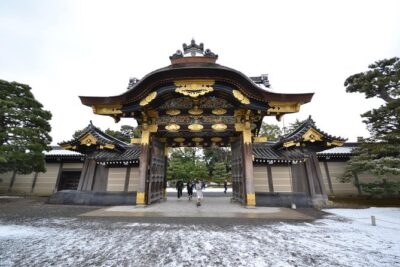
More of shogun-era Kyoto, starting at Nijo Castle
Meeting Point at Kyoto Station: Why This Start Time Helps
Your day begins at Hotel Granvia Kyoto, at the JR Kyoto Station Central Entrance. This is a big advantage for first-timers because you reduce “getting lost” time before you even begin. Kyoto has a lot of rail and bus options, and starting near the station makes it easier to arrive smoothly.
The tour is also private, meaning it’s only your group. That can be a big deal if you’re traveling with kids, multi-generational family members, or anyone who needs a slower pace. The itinerary still has walking blocks, but private format tends to keep the experience more human.
You’ll want to show up ready to move. The tour notes call for moderate physical fitness and warn about quite a bit of walking. Comfortable shoes aren’t a suggestion here—they’re the whole plan.
Stop 1: Higashi Hongan-ji Temple and the Big-Picture Buddhist Story
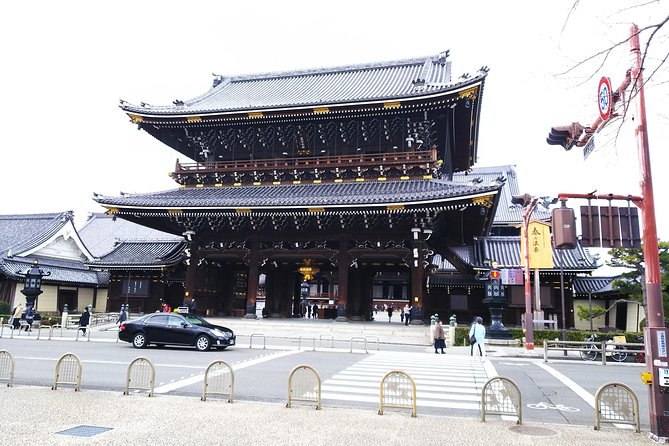
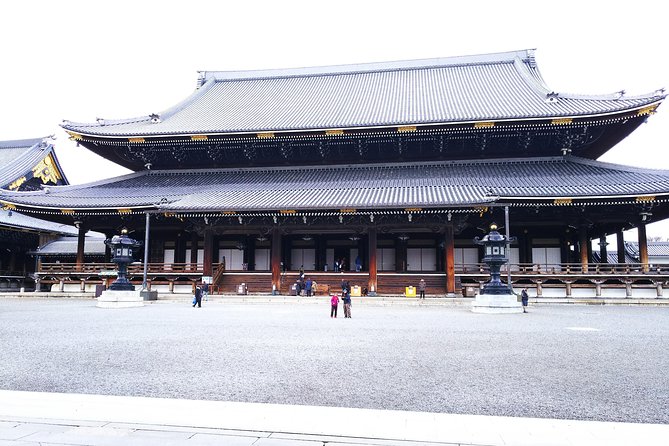
The day opens at Higashi Hongan-ji Temple, with about 30 minutes of time on site and free admission. This isn’t a random temple stop. It’s a way to set Kyoto’s spiritual backdrop early, before you shift into markets and political power.
Higashi Hongan-ji is presented as part of a large Buddhist community in Japan, with mention of Shingon Otani and a reported believer count of about 8 million. Whether you come in with zero background or you’ve studied Japanese Buddhism already, a good guide helps you connect the dots: religion here isn’t just museum content—it shaped everyday life and community habits.
Practical tip: in a place like this, you’ll get more out of your short visit if you keep one theme in mind while you look around. Ask your guide what people come here for, and what daily faith looks like compared to what you might imagine from the outside.
This first stop works because it gives your brain a “Kyoto context,” so later you’ll recognize how the city’s institutions—religious and political—played off each other.
Stop 2: Nishiki Market for Shopping, Snacks, and Quick Culture
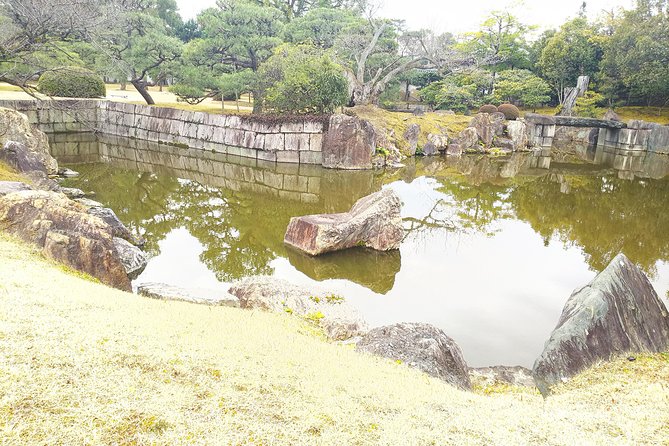
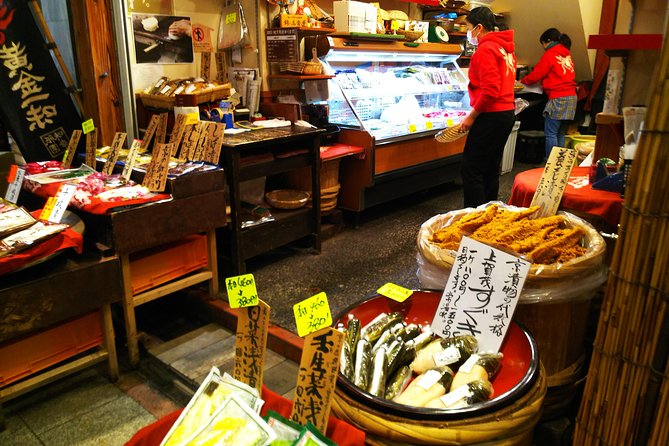
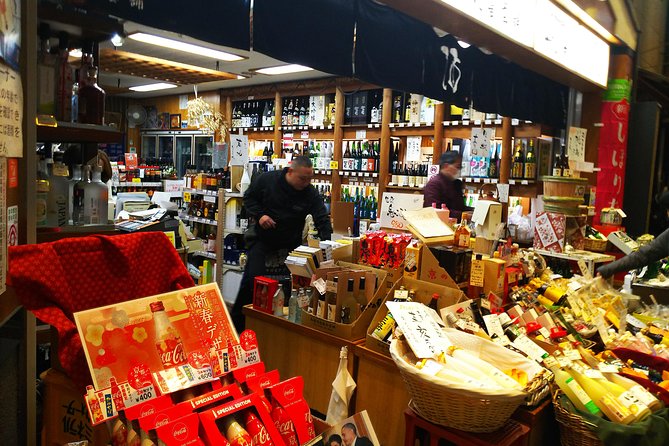
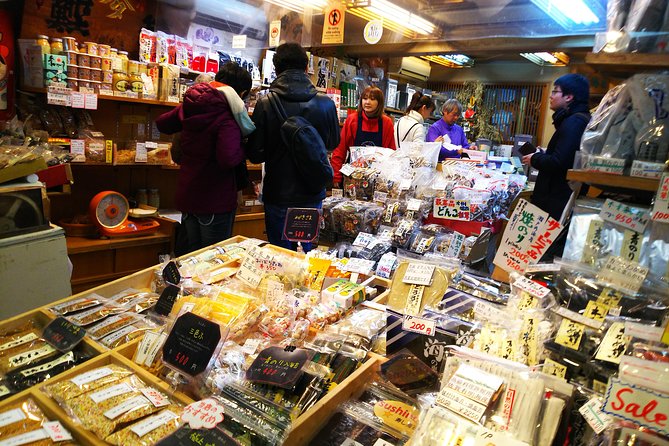
Next comes Nishiki Market, also with about 30 minutes and free entry. Nishiki is often described as the kitchen of Kyoto, and part of the story here involves water—there’s a claim underneath the district about a large water reservoir, which connects to Kyoto’s reputation for fresh food and flavors.
This is where you get the street-level Kyoto experience. The tour doesn’t turn the market into a scavenger hunt; it gives you time to shop and refresh. You can plan your “what to eat” moments with less stress because your guide can steer you away from wasted time and toward what makes sense for your taste and budget.
In past experiences, guides like Fuji have been praised for making food recommendations at Nishiki Market. If you’re the type who likes to ask questions, this is your moment: ask what to sample that won’t overwhelm you, and what’s best if you’re walking again right after.
One caution: 30 minutes sounds short because it is short. If you want souvenirs, go in with a simple plan: pick 1–2 snack items and one small gift. Save bigger shopping for a separate trip later.
Stop 3: Nijo Castle and the Shogun’s Kyoto Visits
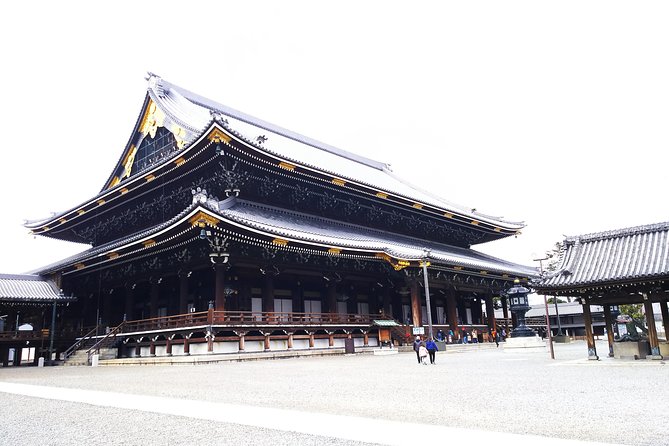
Then you hit Nijo Castle for about 1 hour, with admission not included (listed as ¥1,300 per person). This is the political counterpart to the temple stop—more ceremony, more authority, more built environment.
The story begins with a key historical pivot: in 1603, the shogun relocated the shogunate to Edo (today’s Tokyo). Nijo Castle is described as the place the shogun used when visiting Kyoto. That framing matters because you’re not only touring a castle—you’re touring a travel-period residence that shows how power moved with the calendar.
You’ll also hear about impressive interior decoration, including more than 1,000 gorgeous painted panels. That’s the kind of detail you miss if you rush through on your own. A guide helps you notice what you’re actually looking at, and why it mattered.
A very practical warning from experience: don’t expect the castle to function like a “two-hour photo stop.” It rewards time and attention. You only get about an hour, so keep your eyes open and ask quick questions when something catches your attention.
If Nijo Castle becomes your favorite stop, that makes sense. It’s a concentrated dose of how authority presented itself in architecture and design.
More temples and shrines to slow down in across Kyoto


Stop 4: Kyoto Imperial Palace Grounds and What to Expect
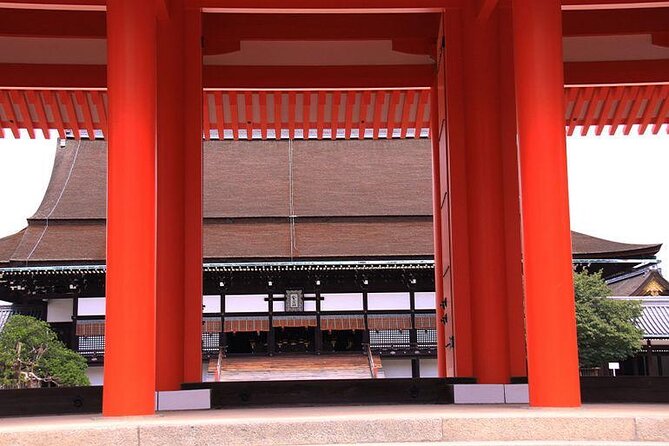
The final major site is the Kyoto Imperial Palace, about 1 hour 15 minutes and free admission. This is where you understand Kyoto’s earlier role as the imperial center—until the capital moved to Tokyo in 1868, the emperor’s family lived here.
The palace grounds cover a lot of space, and the key here is mindset. A guide can help you see why this isn’t built like a typical Western “palace museum” experience. One past review specifically warned that the palace won’t feel like a European palace full of furniture and gold, and that comparison is useful for your expectations.
Instead, treat it like a place where the setting and the layout tell part of the story. Think: how did the imperial family live within strict cultural forms? What does the space communicate about authority and tradition?
The palace time is longer than Nijo’s, and you may want to slow your pace a bit inside the grounds. If you’re prone to taking only quick snapshots, try doing one longer look at a time. That’s where meaning tends to land.
Price and Logistics: What You’ll Actually Pay
The headline tour price is $111.03 per person, but you should budget for a couple add-ons:
- Nijo Castle admission: ¥1,300 per person (not included)
- Public transportation: ¥1,000 per person (not included)
You’ll also want to account for the reality that you’ll likely spend some money in Nishiki Market for snacks and small purchases. The tour gives you shopping time for a reason.
Where the value comes in is the guided structure. You’re paying for someone to:
- connect the sites with a clear narrative,
- keep the schedule tight enough to fit everything into one day,
- answer questions so you don’t waste time guessing.
Past feedback also highlights strong English from guides, which is a practical part of value. When your guide can answer history and culture questions clearly—like guides Chie, Naoko, and Fuji have done for different groups—you can turn each stop into more than “I walked around.”
Also note: the tour mentions mobile ticket use and group discounts, and it’s often booked about 56 days in advance on average. If your dates are fixed, booking early helps you avoid “sold out while you think about it” timing.
The Guide Makes the Difference: What You Can Learn in a Few Hours
This tour’s reputation comes down to one thing: the guides. Several experiences praised guides for making the day fun and easy to follow, not just for reciting facts.
- Naoko was praised for being amazing, full of fun facts, and making the day enjoyable for kids.
- Chie was praised for knowing how to get around efficiently and for helping people understand that the palace and castle are different experiences on purpose.
- Fuji was praised for answering questions and for recommending good food at Nishiki Market.
You can use this to your advantage. When you book, treat the guide as part of your plan, not background noise. Ask questions like:
- What’s the main idea I should keep in mind at each stop?
- What detail should I look for so I understand what I’m seeing?
- If I only try one thing at Nishiki, what should it be?
A good guide won’t just answer—they’ll help you notice.
Walking Day Reality Check: Comfortable Shoes, Smart Pace
The tour calls out quite a bit of walking and “moderate physical fitness.” That’s not a dramatic warning, but it’s enough to shape your packing choices.
Bring:
- comfortable shoes you trust for long stretches,
- a light layer (temples and palace grounds can feel different than street level),
- a small plan for breaks (market time is built in, but don’t expect long sitting breaks).
Also, remember the time boxes:
- 30 minutes at each of the first two stops,
- about 1 hour at Nijo Castle,
- 1 hour 15 minutes at the palace.
That means you’ll need to choose what you want most: photos, shopping, or deeper listening. You won’t have time for all three at every stop.
Should You Book This Kyoto Imperial Palace and Nijo Castle Walking Tour?
Book it if you want a first-time Kyoto overview that covers major categories in one day: faith, food culture, and sites tied to Japan’s political leadership. It’s also a strong choice if you value a guide who can explain what you’re seeing clearly—especially if your group includes kids, or anyone who gets bored with long self-guided wandering.
Consider skipping or swapping to a different format if:
- you hate walking and want a slower day with more sit-down time,
- you mainly want a palace museum look with heavy furniture and decoration,
- you already plan to spend extra time in Nishiki and want a longer market experience.
If you want the essentials fast, this tour is a solid match. It’s structured, informative, and timed so you don’t lose your whole day to transit.
FAQ
How long is the Kyoto Imperial Palace and Nijo Castle walking tour?
It runs for about 7 hours.
What time does the tour start, and where does it meet?
The start time is 9:00 am, and it meets at Hotel Granvia Kyoto, at the JR Kyoto Station Central Entrance.
Is this tour private or shared with other groups?
It’s private—only your group participates.
What’s included in the price?
The included item is the guide fare. You’ll still need to cover some site and transit costs.
Are admission tickets included?
Not all of them. The listed admission fee not included is ¥1,300 per person, while the Higashi Hongan-ji Temple and Kyoto Imperial Palace have free admission in the tour plan. Nishiki Market time is also free.
Do I need to pay for public transportation?
Yes. Public transportation is listed as ¥1,000 per person and is not included.
Is there a lot of walking?
Yes. The tour notes say quite a bit of walking is involved, and you should have moderate physical fitness.
What happens if weather is bad?
The experience requires good weather. If it’s canceled due to poor weather, you’ll be offered a different date or a full refund.
More Tour Reviews in Kyoto





More Kyoto Temples and Shrines
More of Castle-Era Kyoto
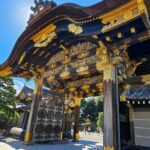
Just added: more Kyoto tours to browse








Nijo Castle Tours, compared.
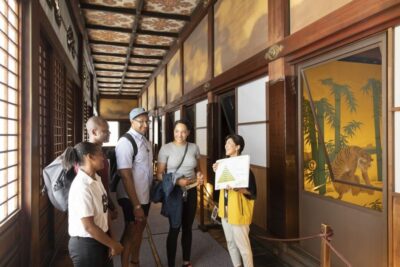 ★ 4.7Nijo-jo Castle and Ninomaru Palace Guided TourFrom $161,020 reviews
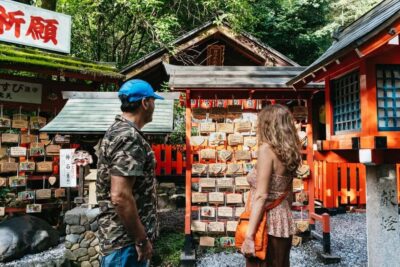 ★ 4.7Nijo Castle, Kiyomizu & Fushimi Inari Guided TourFrom $54700 reviews
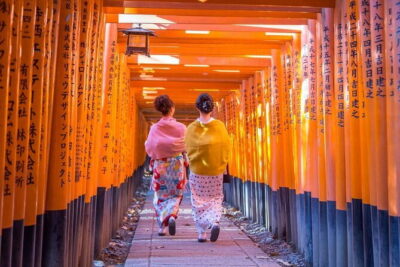 ★ 5.0Nijo, Kinkaku-ji, Arashiyama, Kiyomizu & Fushimi InariFrom $51699 reviews
 ★ 4.7Imperial Palace & Nijo Castle Guided Walking TourFrom $49453 reviews
 ★ 5.0Nijo Castle World Heritage Guided Tour with AdmissionFrom $39128 reviews
 ★ 4.5Kyoto Imperial Palace & Nijo Castle Guided Walking Tour – 3 HoursFrom $55106 reviews
 ★ 4.6Nijo Castle and Kyoto Imperial Palace Guided TourFrom $6398 reviews
 ★ 5.0Nijo Castle and Imperial Palace Visit with GuideFrom $7953 reviews
Browse the lists this tour appears in