
Reviewed · NIJO CASTLE TOURS
Kyoto: Nijo Castle and Kyoto Imperial Palace Guided Tour
Kyoto hits different when you trace politics through places you can still see. This Nijo Castle and Kyoto Imperial Palace guided tour turns two major sites into one connected story, with a guide who pulls in architecture, power, and everyday details of how Kyoto ran in earlier centuries. I especially like the way the guide keeps the mood moving from dramatic castle moments to the calmer, seasonal feel of the palace grounds (with guides such as Kayo, Nene, Taku, and Goku often praised for making the information stick).
My favorite part is the contrast: Nijo Castle shows authority in sound, space, and decoration, while the Kyoto Imperial Palace leans into elegance and garden beauty. One thing to plan for: palace access can vary, so if you’re hoping to see everything inside, you might end up with limited views and more exterior-focused time depending on what’s open that day.
In This Review
- Key things that make this tour worth your time
- Meeting at Nakadachiuri Gate: why the start matters
- Nijo Castle: Tokugawa Ieyasu’s power made visible
- The short walk between sites: history you can hear while moving
- Kyoto Imperial Palace: elegant architecture and seasonal garden moments
- A heads-up on what you may see
- How the guide turns monuments into a story (not a checklist)
- Duration and pacing: can you really see two big sites in 3 hours?
- Value for $63: what you’re paying for
- Practical tips: what to bring and what to wear
- Who this tour suits best (and who should consider alternatives)
- Should you book this Nijo Castle and Imperial Palace tour?
- FAQ
- Where is the meeting point?
- How long is the tour?
- How many people are in the group?
- What is included in the price?
- Are there any dress rules or restrictions?
- What should I bring?
Key things that make this tour worth your time
- Nijo Castle’s political theater: Tokugawa Ieyasu’s era explained through how the buildings communicate power.
- A real guide-driven pace: You don’t just walk through rooms; your guide ties the why to what you’re looking at.
- Kyoto Imperial Palace gardens in season: You get to see the seasonal beauty focus, not just the postcard architecture.
- Small group size (up to 9): Better questions, easier pace, less waiting around.
- A short walking transfer that teaches: The route between sites is used for discussion, not just movement.
Meeting at Nakadachiuri Gate: why the start matters
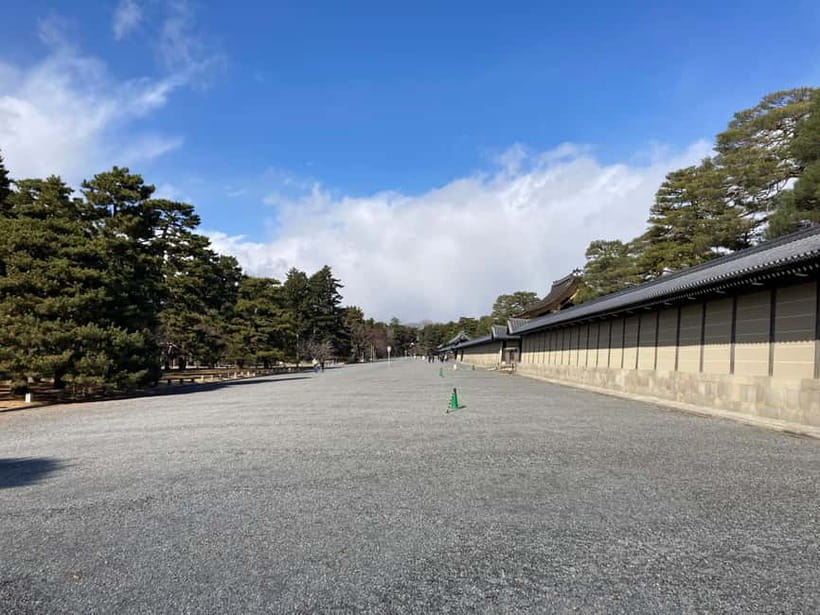
You meet at the Nakadachiuri Gate of the Kyoto Imperial Palace. Starting at the palace end is helpful because it sets the tone early: emperors, court culture, and how Kyoto symbolized order long before you step into the more openly forceful world of shogunal power.
Before you arrive, the provider contacts you so you can spot your guide quickly and avoid the usual “which one is the group?” stress. That sounds small, but in Kyoto—where gates look similar and walkways blend together—it makes your first 10 minutes feel smooth.
More of shogun-era Kyoto, starting at Nijo Castle
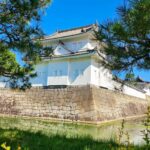
Nijo Castle: Tokugawa Ieyasu’s power made visible
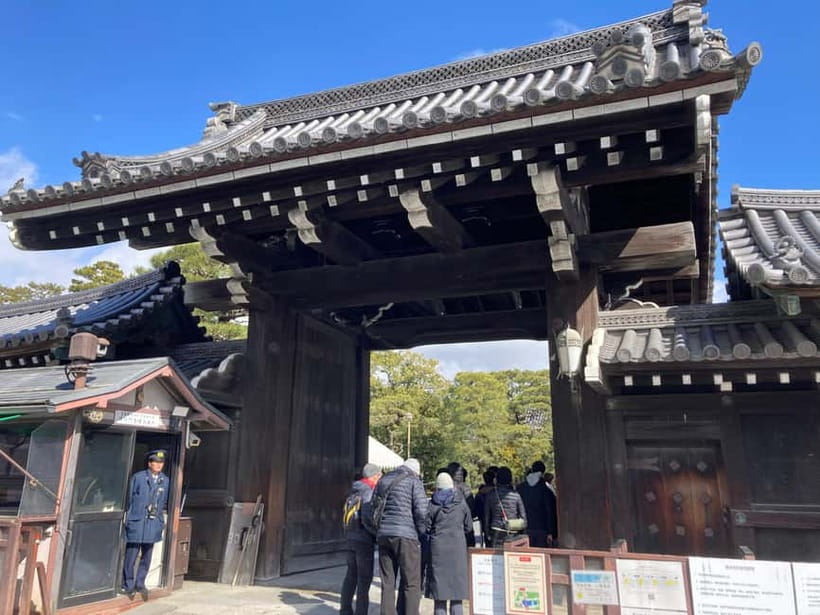
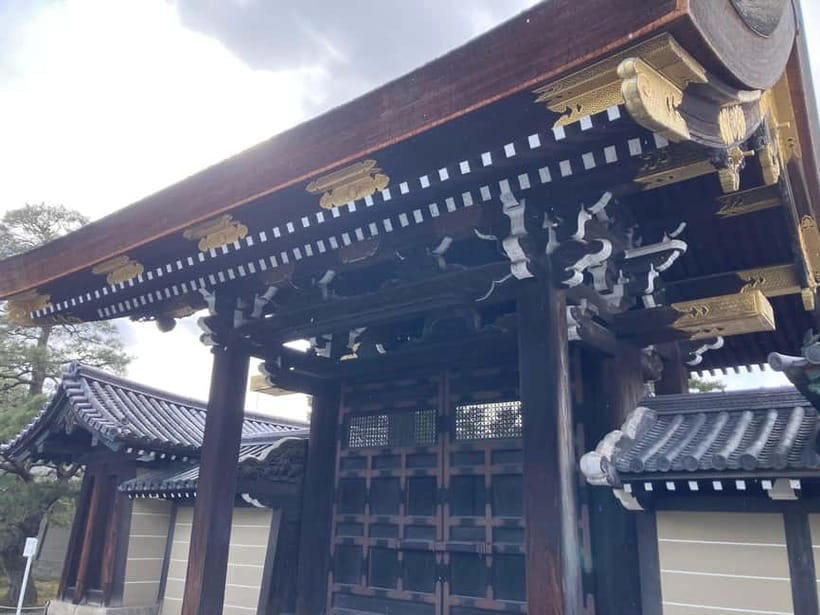
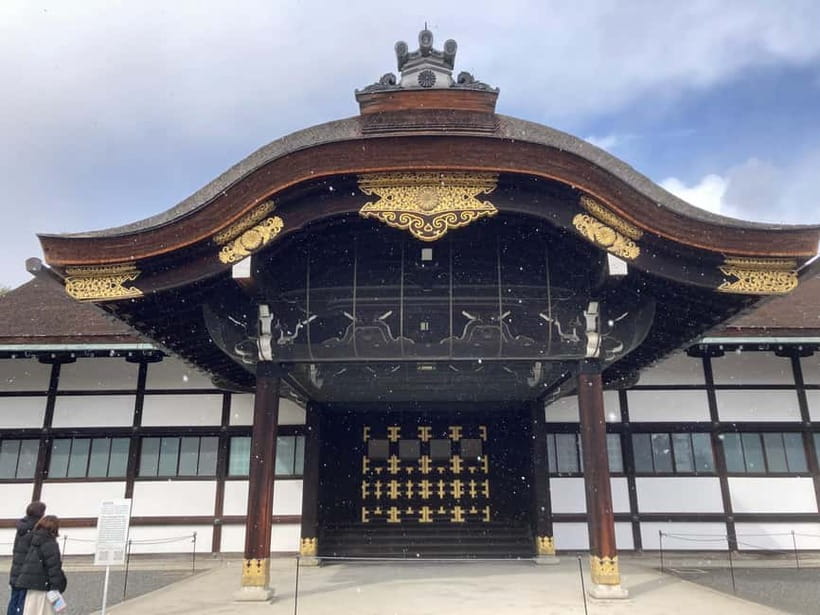
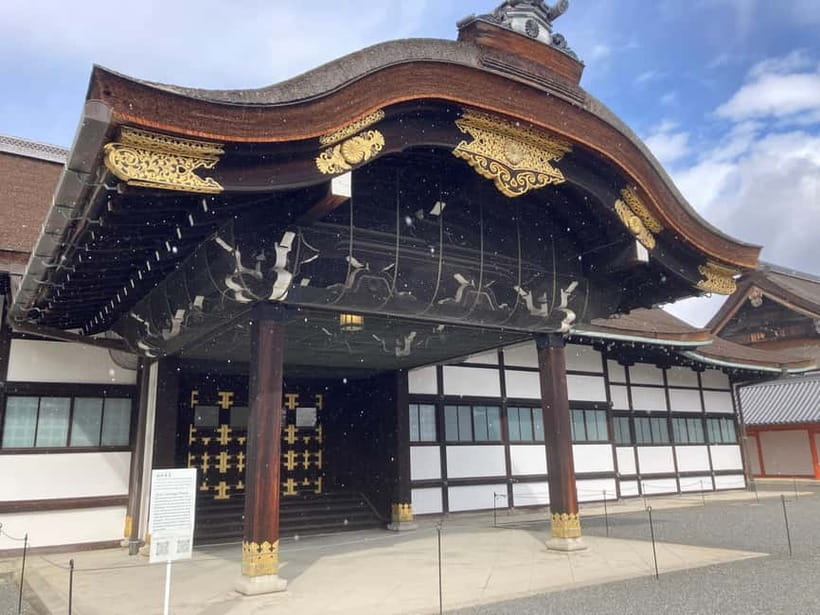
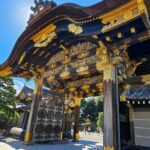
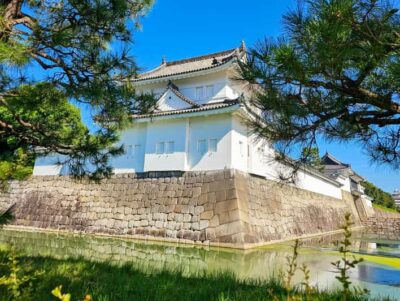
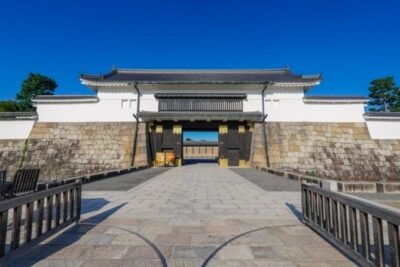
Nijo Castle is the showpiece for the tour’s big theme: authority. It was built by Tokugawa Ieyasu, and your guide uses that starting point to explain why the castle looks the way it does and what it was meant to communicate. If you like history that explains design, you’ll appreciate how the tour focuses on the architectural style and the political climate behind it.
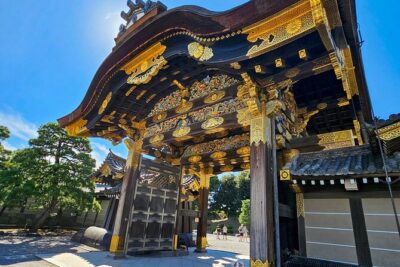
What I like about this stop is that it’s not just “cool buildings.” It’s power translated into details—lavish interiors, intricate craftsmanship, and spaces meant to impress. The ticket coverage includes Ninomaru Palace, so you’re not stuck with only the outer impression. Expect your guide to point out what you might otherwise miss, like how certain design choices signal rank and control.
One practical note: this is a walking tour, and castles can have rules about attire. No shorts is explicitly listed, so wear something that matches that. You’ll move through outdoor stretches too, so bring a camera if you’re chasing clean shots without rushing.
The short walk between sites: history you can hear while moving
You’re not just bouncing between distant bus stops. There’s a walk between the Imperial Palace area and Nijo Castle, and your guide uses that transfer time to keep the storyline going. One review mentioned the discussion continuing during about a 20-minute walk, which makes sense: your guide can connect “court” versus “shogunate,” and “emperor as symbol” versus “government as control.”
This is also where the small-group size helps. With up to 9 participants, you’re more likely to get your questions answered without the guide losing the whole class rhythm. If you’re traveling solo, it’s also the kind of tour where a guide can help with photos—useful if you don’t want to rely on strangers to take your picture.
Kyoto Imperial Palace: elegant architecture and seasonal garden moments
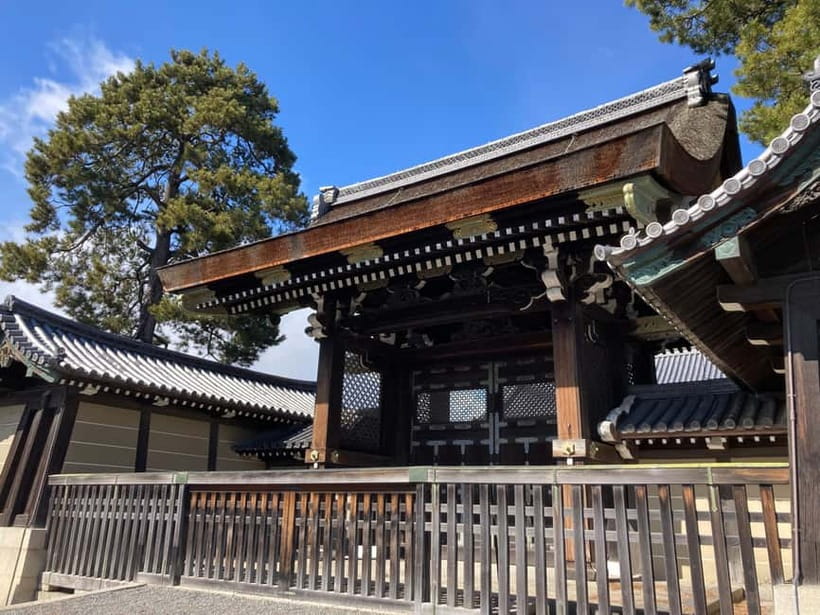
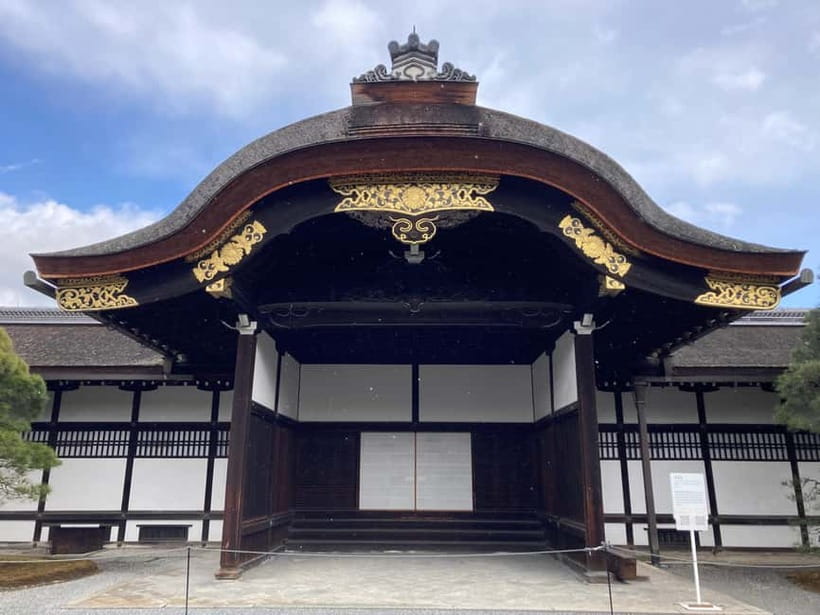
The Kyoto Imperial Palace is where the tour shifts gears. Instead of shogunal spectacle, you’re visiting the residence of Japan’s emperors, with a focus on refined aesthetics and the way gardens and grounds are designed to match seasonal beauty.
This is the stop for the “slow down” feeling. Even if you usually prefer temples and torii gates, you’ll likely appreciate the palace grounds because the guide frames them as cultural expression. The gardens are part of the point here, and you’re meant to notice how the scenery changes with the time of year—especially in spring when cherry blossoms can turn the walk into a photo mission.
Your tour also centers on architecture, so your guide should connect what you see to court life: why certain layouts mattered, how space worked for status and ceremony, and why this site feels different from castles. If you’re the type who likes to understand what you’re looking at before you take the picture, this palace portion is a good match.
A heads-up on what you may see
One review flagged that the Imperial Palace experience wasn’t optimal because only exteriors were visible. I can’t promise interior access, so if that’s your must-do, treat this tour as a chance to understand and photograph the grounds and structures that are open to visitors.
More temples and shrines to slow down in across Kyoto



How the guide turns monuments into a story (not a checklist)
A big reason this tour performs well is the way the guide handles the “why.” You’re not just getting dates. You’re getting connections between politics, architecture, and how power was performed—at Nijo Castle and within the Imperial Palace context.
Guides such as Kayo are noted for being both informative and funny, and guides like Nene and Taku are praised for clear explanations and answering questions without rushing you. Goku is another name that comes up repeatedly for tying history to culture and taking the time to respond to lots of questions, including the kind you might ask only after you’ve been standing there long enough to notice the details.
If your group has mixed interests—one person wants photos, another wants history—this is the kind of tour where the guide can often balance both, keeping the pace comfortable and the explanations relevant.
Duration and pacing: can you really see two big sites in 3 hours?
The tour is 3 hours, and that time box shapes everything. It’s long enough to see both main landmarks and get guided context, but short enough that you won’t feel stuck in a slow, tedious schedule.
You should think of it as a “best of with meaning” format. You get highlights at Nijo Castle and the Kyoto Imperial Palace without trying to cover every building or walkway in the entire complex. If you prefer to wander independently for hours, you might want to add extra free time after the tour for deeper exploring.
Group size also affects pacing. With a limit of 9 participants, you typically get a smoother rhythm than on larger tours, and the guide can keep attention on the key spots rather than herding people.
Value for $63: what you’re paying for
At $63 per person, this tour isn’t cheap, but it’s also not just paying admission and walking. You’re paying for:
- A professional English-speaking guide who interprets the sites
- Admission tickets (including Nijo Castle, Ninomaru Palace, and the Art Gallery)
- A guided walking route that connects the two locations
In plain terms, the value is strongest if you care about context—why these places look the way they do and what political power meant at the time. If you’re the type who reads a guidebook for 10 minutes and then wants to freestyle, you might decide to do these sites on your own. But if you want the monuments explained in a way that makes your photos and memories more meaningful, paying for a guide can be money well spent.
Practical tips: what to bring and what to wear
Here’s how to make the tour feel easy from the moment you leave the meeting gate.
Bring:
- A camera
- Cash (listed as something to have with you)
Wear:
- Nothing with shorts (explicitly not allowed)
That’s it on the provided list, so keep it simple. Also remember you’ll be outdoors for parts of the route, and Kyoto weather can change fast. Dress for comfort so you can focus on what the guide is pointing out.
Who this tour suits best (and who should consider alternatives)
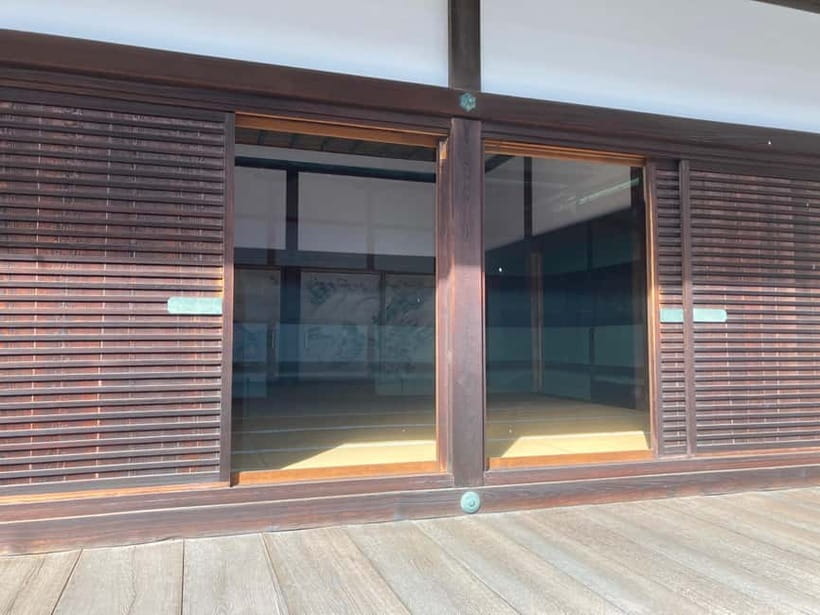
This works especially well if you’re:
- Short on time and want two Kyoto icons in one guided block
- Interested in how power, architecture, and politics fit together
- Traveling with mixed preferences and want someone to balance photos with explanation
- Traveling solo and appreciate help with directions and pictures
It’s not suitable for pregnant women, so plan on a different option if that applies.
If you already know a lot of Japanese history and hate guided pacing, you might feel constrained. But for most people, the 3-hour structure and small-group format keep the day efficient without turning it into a race.
Should you book this Nijo Castle and Imperial Palace tour?
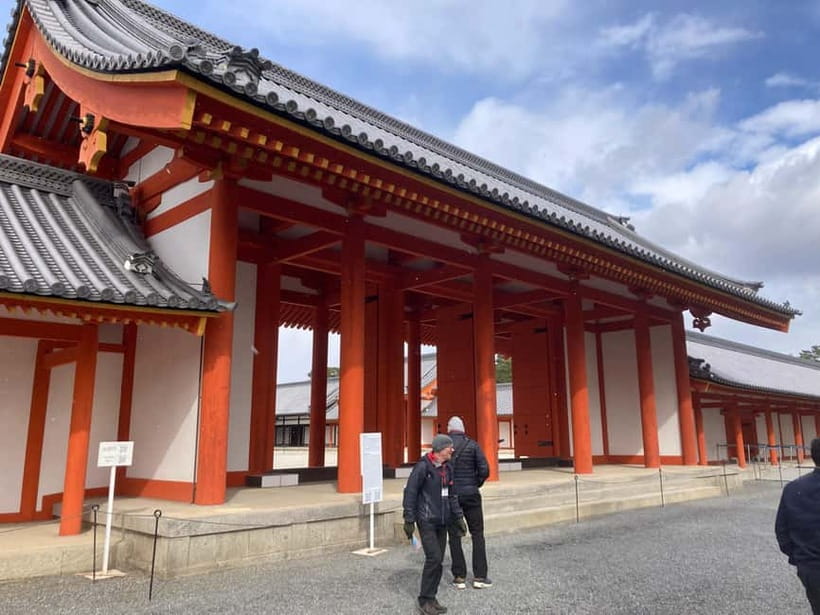
Yes—if you want a guided, story-based visit to Nijo Castle and the Kyoto Imperial Palace without spending your whole day figuring out what to look at. The best sign is the repeated praise for the guides’ ability to explain history clearly and answer questions with energy, humor, and real care.
Book it especially if you value seasonal garden time and you’d like someone to help you understand the design choices behind the buildings. If your top priority is maximum interior access at the palace, keep expectations flexible, since the experience can end up more exterior-focused depending on what’s available.
FAQ
Where is the meeting point?
The meeting point is at the Nakadachiuri Gate of the Kyoto Imperial Palace.
How long is the tour?
The tour lasts 3 hours.
How many people are in the group?
The group is limited to 9 participants, so it stays small.
What is included in the price?
Admission tickets are included for Nijo Castle, Ninomaru Palace, and the Art Gallery, along with a professional English-speaking guide and the walking tour experience.
Are there any dress rules or restrictions?
Shorts are not allowed. The tour is also listed as not suitable for pregnant women.
What should I bring?
Bring a camera and cash.
More Tour Reviews in Kyoto





More Kyoto Temples and Shrines
More of Castle-Era Kyoto
Just added: more Kyoto tours to browse








Nijo Castle Tours, compared.
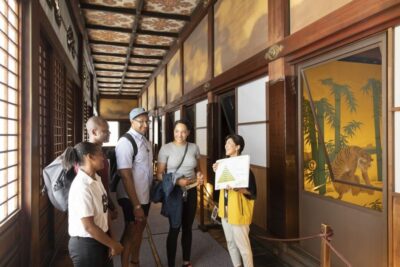 ★ 4.7Nijo-jo Castle and Ninomaru Palace Guided TourFrom $161,020 reviews
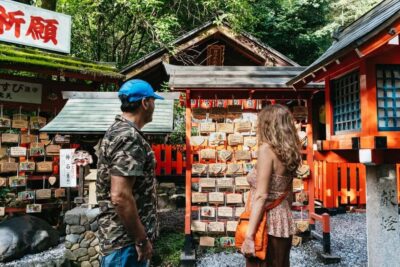 ★ 4.7Nijo Castle, Kiyomizu & Fushimi Inari Guided TourFrom $54700 reviews
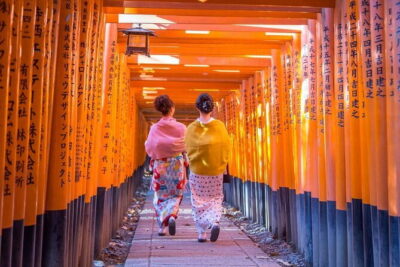 ★ 5.0Nijo, Kinkaku-ji, Arashiyama, Kiyomizu & Fushimi InariFrom $51699 reviews
 ★ 4.7Imperial Palace & Nijo Castle Guided Walking TourFrom $49453 reviews
 ★ 5.0Nijo Castle World Heritage Guided Tour with AdmissionFrom $39128 reviews
 ★ 4.5Kyoto Imperial Palace & Nijo Castle Guided Walking Tour – 3 HoursFrom $55106 reviews
 ★ 5.0Nijo Castle and Imperial Palace Visit with GuideFrom $7953 reviews
 ★ 5.0Golden Pavilion, Nijo Castle, & Nishiki Market Half day tourFrom $9029 reviews
Browse the lists this tour appears in