
Reviewed · KOBE & HIMEJI DAY TRIPS
All-Inclusive Kyoto Day Tour: Amanohashidate, Miyama or Ohara
Kyoto’s best day trips are usually a trade-off. This one swaps stress for planning done for you, with a private guide and transport across Kyoto Prefecture’s prettiest corners.
You’ll get a strong mix of temples, rural stops, and water views, with boat time and a chairlift included on the Amanohashidate route. One thing to consider: the day is packed, so it’s not the best choice if you want lots of free, slow wandering.
I especially like the convenience of a private car pickup with entrance/ride fees handled, so you spend your energy looking out the window instead of figuring out tickets. I also like the pacing choices this tour supports, letting you pick the vibe you want: mountain villages, seaside sandbar views, or Lake Biwa countryside.
The one drawback is simple: lunch isn’t included, so you’ll need to plan what you’ll eat (or bring a light option) if you’re picky about timing or dietary needs.
In This Review
- Key Things to Know Before You Go
- Three Route Choices: Miyama, Amanohashidate/Ine, or Ohara by Lake Biwa
- Price and Value: What $520.25 Really Buys You
- Getting Into the Day: 9:00 AM Start, Private Transport, and Mobile Tickets
- Jingoji Temple: Cedar Shade, Pagodas, and Time for a Real Walk
- Kōsan-ji Temple in Takao: UNESCO-Listed Vibes in Mountain Quiet
- Kayabuki-no-sato Kitamura and Hiyoshi Dam: Thatched Houses Plus Engineering
- Chion-ji, Motoise Konojinja, and Kasamatsu Park: Shrines and the Amanohashidate View Game
- Ine no Funaya: Boat Time at the Fishing Village Edge
- Lunch and Timing: How to Keep the Day Comfortable
- Who This Kyoto Day Tour Fits Best (And Who It Might Not)
- Should You Book This Private Kyoto Day Tour?
- FAQ
- What time does the tour start?
- How long is the Kyoto day tour?
- Are there different route options?
- Is pickup included?
- Is this a private tour or a shared group?
- What’s included in the price?
- Is lunch included?
- Are entrance tickets covered for temples and attractions?
- What is the cancellation policy?
- Do I get a mobile ticket?
Key Things to Know Before You Go
- Three route styles: Miyama & Takao, Amanohashidate & Ine, or Ohara & Biwako, so you’re not locked into one kind of scenery.
- Boat and chairlift fees are included on the Amanohashidate/Ine side, which saves money and avoids last-minute ticket hassle.
- A real guided flow through temples and villages, with time set aside for walking stops that aren’t just photo ops.
- Private group experience: only your group rides together, so you can ask questions without a crowd around you.
- Most admission costs are covered (you’ll see tickets included at specific stops), while other stops are free-entry.
Three Route Choices: Miyama, Amanohashidate/Ine, or Ohara by Lake Biwa

This tour works because it gives you three different Kyoto Prefecture day-trip “moods,” not just three names. If you want quiet mountain Japan, choose Miyama & Takao. If you want iconic coastal views plus fishing village charm, choose Amanohashidate & Ine. If you’d rather see rural life with lake scenery, choose Ohara & Biwako.
That choice matters on an 8-hour day. Kyoto can be exhausting when you bounce between neighborhoods, and these routes are built to keep the geography coherent. You’ll also feel the difference immediately: villages and temples tend to reward walking and side-streets, while Amanohashidate and Ine reward water-focused sightseeing and viewpoint timing.
More of Kansai, from Kobe to Himeji Castle
Price and Value: What $520.25 Really Buys You
At $520.25 per person for about 8 hours, this is not a budget tour. But it’s also not just “a guide in a taxi.” The value is in the included costs that normally add up fast on day trips outside central Kyoto.
Your tour includes a private car, bottled water, an English-speaking guide, and the practical stuff like gasoline, parking, and highway fees. On the Amanohashidate/Ine option, you also get boat fees and the chairlift fee for the Amanohashidate view area. When those rides and transfers are handled for you, the day becomes more predictable—and predictability is worth money when you’re visiting for a limited number of days.
One more value point: admission is partly covered. Some temple stops have admission tickets included, while other shrines and parks are free entry. Translation: you’re less likely to hit a surprise cost mid-day.
Getting Into the Day: 9:00 AM Start, Private Transport, and Mobile Tickets
The tour starts at 9:00 am, which is ideal for getting the best light and avoiding the slow scramble that happens later. You’ll likely appreciate the early start even more if you’re visiting in peak season, because you’ll spend more of the morning moving through sites and less time stuck in lines.
Pickup is offered, and the tour includes a private car. That matters on long-day routes because trains and buses can be fine for short hops, but they start to feel like a second job when you need several transfers in a row. Here, your guide and vehicle are set up for that kind of day.
You’ll also have a mobile ticket, and confirmation comes at booking time. For visitors who dislike last-minute paperwork, that’s a real comfort.
Jingoji Temple: Cedar Shade, Pagodas, and Time for a Real Walk
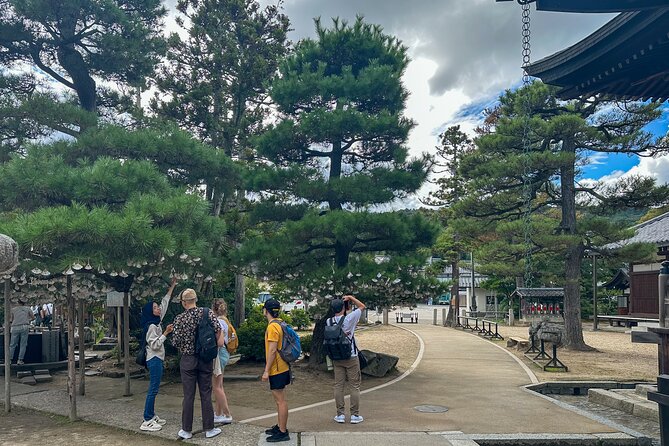
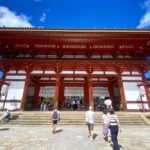
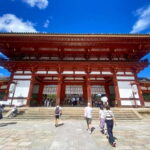
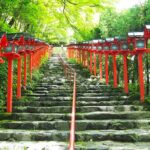
One of the first stops is Jingoji Temple, with about 1 hour 30 minutes there. This is the kind of temple visit that works best when it’s not rushed. You’re taken through the main halls and gardens, with stories and context from your guide.
The stand-out here is the atmosphere: ancient cedar trees, historic pagodas, and garden views that you can actually soak in without fighting the clock. A longer stop like this is a gift in a day that also includes boat rides and viewpoint time.
Practical note: temples mean uneven paths sometimes, and you’ll want shoes that handle a bit of walking. If it’s warm or humid, plan for shade breaks—cedar groves help, but you’ll still be outdoors.
Kōsan-ji Temple in Takao: UNESCO-Listed Vibes in Mountain Quiet
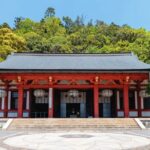
Next up is Kōsan-ji Temple in the Takao area, with about 1 hour allocated. It’s listed as a UNESCO World Heritage site, and your guide will walk you through halls and gardens while explaining what makes the place special.
This stop fits well if you like temples with a sense of calm rather than nonstop tourist foot traffic. The mountain surroundings help, too—you feel like the space is larger than the visitor count would suggest.
The main consideration is energy management. If you’re pairing this day with other Kyoto walking days, you’ll want to keep the rest of your itinerary light. This tour includes several moving parts later, so treat this as a slow, steady leg.
Head for the hills at Kurama and Kibune

Kayabuki-no-sato Kitamura and Hiyoshi Dam: Thatched Houses Plus Engineering
For that “rural Japan postcard” feeling, you’ll visit Kayabuki-no-sato Kitamura (Miyama’s thatched-roof village area) for about 1 hour. This is a great stop if you like traditional architecture and small-scale life. The best part is that it feels like a place you could wander in for hours, even though the tour gives you just enough time to enjoy it without rushing.
Then there’s Hiyoshi Dam, a 30-minute stop. This is an interesting contrast after temples and thatched roofs. Your guide explains its role in flood control and water management for the region, so you’re not just sightseeing—you’re understanding how local infrastructure fits into daily life.
This pairing is clever for one reason: it gives your brain variety. You get culture and nature in the morning, then a different kind of wow—how humans manage water at scale.
Chion-ji, Motoise Konojinja, and Kasamatsu Park: Shrines and the Amanohashidate View Game
Once the tour shifts toward Amanohashidate, you’ll visit Chion-ji Temple (about 20 minutes) and Motoise Konojinja Shrine (about 15 minutes). These are shorter stops, so think of them like spiritual bookmarks—quiet breaks that add depth and local meaning before the big visual payoff.
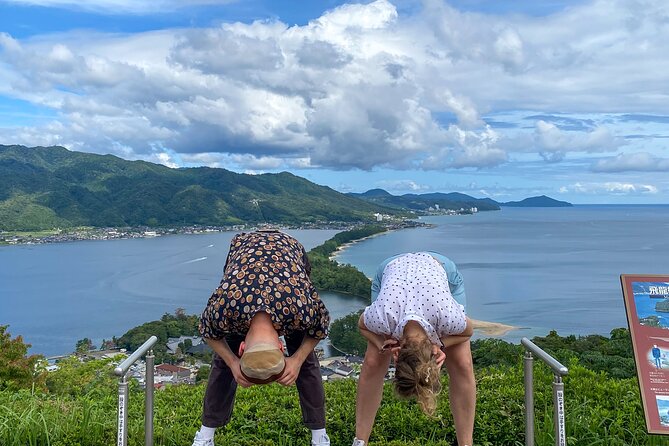
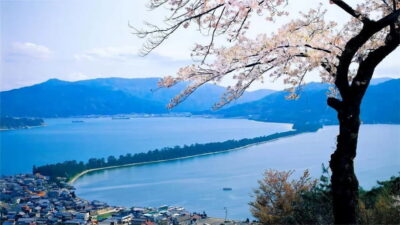
After that comes Amanohashidate Kasamatsu Park with about 1 hour 30 minutes. This is the viewpoint portion of the day, centered on panoramas of the sandbar.
There’s also a chairlift fee included for the Amanohashidate view area (often called Amanohashidate Viewland). That’s a smart inclusion. If you’ve ever climbed for views in heat or wind, you know why a chairlift is more than convenience—it’s the difference between enjoying the scenery and feeling drained before your best photos.
One thing to watch: viewpoints can be breezy. Bring something light for wind, especially if the weather is unsettled.
Ine no Funaya: Boat Time at the Fishing Village Edge
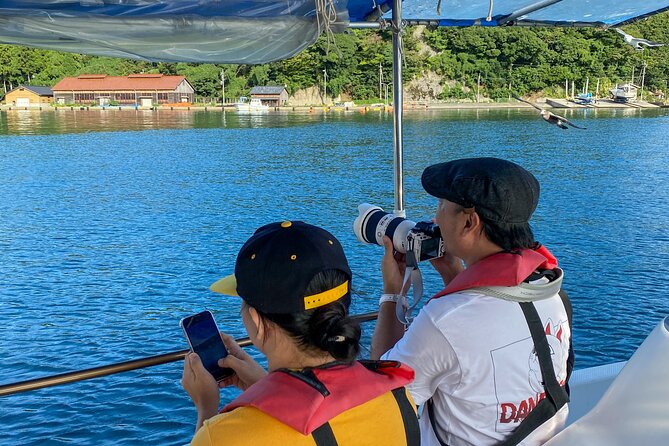
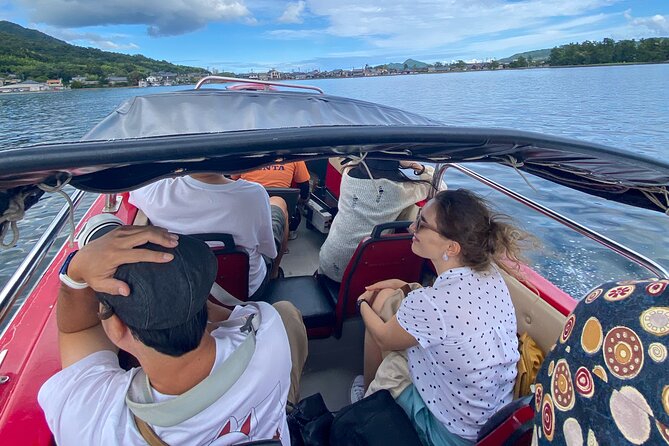
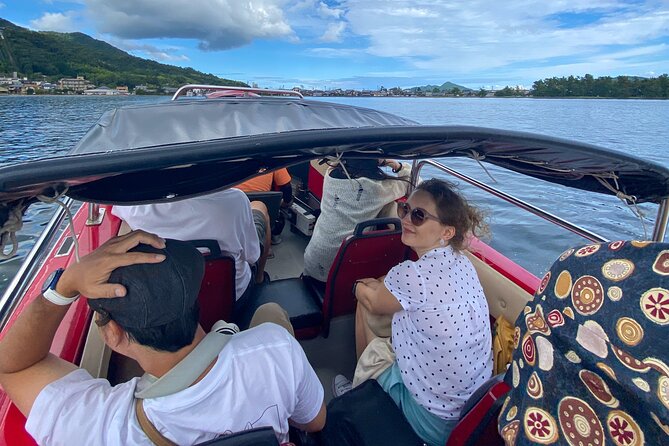
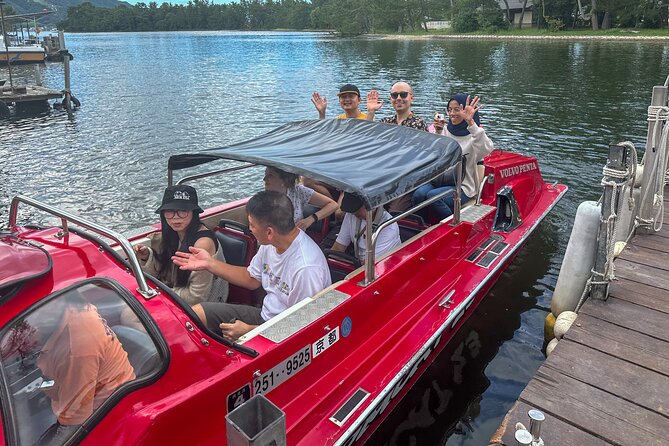
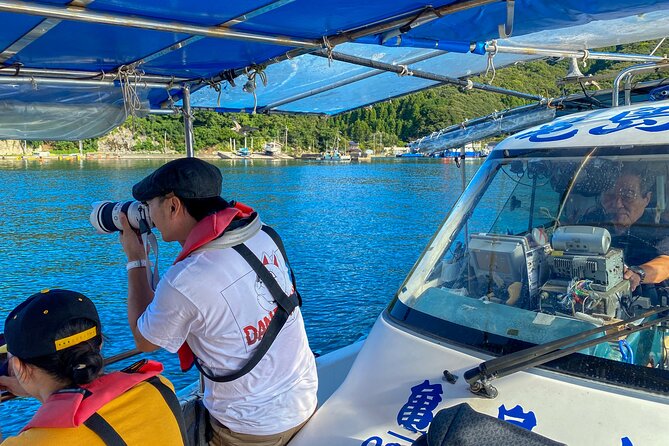
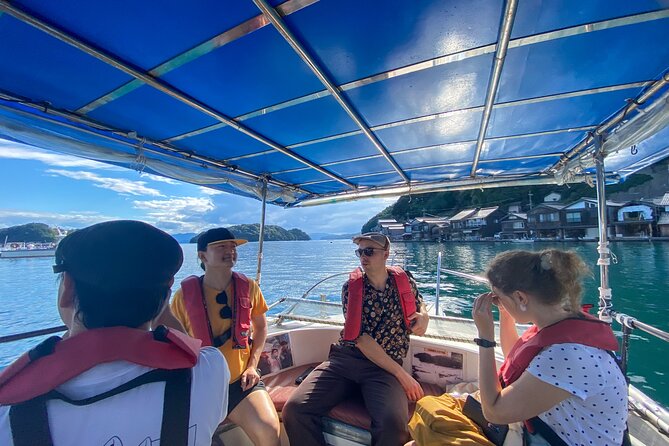
The final big highlight is Ine no Funaya in Ine-cho, with about 1 hour 30 minutes. This is a fishing village where the boat houses (funaya) line up right along the water. Your guide walks you through narrow lanes and the water’s edge atmosphere, and there’s also included boat sightseeing in the area.
In the reviews, the boat experience is a clear favorite. It’s also where the day feels most “different from central Kyoto.” You’re seeing a coastal way of life that’s tied to the water in a way you don’t get from temple courtyards alone.
Practical tip: dress for time on and near the water. Even if it’s not cold, you can feel wind off the bay. If you’re sensitive to motion, take it easy during boat segments and focus on stability.
Lunch and Timing: How to Keep the Day Comfortable
Lunch isn’t included, so you’ll want a plan before the day starts. If you wait until you’re hungry, you might end up choosing something convenient rather than something good. If you have dietary needs, consider bringing a light snack you can hold onto between stops.
Because the day includes multiple short temple stops plus longer sightseeing blocks, you may feel like you’re constantly transitioning. That doesn’t have to be bad. It’s just your cue to pack smart—water is included, but you’ll still want to travel light and keep your phone charged for photos.
Also, remember the day is designed around included activities like chairlift and boat time. If you’re the type who wants long breaks with no structure, this might feel like too much.
Who This Kyoto Day Tour Fits Best (And Who It Might Not)
This tour is a strong match if you:
- Want a private guide and private transport for an 8-hour day
- Prefer countryside and coast with clear structure (rather than self-planning routes)
- Like a mix of temples plus scenic “wow” stops like Amanohashidate viewpoints and Ine boat-area sightseeing
- Appreciate when fees are handled—boat and chairlift costs included, plus many admissions covered
It may not be the best fit if you:
- Want lots of free time to wander without a schedule
- Are traveling ultra-budget and hate paying for private transport
- Need a very flexible pace for mobility or energy reasons (the tour includes several sequential stops)
The upside is that the tour is built for “most travelers” to participate, and the group is private to your party. That alone makes it easier for people who feel overwhelmed in big crowds.
Should You Book This Private Kyoto Day Tour?
Book it if your priority is a smooth, scenic day with minimal logistics. The included private car, guide, and key transport/entry costs (boat fee, chairlift fee, and major included admissions) make this feel like a “pay once, enjoy all day” plan.
Skip it if you’re the kind of traveler who loves building your own schedule and hopping around with public transit. In that case, you might enjoy the freedom of DIY routes more than the structure of a guided day.
If you’re on a tight Kyoto timeline, this is also a great way to see far-flung highlights—Amanohashidate views and Ine fishing village atmosphere, plus mountain-temple and rural stops depending on your chosen route—without turning the trip into a juggling act.
FAQ
What time does the tour start?
The tour starts at 9:00 am.
How long is the Kyoto day tour?
The duration is about 8 hours.
Are there different route options?
Yes. You can choose between Miyama & Takao, Amanohashidate & Ine, or Ohara & Biwako.
Is pickup included?
Pickup is offered, and the tour includes private car transportation.
Is this a private tour or a shared group?
It’s a private tour/activity, so only your group participates.
What’s included in the price?
Included are an English-speaking guide, private car, bottled water, boat fees in the Ine Funaya and Amanohashidate area, chairlift fee in Amanohashidate Viewland, and gasoline, parking, and highway fees.
Is lunch included?
No, lunch is not included.
Are entrance tickets covered for temples and attractions?
Some admissions are included (for example, admission tickets are listed as included for Jingoji Temple, Kōsan-ji Temple, and Amanohashidate Kasamatsu Park). Other stops are listed as free.
What is the cancellation policy?
Free cancellation is available up to 24 hours in advance for a full refund.
Do I get a mobile ticket?
Yes, the tour includes a mobile ticket. Confirmation is also received at booking time.
More Tour Reviews in Kyoto




More of the Kyoto Countryside
More Kobe and Himeji Day Trips
Just added: more Kyoto tours to browse








Kobe & Himeji Day Trips, compared.
 ★ 5.0Nara Park, Osaka & Kobe from Kyoto Full Day tourFrom $90207 reviews
 ★ 4.6From Kyoto: Nara, Osaka & Kobe Day Trip – 3 Cities in 1 DayFrom $129160 reviews
 ★ 4.5Himeji Castle and Akashi Kaikyo Bridge Walking Tour from KyotoFrom $25224 reviews
 ★ 4.4Amanohashidate Ine Funaya TourFrom $7619 reviews
 ★ 3.7Kyoto/Osaka: Kobe & Himeji Journey Through Culture & HistoryFrom $45118 reviews
 ★ 4.5Amanohashidate & Miyama 1-Day Bus Tour: From Osaka/Kyoto w/ LunchFrom $9718 reviews
 ★ 5.0Single- & multi-day Adventures within Kyoto Nara Osaka KobeFrom $38516 reviews
 ★ 5.0Kyoto Tour by Car from Kyoto Osaka KobeFrom $3128 reviews
Browse the lists this tour appears in