
Reviewed · KURAMA, KIBUNE & KYOTO COUNTRYSIDE
Hike and explore the Kurama and Kibune ancient Paths
Kurama and Kibune feel like a reset north of Kyoto. What makes this hike special is the pairing of Kurama-dera’s temple views with the quiet, winding cedar-forest trail that leads you down toward Kifune’s water-focused shrine world. I like how the day mixes spirituality, scenery, and just enough local storytelling to keep you oriented without turning it into a lecture.
I also really appreciate the practical pacing: the route has steep, uneven sections and lots of stairways, so having an English-speaking guide matters. A guide like Justin (mentioned in participant comments) is described as friendly and generous with context, and that turns the hike into more than just steps. The one drawback to flag: this is not a flat stroll, so if your legs are easily bothered by stairs or uneven ground, you’ll want to go in with realistic expectations for the climb and descent.
In This Review
- Key things you’ll notice on the Kurama–Kibune ancient paths
- Kyoto Station to the Mountain: how the day actually starts (and why it’s worth it)
- Kurama-dera: temple views plus guardian-stone mystery
- The trail toward Kibune: cedar shade, steep stairs, and staying on track
- Kibune River atmosphere and Kifune-jinja: water wishes and red lantern steps
- Why this hike feels calmer than downtown Kyoto
- Fitness, pace, and who this is best for
- Price and value: what $165.18 buys you in the mountains
- Practical planning tips before you go
- Should you book this Kurama and Kibune ancient paths hike?
- FAQ
- What is the meeting point for the Kurama and Kibune hike?
- What time does the tour start?
- How long is the experience?
- How much does the tour cost?
- Does the tour include transportation and entry fees?
- Is lunch included?
- What ticket type do you use?
- What fitness level is recommended?
- How big is the group?
- What is the cancellation policy?
Key things you’ll notice on the Kurama–Kibune ancient paths
- Kurama-dera as your opening anchor: temple atmosphere plus views from the mountain slopes
- Cedar forests and small side shrines along a rugged, stair-heavy trail
- A guide-led pace for tricky sections when the ground feels uneven
- Kifune-jinja and water symbolism at the end of the hike
- Omikuji wishes with a water twist at the shrine (water-activated fortune slips)
- Small group size (max 12) for a calmer, more personal experience
Kyoto Station to the Mountain: how the day actually starts (and why it’s worth it)
Your day begins at Starbucks Coffee inside Kyoto Tower Sando, with a 9:30 A.M. start. You’ll circle Kyoto for a bit by public transit, then shift into the mountain quiet that makes this hike feel like it belongs to a different rhythm than downtown. The tour time is about 5 hours 30 minutes, which is long enough to feel like an outing, but not so long that you lose the sense of adventure.
At this price point, I think the real value is what’s bundled in. You’re paying for an English-speaking guide plus transportation during the tour, and entry fees at the tour locations. Since lunch isn’t included, you’re also not paying for a meal you might not want. For many people, that’s a good trade: you get the guided mountain portion locked in, and you can decide what to eat on your own schedule afterward.
The group stays small (up to 12 travelers). That matters more on mountain hikes than you might think. You get fewer bottlenecks on narrow stairs and less waiting around for stragglers to catch up. Also, it’s easier for the guide to spot who’s struggling with footing.
Head for the hills at Kurama and Kibune


Kurama-dera: temple views plus guardian-stone mystery
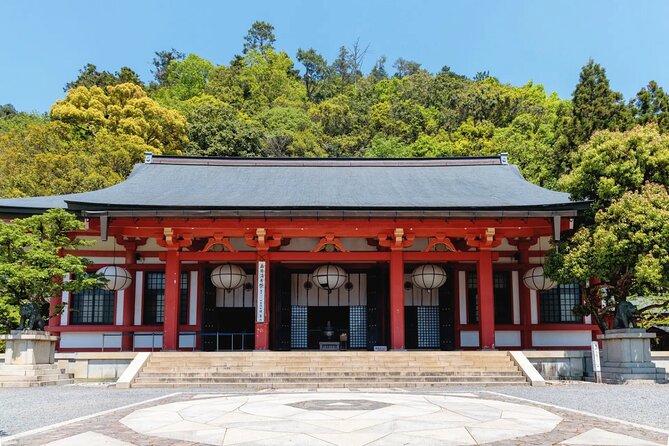
The hike starts at Kurama-dera, a historic temple perched on Mount Kurama. Before you reach that quiet, you’ll ride the Eizan Railway after getting to the Kurama area (there’s a short walk from the nearest station, then the train ride north). Once you arrive, the temple experience is the tone-setter for the whole day.
What I like about starting here is that it gives you a “why” before you hit the stairs and switchbacks. Kurama-dera is known for its main hall and the atmosphere around it, including guardian statues and the sense that this place has been receiving pilgrims long before hiking became a weekend hobby. Even if you’re not chasing religious meaning, there’s something grounding about standing on temple grounds and looking out over the mountain slope.
You’ll typically spend about two hours here, which is a sweet spot. It’s enough time to walk through the areas you’re drawn to, pause for views, and soak up the mood without feeling rushed. If you’re the type who likes to take photos, you’ll appreciate that the site is built for looking outward, not just walking through.
One practical note: temple steps and uneven ground are part of the experience. This isn’t a smooth, polished museum floor. If you’re wearing shoes that grip well, you’ll feel more relaxed during the climb and the later descent.
The trail toward Kibune: cedar shade, steep stairs, and staying on track
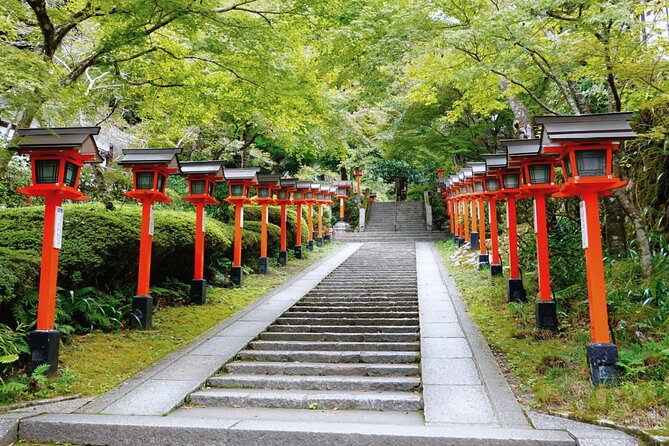
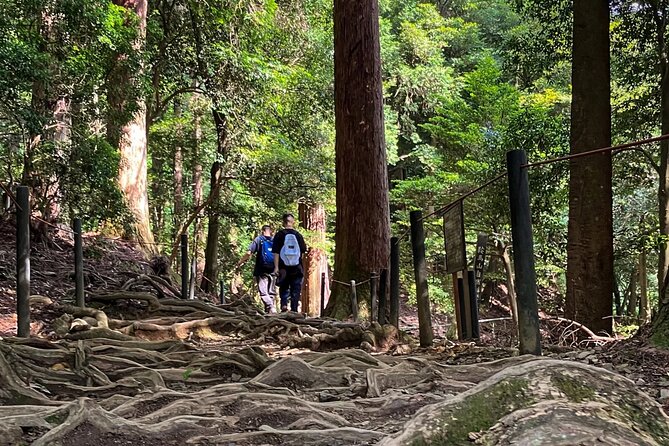
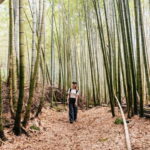
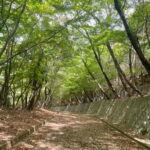
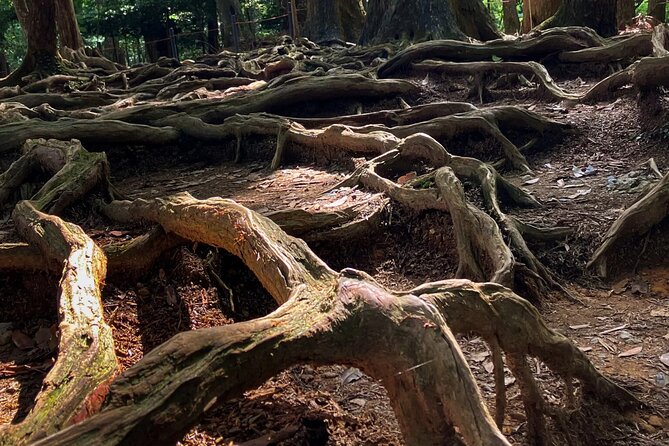
After Kurama-dera, the hike shifts into the forest route that connects the Kurama and Kibune villages. This is where the “ancient paths” label makes sense. The trail runs through dense cedar forests, with hidden shrines and stretches of steep stairways.
This section is beautiful, but it’s also real hiking. The route is steep and uneven in parts, and navigation can get tricky—especially in wet or hot weather. That’s the part where a guide earns their fee. You’re not just told where to step; you move with someone who can keep the pace steady and help with safe footing when the trail surface isn’t forgiving.
I also like that the guide shares stories and legends tied to the route. The best mountain guides don’t just point at landmarks—they connect the landscape to the people who walked it before. On this hike, that storytelling helps the steep parts feel less like a workout you’re suffering through and more like a path with meaning.
You’ll spend about three hours in this section overall, including the later descent down toward Kibune. If you prefer to keep your brain switched off and just walk, you can still do that; the guide’s role becomes background support. But if you like context, this is the stretch where it helps you “read” what you’re passing.
Kibune River atmosphere and Kifune-jinja: water wishes and red lantern steps
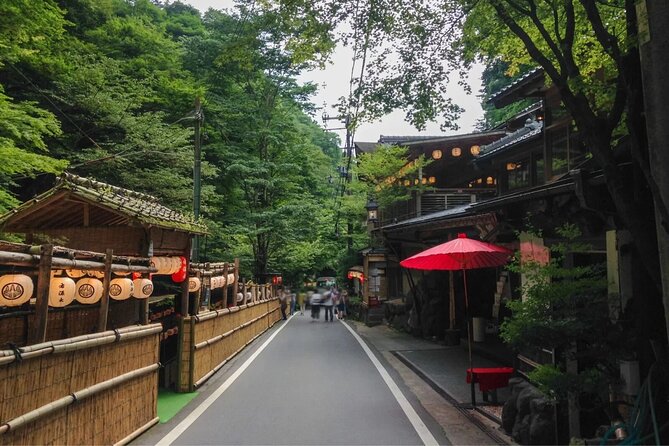
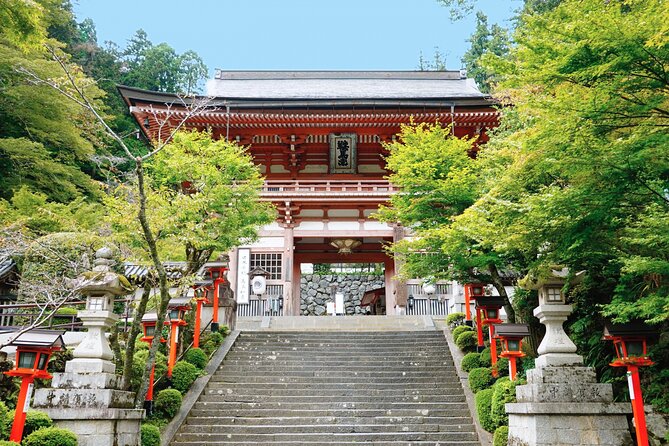
As you descend, the pace changes from mountain intensity to village calm. You’ll reach Kibune, then continue on toward Kifune Shrine (Kifune-jinja). Kifune-jinja is dedicated to a goddess connected with water and rain, and you feel that theme in the way the shrine is presented and experienced.
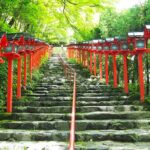
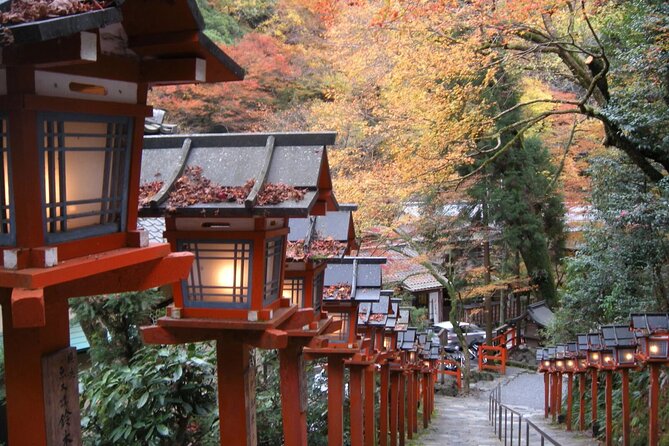
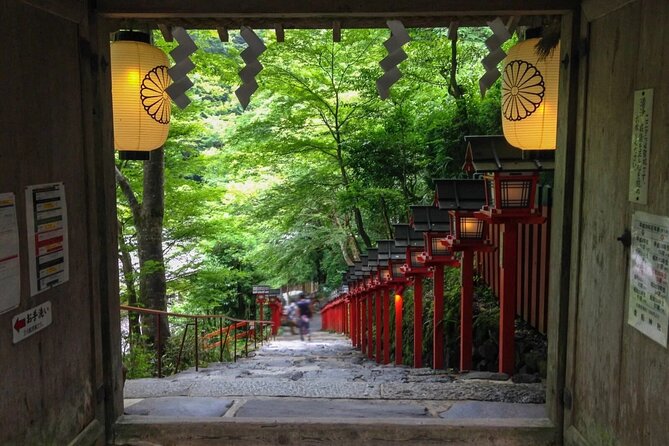
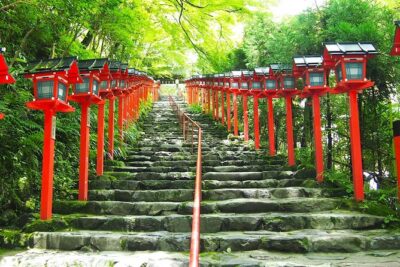
The end-of-hike contrast is one of the best parts of the day. After the cedar shade and stairs, the shrine area feels like a slower scene. Kifune-jinja is especially recognizable for its red lantern-lined staircase, which looks good in any season and gives you a clear photo moment without needing to hunt.
There’s also a fun ritual component: at the shrine, you can write wishes on special water-activated omikuji (fortune slips). That’s a small detail, but it adds participation. It turns you from a watcher into someone doing a quick, symbolic action tied to the shrine’s water theme.
Admission here is part of the day’s plan too. The shrine entry is listed as free, so you’re not paying extra to reach the main experience at the end. It’s a nice way to end—no last-minute line-item surprises.
If you’re traveling in a group, this finale is also where you naturally slow down. People take photos on the stairs, then linger near the shrine area a bit longer than they intended. With a small tour group, it usually stays pleasant rather than chaotic.
Why this hike feels calmer than downtown Kyoto
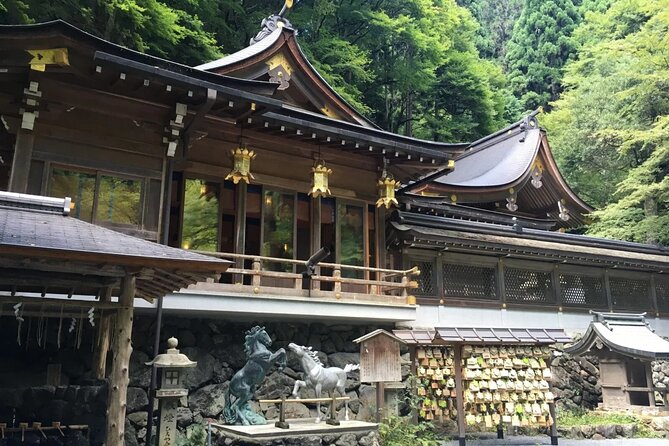
One reason people love Kurama and Kibune is simple: you get out of the crowd rhythm. Downtown can be nonstop. This route takes you away from that energy and gives you forest quiet instead—green shade, stone and stair textures, and the gentle shift into a village shrine setting.
The small-group structure helps this feeling too. With a max of 12, it’s easier to keep your own pace and not get swept into a stampede. And because the day is guided, you spend less time figuring out logistics and more time paying attention to what’s around you.
The guide’s role also supports the calmer vibe. When someone knows the route and can explain what to look for, you’re not constantly stopping to check maps or ask strangers for directions. That matters on steep, uneven trails where time spent hesitating can feel annoying.
I’d call this a strong option if you want “Kyoto feeling” without spending your entire day in queue lines. You still get temple culture and shrine rituals. You just get them in a mountain setting.
Other Kyoto tours and experiences to compare

Fitness, pace, and who this is best for
This hike is listed as requiring moderate physical fitness. That’s a fair label based on what you’ll be doing: stepping up through temple areas, walking steep stairs on the forest trail, then descending into Kibune.
If you’re comfortable with uneven ground and stair climbs, you’ll likely enjoy the challenge without feeling wrecked at the end. In contrast, if you struggle with knee issues or balance on irregular steps, you’ll want to think carefully. Even with a guide, the physical reality of the route doesn’t change.
That said, the length is manageable. At about 5 hours 30 minutes, you’re not facing an all-day endurance test. You’re facing a concentrated mix of walking, stair work, and short pauses at stops. If you plan your day with a bit of recovery after, you’ll probably feel good about it.
This also suits people who like structure. You’re not just handed a trail and sent off. Transportation, guidance, and entry planning are handled. That keeps the hike from turning into a half-planned scramble.
Price and value: what $165.18 buys you in the mountains
The tour price is $165.18 per person, and it’s booked on average about 43 days in advance. You should expect that demand because it’s a specific kind of experience: guided, mountain-based, and not something most first-timers can pull off easily without extra effort.
Here’s how I judge the value. You get:
- an English-speaking guide
- transportation during the tour (subway/train plus walking between stations)
- entry fees for the included tour locations
- a small group cap
Lunch isn’t included, so you’ll likely spend a bit extra at the end. But you’re also not locked into a set meal you might not like.
For many visitors, paying for the logistics is the point. The Kurama–Kibune area is easier when someone else handles the route timing and gets you from Kyoto into the trail area smoothly. If you hate spending a vacation day managing connections, this will feel like good money spent.
Practical planning tips before you go
Because the trail is described as steep and uneven, your preparations matter. I’d focus on three basics: footwear grip, pacing, and expectations.
First, wear shoes with good traction. The forest trail and stair-heavy sections don’t forgive slippery soles, especially in wet conditions. Second, go with a steady pace mindset. The guide can help you slow down on tricky parts, and that often makes the whole experience more enjoyable.
Third, bring your energy for the later descent. The day starts calm at the temple, ramps up into stairs and forest hiking, then ends with shrine steps and wishing rituals. If you’re the type who saves all stamina for the start, you might feel the last third more than you expect.
And yes, plan for lunch elsewhere. Since it’s not included, pick something near where you’ll be after the tour ends so you can eat without rushing.
Finally, use the mobile ticket. That keeps things smooth on the day, especially when you’re moving between transit points and starting the hike on schedule.
Should you book this Kurama and Kibune ancient paths hike?
I’d book it if you want Kyoto’s culture with fewer people in the frame. This is a smart choice for a first-time Japan trip when you still want something authentic and natural instead of another city-only day. The small group size, English guide support, and included transport and entry fees make it easier than trying to DIY a similar route.
I’d think twice if you know stairs and uneven ground are a problem for you, or if you’re hoping for a mostly flat, low-effort walk. The route is described as steep and stair-heavy in parts, so the experience is worth it only if you can handle that physical reality.
If you like temple atmospheres, forest walking, and a shrine finish that feels tied to the water theme, this hike checks a lot of boxes with solid value for the money.
FAQ
What is the meeting point for the Kurama and Kibune hike?
The tour meets at Starbucks Coffee – Kyoto Tower Sando Japan, located at 7211 Kyoto Tower Building, Shimogyo Ward.
What time does the tour start?
The start time is 9:30 A.M.
How long is the experience?
It runs for about 5 hours 30 minutes.
How much does the tour cost?
The price is $165.18 per person.
Does the tour include transportation and entry fees?
Yes. The tour includes transportation during the tour and entry fees at all tour locations.
Is lunch included?
No. Lunch is not included.
What ticket type do you use?
You’ll have a mobile ticket.
What fitness level is recommended?
The tour is recommended for travelers with a moderate physical fitness level.
How big is the group?
The maximum group size is 12 travelers.
What is the cancellation policy?
You can cancel for free up to 24 hours in advance for a full refund. If you cancel less than 24 hours before the experience starts, the amount paid is not refunded.
More Hiking & Trekking in Kyoto
More Tour Reviews in Kyoto





More of the Kyoto Countryside
Just added: more Kyoto tours to browse








Kurama, Kibune & Kyoto Countryside, compared.
 ★ 5.0Kyoto Hiking Tour: The Nature and Legends of Kurama and KibuneFrom $19175 reviews
 ★ 5.0Hike and Hot Springs in KuramaFrom $8049 reviews
 ★ 4.5Amanohashidate & Miyama 1-Day Bus Tour: From Osaka/Kyoto w/ LunchFrom $9718 reviews
 ★ 5.0All-Inclusive Kyoto Day Tour: Amanohashidate, Miyama or OharaFrom $5204 reviews
Browse the lists this tour appears in