
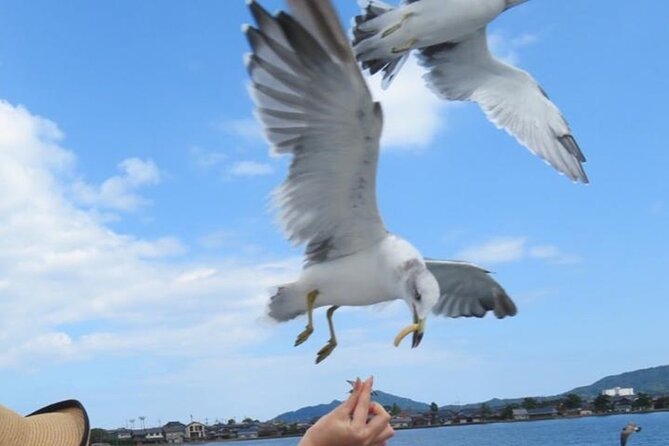
Reviewed · KYOTO BUS & SIGHTSEEING TOURS
Amanohashidate & Miyama 1-Day Bus Tour: From Osaka/Kyoto w/ Lunch
Amanohashidate is stunning, even from the bus. This 9–10 hour guided day trip strings together coastal scenery and rural Kyoto Prefecture life, with a boat ride, temple stops, and the thatched-roof world of Miyama. You get onboard narration too, so the day feels like more than just moving from one photo spot to another.
Two things I really like here are the Amanohashidate cruise paired with Kasamatsu Park viewpoints, and the fact that lunch is included (and has options for dietary needs when coordinated with the guide). The main drawback is simple: there’s a lot of bus time, and the schedule gives you shorter visits at each place rather than long hangs.
In This Review
- Key takeaways before you go
- Amanohashidate and Miyama in one day without the transit headache
- Price and value: what your ¥100-ish day-trip budget is really buying
- How the day is paced: long roads, short stops, and smart timing
- Chion-ji Temple near Amanohashidate: quick, quiet, and meaningful
- Amanohashidate cruise: a 12-minute ride that changes the whole view
- Kasamatsu Park: best viewpoints plus the Matanozoki twist
- Miyama Village and Kayabuki no Sato: thatched roofs, river air, and old-town details
- Rurikei natural park and Ryuon-ji Temple: seasonal views and Zen calm
- Lunch on the tour: included means less stress, and usually more good food
- Guide commentary: why it changes how you remember the day
- Practical tips that make or break the day
- Who this tour suits best (and who should skip it)
- Should you book this Amanohashidate & Miyama 1-Day Bus Tour?
- FAQ
- FAQ
- How long is the Amanohashidate & Miyama 1-Day Bus Tour?
- Does the price include lunch?
- What’s included in the tour besides lunch?
- Do I need to pay for temple or attraction admissions on this tour?
- What stops are included during the day?
- Is hotel pickup included?
- What languages are offered by the guide?
- What meeting time should I plan for?
- How many people are on the tour?
- Is cancellation free, and what if the weather is bad?
Key takeaways before you go
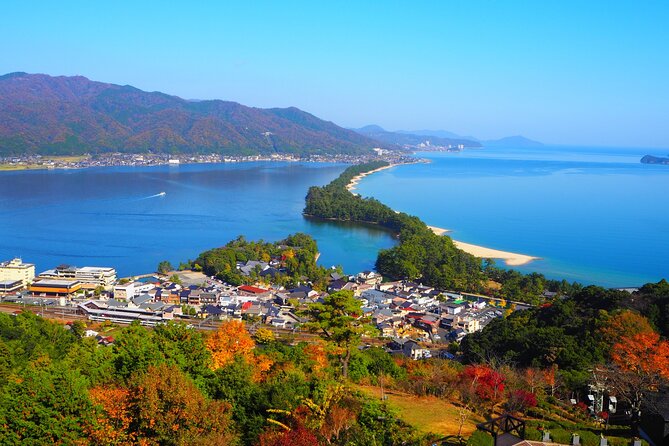
- Amanohashidate by boat, not just from a platform: a short cruise that connects the sandbar views to the water itself.
- Kasamatsu Park includes the Matanozoki upside-down viewing spot: a fun, easy way to see Amanohashidate from a different angle.
- Miyama is more than postcards: Kayabuki no Sato plus stops like an indigo-focused museum area.
- Included lunch helps the value: a meal that often leans seafood-heavy, with at least one guide (like Harry) arranging a vegetarian option.
- Guides can make or break the day: you may meet English-speaking guides such as Harry or Eric, or other guides like Liu and Mike-san, depending on the departure.
Amanohashidate and Miyama in one day without the transit headache
If your Kyoto or Osaka trip feels too city-heavy, this is a good pressure-release valve. Instead of wrestling with trains, transfers, and local buses, the day is built around a single guided route with pickup points in Kyoto or Osaka that are convenient to reach via public transport.
The heart of the itinerary is the combination of two very different places that still feel tied together by nature. Amanohashidate gives you ocean-and-sandbar drama. Miyama Village gives you river valleys, quiet lanes, and thatched-roof houses that look like they time-traveled from an older Japan.
You also get guide commentary along the way, which helps you connect what you see—temple sites, viewing points, and village details—rather than just collecting snapshots.
Loop the big Kyoto sights in one run



Price and value: what your ¥100-ish day-trip budget is really buying
This tour costs $97.22 per person, and the value is easier to judge when you look at what is included.
You get:
- Air-conditioned transport for the whole day
- Lunch
- Amanohashidate cruise admission (included)
- Temple and scenic-stop fees covered where listed
- Guide support (English-speaking or Mandarin-speaking, depending on your group)
On days like this, you’re paying for two things most DIY trips struggle with: (1) the out-of-the-way geography, and (2) the way the route stacks multiple sights into one flow. The included lunch is also a real perk because it keeps you from hunting for food between transfers.
How the day is paced: long roads, short stops, and smart timing
The tour runs about 9 to 10 hours. That means the bus days can feel longer than you expect, even when they’re comfortable. One practical heads-up from real experience with similar schedules: seats may feel small by North American standards, so if you’re tall or have long legs, plan to bring a little comfort kit (light layer, neck support, water).
Stops are timed. You’ll often have enough time for photos, a walk around, and a calm look—without the luxury of hours inside each place. If you like slow travel and deep wandering, this format will feel a bit brisk.
The upside is you still experience both the coast and the countryside in a single day, which is hard to match with train connections and separate day planning.
Chion-ji Temple near Amanohashidate: quick, quiet, and meaningful
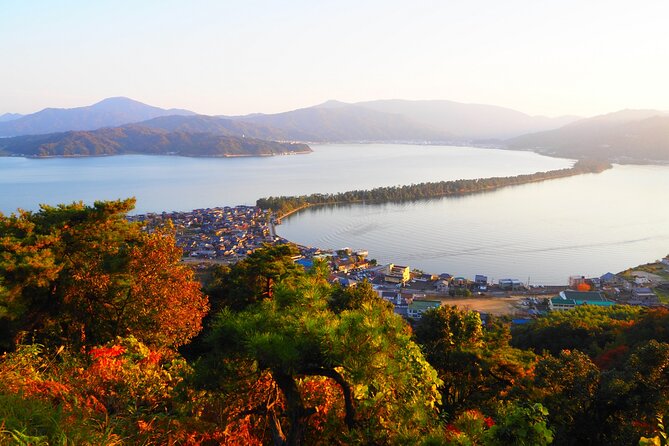
You start with Chion-ji Temple, a Buddhist temple near the sandbar area. It’s part of the Rinzai Zen tradition and honors Monju Bosatsu, the Bodhisattva of Wisdom.
This is a good opening stop because it sets the cultural frame for the scenery you’ll see next. Amanohashidate isn’t only a view—it’s also a place that people have associated with faith, ritual, and local identity for a long time.
Expect about 30 minutes here, which is short but works well as a reset before the scenery shift.
Amanohashidate cruise: a 12-minute ride that changes the whole view
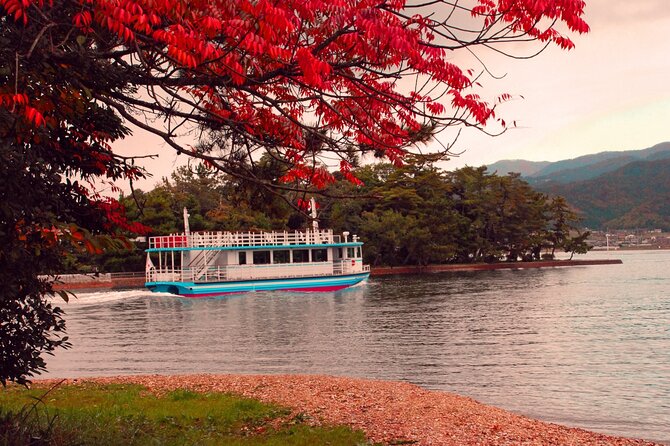
The included boat portion is a highlight. The sightseeing boats run between Amanohashidate Pier and Ichinomiya Pier, with a ride time of around 12 minutes.
This part matters because Amanohashidate is famous partly due to how it looks from distance—but seeing it from the water changes the scale. You notice details you miss from land: the shape of the sandbar, the rhythm of the coastline, and how the surrounding sea makes the view feel wider.
It’s short, but that shortness is the point. The schedule protects the day so you can still get time at Kasamatsu Park and in Miyama.
More of Kansai, from Kobe to Himeji Castle


Kasamatsu Park: best viewpoints plus the Matanozoki twist
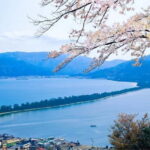
After the cruise, you head to Kasamatsu Park on the northern side of the sandbar. You’ll usually get about 50 minutes here, which is enough time to do the obvious viewpoint and still have room for a couple of detours.
Kasamatsu is known for panoramic views of Amanohashidate, and it’s also where you get one of the fun, memorable experiences on the route: Matanozoki. This is the upside-down-style observation view where you look at the scenery through your legs. It’s playful, it doesn’t require special skills, and it gives you a fresh way to see the same famous shoreline.
From a practical standpoint, this is also where your photo strategy helps. Go early-ish in your free time window if you can, because the park offers multiple angles and it’s easy to want more than one photo position.
Miyama Village and Kayabuki no Sato: thatched roofs, river air, and old-town details
Then the route moves away from the coast into Miyama Village, where the main experience is Kayabuki no Sato. You typically get around 50 minutes here, and that’s a good chunk for walking through the village lanes, stopping at a bridge viewpoint, and taking in the thatched-roof architecture.
Kayabuki no Sato is preserved enough that you don’t just see buildings—you get a sense of how people once lived with the surrounding river and hills. It’s the kind of place where small details matter: the building shapes, the way spaces feel enclosed, and the quiet rhythm of the area.
Two specific culture stops you’ll encounter along the way (depending on the day’s flow):
- A shrine area dedicated to the Eight Great Dragon Kings, including a main hall and a well with pure spring water.
- A traditional home stop that includes the Little Indigo Museum, focused on indigo fabric—with a workshop/store/gallery feel.
If indigo and local crafts interest you, this is one of the more memorable parts of Miyama, because it’s not just scenery. It’s a window into how materials and dye traditions shaped clothing and local identity.
Rurikei natural park and Ryuon-ji Temple: seasonal views and Zen calm
The route also includes Rurikei Prefectural Natural Park, recognized as a Place of Scenic Beauty, and a stop at Ryuon-ji Temple.
Ryuon-ji was constructed in 1509, and it’s known as a Zen family temple. A key detail: it’s particularly renowned for autumn colors. If you’re traveling in fall, this stop can feel like the payoff for the scenic drive—when the timing lines up.
Even outside peak season, these stops are useful because they break up the day with more than village houses and sandbar views. You get river-and-mountain framing and a temple observatory-style perspective.
Lunch on the tour: included means less stress, and usually more good food
Lunch is included, and that matters more than it sounds. A guided day trip without lunch included often turns into a scramble at each stop. Here, you can plan your day around the meal rather than worrying about what’s open near the next viewpoint.
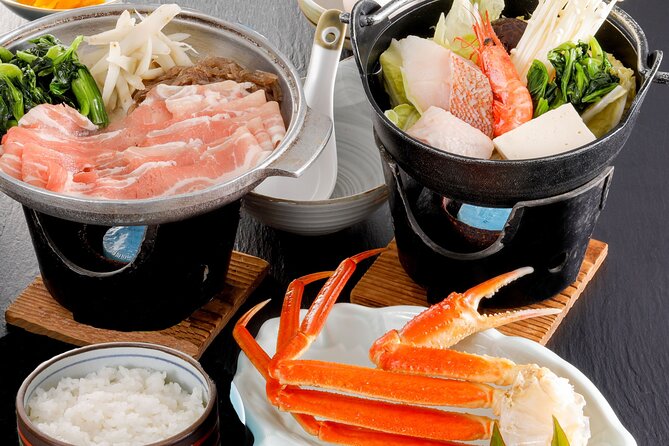
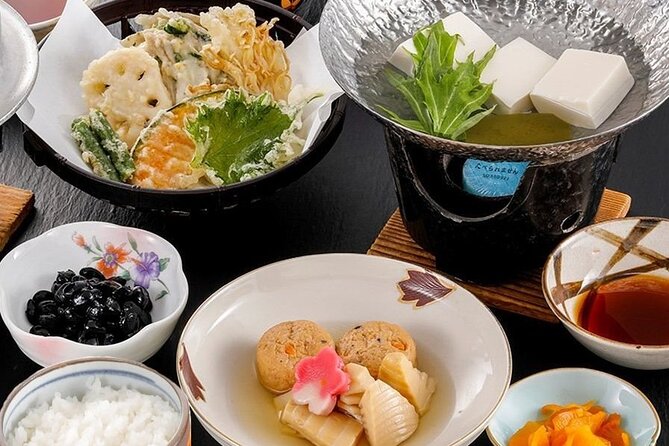
From the experience reports I’ve seen, the lunch often leans seafood-heavy, including items like crab legs, shrimp, and fish. If you’re not into that style of meal, it’s worth checking what your specific lunch includes at booking or by asking your guide on the day.
There’s also a strong practical point: guides have helped with dietary needs. For example, one vegetarian visitor reported that Harry arranged a vegetarian lunch option. That doesn’t mean every day will be identical, but it’s proof that dietary communication can work on this route.
Guide commentary: why it changes how you remember the day
This tour uses onboard narration and a guide at stops. The biggest difference you’ll feel between a good and great experience is whether your guide helps you connect the dots.
The names you might hear include Harry and Eric (both noted for being fun and storytelling-focused), plus other guides such as Liu and Mike-san. In general, the job here isn’t just repeating facts—it’s directing your attention to what to notice at each place, and helping with questions or photos.
If you care about context—like why a temple matters or what to look for at a viewpoint—choose the option where you’ll have a guide who works well with your language needs (English or Mandarin).
Practical tips that make or break the day
A day trip this packed can feel effortless or exhausting depending on small choices. Here’s how to make it feel effortless.
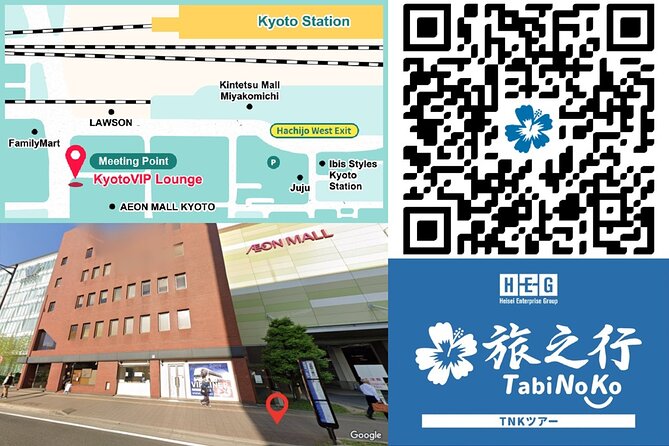
1) Arrive on time at your exact meeting point
The bus departs on time with no exceptions. If you arrive late or at the wrong pickup spot, you can miss the tour and refunds won’t be issued. This is the single biggest reason people feel burned on group tours.
2) Plan for a lot of riding
Transfer time is approximate because traffic and timing shift the day. Expect long stretches on the road and keep your expectations aligned: the value is in stacking major sights, not in relaxing.
3) Bring what you need for photos and walking
There’s a mix of temple areas, parks, and village paths. Comfortable shoes help more than you think, especially if you want time at the viewpoint and still move through the village calmly.
4) Luggage limits are real
You can bring one piece of luggage per person, and it needs to fit in the trunk with a maximum combined size limit of 155cm. Items in the trunk aren’t accessible between stops, so keep valuables with you.
5) Use the mobile ticket and scan the QR code
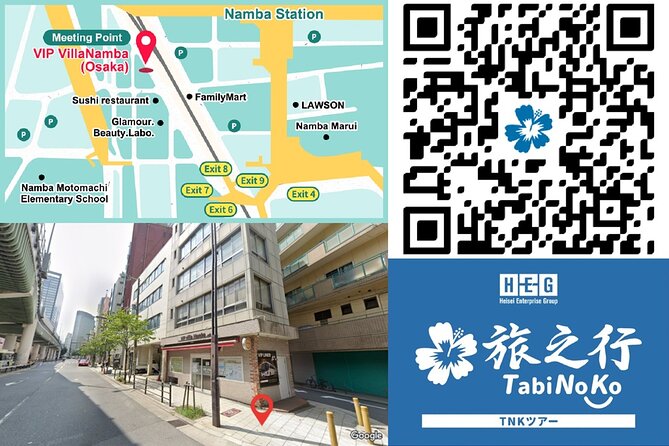
Your ticket is mobile, and the QR code helps you confirm the correct meeting point reference.
6) Expect small-group mixing across language needs
Depending on participant numbers, English-speaking and Mandarin-speaking guests may share the same bus. If you want full understanding, choose your meeting point and guide language preference carefully.
Who this tour suits best (and who should skip it)
This tour is a great match if:
- You want Amanohashidate and Miyama in one day without routing stress
- You like nature + culture side by side: sandbar views, temples, then thatched-roof village life
- You’re okay with short-to-medium stop times in exchange for seeing more
It might not be a great match if:
- You want to spend hours in Miyama (some people may find village time feels limited)
- You dislike bus-heavy days
- You need lots of downtime between stops
Should you book this Amanohashidate & Miyama 1-Day Bus Tour?
I’d book it if you’re short on time in Kyoto or Osaka and want a day that feels like you left the city for real—without planning a complicated route. The included cruise, the Kasamatsu Park viewpoints (especially Matanozoki), and the Miyama village stops give you enough variety to justify the schedule.
I’d hesitate if you’re very sensitive to travel time, or if you prefer slower village exploring. In that case, consider staying in the countryside longer another day.
FAQ
FAQ
How long is the Amanohashidate & Miyama 1-Day Bus Tour?
The tour runs about 9 to 10 hours, with transfer times that can vary depending on traffic and the time of day.
Does the price include lunch?
Yes. Lunch is included, along with all fees and taxes.
What’s included in the tour besides lunch?
You also get an included Amanohashidate sightseeing boat cruise, air-conditioned vehicle transport, and guide commentary (English or Mandarin, depending on your group).
Do I need to pay for temple or attraction admissions on this tour?
All fees and taxes are included as part of the tour package, covering the listed admissions.
What stops are included during the day?
Stops include Chion-ji Temple, Amanohashidate, Kasamatsu Park, Kayabuki no Sato (Miyama Village), and additional sites such as a dragon kings shrine area, a Little Indigo Museum stop, and Rurikei Natural Park with Ryuon-ji Temple.
Is hotel pickup included?
No. The tour does not provide hotel pick-up or drop-off, but the meeting points are near public transportation.
What languages are offered by the guide?
The tour includes an English-speaking guide or a Mandarin-speaking guide, depending on the departure and group setup.
What meeting time should I plan for?
Arrive about 10 minutes before departure at your selected meeting point. The bus leaves on time, and late arrivals may miss the tour.
How many people are on the tour?
The tour has a maximum of 49 travelers. Groups may be mixed between English-speaking and Mandarin-speaking guests depending on participant numbers.
Is cancellation free, and what if the weather is bad?
Free cancellation is available up to 24 hours in advance for a full refund. The tour requires good weather, and if canceled due to poor weather, you’ll be offered a different date or a full refund.
More of the Kyoto Countryside

More Kobe and Himeji Day Trips
More Kyoto Sightseeing Loops
Just added: more Kyoto tours to browse








Kyoto Bus & Sightseeing Tours, compared.
 ★ 5.0PERFECT KYOTO 1-Day Bus TourFrom $12913,518 reviews
 ★ 4.8Fushimi Inari, Kinkakuji, Bamboo Grove 1 Day Bus TourFrom $1224,316 reviews
 ★ 4.9Best of Kyoto: Gion, Geisha, Pagodas & CobblestonesFrom $242,058 reviews
 ★ 3.9Hop-on Hop-off Sightseeing Bus TicketFrom $272,034 reviews
 ★ 5.0Private Kyoto Tour with a Local, Highlights & Hidden Gems, PersonalisedFrom $1021,543 reviews
 ★ 4.7Kyoto/Osaka: Nara, Fushimi Inari Taisha, Arashiyama Bus TourFrom $521,275 reviews
 ★ 5.010 Must-see Spots in Kyoto One Day Private Tour (up to 7 people)From $1791,108 reviews
 ★ 4.5One-Day Tour of Kyoto’s Highlights from Osaka/KyotoFrom $661,092 reviews
Browse the lists this tour appears in