
Reviewed · KIYOMIZU-DERA & HIGASHIYAMA TOURS
Kyoto: Higashiyama Slow Cycling Tour along the quiet waterfront
Kyoto feels different when you ride it slowly. This BROMPTON tour takes you along Kyoto’s quieter waterside edges of Higashiyama, then strings together shrines and temples at an easy pace so you can actually notice what’s around you.
I love two things right away: you get the bike and helmet/riding setup, so you don’t drag gear across Kyoto, and your navigator keeps the route calm and sensible instead of pushing a sprint between sights. One consideration: this is truly slow cycling, so if you want to cram in every major landmark with a fast, nonstop pace, you may find the rhythm a bit more relaxed than you expect.
In This Review
- Kyoto by Quiet Waterfront: the point of “slow” cycling
- The ride setup: Brompton style, included helmets, and photo moments
- Stop 1: Kamogawa River waterfront calm in the middle of Kyoto
- Stop 2: Shimogamo Jinja and Tadasunomori forest stillness
- Stop 3: Philosopher’s Walk along the Lake Biwa Canal
- Stop 4: Nanzen-ji Temple—prestige, garden beauty, and the Sanmon Gate
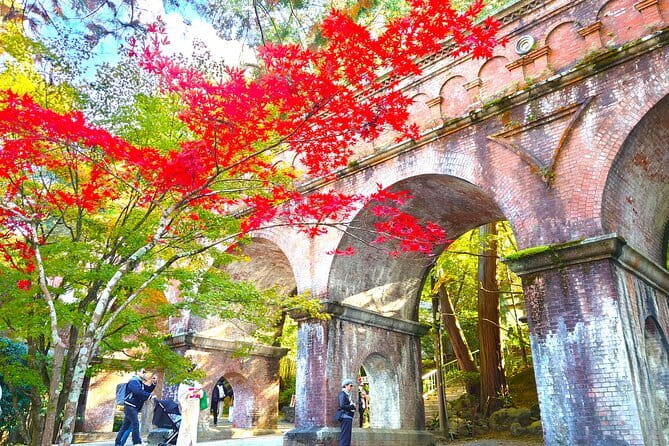
- Stop 5: Nanzenji Suirokaku brick aqueduct still in use
- Stop 6: Keage Incline—preserved industrial heritage along cherry blossom lines
- Stop 7: Kyoto Gyoen National Garden and the Imperial Palace grounds
- A navigator you can actually use: routes, pacing, and local alternatives
- Price and value: what $129 buys you on a 4-hour, ~12 km ride
- Who should book and who might prefer something else
- Should you book this Higashiyama slow cycling tour?
- FAQ
- How long is the tour?
- What distance will I cycle?
- Where does the tour start and when?
- Is the bike rental included in the price?
- Do I need to pay for temple or shrine admissions?
- Is there an insurance fee?
- What kind of fitness level do I need?
- What if the weather is bad or I cancel?
- How big is the group?
Kyoto by Quiet Waterfront: the point of “slow” cycling
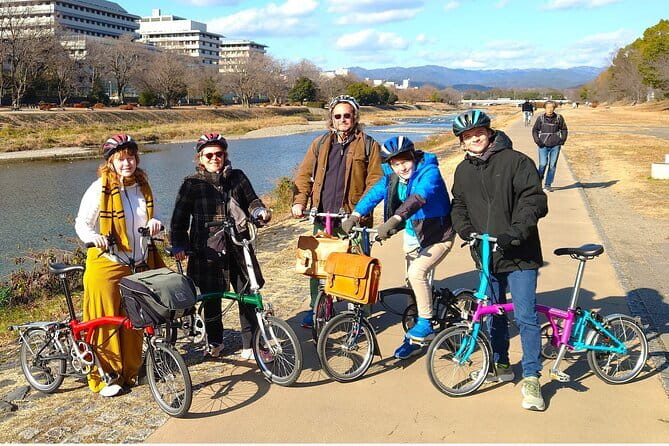
The best way to understand this tour is simple: you’re not trying to beat Kyoto. You’re trying to read it. By riding at a comfortable speed, you can look left and right—streams, stone paths, temple walls, and the small side streets that normally get skipped when you’re rushing on foot or hopping between buses.
Kyoto’s waters are the storyline here. The route follows river and canal edges and moves through temple areas at a human scale. That matters because Higashiyama is famous, and famous can mean crowded. Slow cycling gives you a way to visit the famous places without feeling like you’re constantly squeezed into the same photo line.
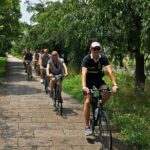
You’ll also feel the benefit of the small group size (max 6). With fewer riders, you can pause for photos, listen to explanations, and regroup without turning the tour into an obstacle course.
The ride setup: Brompton style, included helmets, and photo moments
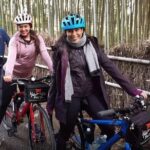
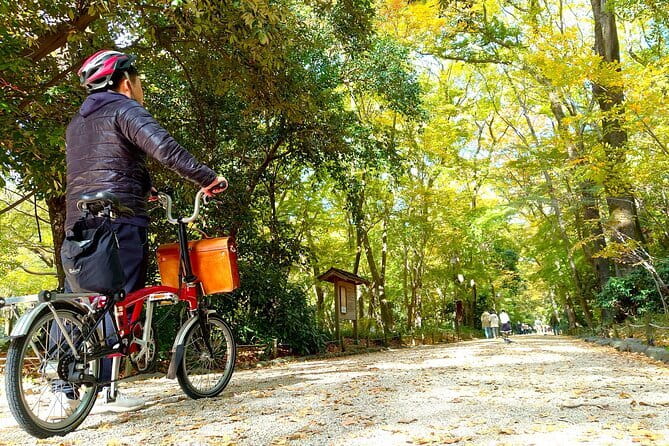
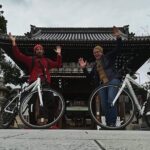
The tour uses BROMPTON bicycles, and yes, that’s part of the fun. They’re compact, easy to handle, and look sharp when you roll up near traditional streets and temple gates. If you like photos, this is one of those trips where your bike becomes part of the visual story.
Practical stuff is covered too. You get the bicycle rental and the riding equipment, including helmets and bags for wheeled transport. That means you can travel light and not worry about where to store personal items during stops.
Your biggest “carry” advantage: you don’t need to bring anything bike-related. In a city where you can easily end up with a bag full of water bottles, snacks, and souvenirs, having the bike setup handled is a real quality-of-life win.
Keep climbing the Higashiyama slopes toward Kiyomizu-dera
Stop 1: Kamogawa River waterfront calm in the middle of Kyoto
You start at the Kamogawa River area, where the water runs through the city like a moving pause button. Even when Kyoto feels busy elsewhere, river edges can soften the mood—more space for walking, more room for quiet views, and fewer tight bottlenecks than you’d find in the middle of major shopping streets.
This first stretch is also a good way to settle in. You’re not dropped into a high-stress route; you get moving, get oriented, and get your bearings fast. It’s the kind of start that helps you enjoy the tour instead of thinking about the bike for the first 20 minutes.
Stop 2: Shimogamo Jinja and Tadasunomori forest stillness
Next comes Shimogamo Jinja, a UNESCO World Heritage Site just north of the Kamogawa River delta. This stop is all about atmosphere. The shrine grounds include the Tadasunomori forest, where sunlight filters through trees and the pace naturally slows down.
If you’ve ever visited shrines and felt like you were running from gate to gate, this one is different. The river-to-forest transition helps you notice the details that usually get overlooked: how the trees frame paths, how the shrine area feels set apart from the city, and how the quiet can linger even with people around.
The watch-out here is crowd timing. The tour is designed to keep things calm, but Shimogamo is a popular place. The slow cycling approach helps, but if you hate even mild crowd energy, come ready to enjoy the stillness rather than chase empty photos.
Stop 3: Philosopher’s Walk along the Lake Biwa Canal
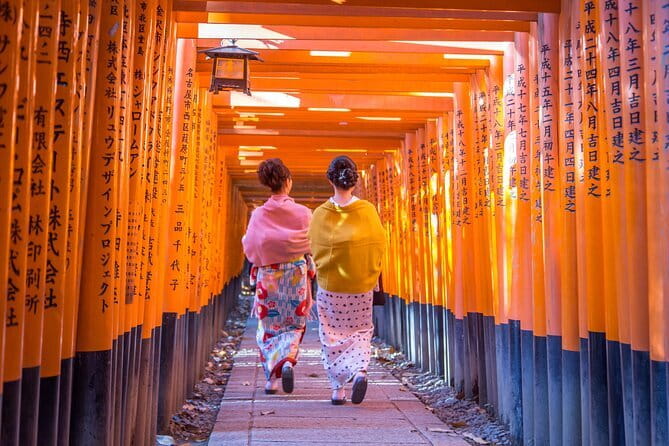
Then you reach the Philosopher’s Walk, also called the Philosophy Path. It runs along the Lake Biwa Canal at the foot of Mount Higashiyama, and the name comes from the idea of philosophers strolling here for contemplation.
Even if you don’t know the backstory, the walkway makes sense on a bike route: it’s a human-scale path where you can slow down, look across the canal edge, and take photos without feeling rushed. It’s one of the best spots on the tour for that “Kyoto is more than postcard icons” feeling.
A practical note: this is still a walkway area, so you’ll likely spend a little more time off the bike than in pure street riding sections. That’s not a downside—it’s part of why this tour feels like a guided experience rather than just a rental ride.
Stop 4: Nanzen-ji Temple—prestige, garden beauty, and the Sanmon Gate
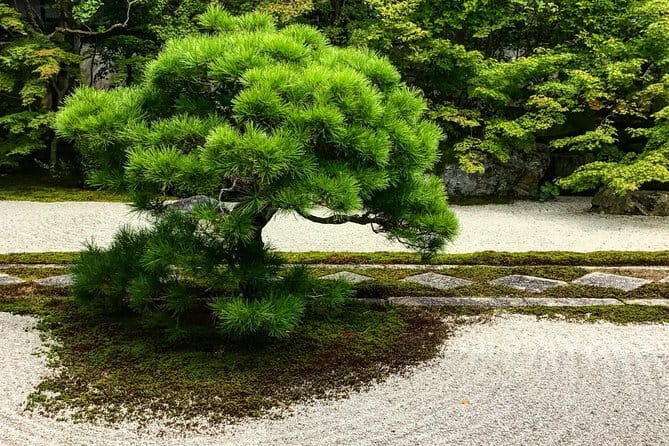
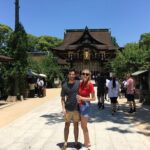
After the canal walk, you head to Nanzen-ji Temple, described as the most prestigious of all Rinzai temples in Japan. It’s famous for its garden and the Sanmon Gate, which has been featured in Kabuki plays.
What you should know for planning: Nanzen-ji Temple admission is not included. You’ll want to budget for that stop if you want to go in and enjoy the garden and gate area properly. The good news is it’s a focused stop. You’re not just passing by—you’re given time to take it in at a slower tempo.
If you’re the type who likes architecture and temple drama (Kabuki references included), this stop will click. If you mainly want scenic riding and less time on-site, you can treat it like a shorter visit and prioritize the surrounding areas where the route stays airy.
More of Kyoto at handlebar pace
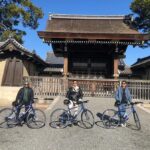
Stop 5: Nanzenji Suirokaku brick aqueduct still in use
Right in the Nanzen-ji precincts is Nanzenji Suirokaku, the brick aqueduct of the Lake Biwa River system. The striking part is that it’s not just for looks—the aqueduct played a role in Kyoto’s modernisation in the Meiji era and is still in use today.
This is a great example of why cycling works so well here. On foot, aqueduct areas can feel like a detour. On a bike route, it becomes a natural transition between temple atmosphere and industrial-era infrastructure you can actually see with your own eyes.
The time you get is enough to walk around the aqueduct area, look up, and connect the visual to the idea of water in Kyoto—not just pretty scenery, but systems that shaped the city.
Stop 6: Keage Incline—preserved industrial heritage along cherry blossom lines
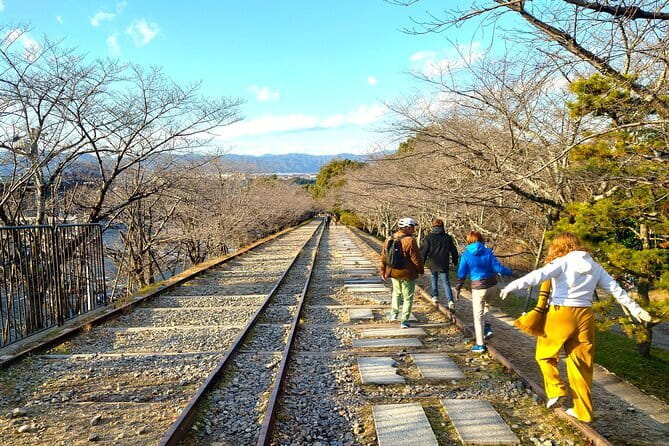
Next is Keage Incline, a preserved incline railway tied to the old boat transport route by the Lake Biwa Canal. It’s a sightseeing spot lined with cherry blossom trees, so in season this stop can feel extra photogenic—though you’ll still find the structure interesting even when blossoms aren’t out.
Industrial heritage sounds dry until you’re actually near it. Then it becomes clear: Kyoto wasn’t only temples and teahouses. The city used water and transport routes to function, and this incline is a physical reminder of that.
This is also a nice momentum shift. You’ve moved through shrine/temple calm, canal footpath vibes, and aqueduct history. Keage Incline gives you a different kind of Kyoto—still scenic, but more “how the city worked” than “how the city worshipped.”
Stop 7: Kyoto Gyoen National Garden and the Imperial Palace grounds
You end in Kyoto Gyoen National Garden, tied to the former Kyoto Imperial Palace grounds, which were the residence of the Emperor of Japan until the middle of the 19th century.
This portion tends to feel spacious compared to tighter temple lanes. The garden setting gives you room to exhale after a day of spiritual sites and water infrastructure. It’s a good final “slow down” moment where you can look back on what you saw without needing to keep moving to stay efficient.
If you prefer history that you can sense in the setting, this end works well. Even without going deep into every detail, the transition from earlier stops to the palace garden helps you feel the arc of Kyoto’s identity through time.
A navigator you can actually use: routes, pacing, and local alternatives
The standout value here is the exclusive navigator. You’re not just following a route map. You’re riding with someone who knows the local area and can guide you through quieter alternatives when certain places get crowded.
This is huge in Kyoto. The city has famous clusters, and when you’re stuck in the same flow as everyone else, your experience turns into a line-management problem. With an experienced local guiding the bike pacing and turns, you get a more human version of Kyoto—one where you can breathe.
The navigator can also suggest restaurants for lunch based on your wishes. That’s practical. You might want something quick and simple, or you might want a sit-down meal. Either way, you’re not stuck asking strangers for recommendations at the most inconvenient time.
Price and value: what $129 buys you on a 4-hour, ~12 km ride
At $129 per person for about 4 hours and roughly 12 km, this sits in the “pay for convenience and good guiding” category.
You’re paying for:
- bike rental (with equipment like helmets and transport bags)
- an exclusive navigator
- a structured slow-route experience with time built in for stops
If you were to recreate this yourself, the costs could add up fast once you include bike rental, time spent figuring out routes, and the frustration factor of navigating Kyoto’s smaller streets while trying not to run into walls of foot traffic. This tour removes a lot of that friction, and it gives you a guided flow so you can spend your energy on enjoying the sights.
Also, many of the stops are admission free. The big exception you should plan for is Nanzen-ji Temple, where admission is not included. So your final real cost depends on what you choose to do there.
Bottom line: if you want Kyoto by water and temple areas without the stress of managing transport and crowds on your own, the price starts to look fair fast.
Who should book and who might prefer something else
I think this tour is a smart pick if you:
- want an easy, slow pace with a bike (not a hard workout)
- like riverside and temple atmosphere more than major-shopping-street speed
- prefer small-group attention (max 6)
- enjoy photo stops but don’t want to spend your day sprinting
You might skip this tour if you’re looking for maximum intensity or you want a tightly packed schedule that hits more heavyweight attractions in less time. This is designed for quality and calm, not for ticking off everything.
One more small consideration: the tour requires good weather. Kyoto can be unpredictable, and the experience depends on conditions being right so cycling and the route work smoothly.
Should you book this Higashiyama slow cycling tour?
Book it if you want Kyoto to feel quiet, personal, and water-focused. This is the kind of tour that helps you see Higashiyama beyond the loudest photo spots, with the help of a navigator who can steer you toward calmer alternatives.
Consider booking only if you can enjoy a slower pace and you’re comfortable with moderate physical activity for a 4-hour bike outing. If you want a structured, guided way to connect Kamogawa, Shimogamo, Philosopher’s Walk, Nanzen-ji areas, Keage Incline, and Kyoto Gyoen into one coherent Kyoto day, this is a strong match.
If you’re on the fence, I’d choose based on your mood: calm and curious—yes. Speed-running Kyoto—maybe not.
FAQ
How long is the tour?
The tour runs for about 4 hours.
What distance will I cycle?
The cycling distance is approximately 12 km.
Where does the tour start and when?
It starts at Demachiyanagi Station (32-1 Tanaka Kamiyanagichō, Sakyo Ward, Kyoto) at 10:00 am, and it ends back at the meeting point.
Is the bike rental included in the price?
Yes. The bicycle rental fee and bicycle equipment such as helmets and bags for wheeled transport are included.
Do I need to pay for temple or shrine admissions?
Many stops are free. Nanzen-ji Temple admission is not included.
Is there an insurance fee?
An insurance fee of 500 yen is not included.
What kind of fitness level do I need?
You should have a moderate physical fitness level.
What if the weather is bad or I cancel?
The tour requires good weather. If it’s canceled due to poor weather, you’ll be offered a different date or a full refund. You can cancel for free up to 24 hours in advance for a full refund.
How big is the group?
This tour has a maximum of 6 travelers.
More Tour Reviews in Kyoto
More of Kyoto by Bike
More Along the Higashiyama Slopes
Just added: more Kyoto tours to browse




Kiyomizu-dera & Higashiyama Tours, compared.
 ★ 4.9Tea Ceremony in a Traditional Tea House in KiyomizuFrom $493,519 reviews
 ★ 4.7Nijo Castle, Kiyomizu & Fushimi Inari Guided TourFrom $54700 reviews
 ★ 5.0Nijo, Kinkaku-ji, Arashiyama, Kiyomizu & Fushimi InariFrom $51699 reviews
 ★ 4.8Kyoto Ninenzaka: Tea Ceremony in Old Townhouse with ChairsFrom $21215 reviews
 ★ 5.0Private Rickshaw Tour of Gion and Higashiyama AreaFrom $51144 reviews
 ★ 5.0Kyoto Tea Ceremony & Kiyomizu-dera Temple Walking TourFrom $109115 reviews
 ★ 5.0Kyoto Kiyomizu Tea Ceremony with Scenic Garden ViewsFrom $50101 reviews
 ★ 4.7Kimono/Yukata Rental 5 Minute from Kiyomizu-deraFrom $1989 reviews
Browse the lists this tour appears in