
Reviewed · KYOTO TEMPLE & SHRINE TOURS
KYOTO: Golden Pagoda, Bamboo Forest, Arashiyama (Italian)
Kyoto can feel overwhelming, fast. This half-day route from Kyoto Station strings together the Golden Pagoda (Kinkaku-ji) and the Sagano/Arashiyama bamboo walk in about 5 hours, with an Italian-speaking guide who explains what you’re seeing and why it matters in everyday Kyoto thinking. I especially liked having the guide connect sites to how Kyoto’s aristocrats, literati, and even samurai-era life shaped the city, and I loved that the pacing stays realistic for a short visit. One consideration: it is a tight schedule, so if you want long, quiet hours to wander on your own, you’ll likely want a different day.
The biggest difference here is the human part. An Italian guide lets you ask direct questions as you go, and the itinerary is built so you’re not just snapping photos at two famous stops—you’re learning how the preserved environment and local routines fit together. You also end at Kyoto Station, which makes it easy to continue your day, and you’re free to leave partway if you’re already ready to move on. The only downside is that the transit is part of the experience, so you’ll spend multiple legs on train, bus/coach, and metro rather than staying in one compact neighborhood.
In This Review
- Key points before you go
- A 5-hour Kyoto half-day from Kyoto Station
- Finding the meeting point: Kyoto Station, north entrance (Karasuma-guchi)
- Sagano Bamboo Forest in the Arashiyama area: why this short hike hits
- Getting from bamboo to Kinkaku-ji: you’ll ride Kyoto, not just read about it
- Kinkaku-ji Golden Pagoda: seeing the why behind the shine
- The Italian guide effect: Omae’s value is in the answers
- Price and value: $117 for a guided Kinkaku-ji + bamboo day
- Ending at Kyoto Station: free to keep going or leave early
- Who this Kyoto tour fits best (and who should skip it)
- Should you book this Kyoto Golden Pagoda and Bamboo Forest tour?
- FAQ
- FAQ
- How long is the Kyoto tour?
- Where does the tour start and end?
- Which main attractions are included?
- What language is the tour guide?
- Is transportation included?
- Are entrance fees included?
- Can I leave the tour early?
- What is the meeting point at Kyoto Station?
- Is wheelchair accessibility available?
- What are my cancellation and payment options?
- Who provides the tour?
Key points before you go
- Italian-speaking guide who answers questions as you walk through Kinkaku-ji and the Sagano bamboo area
- Two headline Kyoto sights in one half day: Kinkaku-ji and Sagano Bamboo Forest
- Realistic pacing from Kyoto Station with included transportation and entrance fees
- Cultural context beyond the postcard with notes about aristocrats, retired life, and samurai-class connections
- End at Kyoto Station so you can keep exploring or exit early
A 5-hour Kyoto half-day from Kyoto Station
This is the kind of tour I recommend when you have limited time and you want Kyoto highlights without turning your day into a logistics puzzle. You start at Kyoto Station’s north side and finish back at Kyoto Station, keeping the whole plan simple even if you’re new to the city.
At 5 hours total, you’re getting a fast, focused slice of northwestern Kyoto life: the preserved historical environment around Kinkaku-ji, plus the Sagano/Arashiyama bamboo area for that signature vertical forest of stalks. It’s not “see everything Kyoto has ever made.” It’s more like: see two big icons, learn how they connect to the way Kyoto people think about place and time, then go do the rest of your own day.
You’ll also appreciate that entrance fees and scheduled transport are included. That means less mental math and fewer moments of wondering whether you need cash or tickets for each step.
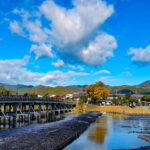
Deeper into Arashiyama, past the bamboo and the Hozu river

Finding the meeting point: Kyoto Station, north entrance (Karasuma-guchi)
Meeting logistics matter in Kyoto, and this one is specific. You meet at Kyoto Station on the space between the four escalators in front of the cab (not bus) terminal area, positioned toward the east just outside the central north entrance. If you stand where the directions put you, you can spot Kyoto Tower in front of the station, at the top left of your view.
This detail helps a lot because Kyoto Station is huge. You don’t want to waste your tour time wandering corridors while your group forms without you.
You’ll also get a confirmation email the day before with meeting-point details. If you like being prepared, check it the night before and take a screenshot of the directions. It’s the easiest way to stay calm on the morning you’re heading out.
Sagano Bamboo Forest in the Arashiyama area: why this short hike hits
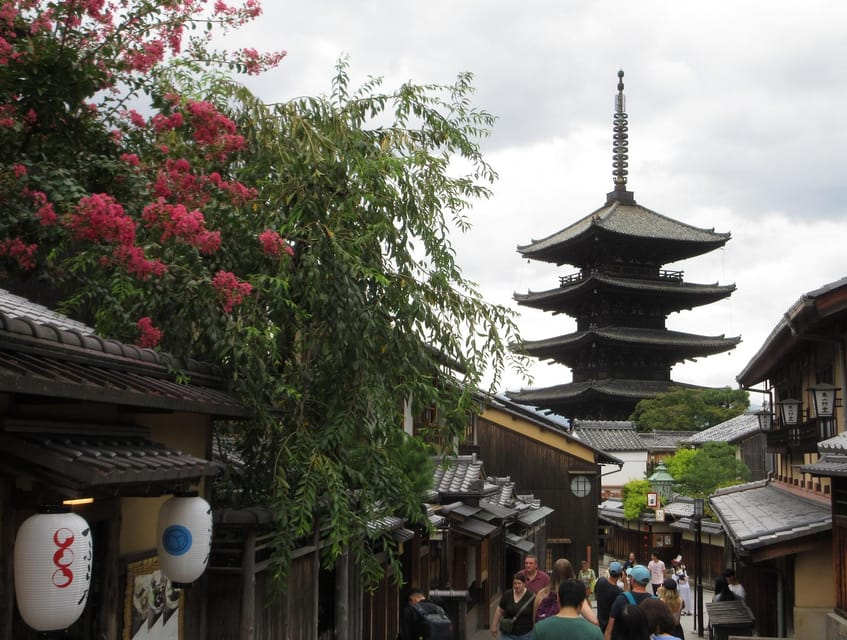
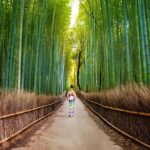
The tour’s first big stop is the Sagano Bamboo Forest in the Arashiyama area. Expect a guided visit and walk time around 1 hour, which is enough to experience the “bamboo tunnel” feeling without turning it into a marathon.
What I like about this stop on a guided half-day is that it’s not just about pretty photos. Your Italian guide frames the area within Kyoto’s broader story: the way preserved natural spaces shaped leisure life, and how visits to places like this fit into past patterns of retreat and reflection tied to aristocrats and literati. Even if you don’t know anything about Kyoto before you arrive, you’ll leave with a clearer sense of what the bamboo area is doing culturally, not just visually.
There’s also a practical side. Bamboo forests can be slippery or damp depending on the season, and footwear matters more than you think. Wear comfortable shoes you can walk in for a real stretch. You’ll be happier if you treat it like a short hike, not a casual stroll.
One note: this is a guided stop with a set time. If you’re the type who loves lingering quietly for 45 minutes on one perfect angle, you may wish you had a longer, unguided bamboo day afterward. But if you want to see it, learn it, and keep moving, this timing works.
Getting from bamboo to Kinkaku-ji: you’ll ride Kyoto, not just read about it
After the bamboo stop, the itinerary keeps you moving through Kyoto with included local transit. You’ll cover multiple legs—train, then a combination of bus/coach and subway—before arriving at the Golden Pagoda area.
Why that matters: Kyoto’s famous sights aren’t all in one tiny zone. Using the included transport saves you time and reduces decision fatigue. Instead of asking yourself what line to take, you can focus on the day, and the guide can keep the context going while you travel.
The drawback is simple: transit days feel longer than you expect. Even though you’re only out for about half a day, the day is split into segments with walking and a few ride transitions. If you get antsy when you’re not actively sightseeing every minute, that’s the one part of the experience to mentally prepare for.
Kinkaku-ji Golden Pagoda: seeing the why behind the shine
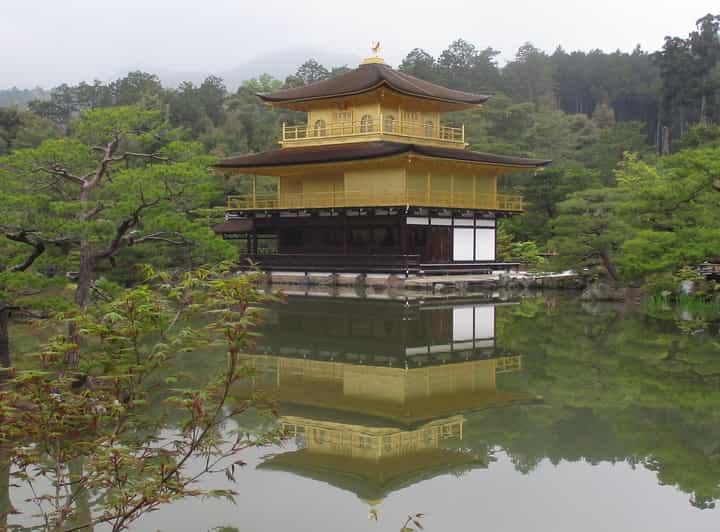
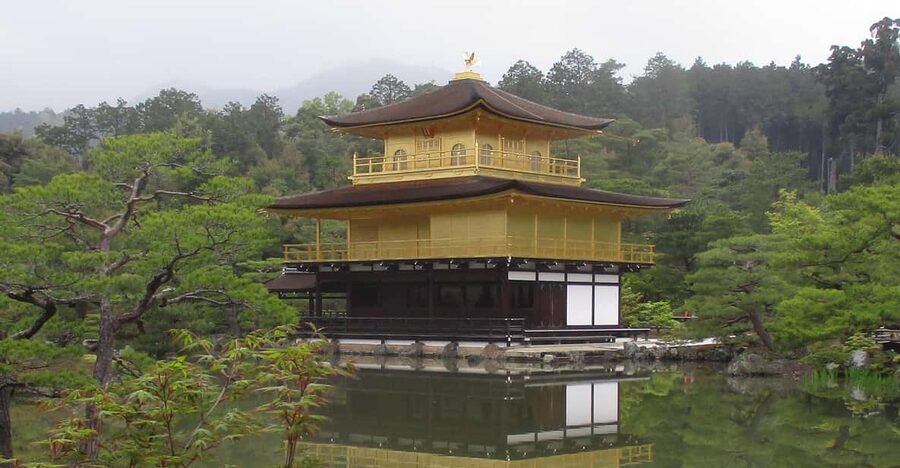
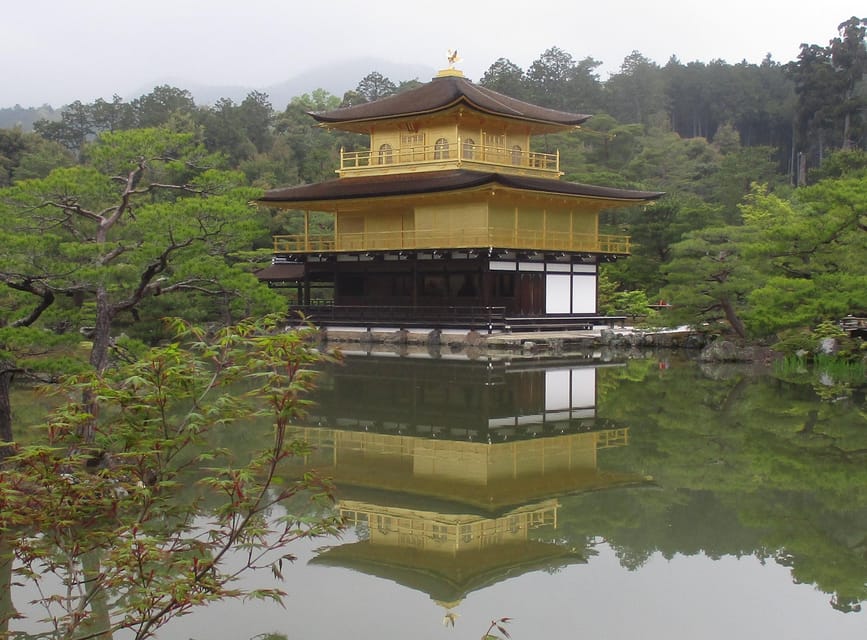
Kinkaku-ji, the Golden Pagoda, is the other star of the route. The visit is guided, with about 1 hour on site.
You’ll likely recognize it immediately, even if you’ve never studied Kyoto. The lesson here isn’t only what it looks like—it’s what it represented in the mindset of Kyoto’s high-status past. Your guide connects the Golden Pagoda and its preserved setting to the lives of imperial-house relatives, aristocrats, and literati, including the idea of retreat and refined leisure. You’ll hear how the environment itself supports the meaning of the site.
This stop also benefits from real-time Q&A. I like having a guide who can answer the questions that pop into your head while you look—why this place became so symbolic, how Kyoto’s historical roles shaped buildings and gardens, and how everyday modern Kyoto relates to those older layers.
Practical tip: bring a bit of patience for crowd flow. Kinkaku-ji is famous, and your group time is scheduled. If you want specific photo angles, you’ll have better luck doing quick scans first, then settling into one viewpoint rather than trying to chase every shot during the busiest moments.
More temples and shrines to slow down in across Kyoto


The Italian guide effect: Omae’s value is in the answers
The standout praise in this experience is the guide. The Italian guide—often referred to as Omae—is praised for preparation, culture, and a friendly approach. That combination matters because it turns two well-known sights into an actual story you can follow.
When a guide is strong, you don’t just get facts. You get the kind of context that lets you interpret what you’re looking at: the relationship between preserved spaces and the lives that shaped them, why certain classes visited and how the city’s roles changed over time.
You can also tell when a guide is comfortable with questions. In this type of tour, your curiosity is the fuel. If you ask about historical capital life, you’ll get answers that connect history to the real atmosphere of Kyoto today. And yes, it helps a lot that the tour is delivered in Italian—so you’re not translating on the fly while trying to enjoy the moment.
Group size can vary (it can be group or individual), which means your experience may feel more intimate with fewer people or more energetic with more. Either way, the guide’s role is the constant: explain, point, and respond.
Price and value: $117 for a guided Kinkaku-ji + bamboo day
At $117 per person, this isn’t a budget “walk around on your own” day. But the value comes from what’s included and how efficient the day is.
Here’s what you’re paying for, in practical terms:
- An Italian-speaking live guide for the full route
- Included transport during the itinerary (train, bus/coach, subway legs)
- Entrance fees for the scheduled monuments
- A tight, organized half-day plan starting and ending at Kyoto Station
If you tried to DIY this with the same guided structure, you’d still have to manage transit between Kyoto Station, the Sagano/Arashiyama area, and Kinkaku-ji, plus figure out ticketing and entrance planning. This tour removes that friction. For many people, reducing friction is worth real money—especially on a short Kyoto trip.
One thing to consider: because the time is limited, you don’t get “everything” in Arashiyama or endless browsing time at Kinkaku-ji. You’re choosing focus. If that fits your travel style, the price makes sense.
Ending at Kyoto Station: free to keep going or leave early
You return to Kyoto Station at the end of the tour. And you can also leave partway through if you want. That flexibility is a big deal in a city where your best plan might change once you arrive and see what feels right.
Ending at Kyoto Station helps because it’s a hub. From there, you can pick a direction: more temples, shopping streets, or simply settling into dinner plans without backtracking.
If your goal is to see Kinkaku-ji and bamboo and then spend the rest of your day elsewhere, this format is convenient and time-smart.
Who this Kyoto tour fits best (and who should skip it)
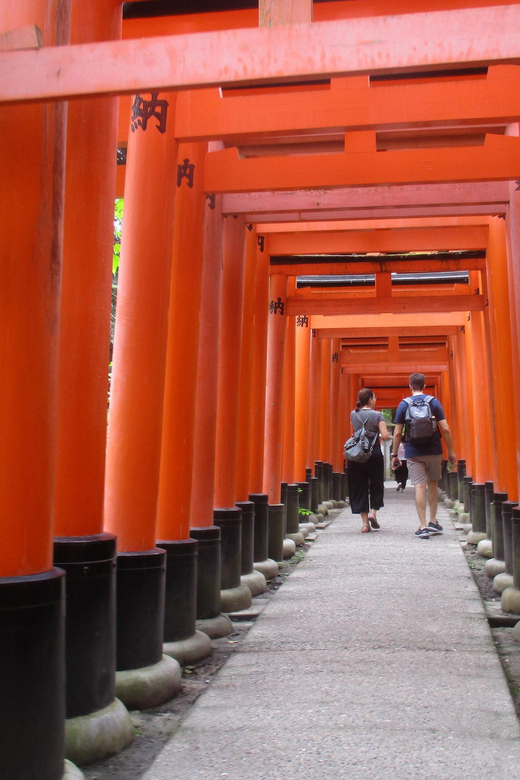
This tour is a good match if:
- You want Kinkaku-ji and the Sagano bamboo area but don’t want to spend your day studying routes
- You prefer guided explanations in Italian over silent self-guided wandering
- You like short, well-organized cultural outings with time left for your own plans
You might skip it if:
- You hate fixed schedules and want long, slow museum-style pacing
- You’re looking for a deep dive into only one site (like spending hours solely in Arashiyama)
- You’re traveling without interest in cultural context and mainly want to browse independently
Should you book this Kyoto Golden Pagoda and Bamboo Forest tour?
If you’re aiming for a smart half-day in Kyoto—two top sights, guided context, and included transport—this is an easy yes. The guide quality is clearly the main strength, and the route is built around getting you moving efficiently without sacrificing explanations.
Book it if you want to leave with more than photos: you want to understand how Kyoto’s preserved places relate to past court life, aristocratic leisure, and the atmosphere that still surrounds the city. Consider skipping if you want maximum unstructured time at a single site or you’re the type who wants to plan every detail alone.
FAQ
FAQ
How long is the Kyoto tour?
The duration is 5 hours.
Where does the tour start and end?
It starts at Kyoto Station (North entrance, Karasuma-guchi) and ends back at Kyoto Station.
Which main attractions are included?
You’ll visit Sagano Bamboo Forest (Sagano area / Arashiyama) and Kinkaku-ji (Golden Pagoda).
What language is the tour guide?
The live tour guide speaks Italian.
Is transportation included?
Yes. The itinerary includes train and bus/coach/subway legs scheduled during the tour.
Are entrance fees included?
Yes. Entrance fees for the monuments scheduled during the itinerary are included.
Can I leave the tour early?
Yes. The tour ends at Kyoto Station, and you are free to leave halfway.
What is the meeting point at Kyoto Station?
Meet at the space between the four escalators in front of the cab (not bus) terminal, toward the east just outside the central north entrance of Kyoto Station (you can see Kyoto Tower at the top left from that spot).
Is wheelchair accessibility available?
Yes, the tour is listed as wheelchair accessible.
What are my cancellation and payment options?
You can cancel up to 24 hours in advance for a full refund, and there is a reserve now & pay later option.
Who provides the tour?
The experience provider is Agenzia Turisti Italiani in Giappone.
More Tour Reviews in Kyoto
More Kyoto Temples and Shrines
More of Arashiyama and Sagano
Just added: more Kyoto tours to browse





Kyoto Temple & Shrine Tours, compared.
 ★ 4.9Tea Ceremony Ju-An at Jotokuji TempleFrom $293,207 reviews
 ★ 4.8Arashiyama Bamboo, Temple, Monkeys, or Secret Sake BreweryFrom $87886 reviews
 ★ 5.0Arashiyama Bamboo Forest, Monkeys, Matcha & Temple TourFrom $53759 reviews
 ★ 4.4Osaka/Kyoto: Arashiyama, Nara & Fushimi Inari Shrine w/LunchFrom $61754 reviews
 ★ 4.7Imperial Palace & Nijo Castle Guided Walking TourFrom $49453 reviews
 ★ 5.0Kyoto Zen Meditation & Garden Tour at a Zen Temple with LunchFrom $110441 reviews
 ★ 5.0Zen Experience in a Hidden TempleFrom $109437 reviews
 ★ 5.0KYOTO Tea Ceremony with kimono near by Imamiya Jinjya ShrineFrom $99343 reviews
Browse the lists this tour appears in